Native Michigan Wildflowers You Can Start Indoors This February
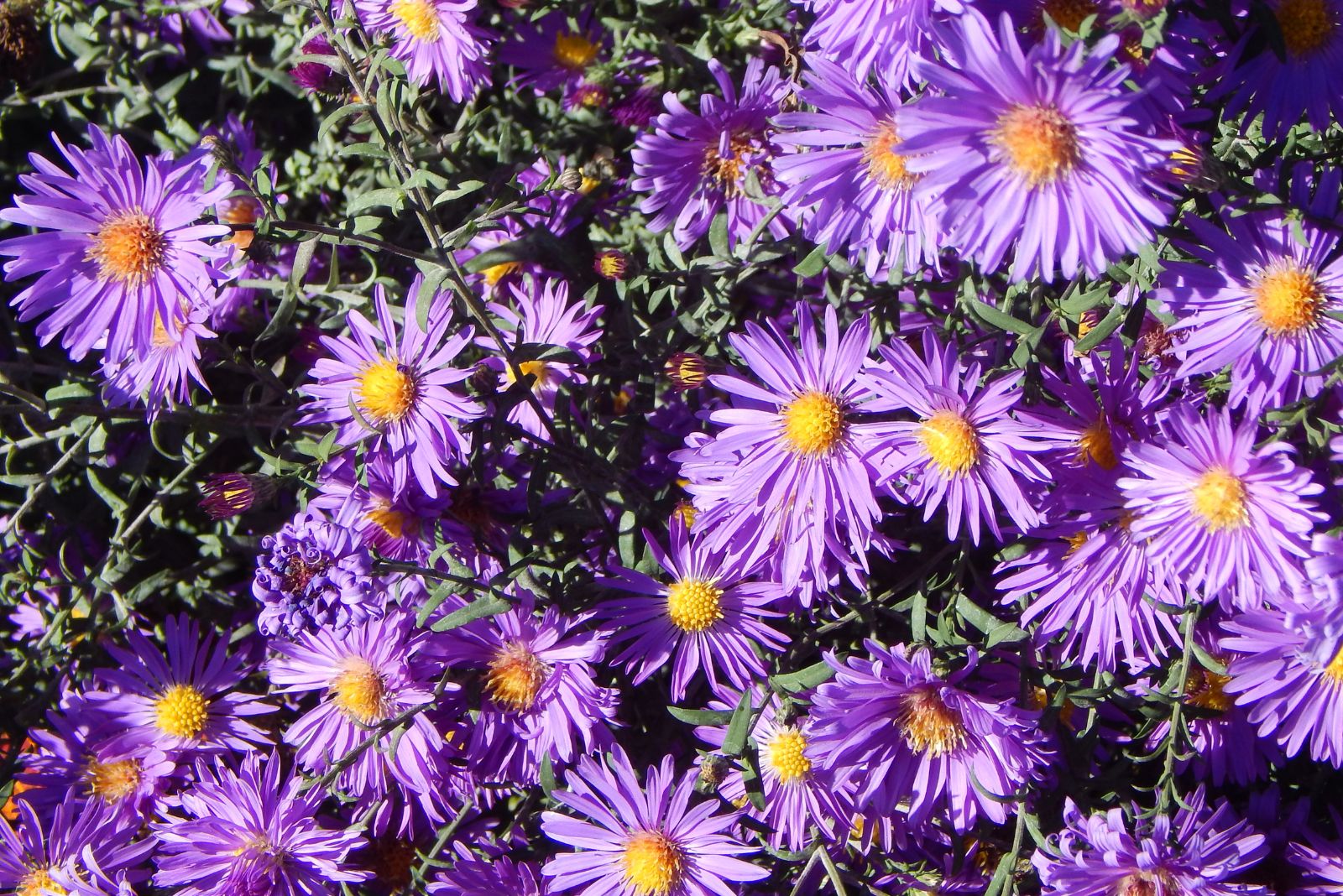
February might feel deep in winter, but for Michigan gardeners, it is the perfect time to get a head start on native wildflowers indoors.
Starting seeds now gives these hardy plants extra time to develop strong roots before spring planting, leading to healthier growth and better blooms later in the season.
Native wildflowers are especially rewarding because they are adapted to Michigan’s climate, support pollinators, and often require less maintenance once established.
Even while snow covers the ground outside, a sunny windowsill or simple grow light setup can bring your future garden to life.
From colorful bloomers to pollinator favorites, many native species respond well to early indoor starting.
If you want a vibrant, wildlife-friendly garden that returns year after year, you are about to discover beautiful Michigan wildflowers you can start indoors this February for a strong and colorful growing season ahead.
1. Black-Eyed Susan (Rudbeckia Hirta)
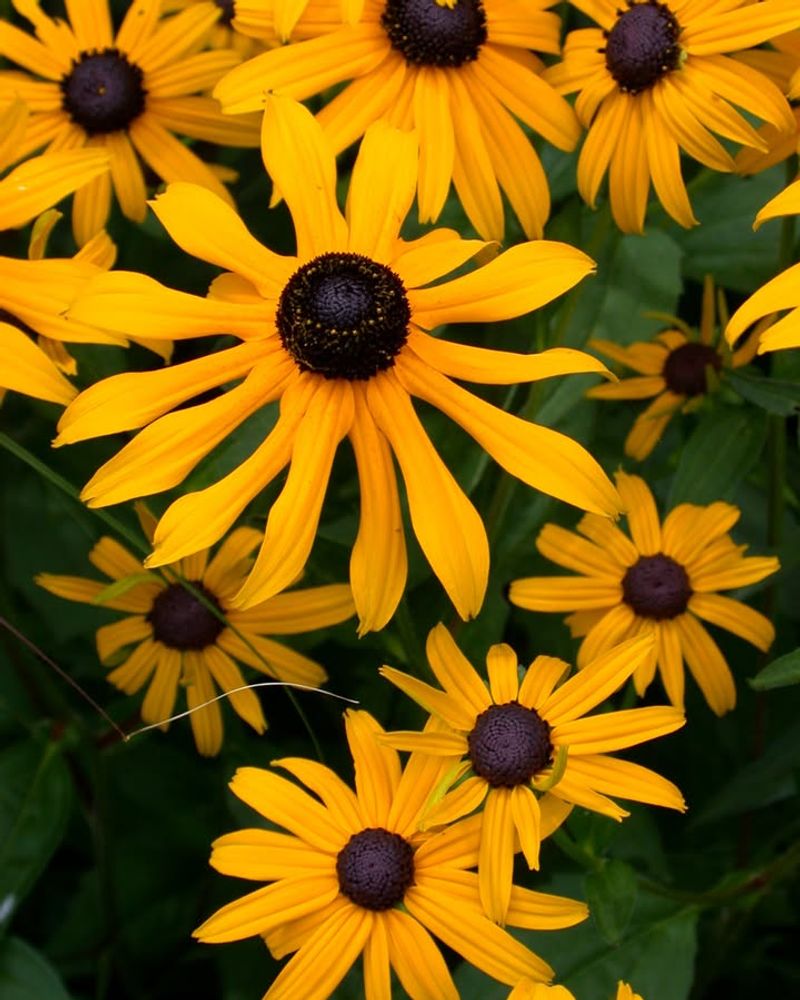
Cheerful and resilient, Black-Eyed Susans bring sunshine to any garden space. Their golden petals and dark chocolate centers create stunning contrast that catches every eye.
Starting these beauties indoors in February gives them about eight weeks to develop strong roots before outdoor planting.
Fill seed trays with quality potting mix and press seeds gently onto the surface. These seeds need light to germinate, so don’t bury them deep.
Keep the soil consistently moist but never waterlogged, and place trays near a bright window or under grow lights.
Germination typically happens within ten to fourteen days at room temperature. Once seedlings develop their second set of true leaves, you can transplant them into individual pots.
This gives each plant more room to grow strong before heading outside.
Black-Eyed Susans tolerate various soil conditions and actually prefer slightly dry environments once established. They bloom from midsummer through fall, providing continuous color for months.
Their long flowering period makes them incredibly valuable for pollinators searching for nectar.
These perennials often self-seed, creating natural drifts of color in subsequent years. They’re also relatively pest-resistant and require minimal maintenance once established.
Starting them indoors ensures you’ll have robust plants ready to thrive when Michigan’s unpredictable spring weather finally settles down.
2. Purple Coneflower (Echinacea Purpurea)
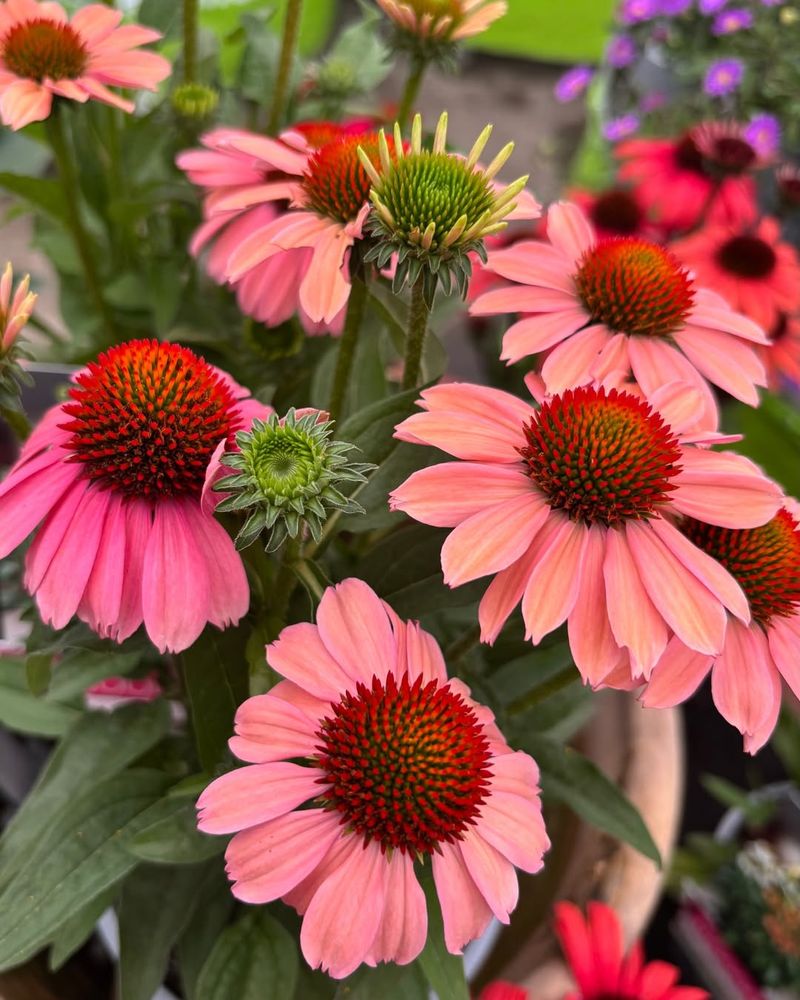
Purple Coneflowers stand tall and proud, offering both beauty and medicinal properties. Their distinctive spiky centers rise above drooping petals that range from pink to deep purple.
February indoor sowing allows these slow-growing perennials to establish robust root systems before transplanting.
Sow seeds in moistened seed-starting mix, covering them lightly with about a quarter inch of soil. Unlike some wildflowers, coneflowers appreciate a thin soil covering.
Place containers in a warm location, ideally between sixty-five and seventy degrees Fahrenheit.
Patience pays off with these native beauties since germination takes two to four weeks. Keep soil evenly moist during this waiting period, checking daily to prevent drying out.
Once sprouts appear, move them to bright light immediately to prevent leggy growth.
These perennials become pollinator magnets once they bloom in midsummer. Butterflies, bees, and hummingbirds visit constantly, making your garden a wildlife haven.
The seed heads also provide food for goldfinches and other songbirds throughout winter.
Purple Coneflowers adapt well to Michigan’s climate and tolerate both drought and clay soils once mature. They’re incredibly low-maintenance and actually thrive on neglect better than fussing.
Starting them indoors in February means you’ll enjoy their first blooms by late summer, rather than waiting an additional year for establishment.
3. Wild Bergamot (Monarda Fistulosa)
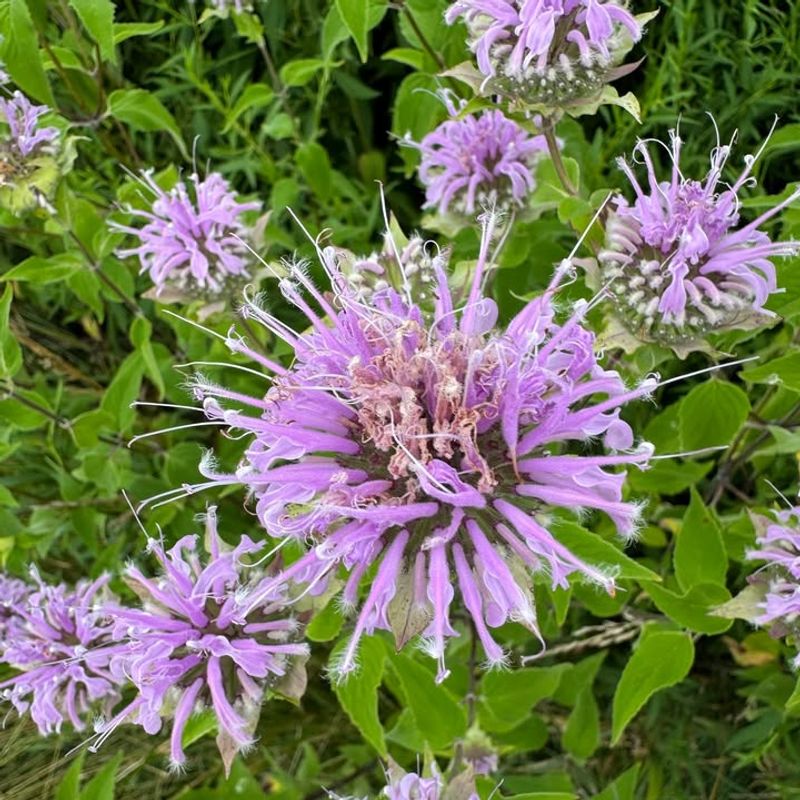
Aromatic and attractive, Wild Bergamot fills gardens with fragrance and color simultaneously. The lavender blooms smell minty when brushed against, releasing essential oils into the air.
This member of the mint family grows enthusiastically once established, making early indoor starts particularly rewarding.
Scatter tiny seeds across moist seed-starting medium without covering them completely. Light exposure helps these seeds germinate more successfully.
Maintain consistent moisture by misting regularly or covering trays with clear plastic domes.
Seedlings typically emerge within two weeks under proper conditions. Once they reach two inches tall, thin them to prevent overcrowding and promote air circulation.
Good spacing prevents the fungal issues that sometimes plague mint-family plants in humid conditions.
Wild Bergamot attracts an impressive array of pollinators, especially long-tongued bees and hummingbirds. The tubular flowers provide nectar throughout July and August when many spring bloomers have finished.
Butterflies also visit frequently, making this plant essential for pollinator gardens.
The leaves make excellent tea with a flavor reminiscent of Earl Grey. Indigenous peoples traditionally used this plant for various medicinal purposes.
Modern gardeners appreciate its ability to naturalize without becoming invasive, spreading gradually to form attractive clumps. Starting indoors ensures transplants are sturdy enough to compete with weeds when moved outside after frost danger passes.
4. Prairie Smoke (Geum Triflorum)
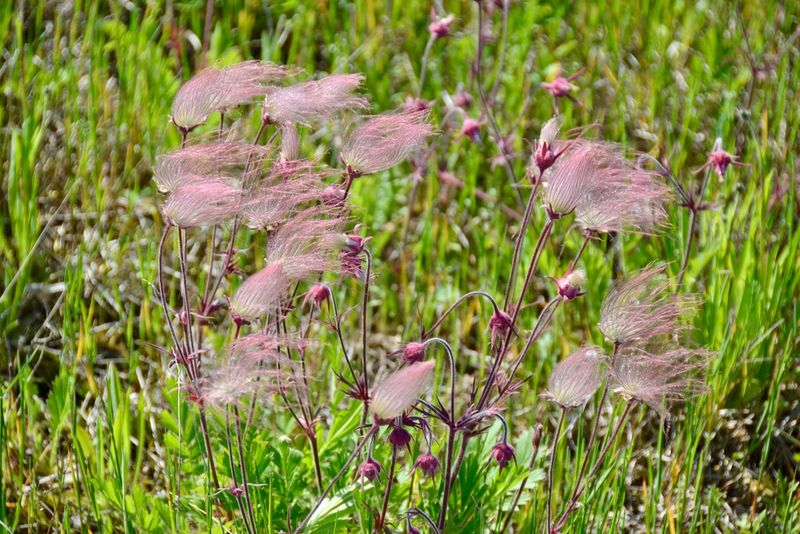
Whimsical and unique, Prairie Smoke earns its name from feathery seed heads that resemble wisps of pink smoke. The nodding flowers appear in late spring, followed by these spectacular plumes that persist for weeks.
Starting seeds indoors protects delicate seedlings from Michigan’s unpredictable late frosts.
These seeds benefit from cold stratification, so consider pre-chilling them in the refrigerator for several weeks before sowing. Plant them in well-draining seed mix, barely covering the surface.
Keep soil moderately moist but never soggy, as excessive moisture causes rot.
Germination occurs slowly and unevenly, sometimes taking three to four weeks. Don’t give up if nothing appears immediately; patience rewards you with these charming plants.
Once sprouted, seedlings grow slowly at first, focusing energy on developing strong root systems.
Prairie Smoke thrives in sandy or gravelly soils that drain quickly. It’s perfect for rock gardens or challenging spots where other plants struggle.
The low-growing foliage forms attractive mounds even when not blooming.
This native wildflower tolerates drought exceptionally well once established in the garden. The unique seed heads provide visual interest long after flowering finishes.
Early pollinators appreciate the spring blooms when few other food sources are available. Indoor starting in February gives these slow-developing plants adequate time to reach transplant size before outdoor conditions become favorable.
5. New England Aster (Symphyotrichum Novae-Angliae)
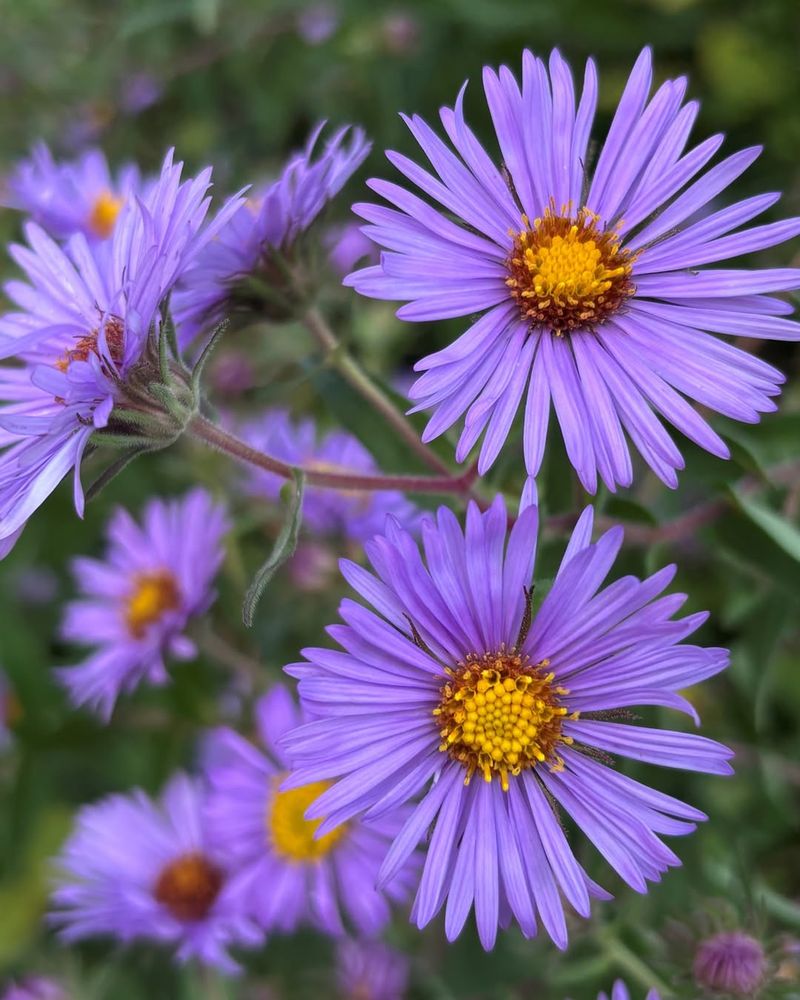
Late-season showstoppers, New England Asters explode with purple blooms just when summer flowers are fading. These tall perennials can reach four feet high, creating dramatic vertical accents.
Indoor starting extends the growing season, encouraging earlier and more abundant flowering in their first year.
Sow seeds on the surface of moistened potting mix in late February. Press them gently but leave them exposed to light for optimal germination.
Maintain temperatures around sixty-five degrees and keep humidity high with dome covers or plastic wrap.
Expect seedlings to emerge within ten to twenty days. Once they develop true leaves, transplant into larger containers to accommodate their vigorous growth.
Pinching back young plants encourages bushier growth and prevents them from becoming too leggy before transplanting.
These asters bloom prolifically from late August through October, providing crucial nectar when monarchs are migrating south. Native bees and countless butterfly species depend on these late-season blooms for sustenance.
The flowers also make excellent cut arrangements that last well in vases.
New England Asters prefer full sun and tolerate a range of soil types. They benefit from occasional pinching in early summer to promote branching and prevent flopping.
Some gardeners cut plants back by half in early June for more compact growth. Starting indoors ensures robust plants that bloom heavily their first season rather than spending the entire year just getting established.
6. Wild Columbine (Aquilegia Canadensis)
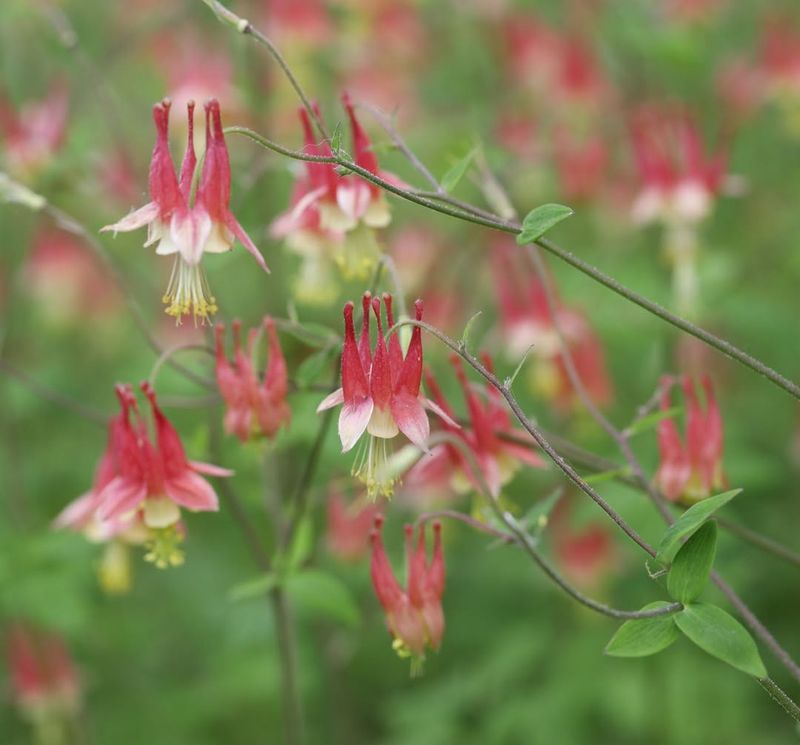
Delicate yet tough, Wild Columbine dances in the breeze with red and yellow bells. The unique flower shape evolved specifically to attract hummingbirds with their long beaks.
Starting these woodland natives indoors gives them a strong foundation before facing outdoor challenges.
Cold stratification dramatically improves germination rates for columbine seeds. Place seeds in moist sand inside a sealed bag, then refrigerate for three to four weeks before sowing.
After chilling, scatter seeds on soil surface and press lightly without covering completely.
Germination begins within two to three weeks once seeds warm up. Seedlings appear fragile but are surprisingly resilient once established.
Keep soil consistently moist during the germination period, then reduce watering slightly as plants mature.
Wild Columbine thrives in partial shade, making it perfect for woodland edges or beneath deciduous trees. The ferny foliage remains attractive even after blooming finishes in late spring.
Plants often self-seed generously, creating natural colonies over time.
Hummingbirds visit these flowers constantly throughout May and June. The long spurs contain nectar accessible only to long-tongued pollinators, ensuring efficient pollination.
Columbine also attracts sphinx moths during evening hours. This native adapts to various soil conditions but prefers well-drained sites.
Indoor February sowing produces transplant-ready seedlings by early May, allowing them to establish before summer heat arrives and bloom reliably their first season.
7. Virginia Bluebells (Mertensia Virginica)
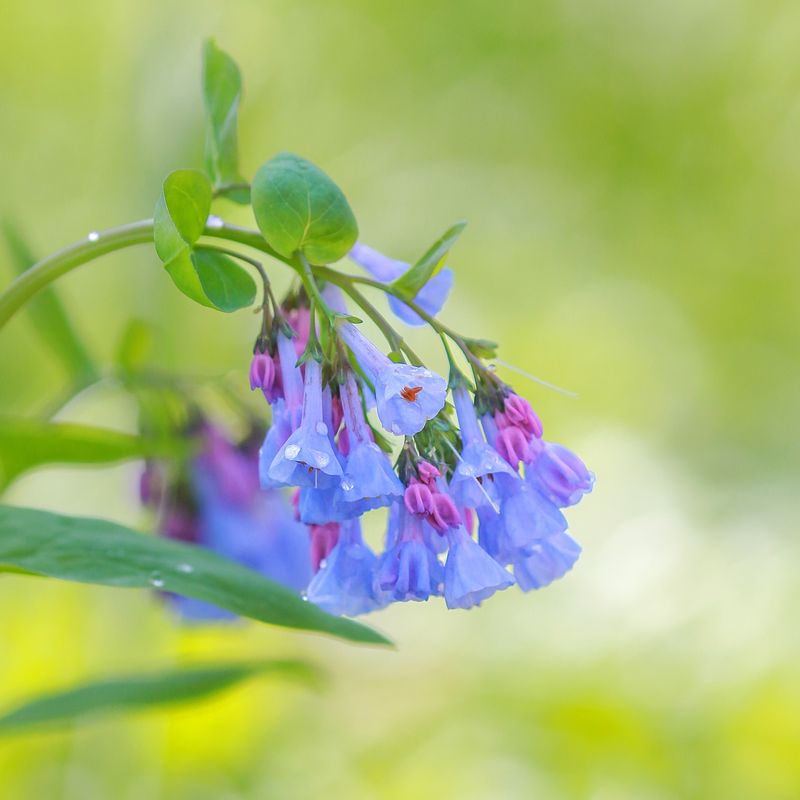
Enchanting spring ephemerals, Virginia Bluebells carpet woodland floors with sky-blue flowers each April. The blooms start pink and gradually shift to brilliant blue as they mature.
Indoor starting protects these early bloomers from frost damage and ensures stronger plants for transplanting.
Sow fresh seeds in fall or stratify stored seeds before February planting. Place seeds in moistened vermiculite in the refrigerator for six weeks minimum.
After cold treatment, sow in containers with rich, moisture-retentive potting mix.
Germination can be sporadic, with some seeds sprouting quickly and others taking longer. Maintain cool temperatures around fifty-five to sixty degrees for best results.
Keep soil evenly moist throughout the germination and growing period.
These woodland natives prefer shade and rich, moist soil similar to forest floors. They bloom spectacularly in spring, then foliage yellows and disappears by midsummer.
This ephemeral nature makes them perfect companions for hostas or ferns that fill in later.
Early bumblebees and other spring pollinators depend heavily on bluebells for nectar. The flowers provide crucial food when few other sources are available.
Virginia Bluebells naturalize beautifully under deciduous trees, spreading slowly to form impressive colonies. Starting seeds indoors in February allows careful monitoring of these sometimes-tricky germinators.
Transplants establish more successfully than direct-sown seeds, making the indoor effort worthwhile for reliable spring displays.
8. Butterfly Weed (Asclepias Tuberosa)
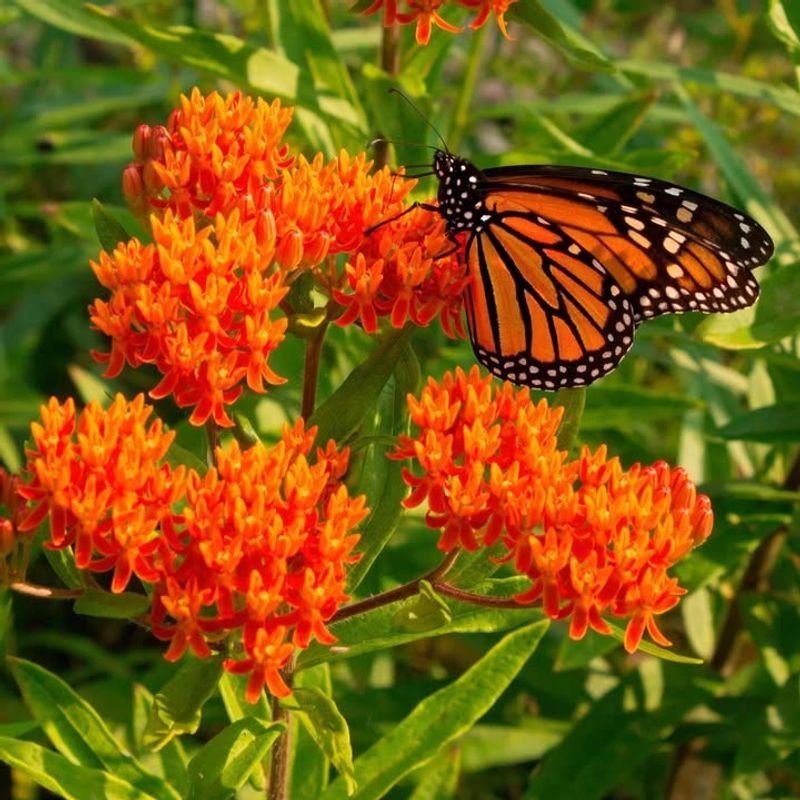
Brilliant orange blooms make Butterfly Weed impossible to ignore in summer gardens. This milkweed relative serves as essential habitat for monarch butterfly caterpillars.
Indoor seed starting in February ensures transplants are ready when monarchs begin laying eggs in late spring.
Butterfly Weed seeds have a natural germination inhibitor that cold stratification helps overcome. Refrigerate seeds in moist sand for thirty days before sowing.
Plant seeds about a quarter inch deep in well-draining mix, as these plants hate soggy conditions.
Germination takes two to four weeks after stratification. Seedlings develop slowly initially, focusing on establishing deep taproots.
Avoid disturbing roots during transplanting since damage can set plants back significantly or even prove fatal.
The vibrant orange flowers bloom from June through August, attracting countless butterflies, bees, and other beneficial insects. Monarch butterflies specifically seek out milkweed species for egg-laying.
Watching caterpillars munch leaves and transform into chrysalises provides endless fascination.
Once established, Butterfly Weed tolerates drought remarkably well thanks to its deep taproot. It thrives in poor, sandy soils where many plants struggle.
The plant contains no milky sap like other milkweeds, making it less messy to handle. Starting indoors gives these slow-growing perennials a crucial head start.
First-year plants often don’t bloom when direct-sown, but indoor-started transplants frequently flower their first summer, supporting monarchs immediately.
9. Wild Lupine (Lupinus Perennis)
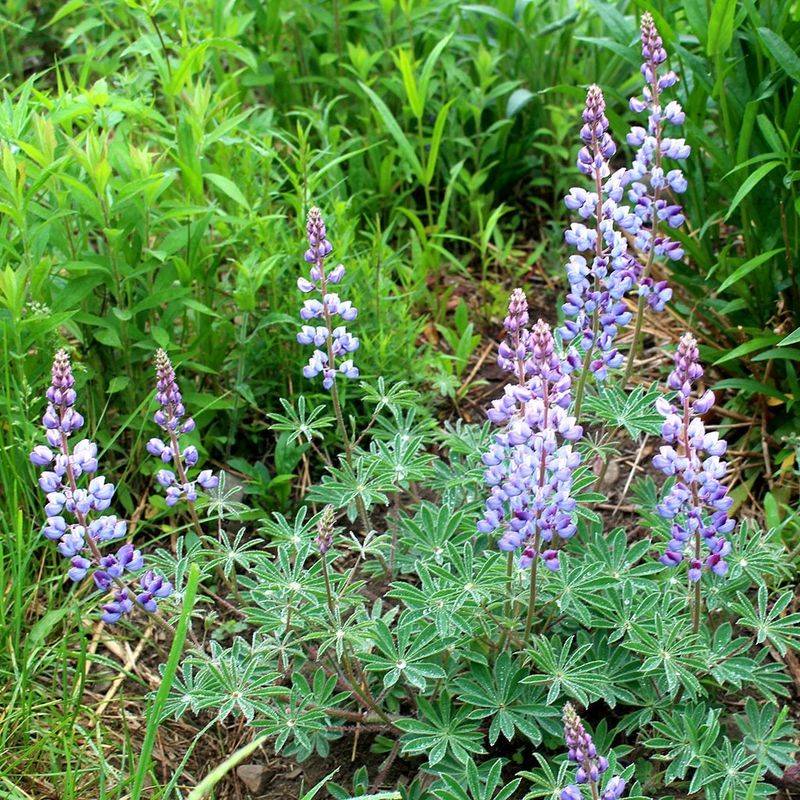
Spectacular purple spikes rise majestically from Wild Lupine plants each spring. These nitrogen-fixing perennials improve soil quality while providing stunning visual displays.
Indoor sowing improves germination success rates significantly compared to direct outdoor planting in Michigan’s cool, unpredictable springs.
Lupine seeds have extremely hard coats that benefit from scarification before planting. Nick each seed carefully with a file or soak overnight in warm water.
After scarification, plant seeds about half an inch deep in individual pots to accommodate their long taproots.
Germination typically occurs within two to three weeks under warm conditions. Seedlings grow quickly once sprouted, developing characteristic palmate leaves.
Lupines dislike transplanting, so starting in deeper pots minimizes root disturbance when moving outdoors.
These natives thrive in sandy, well-drained soils and full sun exposure. They’re the sole host plant for the endangered Karner blue butterfly in Michigan.
Planting Wild Lupine contributes directly to conservation efforts for this rare species.
The purple flower spikes bloom in late May and June, creating stunning displays. After flowering, interesting seed pods develop that eventually burst open, scattering seeds.
Wild Lupine fixes nitrogen through root nodules, enriching surrounding soil for neighboring plants. Indoor February starting gives these sometimes-finicky germinators the controlled conditions they need.
Transplants establish more reliably than direct-sown seeds, ensuring successful stands that support both garden beauty and endangered wildlife populations.