8 Native North Carolina Flowers That Practically Grow Themselves
North Carolina gardens can burst with color when the right native flowers take hold. Many of the state’s wildflowers are naturally adapted to local soils, rainfall, and seasonal changes, which means they grow beautifully without constant care.
For gardeners who want a landscape that looks vibrant without demanding endless work, native plants are often the smartest choice. Across the Coastal Plain, Piedmont, and Mountain regions, these flowers have evolved to handle local conditions with ease.
Some thrive in sunny backyard beds, while others flourish along woodland edges or in slightly moist corners of the garden. Once established, many require very little watering or maintenance.
Choosing native flowers can turn an ordinary yard into a lively, colorful space that supports pollinators and wildlife. These eight North Carolina native blooms are among the toughest and most rewarding plants you can grow.
1. Wild Bergamot
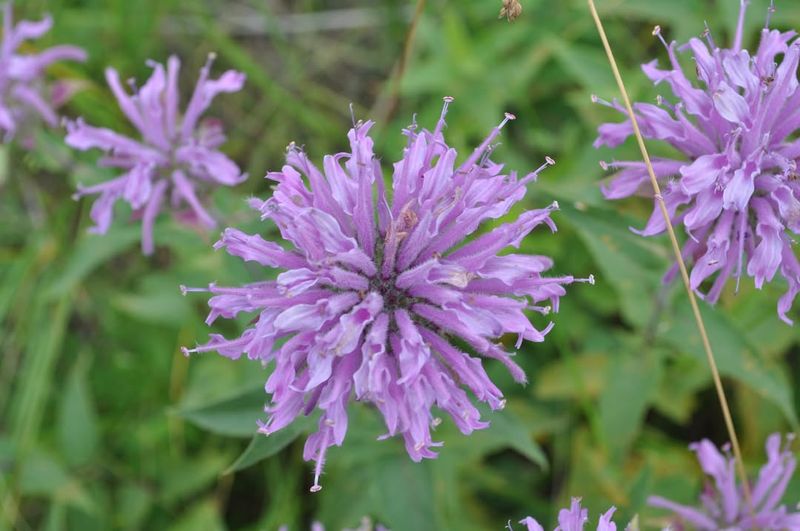
Imagine walking past a garden and catching a sweet, herbal fragrance drifting through the warm afternoon air. That is exactly what Wild Bergamot brings to any North Carolina yard.
Monarda fistulosa belongs to the mint family, and both its flowers and leaves carry a delightful aromatic quality that makes it a true sensory experience, not just a visual one.
Wild Bergamot grows naturally in North Carolina meadows and open areas, which tells you a lot about how easy it is to grow. It blooms in mid-summer, producing clusters of soft lavender to pink flowers that bees, butterflies, and hummingbirds simply cannot resist.
Full sun and well-drained soil are really all it needs to put on a reliable show year after year without much fuss from you.
One thing that surprises many first-time growers is how quickly Wild Bergamot fills in a space. It spreads gradually through underground rhizomes, creating a lush, full patch that looks intentional and designed.
North Carolina gardeners who want a pollinator-friendly yard with low upkeep should absolutely put this plant near the top of their list.
Trim it back lightly after blooming to encourage bushier growth, and you will have a thriving, fragrant patch that practically manages itself season after season with very little intervention needed.
2. Black-Eyed Susan
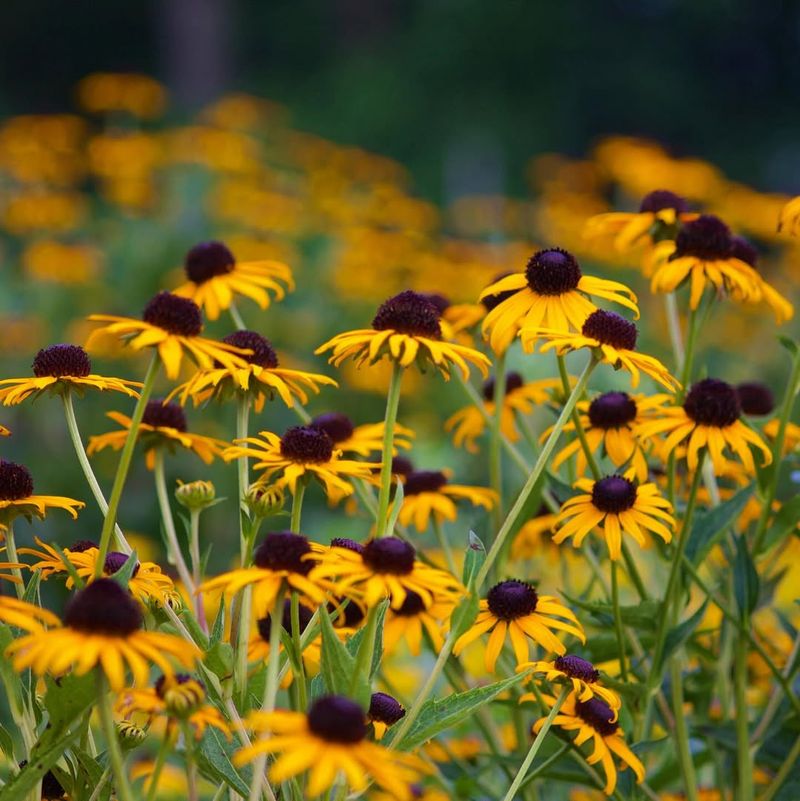
Few flowers say “summer in North Carolina” quite like the cheerful Black-Eyed Susan. With its golden-yellow petals surrounding a rich, dark center, Rudbeckia hirta is one of the most recognizable wildflowers across the state.
It lights up roadsides, meadows, and home gardens from midsummer all the way into early fall, giving you weeks of color without much effort at all.
One of the best things about this plant is its incredible toughness. Black-Eyed Susans thrive in full sun and handle drought conditions surprisingly well once they settle into the soil.
They adapt to clay, sandy, or average garden soil, which makes them a fantastic choice for North Carolina gardeners who deal with unpredictable weather patterns throughout the growing season.
Here is where it gets really exciting for low-maintenance gardeners: Black-Eyed Susans reseed on their own every year. You plant them once, and they keep coming back, spreading gradually to fill more space in your garden.
Bees and butterflies absolutely love visiting the blooms, so your yard becomes a lively pollinator hub with zero extra work. Simply give them a sunny spot with decent drainage, step back, and watch nature do the rest beautifully.
3. Coreopsis
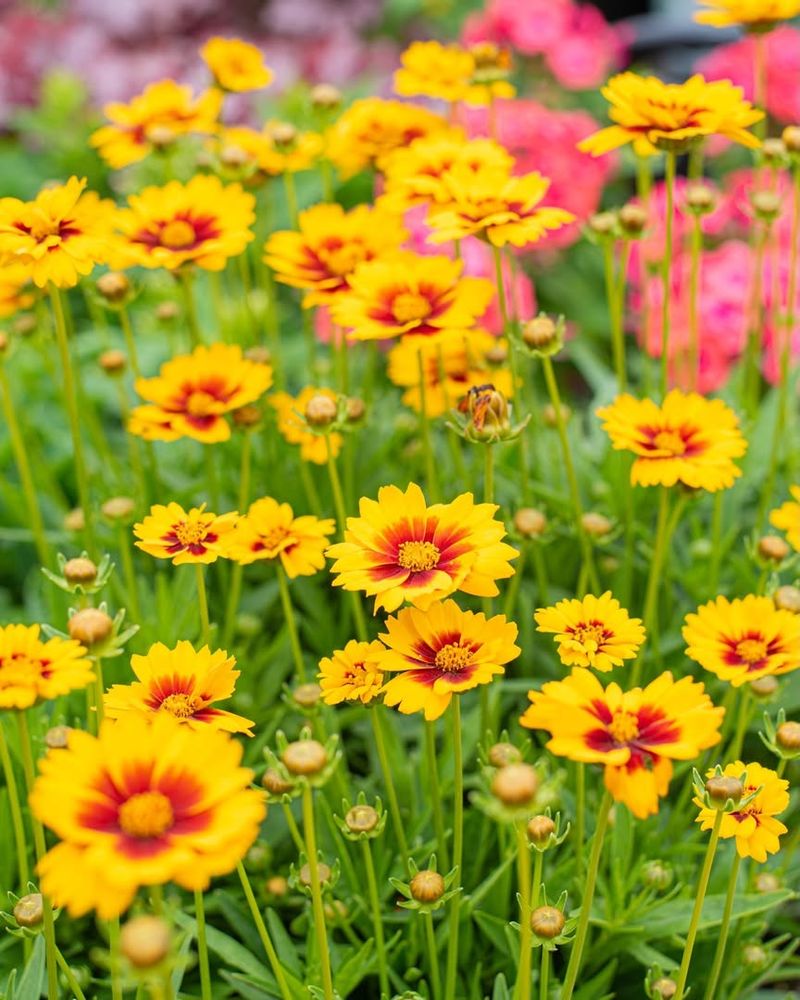
If your garden has poor, sandy soil and lots of sun, Coreopsis might just become your new favorite plant.
Often called tickseed, native Coreopsis varieties like Coreopsis tinctoria produce a wave of bright yellow blooms that last for an impressively long time throughout the growing season.
North Carolina gardeners love this plant because it thrives in the exact conditions that make other flowers struggle.
Coreopsis actually prefers lean soil over rich, heavily amended beds. Adding too much fertilizer can cause the plant to produce lots of foliage but fewer of those cheerful yellow flowers everyone plants it for.
Give it a sunny spot, skip the heavy soil prep, and let this tough native do exactly what it was born to do in the Carolina landscape.
Deadheading spent blooms encourages even more flowers to form throughout the season, though many gardeners skip this step entirely and still enjoy a beautiful display. Butterflies and small native bees visit Coreopsis regularly, adding movement and life to the garden.
The plant reseeds itself when conditions are right, meaning your original planting can naturally expand over time.
For anyone wanting a low-effort, high-reward flower that genuinely earns its place in a North Carolina garden, Coreopsis is one of the smartest choices you can make right from the start.
4. Purple Coneflower
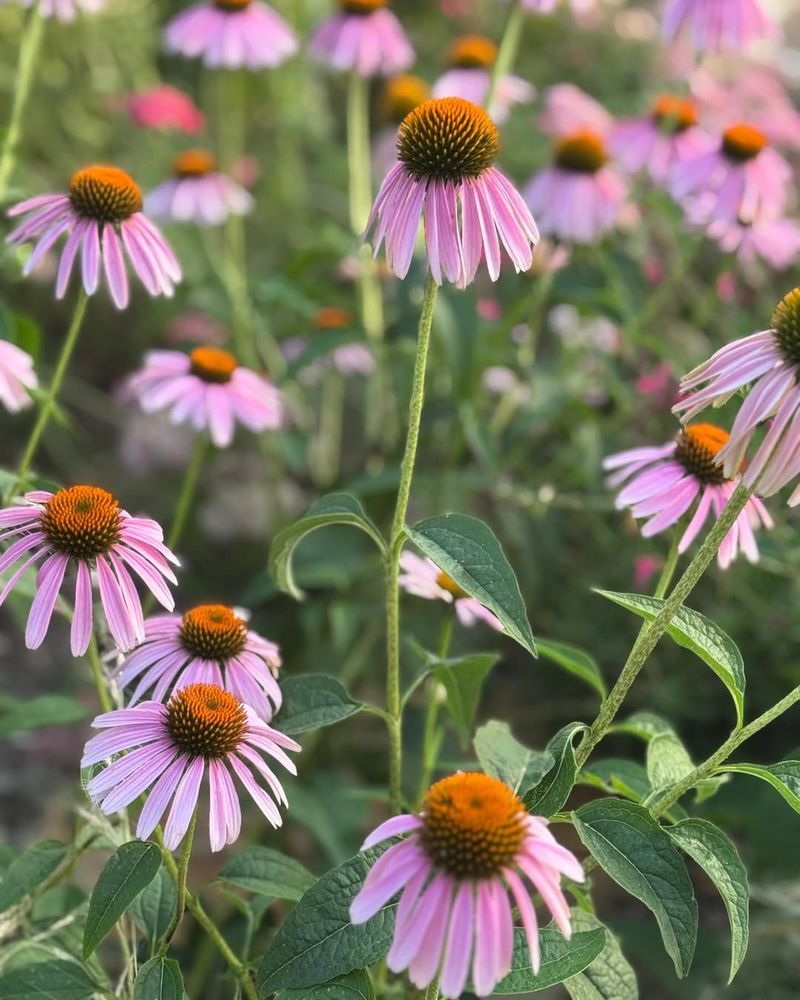
Bold, beautiful, and practically bulletproof, the Purple Coneflower is one of North Carolina’s most beloved native perennials.
Echinacea purpurea produces stunning pink-purple petals that sweep back from a raised, spiky center, creating a look that feels both wild and elegant at the same time.
Gardeners across the state have relied on this plant for decades because it simply refuses to give up.
Purple Coneflower thrives in full sun and well-drained soil, which makes it a natural fit for most North Carolina landscapes.
Once established, it needs almost no supplemental watering, even during the hot and dry stretches that often hit the Piedmont and Coastal Plain regions hard.
The roots go deep into the soil, allowing the plant to pull moisture on its own without any extra help from you.
Pollinators go absolutely wild for this flower. Bees, butterflies, and even goldfinches flock to Purple Coneflower throughout the summer and into fall, when the seed heads provide a natural food source for birds.
Fun fact: Echinacea has been used in traditional herbal medicine for centuries, long before it became a garden staple.
Planting a patch of Purple Coneflower in your North Carolina garden means supporting wildlife, adding vibrant color, and enjoying a plant that grows stronger with each passing year.
5. Cardinal Flower
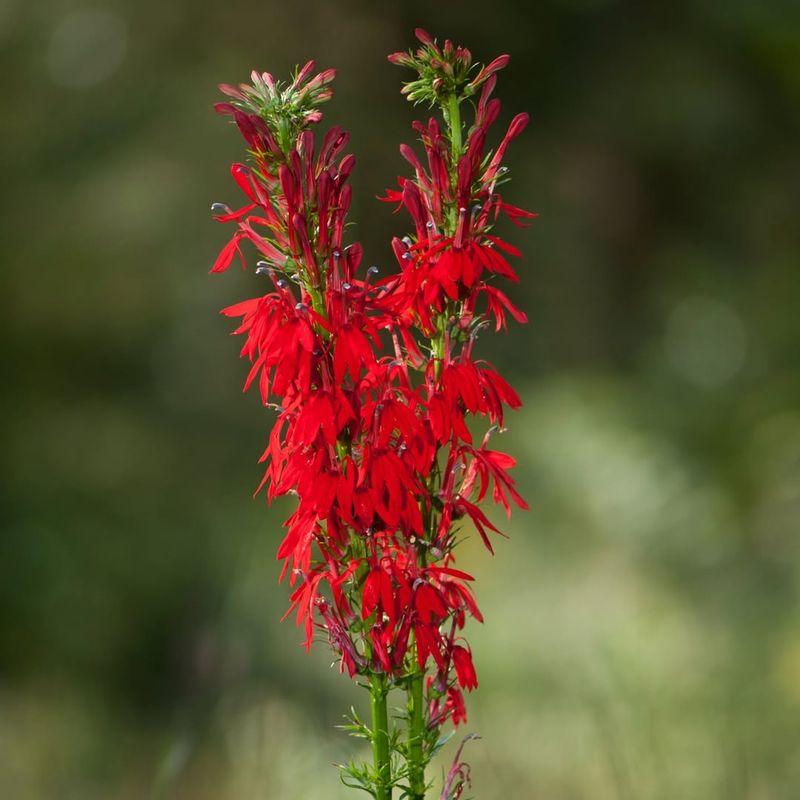
There is nothing quite like spotting a spike of intense scarlet red rising up from a shady, moist garden corner. Cardinal Flower, known botanically as Lobelia cardinalis, is one of the most striking native plants found throughout North Carolina.
Its vivid red blooms are almost impossible to miss, and hummingbirds in particular seem drawn to them like a magnet during late summer.
This plant naturally grows along stream banks, wetland edges, and moist woodland areas across the state, so it thrives in spots where many other plants struggle.
If you have a low-lying area in your yard that stays consistently damp, Cardinal Flower will feel right at home there.
It handles partial shade well, making it one of the few brilliantly colored natives that does not demand full sun all day long.
Once established in the right location, Cardinal Flower needs very little attention from you. It reseeds freely in moist soil, so a single plant can gradually build into a beautiful colony over several seasons.
The hummingbirds that visit your Cardinal Flower patch will also help with pollination, naturally supporting the plant’s spread.
For North Carolina gardeners looking to add drama, wildlife appeal, and bold color to a shady or wet garden area, this native perennial delivers everything you could want and then some.
6. Wild Indigo
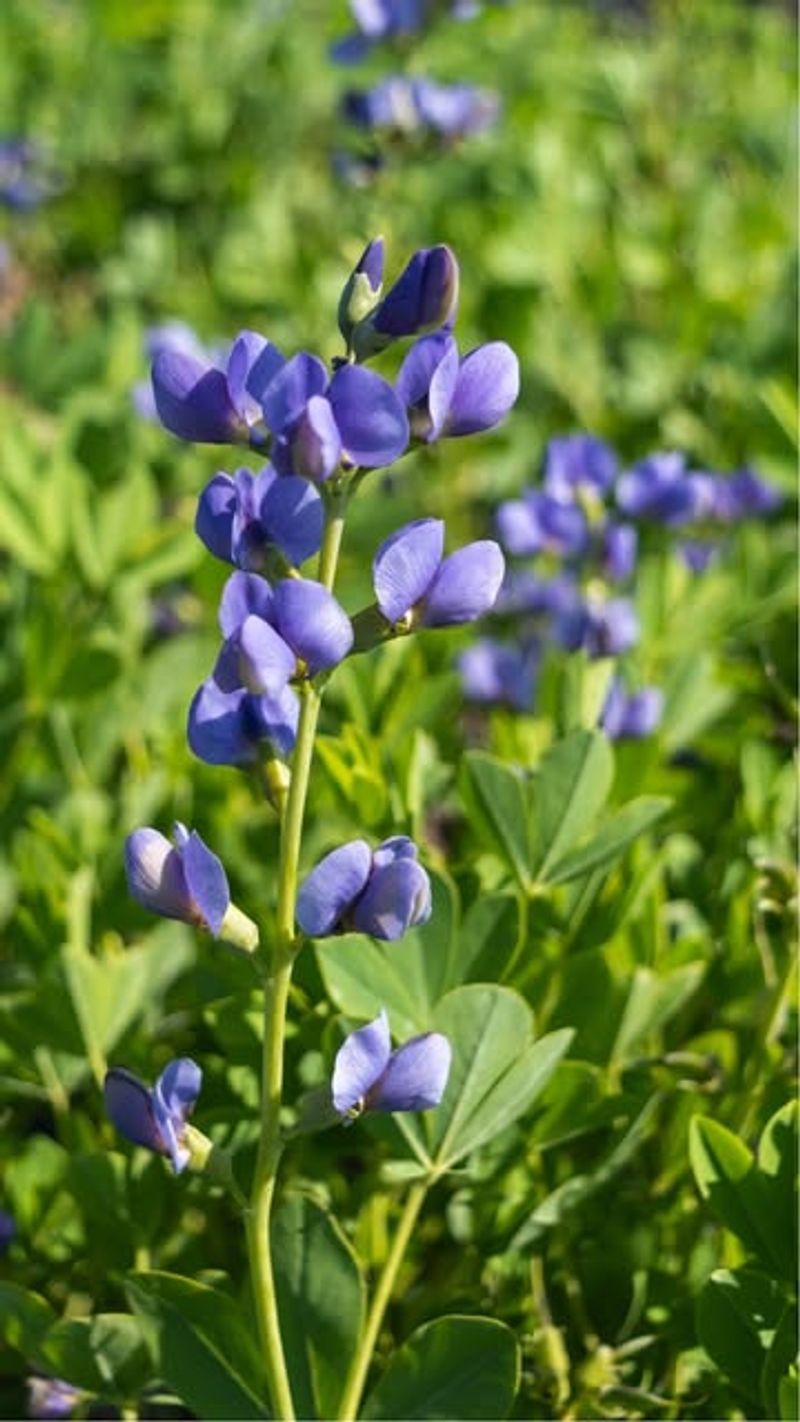
Wild Indigo is the kind of plant that makes experienced gardeners smile knowingly when they see it in someone’s yard.
Baptisia australis is a native North Carolina perennial that looks like it requires a lot of attention, but in reality, it is one of the most self-sufficient plants you can grow.
The tall, elegant spikes of deep blue-purple flowers that appear in late spring are genuinely stunning and look almost too beautiful to be this easy.
North Carolina’s prairies and open woodlands are natural habitat for Wild Indigo, which explains why it handles drought so well once its roots are established.
The root system goes remarkably deep into the soil, anchoring the plant firmly and pulling up moisture even during dry spells.
It prefers full sun and well-drained soil, and it really does not want or need regular fertilizing, which is a refreshing change from many garden plants.
Here is a fun fact that many people do not know: Wild Indigo actually improves the soil around it by fixing nitrogen naturally, similar to other members of the legume family.
The plant also develops attractive, inflated seed pods after flowering that add visual interest later in the season.
Slow to establish in its first year or two, Wild Indigo rewards patient North Carolina gardeners with decades of reliable, gorgeous blooms and almost zero maintenance required.
7. Eastern Red Columbine
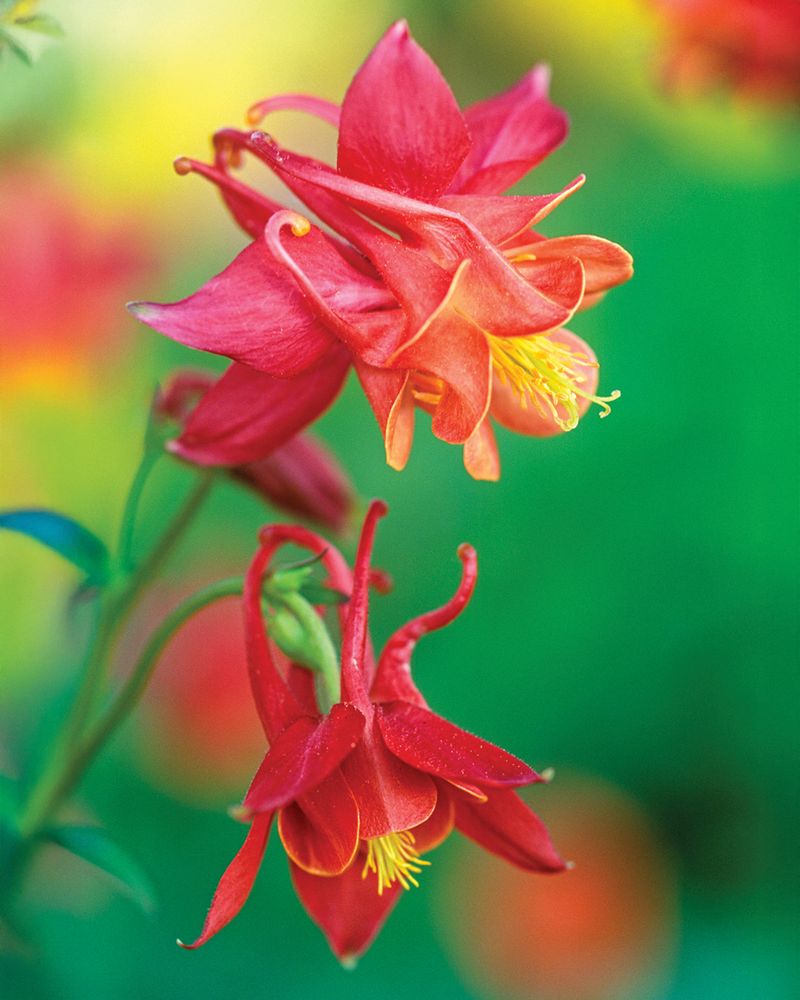
Tucked beneath tall trees and along shaded forest edges, Eastern Red Columbine is one of North Carolina’s most charming native wildflowers.
Aquilegia canadensis produces delicate, nodding blooms in a striking combination of red and yellow, with distinctive spurred petals that look almost like tiny lanterns hanging from slender stems.
Spring in North Carolina would not feel complete without these graceful flowers appearing in woodland gardens.
Unlike many sun-loving natives, Eastern Red Columbine genuinely prefers partial shade, which makes it a perfect solution for those tricky spots under trees where grass refuses to grow well.
It adapts to average, well-drained soil without needing any amendments or special care. Once you plant it in the right spot, the main thing you need to do is simply enjoy watching it bloom each spring with almost no effort on your part.
Hummingbirds are especially attracted to the long-spurred red flowers, often arriving in North Carolina just as the Columbine begins to bloom in early spring. The plant self-seeds readily, so it gradually naturalizes and spreads across a shaded garden area over time.
Individual plants tend to be short-lived, but the consistent self-seeding habit keeps the colony going indefinitely without replanting.
For any North Carolina gardener with a shady spot and a love of wildlife, Eastern Red Columbine is a genuinely rewarding and easy choice to grow.
8. Butterfly Weed
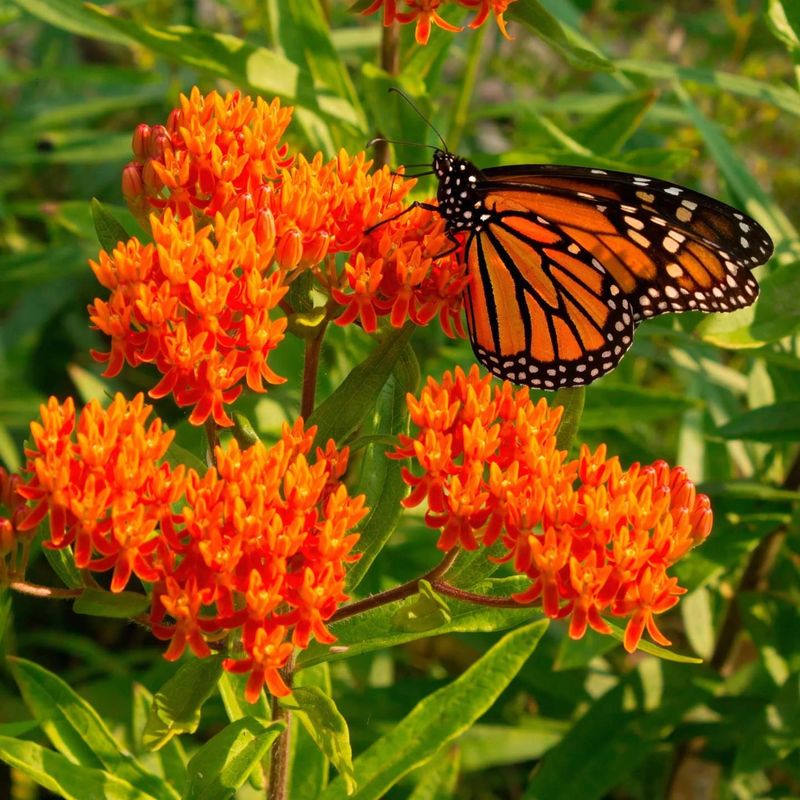
Do not let the word “weed” fool you because Butterfly Weed is one of the most gorgeous and useful native plants growing in North Carolina today.
Asclepias tuberosa produces clusters of vivid orange flowers that seem to glow in the summer sun, making it a standout in any garden setting.
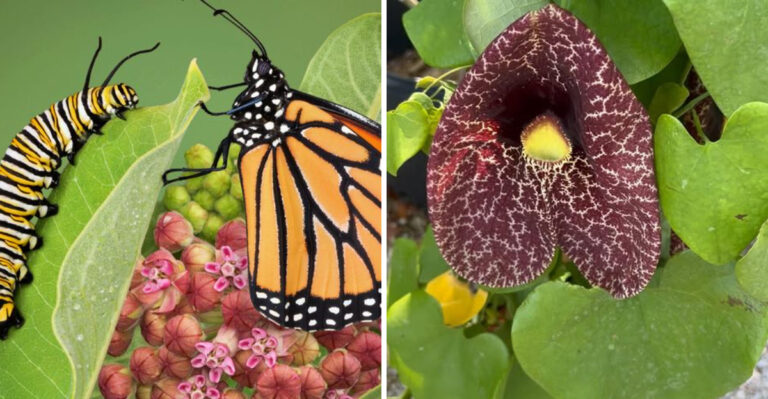
Monarch butterflies, in particular, depend on this plant as a host for their caterpillars, making it a genuinely important addition to any pollinator-friendly yard.
Butterfly Weed thrives in hot, dry conditions and actually performs better in poor or sandy soil than in rich garden beds. It is a perfect native for North Carolina’s warmer regions, where summer heat and occasional drought can stress less adapted plants.
The deep taproot it develops makes the plant incredibly drought-tolerant once established, meaning you can practically forget about watering it after its first growing season.
One thing to keep in mind is that Butterfly Weed emerges late in spring, so mark its location so you do not accidentally disturb it before it shows up. It does not like to be transplanted once established, so choose its permanent spot carefully from the beginning.
Beyond monarchs, native bees and swallowtail butterflies flock to the blooms all summer long. Growing Butterfly Weed in your North Carolina garden is one of the most impactful and effortless things you can do for local wildlife this season.