Native North Carolina Plants That Bloom Early And Feed Spring Pollinators
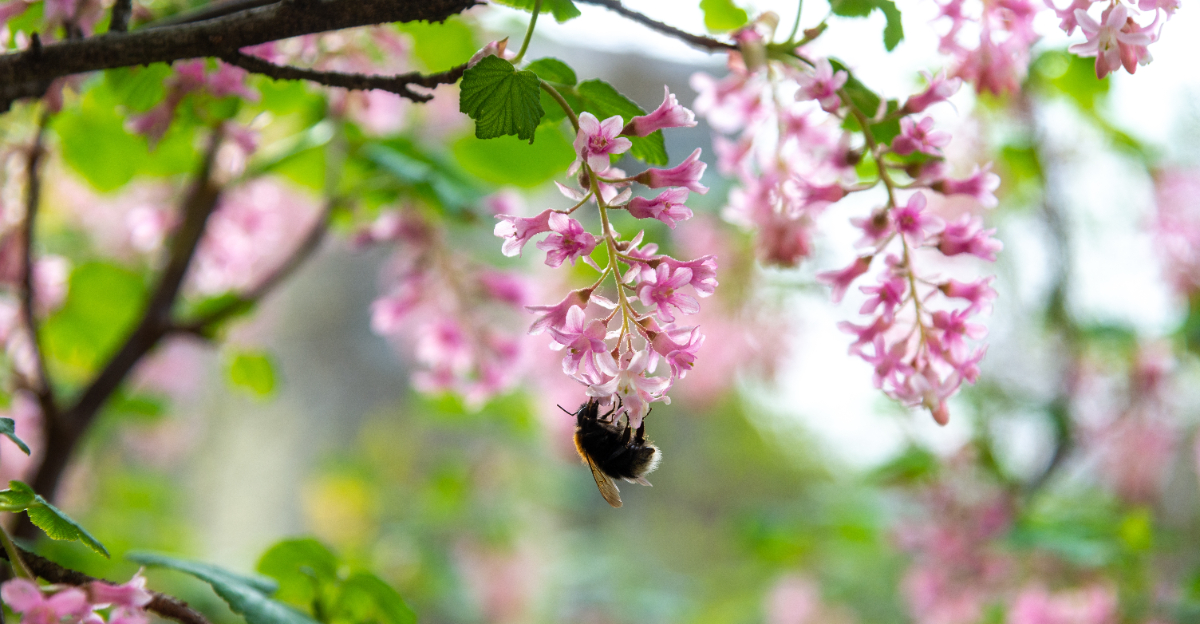
As winter fades across North Carolina, the first signs of life begin to show in gardens and natural areas. While many plants are still waking up, a few native species start blooming early, bringing color to the landscape sooner than expected.
These early blooms do more than look beautiful. They play an important role at a time when food sources are still limited.
Bees, butterflies, and other pollinators become active as temperatures rise, and they depend on these early flowering plants to find nectar and pollen. Without them, it can be harder for pollinators to get the strong start they need for the season.
Adding these native plants to your yard can help support that process while also creating a lively and colorful space. Once you see how much activity they attract, you may begin to appreciate these early bloomers in a whole new way.
1. Eastern Red Columbine
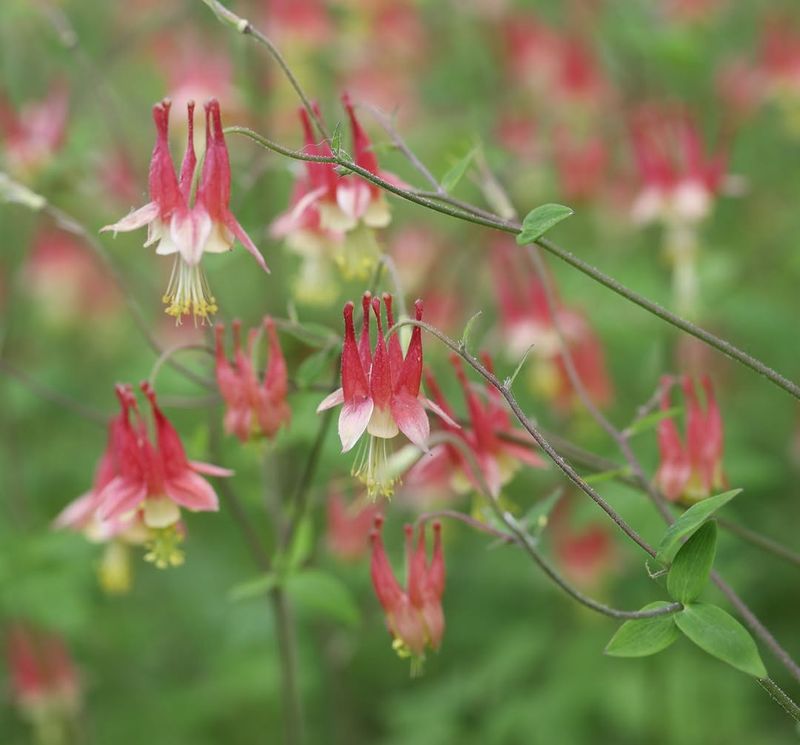
Picture a woodland floor in North Carolina suddenly dotted with nodding red and yellow blooms, each one shaped like a tiny lantern swaying in the breeze. That is exactly what Eastern Red Columbine brings to your spring garden, and pollinators absolutely love it.
Returning ruby-throated hummingbirds zero in on these flowers the moment they arrive back in North Carolina each March and April.
Aquilegia canadensis is a true native perennial that grows naturally along woodland edges and shaded slopes throughout the state. It thrives in partial shade and prefers well-drained soil, but it handles Piedmont clay surprisingly well when you mix in a little leaf compost.
Plant it near the base of trees or along a shaded garden border for the most natural look.
One of the best things about this plant is how low-maintenance it really is. It self-seeds freely, meaning once you plant it, it tends to spread on its own over a few seasons.
The blooms last several weeks, giving early native bees a reliable nectar source during a time when not much else is flowering.
If you want a plant that earns its keep without much fuss, Eastern Red Columbine is a smart choice for any North Carolina garden looking to support spring wildlife.
2. Serviceberry
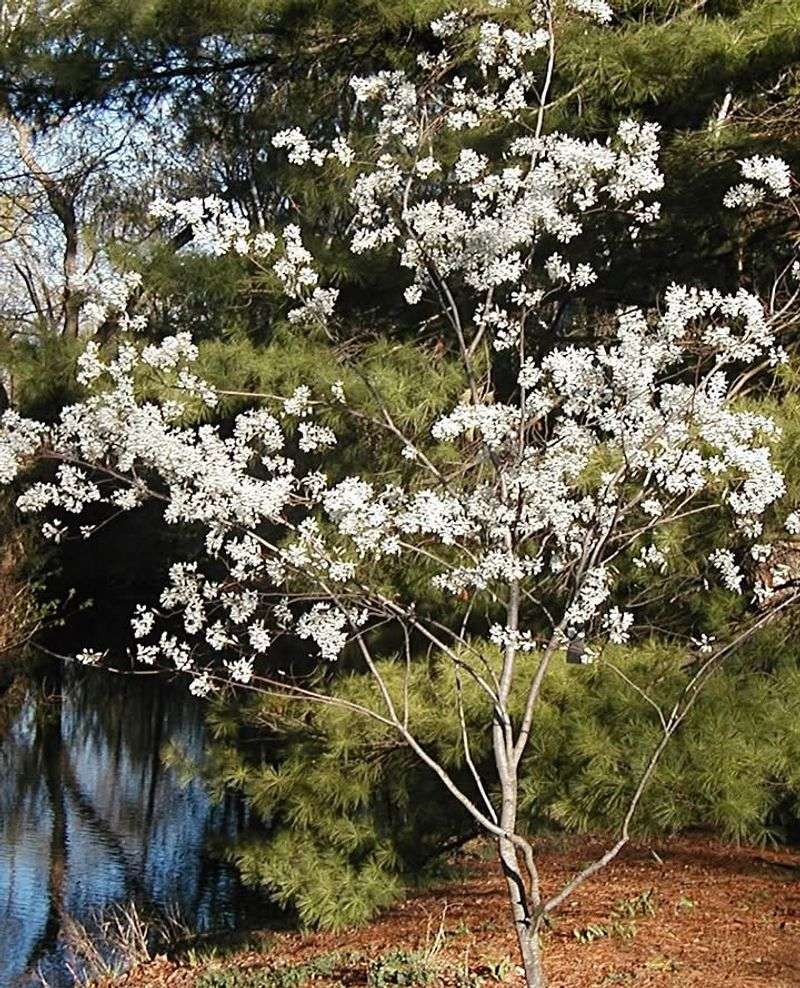
Few sights in a North Carolina yard compare to a Serviceberry tree in full bloom during early March, when its branches explode with clouds of tiny white flowers before a single leaf appears.
Bees that have just emerged from winter are drawn straight to these blooms, making Serviceberry one of the most important early-season food sources you can plant.
It is genuinely one of the first native trees to flower each year across all regions of the state.
Amelanchier arborea is a small native tree that fits beautifully into both large landscapes and modest backyards. It grows well in full sun to partial shade and handles the clay soils common across the Piedmont without complaint.
Mulching around the base with pine bark helps protect the roots and keeps moisture locked in during dry spring stretches.
Beyond its value to pollinators, Serviceberry produces small, sweet berries in late spring that birds absolutely flock to, so planting one benefits your entire yard ecosystem. The tree also shows stunning fall color, giving you three seasons of interest from a single plant.
It tolerates seasonal moisture changes and the unpredictable temperature swings that North Carolina springs are known for, making it a reliable and rewarding addition to any native plant garden focused on feeding wildlife from the very first warm days onward.
3. Eastern Redbud
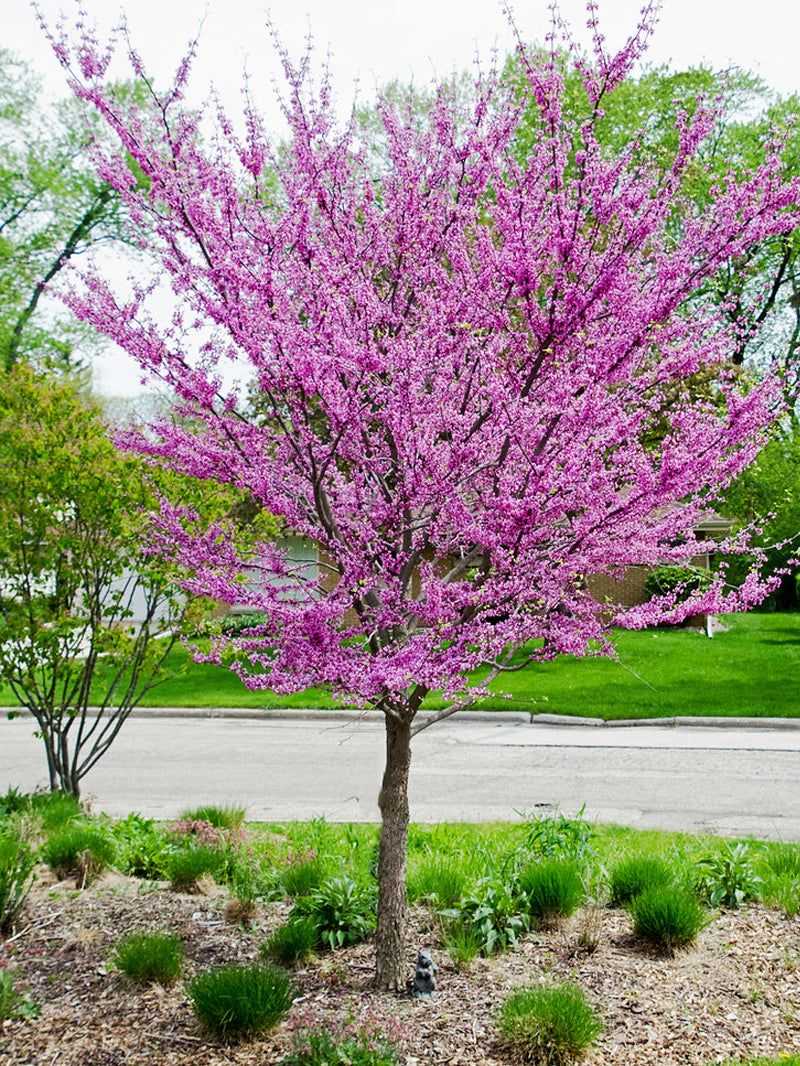
Nothing announces spring in North Carolina quite like the Eastern Redbud, with its vivid pink-purple flowers erupting directly from bare branches before any leaves appear.
It almost looks like someone painted the branches overnight, and bees seem just as surprised and delighted as anyone who walks past. This is one of those trees that genuinely stops people in their tracks during March and April.
Cercis canadensis is a native understory tree that grows throughout North Carolina, from the mountains to the coastal plain. It does best in full sun to partial shade and prefers well-drained soil, so avoid planting it in spots that stay soggy after rain.
It handles clay soils and the humidity that comes with a North Carolina spring and summer extremely well, which makes it a practical choice for most home landscapes.
Native bees, including bumblebees and mining bees, rely heavily on Redbud flowers for both nectar and pollen during early spring when food is still scarce. The tree grows to a manageable size, usually between 20 and 30 feet tall, so it works well even in smaller yards.
Planting one near a patio or along a driveway gives you a front-row seat to the pollinator activity every single spring. It is honestly one of the most rewarding native trees a North Carolina gardener can choose.
4. Carolina Jessamine
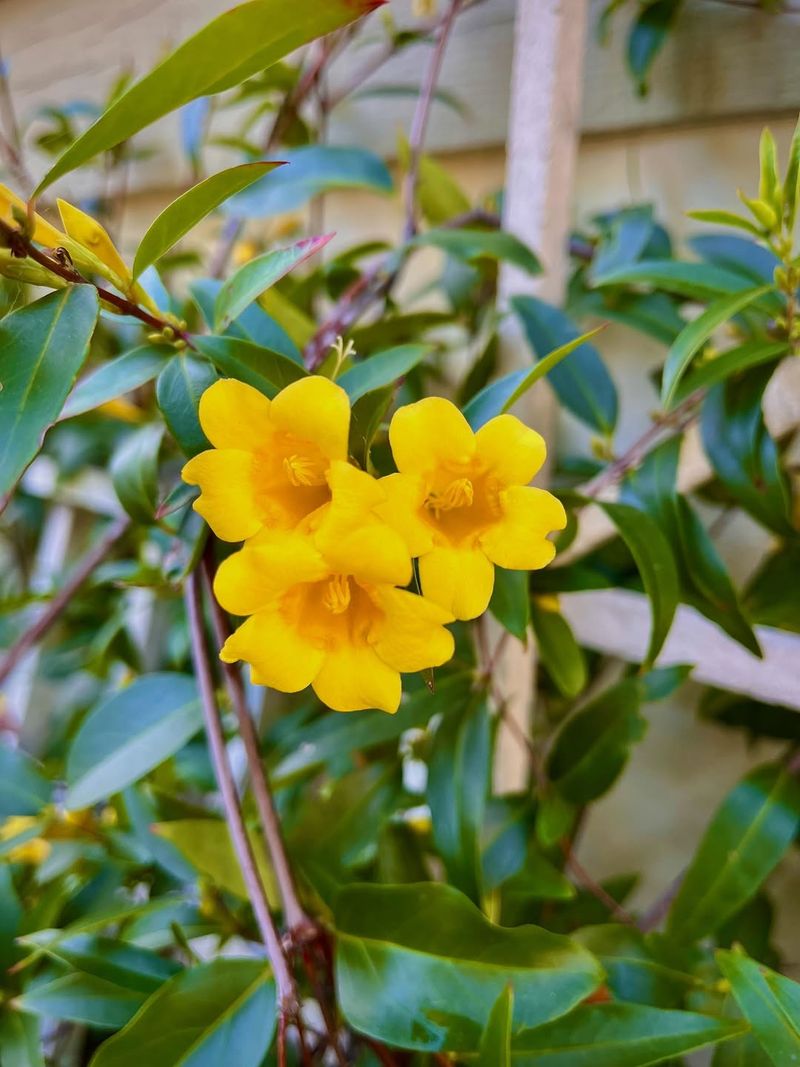
Bright yellow flowers spilling over a fence or trellis in late January or February are a sure sign that Carolina Jessamine is doing its job.
This native evergreen vine is one of the earliest blooming plants across North Carolina’s Coastal Plain and Piedmont, and its cheerful color feels almost shocking against the gray of late winter.
Early native bees and queen bumblebees emerging on warm days head straight for these blooms.
Gelsemium sempervirens grows vigorously in full sun to partial shade and adapts well to both sandy soils along the coast and heavier clay soils further inland.
Give it a sturdy trellis, fence, or arbor to climb, and it will reward you with dense, glossy green foliage year-round along with those stunning yellow flowers each late winter and early spring.
Regular light trimming after blooming keeps it tidy without sacrificing next year’s flowers.
One thing worth knowing is that all parts of this plant are toxic if ingested, so plant it thoughtfully in households with curious pets or small children. That said, as a landscape plant feeding pollinators during one of the hardest times of year, it is truly exceptional.
North Carolina’s mild winters and humid summers suit Carolina Jessamine perfectly, and once established, it is remarkably drought-tolerant and easy to maintain. Few vines offer this combination of beauty, early bloom time, and genuine wildlife value.
5. Woodland Phlox
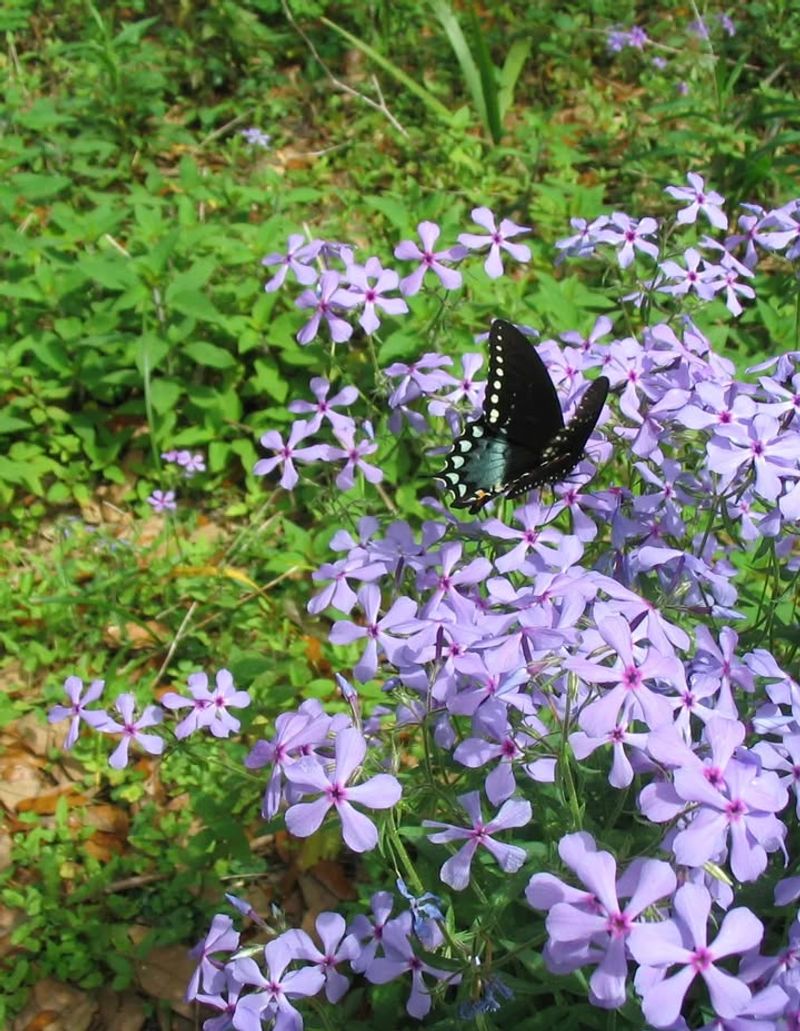
Walk through a North Carolina woodland in April and you might catch a soft wave of lavender-blue just above the leaf litter, hovering like a quiet miracle.
That is Woodland Phlox doing exactly what it has done in these forests for thousands of years, blooming reliably in the shade while butterflies and early bees stop by for a drink.
It carries a faint, sweet fragrance that makes it even harder to walk past without pausing.
Phlox divaricata is a native perennial that naturally grows in shaded forests across North Carolina, from the mountains down through the Piedmont.
It prefers partial shade with moist, well-drained soil, and adding a layer of leaf mulch around the plants mimics the rich woodland floor conditions it loves.
Once it settles in, it spreads gently into a soft, low carpet of color each spring. Swallowtail butterflies are among its biggest fans, along with native bees searching for early pollen.
Woodland Phlox pairs beautifully with other spring natives like Eastern Red Columbine and Virginia Bluebells, creating a layered woodland garden that looks natural and supports pollinators at multiple levels.
It handles summer shade well after blooming, quietly resting until the following spring. For North Carolina gardeners with shaded beds or wooded backyard areas, this plant fills those spots with color and ecological value that few other plants can match so gracefully.
6. Golden Alexander
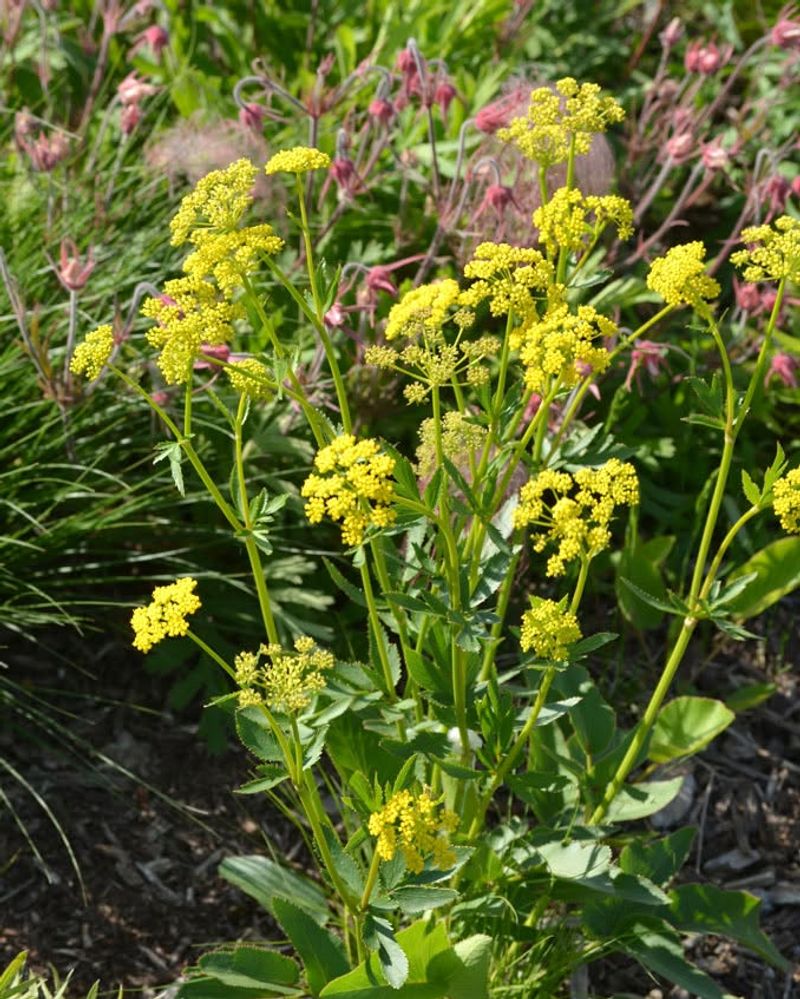
Bright clusters of tiny golden-yellow flowers rising above glossy green foliage make Golden Alexander one of the most cheerful mid-spring bloomers in North Carolina’s native plant palette.
What makes it especially exciting for gardeners is the crowd it attracts, including native bees, predatory wasps, and even the caterpillars of black swallowtail butterflies that use it as a host plant. It pulls serious ecological weight for such a compact plant.
Zizia aurea grows naturally in moist meadows and open woodlands across North Carolina, and it adapts well to garden settings in full sun to partial shade. Average to moist soil suits it best, and it handles clay and seasonally wet conditions better than many other native perennials.
Plant it in a rain garden, along a pond edge, or in a low-lying bed that collects spring moisture and it will absolutely flourish.
Golden Alexander blooms from mid to late spring, bridging the gap nicely between the earliest bloomers like Redbud and Serviceberry and the summer wildflowers that follow.
It grows about two to three feet tall, which gives it a nice presence without overwhelming smaller garden spaces.
North Carolina gardeners in the Piedmont and mountain regions especially benefit from adding this plant to mixed native beds. It is genuinely one of those underused natives that deserves far more attention than it currently gets from home gardeners across the state.
7. Virginia Bluebells
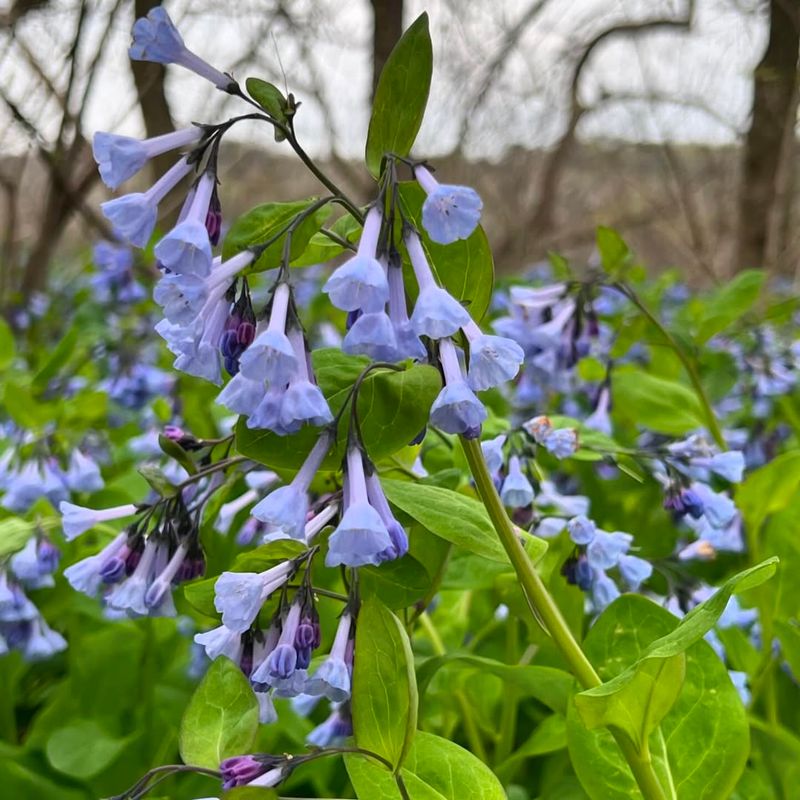
For just a few magical weeks each spring, Virginia Bluebells transform the shaded floodplains and rich woodlands of North Carolina into something that looks almost too beautiful to be real.
Clusters of trumpet-shaped flowers shift from soft pink buds to clear sky-blue blooms as they open, creating a two-tone display that stops you in your tracks.
Early bees, especially long-tongued species, are perfectly built to reach the nectar tucked inside those narrow tubes.
Mertensia virginica is a spring ephemeral, meaning it emerges, blooms, and then quietly fades back into the soil as temperatures warm toward summer. Plant it in partial shade with moist, rich soil, and resist the urge to tidy up the foliage before it fades naturally.
That slow fade allows the plant to store energy for the following year, so patience really pays off here.
Virginia Bluebells bloom from March through April across North Carolina, making them one of the earliest and most visually striking native wildflowers in the state.
They pair wonderfully with ferns and hostas, which fill in the space left behind once the bluebells go dormant for summer.
Planting them in drifts of ten or more creates a genuinely breathtaking spring display that feels like a wild woodland scene. For North Carolina gardeners wanting to give early bees a beautiful and reliable food source, Virginia Bluebells are an absolute must-have addition to any shaded native garden.