7 Native North Carolina Trees To Plant Instead Of Crape Myrtle
Crape myrtles are everywhere in North Carolina, but they are not the only option for adding color and beauty to a yard. Many native trees offer just as much visual impact while being better suited to the local climate and wildlife.
These trees are adapted to North Carolina’s soil, heat, and humidity, which means they often grow stronger and need less maintenance over time.
They also provide food and shelter for birds, pollinators, and other beneficial wildlife, helping your landscape feel more alive.
Some bring stunning blooms, others offer rich fall color or interesting bark that stands out year round. If you are ready to try something different, native trees can deliver both beauty and long term benefits.
These standout choices prove you can move beyond the usual and create a landscape that truly thrives.
1. Eastern Redbud (Cercis canadensis)
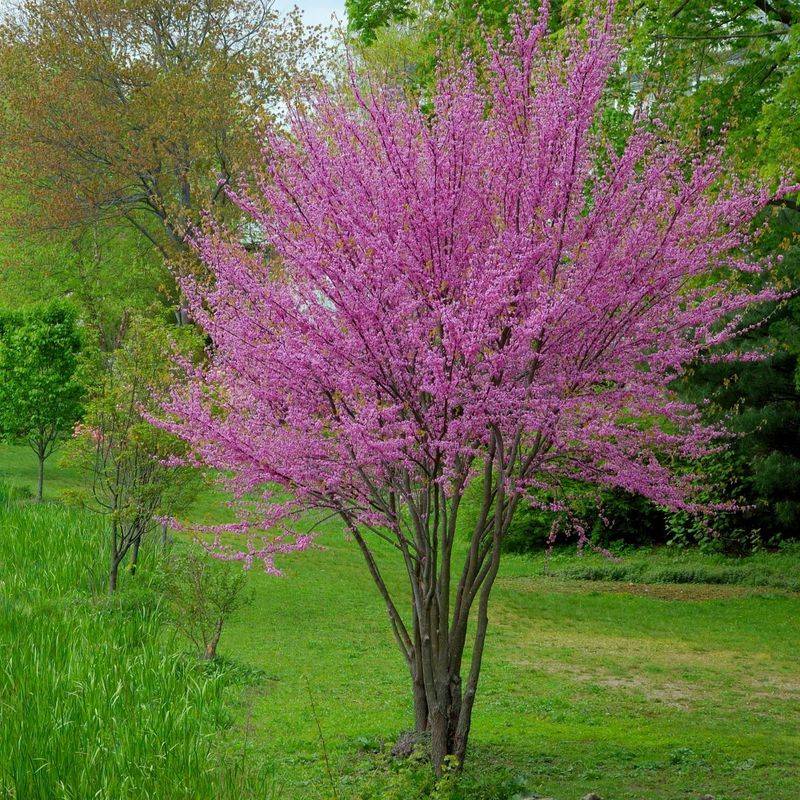
Few sights in a North Carolina spring are as jaw-dropping as an Eastern Redbud bursting into bloom. Before a single leaf appears, the entire tree covers itself in clusters of vivid pink-purple flowers that practically glow against the pale spring sky.
It is one of those trees that stops neighbors in their tracks and makes everyone ask what it is.
Eastern Redbud grows to about 20 to 30 feet tall, which puts it right in the same size range as crape myrtle. That makes it an easy swap in most yards without rearranging your whole landscape plan.
It thrives across the North Carolina Piedmont and beyond, preferring full sun to partial shade and well-drained soil that does not stay soggy after rain.
As a native to eastern North American woodland edges, it is perfectly tuned to handle North Carolina heat, humidity, and occasional dry spells. After the flowers fade, heart-shaped leaves take over, turning a warm yellow in fall before dropping.
Pollinators absolutely love the early blooms, giving bees a vital food source right when they need it most. Planting a redbud is not just a landscaping win, it is a genuine gift to the local environment that keeps giving season after season.
2. Flowering Dogwood (Cornus florida)
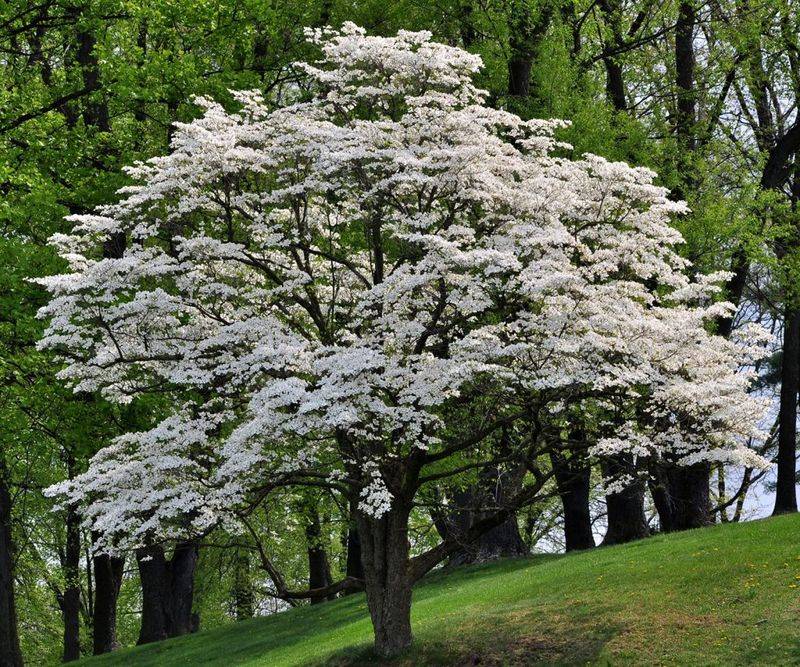
North Carolina actually named the Flowering Dogwood its state flower back in 1941, and honestly, it is easy to see why. Every spring, this tree puts on one of the most elegant shows in the entire plant world.
Those wide white bracts, which most people call petals, open up like little stars scattered across every branch, creating a display that feels almost too pretty to be real.
Flowering Dogwood typically grows between 15 and 25 feet tall, fitting comfortably into most home landscapes without overwhelming the space.
It grows naturally as a woodland understory tree, which means it actually prefers the partial shade and morning sun conditions found along North Carolina forest edges.
Plant it in acidic, well-drained soil and mulch lightly over the root zone, keeping mulch away from the trunk itself.
One of the best reasons to choose this tree is how much wildlife it supports. The bright red berries that follow the flowers are a favorite of migratory birds passing through North Carolina each fall, making your yard a genuine stopping point on their journey.
It handles North Carolina heat well when the roots stay cool and shaded. Few trees offer this combination of stunning beauty, manageable size, and real ecological value all in one package.
3. American Fringetree (Chionanthus virginicus)
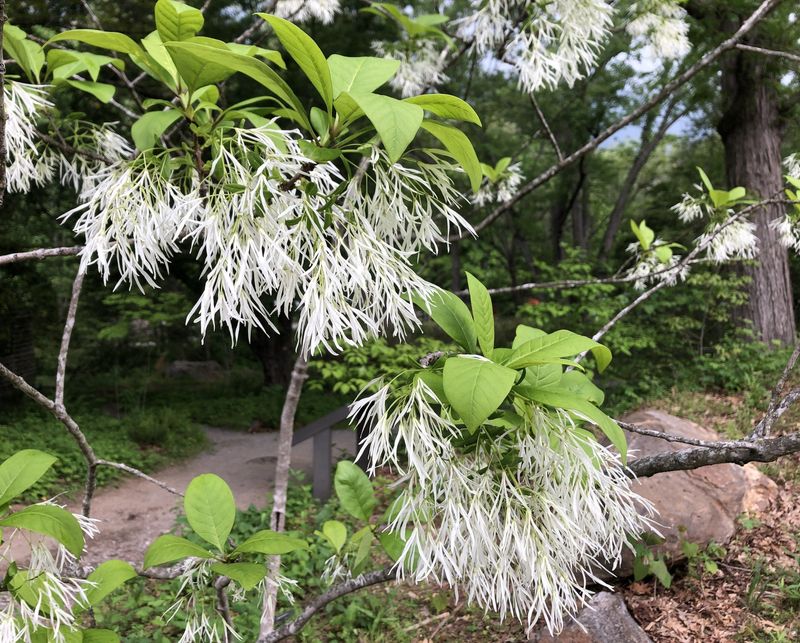
Imagine a tree that looks like it got dusted with soft white feathers every spring, and you are pretty much picturing the American Fringetree.
The flowers hang in loose, wispy clusters that flutter in the breeze, giving the whole tree an almost magical, cloud-like appearance during late spring.
It is one of those plants that earns admiring looks from everyone who passes by.
American Fringetree is a true southeastern native, found naturally throughout North Carolina and the surrounding region.
It stays on the smaller side, usually reaching somewhere between 12 and 20 feet, which makes it a fantastic specimen tree for front yards, corners, or anywhere you want a real focal point without planting something massive.
Full sun to part shade works well, and it prefers well-drained soil that does not stay wet for long stretches.
One thing that sets this tree apart from crape myrtle is how cleanly it fits into a native landscape without any risk of spreading aggressively or reseeding in unwanted spots.
Male trees tend to bloom more heavily, but female trees produce small blue-black fruits in late summer that birds absolutely love.
North Carolina gardeners who want a refined, sophisticated alternative to crape myrtle consistently find that the Fringetree delivers beauty, wildlife value, and a genuinely natural look that nothing imported can quite match.
4. Sourwood (Oxydendrum arboreum)
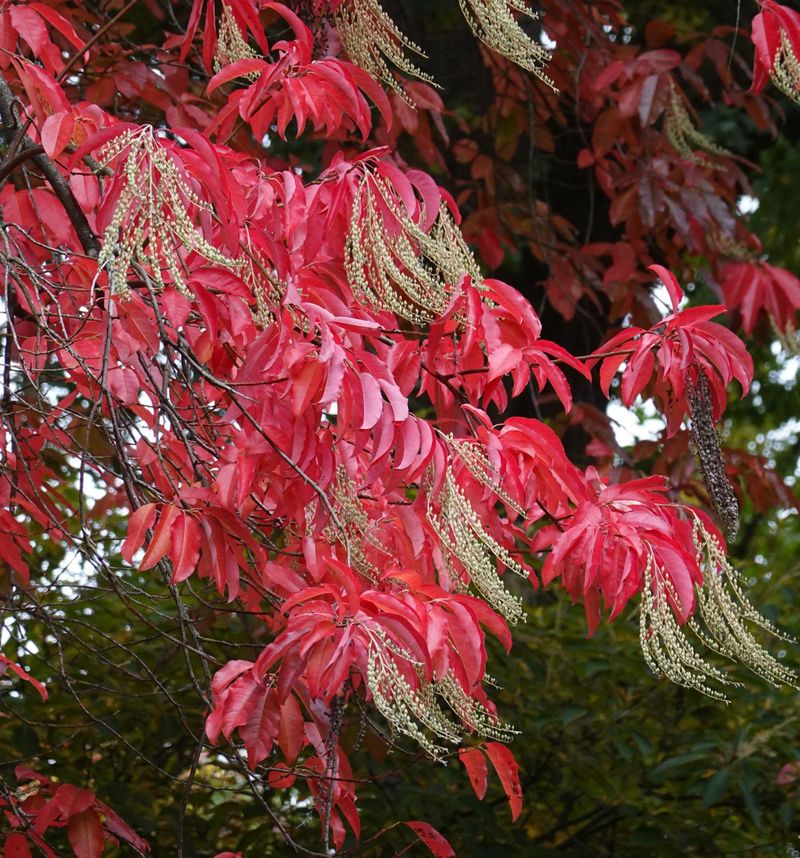
Sourwood pulls off something very few native North Carolina trees can claim: it blooms in summer. While most flowering trees wrap up their show by late spring, Sourwood opens long, drooping clusters of small white flowers in July, right when the garden needs a fresh burst of life.
Beekeepers across the state treasure it too, because Sourwood honey is considered one of the finest and most distinctively flavored honeys produced anywhere in the American South.
This tree grows best in the Piedmont and Mountain regions of North Carolina, where acidic, moist, well-drained soils give it the conditions it naturally prefers.
It typically reaches 20 to 30 feet tall with a slightly irregular, graceful shape that looks completely at home in naturalistic or woodland-style gardens.
Full sun brings out the best flowering, but it tolerates partial shade reasonably well in the right setting.
Fall is when Sourwood truly steals the show. The leaves turn an intense scarlet red, often earlier and more reliably than most other trees in the North Carolina landscape.
Few small trees anywhere in the country match that combination of summer flowers and fiery fall foliage.
Add in the fact that it supports pollinators during a season when many other blooms have faded, and Sourwood becomes one of the most ecologically generous native trees you can choose for a North Carolina yard.
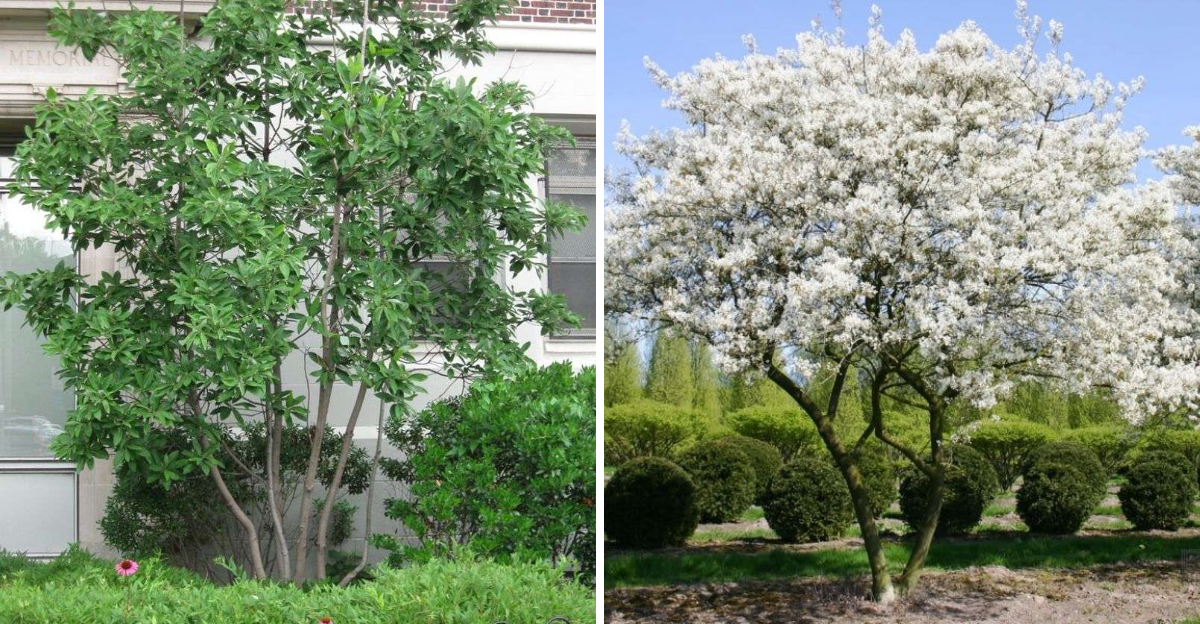
5. Sweetbay Magnolia (Magnolia virginiana)
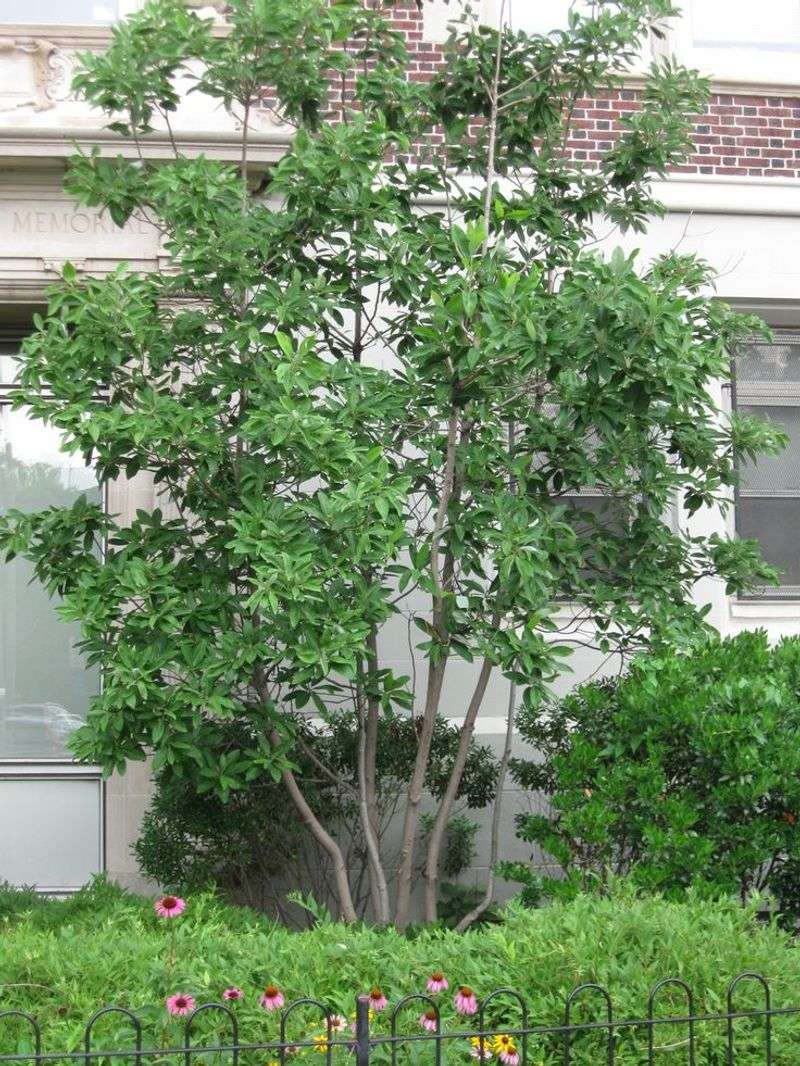
There is something wonderfully old-fashioned about the Sweetbay Magnolia, and gardeners across coastal and eastern North Carolina have been planting it for generations.
The creamy white flowers open in late spring and keep appearing through much of summer, releasing a lemon-vanilla fragrance that carries surprisingly far on a warm breeze.
Standing near a blooming Sweetbay on a June evening is genuinely one of the better experiences a garden can offer.
Unlike crape myrtle, which prefers drier, hotter conditions, Sweetbay Magnolia actually thrives in moist and even wet soils, making it the ideal choice for low spots, rain gardens, and areas near water features in North Carolina yards.
It grows in full sun to partial shade and reaches about 10 to 20 feet in most landscape settings, though it can grow taller in ideal conditions along the coastal plain.
The glossy green leaves have a silvery-white underside that shimmers in the wind, adding movement and texture even when the tree is not in bloom.
In milder parts of North Carolina, especially along the coast, it often holds its leaves through winter, behaving almost like an evergreen.
Native to coastal southeastern habitats, it is perfectly matched to the humidity and moisture patterns of eastern North Carolina in ways that no Asian ornamental import can replicate. Wildlife also rely on the bright red seeds that follow flowering.
6. Downy Serviceberry (Amelanchier arborea)
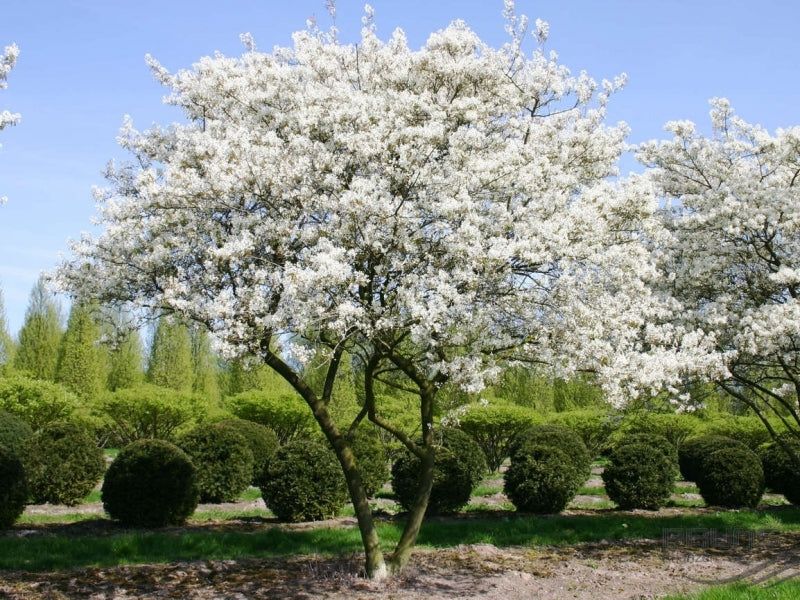
Serviceberry earns the title of the season-opener in North Carolina landscapes. Before almost any other tree wakes up, Downy Serviceberry bursts into a cloud of delicate white flowers, sometimes as early as late February or early March depending on where you are in the state.
That early bloom is not just beautiful, it is one of the first pollen sources available to native bees coming out of winter.
Growing throughout North Carolina, this native tree reaches about 15 to 25 feet tall with a graceful, open habit that feels natural rather than stiff or formal.
It handles full sun to partial shade well and prefers well-drained soil, though it is adaptable enough to handle a range of conditions across the state.
NC State University notes it occurs in nearly every county, which tells you how well it is suited to local conditions.
Beyond the spring flowers, Downy Serviceberry delivers sweet, edible berries in early summer that both people and wildlife enjoy. Robins, cedar waxwings, and many other birds flock to the fruit before it even fully ripens.
Then in fall, the foliage shifts to warm shades of orange, red, and yellow, wrapping up a season of multi-layered interest. For anyone who chose crape myrtle mainly for seasonal color, Serviceberry offers more seasons of beauty packed into one outstanding native tree.
7. American Hornbeam (Carpinus caroliniana)
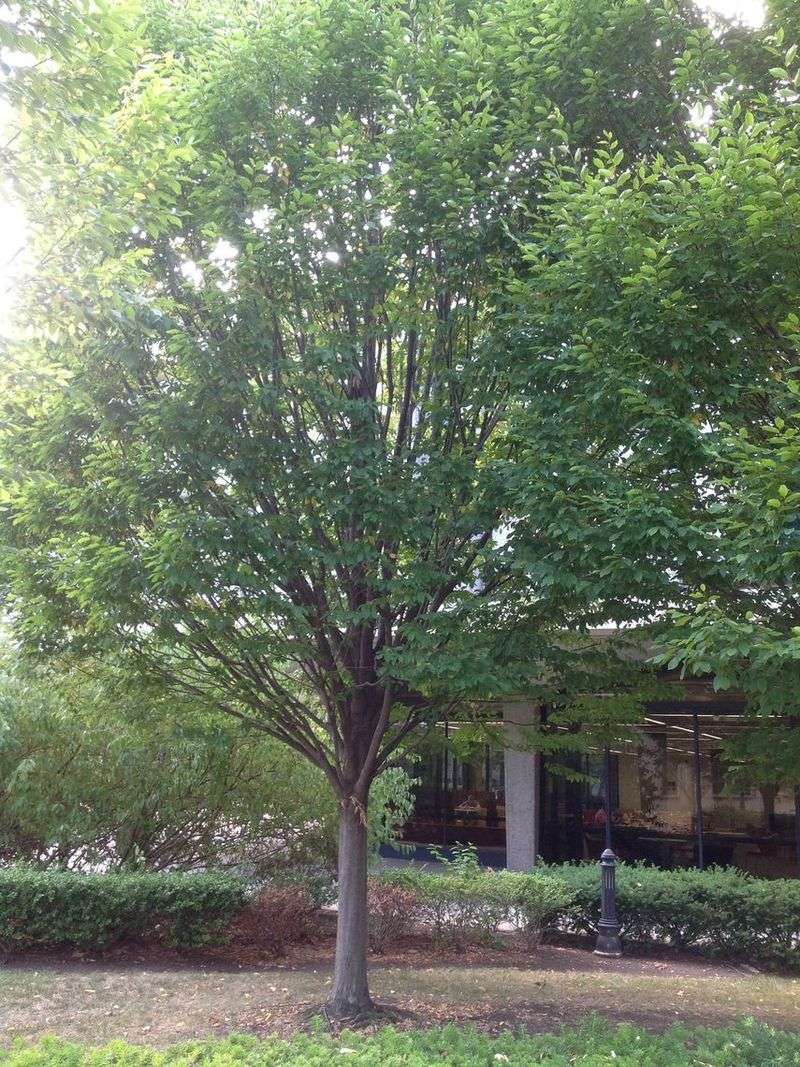
Most people walk right past an American Hornbeam without realizing they are looking at one of the most structurally interesting trees in all of North Carolina.
The smooth, gray bark twists and bulges in a way that looks almost like flexed muscle, earning it the nickname Musclewood among people who know it well.
Even in winter, when every leaf has dropped, this tree holds visual interest in a way that very few ornamentals can match.
American Hornbeam grows naturally along streambanks, riverbanks, and even into maritime forests across North Carolina, which tells you a lot about its adaptability.
It handles the state’s humidity, variable rainfall, and occasional flooding far better than many imported ornamental trees.
In the landscape, it performs best in partial shade to full sun with moist, well-drained soil and reaches a manageable 20 to 30 feet over time.
Unlike crape myrtle, which often gets aggressively pruned into awkward shapes every year, American Hornbeam naturally maintains a beautiful, layered form that requires almost no intervention.
The foliage turns orange and red in fall, and the distinctive ribbed nutlets that form in summer attract birds and small mammals.
For North Carolina gardeners who want year-round structure, seasonal color, and a tree that truly belongs in this landscape, American Hornbeam is one of the most underrated choices available anywhere in the state.