9 Native Oregon Flowers That Bloom Even During The Rainiest Weeks
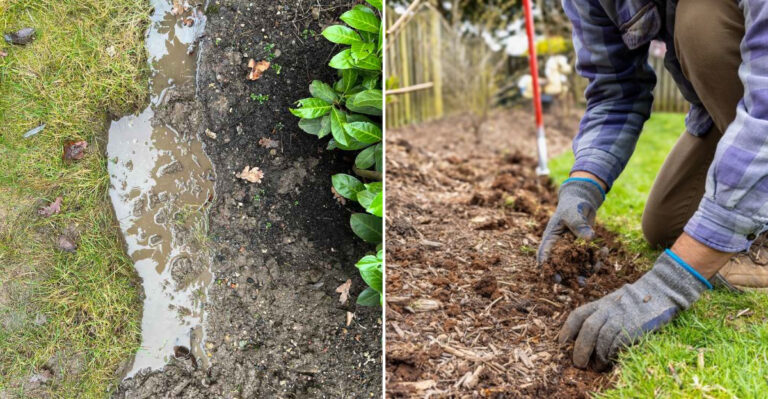
Spring in Oregon often arrives with plenty of rain. Gray skies, steady drizzle, and muddy garden paths are all part of the season.
While some flowers struggle in these damp conditions, others seem completely unfazed, pushing out bright blooms even during the wettest weeks.
That is where native plants really shine. Many of Oregon’s wildflowers evolved in this exact climate, which means they are perfectly comfortable with cool temperatures and soggy soil.
Instead of waiting for dry weather, they bring color to the garden when it is needed most. Choosing rain-tolerant native flowers also means less worry about rot, mildew, or plants collapsing during long stretches of wet weather.
With the right picks, your garden can stay lively and colorful even while the rain keeps falling.
1. Oregon Iris (Iris tenax)
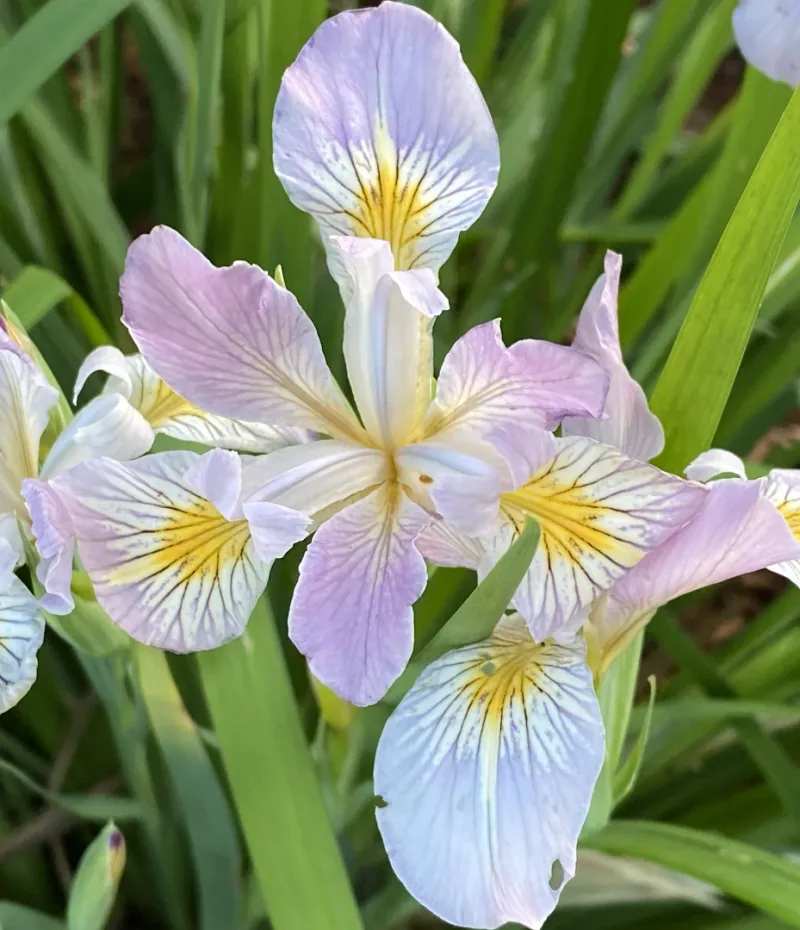
Few flowers can match the bold, eye-catching beauty of the Oregon Iris on a gray, rainy day. Known scientifically as Iris tenax, this native gem is one of the toughest wildflowers found across the Pacific Northwest.
It grows naturally in open meadows, forest edges, and grassy hillsides throughout Oregon.
The flowers bloom in shades of purple, lavender, and sometimes white, appearing from April through June. Even during the wettest spring weeks, this iris keeps on blooming without complaint.
Its narrow, grass-like leaves stay green and upright even when rainfall is heavy and persistent.
Gardeners in Oregon love this plant because it asks for very little. Plant it in a well-drained spot with partial to full sun, and it will reward you with stunning blooms year after year.
It also spreads slowly over time, filling in bare spots naturally.
One fun fact: Native peoples of Oregon used the tough leaf fibers of Iris tenax to weave strong nets and ropes. That same toughness is exactly what makes this flower such a reliable bloomer even during Oregon’s rainiest weeks.
It truly earns its place in any native plant garden.
2. Western Trillium (Trillium ovatum)
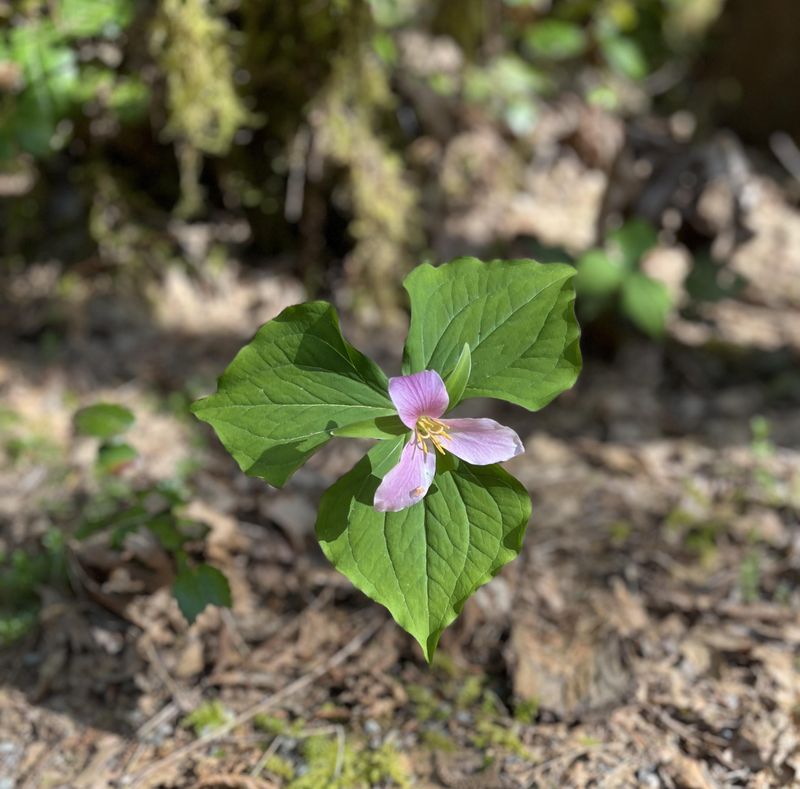
Walking through an Oregon forest in early spring and spotting a patch of Western Trillium is one of those moments that stops you in your tracks.
The bright white, three-petaled flowers seem almost too perfect to be real, especially when they’re surrounded by wet, moss-covered forest floors.
Trillium ovatum is one of the earliest native flowers to bloom in Oregon, often popping up in February or March. It thrives in shaded, moist woodland environments, which means rainy weeks are basically its favorite weather.
The flower starts white and gradually fades to pink or purple as it ages. Planting Western Trillium in your garden requires a bit of patience. It grows slowly and prefers rich, well-drained soil with plenty of organic matter.
A shaded spot under trees or along a north-facing slope works perfectly for this woodland beauty.
Here’s something worth knowing: it can take a trillium plant up to seven years to produce its first flower when grown from seed. That makes each bloom feel extra special.
Once established, though, it returns faithfully every spring, rain or shine, making it a true treasure of the Oregon landscape.
3. Red Flowering Currant (Ribes sanguineum)
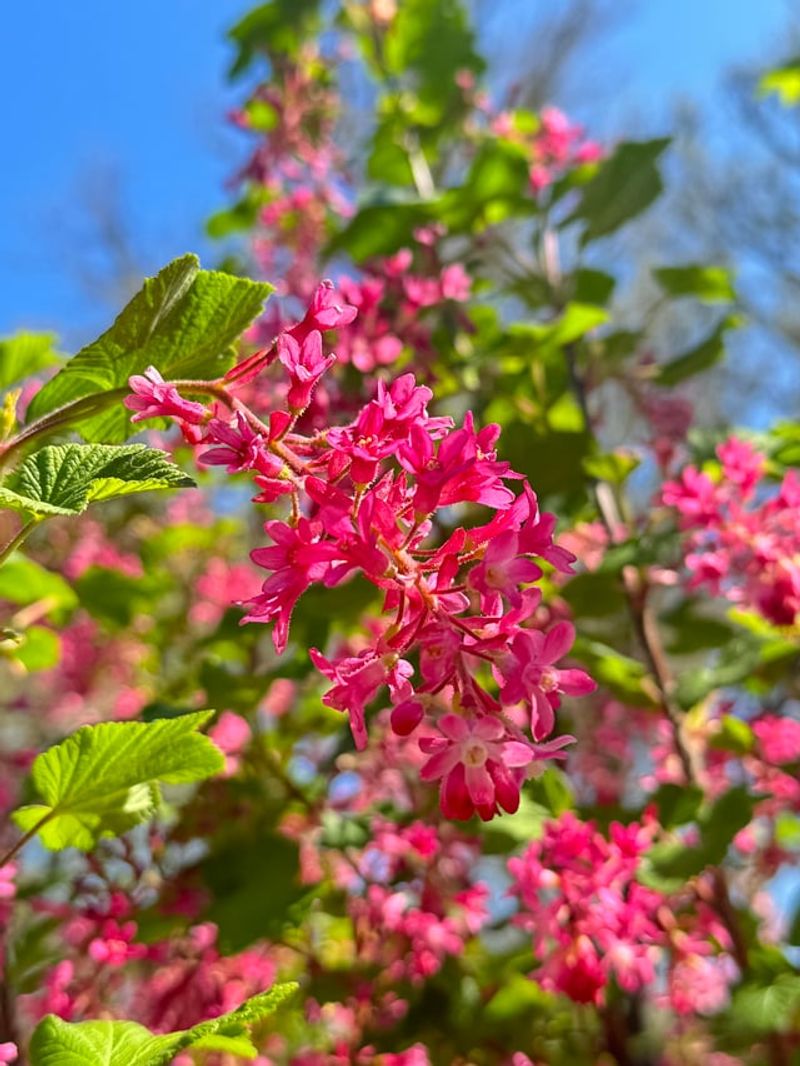
If you want a showstopper that blooms right in the middle of Oregon’s soggy spring season, Red Flowering Currant is your answer.
This native shrub bursts into color between February and April, producing long, drooping clusters of deep pink to red flowers that look absolutely stunning against a gray sky.
Ribes sanguineum is incredibly tough and adaptable. It grows well in full sun or partial shade and handles both wet and dry conditions like a champ.
You’ll find it growing naturally along Oregon’s roadsides, forest edges, and stream banks, proving just how well it handles the region’s unpredictable weather.
Beyond its good looks, this shrub is a magnet for hummingbirds. Anna’s Hummingbirds, which stay in Oregon year-round, rely on Red Flowering Currant as one of their earliest nectar sources each spring.
Planting one near a window gives you a front-row seat to some amazing wildlife action. Caring for this shrub is straightforward. It needs minimal watering once established and rarely requires fertilizer.
Prune it lightly after flowering to keep its shape tidy. With very little effort, Red Flowering Currant will light up your Oregon garden every single spring, no matter how much rain falls.
4. Pacific Bleeding Heart (Dicentra formosa)
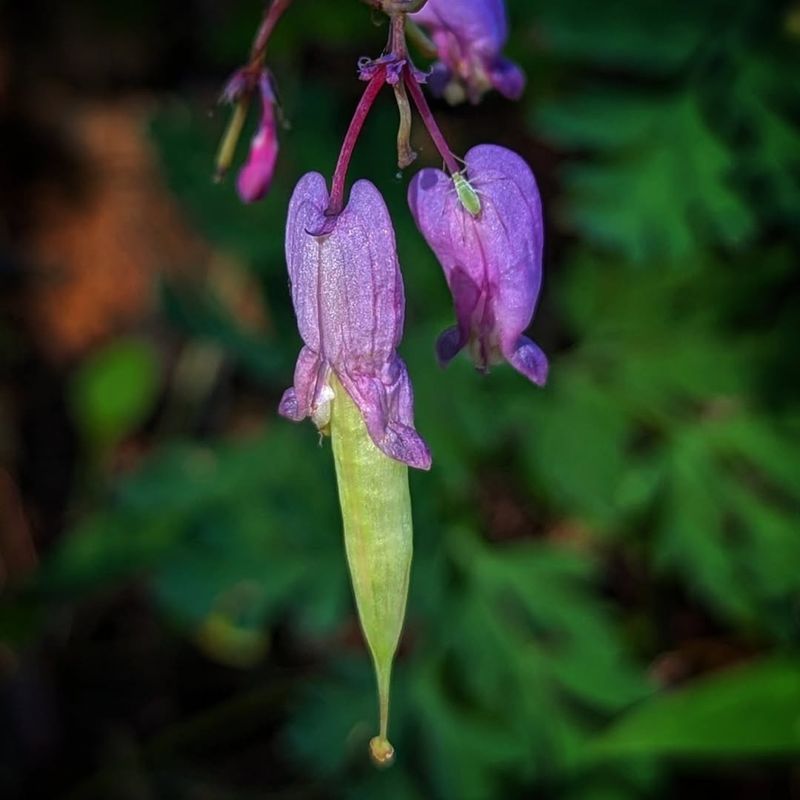
There’s something almost poetic about a flower shaped like a tiny heart hanging gracefully in the rain.
Pacific Bleeding Heart, or Dicentra formosa, is one of Oregon’s most charming native wildflowers, and it absolutely loves the wet, shaded conditions that the Pacific Northwest is known for.
This low-growing perennial spreads gently across shaded garden beds, producing delicate, fern-like foliage and clusters of rosy-pink, heart-shaped flowers from spring through early summer.
In Oregon’s moist coastal and valley regions, it often blooms for months at a stretch, especially during rainy stretches of weather.
Pacific Bleeding Heart is a fantastic choice for filling in shady spots under trees where other plants struggle. It pairs beautifully with ferns, Western Trillium, and mosses, creating a lush, layered look that feels right at home in the Pacific Northwest.
It also spreads gradually through underground rhizomes, slowly expanding into a lovely ground cover.
For best results, plant it in rich, moist, well-drained soil with good organic content. It rarely needs extra watering in Oregon’s rainy climate.
Once settled in, it returns reliably each spring, spreading its soft color through even the darkest corners of your garden with quiet, graceful charm.
5. Stream Violet (Viola glabella)
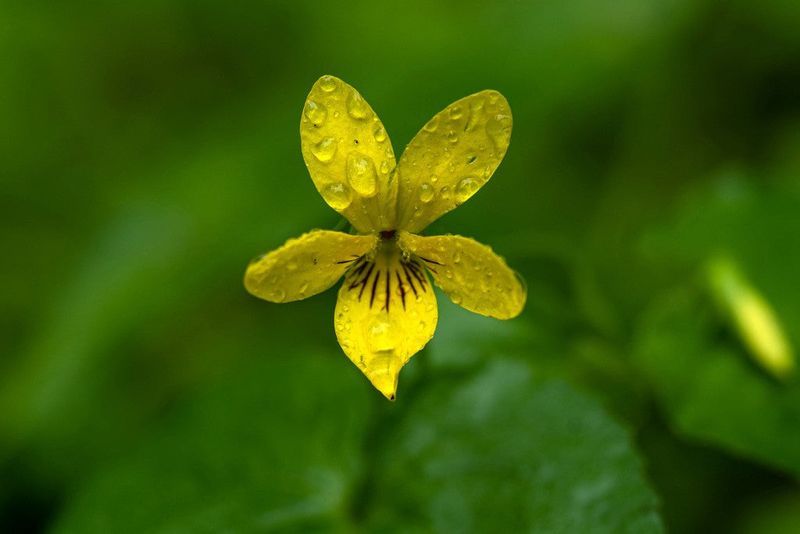
Bright yellow flowers might not be the first thing you expect to find thriving in Oregon’s rainiest spots, but Stream Violet pulls it off with effortless style.
Viola glabella grows naturally along stream banks, wet forest floors, and shaded ravines throughout the state, making it one of the most water-tolerant native wildflowers Oregon has to offer.
The cheerful yellow petals are marked with dark purple veining, giving each tiny flower a unique, hand-painted look. Blooms appear from March through June, often right alongside running water or in areas where the soil stays consistently moist.
The heart-shaped leaves are a lovely bright green that contrasts beautifully with the yellow blossoms.
In a garden setting, Stream Violet works wonderfully as a ground cover in shaded, moist areas. It spreads gradually through both seeds and runners, eventually forming a dense, low carpet of green and yellow.
Plant it near a water feature, along a rain garden edge, or beneath large trees where moisture collects naturally.
Stream Violet is also a valuable plant for pollinators. Small native bees and butterflies visit its flowers regularly in early spring.
It’s one of those quietly wonderful plants that rewards close attention, offering tiny but genuinely beautiful blooms throughout Oregon’s wettest weeks without any fuss.
6. Sea Blush (Plectritis congesta)
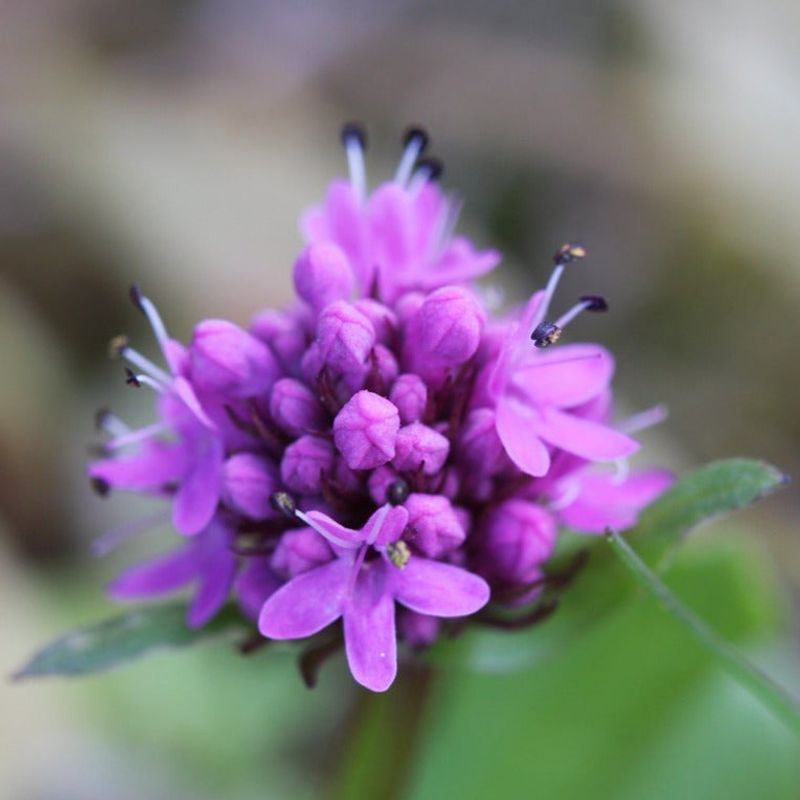
Imagine a hillside completely covered in a soft pink haze on a drizzly Oregon afternoon. That’s exactly what Sea Blush looks like when it blooms in mass, and it’s one of the most breathtaking wildflower displays the Pacific Northwest has to offer.
Plectritis congesta is a small annual that punches way above its weight in terms of visual impact.
Sea Blush thrives in open, grassy meadows and rocky outcrops, particularly along Oregon’s coast and in the Willamette Valley. It blooms from April through June, perfectly timed to coincide with the region’s rainy spring season.
The tiny, clustered pink flowers form dense, rounded heads that create a stunning carpet effect when plants grow together in groups.
Growing Sea Blush from seed is simple and rewarding. Scatter seeds in a sunny or lightly shaded spot with thin, well-drained soil in the fall.
Oregon’s winter rains will do most of the germination work for you, and plants will bloom the following spring with very little intervention needed.
This plant is especially popular in native plant restoration projects across Oregon. It supports native bees and other pollinators during the early spring season.
For home gardeners, it adds a dreamy, soft-focus quality to meadow-style plantings that feels genuinely connected to the Oregon landscape.
7. Farewell-to-Spring (Clarkia amoena)
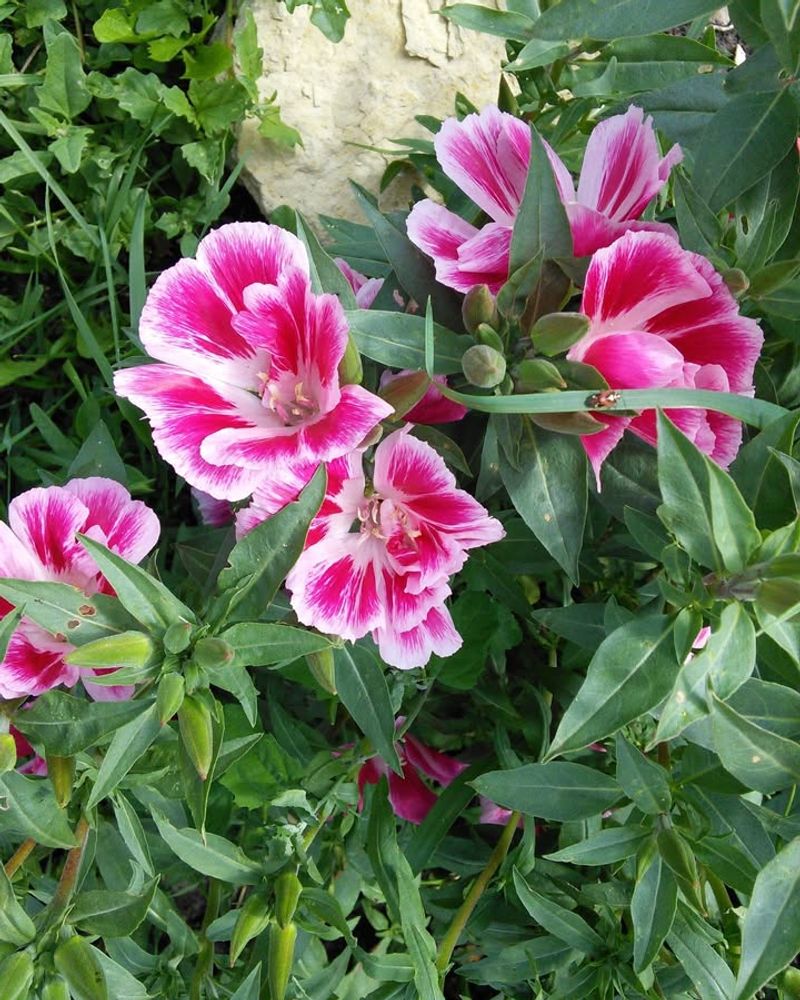
Don’t let the name fool you. Farewell-to-Spring is not a sad plant at all.
Clarkia amoena is one of Oregon’s most vibrant and celebratory wildflowers, producing large, silky blooms in shades of pink, lavender, and rose that look like they belong in a painting.
It blooms from late spring into early summer, often during Oregon’s final rainy stretches of the season.
The flowers have four broad, fan-shaped petals, sometimes with a darker red or pink blotch at the center, giving them a playful, almost tie-dyed appearance.
They grow on tall, slender stems that sway gracefully in the breeze, adding a lively sense of movement to any garden or meadow planting.
Clarkia amoena is native to open, grassy slopes and coastal bluffs throughout Oregon and the broader Pacific Northwest. It prefers well-drained, somewhat poor soil and full sun.
Interestingly, it actually performs better in lean soil than in rich, heavily amended garden beds, so resist the urge to over-fertilize.
Sow seeds directly in the fall for spring blooms. It self-seeds readily, so once you plant it, it tends to come back on its own each year.
Few flowers offer such dazzling color with so little effort, making Farewell-to-Spring a must-have for any Oregon native plant enthusiast.
8. Western Columbine (Aquilegia formosa)
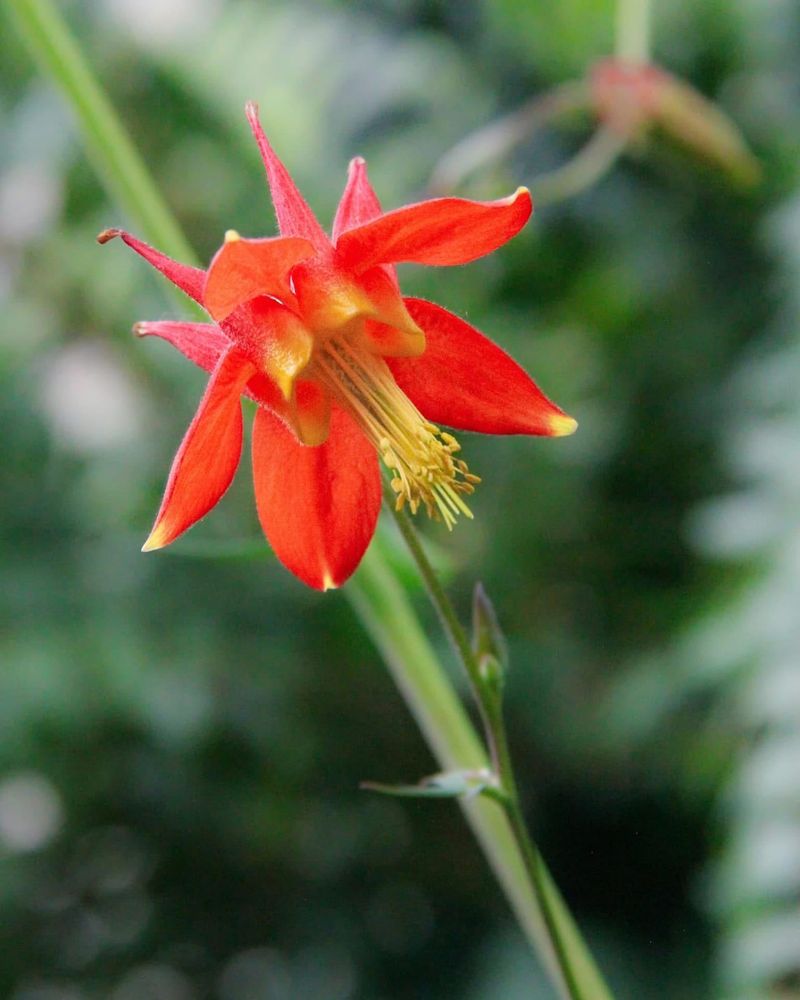
Red and yellow might sound like an unusual color combination for a wildflower, but Western Columbine makes it look absolutely stunning.
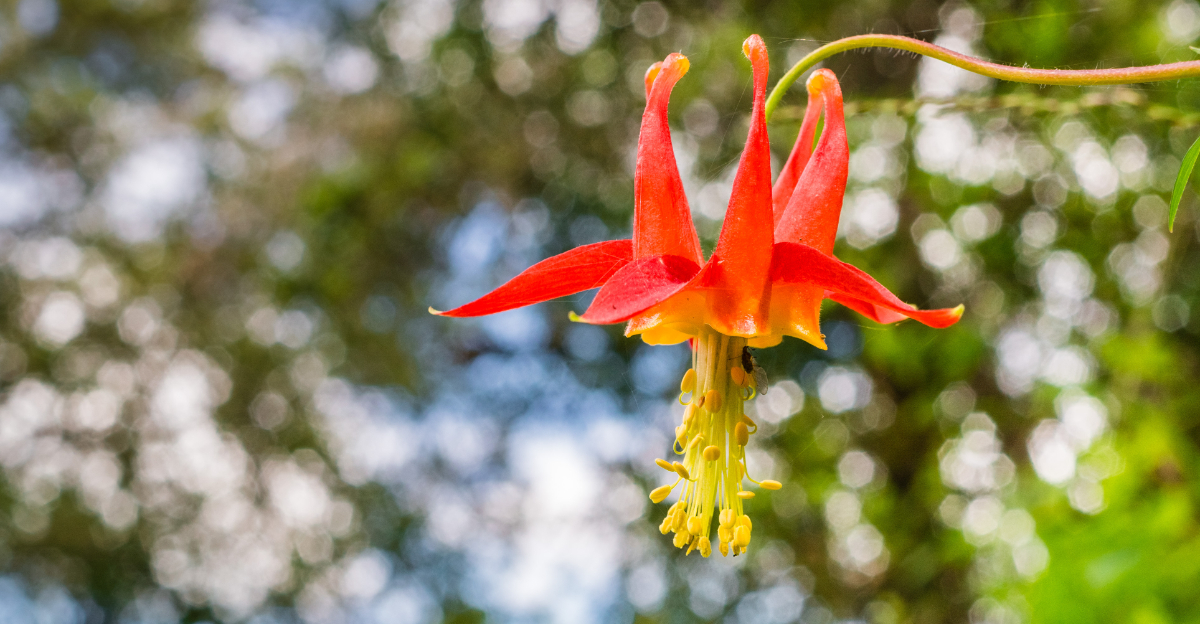
Aquilegia formosa produces nodding, lantern-like flowers with bright red petals and golden-yellow centers that practically glow on a cloudy Oregon day.
It’s one of the most distinctive native flowers in the Pacific Northwest.
This perennial blooms from April through July, thriving in moist, partially shaded environments like woodland edges, stream banks, and mountain meadows across Oregon.
Its tolerance for wet spring conditions makes it a dependable bloomer even during the rainiest weeks of the year.
The delicate, blue-green foliage adds texture and interest even when the plant isn’t flowering.
Western Columbine is an absolute favorite of hummingbirds. The long, curved spurs at the back of each flower are perfectly shaped to match a hummingbird’s bill, making this plant a critical food source during spring migration across Oregon.
Planting it near other nectar-rich natives creates a powerful wildlife corridor right in your backyard.
It grows best in moist, well-drained soil with partial shade, though it tolerates more sun in cooler coastal areas of Oregon. Let it self-seed freely and it will naturalize beautifully over time, rewarding you with more blooms each passing year without requiring much attention from you.
9. Douglas Aster (Symphyotrichum subspicatum)
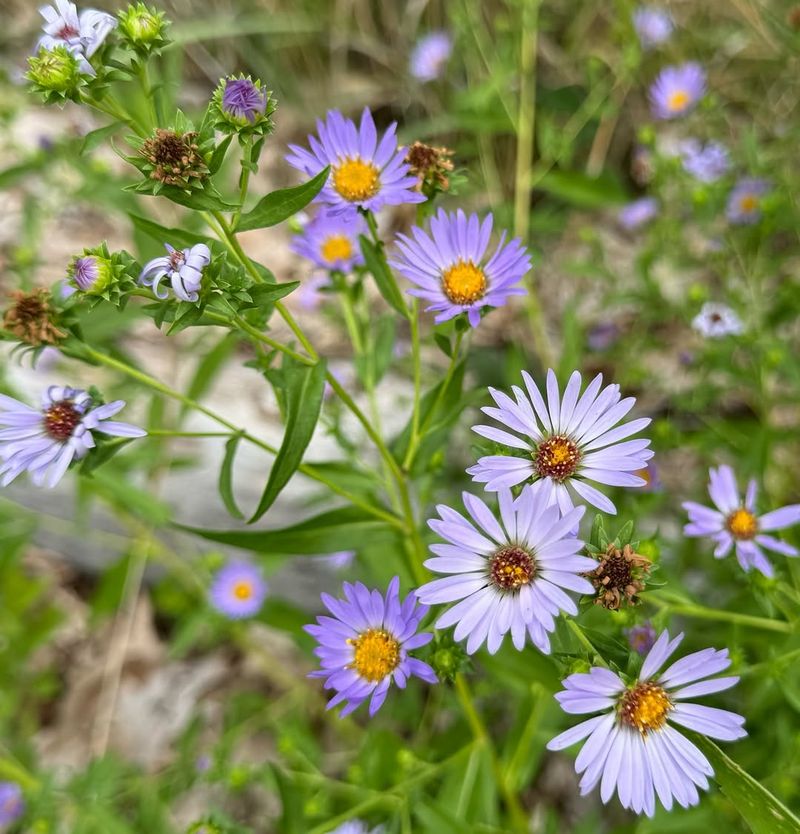
When most flowers have called it a season, Douglas Aster is just getting warmed up. Symphyotrichum subspicatum blooms from late summer well into fall, bringing cheerful violet-purple, daisy-like flowers to Oregon gardens at a time when color is hard to come by.
It handles Oregon’s autumn rains with remarkable ease, continuing to bloom through wet and windy conditions.
Each flower head features a ring of slender purple ray petals surrounding a bright yellow center disk. Plants can grow two to four feet tall and produce dozens of blooms at once, creating a lively, wildflower-meadow effect that looks wonderful in naturalistic garden designs.
The flowers are especially vibrant after a fresh rainfall, when the colors seem to deepen and intensify.
Douglas Aster is found naturally in moist meadows, wetland edges, and coastal areas throughout Oregon. It’s highly adaptable, tolerating both full sun and partial shade as well as a wide range of soil moisture levels.
This flexibility makes it one of the easiest native plants to incorporate into almost any Oregon garden setting.
Pollinators absolutely love this plant. Bumblebees, native bees, and migrating monarch butterflies all visit its flowers heavily in the fall.
Planting Douglas Aster is one of the best things you can do to support Oregon’s native pollinator populations heading into the colder months of the year.