11 Native Oregon Plants You Can Add To Your Garden This Winter
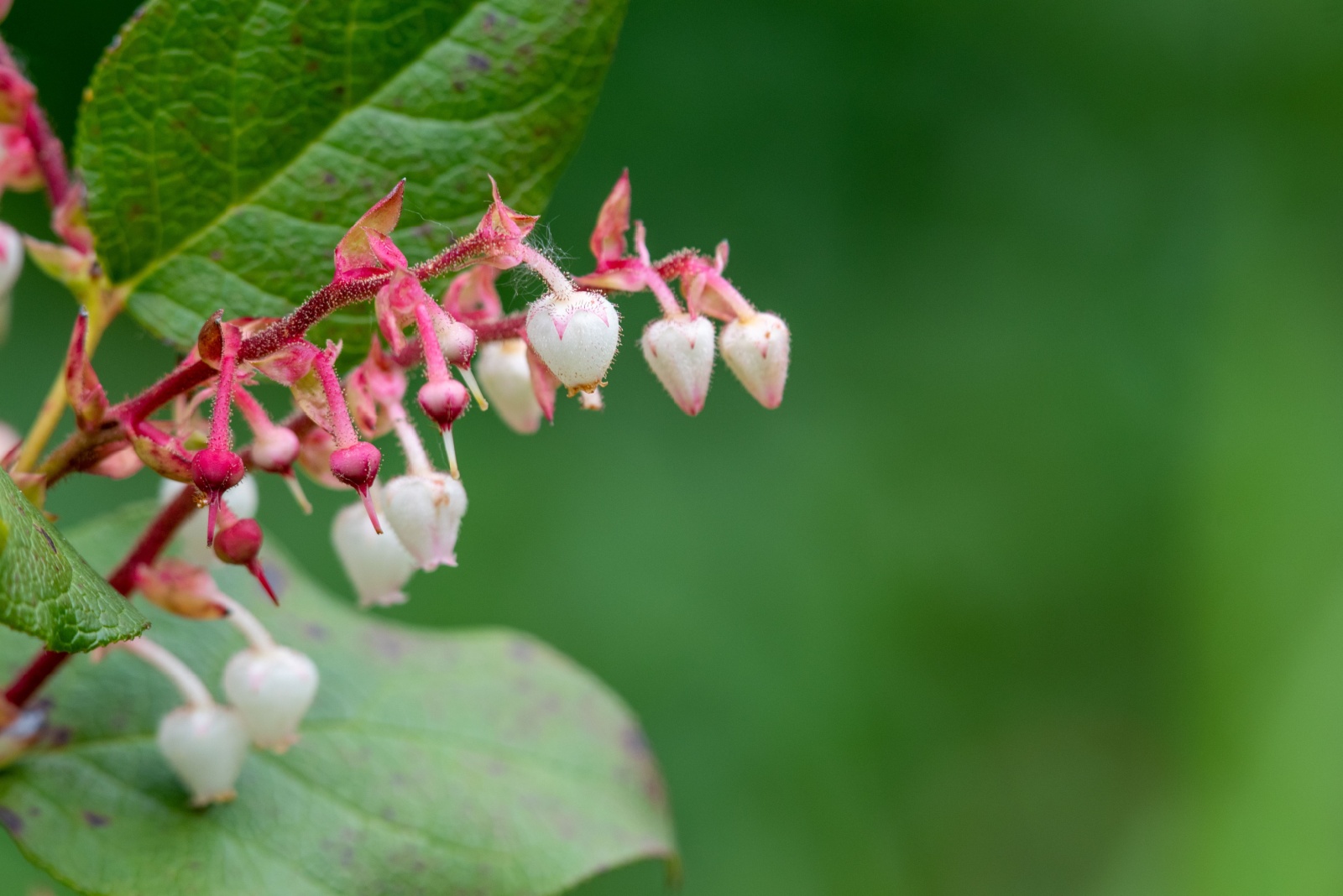
Even in the middle of winter, your garden doesn’t have to feel empty or forgotten.
Maybe you’ve thought native plants are only for spring or summer, but winter can be a surprisingly good time to add them.
I’ve tried it myself, and it’s amazing how a few well-chosen natives can bring life and structure to a yard that otherwise feels gray.
Oregon is full of native plants that are tough, low-maintenance, and perfectly suited to our winter weather.
From evergreens that hold up through rain and wind, to shrubs and perennials that add texture and interest even in the cold, a few smart additions now can make a big difference.
If you’ve been looking for a way to give your garden a boost this season, these native Oregon plants are a perfect place to start.
They’ll thrive in winter conditions and make your garden feel lively year-round.
Winter is a great time to plant these natives in Oregon and make a huge difference in your yard!
These stunning plants can add life, texture, and resilience to your garden even in the cold months.
1. Oregon Grape
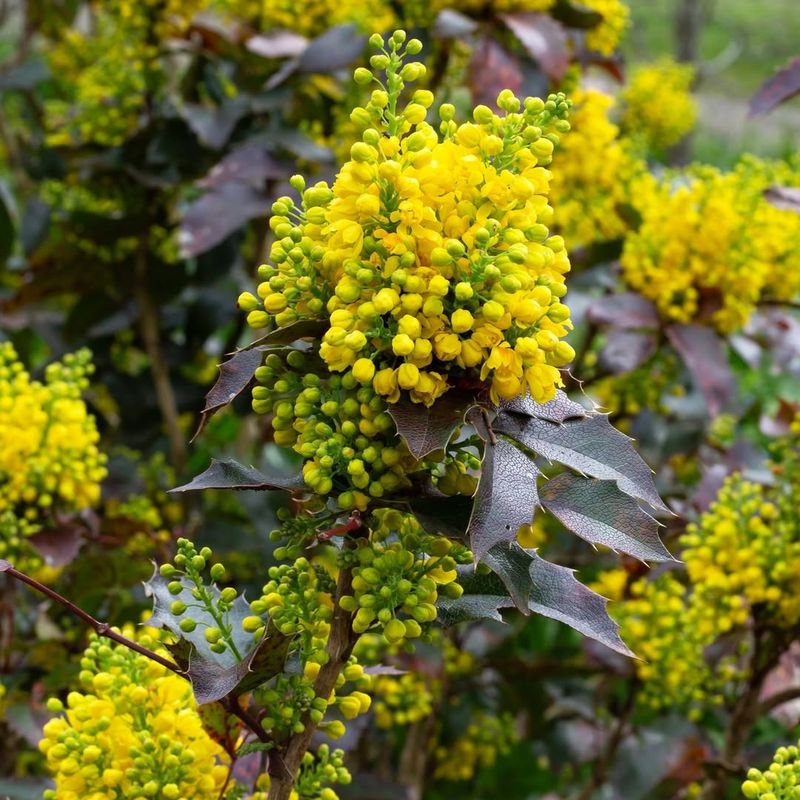
Mahonia aquifolium stands as Oregon’s official state flower, bringing year-round interest to any garden.
Its glossy, holly-like leaves create a striking backdrop for the cheerful yellow flower clusters that emerge in early spring.
During winter months, the foliage often takes on beautiful purple and bronze tones, adding unexpected color to the landscape.
This evergreen shrub grows well in both sun and shade, making it incredibly versatile for different garden locations across Oregon.
The berries that follow the flowers are edible and attract birds, squirrels, and other wildlife to your yard.
Oregon Grape tolerates drought once established, though it appreciates occasional watering during dry spells.
Planting in winter gives the roots time to establish before the growing season begins.
You can use this shrub as a low hedge, foundation planting, or naturalized in woodland settings.
The plant typically reaches three to six feet tall and spreads through underground runners.
Native pollinators absolutely love the early spring blooms when few other food sources are available.
This tough plant handles urban conditions surprisingly well, including air pollution and compacted soils.
2. Red-Flowering Currant
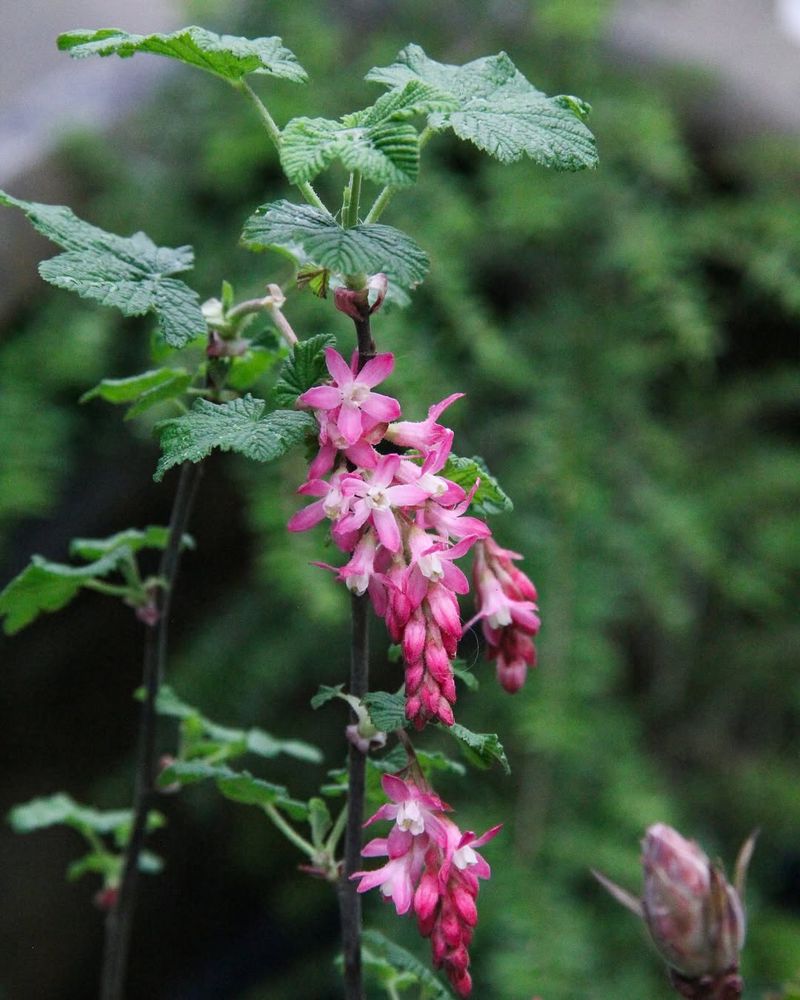
Hummingbirds go absolutely crazy for Ribes sanguineum when its dangling pink to deep red flower clusters appear in late winter.
This deciduous shrub provides one of the earliest nectar sources for returning hummingbirds and native bees.
The flowers hang in beautiful drooping racemes that can reach up to four inches long, creating a stunning visual display.
After blooming, the plant produces small blue-black berries that birds eagerly consume throughout summer.
Red-Flowering Currant grows quickly, reaching six to ten feet in height with a similar spread.
It performs best in partial shade but can handle full sun in cooler Oregon locations.
The maple-like leaves add texture to the garden and turn attractive colors before dropping in autumn.
Winter planting allows this shrub to develop strong roots before the spring growth spurt.
You can prune it after flowering to maintain a compact shape or let it grow naturally for a more informal look.
This plant works wonderfully in native plant gardens, mixed borders, or as a specimen shrub.
It requires minimal care once established and tolerates a range of soil types found throughout Oregon.
3. Sword Fern
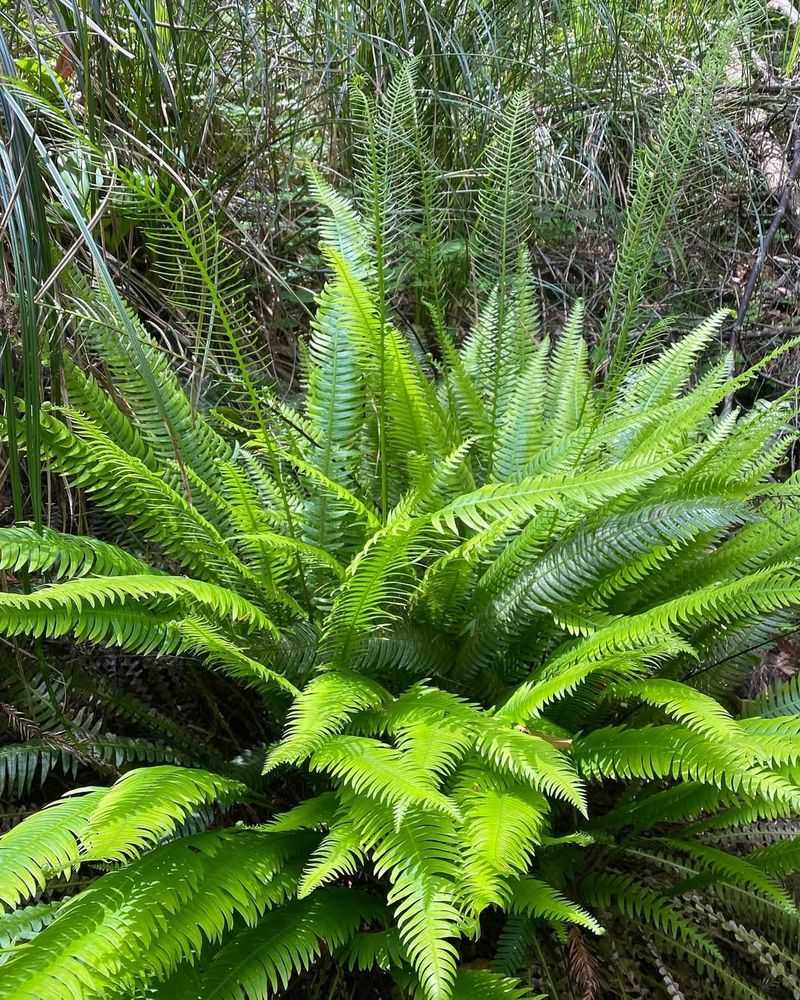
Polystichum munitum brings lush, evergreen texture to shady spots where many other plants struggle to grow.
These magnificent ferns can reach four feet tall, creating dramatic focal points in woodland gardens.
The fronds stay green throughout winter, providing structure and life when most other plants have gone dormant.
Each frond features dozens of glossy, sword-shaped leaflets arranged along a central stem.
Sword Fern grows naturally in Oregon forests, making it perfectly adapted to local conditions.
It prefers shade and moisture but can tolerate some sun if given adequate water.
Winter is an excellent time to plant ferns because the cool, wet weather helps them establish without stress.
This plant spreads slowly through rhizomes, eventually forming impressive clumps over time.
Native Americans traditionally used the fronds for basket lining and ceremonial decorations.
Sword Fern pairs beautifully with other shade-loving natives like trilliums, bleeding hearts, and wild ginger.
Once established, it requires virtually no maintenance and can live for decades in the same spot.
The dense fronds provide shelter for small birds and beneficial insects throughout the year.
4. Pacific Wax Myrtle
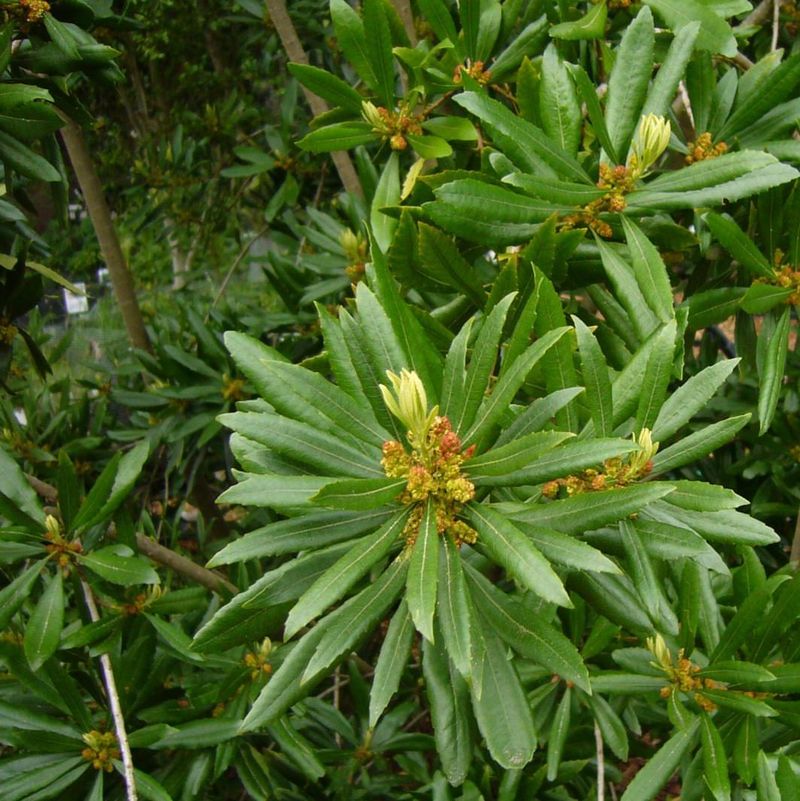
Morella californica offers a tough, salt-tolerant option for gardens near the Oregon coast or areas with harsh winter conditions.
This evergreen shrub features aromatic, narrow leaves that release a pleasant fragrance when crushed.
The plant produces small waxy berries that persist through winter, providing food for birds during scarce months.
Pacific Wax Myrtle can grow anywhere from six to thirty feet tall, depending on growing conditions and pruning.
It handles wind exceptionally well, making it ideal for exposed sites where other plants might struggle.
The plant fixes nitrogen in the soil through specialized root nodules, actually improving soil quality over time.
Winter planting gives this shrub time to develop deep roots before summer heat arrives.
You can shape it into a formal hedge or allow it to grow naturally as a screening plant.
The dense evergreen foliage provides year-round privacy and windbreak protection.
This native thrives in full sun to partial shade and tolerates a wide range of soil types.
Once established, Pacific Wax Myrtle needs little supplemental water, even during Oregon’s dry summers.
The plant’s adaptability makes it valuable for restoration projects and challenging garden sites.
5. Kinnikinnick
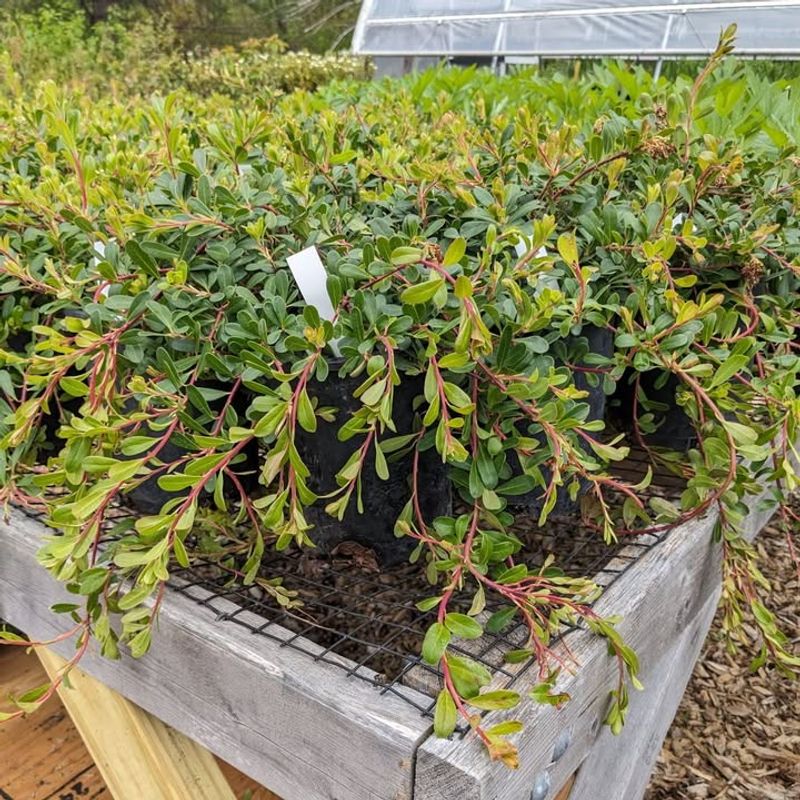
Arctostaphylos uva-ursi creates a beautiful low-growing carpet that solves erosion problems while looking absolutely gorgeous.
This evergreen groundcover rarely exceeds six inches in height but spreads several feet wide over time.
The tiny, glossy leaves turn bronze in winter, adding unexpected color to the landscape.
Small pink, urn-shaped flowers appear in spring, followed by bright red berries that persist into winter.
Kinnikinnick works wonderfully on slopes, in rock gardens, or as a lawn alternative in Oregon gardens.
It tolerates poor soil and drought once established, making it perfect for low-maintenance landscapes.
The plant prefers full sun but can handle partial shade in warmer regions of the state.
Winter planting allows the roots to establish during the rainy season without irrigation needs.
Native Americans used the leaves for smoking mixtures and traditional medicine.
The berries provide food for birds and small mammals throughout the colder months.
This groundcover pairs beautifully with larger native shrubs and conifers, creating layered plantings.
Once established, Kinnikinnick forms a dense mat that naturally suppresses weeds.
It requires minimal care and can thrive for years without fertilizer or special attention.
6. Vine Maple
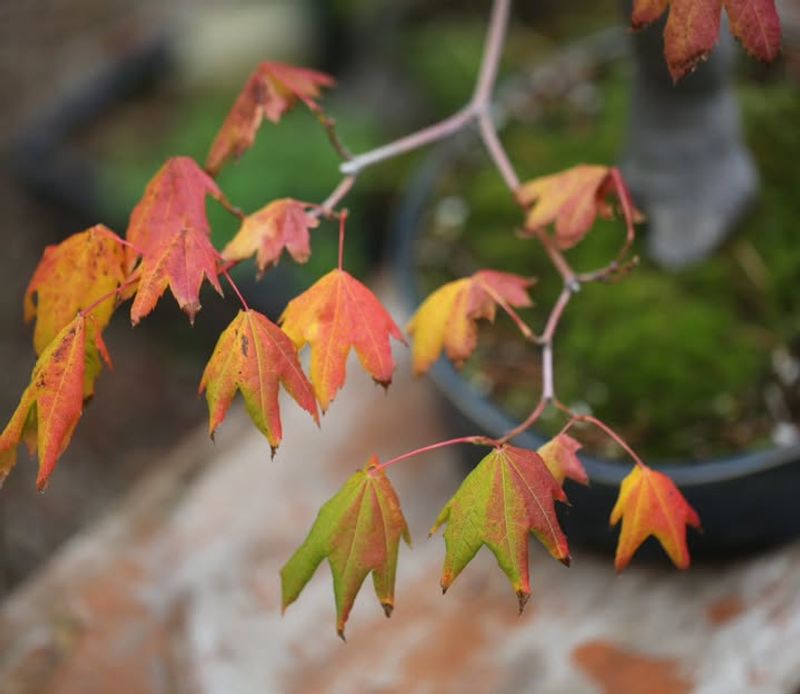
Acer circinatum brings grace and seasonal drama to gardens with its elegant branching structure and stunning autumn display.
This small deciduous tree typically grows fifteen to twenty feet tall with a spreading, often multi-stemmed form.
The delicate palmate leaves create dappled shade perfect for understory plants throughout the growing season.
In fall, the foliage transforms into brilliant shades of orange, red, and yellow before dropping.
Vine Maple grows naturally in Oregon forests, often forming dense thickets in moist, shaded areas.
It adapts well to garden conditions and can handle both sun and shade, though it colors better with some sun exposure.
Winter is an ideal planting time because you can see the attractive branch structure without leaves blocking the view.
The small flowers that appear in spring have red sepals and white petals, creating a charming two-toned effect.
These blooms attract native pollinators and later develop into distinctive winged seeds called samaras.
You can train Vine Maple as a single-trunked specimen or allow it to grow naturally with multiple stems.
The plant tolerates a range of soil types but prefers moist, well-drained conditions.
Its relatively small size makes it perfect for residential gardens where space is limited.
7. Evergreen Huckleberry
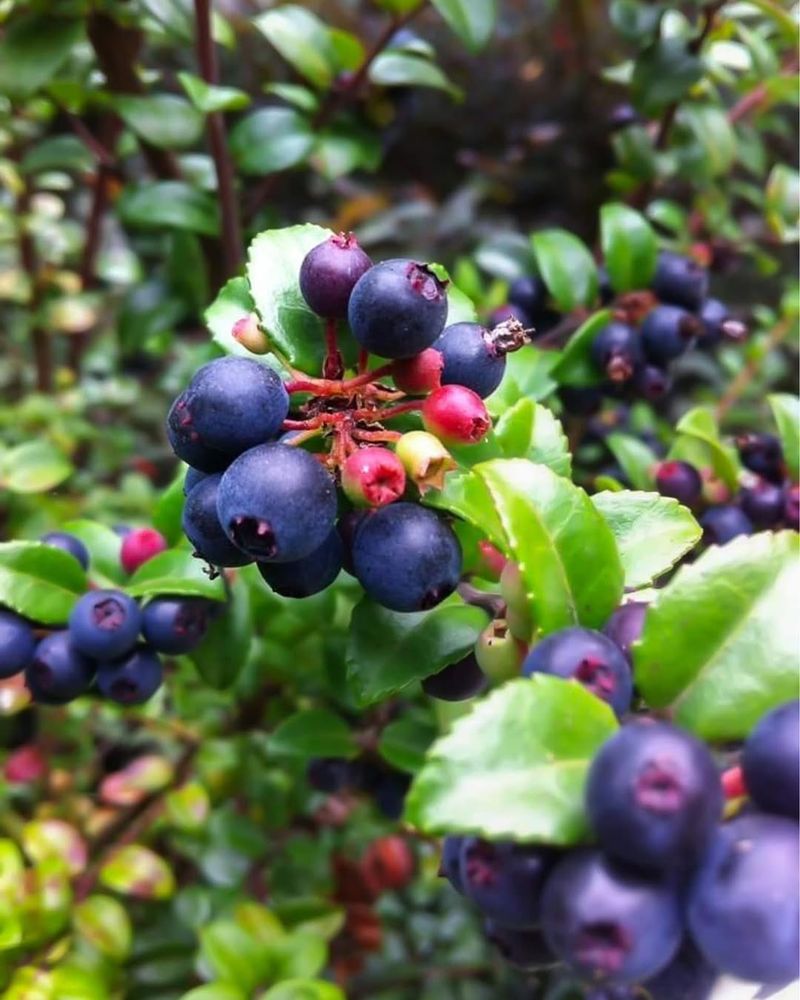
Vaccinium ovatum produces delicious berries while providing year-round structure with its glossy, dark green foliage.
This versatile shrub grows three to ten feet tall, depending on light conditions and pruning practices.
The small, leathery leaves make it a popular choice for floral arrangements, adding to its ornamental value.
In spring, clusters of tiny pink, bell-shaped flowers dangle from the branches, attracting bees and other pollinators.
By late summer, the flowers transform into dark blue-black berries with exceptional flavor.
These berries are smaller than cultivated blueberries but pack an intense, sweet-tart taste that’s perfect for pies and jams.
Evergreen Huckleberry prefers acidic soil and partial shade, mimicking its natural forest habitat in Oregon.
Planting during winter allows the shrub to establish before berry production begins the following year.
The plant grows slowly but steadily, eventually forming a dense, rounded shape.
You can use it as a hedge, foundation planting, or specimen shrub in woodland gardens.
Birds love the berries, so you might need to share your harvest with feathered friends.
Once established, this native requires minimal care beyond occasional watering during extended dry periods.
8. Western Columbine
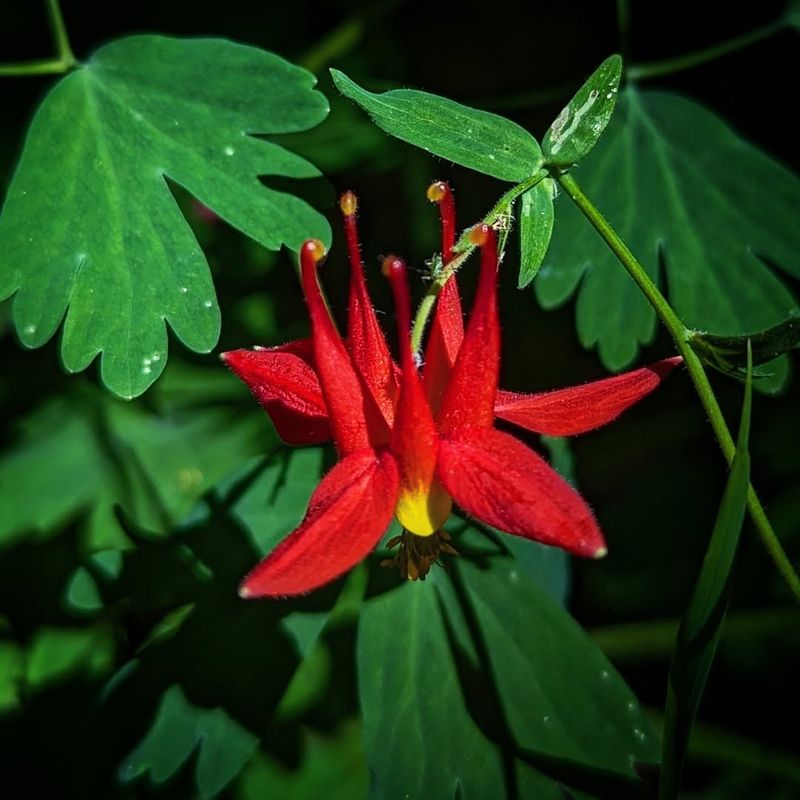
Aquilegia formosa adds whimsical charm with its distinctive nodding flowers that look like tiny red and yellow lanterns.
This herbaceous perennial grows one to three feet tall, with delicate, compound leaves that resemble maidenhair fern foliage.
The unique flowers feature red outer petals and yellow inner petals with long, backward-pointing spurs.
Hummingbirds have a special relationship with Western Columbine, as their long beaks perfectly access the nectar in the spurs.
The plant blooms from late spring through summer, providing extended color in the garden.
It prefers partial shade and moist soil but can tolerate some sun in cooler Oregon locations.
Winter planting of bare-root divisions or container plants works well for this perennial.
Western Columbine self-seeds readily, creating naturalized colonies in favorable conditions.
The plant goes dormant in winter, disappearing completely until fresh growth emerges in spring.
You can pair it with ferns, bleeding hearts, and other shade-loving natives for a layered woodland garden.
The flowers make excellent cut flowers, though they’re best enjoyed in the garden where hummingbirds can visit them.
This native perennial requires minimal maintenance once established and can thrive for years in the right location.
9. Salal
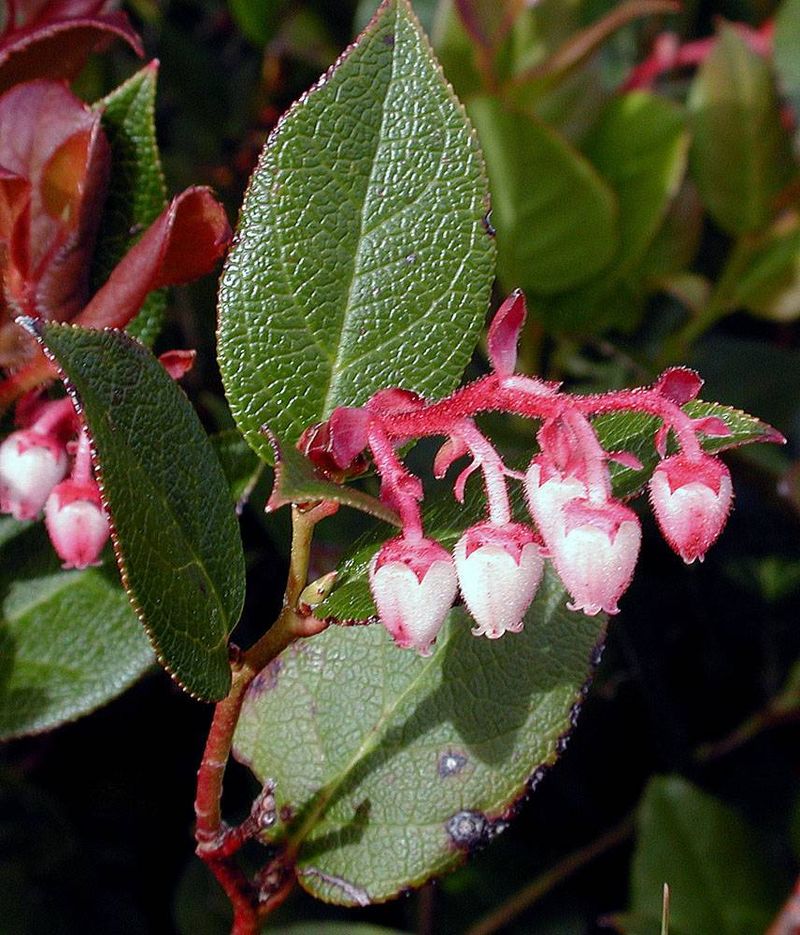
Gaultheria shallon serves as a workhorse groundcover or shrub in Pacific Northwest gardens, handling deep shade with ease.
The thick, leathery leaves stay green all winter, creating a lush backdrop for more showy plants.
This evergreen can grow anywhere from one to five feet tall, depending on light levels and growing conditions.
In spring, rows of small white or pink urn-shaped flowers dangle beneath the foliage.
These blooms develop into dark purple, edible berries that Native Americans traditionally harvested and dried for winter food.
Salal grows abundantly in Oregon forests, making it perfectly adapted to local climate and soil conditions.
The plant spreads through underground rhizomes, gradually forming extensive colonies over time.
It tolerates deep shade better than almost any other broadleaf evergreen, making it invaluable for challenging spots.
Winter planting takes advantage of natural rainfall to establish this tough native without supplemental irrigation.
You can use Salal as a groundcover, low hedge, or massed planting in woodland gardens.
The foliage is popular in the floral industry, harvested commercially for use in arrangements.
Once established, this plant requires virtually no care and can thrive for decades in the same location.
10. Oregon Iris
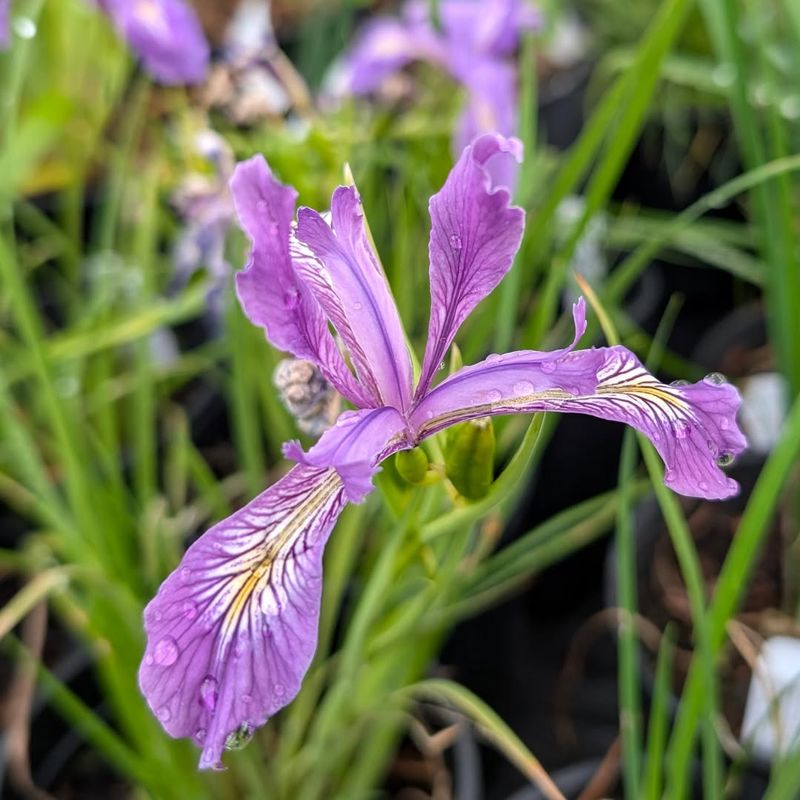
Iris tenax brings elegant beauty to Oregon gardens with flowers in shades ranging from deep purple to pale lavender and even white.
This compact perennial grows only six to twelve inches tall, making it perfect for front-of-border plantings.
The grass-like foliage remains attractive throughout the growing season, even after the flowers fade.
Each flower features the classic iris form with three upright petals and three drooping falls marked with yellow or white.
Oregon Iris blooms in late spring, adding color when many spring bulbs have finished but summer perennials haven’t started yet.
The plant prefers full sun to partial shade and well-drained soil, unlike its moisture-loving cousins.
It actually tolerates dry summers quite well once established, making it suitable for water-wise gardens.
Winter planting of rhizomes works perfectly, giving them time to root before spring growth begins.
You can mass Oregon Iris in meadow-style plantings or use it in rock gardens and native plant borders.
The plant spreads slowly through rhizomes, eventually forming attractive clumps.
Native Americans used the tough leaves to make cordage and baskets.
This iris requires minimal care and can thrive for years without division or special attention in Oregon gardens.
11. Red Alder
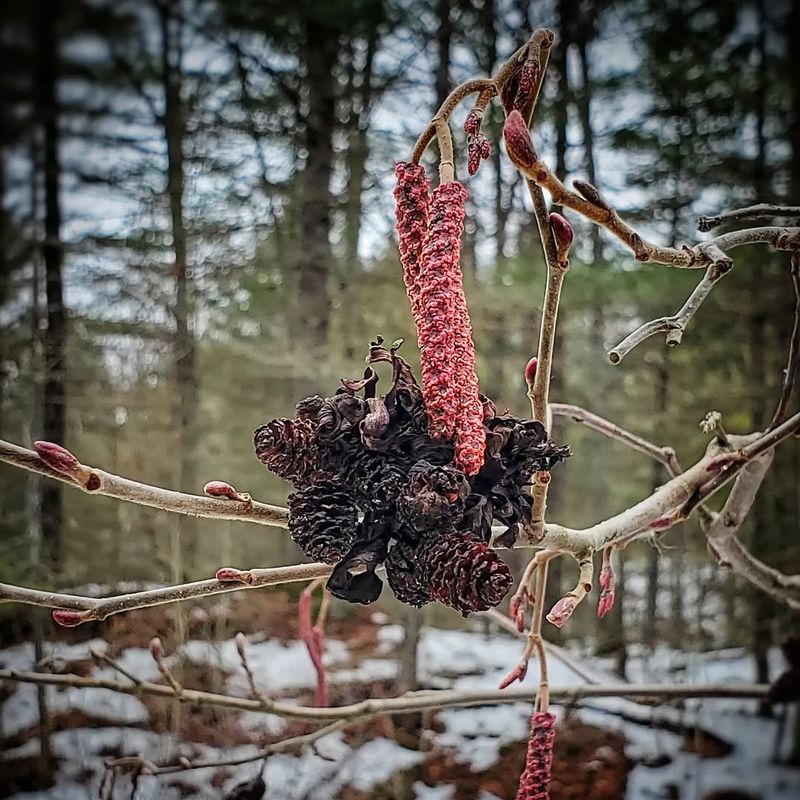
Alnus rubra grows rapidly into a graceful deciduous tree that can reach forty to eighty feet tall in favorable conditions.
This fast-growing native naturally occurs along streams and in moist areas throughout Oregon.
The smooth, gray bark develops character as the tree ages, creating an attractive winter silhouette.
Red Alder fixes nitrogen in the soil through specialized root nodules, enriching the earth for surrounding plants.
In early spring before leaves emerge, the tree produces long, dangling catkins that release clouds of pollen.
The oval, serrated leaves create light shade that allows understory plants to thrive beneath the canopy.
This tree tolerates wet soil better than most, making it ideal for rain gardens or areas with poor drainage.
Winter is an excellent planting time for bare-root Red Alder saplings, which establish quickly.
The tree provides habitat for numerous wildlife species, including cavity-nesting birds and beneficial insects.
Red Alder wood has commercial value and has been traditionally used for smoking salmon.
While it’s relatively short-lived compared to conifers, it grows so fast that you’ll enjoy shade within just a few years.
The tree works well in restoration projects, quickly stabilizing soil and providing nurse-tree benefits for slower-growing species.