10 Native Pennsylvania Plants That Practically Grow Themselves
A beautiful Pennsylvania garden does not have to take over your weekends. The real game changer often comes down to plant choice.
Species that already grow wild across the state know how to handle sticky summer humidity, sudden cold snaps, rocky soil, and those dry stretches that seem to show up out of nowhere. They settle in, find their rhythm, and get on with it.
More gardeners around Pennsylvania now reach for natives because they bring color and life without constant babysitting.
Butterflies show up. Bees stick around. Birds treat your yard like their favorite stop.
The space starts to feel less staged and more alive. Sunny borders, shady corners, sloped yards, and even patchy lawn areas all have native plants that fit right in.
A thoughtful mix builds a garden that looks full, relaxed, and naturally beautiful through every season, without turning into a full time job.
1. Butterfly Weed Brings Bright Orange Color And Pollinator Power
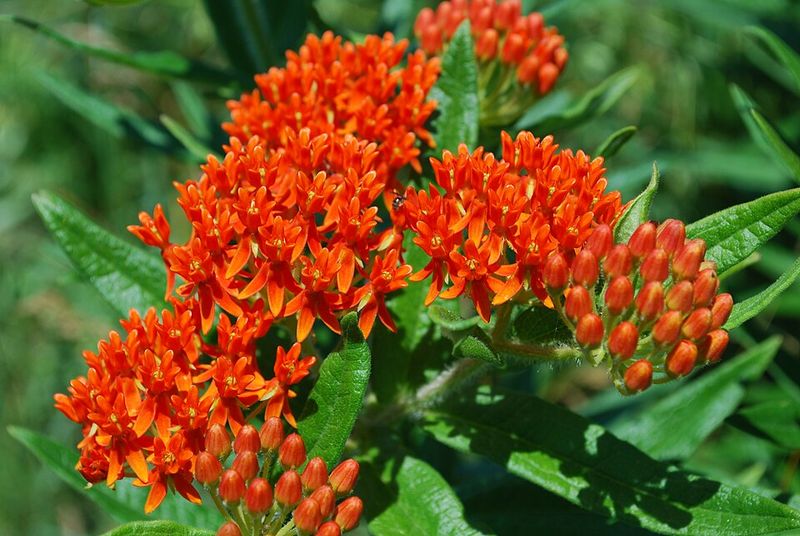
Summer gardens across Pennsylvania gain instant energy when clusters of bright orange butterfly weed begin to open. The bold color stands out against green foliage and quickly catches the attention of passing butterflies.
Native to much of eastern North America, including Pennsylvania, Asclepias tuberosa produces flat clusters of glowing orange flowers from June into August.
Pollinator activity around this plant can be impressive. Monarch butterflies frequently visit the blooms for nectar, while swallowtails, skippers, and many native bee species also stop by during the flowering season.
The blooms provide an important food source during the heart of the growing season when pollinator populations are highly active.
Butterfly weed performs best in full sun and well-drained soil. Dry slopes, sandy beds, and sunny borders often suit it particularly well.
In Pennsylvania gardens, it tends to handle heat, humidity, and winter cold with little difficulty once established.
A deep taproot allows the plant to store moisture and energy underground. That same root system explains why it emerges a bit later in spring compared with many perennials.
Gardeners often mark its location in fall to prevent accidental digging during early-season cleanup.
Transplanting mature plants can be difficult, so choosing a permanent location from the beginning helps avoid disturbance later. Seeds can be started, though blooming sometimes begins after two or three growing seasons.
Nursery-grown plants often provide quicker results. Once the plant settles in, butterfly weed usually becomes one of the easiest pollinator plants in a Pennsylvania garden.
2. Wild Geranium Adds Soft Spring Color To Shady Spots
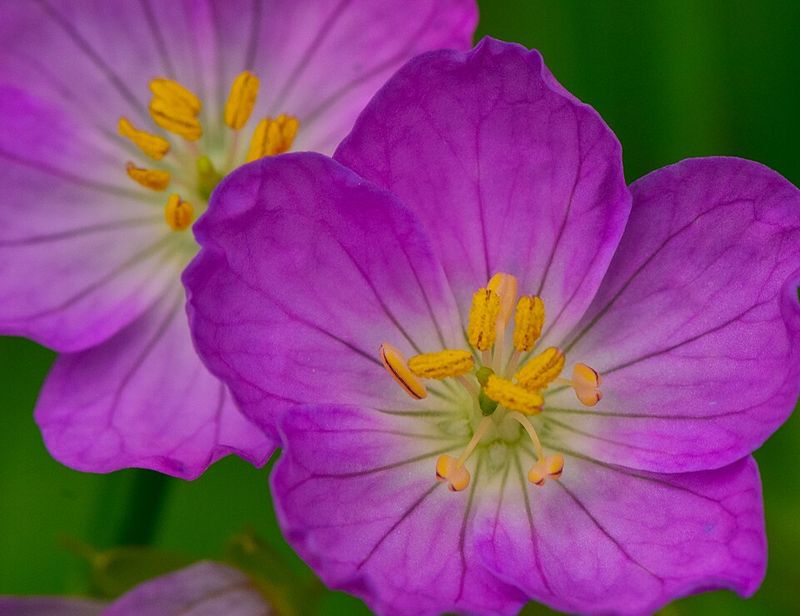
Woodland gardens across Pennsylvania often awaken quietly in spring, and wild geranium plays a gentle but noticeable role in that seasonal shift. Soft pink to lavender blossoms appear in loose clusters just as trees begin to leaf out.
The flowers of Geranium maculatum typically emerge in April and May, brightening shaded beds when many other perennials remain dormant.
Shade can be one of the more challenging conditions in a garden, yet wild geranium handles it comfortably.
Partial shade to full shade tends to suit the plant well, especially when soil contains organic matter similar to the forest floor where it grows naturally.
Moist, well-drained soil encourages the healthiest growth, though established plants can adapt to a range of woodland conditions. Throughout Pennsylvania, the species appears naturally along forest edges, hillsides, and shaded clearings.
Wild geranium often spreads gradually through seed and underground stems, forming relaxed colonies over time. The growth habit remains manageable, which makes it suitable for naturalistic plantings beneath mature trees.
Attractive foliage adds interest even after the spring bloom period ends. Deeply divided leaves create a textured look in shaded borders, sometimes taking on reddish tones later in the season.
Pollinators such as small native bees visit the flowers early in the growing season. Pairing wild geranium with ferns, Solomon’s seal, and other shade-tolerant perennials can create a layered woodland planting that feels natural to Pennsylvania landscapes.
3. Joe-Pye Weed Creates Tall, Showy Blooms In Late Summer
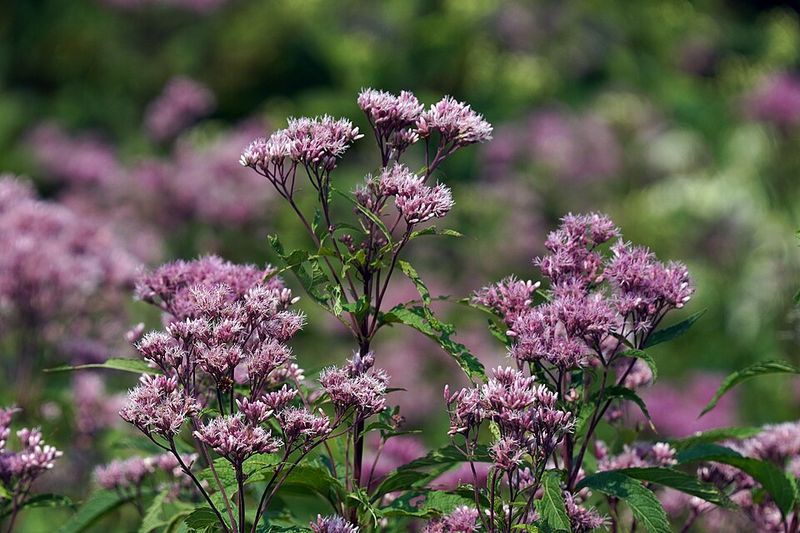
Late summer often brings a shift in garden energy. Some early flowers fade, temperatures remain warm, and pollinators search for reliable nectar sources.
Joe-Pye weed steps into that moment with dramatic height and clouds of soft pink blossoms.
Towering stems of Eutrochium purpureum and related species can reach four to seven feet tall in Pennsylvania gardens. Large dome-shaped flower clusters begin opening in midsummer and often continue into early fall.
Butterflies frequently gather around the blooms, creating lively movement in the landscape.
The plant naturally grows in moist meadows, stream edges, and open woodland margins across Pennsylvania. Garden placement can mirror those environments.
Rain gardens, low areas that collect runoff, and spots near downspouts often provide the moisture Joe-Pye weed appreciates.
Despite its impressive height, the plant usually stands upright without staking. Strong stems support the flower heads even during windy weather.
Joe-Pye weed works beautifully at the back of borders or along fence lines where its height can form a soft screen. Gardeners seeking a naturalistic meadow look often combine it with native grasses and late-season perennials.
Seedheads remain attractive after flowering and may attract birds such as finches during autumn. Some gardeners trim stems back slightly in early summer to encourage bushier growth and a more compact shape.
For Pennsylvania landscapes that need bold vertical interest late in the season, Joe-Pye weed can become one of the most eye-catching native choices available.
4. Black-Eyed Susan Keeps The Garden Glowing With Golden Flowers
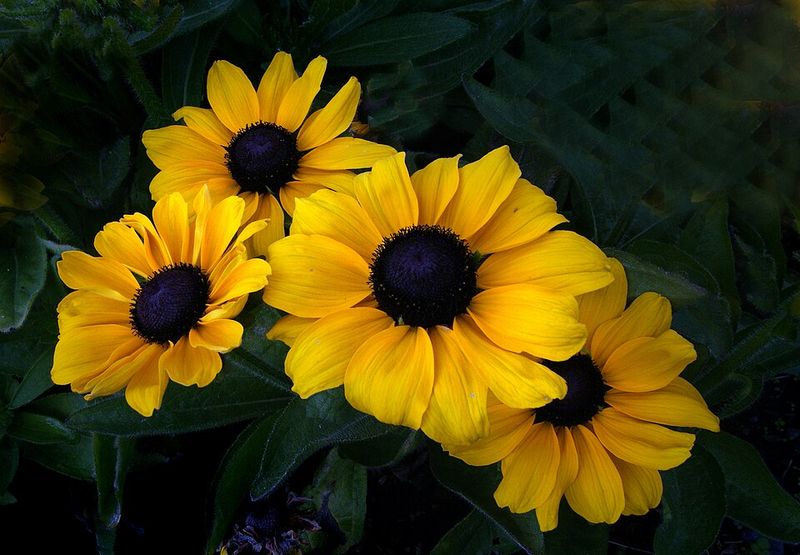
Sunny Pennsylvania landscapes often feel brighter once black-eyed Susans begin to bloom. Their golden-yellow petals and dark central cones bring a cheerful look that fits beautifully in cottage gardens, wildflower beds, and meadow-style plantings.
The familiar flowers of Rudbeckia hirta typically appear in early summer and can continue well into fall.
Many gardeners appreciate how adaptable this native wildflower can be. Full sun encourages the most abundant flowering, though the plant tolerates a wide range of soil conditions.
Sandy soils, roadside edges, and dry garden beds often support healthy growth, which helps explain why the species appears so frequently throughout Pennsylvania.
Black-eyed Susan is usually considered a short-lived perennial or biennial. Individual plants may only persist for a few seasons, but the species often maintains a presence in the garden through natural reseeding.
New seedlings tend to appear each year, creating a relaxed and evolving patch of color.
Pollinators make regular visits to the flowers. Native bees and bumblebees collect pollen throughout the blooming season, while butterflies frequently pause on the broad petals during warm afternoons.
Later in the year, the seedheads provide food for birds such as American goldfinches.
Gardeners often pair black-eyed Susan with native grasses like little bluestem or with other prairie-style perennials.
The combination creates movement, texture, and long-lasting summer color that suits Pennsylvania’s sunny landscapes beautifully.
5. Wild Bergamot Fills The Air With Fragrance And Bee Activity
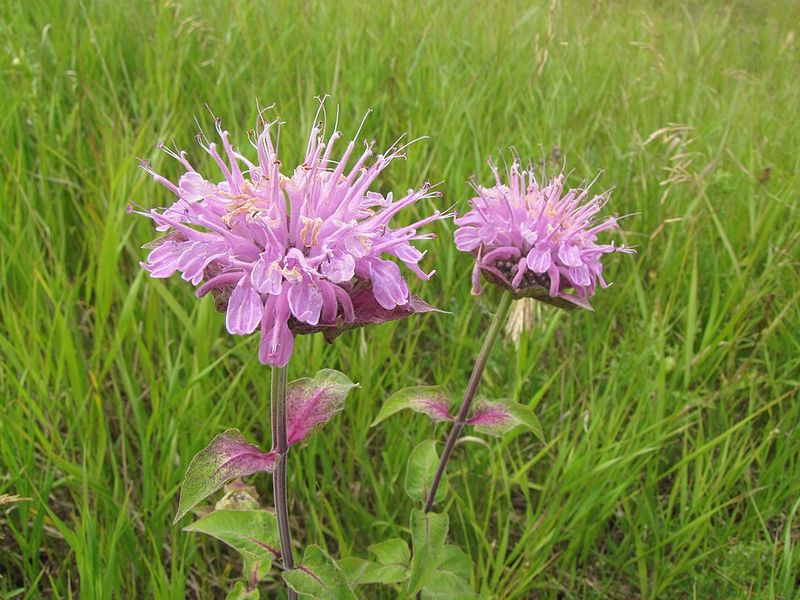
Warm summer air in Pennsylvania often carries a light herbal fragrance near a patch of wild bergamot. The lavender-pink blooms of Monarda fistulosa rise above aromatic foliage, creating a plant that appeals to both gardeners and pollinators alike.
The flowers appear from mid to late summer and quickly become busy gathering spots for bees and butterflies. Bumblebees, native solitary bees, and hummingbirds frequently visit the tubular blooms while collecting nectar.
Pollinator gardens across Pennsylvania often include wild bergamot for this reason.
Wild bergamot grows naturally in open meadows, prairie edges, and dry woodland clearings throughout the state. Full sun tends to encourage the strongest flowering, though light shade can also support healthy growth.
The plant adapts well to average or dry soils, including rocky or sandy locations where other perennials struggle.
Compared with some garden varieties of bee balm, wild bergamot often handles dry conditions more comfortably and may show fewer issues with powdery mildew during Pennsylvania’s humid summers.
In the landscape, the plant gradually forms relaxed colonies through underground stems and occasional self-seeding. Dividing clumps every few years helps maintain vigor and prevents overcrowding.
The seedheads that follow flowering provide subtle texture in autumn and sometimes attract small birds. Naturalistic gardens, pollinator plantings, and sunny cottage borders all benefit from the lively presence of wild bergamot.
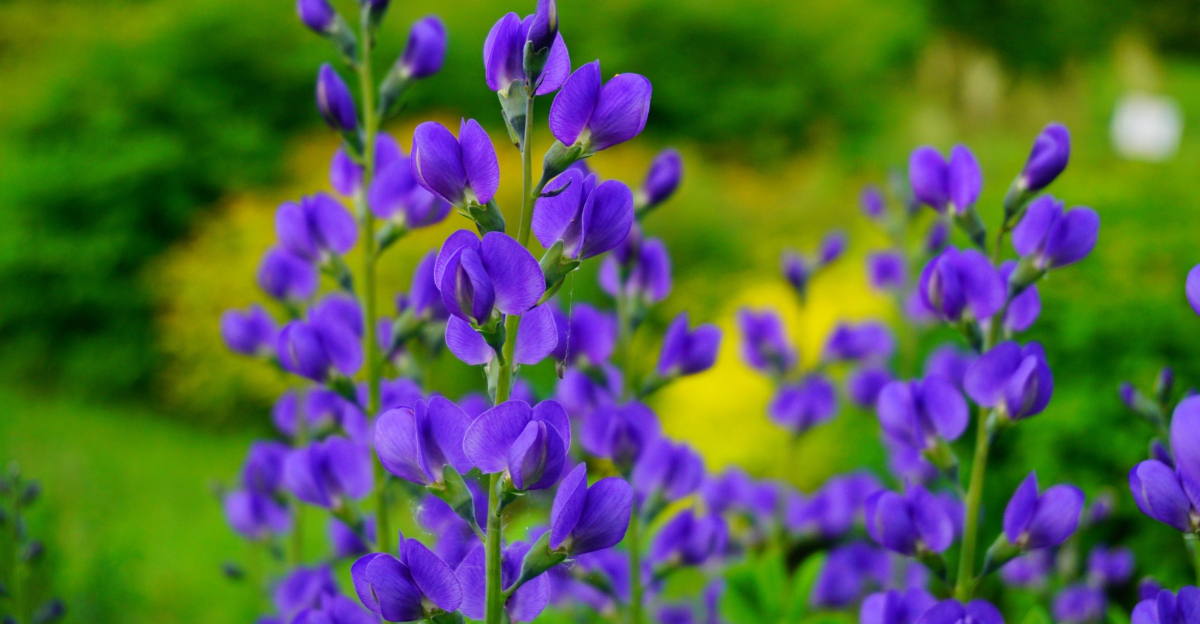
6. False Blue Indigo Delivers Bold Blue Blooms With Strong Structure
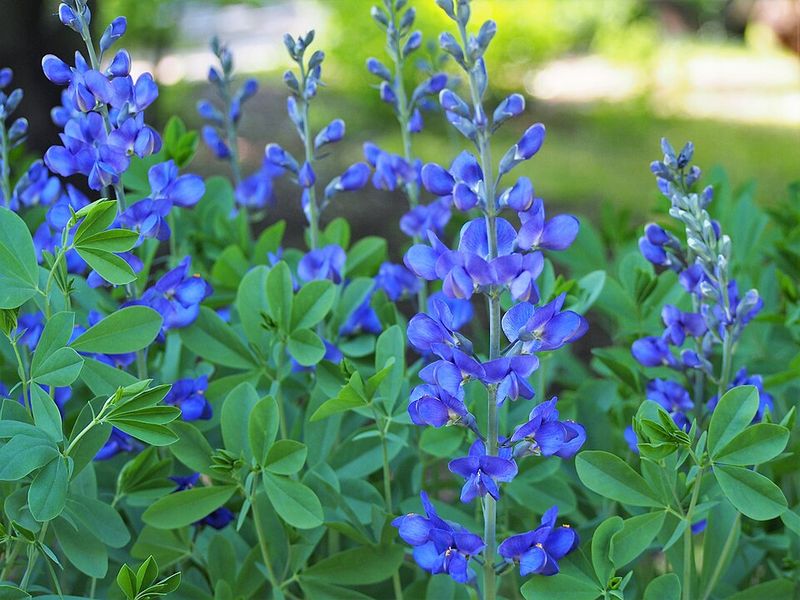
Certain plants bring lasting structure to a garden, and false blue indigo stands out as one of the most distinctive native options for Pennsylvania landscapes.
Tall flower spikes rise above blue-green foliage in late spring, creating an eye-catching display of deep indigo blossoms.
The flowers of Baptisia australis appear during May and early June, forming upright clusters that resemble oversized lupines. Bumblebees often visit these blooms, using their weight to open the pea-shaped flowers while collecting nectar and pollen.
Native to regions across eastern North America, false blue indigo adapts well to Pennsylvania’s climate. Full sun encourages the strongest growth, while well-drained soils help prevent root issues.
Once established, the plant tolerates dry periods quite well.
A deep taproot anchors the plant firmly in the ground. That root system contributes to its drought tolerance but also explains why young plants may take a few seasons to fully develop.
Patience during the early years often rewards gardeners with a long-lived perennial that can remain productive for decades.
After flowering, dark seedpods develop and gradually turn charcoal gray. These pods add visual interest as they rattle gently in late summer breezes.
False blue indigo works beautifully as a specimen plant or grouped in sunny borders. The bold foliage and sturdy stems provide structure even after the spring bloom period fades.
7. Moss Phlox Covers The Ground In A Blanket Of Spring Color
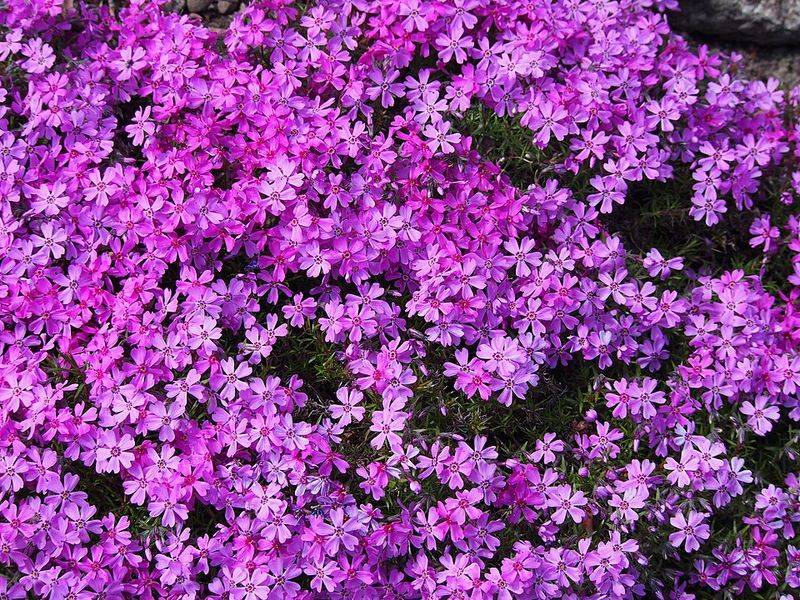
Early spring landscapes in Pennsylvania often receive their first dramatic splash of color from moss phlox. Dense mats of needle-like evergreen foliage become almost hidden beneath a vivid layer of flowers once blooming begins.
The low-growing plant Phlox subulata typically bursts into bloom in April or early May. Pink, lavender, white, and magenta flowers can blanket entire patches of ground, creating a striking display that signals the arrival of warmer weather.
Rock gardens and sunny slopes often provide ideal growing conditions. Moss phlox thrives in full sun and prefers well-drained soils, including sandy or rocky areas that drain quickly after rain.
These preferences reflect the plant’s natural habitat in rocky outcrops and open slopes throughout parts of Pennsylvania and the surrounding region.
After the spring bloom fades, the evergreen foliage remains as a tidy groundcover. Its dense growth helps suppress weeds and adds texture to garden borders.
Light trimming after flowering can encourage fuller growth and may support stronger flowering the following spring. Gardeners often use moss phlox to soften the edges of stone walls, spill gently over retaining walls, or stabilize sunny slopes.
The plant pairs nicely with spring bulbs, creeping sedums, and other low-growing perennials. When planted in drifts, moss phlox can create one of the most colorful early-season displays in Pennsylvania gardens.
8. New Jersey Tea Offers Delicate White Flowers On A Tough Native Shrub
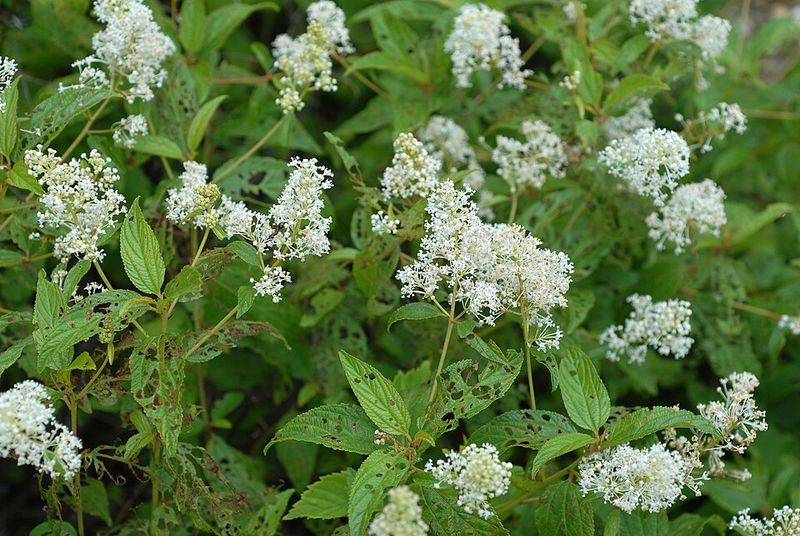
A plant with an unusual name sometimes sparks curiosity in the garden. New Jersey tea, Ceanothus americanus, carries a bit of history along with its ornamental value.
During the Revolutionary War, colonists reportedly used its dried leaves as a substitute for imported tea.
Beyond its historical story, this native shrub offers several practical benefits for Pennsylvania landscapes. Compact growth usually reaches about two to three feet tall and wide, making it suitable for smaller gardens and naturalistic plantings.
Clusters of tiny white flowers appear in early to mid-summer, forming soft cloud-like blooms that attract a wide variety of native bees. Some specialist bee species rely on plants in the Ceanothus genus for pollen, adding ecological value to the garden.
New Jersey tea performs well in sunny locations and adapts particularly well to dry, rocky, or sandy soils. Its deep root system helps the plant tolerate dry spells once established.
Another interesting trait involves soil health. The plant forms associations with nitrogen-fixing bacteria, which can gradually improve soil fertility around its root zone.
Gardeners across Pennsylvania sometimes use New Jersey tea on slopes, dry banks, or other challenging areas where larger shrubs may struggle. Occasional pruning of older stems can help maintain a compact shape while encouraging fresh growth.
9. Allegheny Serviceberry Brings Flowers, Berries, And Fall Color In One Plant
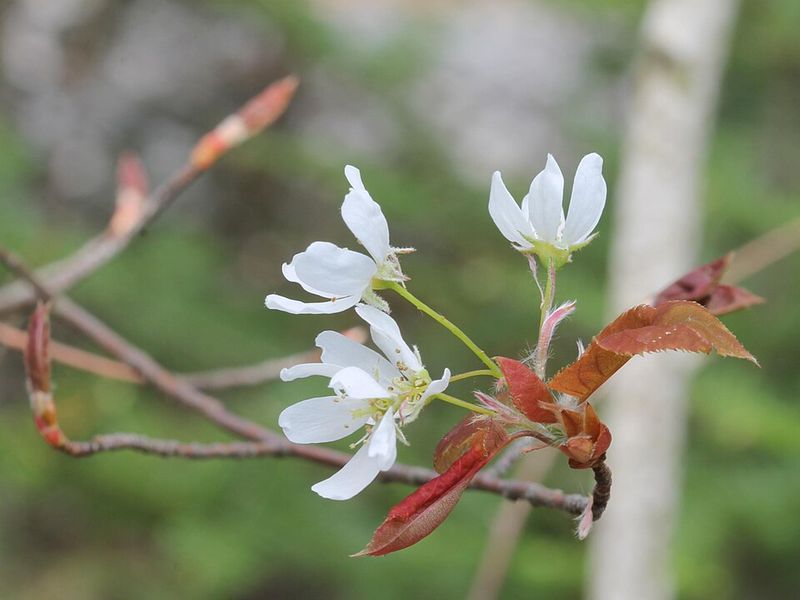
Early spring landscapes in Pennsylvania begin to brighten when serviceberry trees burst into bloom. Delicate white flowers appear before many other trees leaf out, creating an airy display against the still-bare branches of the season.
Amelanchier laevis, commonly known as Allegheny serviceberry, produces clusters of star-shaped blossoms during March and April.
These early flowers provide an important nectar source for emerging pollinators, including queen bumblebees that become active during the first warm days of spring.
The seasonal interest continues well beyond the bloom period. Small fruits develop in late spring and ripen into deep purple berries by early summer.
Birds such as robins, cedar waxwings, and catbirds often discover the fruit quickly, though gardeners sometimes harvest a small portion for fresh eating or baking.
Autumn brings another highlight as the foliage shifts into shades of orange, gold, and red. The colorful leaves help extend the ornamental value of the tree long after summer has passed.
Allegheny serviceberry grows naturally along woodland edges, slopes, and stream banks across Pennsylvania. Sun or partial shade both support healthy growth.
Mature trees typically reach fifteen to twenty-five feet tall, making them suitable for smaller yards.
Multi-season beauty combined with strong wildlife value makes serviceberry one of the most rewarding native trees for Pennsylvania gardens.
10. Pennsylvania Sedge Creates A Soft, Low-Maintenance Lawn Alternative
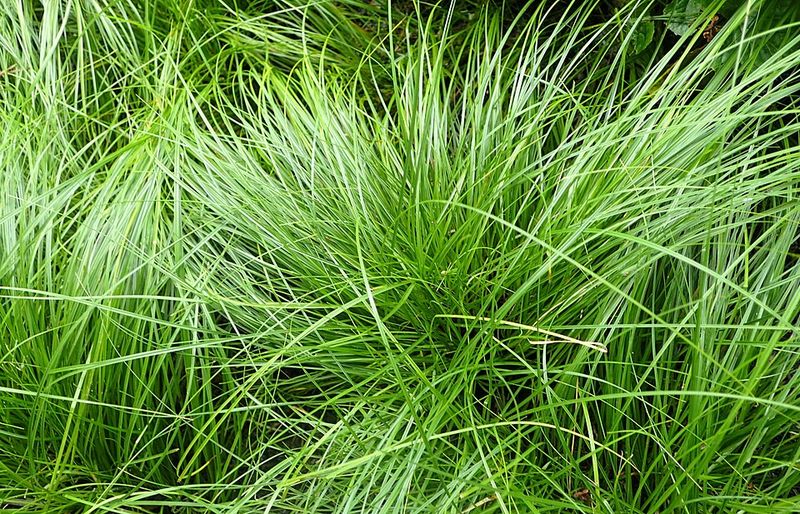
Traditional lawns can require frequent mowing, watering, and fertilizing. Pennsylvania sedge offers a quieter and more natural alternative that suits many shaded landscapes across the state.
Fine-textured foliage of Carex pensylvanica forms soft, arching clumps that gradually knit together into a low carpet of green. The plant often grows only six to twelve inches tall, giving it a tidy appearance without constant trimming.
Shade tolerance makes this sedge particularly valuable. Under mature oak or maple trees, where turf grasses often struggle, Pennsylvania sedge can create a gentle groundcover that blends naturally with woodland gardens.
In the wild, the plant commonly grows in dry to medium woodland soils throughout Pennsylvania. Garden settings that mimic those conditions tend to support healthy growth.
Once established, maintenance needs remain relatively low. Supplemental watering during extended dry periods may help young plantings settle in, but mature colonies often persist with little attention.
Some gardeners trim the foliage lightly in early spring to refresh the appearance before new growth begins.
Planting sedge in larger drifts rather than isolated clumps creates a more cohesive, lawn-like effect.
For homeowners seeking a softer, lower-maintenance alternative to traditional turf, Pennsylvania sedge offers a practical solution that fits comfortably within the region’s natural landscape.