Native Pennsylvania Shrubs With Berries For Backyard Birds
There’s something quietly joyful about stepping outside in Pennsylvania and spotting a backyard alive with songbirds.
Many gardeners remember the empty branches of winter, longing for the color and movement that comes when spring arrives.
Planting native shrubs that produce berries is a simple way to bring those birds back while enhancing your landscape. These plants provide natural food, shelter, and even protection for young birds, all while blending seamlessly into your existing garden.
From fragrant blooms to colorful berries, they support both wildlife and your enjoyment of the outdoors.
As these shrubs start to fill in, you’ll notice more feathered visitors exploring every branch. Each berry-laden shrub adds life, color, and activity, creating a backyard that feels vibrant and inviting.
The combination of beauty and wildlife interaction makes every morning spent outside feel a little brighter and more alive.
1. Elderberry With Its Juicy Berries
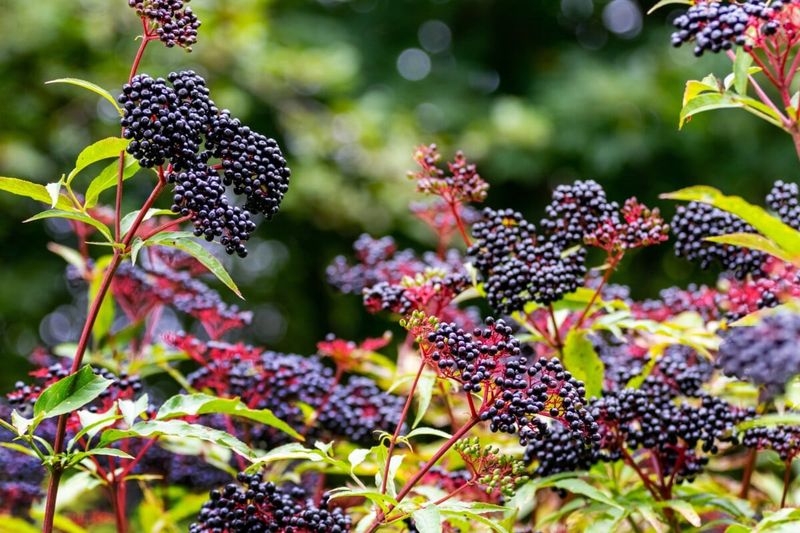
Few shrubs in Pennsylvania pack as much wildlife value into one plant as the Black Elderberry. Known scientifically as Sambucus canadensis, this fast-growing native shrub produces large, flat clusters of deep purple-black berries in late summer and early fall.
Many bird species are attracted to the berries, and you may see visits from catbirds, thrushes, cedar waxwings, and robins once the berries ripe.
Elderberry shrubs can grow anywhere from five to twelve feet tall, so they work well as a natural privacy screen along a fence line or property edge. They prefer moist soil and do especially well near low areas in your yard where water tends to collect.
In Pennsylvania, elderberries grow naturally along stream banks and woodland edges, so mimicking those conditions in your yard gives them the best start.
One fun bonus is that elderberry blooms in late spring with creamy white flower clusters that attract pollinators before the berries even appear. Planting two or more shrubs near each other improves berry production thanks to cross-pollination.
Gardeners in Pennsylvania often find that elderberry spreads naturally through root suckers, creating a dense thicket that also gives birds safe nesting spots. Prune it back in early spring to keep it tidy and encourage healthy new growth.
If you want a shrub that gives back a lot with very little effort, elderberry is a top pick for any Pennsylvania backyard wildlife garden.
2. Arrowwood Viburnum That Fills The Garden With Color
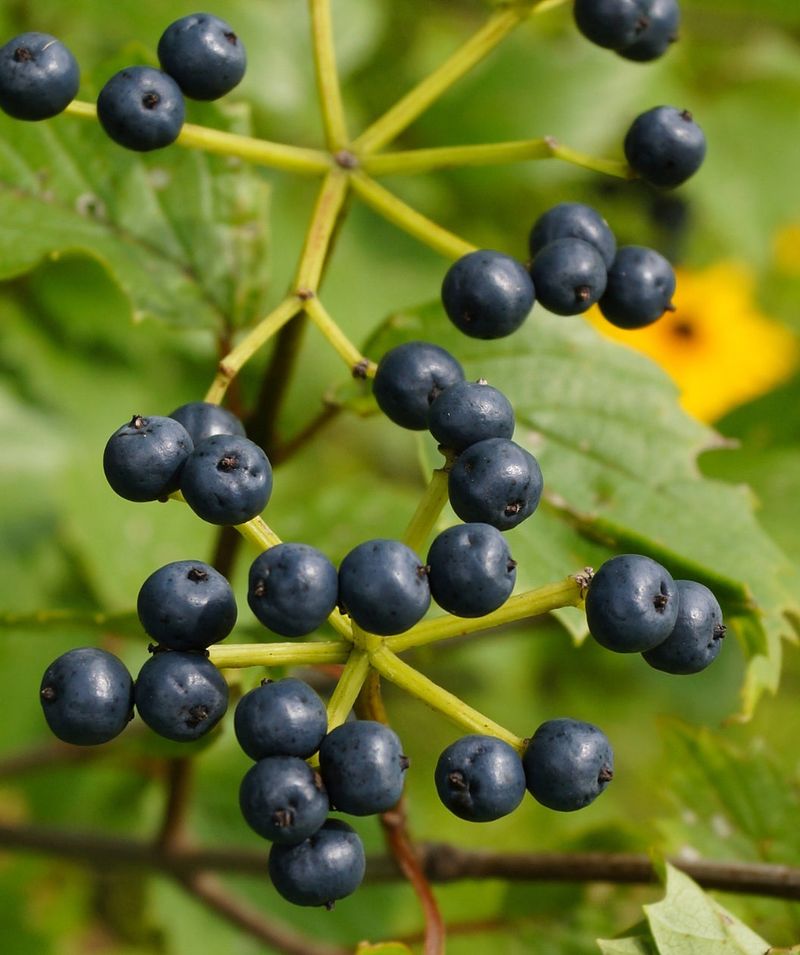
Walk through almost any woodland edge in Pennsylvania and you might spot Arrowwood Viburnum growing wild along the path. Viburnum dentatum is a medium-sized native shrub that reaches about six to ten feet tall and produces clusters of blue-black berries in September.
Cardinals, thrushes, vireos, and cedar waxwings are especially drawn to these berries during the fall migration season when birds need high-energy food to fuel long journeys.
What makes Arrowwood Viburnum stand out is how easy it is to grow in Pennsylvania yards. It tolerates a wide range of soil types, handles both sun and partial shade, and is remarkably drought-tolerant once established.
The shrub also puts on a show in late spring when it covers itself in flat-topped clusters of white flowers, adding ornamental beauty before the berries even form. Fall foliage brings another splash of color, with leaves turning red to burgundy.
For best berry production, plant at least two different cultivars near each other to encourage cross-pollination. Arrowwood Viburnum works beautifully as a border shrub or as part of a mixed native hedge.
Its dense, upright branching structure also provides excellent nesting cover for songbirds throughout the spring and summer. Native plant nurseries across Pennsylvania often carry this shrub, and it is considered one of the most bird-friendly native plants available for home gardens in the region.
Adding it to your yard is a reliable way to support local bird populations year after year.
3. Gray Dogwood And Its Subtle, Elegant Berries
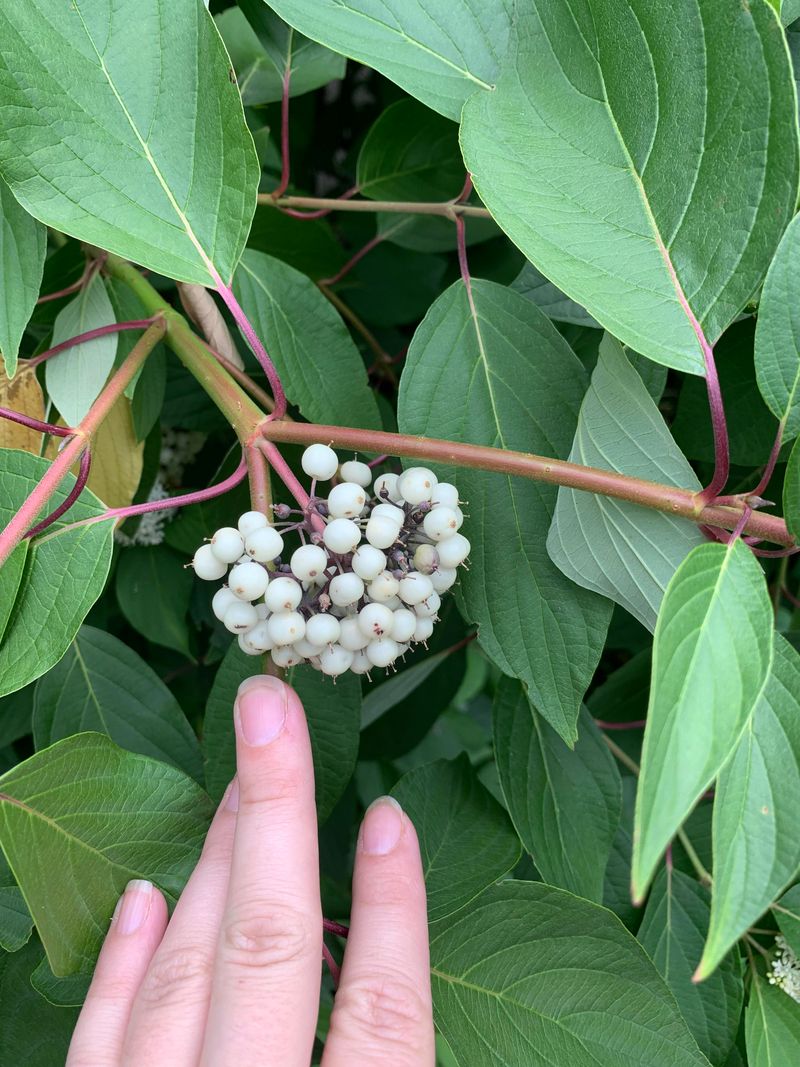
There is something almost artistic about Gray Dogwood in the fall. When the leaves drop, the bright red stems holding clusters of white berries become one of the most striking sights in a Pennsylvania native garden.
Cornus racemosa is a medium shrub growing between six and ten feet tall, and it is an absolute magnet for migrating songbirds passing through Pennsylvania in autumn. Gray dogwood berries are used by a wide variety of songbirds, including robins, bluebirds, and cedar waxwings.
Gray Dogwood is incredibly adaptable. It grows in wet soils, dry soils, full sun, and partial shade, making it one of the most flexible native shrubs for Pennsylvania homeowners.
It spreads through root suckers to form dense thickets, which gives birds not only a food source but also excellent cover from predators. If you want a naturalistic look in a corner of your yard, gray dogwood creates that habitat beautifully.
The shrub blooms in late spring with small white flower clusters that attract native bees and butterflies before transitioning to berries. Pruning every few years helps keep the plant vigorous and productive.
Gray Dogwood is often available at native plant sales hosted by Pennsylvania conservation organizations and local nurseries. Because it spreads on its own over time, one or two starter plants can eventually grow into a generous wildlife thicket.
For gardeners in Pennsylvania who want a low-maintenance shrub that truly delivers for birds, gray dogwood earns its spot every single season.
4. Winterberry Holly With Vibrant Red Winter Fruit
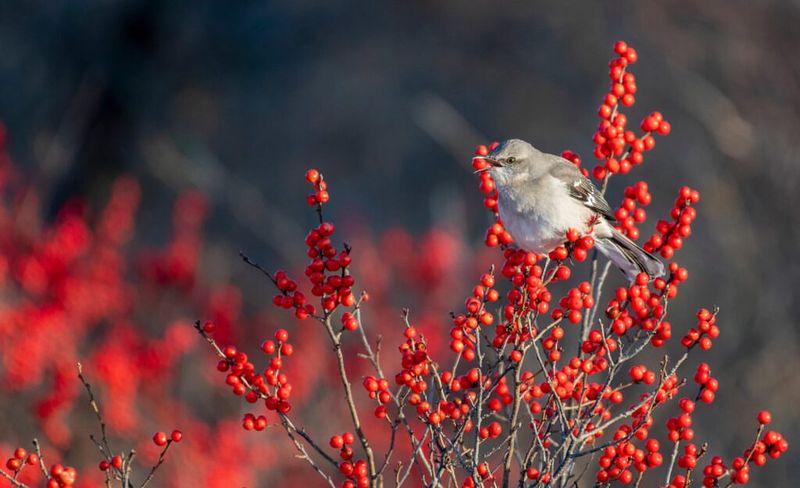
Imagine stepping outside on a gray Pennsylvania winter morning and seeing a shrub absolutely blazing with hundreds of bright red berries against bare branches. That is exactly what Winterberry Holly brings to your yard.
Ilex verticillata is a native deciduous holly that loses its leaves in fall, leaving behind a stunning display of red berries that persist well into winter. Bluebirds, robins, cedar waxwings, and mockingbirds rely heavily on these berries when other food sources become scarce during cold months.
Winterberry Holly grows naturally in wet areas across Pennsylvania, including swamps, stream edges, and low-lying meadows. In your backyard, it thrives in moist to wet soil and prefers full sun to partial shade.
One important thing to know before planting: you need both a male and a female plant for berry production. A single male plant can pollinate several female plants nearby, so a common planting ratio is one male for every three to five females.
Plants typically grow between six and ten feet tall, and there are compact varieties available for smaller yards. The berries are not intended for human consumption, but birds find them irresistible, especially during late winter when food becomes harder to find.
Winterberry Holly is widely sold at Pennsylvania native plant nurseries and garden centers. It pairs beautifully with other moisture-loving native shrubs like Silky Dogwood or Buttonbush.
Few plants in a Pennsylvania backyard garden make as dramatic a visual statement while simultaneously feeding the birds that need it most.
5. Silky Dogwood That Attracts Birds All Season
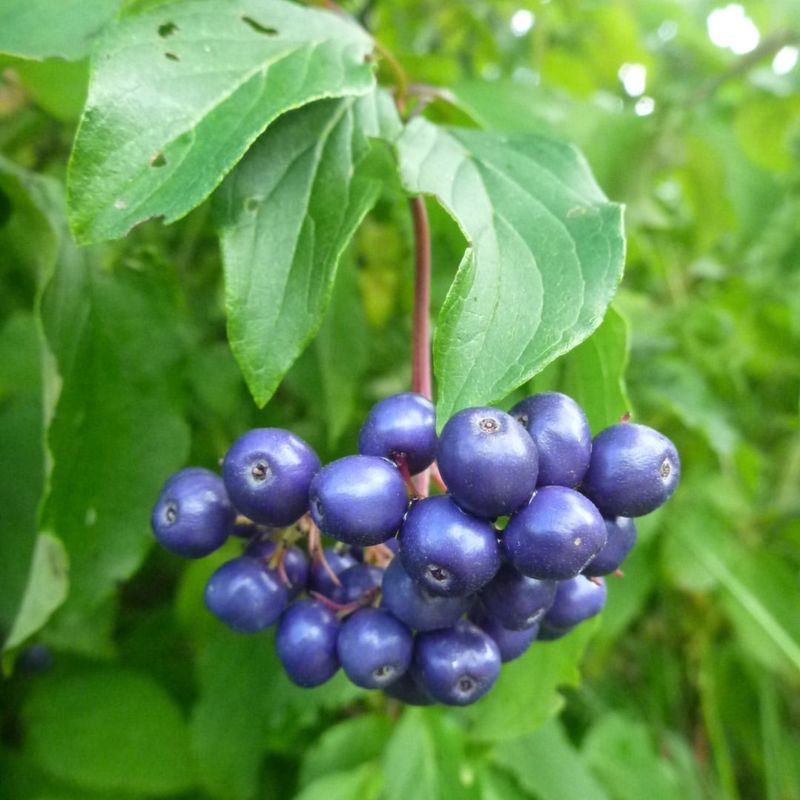
Silky Dogwood is the shrub that thrives where many others struggle. Cornus amomum loves wet feet, making it a perfect choice for Pennsylvania yards with low spots, rain gardens, or areas near streams and ponds.
Growing between six and twelve feet tall, this native shrub produces clusters of blue-white berries in late summer that are eagerly consumed by wood ducks, woodpeckers, catbirds, and many species of sparrows and warblers.
The berries ripen from July through September, giving birds a reliable food source right before fall migration kicks into high gear. Silky Dogwood is named for the fine, silky hairs found on its leaves and young stems.
Its reddish-purple stems add winter interest to the garden even after the berries are gone and the leaves have fallen. The shrub also blooms in late spring with flat-topped white flower clusters that attract a variety of native pollinators.
One of the best things about Silky Dogwood for Pennsylvania gardeners is how quickly it establishes itself. It spreads through root suckers and layering, filling in wet areas with dense cover that benefits ground-nesting birds and small mammals.
Regular pruning of older stems encourages fresh growth and better berry production. Silky Dogwood is often used in stream bank restoration projects throughout Pennsylvania because of its strong root system that prevents erosion.
Adding it to a rain garden or wet corner of your backyard is a smart, sustainable way to support local wildlife while managing excess moisture in your landscape.
6. American Cranberrybush With Bright, Tangy Berries
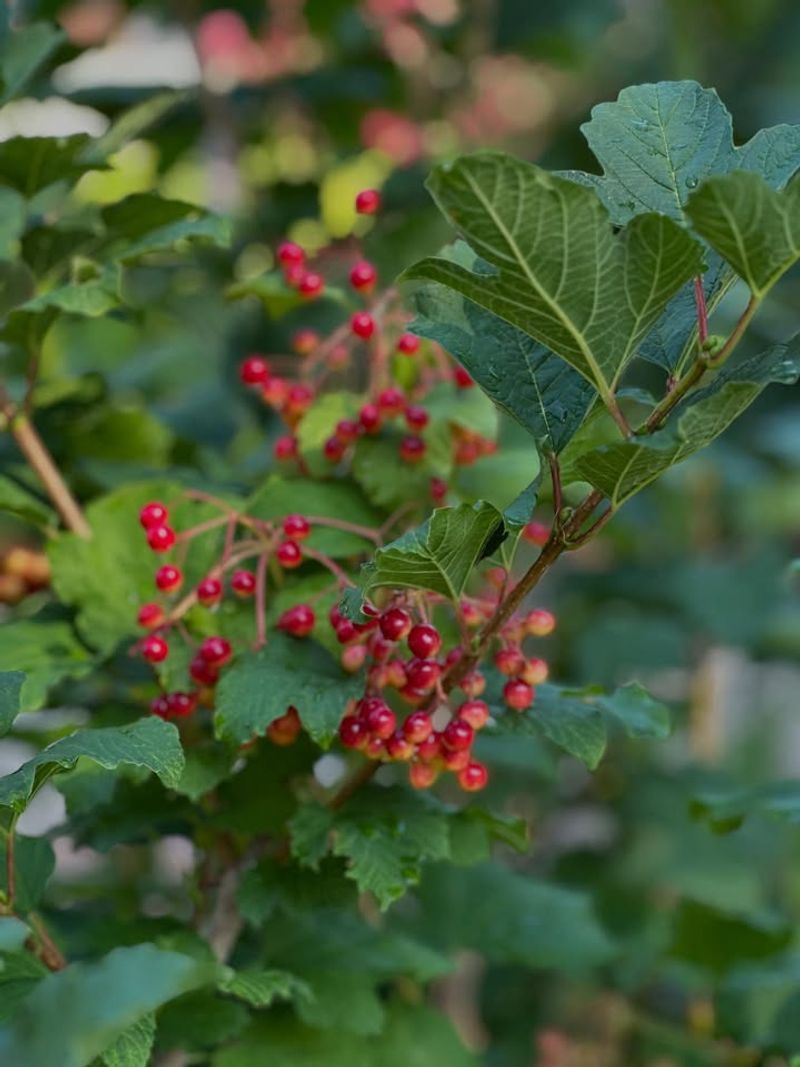
Do not let the name fool you into thinking this shrub needs a bog to grow. American Cranberrybush, or Viburnum trilobum, is a native Pennsylvania shrub that produces bright red, translucent berries that look remarkably like cranberries hanging in clusters from arching branches.
Cedar waxwings, robins, and grosbeaks are among the birds known to eat these berries, and they may remain into late fall or early winter depending on weather and bird movements.
Growing between eight and twelve feet tall, American Cranberrybush makes a bold statement in any backyard landscape. It prefers moist, well-drained soil and does well in full sun to partial shade.
In spring, it produces large, showy white flower clusters with a ring of larger sterile flowers surrounding smaller fertile ones, giving it a lacy, elegant look. Fall foliage turns a gorgeous red to orange, making it a four-season ornamental plant as much as a wildlife plant.
One thing many Pennsylvania gardeners appreciate about American Cranberrybush is that it is easy to identify and widely available at native plant nurseries. Be sure to purchase the native Viburnum trilobum rather than the non-native European Cranberrybush, which looks very similar but provides less wildlife value.
Planting it near other berry-producing shrubs creates a layered food source that keeps birds visiting your yard through multiple seasons. For a shrub that delivers beauty, bird activity, and seasonal interest all in one package, American Cranberrybush is a standout choice for Pennsylvania backyards.
7. Spicebush And Its Aromatic, Bird-Friendly Fruit
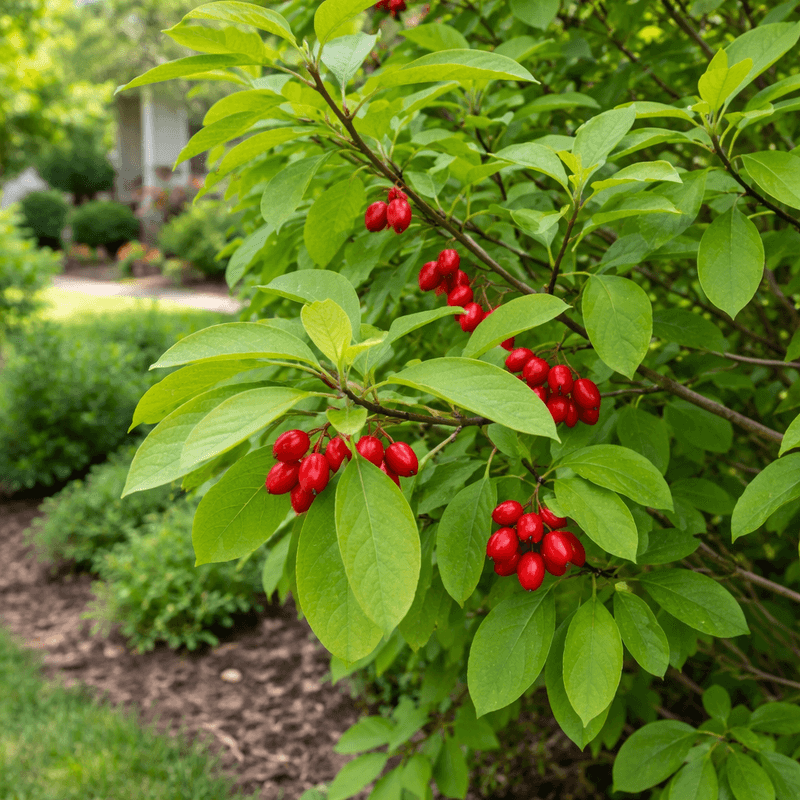
One of those native Pennsylvania plants that rewards you the moment you brush against it, spicebush adds fragrance and charm to your garden. The leaves, stems, and berries of Lindera benzoin all release a wonderfully spicy, aromatic fragrance when touched.
But beyond its pleasant scent, Spicebush is an ecological powerhouse. Its bright red berries ripen in late summer and early fall, and they are especially high in fat content, making them an incredibly valuable food source for migrating birds like veeries, wood thrushes, and great crested flycatchers that need to build up energy reserves quickly.
Spicebush grows well in partial shade and can be a good understory shrub in woods edge or light shade settings, though it generally prefers some filtered sunlight rather than deep, dense shade. It grows between six and twelve feet tall and spreads slowly to form loose, open thickets.
Like Winterberry Holly, Spicebush has separate male and female plants, so you will need both to get berries. Female plants produce the red berries, while male plants supply the pollen during early spring bloom.
Beyond birds, Spicebush serves as the host plant for the Spicebush Swallowtail butterfly, one of Pennsylvania’s most beautiful native butterflies. Its early spring yellow blooms appear before the leaves open, providing one of the first nectar sources of the year for native bees.
If your yard has a shaded, moist area that feels hard to plant, Spicebush is the answer. Few native shrubs offer as much ecological value per square foot as this aromatic, bird-friendly Pennsylvania native.
8. Highbush Blueberry That Offers Sweet Summer Treats
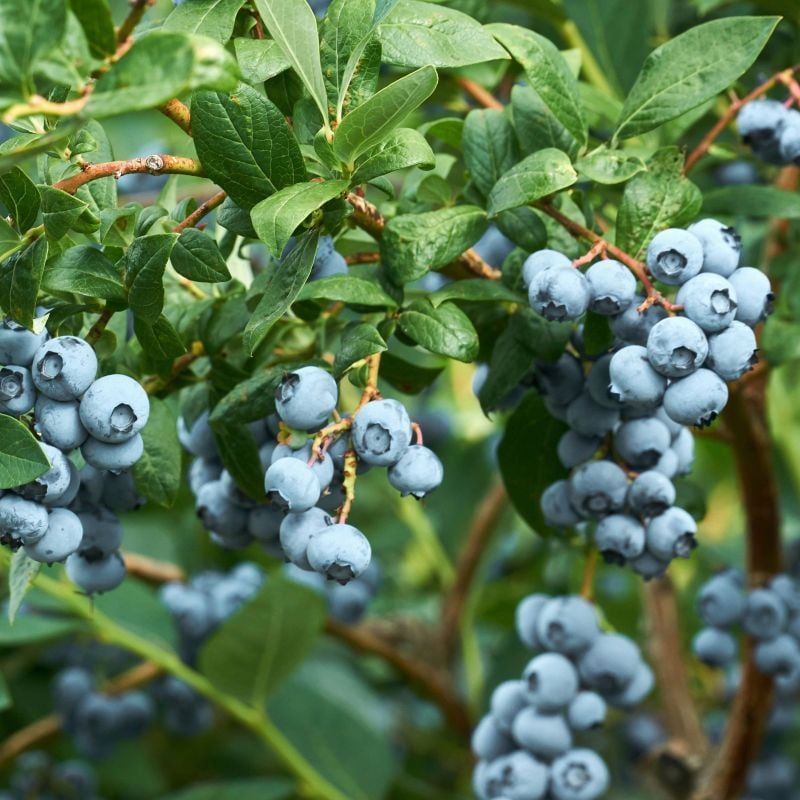
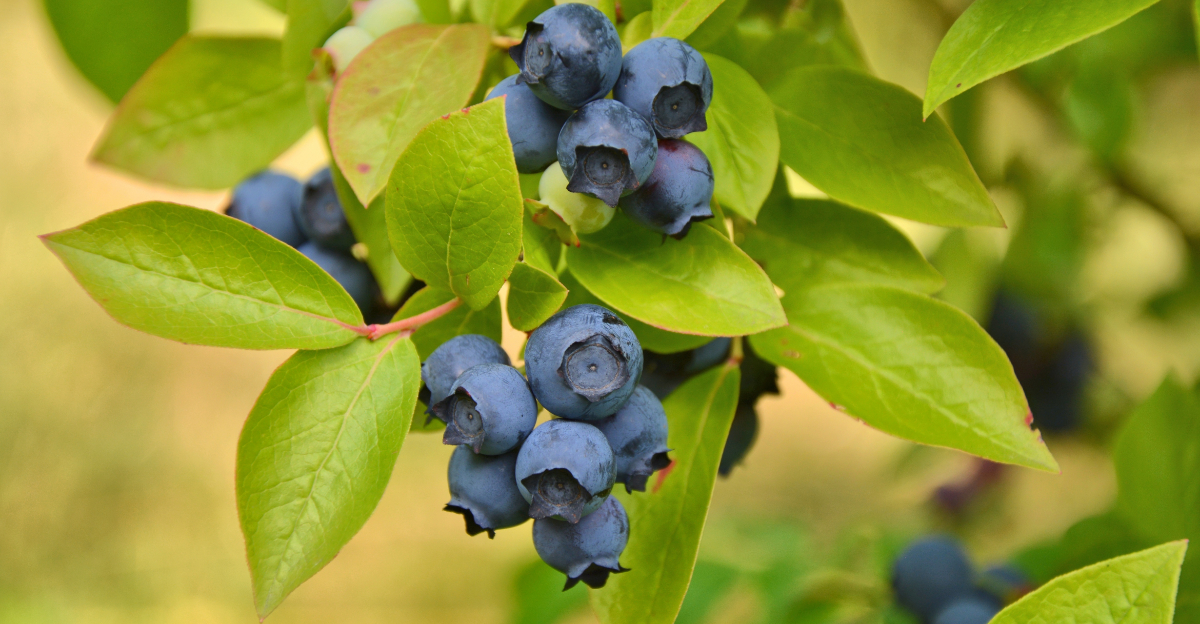
Ask any Pennsylvania gardener what their favorite native berry shrub is, and Highbush Blueberry often tops the list. Vaccinium corymbosum is a native shrub that produces sweet, juicy blueberries that both birds and people love, making it one of the most rewarding plants you can add to a backyard.
Robins, catbirds, bluebirds, thrashers, and cedar waxwings are among the many bird species that flock to ripening blueberries in early to midsummer. If you want to harvest some berries for yourself, you may need to act fast before the birds get there first.
Highbush Blueberry grows between six and twelve feet tall and thrives in acidic, well-drained soil, which is common across much of Pennsylvania. It prefers full sun for the best berry production but can handle partial shade.
Planting two or more varieties together improves cross-pollination and dramatically increases berry yield. The shrub also delivers stunning fall color, with leaves turning brilliant shades of red, orange, and yellow before they drop.
Beyond its fruit, Highbush Blueberry provides nesting habitat for several bird species and hosts dozens of native bee species that depend on its early spring flowers. It is a long-lived shrub that, once established, can produce berries for decades with minimal care.
Many Pennsylvania native plant nurseries carry multiple cultivars suited to different yard sizes and growing conditions. Whether you are planting for birds, pollinators, or your own enjoyment, Highbush Blueberry is a native shrub that truly earns its place in any Pennsylvania backyard.