6 Native Pennsylvania Vines That Attract Hummingbirds
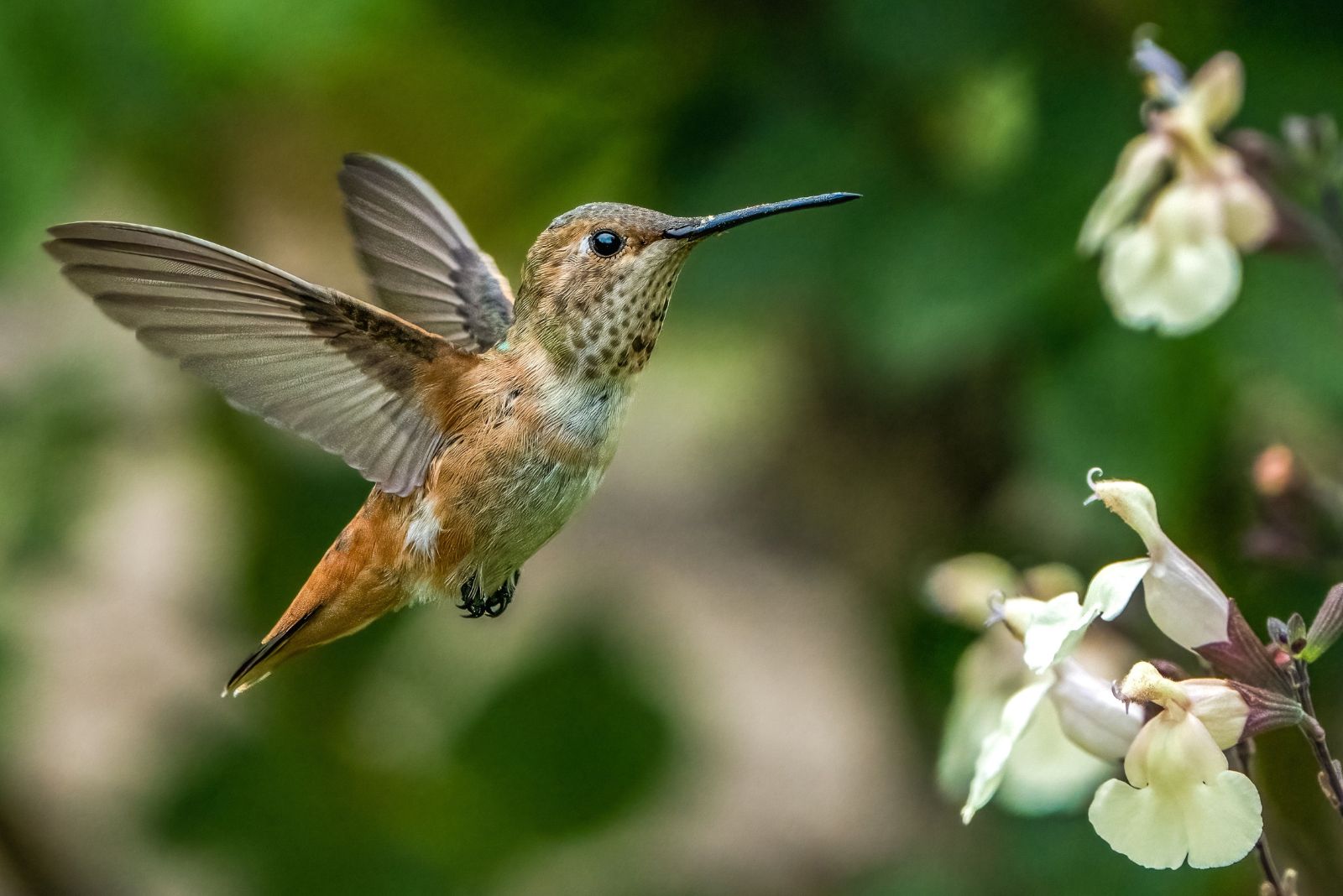
There is something exciting about spotting a hummingbird zip through the yard, pause for a second at a flower, and disappear just as fast as it arrived. If you want more of those moments in your Pennsylvania garden, the right native vines can make a huge difference.
These plants do more than cover a fence or climb a trellis. They add color, movement, and the kind of blooms hummingbirds cannot seem to resist.
Native vines have a real advantage because they are already suited to Pennsylvania’s growing conditions. That means they usually settle in more easily and work naturally with the local wildlife.
Many produce bright, tubular flowers that are perfect for hummingbirds looking for nectar, while also giving your yard a fuller, more layered look. Instead of a flat garden, you get height, texture, and a lot more life.
That mix of beauty and purpose is hard to beat. A good vine can turn an ordinary corner into one of the most active and eye-catching parts of the yard.
For gardeners who want a space that feels lively, colorful, and hummingbird-friendly, native Pennsylvania vines are a smart place to start.
1. Trumpet Honeysuckle
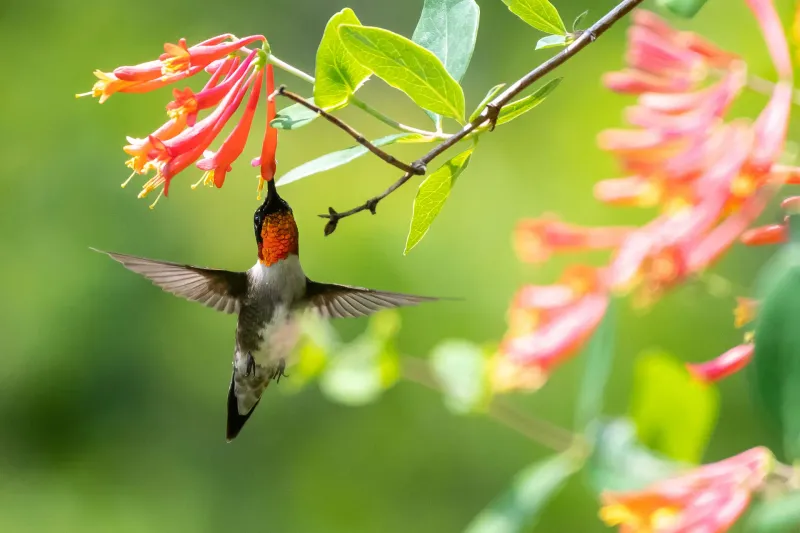
Few plants in Pennsylvania have earned a reputation quite like Trumpet Honeysuckle. Its long, slender, red-to-orange tubular flowers are practically built for hummingbirds.
The shape of each bloom is so narrow that most insects cannot reach the nectar inside, which means hummingbirds get first dibs every single time.
Ruby-throated hummingbirds, the most common hummingbird species in Pennsylvania, are especially drawn to this vine. They hover in front of the flowers and insert their long bills to sip the sweet nectar.
Watching this happen in your own yard is genuinely exciting, especially for kids and first-time gardeners.
Trumpet Honeysuckle blooms from mid-spring all the way into fall, giving hummingbirds a reliable food source for months. It grows between 6 and 20 feet tall, making it easy to manage on a fence or pergola.
It does well in both partial shade and full sun, so it adapts nicely to most Pennsylvania yards.
Unlike the invasive Japanese honeysuckle, this native version is well-behaved and will not take over your garden. It supports local pollinators without crowding out other plants. That makes it a win for both wildlife and gardeners who want a tidy outdoor space.
Planting it near a window or seating area means you can enjoy the hummingbird visits up close. Just give it a sturdy structure to climb, water it regularly during dry spells, and watch it thrive.
For Pennsylvania gardeners looking for a reliable, beautiful, and wildlife-friendly vine, Trumpet Honeysuckle is truly one of the best choices available.
2. Trumpet Vine
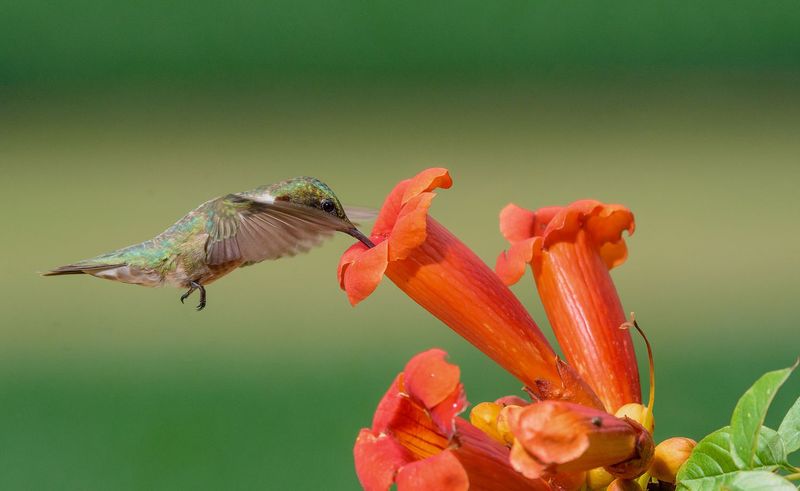
Bold, bright, and impossible to ignore, Trumpet Vine is the showstopper of native Pennsylvania vines. Its large, flared, orange-red flowers are packed with nectar and bloom from late spring through summer.
Hummingbirds spot those vivid blooms from a distance and come zooming in like tiny helicopters on a mission.
This vine is a powerhouse grower. It can reach up to 40 feet in length, making it ideal for covering fences, arbors, and old tree stumps.
In Pennsylvania, it thrives in full sun and handles heat well. Just be sure to give it a strong support structure because it gets heavy as it matures.
One thing to know upfront is that Trumpet Vine spreads enthusiastically. It sends out underground runners and can pop up in unexpected spots around your yard.
Trimming it back once or twice a year keeps it manageable and actually encourages more flowering. A little maintenance goes a long way with this one.
The high nectar production of each flower is what makes it such a hummingbird magnet. A single vine in full bloom can attract multiple hummingbirds at once, which creates a spectacular backyard show.
Butterflies and orioles also visit regularly, so your garden becomes a lively gathering spot for wildlife.
For Pennsylvania homeowners with a large fence or open wall space, Trumpet Vine delivers incredible visual impact and serious wildlife value. Plant it in a sunny spot, give it room to grow, and trim it annually.
You will be rewarded with seasons of stunning color and plenty of hummingbird activity right outside your door.
3. Virgin’s Bower
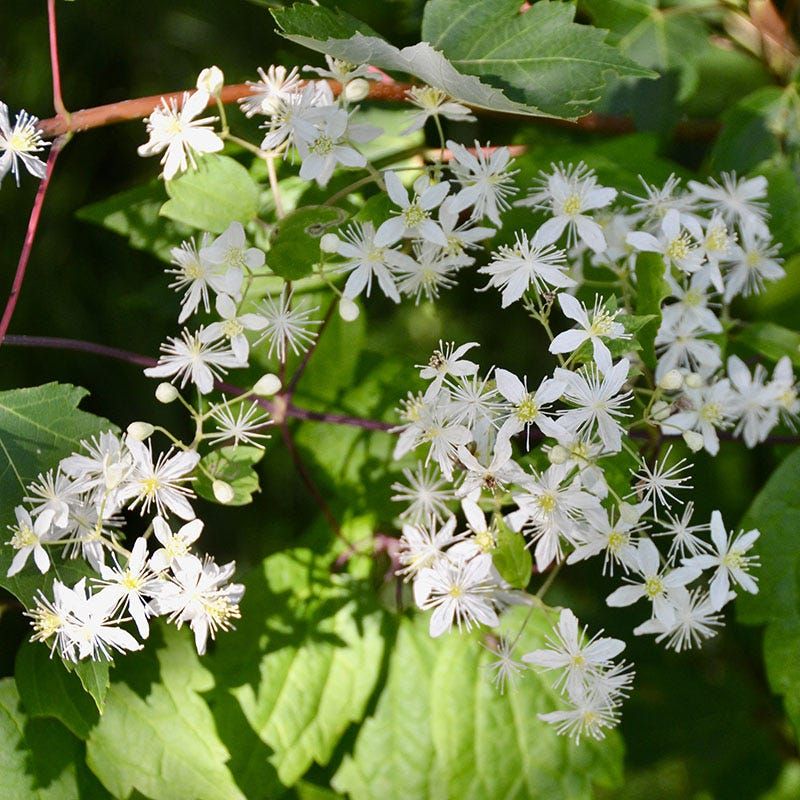
Not every hummingbird vine needs to be red or orange to do its job well. Virgin’s Bower proves that point with style.
This fast-growing native clematis produces masses of small white flowers in late summer, just when many other garden plants are starting to fade. That timing makes it incredibly valuable for wildlife in Pennsylvania.
The white blooms attract a wide variety of native bees, wasps, and butterflies. Those insects become an important food source for hummingbirds, which need protein-rich bugs to survive and raise their young.
So while the flowers themselves may not be the primary hummingbird draw, the insect activity they create keeps hummingbirds coming back to the area regularly.
Virgin’s Bower grows quickly and can reach 15 to 20 feet in a single season under good conditions.
It loves to scramble over fences, shrubs, and trellises, creating a lush, natural look that blends beautifully into Pennsylvania’s native woodland landscapes. It handles both sun and partial shade with ease.
After flowering, it produces feathery silvery seed heads that look stunning in fall and provide habitat for small birds. The combination of summer blooms and fall texture makes it a two-season performer that earns its place in any native garden.
Growing Virgin’s Bower from a local native plant nursery ensures it is well adapted to Pennsylvania’s climate and soil. Water it during its first season to help it establish, and then it largely takes care of itself.
For gardeners who want a low-maintenance vine that quietly supports a whole web of backyard wildlife, this is a fantastic option.
4. Virginia Creeper
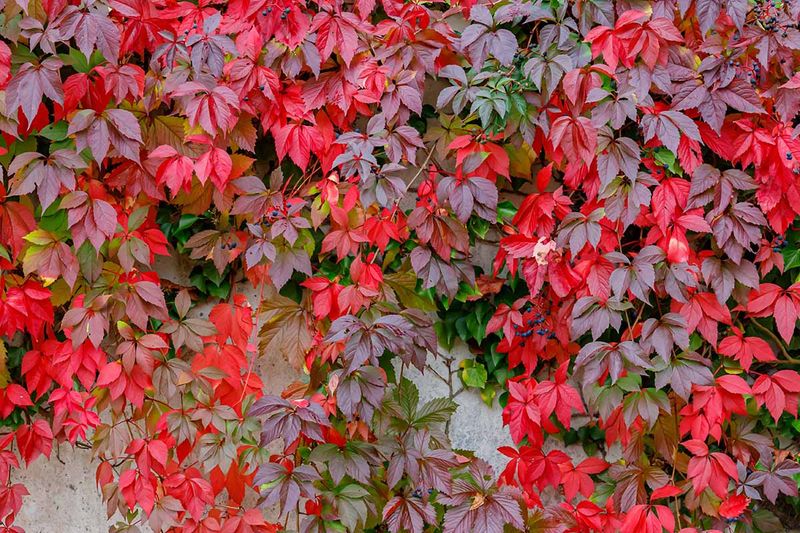
Walk through almost any Pennsylvania woodland in the fall and you will likely spot Virginia Creeper blazing red across tree trunks and fences. Its five-leafed structure and brilliant autumn color make it one of the most recognizable native vines in the entire state.
But beyond its looks, this vine plays a seriously important role in supporting backyard wildlife.
Virginia Creeper produces small, dark blue berries in late summer and fall that many bird species absolutely love. Thrushes, woodpeckers, and warblers flock to the berries as a high-energy food source during migration season.
That steady stream of bird activity naturally draws in hummingbirds, which are always on the lookout for insect-rich spots.
The vine also supports a wide range of native insects, including caterpillars and beetles, that hummingbirds actively hunt for protein. Hummingbirds do not live on nectar alone.
They need insects to fuel their fast metabolism and to feed their nestlings. A Virginia Creeper-covered wall can become a hidden insect buffet for these tiny birds.
This vine grows rapidly and can cover large structures like fences, walls, and pergolas in just a few seasons. It adapts to nearly any light condition, from deep shade to full sun, making it one of the most versatile native plants available to Pennsylvania gardeners.
Plant it where you have a large surface to cover and let it do its thing. It requires very little care once established and rewards you with year-round visual interest.
From spring greenery to summer berries to fall fireworks, Virginia Creeper earns its place in any Pennsylvania wildlife garden without much fuss.
5. American Bittersweet
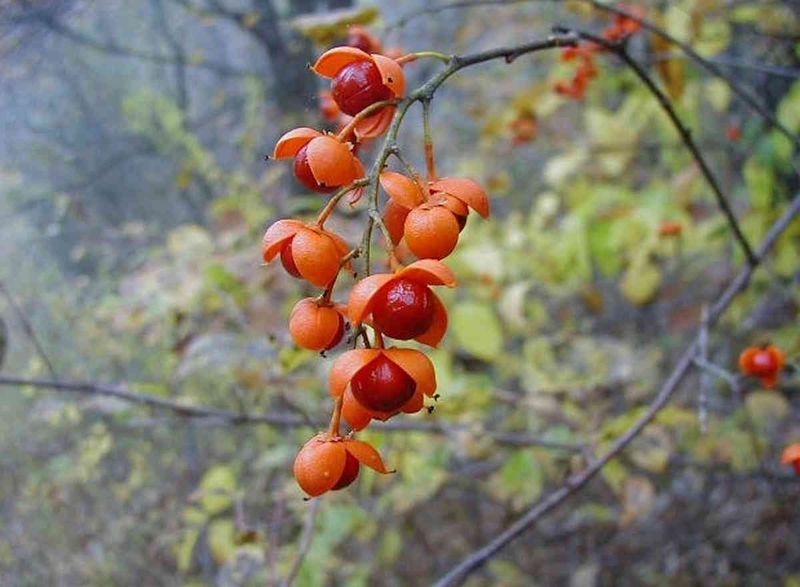
American Bittersweet is a vine with a bit of a story behind it. It looks stunning in fall when its bright orange and yellow berry capsules split open to reveal vivid red seeds.
Those colorful berries make it a favorite for autumn wreaths and decorations, but their real value lies in what they do for Pennsylvania wildlife throughout the colder months.
Birds like robins, bluebirds, and cedar waxwings feed on the berries, and that bird activity indirectly supports hummingbirds by keeping the garden lively and insect-rich.
The vine twines around trees, fences, and trellises with a spiraling growth habit that creates dense cover.
That dense structure also shelters the insects that hummingbirds snack on during warmer months.
It is worth knowing the difference between American Bittersweet and Oriental Bittersweet, which is an invasive species that has spread aggressively across Pennsylvania.
The native version has berries only at the tips of its branches, while the invasive one has berries along the entire stem. Always buy from a reputable native plant nursery to make sure you get the right one.
American Bittersweet needs both a male and a female plant nearby to produce berries. Ask your local nursery about this when purchasing.
It grows best in full sun to partial shade and tolerates a range of soil types, making it adaptable to many Pennsylvania garden settings.
Once established, it is a tough and reliable vine that gives back to wildlife year after year. For gardeners who want beauty, ecological value, and a genuinely native plant with deep roots in Pennsylvania’s natural heritage, American Bittersweet is a rewarding choice.
6. Climbing Hempvine
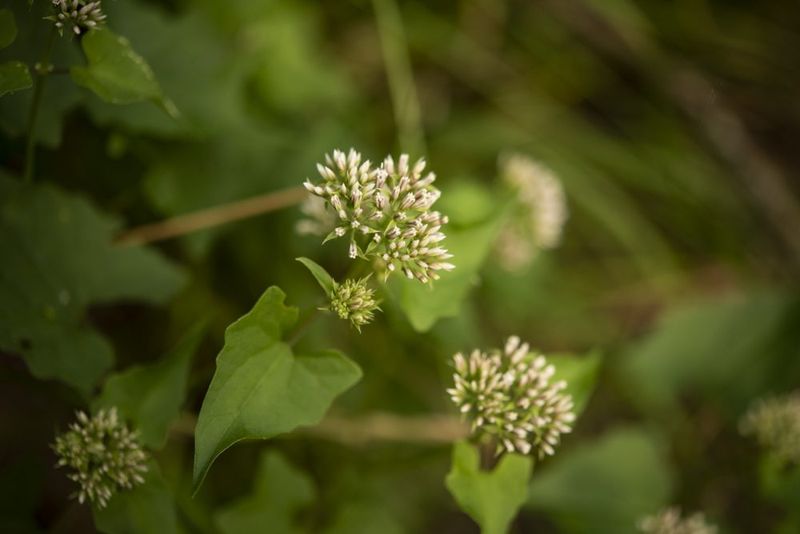
Late summer can feel like a quiet time in the garden, but Climbing Hempvine refuses to let things slow down. This native vine bursts into bloom in August and September, right when many other plants have finished flowering.
For hummingbirds preparing for their long migration south, that late-season nectar source is incredibly valuable and well-timed.
The flowers are small and clustered, with a soft white to pale pink color that attracts a wide range of pollinators. Bees, butterflies, and wasps gather on the blooms in large numbers.
Hummingbirds take notice of all that insect activity and visit regularly to pick off small bugs along with any available nectar. It is a two-for-one feeding opportunity they rarely pass up.
Climbing Hempvine is naturally found along stream banks, wet meadows, and forest edges across Pennsylvania. It loves moist soil and does especially well near water features, rain gardens, or low-lying areas of the yard that tend to stay damp.
If you have a wet corner of your property that other plants struggle in, this vine might be exactly what you need.
It grows quickly and can reach 15 feet or more in a single season. It twines around nearby plants and structures with ease, creating a lush, wild look that fits beautifully into naturalistic garden designs.
It also works well as a ground cover in wet areas where erosion is a concern. Supporting Climbing Hempvine in your Pennsylvania garden means supporting the entire food web that hummingbirds depend on.
Plant it near a water source, give it something to climb, and watch the late-summer pollinator activity reach a whole new level.