10 Native Perennials That Feed Pollinators Until Frost
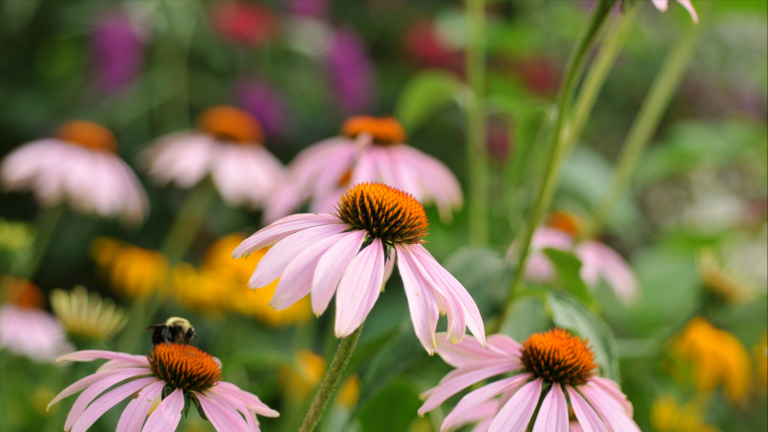
You might be shortchanging a queen bumblebee right now. Autumn is her final shot at fattening up before hibernation.
Only queens overwinter, so her colony’s future rides on your flowers. Eastern monarchs fly to central Mexico and need nectar stops along the route.
Goldenrod could be their top fuel station. Sadly, you might pull it out, blaming it for hay fever.
Ragweed is the real source, releasing light pollen that floats on the wind. Meanwhile, goldenrod pollen is heavy and sticky, built to ride insects.
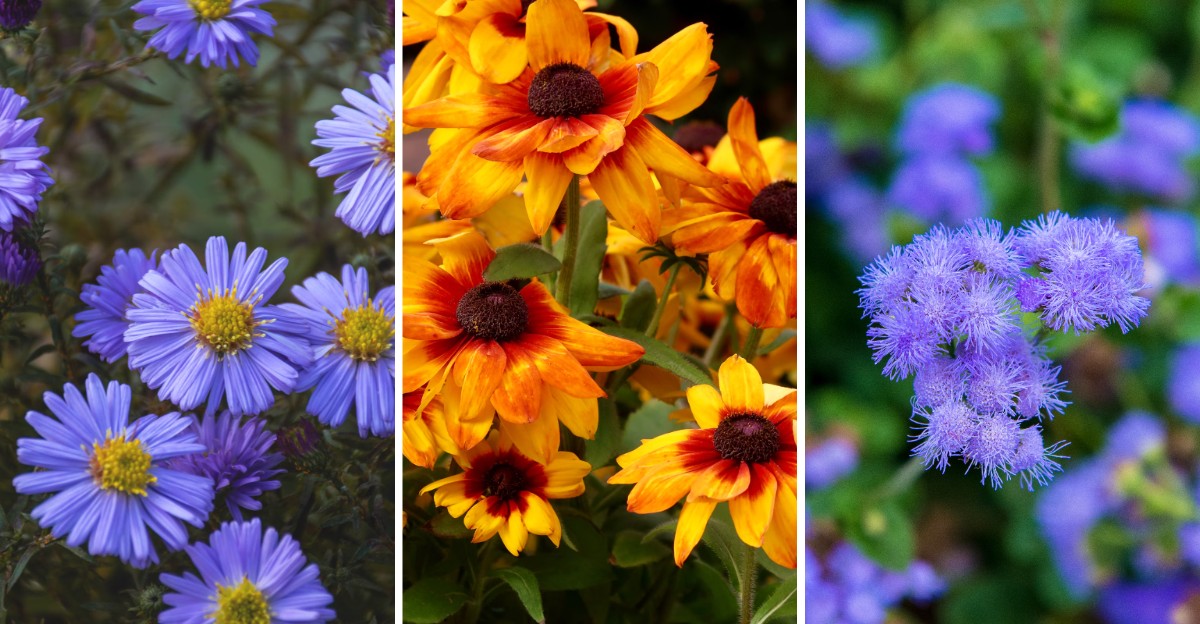
New England aster adds purple blooms that hold nectar into late October. Honeybees load up on it to stock their winter stores.
Plant these natives, and you turn a quiet bed into a busy feeding stop. Choose mismatched varieties, and pollinators arrive to sparse blossoms. Discover which natives you need before your hungry guests arrive.
1. New England Aster Fuels Monarchs With Purple Fall Blooms
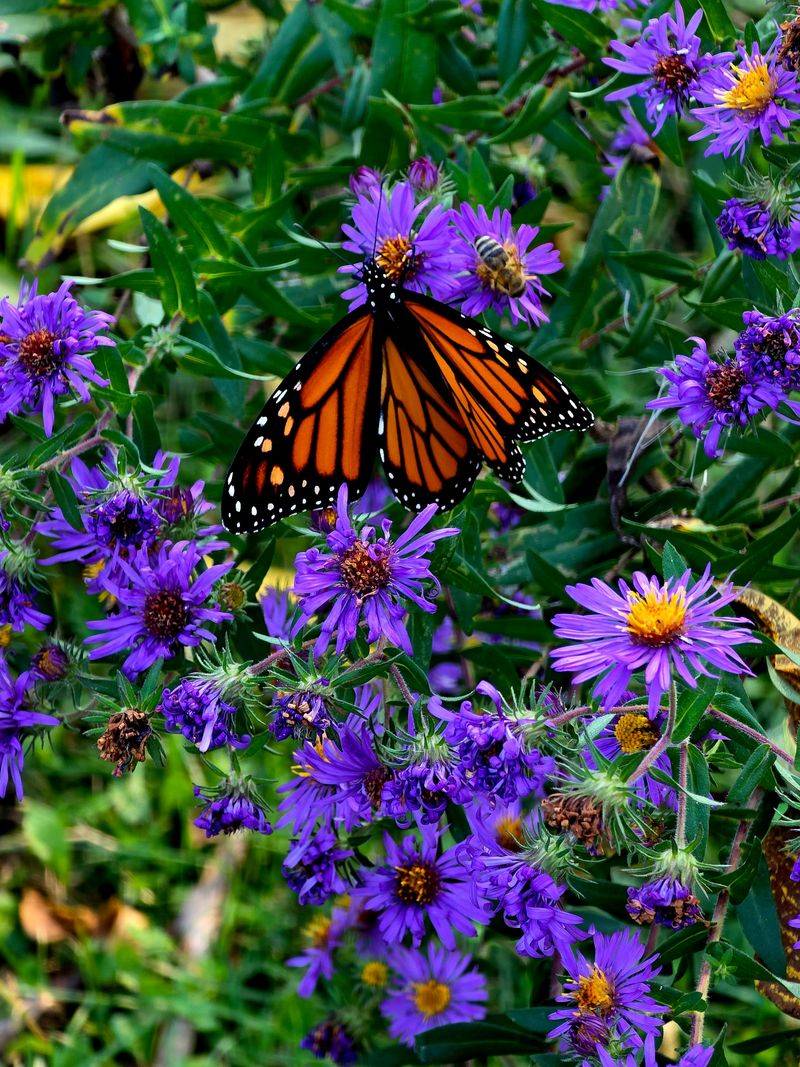
Picture a monarch drifting down onto a cloud of purple petals like a tired traveler finding a motel. In much of the East, that scene plays out each September.
Its violet flowers with sunny yellow centers bloom from late summer until hard frost. Monarchs heading to Mexico depend on stops like this to fill their tanks.
Plants can reach four to six feet tall, so give them room near the back of a bed. Full sun and average soil keep them happy, and they handle clay better than many flowers.
Tall stems sometimes flop over by fall, which looks a little messy. Try cutting them back by half in early June to create bushier, sturdier plants.
Bees love these blossoms too, especially bumblebees stocking up before winter. You might count a dozen different visitors on a single plant during a warm afternoon.
Many aster flowers partly close at night and on cloudy days. After blooming, leave the seed heads standing, because small birds like goldfinches enjoy snacking on them during colder months.
2. Showy Goldenrod Serves A Golden Feast For Busy Bees
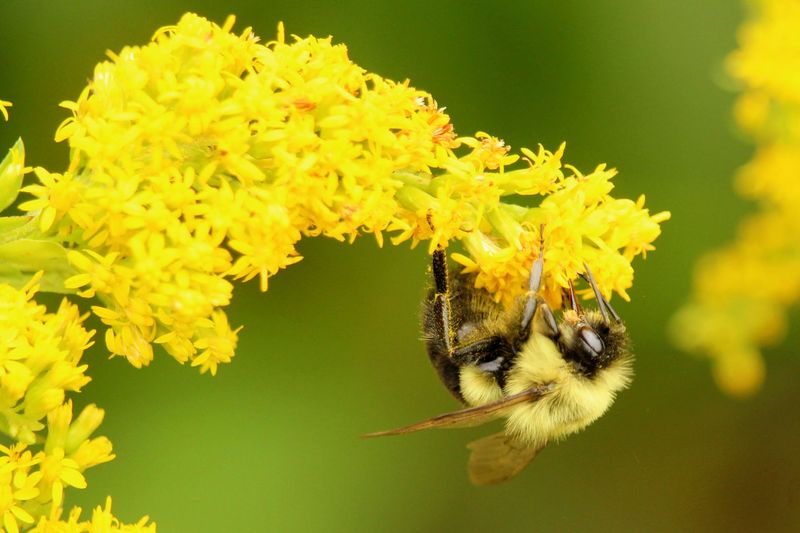
Goldenrod has a bad reputation it truly does not deserve. People blame it for fall sneezes, but ragweed is the real troublemaker blooming at the same time. Ragweed’s green, easy-to-miss flowers release clouds of pollen, while goldenrod takes the blame.
Goldenrod pollen is heavy and sticky, so it rides on insects instead of the wind. That makes it a poor allergy trigger but a fantastic food source. Bees gather both nectar and protein-rich pollen from it just before cold weather arrives.
Showy goldenrod forms neat, club-shaped spikes of bright yellow from September into October. Unlike some wild cousins, it stays clumped and does not race across your whole yard. Its reddish stems and tidy habit make it a polite border choice.
Goldenrods as a group attract a remarkable range of bees, wasps, beetles, and butterflies. Beekeepers notice their hives smell a bit funky in fall when honeybees feast on them. Monarchs and other migrating butterflies also stop by to refuel on their journey south.
Plant it in full sun with sandy or well-drained soil for the best show. It handles dry spells like a champ once roots settle in, so extra watering is rarely needed. Rich soil and heavy fertilizer can cause floppy stems, so keep care simple.
Pair it with purple asters for a combo that looks like a painting. The gold and violet together glow in low autumn light and bring in pollinators from every direction. Leave seed heads standing, since small birds pick at them through winter.
3. Aromatic Aster Carries The Garden Into November
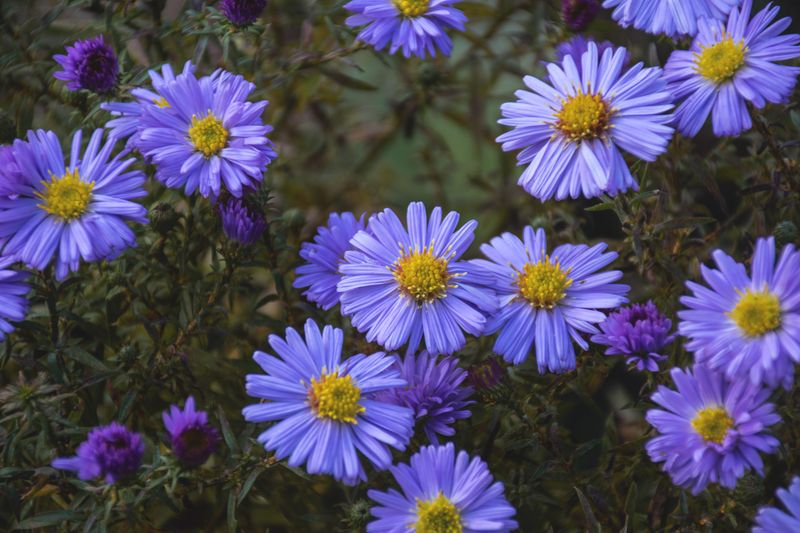
When frost nips the tomatoes and the maples turn red, aromatic aster is just warming up. It often holds the title of final flower in the fall garden.
Crush a leaf between your fingers and you will smell something fresh and a bit like balsam. That scent gives the plant its name, and deer tend to avoid it.
Plants grow into rounded mounds about two feet tall, covered in hundreds of lavender-blue daisies. Blooms can last from late September well into November in many regions.
This aster loves poor, rocky, or sandy soil where fussier flowers struggle. Too much fertilizer makes it floppy, so skip the plant food and let it be a little wild.
Late bees, hoverflies, and migrating butterflies rely on these blossoms when little else remains. For a bumblebee queen fattening up for winter, finding this plant feels like winning the lottery.
Try tucking it along a sunny slope, a rock wall, or the edge of a walkway. In milder regions, September is a smart time to plant; in colder zones, spring planting is safer.
4. Great Blue Lobelia Brightens Damp, Partly Shaded Spots
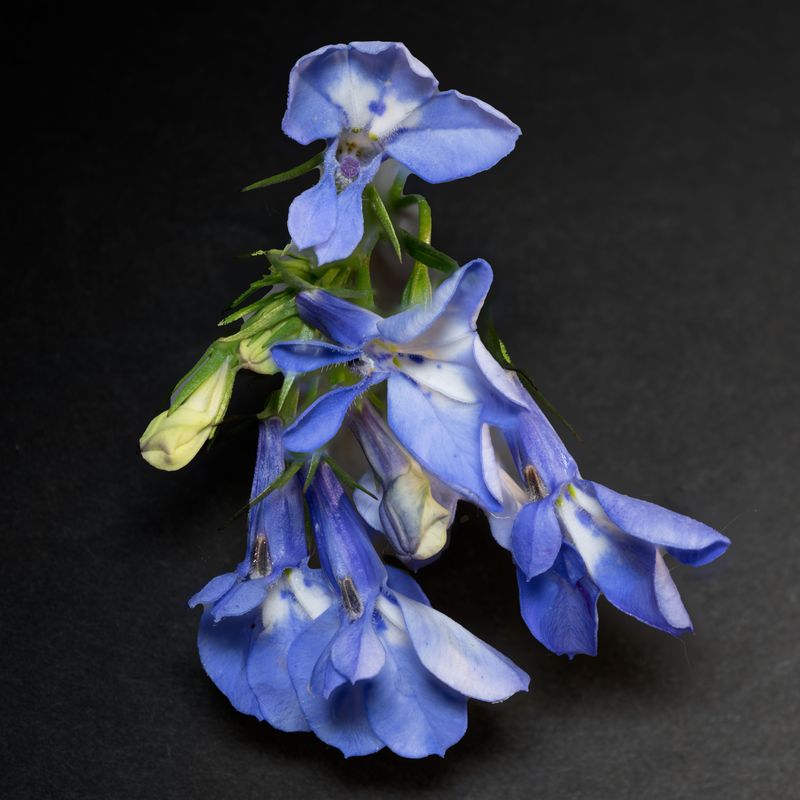
Got a soggy corner where nothing seems to thrive? Great blue lobelia might become your favorite problem solver.
This plant sends up two- to three-foot spikes packed with bright blue tubular flowers. Blooms appear in late summer and keep going through September and often into October.
Bumblebees are the main fans, and watching them work is pure comedy. They push their fuzzy heads into each bloom and wiggle around like shoppers digging through a sale bin.
Lobelia grows naturally along streams and damp woods, so moist soil suits it well. Partial shade works nicely, which is rare among late bloomers, since so many need full sun.
Plants may be short-lived, sometimes lasting only a few years. The good news is they drop plenty of seeds, so new babies usually pop up nearby to carry on.
For a striking duo, grow it beside its red cousin, cardinal flower. The blue attracts bees while the red calls hummingbirds, giving your wet spot double the buzz and flutter. All parts of the plant are toxic if eaten, so keep it away from pets and children.
5. Common Sneezeweed Offers Golden Daisies For Late Butterflies
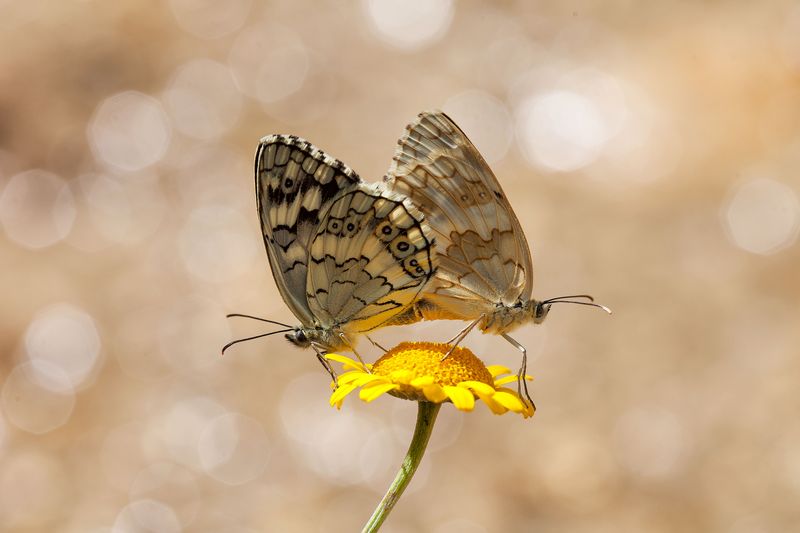
Long ago, people dried the leaves and used them like snuff to cause sneezing. According to folklore, a big sneeze was thought to clear illness from the body.
Thankfully, you do not need to sniff anything to enjoy this cheerful plant. Wild common sneezeweed offers golden daisies with round, button-like centers, while garden cultivars add bronze and rusty shades.
Flowers open in late summer and carry on through September and October. Butterflies, bees, and small beetles crowd those domed centers for nectar and pollen.
Sneezeweed grows wild in wet meadows and along ditches, so it enjoys moist soil. Give it full sun and steady water, and it can climb three to five feet tall.
Like asters, it tends to lean if left alone. A quick trim in early summer creates shorter, fuller plants with even more blooms by autumn.
Its warm colors match the season perfectly, almost like a campfire in flower form. Plant a cluster near pumpkins or ornamental grasses, and your yard will look like a fall magazine cover. Sneezeweed is toxic to livestock and pets, so avoid planting it near grazing areas.
6. Orange Coneflower Blooms From July Well Into Fall
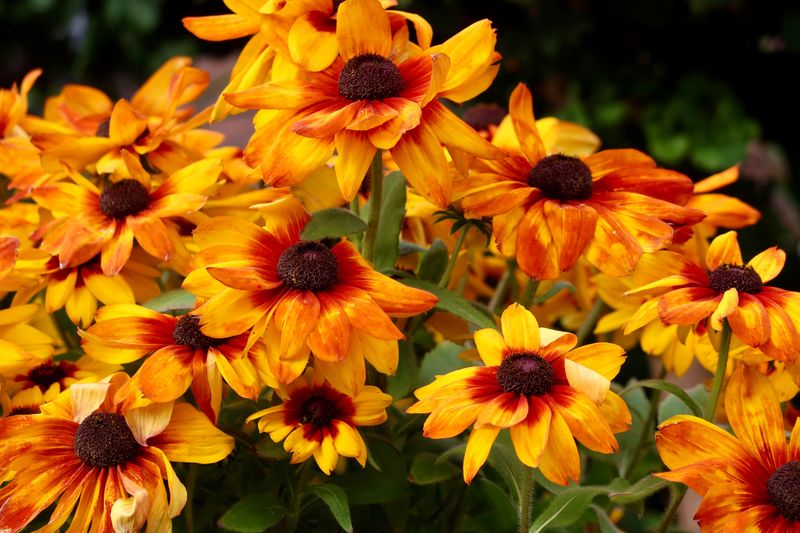
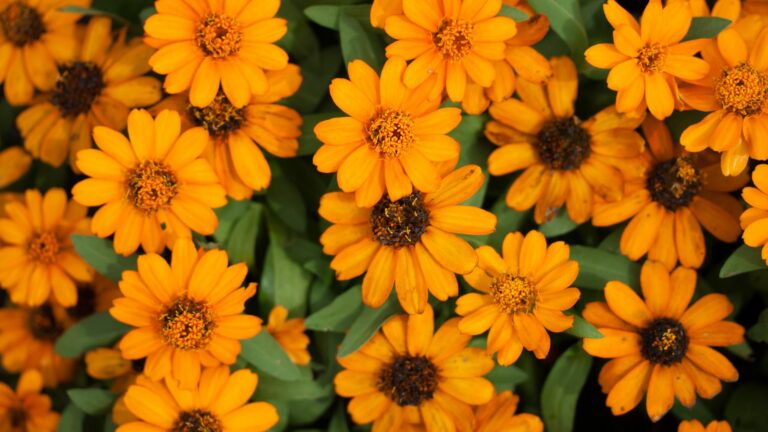
Orange coneflower earns its reputation for stamina, blooming from July straight into fall. Golden petals surround dark chocolate centers, looking a lot like black-eyed Susans. Orange coneflower is the long-lived cousin, spreading slowly into a thick, tidy carpet.
Small native bees, butterflies, and hoverflies visit steadily through September. Once petals drop, the dark cones hold seeds that finches pick at through winter.
This flower tolerates heat and clay soil well and handles short dry spells. It needs full sun to partial shade and very little fussing once established.
Every few years, dig up and divide crowded clumps in spring or early fall. Share the extras with friends, and you will spread pollinator food across the whole block.
Many garden centers sell a popular variety called Goldsturm, which blooms heavily. For the most native-friendly option, look for straight species plants from a local native nursery when you shop.
7. Swamp Sunflower Towers Over The Autumn Garden
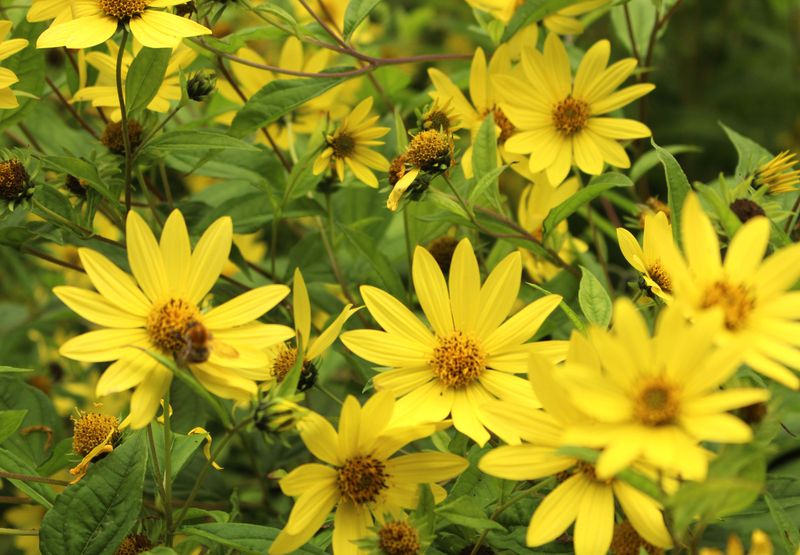
Standing next to a swamp sunflower in October feels like meeting a basketball player. Plants can shoot up six to eight feet, crowned with hundreds of yellow blooms.
Each flower is about three inches across with a small dark center. Together they create a wall of sunshine just when the rest of the garden starts fading.
Blooming usually begins in late September and runs until frost. Bees swarm the flowers, and butterflies like sulphurs and painted ladies drop by for refueling.
Despite the name, you do not need a swamp to grow it. Regular garden soil with decent moisture works fine, as long as it gets full sun.
Fair warning: it spreads by underground runners and can wander. Plant it where it has space, or pull extra shoots each spring to keep it in bounds.
Pinching stems back in early summer helps control height and prevent tipping. Southern and eastern gardeners especially love this native, though it can grow in many warmer regions across the country.
8. White Turtlehead Rewards Strong Bumblebees
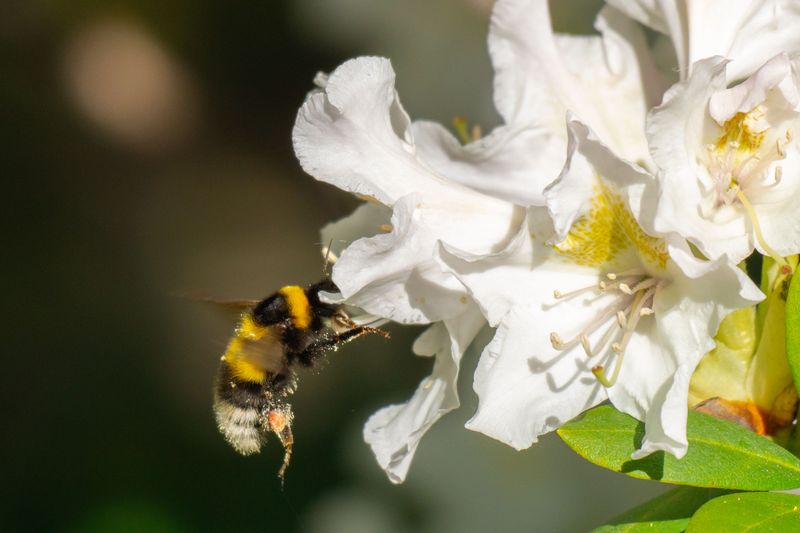
Squint at the flowers and you might see little turtles poking out their heads. That silly shape earned white turtlehead its name and plenty of giggles.
Blooms appear from late August into October on stems two to three feet tall. The white or pale pink flowers have a snapped-shut look, like a closed mouth.
Only strong insects can pry them open, which makes bumblebees the star visitors. Watch one climb inside and disappear, then back out covered in pollen.
Turtlehead is also the main host plant for the Baltimore checkerspot butterfly. Its spiky caterpillars munch the leaves, so a few chewed spots mean your garden is working.
This plant enjoys moist soil and partial shade, just like its home along stream banks. Rain gardens and low spots are perfect places to give it a try.
Deer usually leave it alone, thanks to its bitter leaves. If you want pink blooms instead, look for pink turtlehead, a close relative that behaves much the same in the garden.
9. Anise Hyssop Tempts Bees With Licorice-Scented Spikes
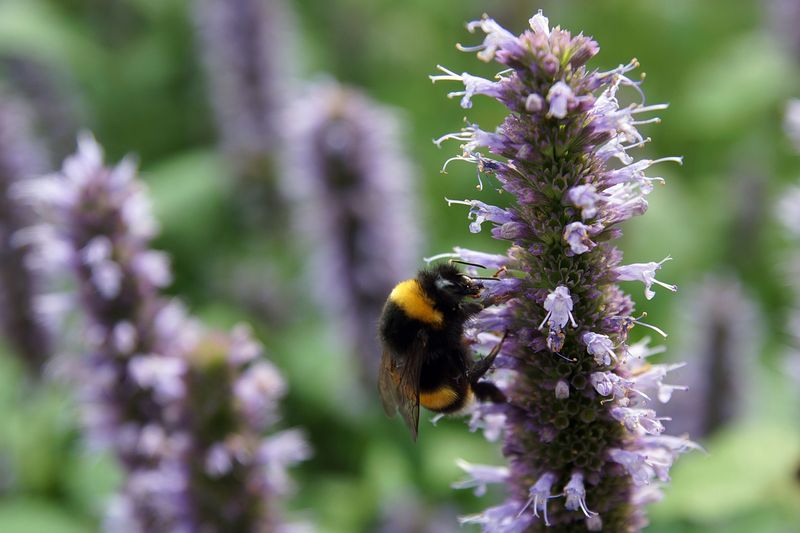
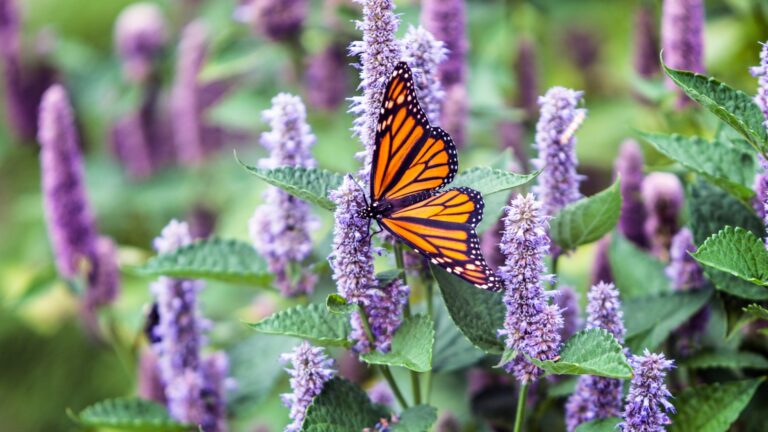
Rub a leaf of anise hyssop and your fingers will smell like black licorice candy. Kids love this trick, and bees seem to love the flowers even more.
Soft lavender spikes appear in midsummer and keep coming until cold weather arrives. That long blooming season makes it a reliable snack stop for months.
Honeybees, bumblebees, and tiny native bees crowd the spikes from morning until evening. Butterflies and even hummingbirds sometimes join the party for a sip.
Plants grow two to four feet tall and prefer sunny spots with well-drained soil. They handle dry weather well but struggle if roots sit in soggy ground all winter.
The leaves make a pleasant, sweet tea, and people have enjoyed them for generations. Just snip a handful, steep in hot water, and sip on a cool September evening.
Anise hyssop can be short-lived, but it reseeds freely around the garden. Let a few seed heads stay standing so goldfinches can feast and new seedlings appear next spring.
10. Blue Mistflower Spreads A Fuzzy Blue Cloud Through Fall
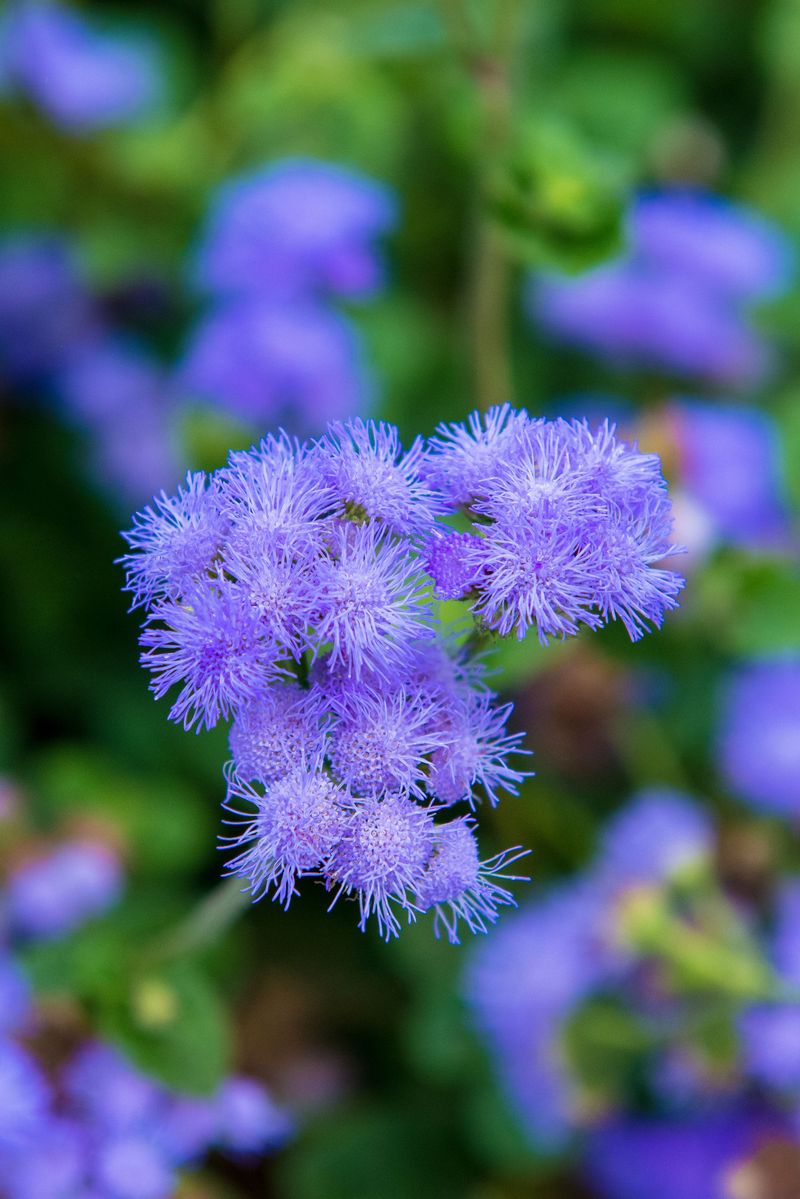
Soft, fluffy, and powder blue, these flowers look like someone sprinkled cotton candy across the garden. Blue mistflower brings a dreamy mood to late summer and fall.
Clusters of fuzzy blooms open in August and often last into October. Many people mistake it for ageratum, the annual bedding plant, but this native returns every year.
Butterflies go wild for it, especially skippers, buckeyes, and, in southern regions, queens. Bees and small flies also visit, making it a busy stop on sunny afternoons.
Plants stay about one to three feet tall and spread through underground roots. That habit makes it great for filling bare patches, though it spreads quickly and can crowd neighboring plants.
Moist soil and full sun to light shade suit it best. It also handles occasional flooding, so it works well near downspouts or along the edge of a pond.
In milder regions, September is a fine month to plant a few starts; in colder zones, wait for spring. By next fall, you will likely have a soft blue carpet humming with happy visitors until frost settles in.