Native Plant Ideas That Make Georgia Gardens More Pollinator-Friendly
What actually makes a Georgia garden pollinator-friendly, and why do some yards stay quiet while others stay busy all season?
The difference often comes down to plant choice. Native plants provide nectar, pollen, and shelter at the exact times local bees, butterflies, and hummingbirds need them most.
Because they evolved in Georgia’s climate and soil, they bloom when pollinators are active and offer flowers shaped for the insects and birds that rely on them.
Instead of short bursts of activity that fade quickly, native plants create steady movement in the garden from early spring through fall. Pollinators return daily, follow familiar routes, and use the space as more than a stopover.
The result is a garden that supports wildlife naturally, looks lively for months, and requires far less correction over time.
1. Early Spring Pollinators Depend On Native Redbud Trees
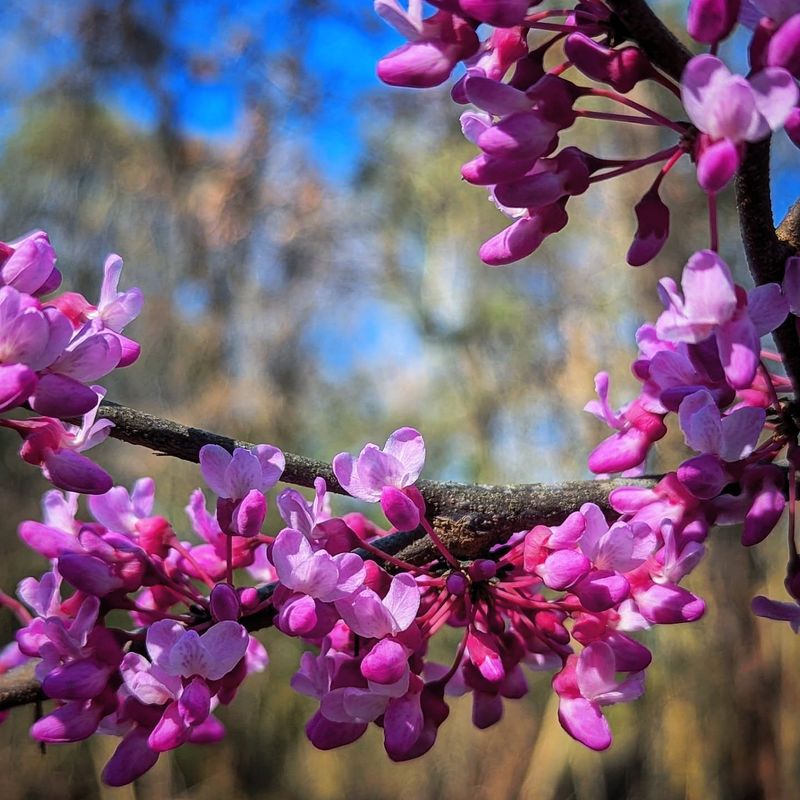
Redbud trees burst into brilliant pink blooms before most other plants wake up in Georgia, providing critical early food when pollinators emerge hungry from winter.
These small trees reach 20 to 30 feet tall and work beautifully in landscapes of any size, from spacious yards to compact urban gardens. The flowers appear directly on branches and even the trunk, creating a stunning visual display that lasts for weeks in March and April.
Native bees, especially mason bees and small mining bees, depend on redbud nectar and pollen when few other food sources exist.
Redbuds adapt to various soil types across Georgia, from the mountains to the coastal plain, though they prefer well-drained locations with partial shade. The heart-shaped leaves that follow the flowers provide summer interest and turn golden yellow in fall.
These trees need minimal care once established and tolerate both drought and occasional flooding better than many ornamental imports.
Planting a redbud creates a beautiful focal point while supporting the earliest pollinators of the season. The flowers also attract some of the first butterflies and hummingbirds passing through Georgia during spring migration.
Young trees establish quickly and begin blooming within two to three years, offering relatively fast rewards for patient gardeners.
Redbuds also provide light, dappled shade that works well for spring ephemerals and woodland understory plants beneath the canopy.
Their early bloom timing helps bridge the gap between winter dormancy and the first wave of spring flowers in Georgia landscapes. Because they are native, redbuds support local ecosystems far more reliably than many non-native flowering trees.
2. Steady Nectar Supply Comes From Long-Blooming Coneflowers
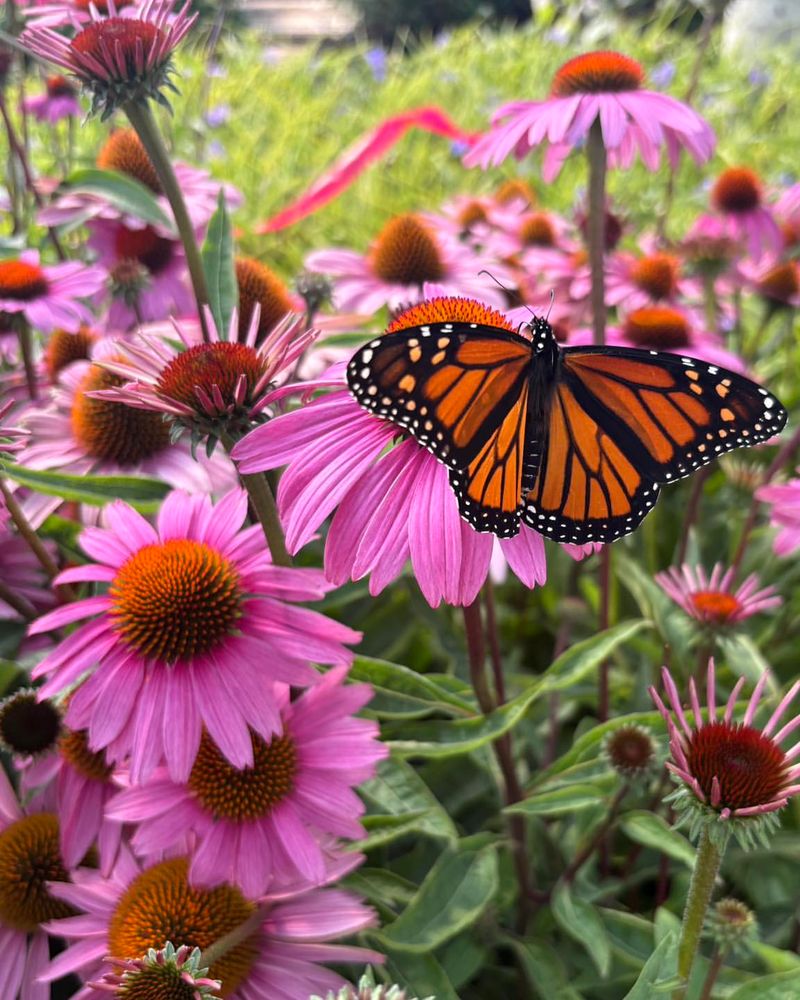
Purple coneflowers bloom from June through September in Georgia gardens, creating a reliable nectar station during the busiest months for pollinator activity.
The distinctive raised center cone surrounded by drooping petals makes these flowers easy for bees to land on and work efficiently.
Each flower head actually contains hundreds of tiny individual flowers packed into that central cone, meaning one plant offers countless feeding opportunities.
Butterflies particularly love coneflowers, including swallowtails, fritillaries, and various skippers that visit throughout summer.
Coneflowers grow two to four feet tall and spread slowly into attractive clumps that get better with age. They tolerate Georgia’s summer heat and humidity without wilting or requiring constant watering once their roots establish.
The plants thrive in full sun and average soil, asking for little beyond occasional deadheading if you want to extend blooming.
Leaving spent flowers standing through fall and winter provides seeds for goldfinches and other birds while the dried seed heads add winter interest to Georgia landscapes.
The taproot system helps coneflowers survive drought and makes established plants quite long-lived.
These native perennials return stronger each year and eventually self-sow to create natural drifts that look beautiful while feeding dozens of pollinator species throughout the growing season.
Coneflowers also pair well with other summer-blooming natives, creating layered plantings that stay active for pollinators all season.
Their sturdy stems hold up well through summer storms, keeping flowers accessible even after heavy rain.
Because they bloom over such a long window, coneflowers help prevent mid-summer nectar gaps that can stress bees and butterflies in Georgia gardens.
3. Monarch Butterflies Rely On Milkweed Species
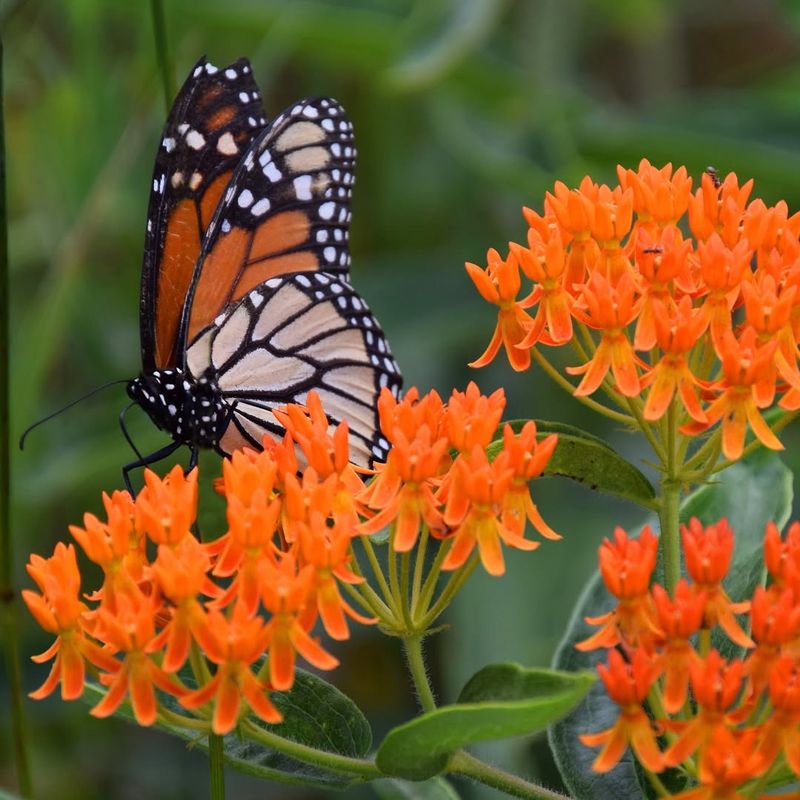
Milkweed plants serve as the only food source for monarch caterpillars, making them absolutely essential for these iconic butterflies that migrate through Georgia twice each year.
Several milkweed species grow naturally across Georgia, including butterfly weed with its brilliant orange flowers, swamp milkweed in pink, and common milkweed with fragrant purple blooms.
Adult monarchs visit milkweed flowers for nectar while laying eggs on the leaves that caterpillars will consume.
The plants contain compounds that make monarchs distasteful to predators, protecting them throughout their life cycle.
Butterfly weed adapts to dry, sunny locations and grows one to two feet tall with clusters of vibrant orange flowers from May through August. Swamp milkweed prefers moister soil and reaches three to four feet, blooming pink from June through September.
Both species attract numerous other pollinators including native bees, beetles, and various butterfly species beyond monarchs.
Milkweed plants need full sun and establish slowly during their first year while developing deep root systems. Once mature, they return reliably each spring and require virtually no maintenance in Georgia gardens.
The seed pods that form in fall split open to release seeds attached to silky floss that children and adults find fascinating to watch drifting on autumn breezes.
Planting multiple milkweed species helps cover a longer bloom period, providing nectar and host plants throughout the monarch migration window in Georgia.
Because milkweed emerges late in spring, gardeners should mark planting spots to avoid disturbing young shoots.
Including milkweed in home landscapes directly supports monarch reproduction and helps strengthen populations moving through the Southeast.
4. Heavy Summer Pollinator Traffic Favors Native Bee Balm
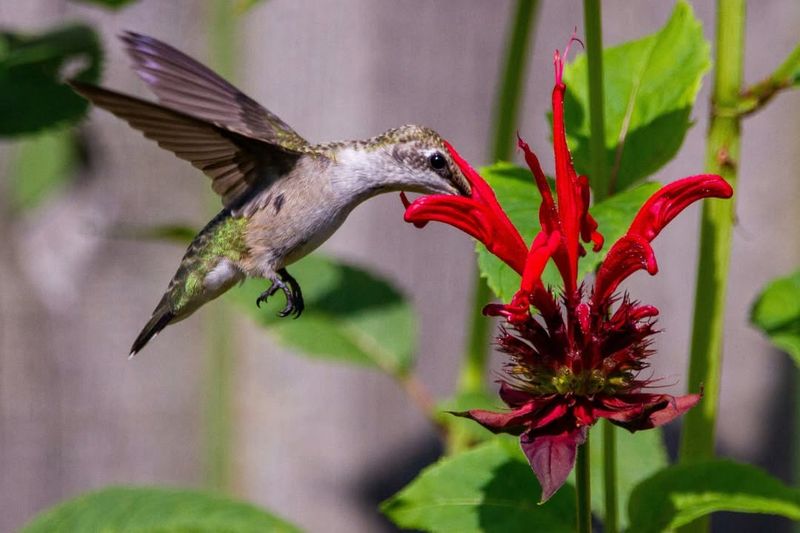
Bee balm produces tubular flowers perfectly shaped for hummingbird beaks while also attracting dozens of bee species, creating constant activity in Georgia gardens from June through August.
The scarlet-flowered native bee balm grows wild in Georgia’s mountain regions and adapts well to gardens throughout the state. Plants reach two to four feet tall with whorls of brilliant red flowers clustered at stem tips.
Hummingbirds visit bee balm repeatedly throughout the day, often establishing regular feeding routes that include specific plants in your garden.
Native bees work the flowers differently than hummingbirds, landing on the lower petals and crawling inside the tubes to reach nectar and pollen. Butterflies, including various swallowtails and clearwing moths, also visit frequently.
The aromatic foliage releases a pleasant minty scent when brushed and deters deer browsing while attracting pollinators.
Bee balm prefers partial shade and consistent moisture, making it ideal for locations that stay slightly damp or receive afternoon shade during Georgia summers.
The plants spread through underground runners to form attractive colonies that create bigger visual impact and support more pollinators over time.
Dividing clumps every few years keeps plants vigorous and provides extras to expand your pollinator garden or share with neighbors interested in supporting Georgia wildlife.
5. Reliable Nectar And Shelter Are Offered By Buttonbush Shrubs
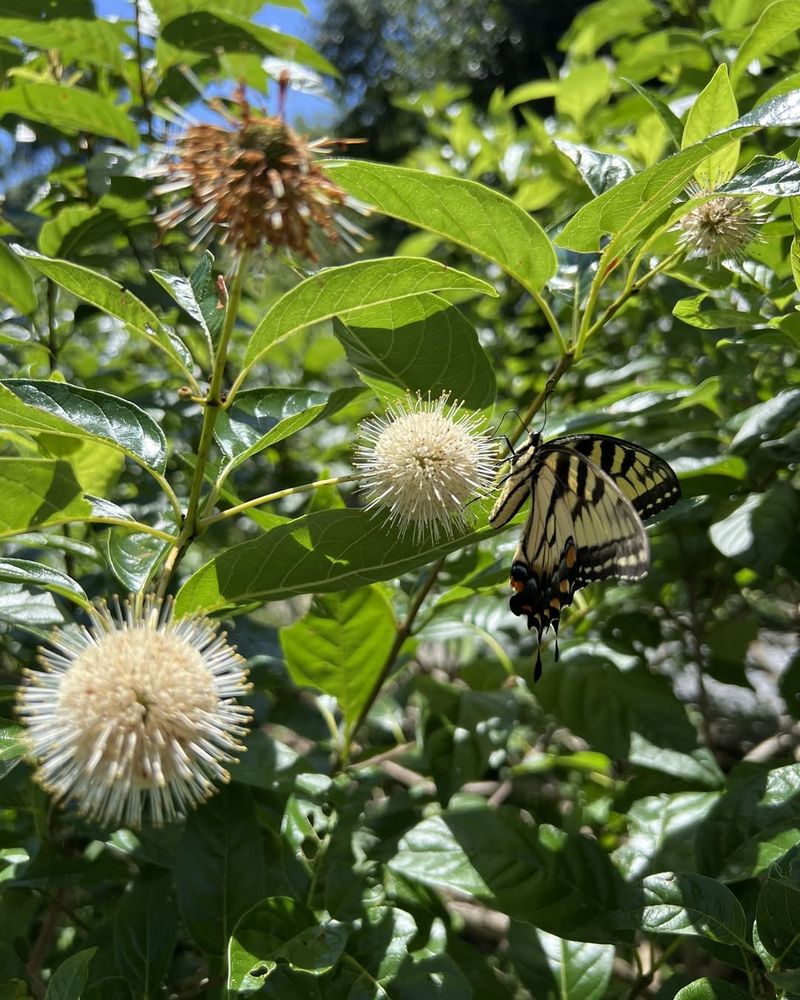
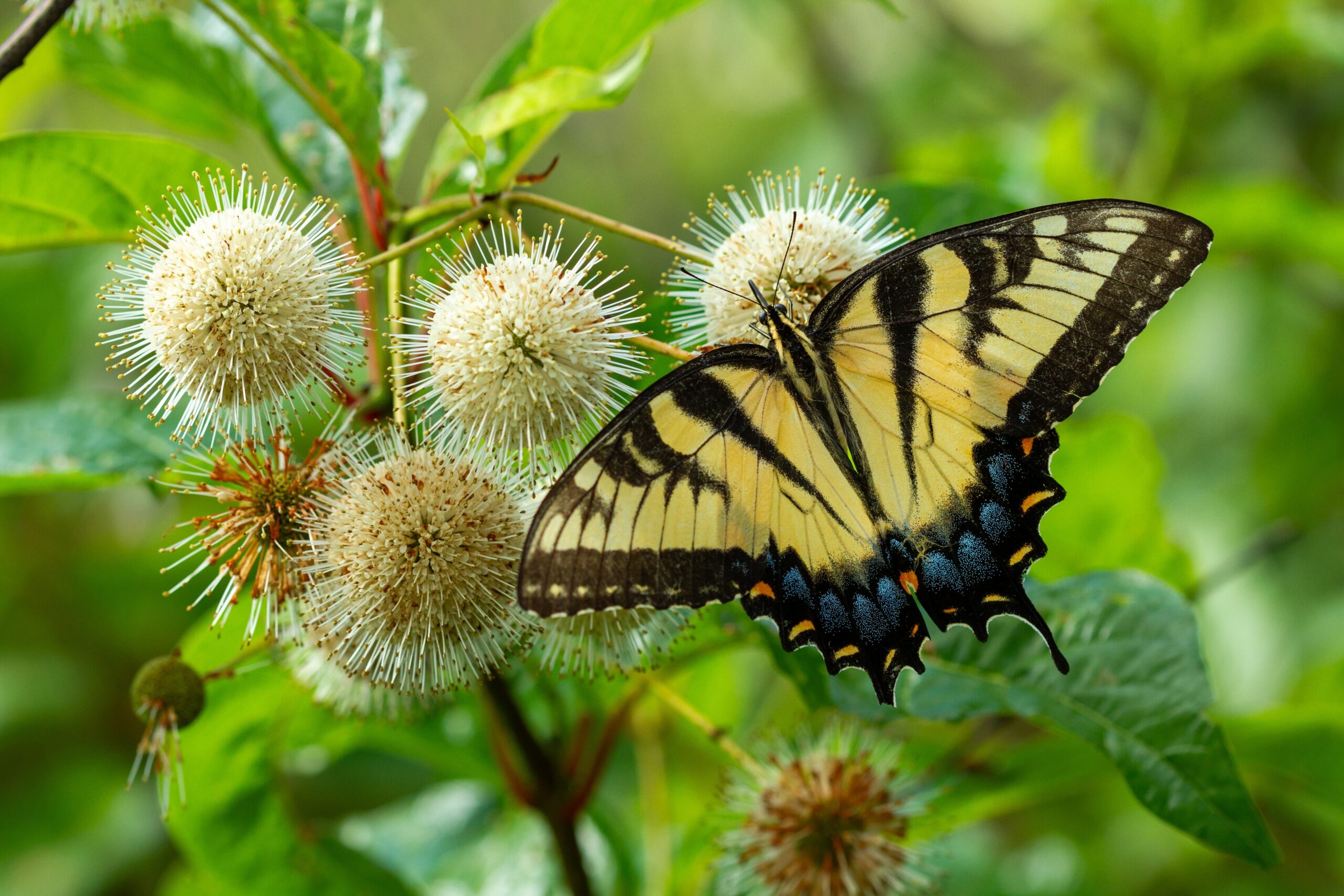
Buttonbush creates round, white flower balls that look like pincushions and attract an incredible diversity of pollinators to Georgia gardens from June through September.
This native shrub grows naturally along Georgia streams, pond edges, and wetland margins but adapts surprisingly well to average garden soil with regular watering.
The spherical flower clusters contain hundreds of individual tubular flowers that provide abundant nectar for butterflies, bees, and hummingbirds. Buttonbush can reach six to twelve feet tall and equally wide, creating substantial presence in the landscape.
The glossy green leaves remain attractive throughout summer, and the unusual flowers develop into round seed balls that persist through winter, providing food for ducks and other waterfowl.
Butterflies including tiger swallowtails, spicebush swallowtails, and various skippers visit buttonbush regularly.
The dense branching structure offers excellent nesting sites and shelter for birds while supporting pollinators.
Planting buttonbush near water features or in naturally moist areas of Georgia properties creates ideal conditions, though the shrub tolerates drier sites once established.
The long blooming period bridges midsummer when some other native plants finish flowering, maintaining consistent food availability for pollinators.
Pruning can keep buttonbush more compact if space is limited, or let it grow naturally for maximum wildlife value in larger Georgia landscapes.
6. Midseason Color And Pollinator Activity Show Up With Black-Eyed Susan
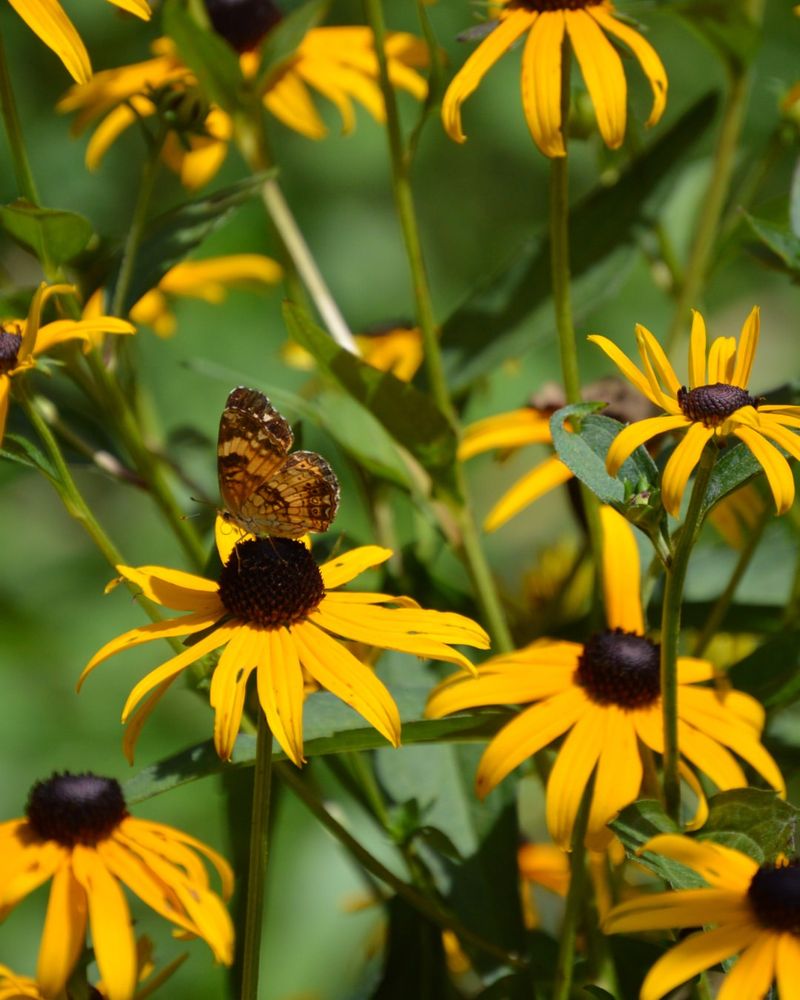
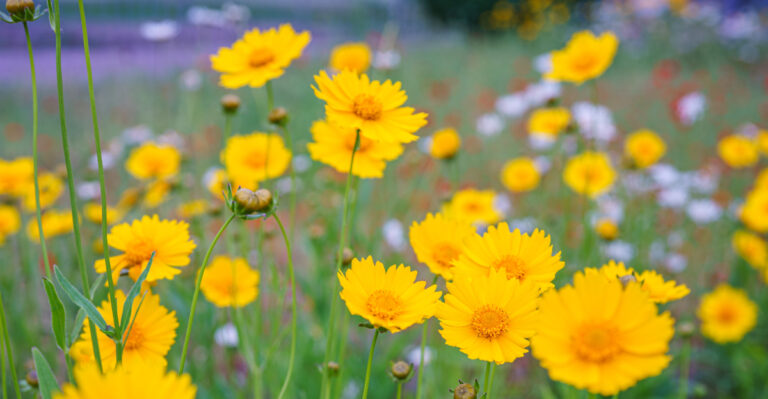
Black-eyed Susans bring cheerful yellow flowers with chocolate-brown centers to Georgia gardens from June through October, creating one of the longest shows of any native plant.
These tough perennials grow one to three feet tall and spread into generous clumps that become more impressive each year. The daisy-like flowers open in succession, meaning individual plants keep producing fresh blooms for months rather than flowering all at once.
Native bees, including various sweat bees and long-horned bees, work the flowers constantly for pollen and nectar.
Butterflies land on the flat flower heads to bask in the sun while feeding, and the plants host several species of moth caterpillars on their foliage.
Black-eyed Susans thrive in full sun and tolerate Georgia’s summer heat, drought, and poor soil better than most garden flowers.
They spread by seed and short rhizomes to naturalize into beautiful drifts without becoming invasive.
The seed heads that develop in fall provide food for goldfinches, chickadees, and other seed-eating birds through winter.
Leaving the dried stems standing until spring gives overwintering insects places to shelter and adds texture to dormant Georgia gardens.
Black-eyed Susans combine beautifully with other native plants and bloom during the peak butterfly season, making them essential additions to any pollinator garden across the state.
7. Late-Season Nectar Needs Are Met By Goldenrod
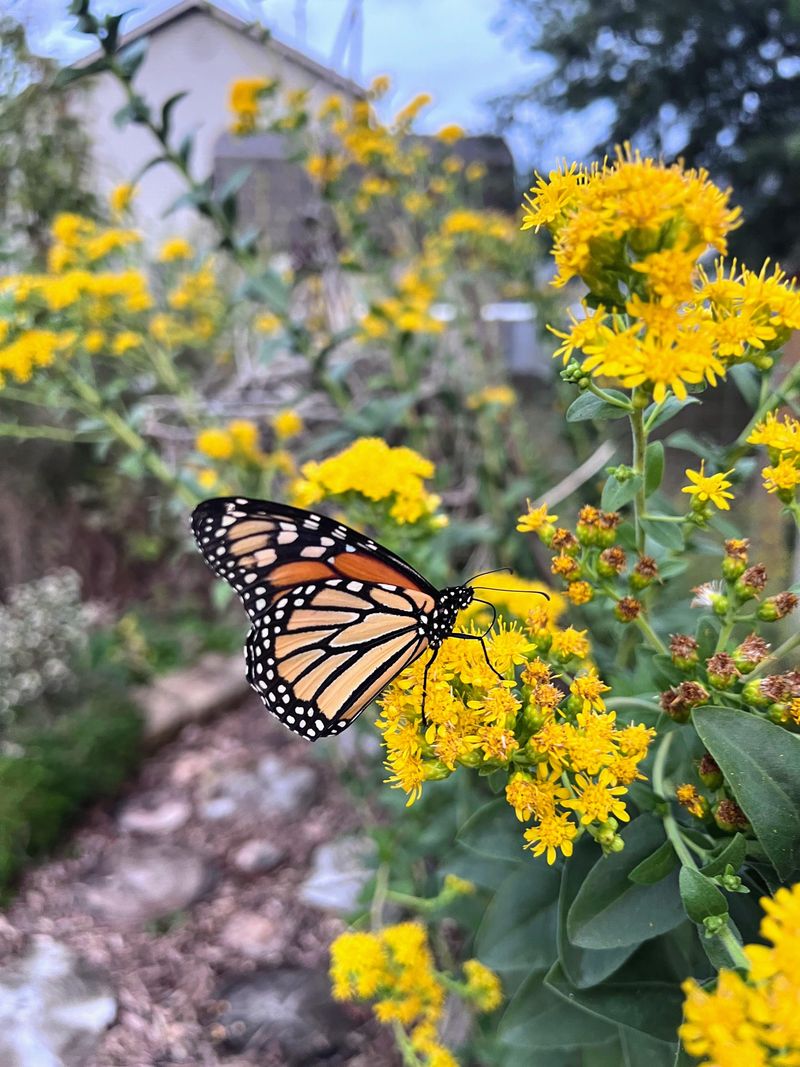
Goldenrod blooms explode with golden yellow flowers in late summer and fall, providing crucial fuel for pollinators preparing for winter or migration through Georgia.
Several goldenrod species grow naturally across the state, with most reaching three to six feet tall and producing plume-like clusters of tiny yellow flowers.
Monarch butterflies stopping in Georgia during their southward migration depend heavily on goldenrod nectar to fuel their journey to Mexico.
Native bees, including bumble bees and various specialist bees, also rely on goldenrod as other flowers fade in late season.
Contrary to popular belief, goldenrod does not cause hay fever since its pollen is too heavy to become airborne. The real culprit is ragweed, which blooms at the same time but has inconspicuous green flowers.
Goldenrod actually helps reduce ragweed by outcompeting it in healthy landscapes.
These plants thrive in full sun and average to dry soil, asking for almost no care once established in Georgia gardens. They spread by rhizomes to form attractive colonies and can be divided in spring if they grow beyond desired boundaries.
The late bloom time fills a critical gap when few other plants offer nectar, making goldenrod essential for supporting pollinator populations through fall.
Seed heads persist through winter and feed birds including goldfinches while adding warm tones to dormant landscapes.
8. Fall Pollinator Support Continues Through Native Asters
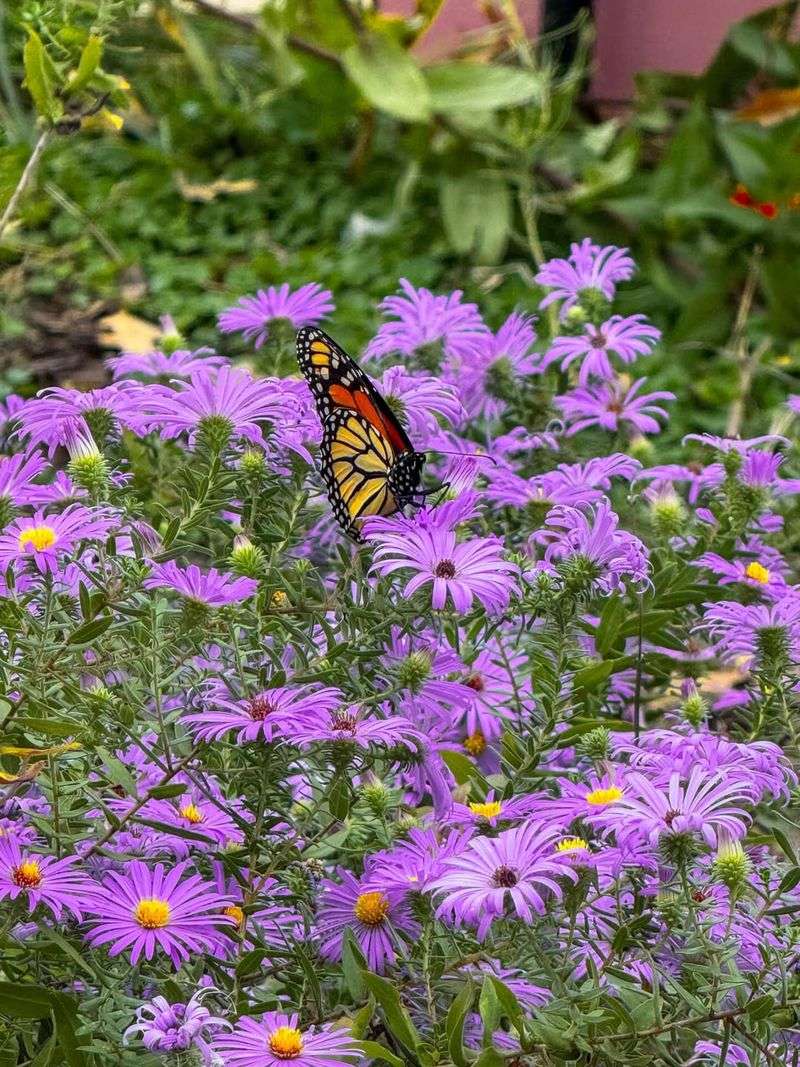
Native asters bloom in shades of purple, blue, pink, and white from September through November, offering the last significant nectar source before winter arrives in Georgia.
Numerous aster species grow wild throughout the state, from low-growing types perfect for front borders to tall specimens reaching four to six feet.
The daisy-like flowers open in abundance during fall, creating clouds of color when most other plants have finished blooming.
Migrating monarch butterflies, native bees preparing for winter, and various other pollinators visit asters constantly during their peak bloom.
Aromatic aster, smooth aster, and New England aster all perform well in Georgia gardens, each offering slightly different heights, colors, and bloom times. These plants thrive in full sun to partial shade and adapt to various soil conditions across the state.
The flowers provide both nectar and pollen when pollinators need to build fat reserves or prepare for hibernation.
Asters spread slowly to form attractive clumps that improve with age and can be divided every few years to maintain vigor or create additional plants.
The stems and seed heads left standing through winter provide food for birds and shelter for beneficial insects.
Planting several aster species extends the fall bloom season and ensures consistent food availability for the last pollinators active in Georgia gardens before cold weather arrives and the annual cycle begins again with spring.