9 Native Plants Every Pennsylvania Gardener Should Be Growing
Pennsylvania has one of the richest native plant traditions in the entire country, and most gardeners in the state are barely scratching the surface of what’s available to them. The native plant movement has picked up real momentum over the past several years.
But walk through the average Pennsylvania yard and you’ll still find it dominated by the same non-native ornamentals that have filled suburban landscapes for decades, plants that look fine but contribute almost nothing to the local ecosystem they’re growing in.
Native plants aren’t just an ecological choice, though the ecological benefits are genuinely significant.
They’re also a practical one. Plants that evolved in Pennsylvania’s specific climate and seasonal patterns handle the full range of what the state throws at them with a resilience that imported ornamentals rarely match.
Less intervention and stronger performance across the full growing season are the natural results of putting plants in the ground that actually belong here. These are the ones every Pennsylvania gardener should have in their yard.
1. Coneflower
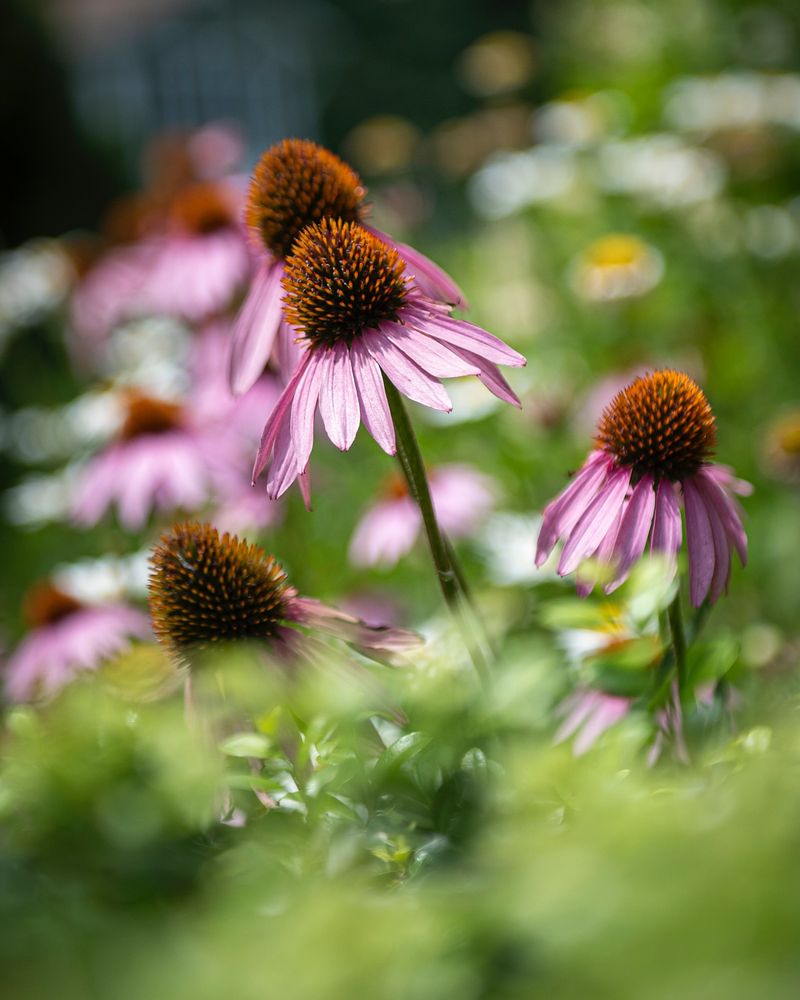
Few plants earn their place in a garden the way coneflowers do. Bold, cheerful, and practically care-free, these purple beauties bloom from midsummer all the way into early fall, even when temperatures soar.
Butterflies, bees, and goldfinches absolutely love them. Coneflowers, also known as Echinacea purpurea, are native to much of eastern North America, including Pennsylvania.
They prefer full sun and well-drained soil, but they are surprisingly tolerant of heat and short dry spells. Once established, they come back stronger every year with very little help from you.
Plant them in groups of three or five for the best visual impact. Deadheading spent blooms will encourage more flowers, but if you leave the seed heads standing through winter, birds will flock to your garden for a free meal.
The dried seed heads also add interesting texture to your winter landscape. Coneflowers mix beautifully with black-eyed Susans, goldenrod, and ornamental grasses. They work well in rain gardens, pollinator gardens, and traditional perennial borders.
You can even find pink, white, and orange varieties, though the classic purple is hard to beat. Start with a few plants, and they will slowly spread into a stunning, low-maintenance display.
2. Bee Balm
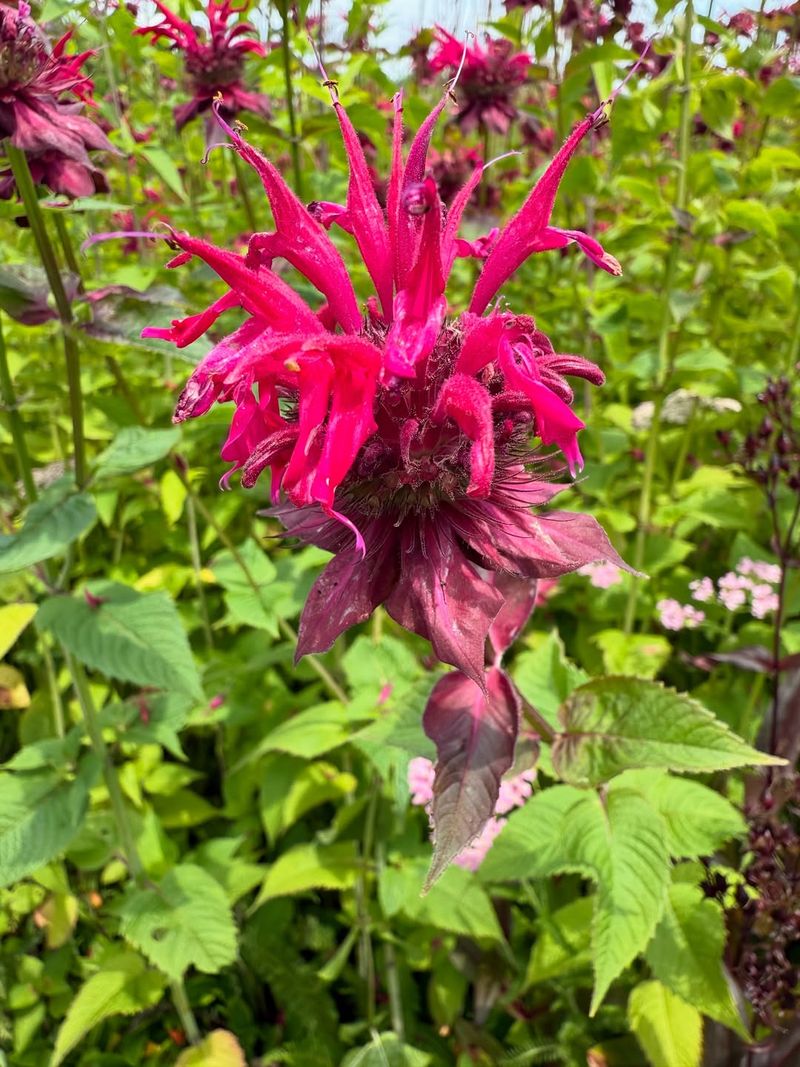
Imagine stepping outside on a warm July morning and watching a ruby-throated hummingbird hover inches from your face. Plant bee balm, and that moment might just happen in your own backyard.
This showy native perennial produces wild, firework-like blooms in shades of red, pink, and purple that wildlife simply cannot resist.
Bee balm, or Monarda didyma, thrives in full sun to partial shade and moist, rich soil. It grows quickly and can spread by underground runners, so give it a bit of space or divide it every few years to keep it tidy.
The leaves smell like oregano when crushed, which is a fun surprise for first-time growers. Beyond its good looks, bee balm supports an impressive range of wildlife. Hummingbirds, bumblebees, sphinx moths, and many butterfly species all visit the flowers for nectar.
Your Pennsylvania Garden Changes Every Week. Your Plan Should Too.
Gardening in Pennsylvania changes quickly throughout the season. Every Friday you’ll receive a simple weekly plan showing exactly what to plant, prune, fertilize, harvest, and protect so you never miss the right timing.
It is truly one of the most wildlife-friendly plants you can add to a Pennsylvania garden. Powdery mildew can be an issue in humid summers, so look for mildew-resistant varieties like Jacob Cline or Claire Grace.
Good air circulation and morning watering help keep plants healthy. Pair bee balm with coneflowers and wild bergamot for a pollinator garden that buzzes with life all season long.
3. Black-Eyed Susan
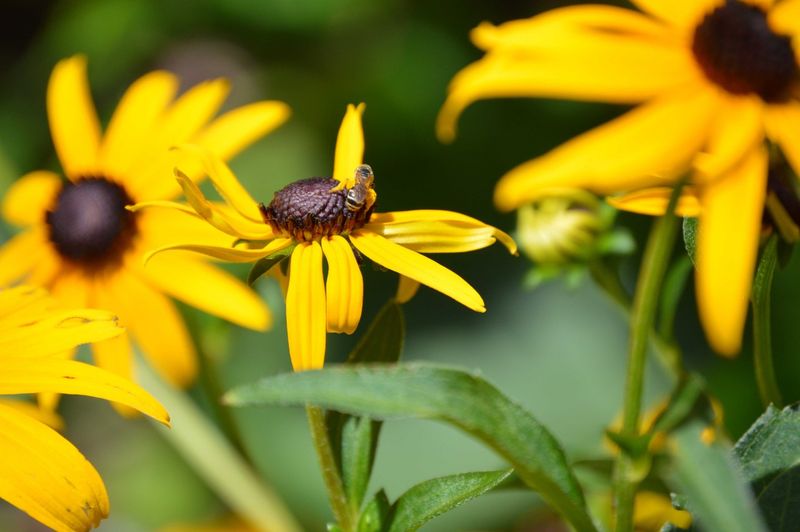
There is something wonderfully reliable about black-eyed Susans. Year after year, they show up with their bright golden petals and dark chocolate centers, asking for almost nothing in return.
Even in poor, dry soil and blazing summer heat, these tough natives keep right on blooming. Rudbeckia hirta is one of Pennsylvania’s most recognizable wildflowers. It grows well in full sun and tolerates a wide range of soil types, from sandy to clay.
Plants grow one to three feet tall and bloom from June through September, making them a long-season performer in any garden.
Black-eyed Susans are short-lived perennials that freely self-seed, so they tend to naturalize quickly in open spaces. This makes them perfect for meadow gardens, roadsides, and low-maintenance borders where you want a natural, cottage-style look.
They also make excellent cut flowers for summer bouquets. Pollinators love them. Bees, beetles, and butterflies regularly visit the flowers, and birds eat the seeds in fall and winter.
For a classic Pennsylvania wildflower combination, plant black-eyed Susans alongside coneflowers and native grasses.
They are easy to grow from seed, affordable to buy, and nearly impossible to mess up. That is a winning combination for any level of gardener.
4. Foamflower
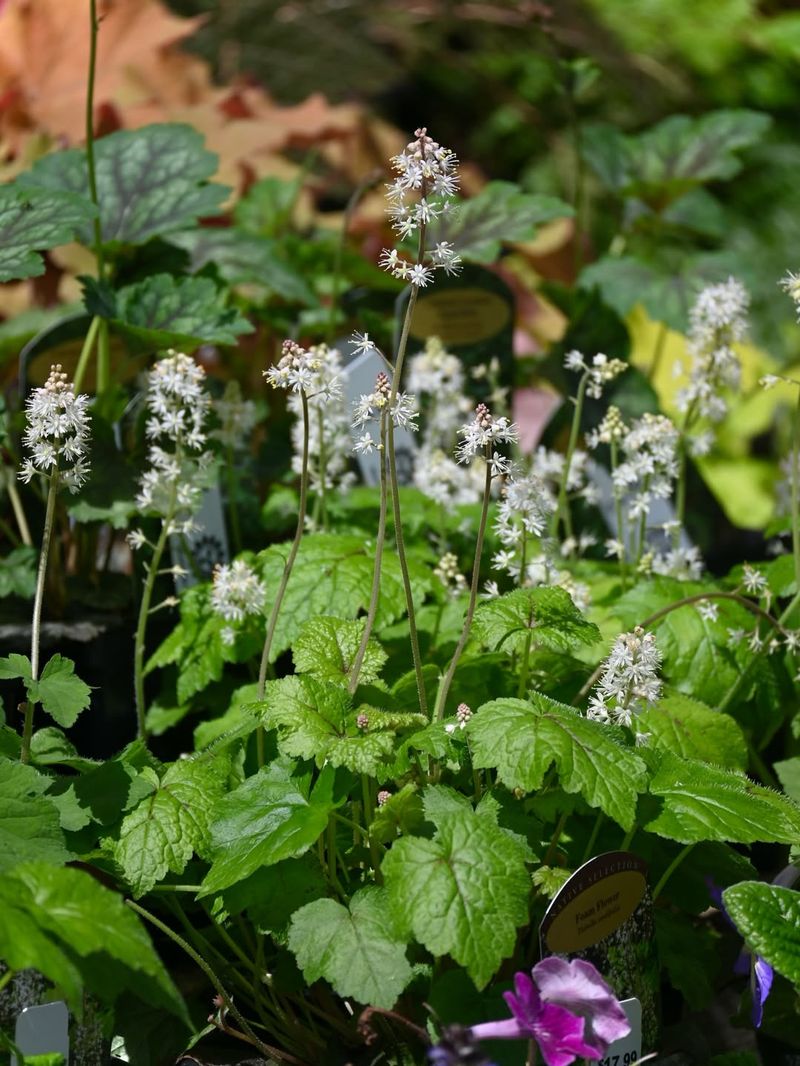
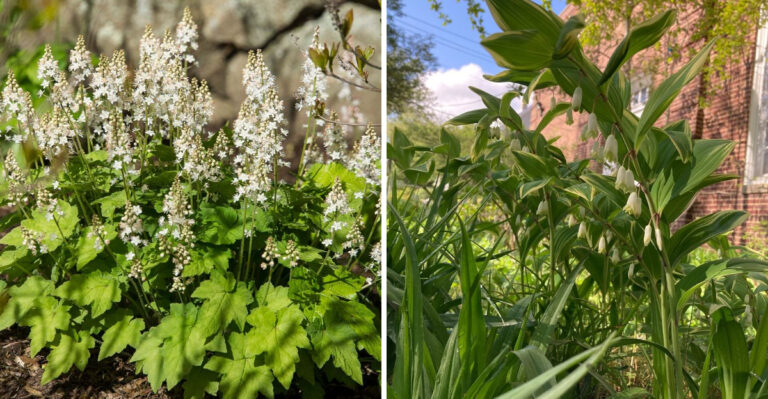
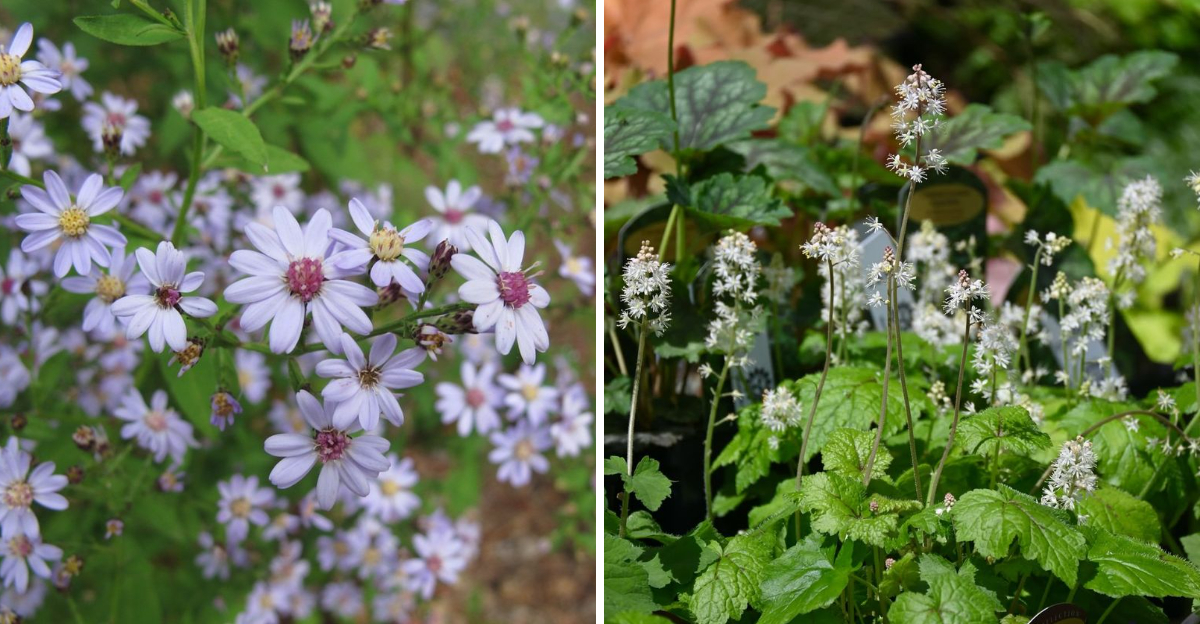
Tucked beneath tall trees in Pennsylvania’s forests, foamflower quietly does its thing season after season. Its frothy white flower spikes rise above heart-shaped leaves in spring, creating a soft, dreamy look that is perfect for shady spots where other plants struggle to grow.
Tiarella cordifolia is a native groundcover that spreads slowly by runners, gradually filling in bare areas under trees and shrubs. It prefers moist, humus-rich soil and dappled to full shade, making it one of the best choices for woodland and shade gardens in Pennsylvania.
Once established, it is very low maintenance. The foliage is one of its best features. Many varieties have beautiful burgundy markings on their leaves, which look striking even when the plant is not in bloom.
In fall, the leaves often take on reddish tones, adding another season of interest to your garden.
Foamflower pairs wonderfully with ferns, wild ginger, and trillium for a naturalistic woodland planting. It also works well as an edging plant along shaded pathways or at the base of a tree.
Deer tend to leave it alone, which is a big bonus for Pennsylvania gardeners who deal with frequent deer pressure. If you have a shady corner that needs some life, foamflower is a perfect fit.
5. Pennsylvania Sedge
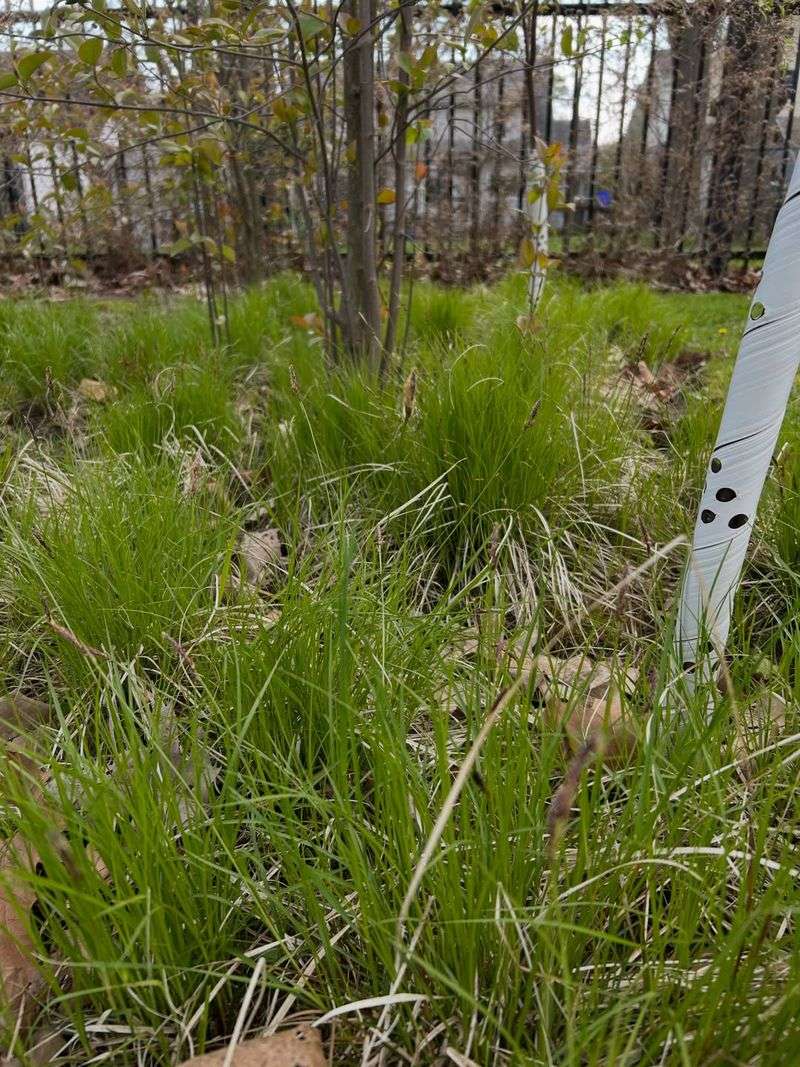
Not every garden problem needs a flashy solution. Sometimes, what a shady, dry patch of ground really needs is Pennsylvania sedge, a quiet, grass-like plant that turns a bare, difficult area into a soft, green carpet with almost zero fuss.
Carex pensylvanica is a native sedge found naturally in Pennsylvania’s dry woodlands. It grows in low, arching clumps about six to twelve inches tall and spreads slowly over time to form a dense, weed-suppressing groundcover.
It handles dry shade better than almost any other plant, which makes it incredibly useful in spots under large trees.
Unlike traditional lawn grass, Pennsylvania sedge needs very little mowing. Many gardeners mow it once in late winter or early spring to tidy it up, and then leave it alone for the rest of the year.
It stays green through most of the year and even holds up reasonably well through Pennsylvania winters.
This sedge works beautifully as a lawn alternative, a path edging, or a filler between stepping stones. It also pairs well with spring bulbs, native wildflowers, and shrubs.
Birds and small mammals use it for cover and nesting material. If you are tired of fighting bare ground under your trees, Pennsylvania sedge is exactly the plant you have been looking for.
6. Wild Columbine
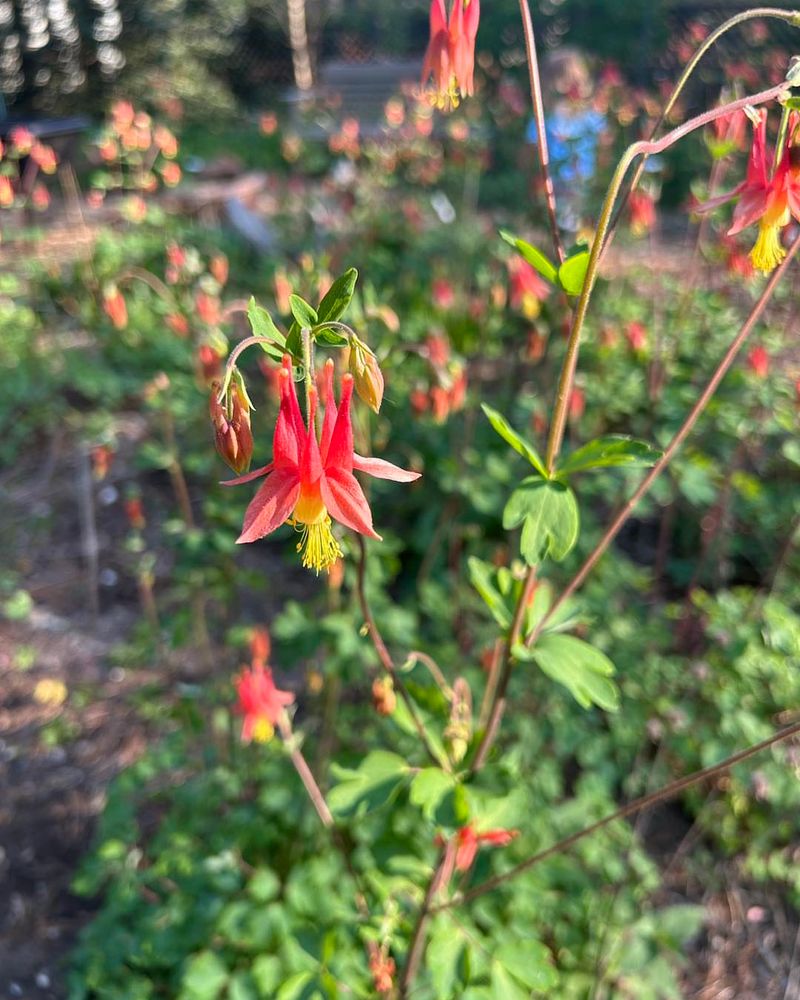
Wild columbine is the kind of plant that makes you stop and stare. Its nodding red and yellow flowers look like little lanterns hanging from slender stems, swaying gently in a spring breeze.
And hummingbirds? They are absolutely wild about it, which is exactly where the plant gets part of its charm.
Aquilegia canadensis blooms in April and May, right when ruby-throated hummingbirds are returning to Pennsylvania from their winter migration. The long, tube-shaped flowers are perfectly designed for hummingbird feeding.
Bumblebees with long tongues also manage to reach the nectar, making this plant a real early-season wildlife magnet.
Wild columbine grows best in partial shade to full sun and adapts well to rocky, dry, or average soils. It is a short-lived perennial, but it self-seeds generously, so colonies tend to maintain themselves over time without any help.
You will find new seedlings popping up in unexpected places, which can be a pleasant surprise.
Plant wild columbine along woodland edges, in rock gardens, or at the base of a stone wall for a naturalistic look.
It pairs beautifully with foamflower, wild ginger, and Virginia bluebells for a stunning spring combination. At just one to two feet tall, it fits easily into smaller garden spaces and containers too.
7. Christmas Fern
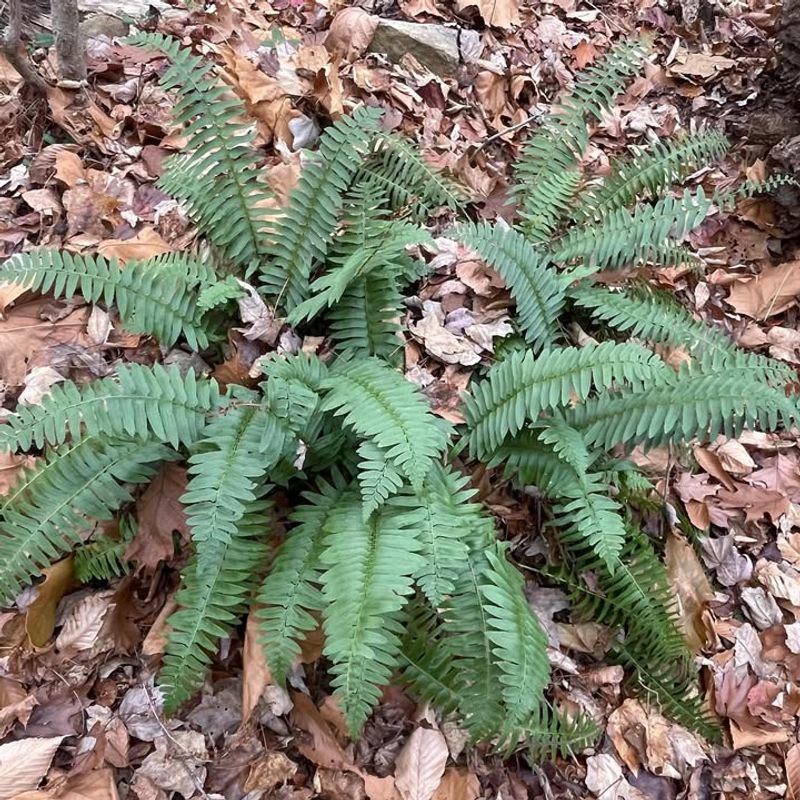
When most of your garden has gone brown and bare for winter, Christmas fern is still out there looking as green and fresh as ever.
That evergreen toughness is exactly why Pennsylvania gardeners have loved this plant for generations. It is one of those reliable workhorses that never lets you down.
Polystichum acrostichoides gets its common name from the fact that its fronds stay green through the Christmas season and well beyond. It grows in clumps one to two feet tall and wide, thriving in medium to deep shade and moist to dry woodland soils.
It is one of the most adaptable ferns native to Pennsylvania. Christmas fern is extremely low maintenance once established. It does not spread aggressively, so you never have to worry about it taking over your garden.
It simply sits in its spot, looking handsome year after year, asking for almost nothing in return. Deer rarely bother it, which makes it even more appealing.
Use Christmas fern to add texture and structure to shady borders, woodland paths, and slopes where erosion can be a problem. Its deep roots help hold soil in place on hillsides.
It pairs beautifully with foamflower, wild ginger, and trillium. If your shady garden needs a dependable, four-season performer, this fern belongs on your must-grow list.
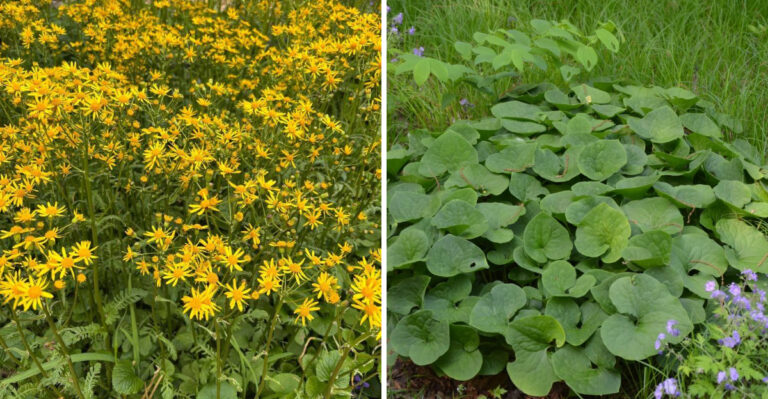
8. Goldenrod
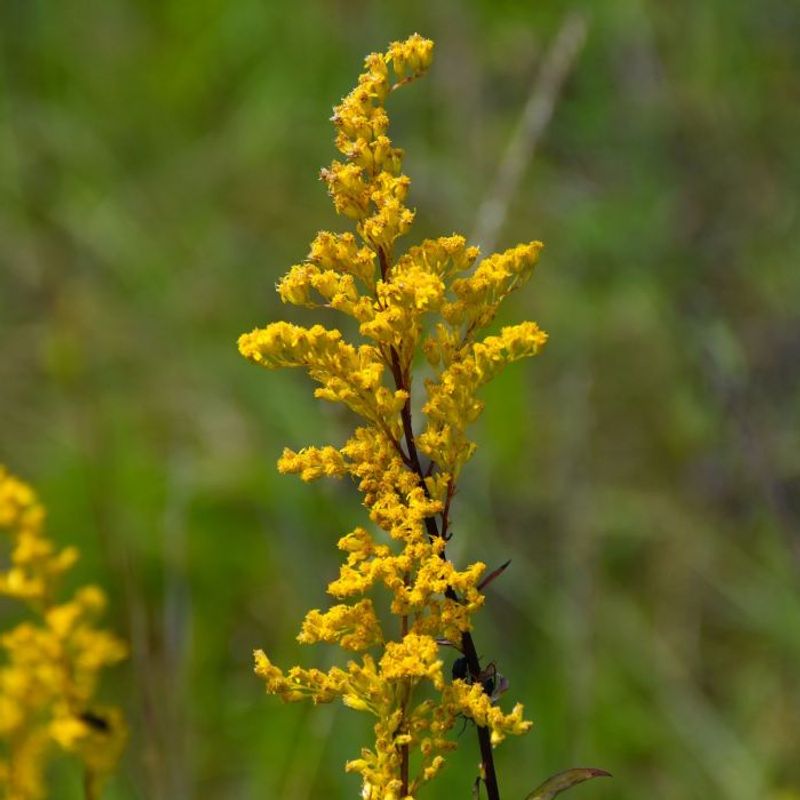
Goldenrod gets a bad reputation it does not deserve. Many people blame it for fall allergies, but the real culprit is ragweed, which blooms at the same time.
Goldenrod’s pollen is too heavy to float through the air. The only way it gets in your nose is if you stick your face in it, so go ahead and plant it without worry.
Solidago species are some of the most ecologically valuable plants you can grow in Pennsylvania. Studies have shown that goldenrod supports over 100 species of caterpillars alone, making it one of the top host plants for native insects.
Monarch butterflies, bees, and wasps flock to the bright yellow flower clusters in late summer and fall when other food sources are getting scarce.
Goldenrod grows in full sun and tolerates a wide range of soils, including dry and poor conditions.
It spreads by both seeds and underground runners, so choose a compact variety like Fireworks or Little Lemon if you want something more manageable in smaller garden spaces.
The tall, arching plumes of yellow flowers look stunning in naturalistic plantings alongside native grasses, asters, and coneflowers. Leave the seed heads standing through winter to feed birds.
Goldenrod is not just a beautiful plant. It is a critical piece of Pennsylvania’s ecological puzzle, and every garden is better with it.
9. Blue Wood Aster
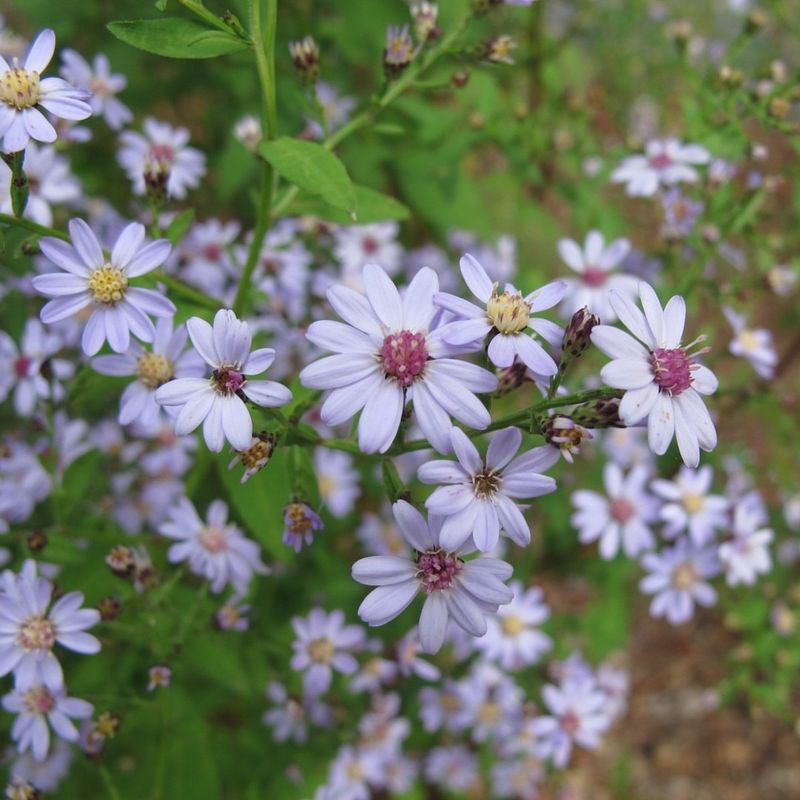
By October, most gardens are winding down, looking tired and faded. Blue wood aster has other ideas.
Just when everything else is calling it quits for the season, this cheerful native bursts into bloom with clouds of tiny lavender-blue flowers that light up shady spots like little stars.
Symphyotrichum cordifolium is one of the few native plants that blooms well in partial to full shade in fall. It grows two to four feet tall and produces hundreds of small, daisy-like flowers from September through October.
Bees, butterflies, and other late-season pollinators depend on it as one of their last major nectar sources before winter arrives.
Blue wood aster is easy to grow in average to moist, well-drained soil. It self-seeds readily and can spread into colonies over time, which makes it great for naturalizing woodland edges and shaded garden beds.
If you want to control the spread, simply remove unwanted seedlings in spring before they get established.
This aster pairs beautifully with goldenrod, Christmas fern, and native grasses for a layered fall garden that supports wildlife right up until the first hard frost. It also works well as a cut flower for autumn arrangements.
If your garden needs a reliable, shade-tolerant native that extends your season well into fall, blue wood aster is the perfect answer.