8 Native Plants In Ohio That Bring Wildlife To Your Garden
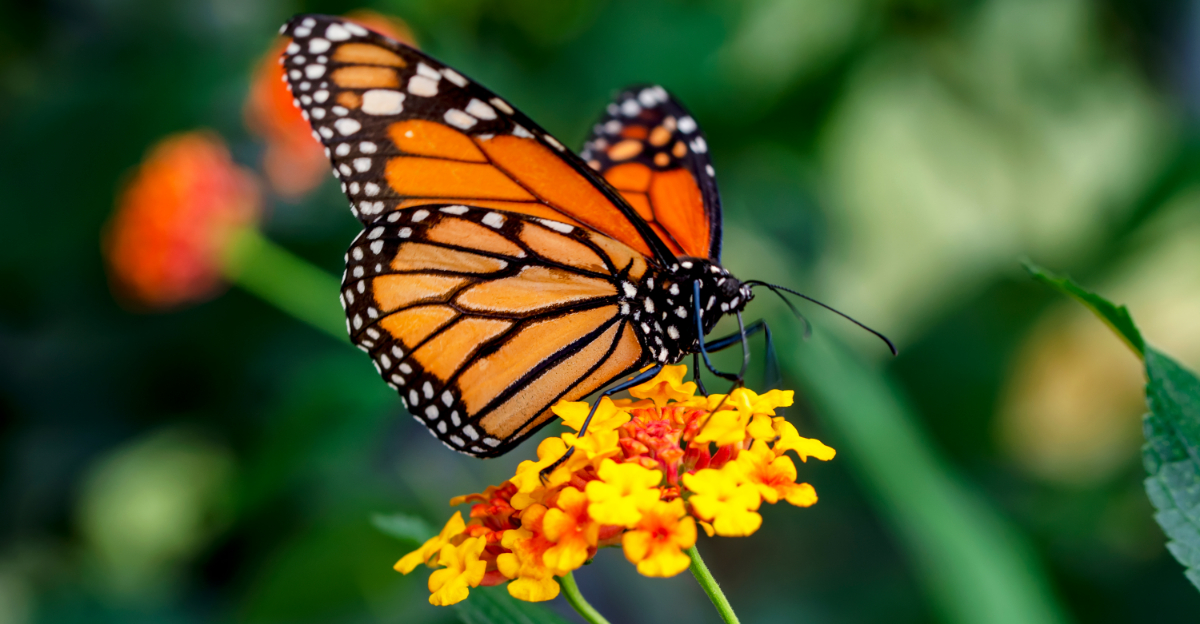
On a quiet morning in Ohio, you might hear a cardinal’s call or the flutter of butterflies over the flowerbed. It’s the little moments in the garden that make you pause, sip your coffee, and just watch.
Ohio’s native plants can turn that everyday backyard into a lively haven for wildlife.
From shrubs that host pollinators to flowers that attract butterflies, planting with nature in mind brings color, movement, and life to spaces you already cherish.
Some of these species are easy to grow, resilient, and surprisingly low-maintenance. You’ll want to see which plants can make your garden buzz and chirp all season long.
1. Black‑Eyed Susan Bringing Sunshine To Every Corner
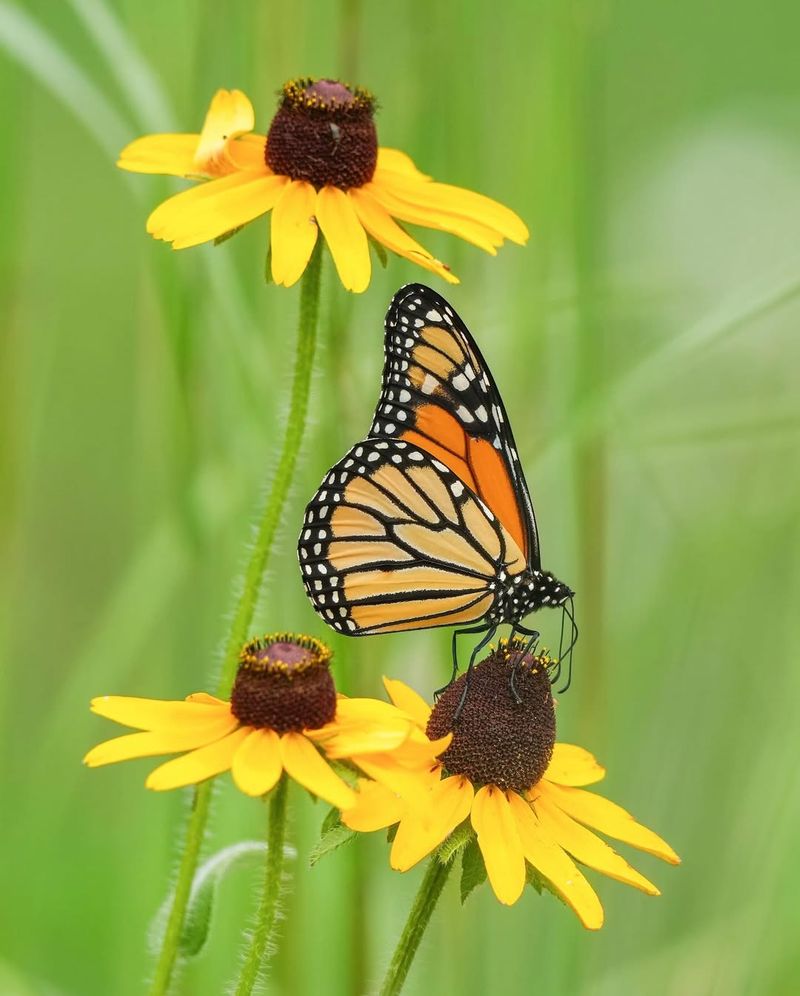
Few flowers can light up an Ohio garden quite like the Black-Eyed Susan. With its bold yellow petals and rich, dark center, this cheerful wildflower is practically impossible to ignore.
It blooms from mid-summer into early fall, providing color when many other plants have finished for the season. Butterflies absolutely love this plant.
Painted ladies, fritillaries, and swallowtails are just some of the species you might spot fluttering around the blooms on a warm Ohio afternoon. Native bees also visit regularly, collecting pollen to bring back to their nests.
Once the flowers go to seed, the fun does not stop. Goldfinches and other seed-eating birds will perch right on the dried flower heads to snack on the tiny seeds.
This makes Black-Eyed Susan a plant that keeps on giving well into autumn and even winter. It also provides habitat for beneficial insects like ladybugs and lacewings, which help keep garden pests in check.
Additionally, it can support small pollinating wasps and hoverflies that contribute to local ecosystem health. Growing this plant is surprisingly easy, even for beginners.
It thrives in full sun and handles dry spells like a champ once it gets established in the ground. You can start it from seed or pick up a small plant from a local Ohio nursery.
Over time, a single patch may expand and attract both pollinators and birds without needing much maintenance.
2. Butterfly Milkweed That Makes Pollinators Dance
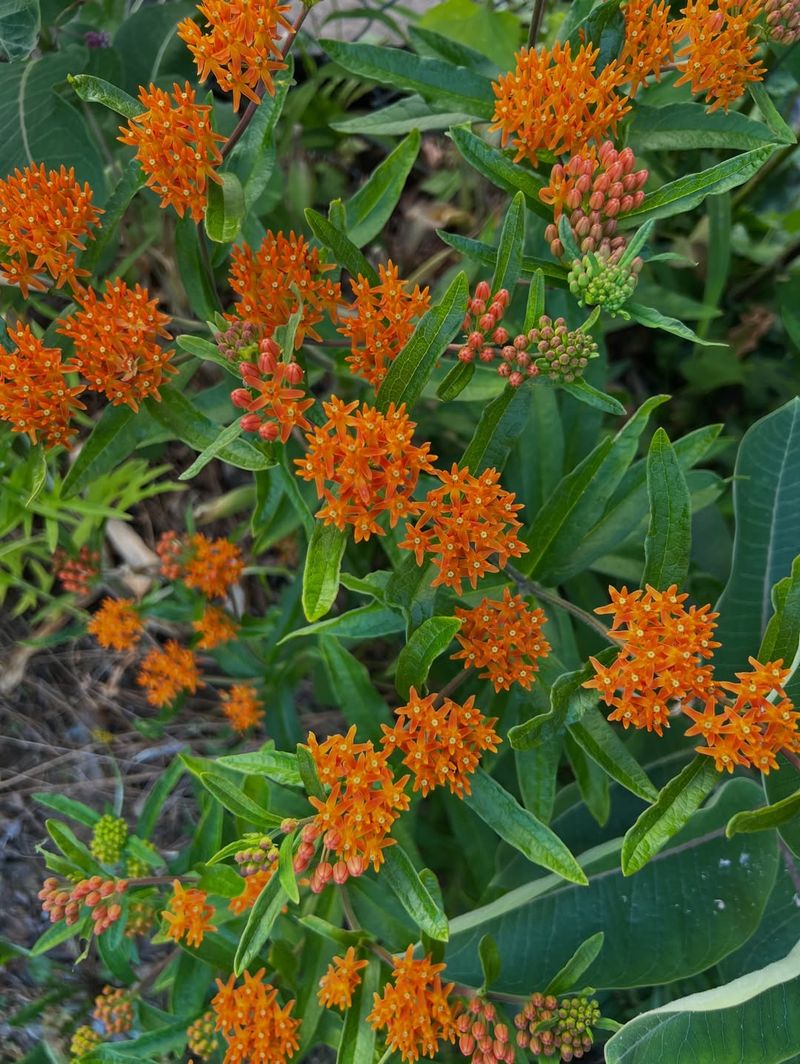
Monarch butterflies are some of the most iconic insects in North America, and Butterfly Milkweed is the plant that helps keep them going. This stunning native Ohio wildflower produces clusters of bright orange flowers that practically glow in the summer sun.
Monarchs rely on milkweed not just for nectar but as the only plant where they lay their eggs. Beyond monarchs, Butterfly Milkweed draws in an impressive crowd of other pollinators too.
Swallowtail butterflies, bumblebees, and even hummingbirds have been spotted visiting the blooms. By including it in your garden, you can offer additional support for local pollinators throughout the season.
Bees and other beneficial insects also visit the plant, helping improve pollination for nearby flowers and vegetables. It can also provide shelter for small predatory insects that help control garden pests naturally.
One thing gardeners really appreciate about this plant is how tough it is. Butterfly Milkweed is drought-tolerant and grows best in well-drained, even sandy soils.
It actually prefers not to be fussed over too much, making it a low-maintenance winner for busy homeowners. Did you know that Butterfly Milkweed is actually a type of milkweed that does not produce the sticky, milky sap found in most other milkweed species?
That makes it a bit easier to handle when planting or dividing. It thrives in sunny locations, and when planted, may attract butterflies and other pollinators throughout the season.
3. Purple Coneflower Stealing The Spotlight In Your Garden
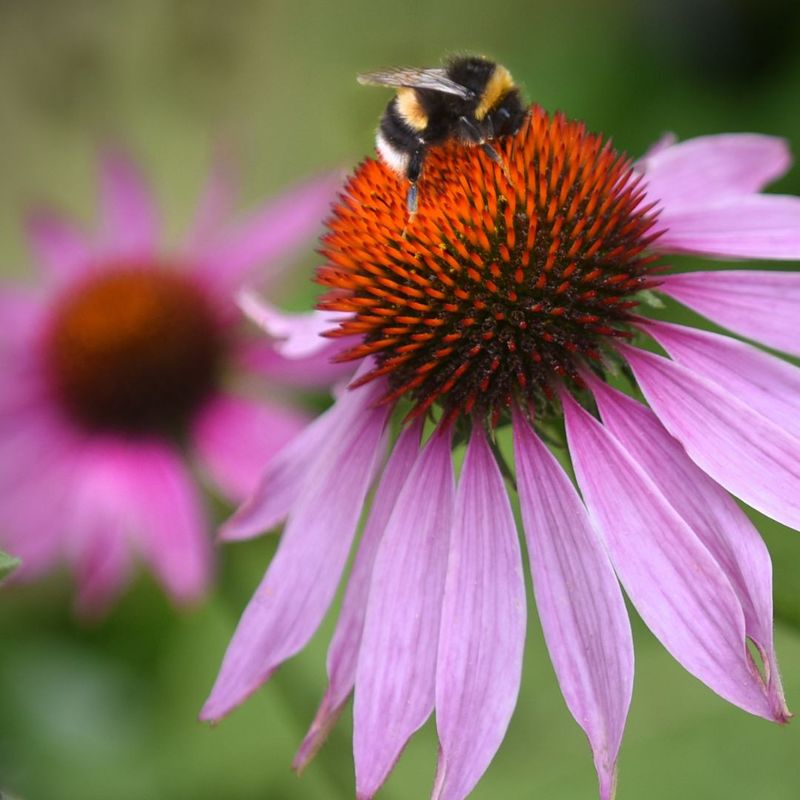
Walk through almost any Ohio nature preserve in summer and you are likely to spot the Purple Coneflower swaying in the breeze. Its drooping pink-purple petals and spiky, cone-shaped center give it a look that is both wild and beautiful.
Pollinators and birds often visit Purple Coneflower, making it a valuable addition for supporting wildlife in Ohio gardens. From early summer through autumn, the blooms serve as a busy rest stop for pollinators.
Native bees, bumblebees, and butterflies flock to the flowers for nectar, making the plant a constant source of activity in the garden. Even on cloudy days, you will notice insects working the blooms with impressive dedication.
The plant also provides cover for small beneficial insects that contribute to garden health while pollinating nearby plants. When fall rolls around and the petals drop off, the spiky seed cones become a favorite snack for birds.
American goldfinches are especially fond of perching on the cones and picking out seeds one by one. Leaving the spent flower heads standing through winter provides food for birds during the colder months when other sources run low.
Purple Coneflower is also incredibly easy to grow in Ohio gardens. It handles heat, drought, and poor soil with ease, asking for very little in return.
Plant it in a sunny border, a wildflower meadow, or even a container, and you will have a reliable, wildlife-friendly plant that comes back stronger every year.
4. Wild Bergamot Buzzing With Bees And Butterflies
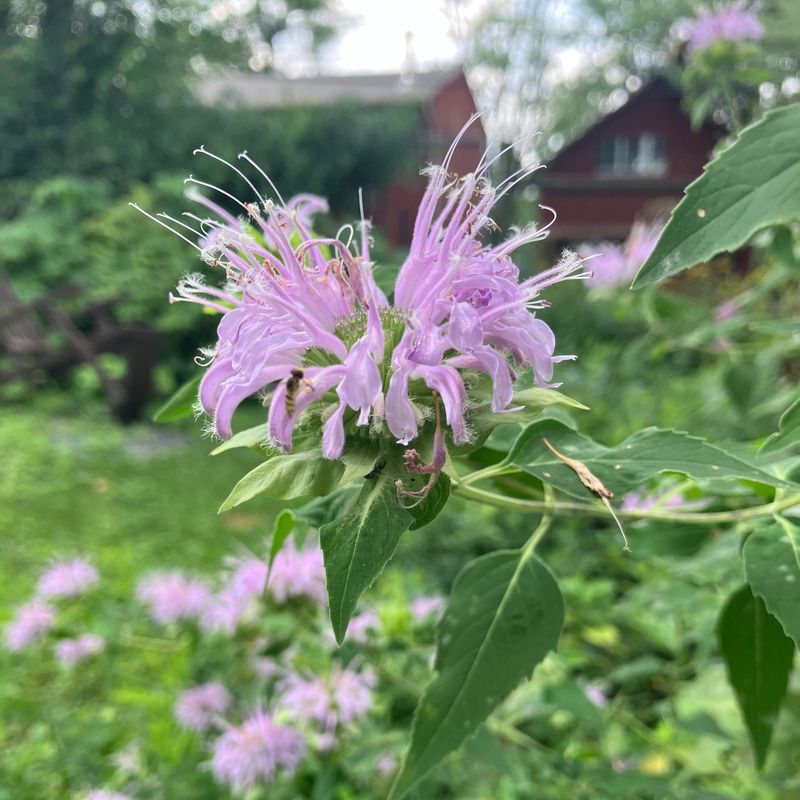
Crush a leaf of Wild Bergamot between your fingers and you will instantly understand how it earned the nickname Bee Balm. The herb-like fragrance is rich and slightly spicy, almost like a mix of oregano and mint.
That scent is just one of the reasons this Ohio native is so beloved by both gardeners and wildlife alike.
The lavender-pink flowers bloom in rounded clusters at the tops of the stems, creating a beautiful display from mid-summer onward. Hummingbirds are especially drawn to the tubular flower shape, hovering and darting between blooms with their wings beating furiously.
Bumblebees and native bees are equally enthusiastic visitors, often covering the flower heads completely.
Butterflies also make regular stops at Wild Bergamot, adding even more color and life to the garden. Skippers, swallowtails, and fritillaries are commonly spotted feeding on the nectar.
Having a patch of this plant in your Ohio garden is almost like setting up a free wildlife show right outside your window.
Wild Bergamot is adaptable and grows well in full sun to partial shade, handling Ohio’s variable weather without much complaint. It spreads through underground rhizomes, slowly forming a wider clump over time.
Dividing the clump every few years keeps it healthy and gives you extra plants to fill other spots in your garden or share with neighbors who want to attract more wildlife.
5. Elderberry Hiding Sweet Surprises For Birds
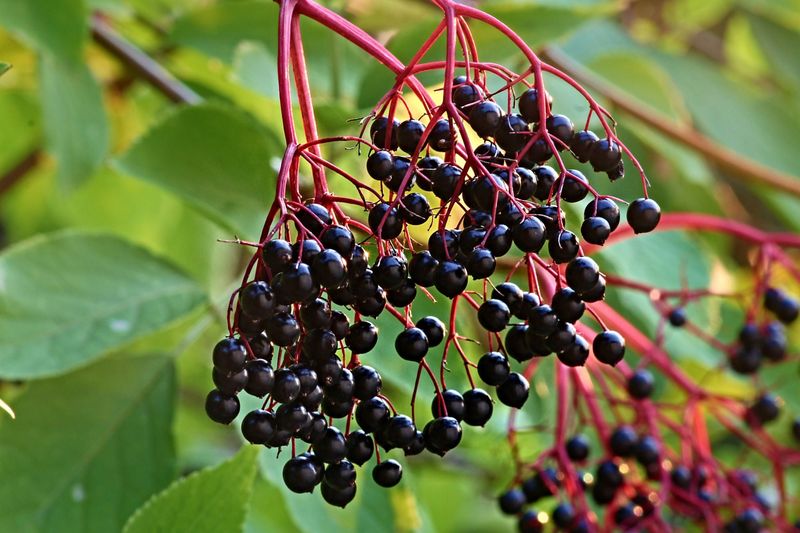
If you want a plant that wildlife absolutely cannot resist, Elderberry might be your best bet. This fast-growing native Ohio shrub produces large, flat clusters of creamy white flowers in late spring that buzz with bee activity from morning to evening.
The flowers are followed by heavy clusters of dark purple-black berries that ripen by late summer. Those berries are like a buffet for birds.
Cedar waxwings, robins, bluebirds, and woodpeckers are just a handful of the species known to feast on elderberries. During fall migration, Elderberry shrubs can become a popular pit stop for birds passing through Ohio on their long journeys south.
Mammals also benefit from this plant. Deer browse the leaves, and small mammals like foxes and raccoons have been observed eating the fallen berries.
Even the dense branching structure of the shrub provides excellent nesting cover for songbirds looking for a protected spot to raise their young. The shrub also attracts pollinators such as native bees and butterflies, contributing to the overall health of nearby plants.
For gardeners, Elderberry is a fast and rewarding plant to grow. It prefers moist, well-drained soil and does well in both full sun and partial shade, making it flexible for different spots in an Ohio yard.
It can grow quite large, reaching up to twelve feet tall, so give it some space. While berries are sometimes harvested for jams or syrups, the plant primarily supports wildlife and adds structural interest to Ohio landscapes.
6. Blue Wild Indigo Painting Your Garden Sky-Blue
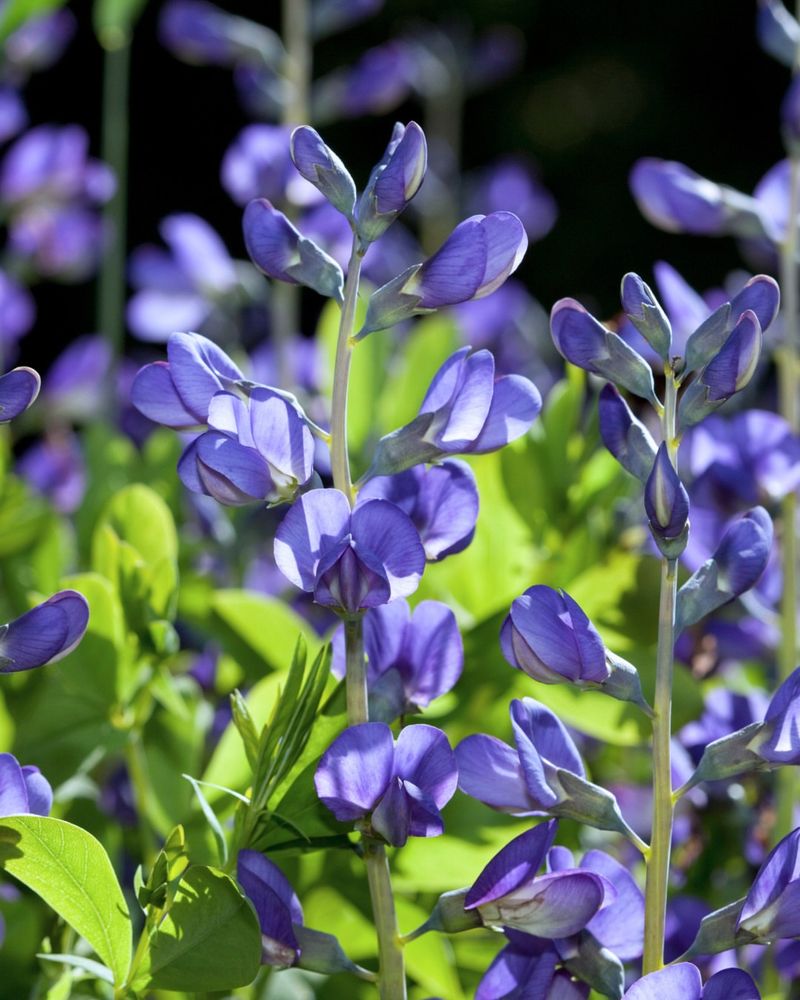
Bold, dramatic, and surprisingly low-maintenance, Blue Wild Indigo is one of those Ohio native plants that earns its place in the garden year after year. In late spring, tall spikes of deep blue-purple flowers shoot up from the plant’s bushy, blue-green foliage, creating a striking vertical accent that stops people in their tracks.
Bumblebees are the biggest fans of this plant, and for good reason. The large, pea-shaped flowers are perfectly shaped for bumblebees to land on and access the nectar inside.
You will often see big, fuzzy bumblebees working the flower spikes with impressive energy on warm Ohio spring mornings. After the flowers fade, the plant produces interesting inflated seed pods that rattle in the breeze as they dry out.
These pods provide food for certain seed-eating birds and are also a favorite hiding spot for spiders and other small insects that in turn become food for larger wildlife. The visual interest of those dried pods also makes the plant attractive in a winter garden.
The dense foliage also offers shelter for beneficial insects and small pollinators, supporting overall garden biodiversity. One of the best things about Blue Wild Indigo is how deeply rooted it becomes over time.
The plant develops a long taproot that anchors it firmly in the soil and helps it survive drought conditions. While it may take a couple of years to settle in, it can provide seasonal blooms and support local wildlife with relatively low maintenance over time.
7. Buttonbush Rolling Out A Feast For Wildlife
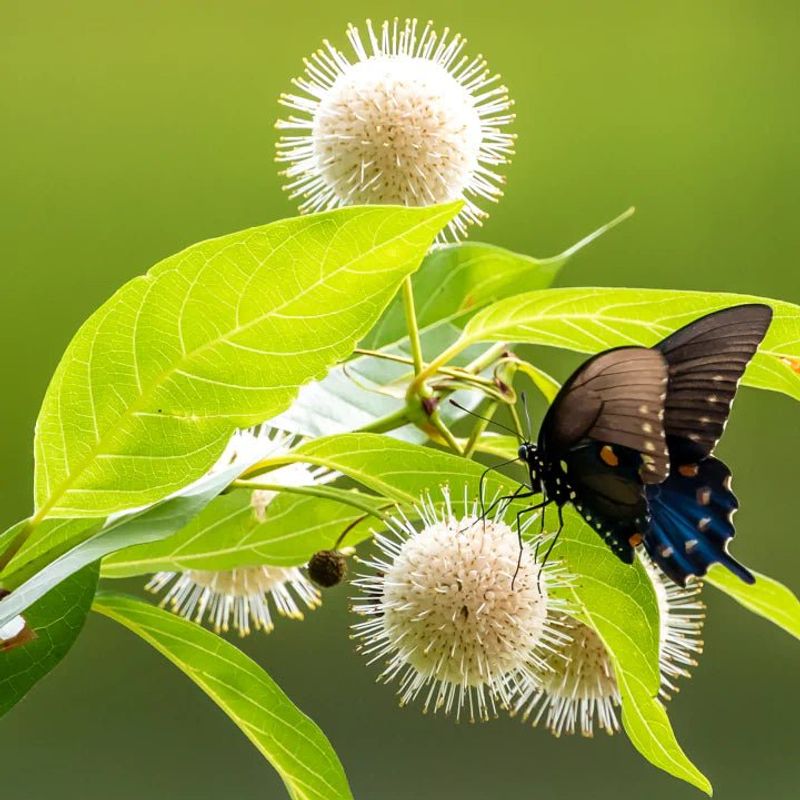
There is something almost otherworldly about the flowers of Buttonbush. Each bloom is a perfectly round, white pincushion covered in tiny, star-shaped florets that stick out in every direction.
When a Buttonbush is in full bloom along an Ohio pond edge or stream bank, the air around it practically hums with pollinator activity.
Butterflies, native bees, and hummingbirds are all drawn to the sweet nectar produced by those unusual flowers. The blooming period stretches through midsummer, filling a time when some other native plants have already finished.
That timing makes Buttonbush especially valuable as a mid-season nectar source for pollinators across Ohio.
Birds benefit from Buttonbush in a big way too. Waterfowl like wood ducks and mallards eat the small, round fruits that follow the flowers.
Songbirds often nest in the dense branching structure, and the plant’s location near water makes it a natural gathering spot for species like herons and kingfishers that hunt for fish and frogs nearby.
Buttonbush thrives in wet or consistently moist soil, making it an excellent choice for rain gardens, pond edges, or low-lying areas of an Ohio yard that tend to stay soggy after heavy rain. It can grow as a shrub or small tree depending on how it is pruned.
Tolerant of standing water and partial shade, Buttonbush fills a niche that few other native plants can match, turning problem wet spots into productive wildlife habitats.
8. Smooth Sumac Adding Zesty Color And Texture
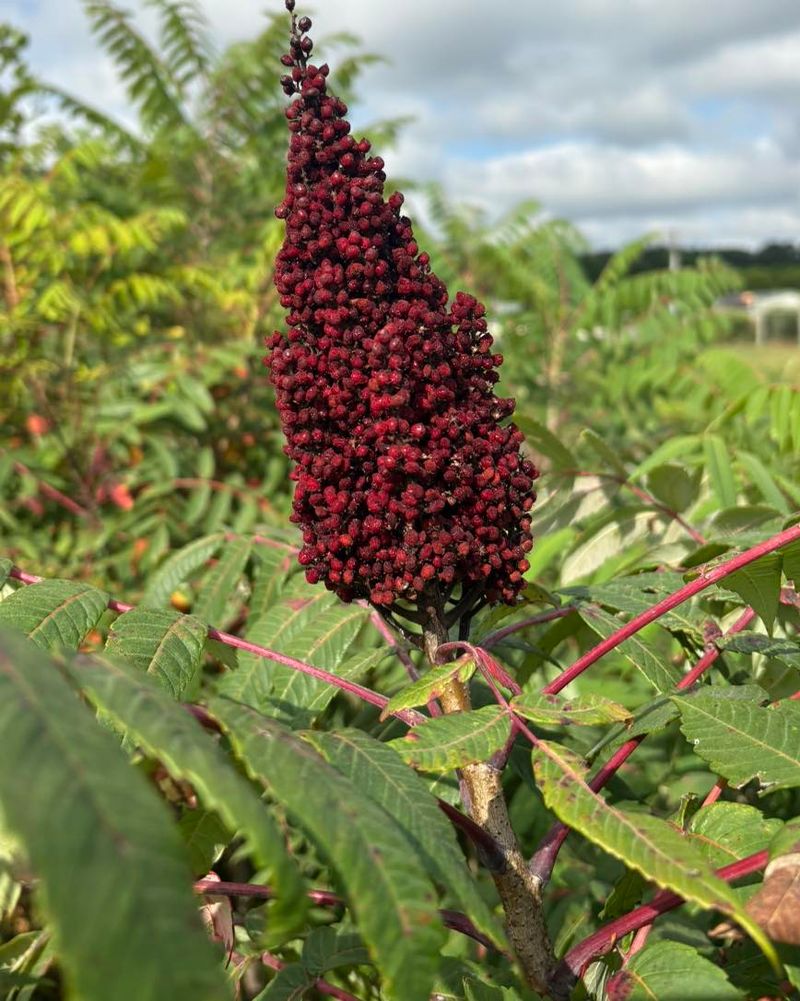
Come autumn, few native Ohio plants put on a show quite like Smooth Sumac. The leaves shift into fiery shades of red, orange, and purple that rival even the most colorful trees in the landscape.
And just when the leaves are at their most spectacular, the plant is also loaded with dense, upright clusters of dark red berries that wildlife absolutely depend on.
Smooth Sumac produces vibrant berries that attract many birds in Ohio, including bluebirds, robins, thrushes, and mockingbirds. Bluebirds, robins, thrushes, and mockingbirds are all regular visitors.
Because the berries cling to the branches well into winter, Smooth Sumac acts as an emergency food source during cold spells when other fruits and seeds have been used up.
Small mammals like rabbits and squirrels also nibble on the berries and bark. Deer browse the twigs and foliage, especially in late fall when other food sources become scarce.
Even the dried flower clusters attract insects that serve as food for insect-eating birds passing through Ohio during migration.
Smooth Sumac is a rugged, adaptable plant that grows in full sun and tolerates poor, dry, rocky soils where other plants struggle. It spreads through root suckers to form thickets, which actually creates excellent shelter and nesting habitat for ground-nesting birds and small mammals.
Planted along a fence line or at the back of a garden bed, it brings four seasons of wildlife value to any Ohio landscape.