7 Native Plants Perfect For Patio Pots In Georgia Before Summer Heat Hits
Some patio pots in Georgia just work, while others never quite come together no matter how often they get watered or moved around. It usually comes down to what is growing in them and how well it fits the conditions.
Spring is when everything looks promising, but not every plant keeps that same look as the season moves forward. Some start strong, then fade or stretch out too quickly, leaving containers looking off balance.
That is where the right choices make a noticeable difference.
Plants that handle Georgia conditions without constant attention keep containers looking steady and full. They settle in, grow at a reliable pace, and hold their shape longer than expected.
When that happens, the whole patio feels more put together, and keeping it that way does not turn into extra work.
1. Lanceleaf Coreopsis Stays Compact And Thrives In Sunny Patio Pots
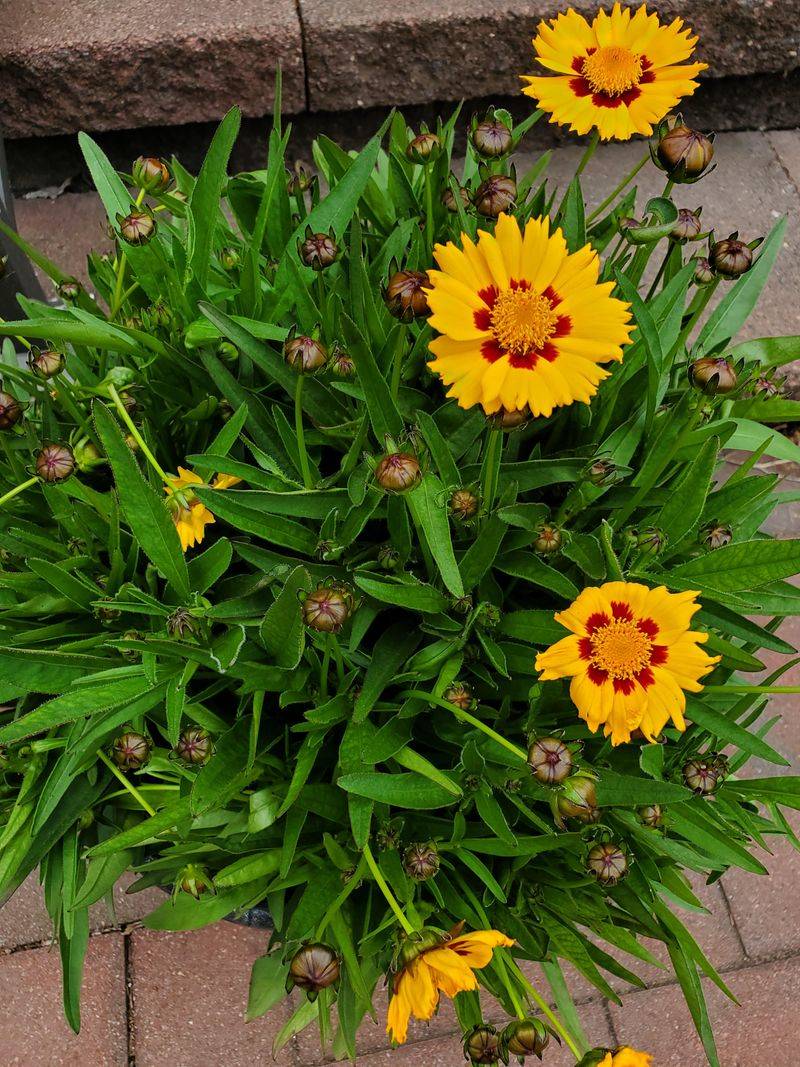
Bright yellow flowers on a plant that barely takes up space? That’s exactly what Lanceleaf Coreopsis brings to a Georgia patio.
Also called tickseed, this cheerful wildflower grows naturally across the Southeast, so it already knows how to deal with the kind of heat that turns most container plants into mush by July.
Plant it in a pot that drains well, and give it a spot with at least six hours of direct sun. Sandy or gritty potting mix works better than anything too rich or heavy.
Overwatering is the one thing you want to avoid with this plant, since soggy roots cause more problems than a dry spell ever would.
Blooms typically start in late spring and can stretch into summer if you keep spent flowers trimmed back. In Georgia, you can start seeing color as early as April, which makes it a great choice before the scorching months arrive.
The plant stays compact, usually under two feet tall, so it won’t tip over a medium-sized pot in a light breeze.
Bees and butterflies visit regularly, which is a bonus if you enjoy watching pollinators while sitting outside. You won’t need to fertilize much either.
A light dose of slow-release granules at planting time is usually enough to carry it through the season. It’s a reliable, cheerful plant that earns its spot on any Georgia patio without demanding much in return.
It also handles reflected heat from patios and hard surfaces without burning out, which makes it even more dependable in containers.
Over time, it can fill out the pot nicely, creating a fuller look without needing constant trimming or attention.
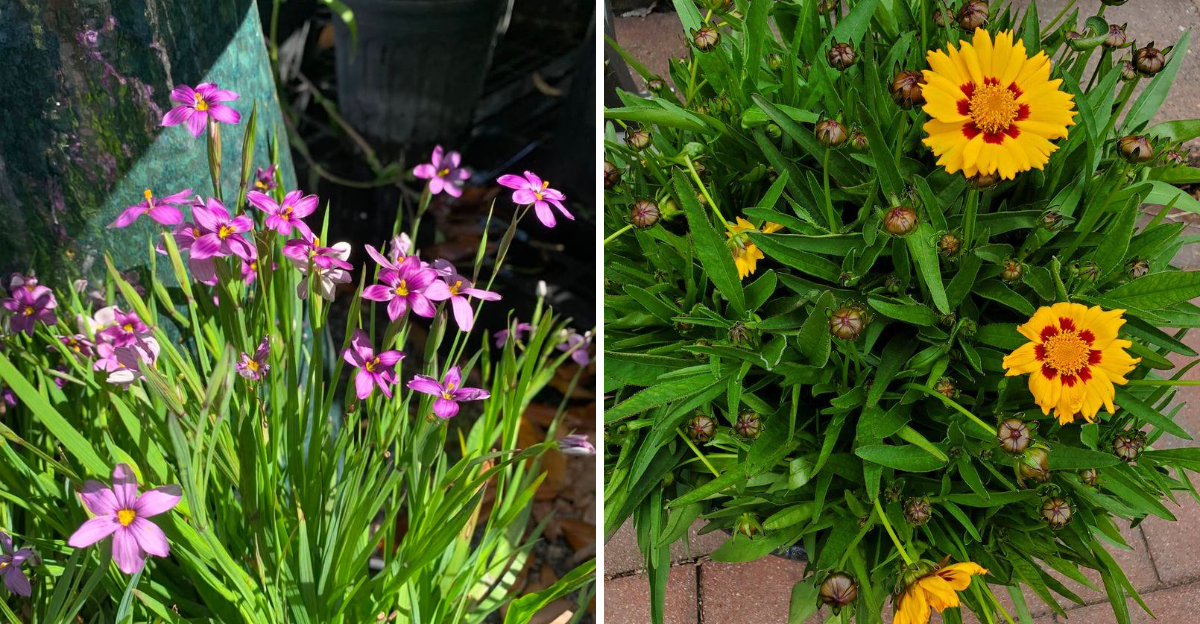
2. Blue-Eyed Grass Naturally Small And Grows Easily In Containers
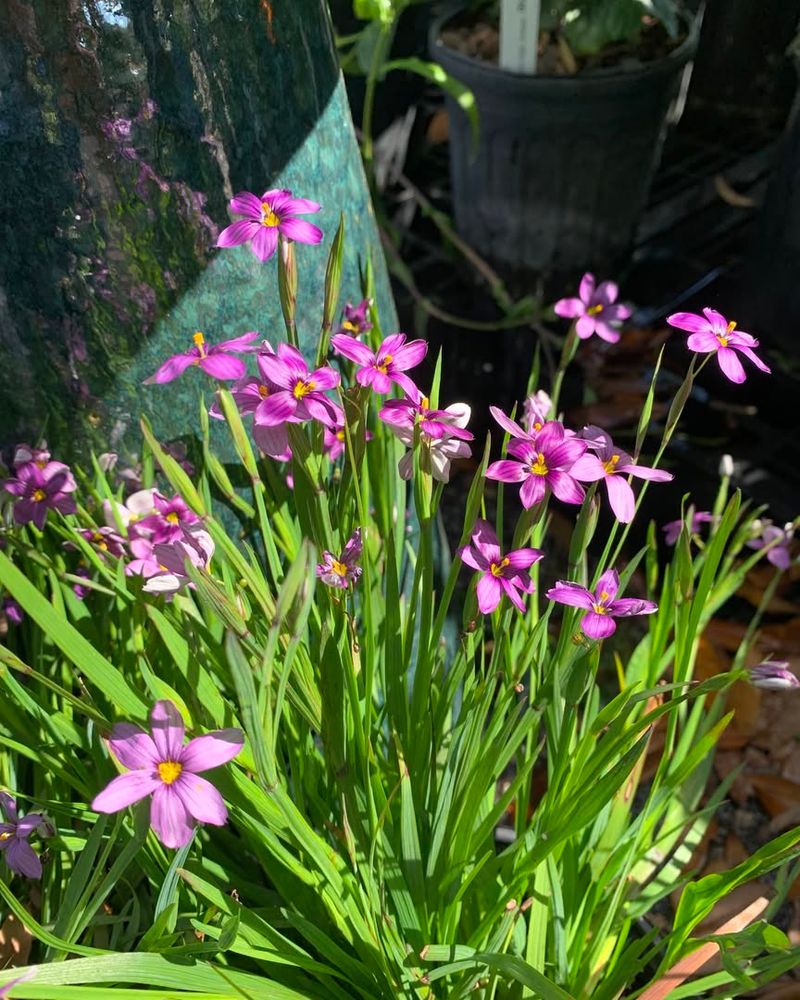
Don’t let the name fool you. Blue-Eyed Grass isn’t actually a grass at all.
It belongs to the iris family, and those tiny violet-blue flowers with yellow centers are some of the most charming things you can grow in a small pot on a Georgia porch.
Because it stays naturally compact, usually six to twelve inches tall, it fits perfectly in smaller containers without looking crowded or out of place. A four to six inch pot with good drainage holes is plenty of space for one plant.
Group a few pots together on a step or ledge and the effect is surprisingly eye-catching.
Full sun to partial shade both work well, which gives you flexibility depending on which direction your patio faces. In Georgia’s warmer zones, a little afternoon shade actually helps the plant hold its blooms longer into the season.
Spring is the prime blooming window, so getting it into a pot early gives you the best show before summer settles in hard.
Water it consistently but don’t let the container sit in standing water. Soggy soil is the fastest way to stress this plant out.
A well-draining potting mix with a little perlite mixed in keeps the roots healthy without much fuss.
Blue-Eyed Grass also reseeds lightly, so you might find small volunteer plants appearing in nearby pots. That’s actually a pleasant surprise rather than a problem.
For a low-effort, high-charm container plant in Georgia, it’s hard to beat.
It blends in easily with other small potted plants, giving you more flexibility when arranging a porch or step.
Even after the blooms fade, the fine green foliage keeps the container looking neat instead of empty.
3. Dwarf Crested Iris Fits Well In Shallow Pots With Good Drainage
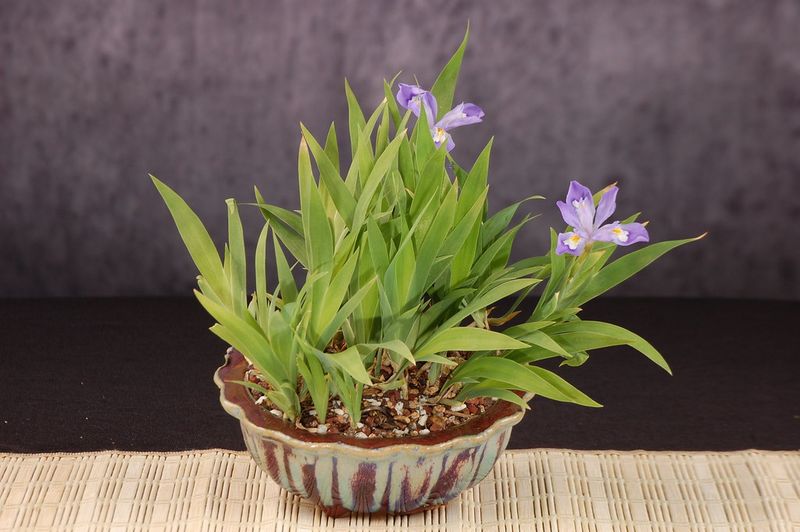
Short, elegant, and surprisingly tough for something that looks so delicate. Dwarf Crested Iris is one of those plants that stops people mid-conversation when it blooms.
The flowers are a soft purple with crested white and yellow markings, and they appear in early spring before Georgia’s heat has a chance to build up.
Shallow pots are actually ideal for this plant because its rhizomes spread horizontally rather than growing deep. A wide, shallow container with excellent drainage lets it spread naturally without becoming root-bound too quickly.
Make sure the top of the rhizome stays just at or slightly above the soil surface rather than buried deep.
Partial shade suits it well, especially in Georgia where afternoon sun in late spring can already be intense. Morning sun with dappled afternoon shade gives you the best blooming results.
Place the pot near a wall or under a pergola to replicate the woodland edge conditions this plant prefers.
Watering should be moderate. Let the top inch of soil dry out between waterings rather than keeping it constantly moist.
Root rot is a real risk if drainage is poor, so choose a gritty, well-draining mix over standard potting soil alone.
After blooming, the foliage stays attractive through summer and into fall, which means the pot doesn’t look bare once the flowers fade. For Georgia gardeners who want early spring color in a container without much hassle, Dwarf Crested Iris delivers reliably season after season.
4. Spotted Beebalm Stays Manageable And Performs Well In Containers
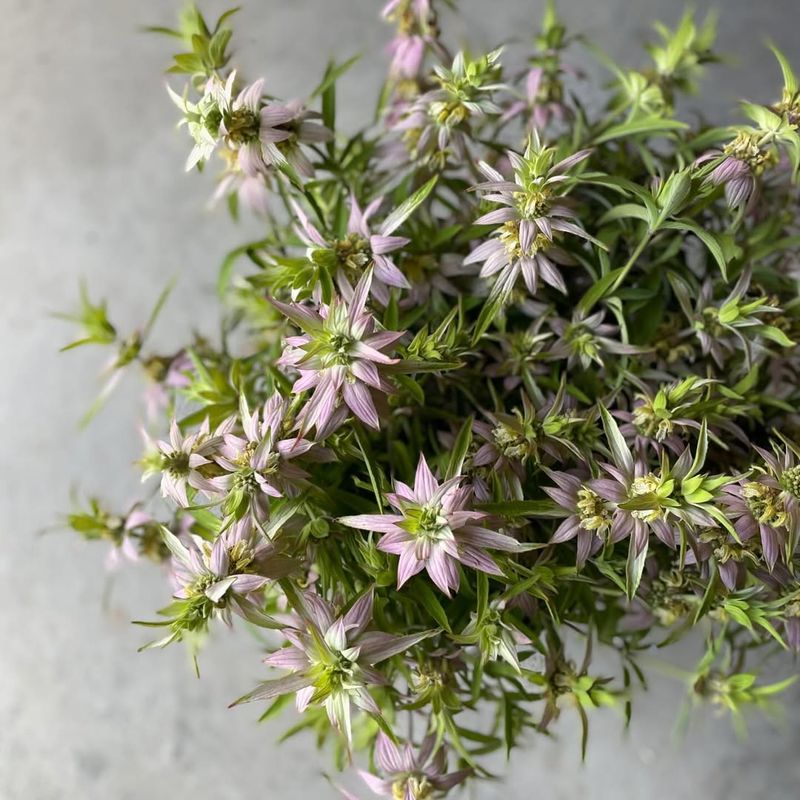
Spotted Beebalm is the underdog of the native plant world, and Georgia gardeners who try it in containers are usually glad they did.
Unlike its flashier cousin Monarda didyma, this species has a more restrained growth habit that actually works well in a pot without taking over everything around it.
Pale lavender to whitish flowers with spotted bracts appear in summer, and they attract hummingbirds, bees, and several species of native moths. Placing the pot near a seating area means you get a front-row seat to all that activity on warm Georgia evenings.
Container size matters with this plant. A pot that’s at least twelve inches wide and deep gives the roots enough room to establish without becoming cramped.
Use a mix of potting soil and compost for decent fertility, but don’t go overboard with nutrients or the stems get floppy.
Full sun to partial shade both produce good results, though plants in Georgia’s direct afternoon sun may need slightly more water to stay looking sharp.
Checking the soil moisture every couple of days during hot stretches keeps the plant comfortable without overwatering.
Pinching back the stems in early spring encourages bushier growth and more flower stems later in the season. If the plant gets too tall for your liking, a mid-season trim helps.
Spotted Beebalm is also naturally resistant to many common pests, which means less time troubleshooting and more time actually enjoying your patio in Georgia.
It also holds up well in Georgia humidity without developing the issues that affect other beebalm types, which makes it easier to manage in containers.
As the season moves along, the plant keeps a tidy shape, so it looks good on the patio even between bloom cycles.
5. Scarlet Sage Handles Heat And Thrives In Sunny Patio Pots
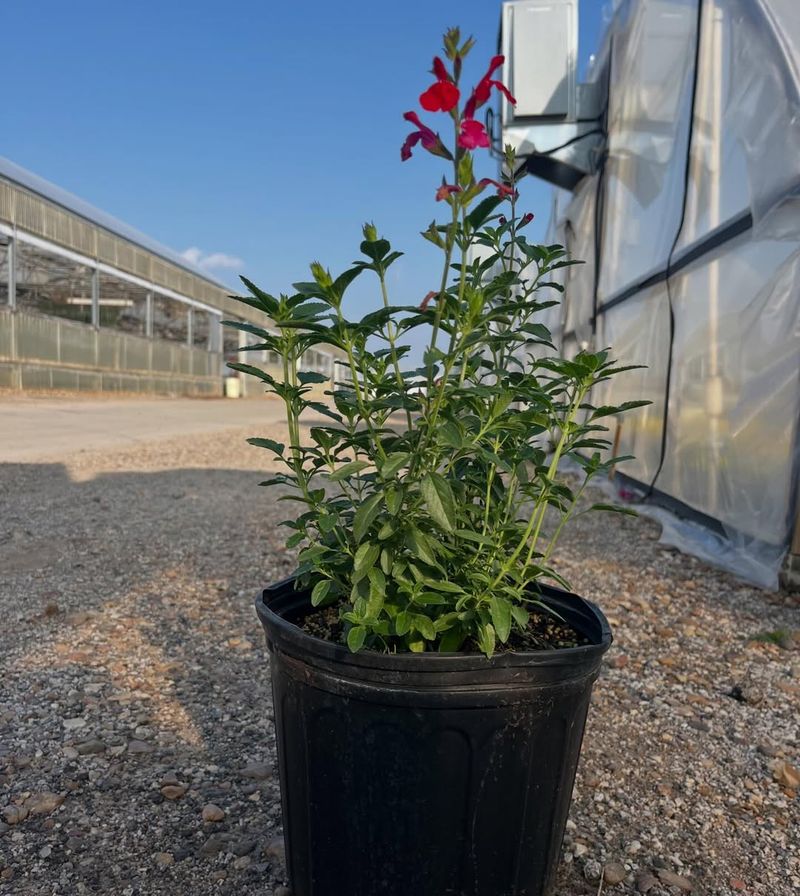
Red flower spikes that practically glow in the Georgia sun, and a plant that actually gets more comfortable as summer temperatures climb.
Scarlet Sage, or Salvia coccinea, is one of those native wildflowers that seems built specifically for the kind of heat that makes other container plants struggle by mid-July.
Hummingbirds find it irresistible. If you’ve ever wanted to watch a hummingbird hover just a few feet away while sitting on your porch, a pot of Scarlet Sage placed near a chair is one of the easiest ways to make that happen in Georgia.
A container that’s at least ten to twelve inches deep works well since the roots need some room to anchor. Well-draining potting mix is essential because this plant handles brief dry spells better than it handles waterlogged soil.
Sandy mixes with some compost strike the right balance between nutrition and drainage.
Full sun is non-negotiable. Partial shade produces leggy stems and fewer flowers, which defeats the purpose of growing it.
South or west-facing patios in Georgia are ideal placement spots. Water when the top inch of soil feels dry rather than on a rigid schedule.
Deadheading spent flower spikes keeps new blooms coming consistently through the season. Even without deadheading, plants often self-clean reasonably well.
Scarlet Sage can also reseed into nearby pots or cracks in the patio, which means you might end up with bonus plants next spring without planting a single seed yourself.
6. Purple Coneflower Grows Reliably In Larger Containers With Full Sun
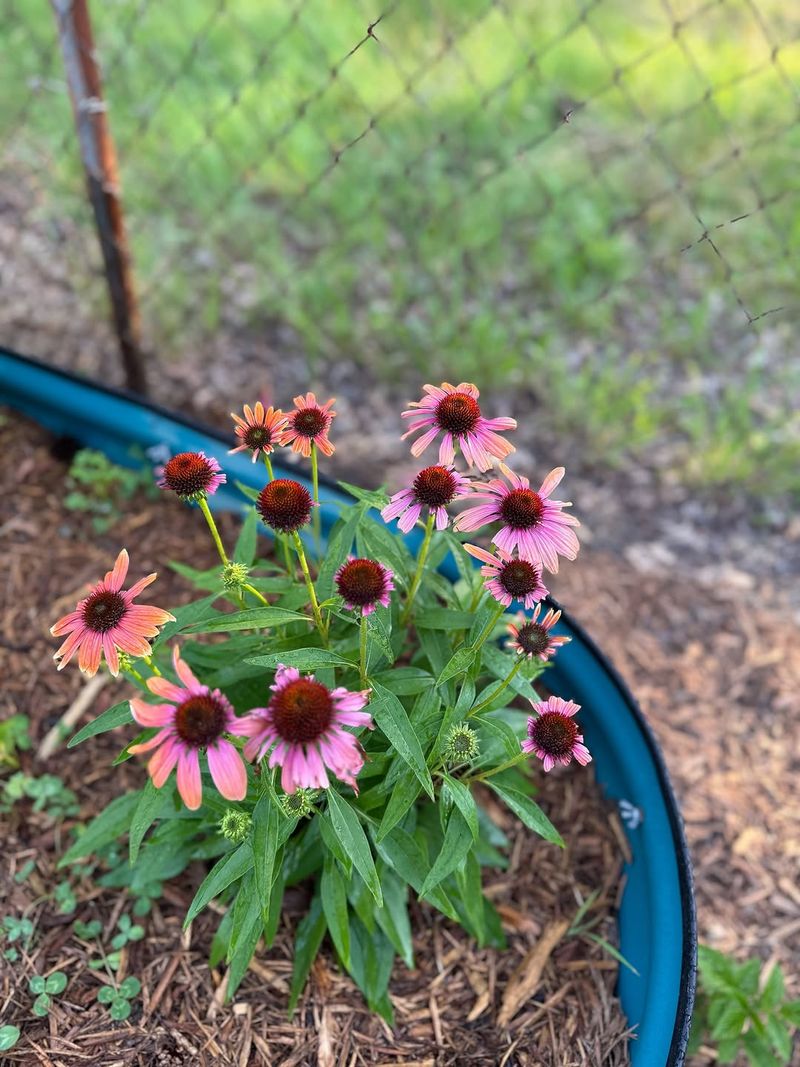
Few native plants have a reputation as solid as Purple Coneflower when it comes to surviving a Georgia summer.
Echinacea purpurea has been growing wild across this region long before anyone put it in a pot, and that deep-rooted toughness carries over into container growing when you give it the right setup.
Container size is the most important factor here. A pot that’s at least fourteen to sixteen inches wide and twelve inches deep gives the taproot enough space to develop properly.
Cramped roots lead to stressed plants, and stressed plants in a Georgia August don’t look pretty.
Full sun is where Purple Coneflower performs best. Six to eight hours of direct light daily produces the strongest stems and the most flower heads.
The blooms are a warm pink-purple with a raised orange-brown center cone, and they last for weeks rather than days before fading.
Watering should be consistent but not excessive. Once the plant is settled into its pot, it can handle short dry periods without much visible stress.
A well-draining potting mix with some coarse material mixed in prevents the root rot that comes from poor drainage in a hot, humid Georgia summer.
Goldfinches love the seed heads in late summer and fall, so leaving a few spent flowers on the plant extends its value beyond the blooming period. Fertilizing lightly once in spring is enough.
Heavy feeding pushes leafy growth over flowers, which is the opposite of what you want from this plant.
7. Black-Eyed Susan Performs Strongly In Pots Through Georgia Heat
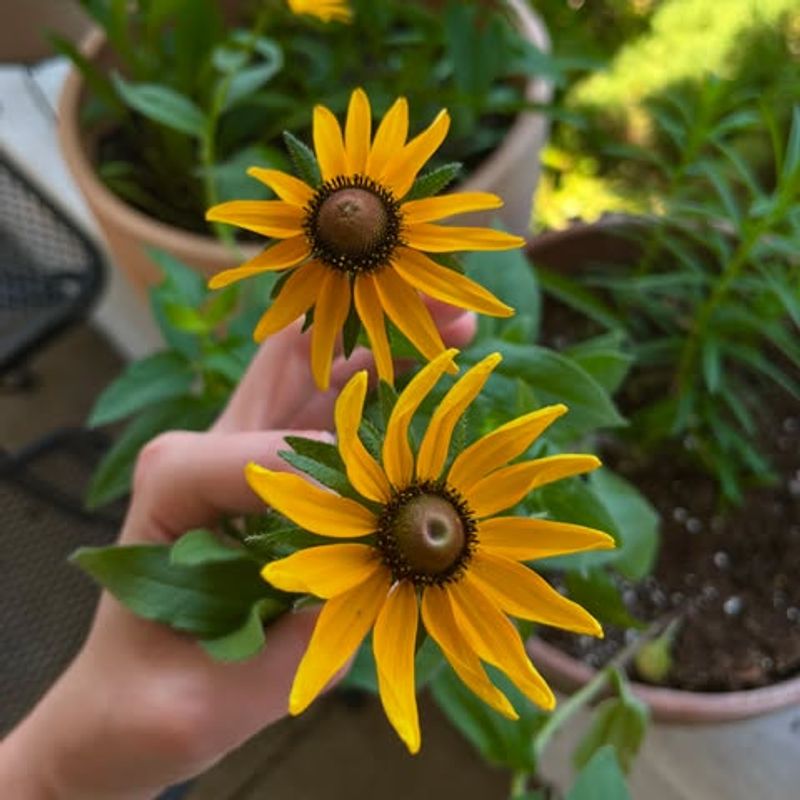
Golden yellow petals surrounding a deep brown center, blooming on a hot Georgia afternoon while everything else on the porch looks tired.
Black-Eyed Susan has a kind of stubborn cheerfulness that’s hard not to appreciate when summer temperatures are pushing past ninety degrees.
Rudbeckia hirta grows wild across roadsides and open fields throughout Georgia, which tells you a lot about what it can handle.
Transplanting that toughness into a container just requires matching the conditions it already prefers: plenty of sun, well-draining soil, and room to breathe.
Choose a pot that’s at least twelve inches wide and ten to twelve inches deep. Smaller containers dry out too quickly in Georgia’s summer heat, which stresses the plant and shortens the bloom period.
A heavier ceramic or thick-walled pot also helps regulate soil temperature better than thin plastic.
Water deeply when the top inch of soil is dry rather than giving it a light sprinkle every day. Deep, less frequent watering encourages roots to go down rather than staying shallow, which makes the plant more capable of handling hot, dry stretches without visible stress.
Blooms appear from late spring and continue well into fall with regular deadheading. Cutting spent flowers back to just above a leaf node encourages branching and more buds.
Bees and butterflies visit constantly during peak bloom, turning a simple patio pot into something that feels genuinely alive. For any Georgia gardener looking for a dependable, sun-loving native that earns its spot all season, Black-Eyed Susan is a strong answer.