7 Native Plants That Attract Eastern Bluebirds To Your Pennsylvania Garden
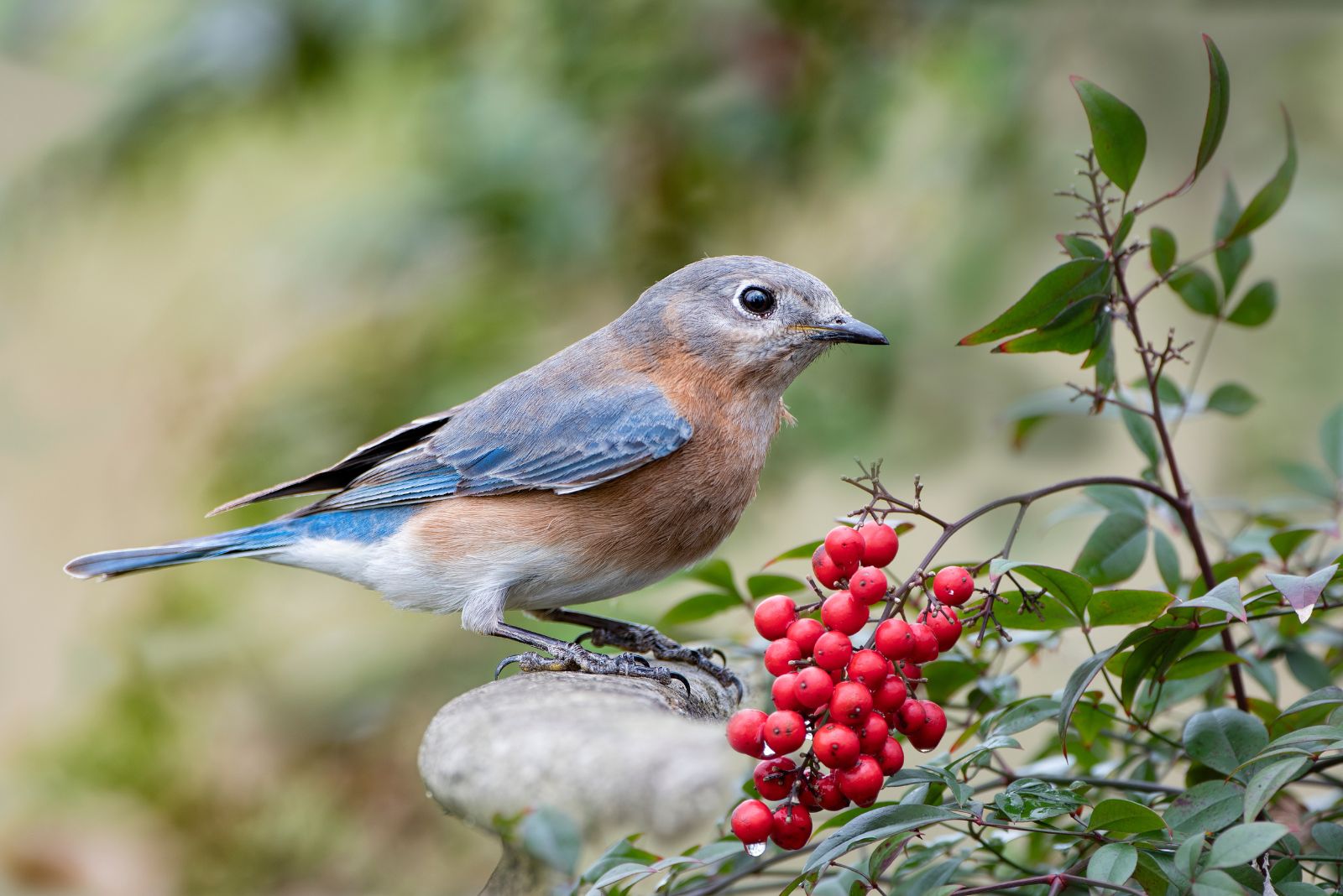
If you’ve ever spotted an Eastern Bluebird perched on a fence or flitting through your garden, you know how magical it can feel. These vibrant birds bring a splash of color and charm to any backyard, and the good news is you can make your garden a haven for them.
The secret lies in planting the right native plants that provide the food, shelter, and nesting sites bluebirds need.
Pennsylvania is home to many native plants that not only thrive in the local climate but also attract these beautiful birds. Whether it’s berries, seeds, or a safe place to nest, these plants offer everything bluebirds love.
With the right selection, your garden can become a welcoming spot for bluebirds to visit year after year.
By choosing plants that cater to their needs, you’re not just adding beauty to your space, you’re helping sustain local wildlife while making your garden a place of vibrant life.
1. Serviceberry (Amelanchier Canadensis)
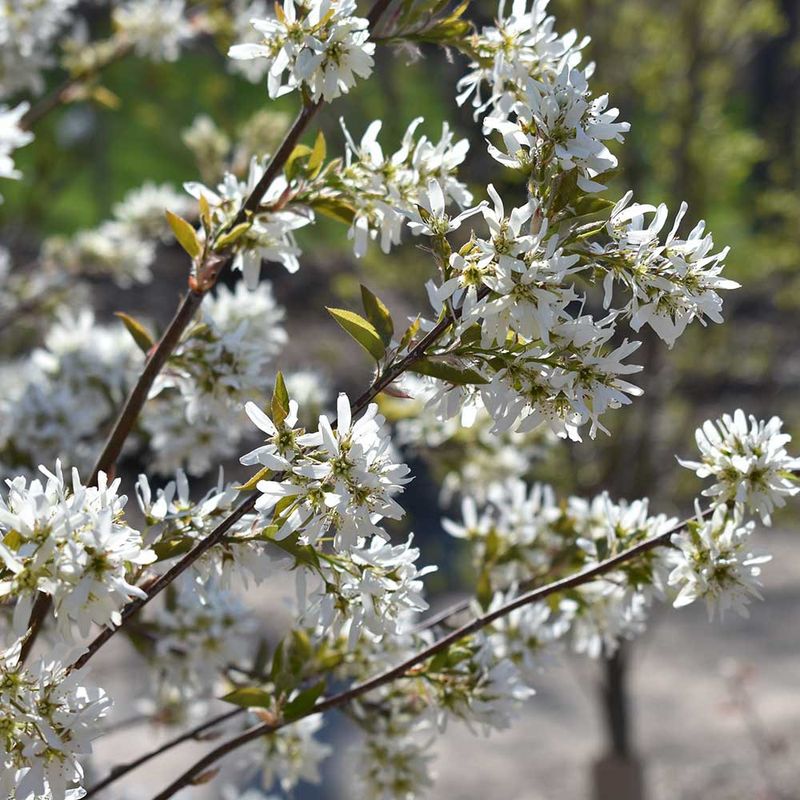
Few plants in Pennsylvania earn their place in a garden quite like the Serviceberry. Known by its scientific name Amelanchier canadensis, this native tree bursts into clouds of delicate white flowers each spring, often before most other plants have even woken up for the season.
It is one of the earliest bloomers in the region, making it a standout in any yard. When summer arrives, those flowers turn into small, round berries that ripen from red to deep purple. Eastern Bluebirds absolutely love these berries.
They are packed with natural sugars and nutrients that help birds stay strong and healthy through the nesting season. Watching a bluebird land on a serviceberry branch to grab a berry is one of the most rewarding sights a Pennsylvania gardener can experience.
Beyond food, the Serviceberry also gives bluebirds a place to rest and nest. Its branching structure provides good cover from predators.
The tree grows well in both full sun and partial shade, making it flexible for different garden layouts.
Serviceberry trees typically reach between 6 and 20 feet tall, so they work well in smaller yards without taking over the space. They also tolerate a range of soil types found throughout Pennsylvania.
Planting one near an open lawn gives bluebirds the perfect setup: a perch to hunt insects from and a berry source nearby. Add a few together for even better results.
2. American Holly (Ilex Opaca)
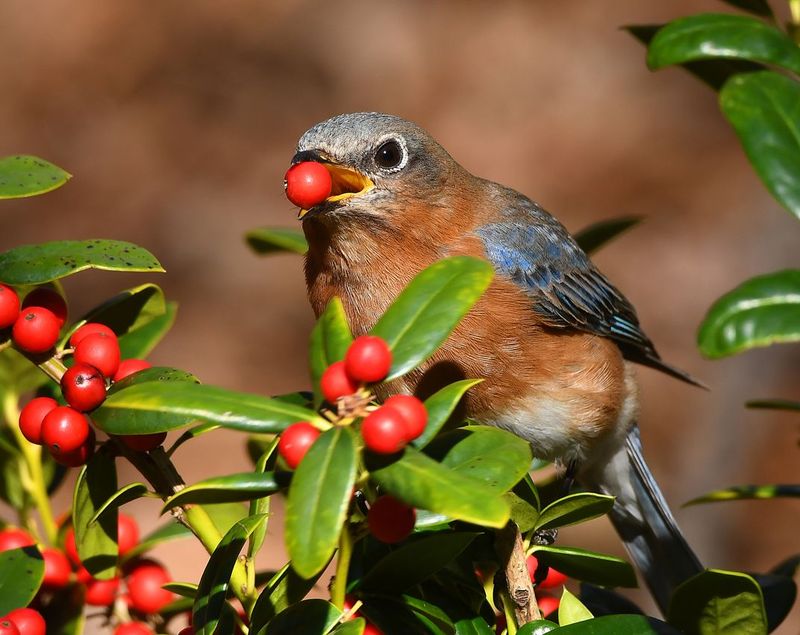
Walk through a Pennsylvania woodland in December and you might spot a flash of blue darting into a dense evergreen shrub. Chances are, that shrub is an American Holly.
This classic native tree, Ilex opaca, is one of the most reliable plants for supporting Eastern Bluebirds during the cold winter months when food becomes scarce.
American Holly holds its bright red berries well into winter, long after most other fruiting plants have been stripped bare. Bluebirds that stay in Pennsylvania through the colder months depend on these berries as a key food source.
The berries are not their first choice when other options are available, but when temperatures drop and food gets tough to find, American Holly becomes a lifesaver in the garden.
The dense, prickly evergreen branches also create excellent roosting and shelter spots. Bluebirds can tuck themselves inside the thick foliage on cold nights to stay protected from wind and predators.
This dual role as both a food source and a shelter plant makes American Holly especially valuable.
American Holly grows slowly but steadily, eventually reaching 15 to 30 feet tall in Pennsylvania landscapes. It prefers well-drained, slightly acidic soil and does best in full sun to partial shade.
Keep in mind that you need both a male and a female plant nearby for the female to produce berries. Plant them together in your yard for a full seasonal display that bluebirds will return to year after year.
3. Chokeberry (Aronia Melanocarpa)
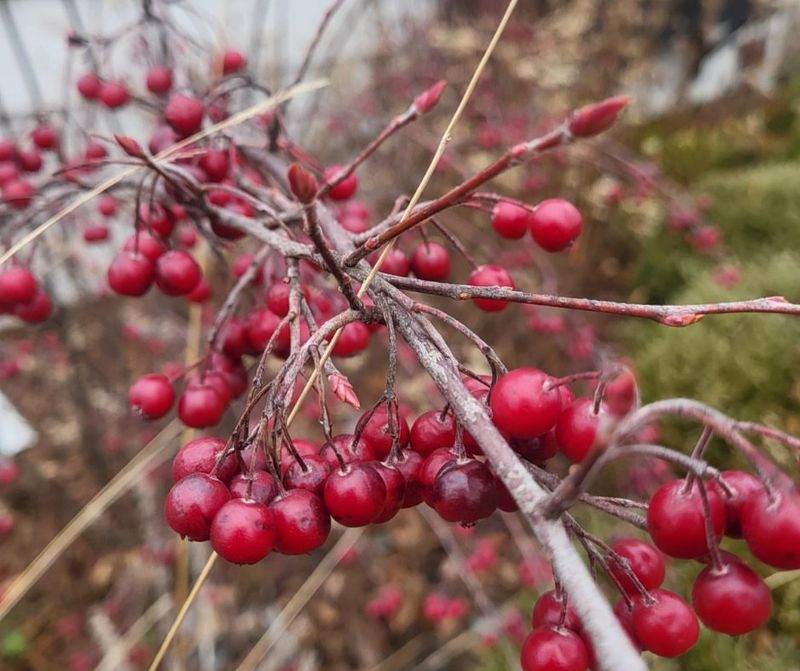
Bold, resilient, and surprisingly beautiful across all four seasons, the Black Chokeberry is a native shrub that Pennsylvania gardeners often overlook.
Aronia melanocarpa might not be the flashiest plant in the nursery, but once you understand what it does for Eastern Bluebirds and other songbirds, it quickly becomes a must-have for any wildlife-friendly garden.
Spring brings clusters of small white flowers that are charming in their own quiet way. By late summer and into fall, those flowers transform into dark purple to almost black berries that hang in heavy clusters.
Eastern Bluebirds are drawn to these berries along with robins, cedar waxwings, and other songbirds that pass through Pennsylvania during migration season. Having Chokeberry in your yard can turn your garden into a busy stop on the bird highway.
One of the best things about this shrub is how tough it is. Chokeberry tolerates wet soil, clay, and poor drainage, which can be challenging conditions in many Pennsylvania yards. It also handles drought once established, making it low-maintenance for busy gardeners.
Chokeberry grows 3 to 6 feet tall and spreads naturally through root suckers, forming dense thickets over time. These thickets provide excellent cover and nesting opportunities for bluebirds and other small birds.
The fall foliage also turns a brilliant red-orange, adding color to your yard long after the berries have been eaten. Plant several shrubs together for the best wildlife impact and a striking seasonal display throughout your Pennsylvania garden.
4. Eastern Red Cedar (Juniperus Virginiana)
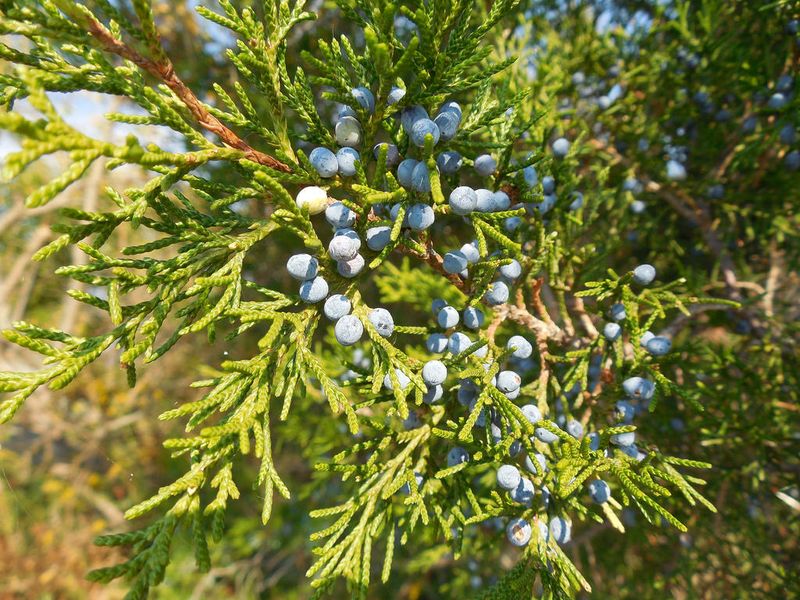
There is something almost ancient about the Eastern Red Cedar. Juniperus virginiana has been growing across Pennsylvania for thousands of years, and Eastern Bluebirds have been relying on it for just as long.
This rugged native evergreen is one of the hardest-working plants you can add to a wildlife garden, and it earns its keep every single month of the year.
The small, waxy blue berries that appear on female trees are a favorite food for bluebirds. These berries, technically called cones, ripen in late fall and persist through winter.
When other food sources run low across Pennsylvania, bluebirds flock to Eastern Red Cedars to fuel up. The berries are high in fat and carbohydrates, making them excellent cold-weather fuel for birds trying to stay warm.
Beyond food, the dense, year-round foliage of this tree creates outstanding shelter. Bluebirds use it for roosting on cold nights and as a safe hiding spot from hawks and other predators.
Pairs of bluebirds sometimes nest in nearby boxes specifically because a red cedar provides close cover for quick escapes.
Eastern Red Cedar is incredibly adaptable. It grows in poor, rocky, or sandy soils and handles drought and wind with ease.
This makes it perfect for open, sunny spots in Pennsylvania yards where other plants struggle. It can grow 40 to 50 feet tall over time, making it an excellent natural windbreak along property edges.
Plant it in groups to create a corridor of shelter that bluebirds will use as a safe travel route through your garden.
5. Spicebush (Lindera Benzoin)
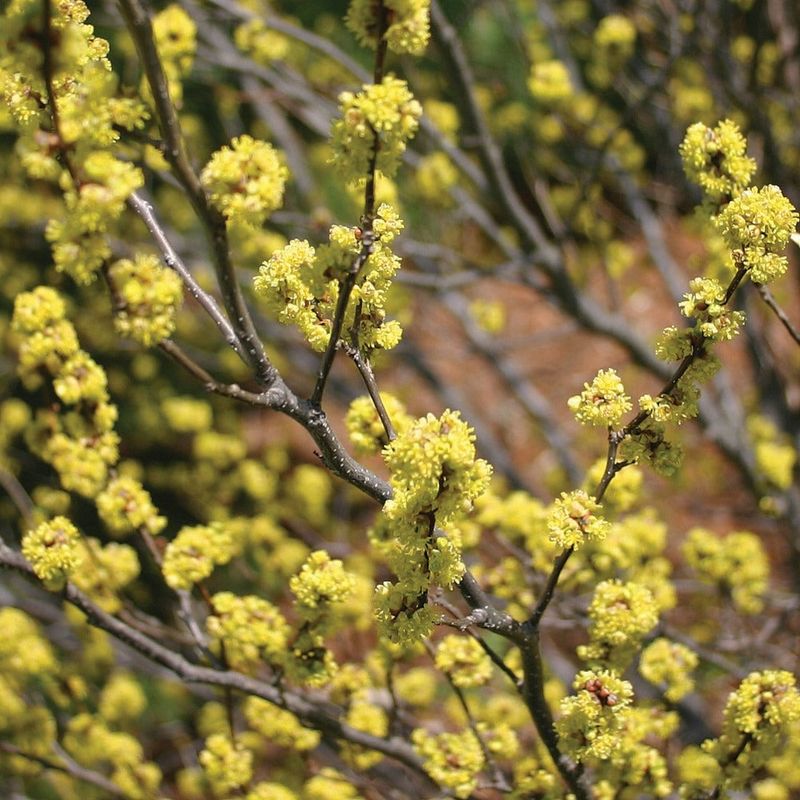
Crack open a leaf from a Spicebush and you will get a burst of spicy, citrusy fragrance that is completely unforgettable. Lindera benzoin is one of those native Pennsylvania plants that surprises people with how much wildlife it supports.
Eastern Bluebirds are among its biggest fans, and once you plant one in your yard, it is easy to see why.
In early spring, Spicebush lights up with tiny yellow flowers before its leaves even appear. These flowers attract early-season insects, which is hugely important for bluebirds that are just starting to feed their newly hatched chicks.
Protein-rich insects are essential for young birds, and Spicebush acts like a natural insect magnet right when bluebirds need it most.
Come fall, female Spicebush plants produce glossy red berries that are loaded with fat. These berries are a high-energy food that migrating and resident birds rely on to build up their reserves.
Eastern Bluebirds, along with thrushes and warblers passing through Pennsylvania, eagerly eat these berries in September and October.
Spicebush is also a host plant for the Spicebush Swallowtail butterfly, which adds even more wildlife interest to your garden. It grows 6 to 12 feet tall and does well in partial shade, making it ideal for planting under taller trees or along woodland edges.
Spicebush handles moist soil well, which is perfect for low-lying areas of Pennsylvania yards. Its dense, layered growth also creates cozy nesting cover that bluebirds and other small birds appreciate throughout the breeding season.
6. Pawpaw (Asimina Triloba)
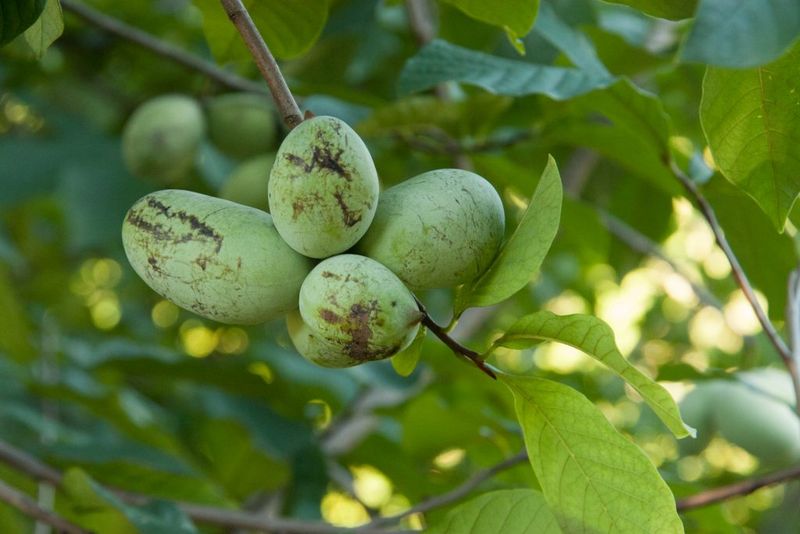
Most people are surprised to learn that a tropical-looking fruit tree is actually native to Pennsylvania.
The Pawpaw, Asimina triloba, is the largest native fruit tree in North America, and it has been growing wild along Pennsylvania riverbanks and in woodland edges for centuries.
Gardeners who add it to their yard quickly discover that it attracts a wonderful variety of wildlife, including the Eastern Bluebird.
Pawpaw produces large, custard-like fruits in late summer and early fall. While the fruit itself is mainly enjoyed by larger animals like raccoons and opossums, the insects that gather around fallen and ripening fruit are a goldmine for bluebirds.
Bluebirds are expert insect hunters, and the activity around a fruiting Pawpaw tree gives them a rich feeding ground from late July through September.
The broad, tropical-looking leaves of the Pawpaw also create dense canopy cover. Young bluebirds that have recently left the nest often seek out this kind of protective foliage to hide from predators while they learn to find food on their own.
Having a Pawpaw nearby can make a real difference for fledgling survival in a Pennsylvania garden.
Pawpaw trees grow best in partial shade with moist, well-drained soil, making them perfect for planting along stream edges or in low spots in the yard. They typically reach 15 to 25 feet tall and spread through root suckers to form groves over time.
Plant at least two different varieties to ensure good fruit production, and watch your Pennsylvania garden come alive with bird activity each fall.
7. Winterberry (Ilex Verticillata)
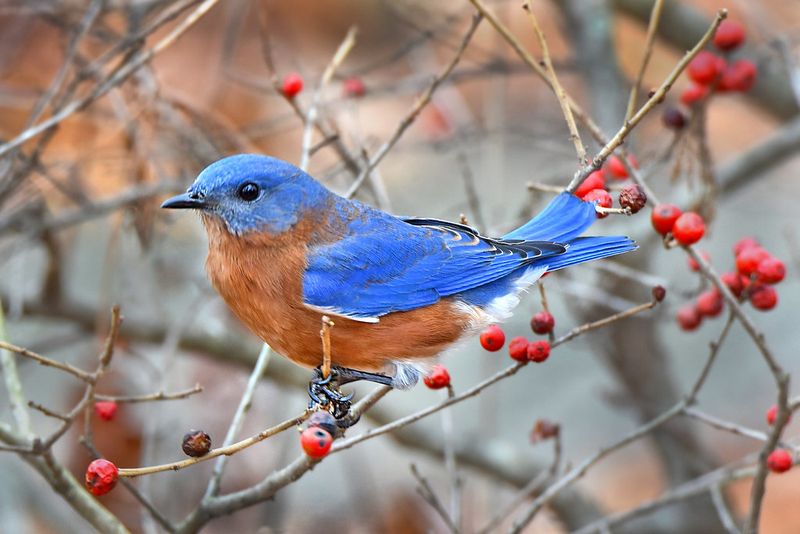
If you want one plant that stops people in their tracks during a Pennsylvania winter, Winterberry is it.
Ilex verticillata is a deciduous holly, meaning it drops its leaves in fall, leaving behind nothing but bare branches absolutely loaded with clusters of blazing red berries.
Against a backdrop of snow, it looks almost unreal. And for Eastern Bluebirds, it is a genuine lifeline when the cold season settles in.
Winterberry berries ripen in October and November and can stay on the plant well into February if birds do not eat them first. Bluebirds that overwinter in Pennsylvania depend on berry-producing shrubs like Winterberry to get through the toughest weeks of the year.
The berries are not nutritionally rich compared to some other options, but their sheer abundance and long-lasting availability make them incredibly valuable when almost nothing else is left.
Positioning matters with Winterberry. Planting it near open perches, fence posts, or other shrubs gives bluebirds a comfortable spot to survey the area before flying in to feed.
Bluebirds are cautious birds and feel safest when they can see their surroundings clearly before landing.
Winterberry grows 6 to 10 feet tall and loves wet, poorly drained soil, which makes it perfect for the boggy or low-lying corners of Pennsylvania yards that other plants avoid.
Like American Holly, you need a male plant nearby to pollinate the female and trigger berry production.
Plant one male for every three to five female plants for the best berry display and the most reliable food source for your bluebirds all winter long.