10 Native Plants That Draw Birds To Pennsylvania Yards
Pennsylvania yards have the power to become natural gathering places for birds, and native plants are the key that unlocks it.
Birds recognize these plants like old friends.
They offer familiar food, shelter, and nesting spots that birds have relied on for generations.
When native plants take root, birds tend to follow without hesitation.
Trees, shrubs, and flowers native to Pennsylvania do more than decorate a yard.
They produce seeds, berries, nectar, and insects that birds need through every season.
Unlike non native plants that may look appealing but offer little value, natives pull their weight year round.
They also provide cover from predators and protection from harsh weather, giving birds a reason to stay instead of passing through.
Planting native species is like setting the table and turning on the porch light.
Birds notice.
Soon, yards fill with movement, song, and color that make the space feel alive.
Native plants also handle Pennsylvania’s climate with less care and fewer resources, making them a smart choice for homeowners.
By choosing plants that belong, an ordinary yard can become a trusted stop in a bird’s daily routine, supporting wildlife while bringing nature closer to home.
1. Eastern Red Cedar
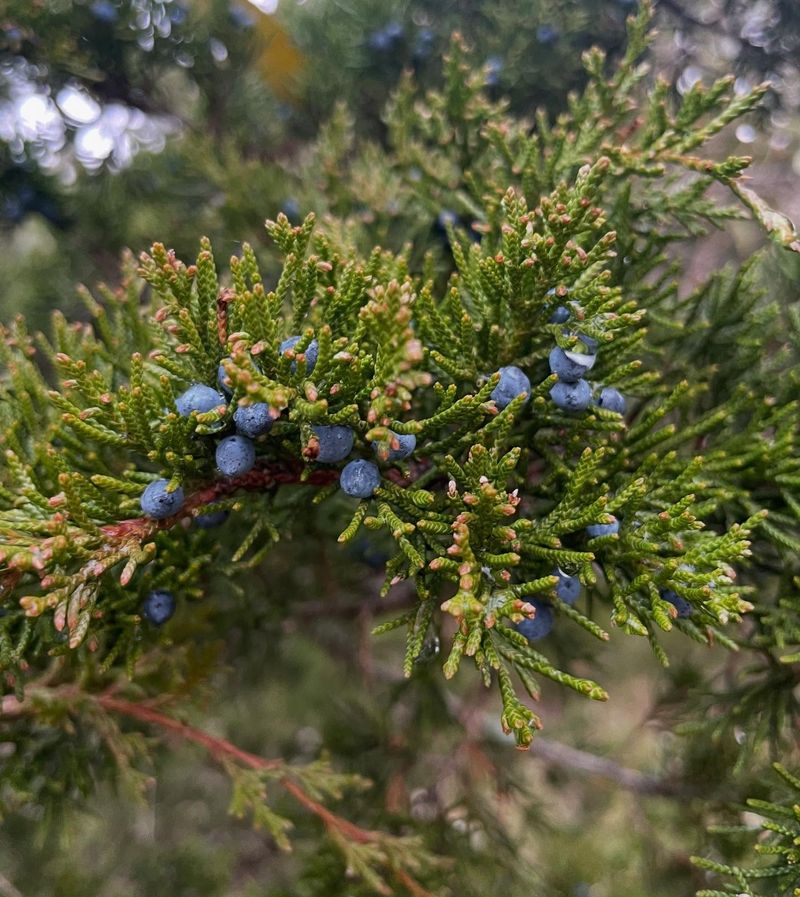
Cedar waxwings absolutely adore the blue berries that cover Eastern red cedar branches during winter months.
Pennsylvania yards with this evergreen tree become bustling feeding stations when snow blankets the ground and food becomes scarce.
The dense foliage provides excellent shelter from harsh winds and predators, making it a favorite roosting spot for robins, sparrows, and mockingbirds.
Birds often build nests deep within the protective branches where their young stay safe from weather and threats.
Eastern red cedar grows well in various Pennsylvania soil types and tolerates both sunny and partially shaded locations.
The tree reaches heights between 30 and 40 feet, creating vertical interest in your landscape while supporting wildlife.
Male and female trees grow separately, so you need both types in your neighborhood for berry production.
The aromatic wood naturally repels insects, which means healthier surroundings for nesting birds throughout spring and summer.
Plant this native conifer along property borders or as a standalone specimen tree.
Pennsylvania gardeners appreciate how it requires minimal maintenance once established, thriving through cold winters and hot summers while continuously attracting diverse bird species to your outdoor space.
2. Black Cherry
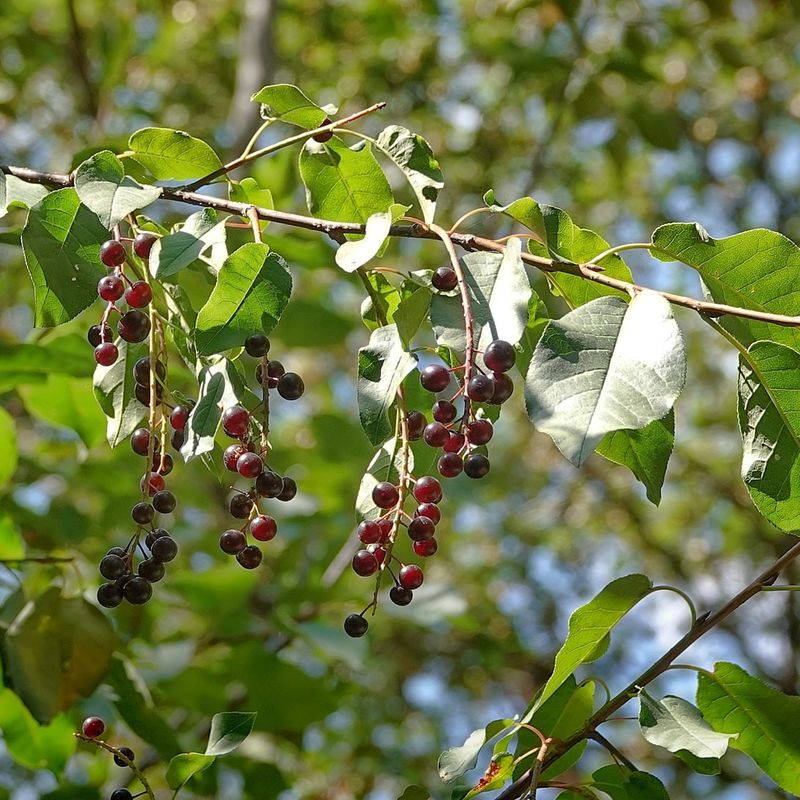
Birds flock to black cherry trees like kids to a candy store when the dark purple fruits ripen in midsummer.
Over 40 bird species munch on these nutritious cherries, including bluebirds, thrushes, and tanagers that visit Pennsylvania yards specifically for this treat.
The white flower clusters that bloom in spring attract insects, which in turn bring warblers and flycatchers hunting for protein-rich meals.
Black cherry trees create a complete feeding system that supports birds through multiple seasons.
Growing up to 80 feet tall, black cherry provides excellent nesting sites in its strong branches and rough bark.
Woodpeckers particularly enjoy pecking at the trunk for insects hiding beneath the surface.
Pennsylvania forests naturally contain black cherry, so planting one in your yard mimics the habitat birds already recognize and trust.
The tree adapts to various soil conditions but prefers well-drained locations with full sun exposure.
Young trees grow quickly, offering wildlife benefits within just a few years of planting.
The glossy leaves turn brilliant yellow and orange in autumn, adding seasonal beauty while continuing to shelter birds preparing for migration or settling in for winter months ahead.
3. Serviceberry
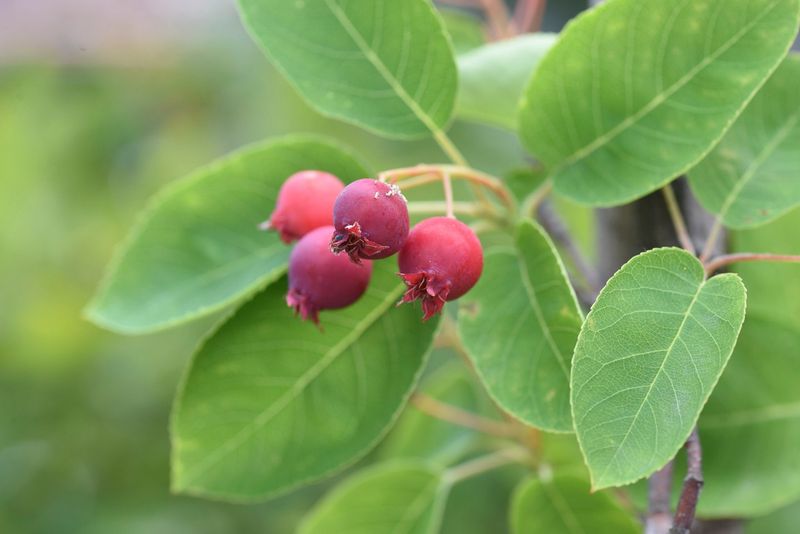
Delicate white flowers appear on serviceberry branches before most Pennsylvania trees even wake from winter dormancy.
The early spring blooms attract the first insects of the season, bringing hungry warblers and vireos to your yard when they need food most after long migrations.
By June, the branches hang heavy with purple berries that taste sweet enough for humans and birds alike.
Cedar waxwings, catbirds, and orioles compete for the ripening fruit, often stripping branches clean within days.
Serviceberry grows as either a small tree or large shrub, reaching 15 to 25 feet depending on the variety and growing conditions.
Pennsylvania gardeners love its manageable size, which fits perfectly in smaller yards while still providing substantial wildlife value.
The smooth gray bark and multiple stems create interesting visual texture throughout winter when leaves have fallen.
Birds appreciate the branching structure for perching and scanning surroundings for food or danger.
Fall foliage blazes in shades of red, orange, and yellow, making serviceberry a four-season beauty in Pennsylvania landscapes.
Plant it in full sun to partial shade with moist, well-drained soil for best results and maximum bird activity around your home.
4. Elderberry
Flat-topped clusters of creamy white flowers cover elderberry shrubs in early summer, creating landing platforms for butterflies and bees that attract flycatchers and phoebes.
Pennsylvania yards with elderberry become buzzing activity centers where birds feast on insects drawn to the fragrant blooms.
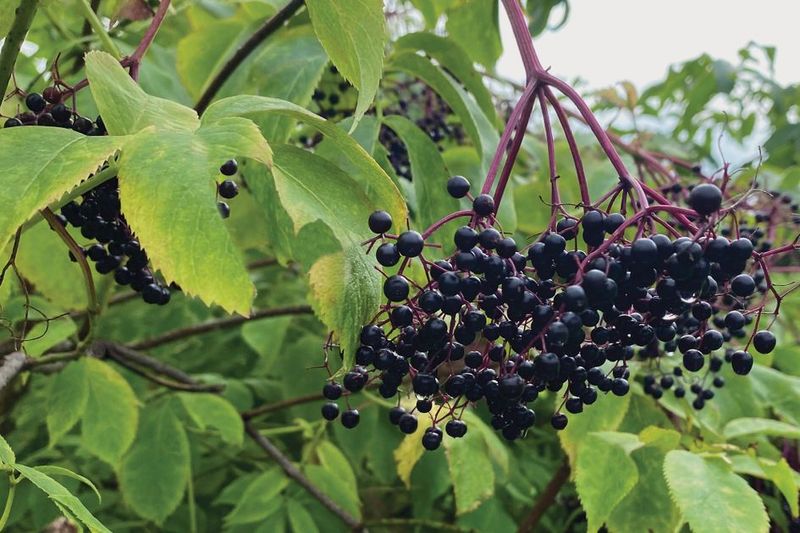
The dark purple berries that follow in late summer pack serious nutritional punch for birds preparing to migrate or fatten up for winter.
Thrushes, waxwings, and grosbeaks gorge themselves on the fruit, sometimes eating until they can barely fly.
Elderberry spreads through underground runners, forming thickets that provide dense cover for ground-feeding birds like towhees and thrashers.
The multi-stemmed growth habit creates protected spaces where birds feel safe from hawks and cats.
Growing 6 to 12 feet tall, elderberry fits well into Pennsylvania hedgerows or naturalized areas where its spreading nature becomes an asset rather than a problem.
The compound leaves add fine texture to garden compositions while supporting caterpillars that birds feed their young.
Plant elderberry in moist soil with full sun to partial shade for vigorous growth and abundant berry production.
Pennsylvania gardeners often plant several together to ensure cross-pollination and maximize the fruit crop that keeps birds visiting throughout late summer and early fall.
5. Gray Dogwood
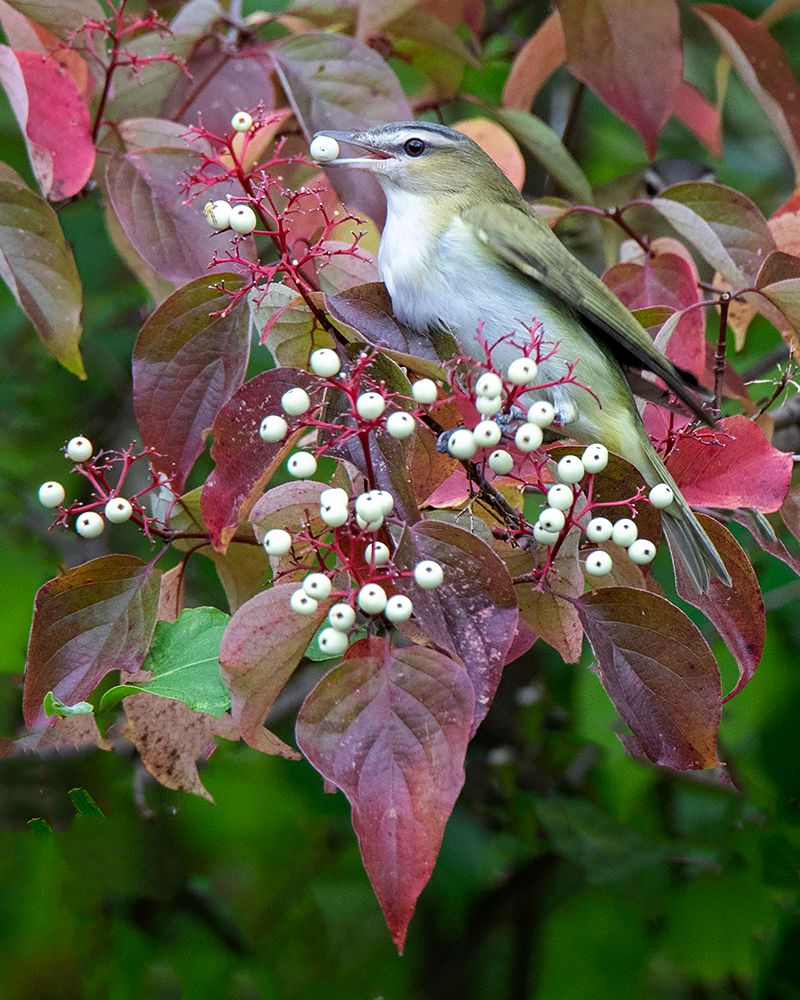
White berries perched on bright red stems make gray dogwood impossible for birds to miss during fall migration through Pennsylvania.
The color contrast acts like a neon sign advertising food, drawing in thrushes, vireos, and woodpeckers that need high-energy meals for their journeys.
Over 40 bird species rely on dogwood berries as an important food source when other options become scarce.
The fruits ripen in late summer and persist into winter, providing emergency rations during harsh Pennsylvania weather.
Gray dogwood grows in a rounded form reaching 10 to 15 feet tall and wide, creating substantial cover for birds seeking shelter.
The dense branching pattern offers excellent protection from wind and predators throughout the year.
Pennsylvania soils of almost any type support gray dogwood, including clay, sand, and rocky conditions that challenge other plants.
The shrub tolerates both wet and dry sites, making it incredibly versatile for different yard situations.
Creamy white flower clusters bloom in late spring, attracting insects that bring warblers and flycatchers hunting for protein.
The flowers develop into the white berries that become the main attraction by August.
Red stems provide winter interest after leaves drop, and birds continue using the structure for perching and shelter.
Plant gray dogwood in full sun to partial shade for best growth and maximum wildlife benefits in your Pennsylvania landscape.
6. Trumpet Vine
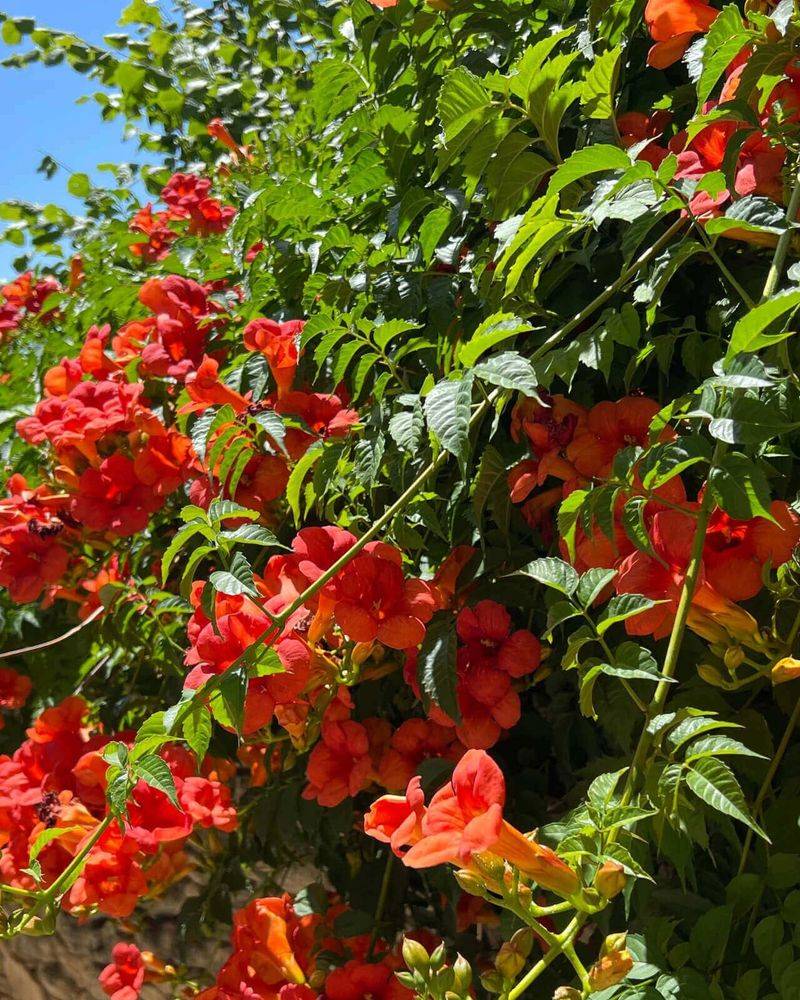
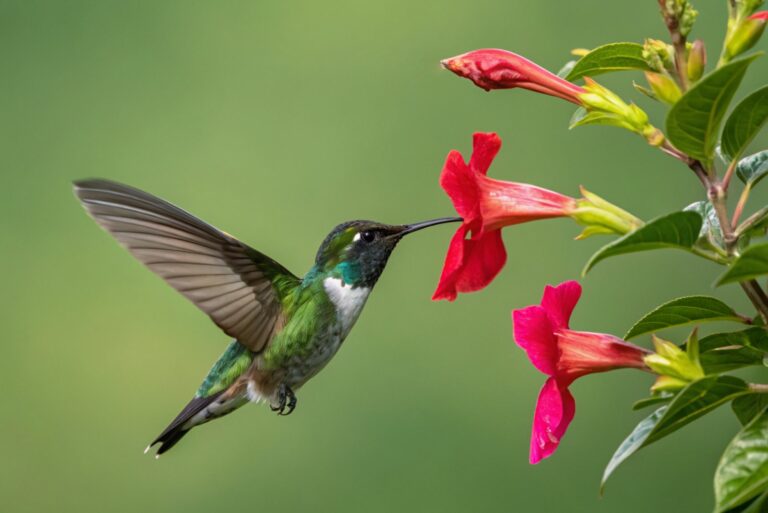
Bright orange tubular flowers practically scream for attention from hummingbirds zipping through Pennsylvania yards in summer.
Ruby-throated hummingbirds hover at each blossom, sipping nectar while their wings blur into invisibility with rapid beating.
The vigorous vine climbs fences, arbors, and trees using aerial rootlets that cling to rough surfaces.
Pennsylvania gardeners need to provide sturdy support because trumpet vine grows aggressively, sometimes reaching 30 feet or more in a single season.
Flowers bloom continuously from June through September, providing reliable nectar when hummingbirds need it most for breeding and preparing for migration.
Each blossom produces abundant nectar that refuels these tiny birds between feeding sessions.
Orioles also visit trumpet vine flowers, using their specialized beaks to reach the sweet liquid inside.
The large leaves provide perching spots where birds rest between feeding bouts or watch for territorial intruders.
Plant trumpet vine in full sun with well-drained soil, but be prepared to prune regularly to control its enthusiastic growth.
Pennsylvania yards with limited space might find it overwhelming, so consider your available area carefully before planting.
The vine attracts sphinx moths at dusk, which in turn bring nighthawks and other insect-eating birds to your property.
Trumpet vine creates a complete ecosystem that supports various wildlife throughout the growing season in Pennsylvania gardens.
7. Winterberry Holly
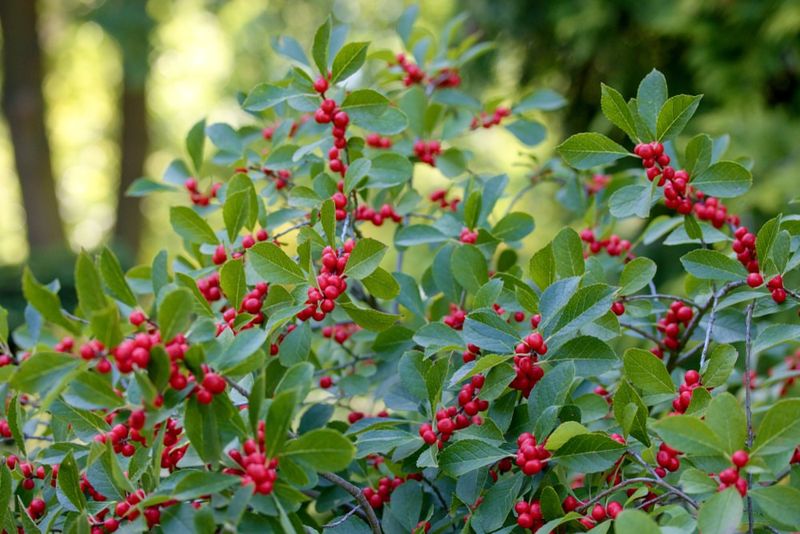
Brilliant red berries light up Pennsylvania yards like holiday decorations when winterberry holly reaches peak display in late fall.
The berries persist through winter, providing critical food when snow covers the ground and birds struggle to find meals.
Robins form large flocks around winterberry shrubs during cold months, sometimes defending productive plants from other birds.
Cedar waxwings also arrive in groups, stripping berries quickly when they discover a loaded shrub.
Female plants produce the showy berries, but you need a male winterberry nearby for pollination and fruit set.
Pennsylvania gardeners typically plant one male for every five females to ensure good berry production across their landscape.
The deciduous holly loses its leaves in autumn, which makes the red berries even more visible against bare branches.
Birds can spot the food source from great distances, bringing visitors from throughout your neighborhood.
Winterberry grows 6 to 10 feet tall in Pennsylvania yards, fitting well into mixed borders or naturalized areas.
The shrub prefers moist, acidic soil and tolerates wet conditions that would rot other plants.
Plant winterberry in full sun to partial shade for best berry production and vibrant color.
The summer foliage stays dark green and healthy, but the real show begins after frost when berries glow like jewels against winter’s gray backdrop in Pennsylvania gardens.
8. Wild Bergamot
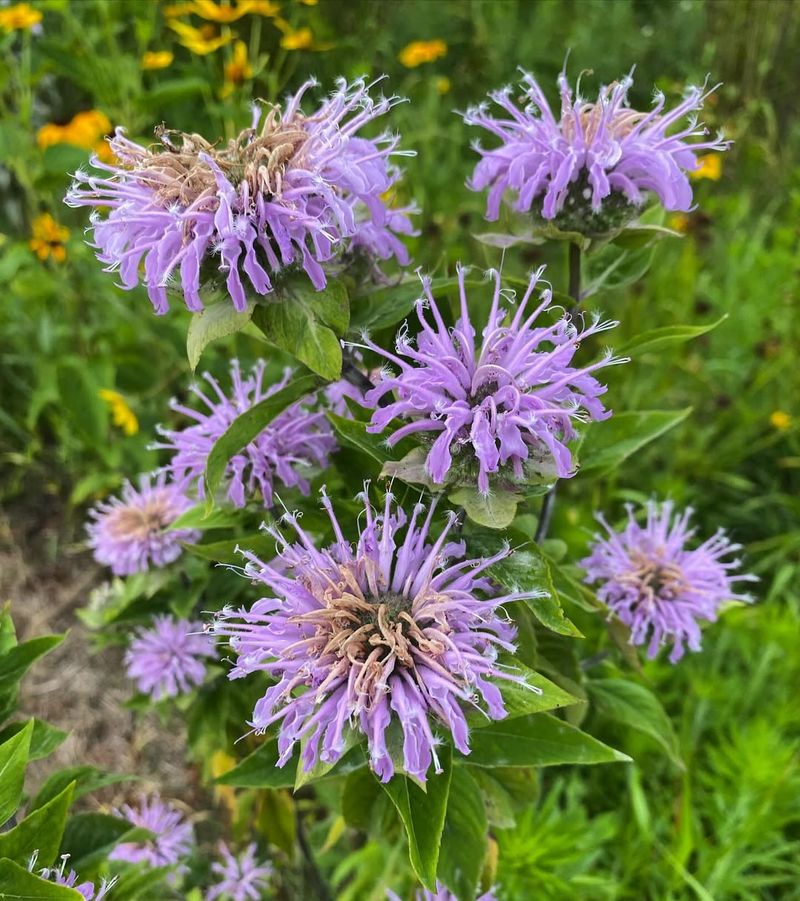
Lavender purple flowers crown wild bergamot stems from June through August, creating nectar stations for bees and butterflies that attract insect-eating birds.
Pennsylvania goldfinches visit the plants repeatedly, plucking seeds from dried flower heads long after blooms fade.
The square stems and aromatic leaves identify wild bergamot as a mint family member with a pleasant fragrance that fills summer air.
Birds often perch on nearby branches, waiting for insects to visit the flowers so they can swoop in for easy meals.
Growing 2 to 4 feet tall, wild bergamot forms clumps that expand gradually without becoming invasive in Pennsylvania gardens.
The upright growth habit creates vertical interest in perennial borders while supporting wildlife throughout the growing season.
Seed heads remain standing through winter, providing food for sparrows, juncos, and other small birds that appreciate the nutritious seeds.
Pennsylvania gardeners who leave spent flower stalks standing offer extended feeding opportunities when natural food sources become limited.
Plant wild bergamot in full sun with well-drained soil for vigorous growth and abundant flowering.
The plant tolerates drought once established, making it perfect for low-maintenance Pennsylvania landscapes that still support birds.
Native Americans used wild bergamot for tea and medicine, and its wildlife value makes it doubly useful in modern yards.
The flowers attract hummingbirds occasionally, though they prefer the nectar from red tubular blooms over purple ones.
9. Spicebush
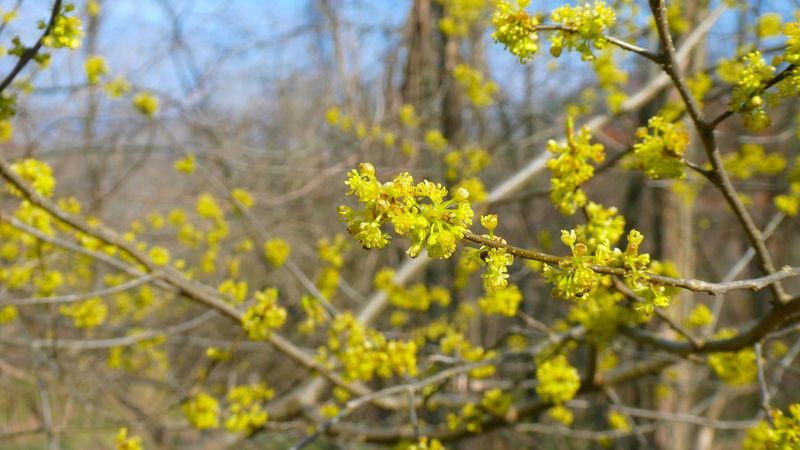
Tiny yellow flowers dot spicebush branches in early spring before leaves emerge, providing nectar for the first butterflies and bees of the season.
Pennsylvania warblers arrive during spicebush bloom time, feeding on insects attracted to the flowers as they refuel during migration.
Bright red berries ripen in late summer on female plants, offering high-fat food that thrushes, vireos, and flycatchers need for long journeys south.
The berries contain more fat than most wild fruits, making them especially valuable for building energy reserves.
Spicebush grows as a rounded shrub reaching 6 to 12 feet tall in Pennsylvania woodlands and shaded yards.
The plant naturally occurs in moist forests, so it thrives in similar conditions around homes with mature trees and dappled sunlight.
Crushing the leaves or twigs releases a spicy fragrance that gives the plant its common name.
Birds seem unbothered by the scent, readily eating berries while perched among the aromatic branches.
Yellow fall color brightens shaded Pennsylvania gardens where few other plants provide autumn interest.
The leaves glow like sunshine even on cloudy days, creating warm spots in the landscape.
Spicebush swallowtail butterflies lay eggs exclusively on this plant, and the resulting caterpillars attract warblers and other insectivores.
Plant spicebush in partial to full shade with moist, well-drained soil for best results supporting Pennsylvania birds and butterflies together.
10. New York Ironweed
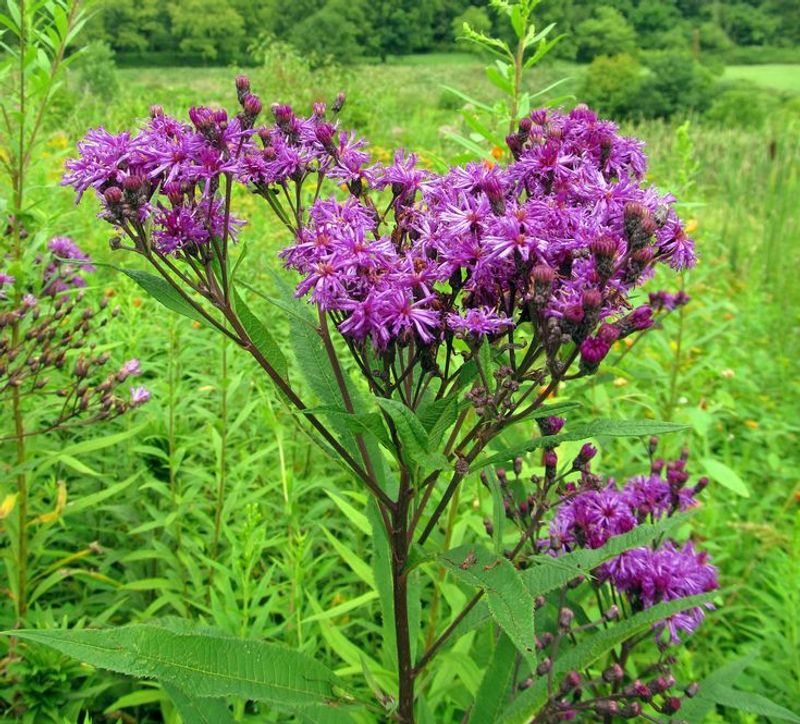
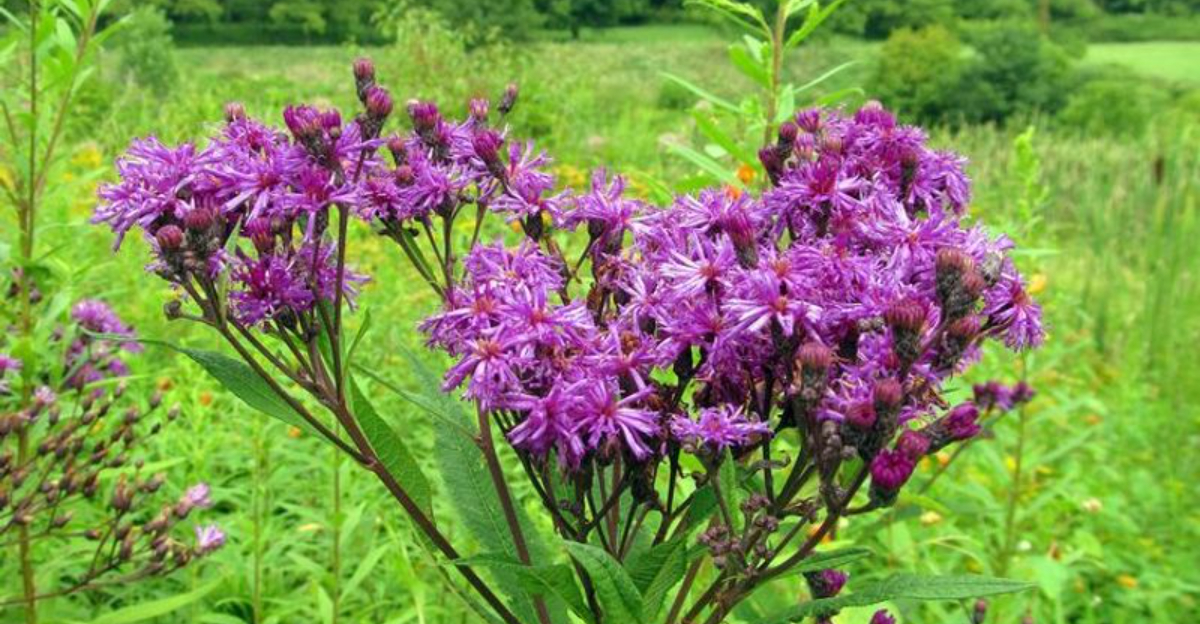
Deep purple flower clusters top ironweed stems in late summer, creating bold color when many Pennsylvania gardens start looking tired.
The flowers attract butterflies and bees that bring flycatchers, phoebes, and warblers hunting for insect meals around your property.
Goldfinches become regular visitors once ironweed flowers fade and fluffy seed heads develop.
The tiny seeds provide nutritious food that finches extract with their specialized beaks designed for cracking small seeds.
Growing 4 to 7 feet tall, New York ironweed makes a dramatic statement in Pennsylvania perennial borders and meadow gardens.
The sturdy stems resist wind and weather, standing strong through autumn storms that flatten weaker plants.
The plant tolerates clay soil and wet conditions that challenge many other perennials, making it perfect for Pennsylvania yards with drainage issues.
Ironweed actually prefers moist soil and can handle temporary flooding without suffering damage.
Seed heads persist through winter, continuing to feed birds when snow covers the ground and food becomes scarce.
Pennsylvania sparrows, juncos, and other small birds appreciate plants left standing rather than cut back in fall cleanup.
Plant New York ironweed in full sun to partial shade with average to moist soil.
The deep taproot makes established plants drought-tolerant despite their preference for moisture, and the root system helps prevent erosion on slopes while supporting birds throughout multiple seasons in Pennsylvania landscapes.