10 Native Plants That Draw Local Birds To Ohio Backyards
Ohio backyards can turn into busy bird hubs when the right plants are in place.
Local birds know a good thing when they see it, and native plants speak their language.
These plants have shared the landscape with Ohio wildlife for generations, making them trusted sources of food, shelter, and nesting spots.
When they show up in a yard, birds tend to follow.
Native trees, shrubs, and flowers pull more weight than flashy imports.
They produce seeds, berries, and insects that birds rely on through changing seasons.
From early spring to winter, these plants keep something on the menu.
They also offer cover from predators and harsh weather, giving birds a reason to stick around instead of just passing through.
Planting natives is like rolling out the welcome mat.
Once birds find a yard that meets their needs, they remember it.
Song fills the air, colors pop against the landscape, and the yard feels alive.
Native plants also handle Ohio’s climate with less fuss, saving time and effort for homeowners.
With smart choices, an ordinary yard can become a familiar stop on a bird’s daily route, proving that working with nature often brings the best results.
1. Eastern Red Cedar
Year-round shelter matters more than most people realize when it comes to attracting birds to Ohio yards.
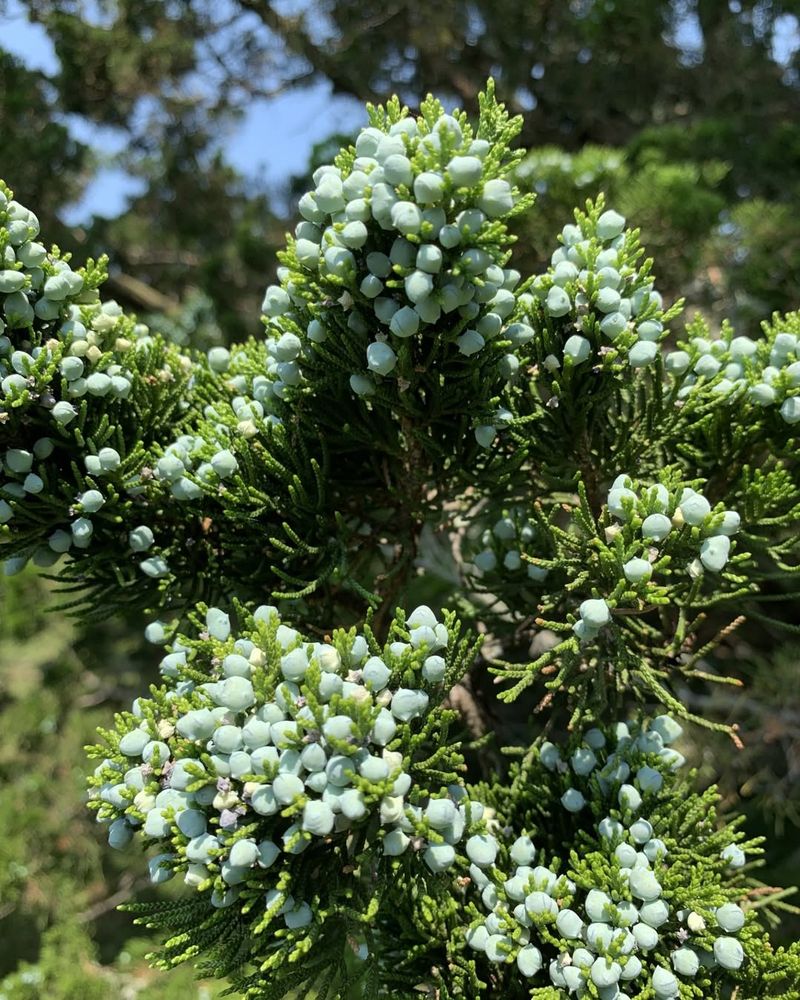
Eastern red cedar provides dense evergreen branches that protect robins, waxwings, and sparrows from harsh winter winds and summer heat.
The bluish berries that appear on female trees become a critical food source during cold months when other options disappear.
Cedar waxwings especially love these berries, often arriving in flocks to feast on the abundant fruit.
This tough native tree adapts to various soil types across Ohio and tolerates drought once established, making it a low-maintenance choice for any backyard.
Birds also use the thick foliage for nesting sites, building secure homes hidden from predators.
Juncos, mockingbirds, and finches frequently visit eastern red cedars throughout the year.
The tree grows at a moderate pace and can be pruned to fit smaller spaces or left to reach its full height of 40 feet.
Planting one in your Ohio yard creates an evergreen anchor that draws birds during every season, especially when snow covers the ground and food becomes scarce.
Its aromatic wood and attractive form add beauty while serving as a wildlife magnet for your backyard habitat.
2. Black-Eyed Susan
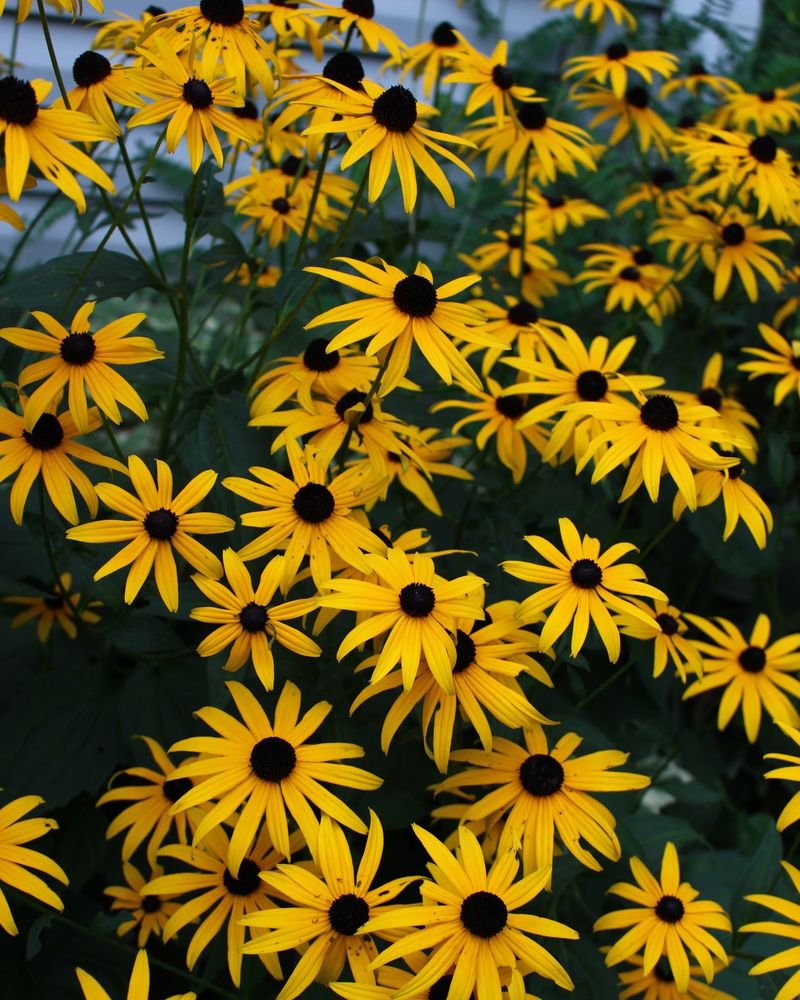
Goldfinches flutter down to gardens filled with these cheerful yellow blooms, eagerly seeking the nutritious seeds hidden in those dark centers.
Black-eyed Susans bloom from June through September across Ohio, providing a long season of color and food for birds.
Once the flowers fade, leave the seed heads standing instead of cutting them back.
Finches, sparrows, and chickadees will perch on the dried stems, extracting every last seed throughout autumn and winter.
This native wildflower thrives in full sun and tolerates Ohio’s clay soils without much fuss.
It spreads naturally through self-seeding, creating larger patches that attract even more birds over time.
The bright blooms also draw butterflies and bees, which in turn provide additional food sources for insect-eating birds.
Black-eyed Susans require minimal watering once established and come back reliably year after year.
Planting them in clusters rather than single specimens creates a more appealing buffet for visiting birds.
Ohio gardeners appreciate how these flowers add vibrant color while doing double duty as a natural bird feeder.
Their cheerful appearance and wildlife benefits make them a perfect addition to any backyard hoping to welcome more feathered visitors throughout the growing season.
3. Serviceberry
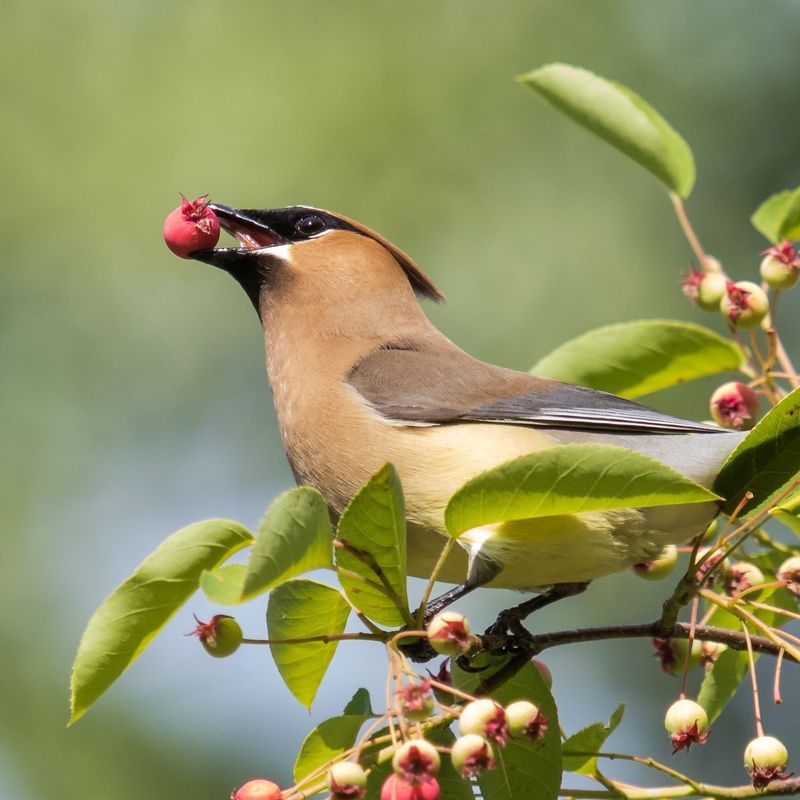
Few native plants offer as much to Ohio birds as the serviceberry, which produces sweet fruits that ripen just when baby birds need extra nutrition.
Robins, catbirds, and bluebirds compete for the dark purple berries that appear in early summer.
The fruit ripens quickly, often disappearing within days as hungry birds strip the branches clean.
Before the berries arrive, serviceberry displays clouds of white flowers in early spring, providing nectar for early-season insects that birds feed to their nestlings.
This small tree or large shrub fits comfortably in most Ohio yards, reaching heights of 15 to 25 feet.
Its multi-season interest includes beautiful fall foliage in shades of yellow, orange, and red.
Serviceberry adapts to both sun and partial shade, making it versatile for different garden locations.
The branching structure provides excellent nesting sites for smaller songbirds.
Cedar waxwings, orioles, and thrushes also visit serviceberry trees regularly during berry season.
Planting this native creates a focal point in your landscape while serving as a natural grocery store for birds.
Ohio gardeners love that serviceberries require little maintenance and thrive in typical Midwestern conditions without special care or fertilizers.
4. Purple Coneflower
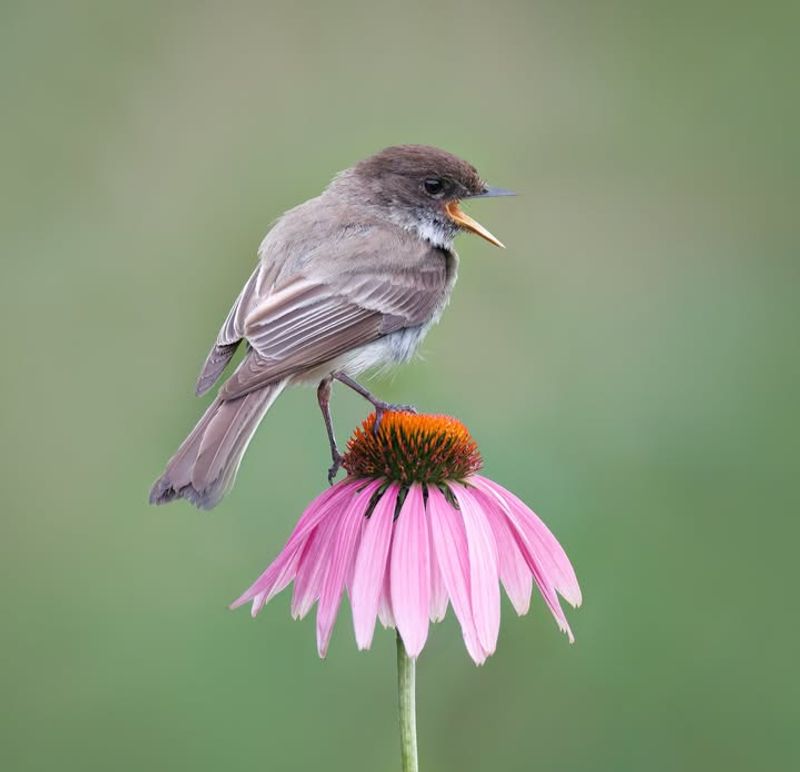
Goldfinches perform acrobatic displays as they cling to the spiky seed heads of purple coneflowers, extracting seeds with impressive skill.
This iconic prairie native blooms from July through September, covering Ohio gardens with pink-purple flowers that pollinators adore.
When the petals drop, the raised cone centers become prime feeding stations for finches, sparrows, and juncos.
Leaving these seed heads intact through winter provides crucial food during months when natural sources become limited.
Purple coneflower tolerates drought, heat, and poor soil, making it one of the easiest natives to grow in Ohio backyards.
It spreads gradually through self-seeding but never becomes invasive or overwhelming.
The sturdy stems hold up well under snow, keeping seeds accessible to birds even during harsh weather.
Chickadees and nuthatches also visit coneflowers, often hanging upside down while foraging for seeds.
This perennial comes back stronger each year, forming larger clumps that produce more flowers and seeds.
Ohio gardeners appreciate how purple coneflowers add height and color to borders while supporting local bird populations.
Planting them in sunny spots with good drainage ensures years of reliable blooms and bountiful seeds that keep your backyard birds well-fed and happy throughout changing seasons.
5. Oak Trees
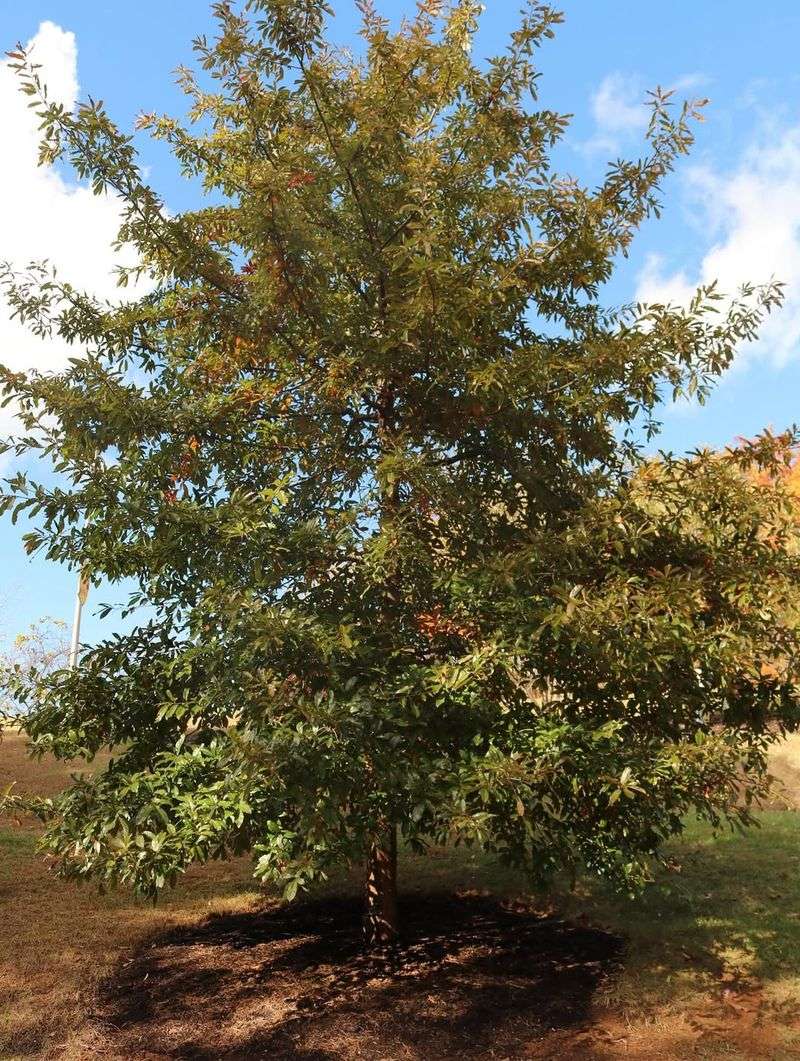
Acorns represent one of nature’s most important food sources for Ohio wildlife, and oak trees produce them in abundance during good years.
Blue jays, woodpeckers, and nuthatches rely heavily on acorns, often caching them in bark crevices for later consumption.
Beyond the nuts, oak trees support hundreds of caterpillar species that birds need for feeding their young.
Warblers, tanagers, and vireos hunt through oak branches during spring migration, finding protein-rich insects among the leaves.
Ohio has several native oak species, including white oak, red oak, and pin oak, all of which benefit local birds.
These majestic trees take time to mature but provide decades of habitat and food once established.
The thick bark harbors insects that woodpeckers excavate, creating cavities that other birds later use for nesting.
Titmice, chickadees, and brown creepers search oak trunks for hidden insects year-round.
Oaks also offer sturdy branches where birds build nests and find shelter from predators.
Planting an oak tree in your Ohio yard represents an investment in future generations of birds.
While they grow slowly, their eventual size and ecological value make them irreplaceable components of any bird-friendly landscape, supporting more wildlife than almost any other native tree species.
6. Wild Bergamot
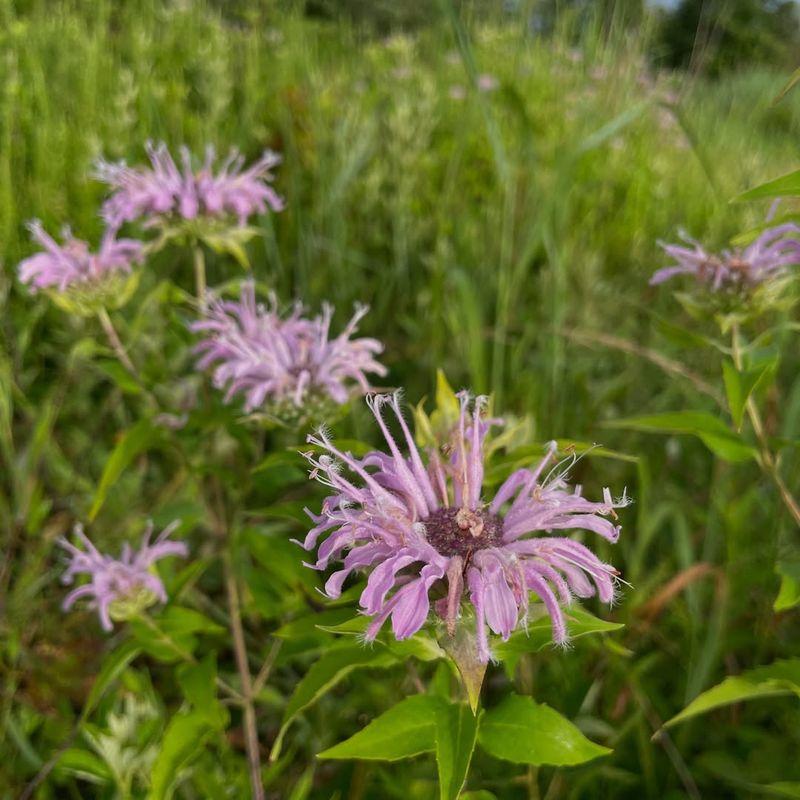
Hummingbirds zip through Ohio gardens from May through September, and wild bergamot ranks among their favorite native nectar sources.
The tubular lavender-pink flowers bloom throughout summer, providing consistent fuel for these tiny, energetic birds.
Ruby-throated hummingbirds visit wild bergamot repeatedly throughout the day, hovering skillfully while sipping nectar.
After flowering ends, the seed heads attract finches and sparrows that pick through them for small seeds.
This member of the mint family spreads through underground runners, forming attractive patches that increase your garden’s appeal to birds.
Wild bergamot tolerates Ohio’s variable weather, including periods of drought and humidity.
It grows well in full sun to partial shade and adapts to different soil types.
The aromatic foliage releases a pleasant scent when brushed, adding sensory interest to your landscape.
Butterflies and bees also flock to wild bergamot, creating a lively scene that supports the entire food web.
Insect-eating birds like phoebes and kingbirds hunt near bergamot patches, catching the abundant pollinators.
Ohio gardeners find this native perennial easy to grow and delightful to watch as hummingbirds dance among the blooms, making it an essential addition to any backyard aiming to attract diverse bird species throughout the warm months.
7. Elderberry
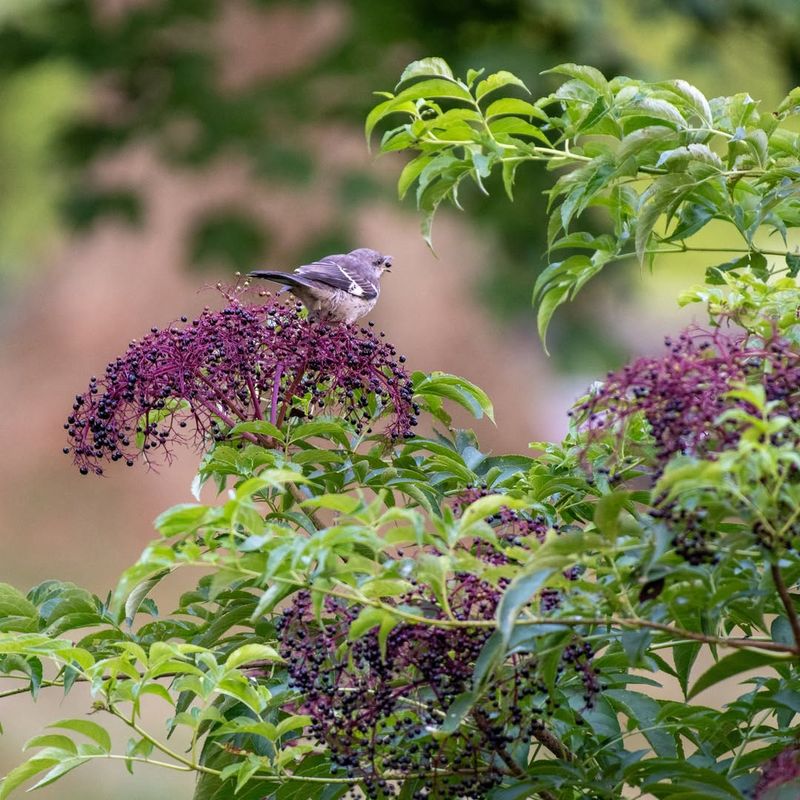
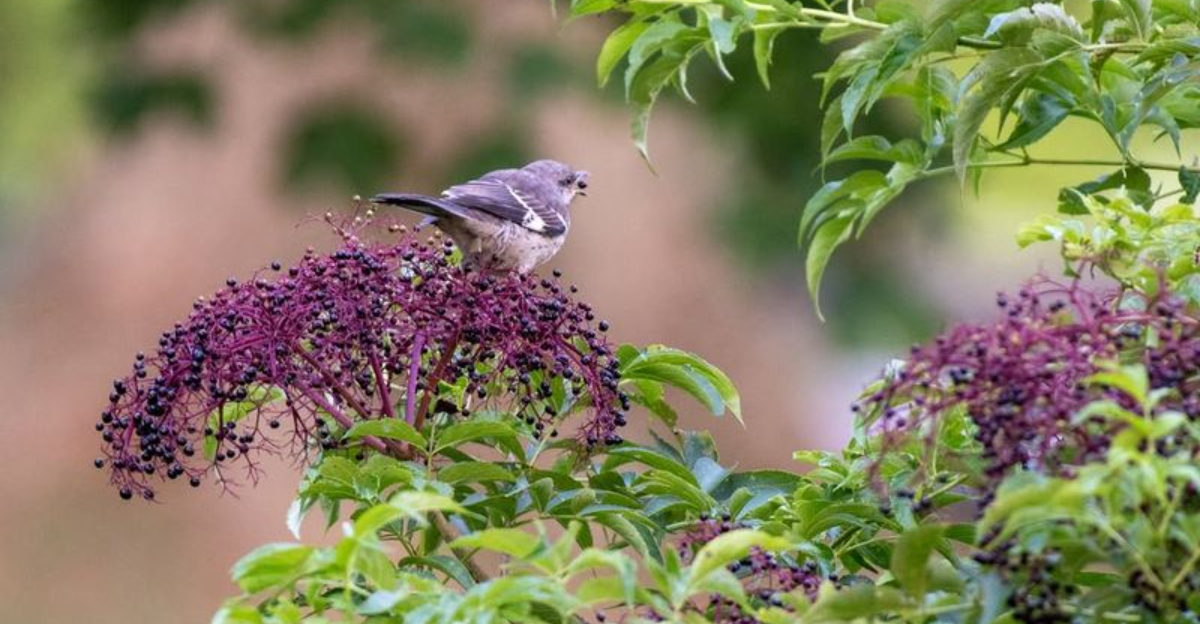
More than 45 bird species feast on elderberries, making this native shrub one of the most valuable plants for Ohio wildlife.
The clusters of dark purple-black berries ripen in late summer, providing essential nutrition during migration season.
Catbirds, thrushes, and vireos strip the branches quickly, often finishing entire clusters in a single feeding session.
Before the berries appear, elderberry produces large flat-topped clusters of creamy white flowers that attract insects.
These insects become food for warblers and flycatchers hunting through the foliage.
Elderberry grows rapidly in Ohio’s moist soils, reaching heights of 8 to 12 feet within a few years.
It tolerates wet areas where other shrubs struggle, making it perfect for low spots in your yard.
The compound leaves provide dense cover where birds hide from predators and escape hot afternoon sun.
Planting multiple elderberry shrubs increases berry production and creates better habitat.
Robins, woodpeckers, and grosbecks also visit elderberries regularly during fruiting season.
Ohio gardeners appreciate how quickly this native establishes and begins producing fruit.
Its fast growth and generous berry crops make elderberry an excellent choice for anyone wanting immediate results in attracting birds to their backyard landscape.
8. New England Aster
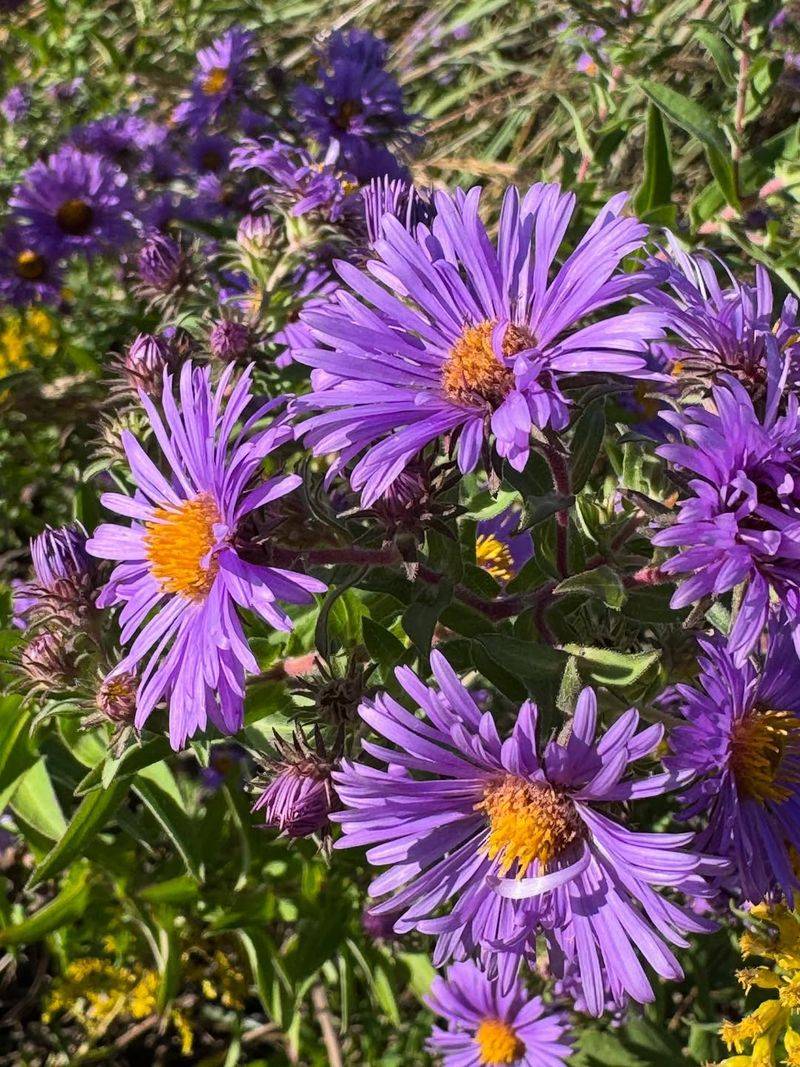
Late-season color becomes scarce in Ohio gardens, but New England aster explodes with purple blooms just when most other flowers fade.
These September and October flowers provide critical nectar for migrating hummingbirds and butterflies.
Once the blooms finish, the seed heads attract goldfinches, sparrows, and juncos throughout autumn and winter.
Birds appreciate having food sources available during migration when they need extra energy for their long journeys.
New England aster grows 3 to 6 feet tall, creating vertical interest in borders and naturalized areas.
It thrives in Ohio’s full sun and moist soils, though it tolerates some drought once established.
The bushy growth habit provides shelter for small birds seeking protection from hawks and other predators.
Chickadees and titmice often forage among aster stems, searching for insects hiding in the foliage.
This native perennial spreads slowly through rhizomes, forming larger clumps that produce more flowers each year.
Cutting plants back by half in early June encourages bushier growth and prevents them from flopping over.
Ohio gardeners value New England aster for extending the season of interest in their yards while supporting birds during critical migration periods when natural food sources become increasingly scarce across the landscape.
9. Gray Dogwood
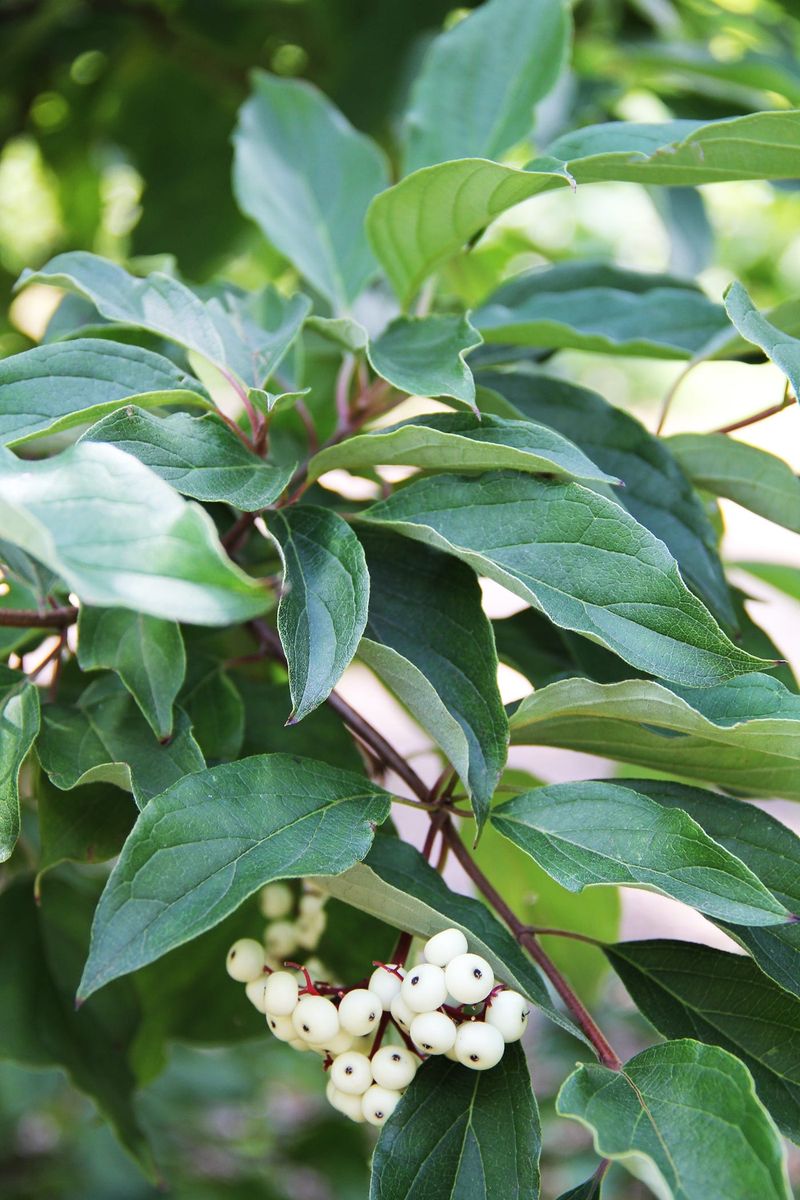
White berries stand out against red stems in autumn, creating a striking display that catches the attention of migrating birds passing through Ohio.
Gray dogwood produces these berries in late summer and fall, perfectly timed for birds preparing for migration or winter.
More than 40 bird species eat dogwood berries, including bluebirds, catbirds, and thrashers.
The berries have high fat content, providing the calories birds need for long flights or surviving cold weather.
This native shrub grows 6 to 10 feet tall and spreads through underground runners, forming thickets that offer excellent nesting habitat.
Gray dogwood tolerates a wide range of soil conditions across Ohio, from dry to moderately wet.
The white spring flowers attract insects that warblers and flycatchers hunt during migration.
Birds also use the dense branching structure for shelter and protection from predators throughout the year.
Cardinals, towhees, and sparrows frequently nest in gray dogwood thickets.
The colorful red stems add winter interest to your landscape even after leaves drop.
Ohio gardeners find this shrub easy to grow and appreciate its ability to spread and create larger wildlife habitats over time, making it an excellent choice for anyone wanting to establish a bird-friendly zone in their backyard.
10. Joe-Pye Weed
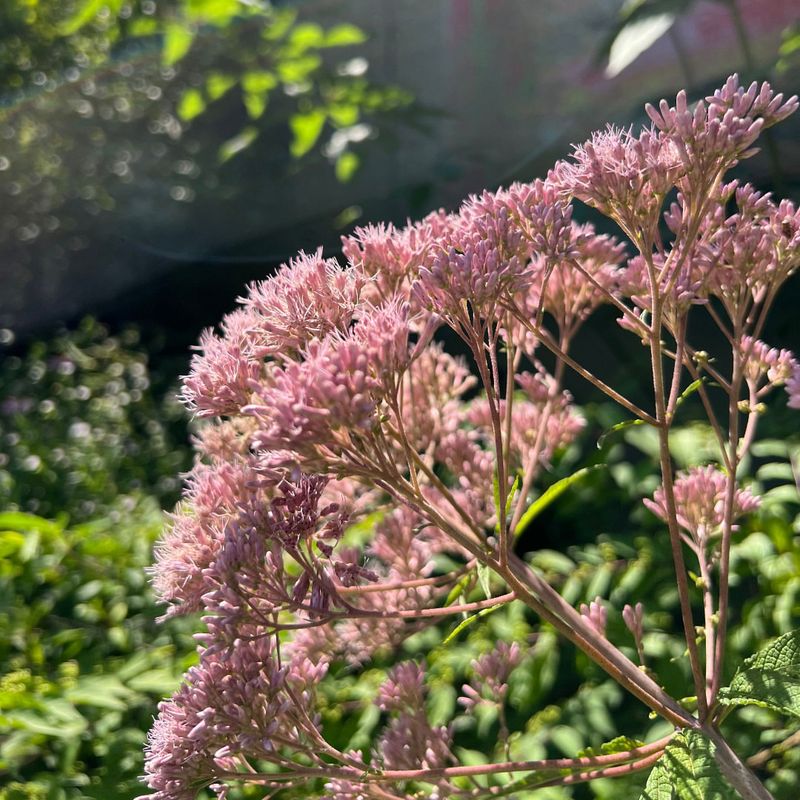
Towering above other perennials, Joe-Pye weed creates dramatic vertical accents while drawing countless pollinators to Ohio gardens.
The large dusty pink-purple flower clusters bloom from July through September, attracting butterflies and bees that birds hunt for food.
Phoebes, flycatchers, and warblers patrol around Joe-Pye weed, snatching insects from the air near the blooms.
After flowers fade, the seed heads provide food for finches and sparrows during fall and winter months.
This native perennial reaches heights of 5 to 7 feet, creating excellent cover for birds moving through your yard.
Joe-Pye weed prefers moist soils and thrives in Ohio’s wetland edges or garden areas with consistent moisture.
It tolerates full sun to partial shade, making it adaptable to various garden situations.
The sturdy stems hold up well through winter, maintaining structure in your landscape while keeping seeds accessible to hungry birds.
Hummingbirds occasionally visit Joe-Pye weed flowers, though they prefer plants with more tubular blooms.
Planting this native in groups creates impressive stands that support more wildlife than single specimens.
Ohio gardeners love how Joe-Pye weed fills vertical space in borders while supporting diverse bird species through multiple seasons, making it a valuable addition to any backyard habitat focused on attracting and supporting local feathered friends.