Native Plants That Handle Temperature Swings In Central Pennsylvania
Central Pennsylvania gardeners know how quickly the weather can turn. A mild stretch in late March can wake up the garden, only for frost to show up right behind it.
Then come the hot spells, dry patches, cool nights, and all the other shifts that make plant selection feel more important than ever. That is where native plants really stand out.
Because they are adapted to Central Pennsylvania’s rhythms, they tend to handle those seasonal swings with far less drama than fussier choices.
For gardeners who want a landscape that stays attractive through the ups and downs, native plants can make the whole yard feel steadier, stronger, and much easier to manage.
1. Wild Bergamot Brings Color Through Pennsylvania’s Weather Shifts
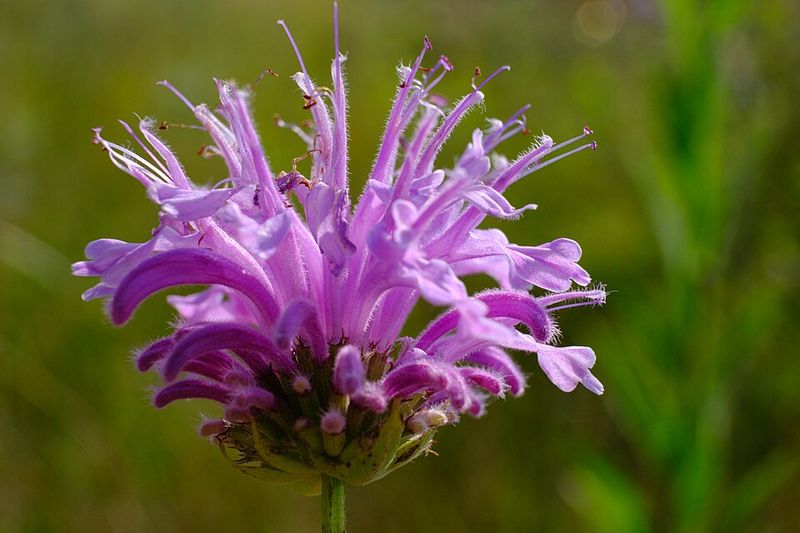
When a late spring chill gives way to a scorching July in Central Pennsylvania, most garden plants look exhausted by August. Wild bergamot, however, seems to take those shifts in stride.
This native perennial produces clusters of lavender to soft purple tubular flowers that open in midsummer and hold on for weeks, even when temperatures climb or dip unexpectedly.
Wild bergamot grows well in full sun and tolerates part shade, making it flexible for a range of garden spots. It handles dry spells reasonably well once established, which matters during Central Pennsylvania’s sometimes dry midsummer stretches.
The plant typically reaches two to four feet tall, giving it a solid presence in pollinator beds, meadow-style plantings, or mixed native borders.
Bees, butterflies, and hummingbirds visit the blooms regularly, so it adds genuine wildlife value beyond its visual appeal.
The aromatic foliage also tends to discourage deer browsing, which is a real practical benefit in many Central Pennsylvania neighborhoods.
Plant it in well-drained to average soil, space plants about two feet apart, and water consistently during the first season to encourage strong root development.
After establishment, it needs very little extra attention.
The dried seed heads that remain after flowering add subtle winter texture, and the plant re-sprouts reliably each spring even after hard freezes.
2. Black-Eyed Susan Keeps Blooming Through Hot And Cool Spells
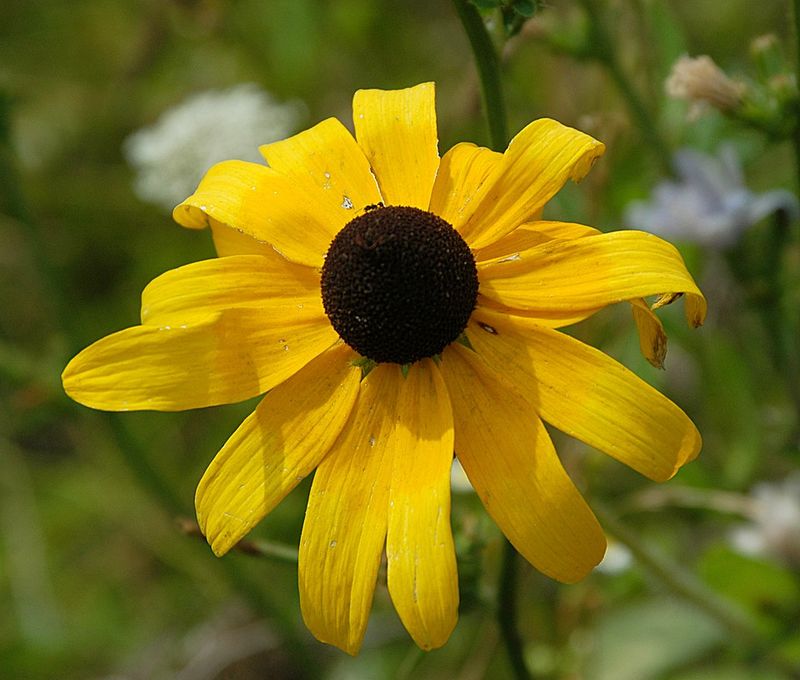
Few native plants in Central Pennsylvania have earned their reputation quite the way black-eyed Susan has.
This cheerful wildflower shows up in roadsides, meadows, and home gardens alike, pumping out golden-yellow blooms with dark chocolate centers from midsummer well into fall.
What makes it especially valuable is how little it complains when temperatures jump or drop without warning.
Black-eyed Susan thrives in full sun and prefers well-drained soil, though it adapts to average garden conditions without much fuss. During Central Pennsylvania’s hot, humid summers, it keeps flowering when other plants slow down.
A cool spell in August or September does not send it into retreat. Short-lived as an individual plant, it self-seeds reliably, so a colony tends to maintain itself year after year.
From a wildlife standpoint, the blooms are magnets for native bees, beetles, and butterflies throughout their long season.
Goldfinches and other seed-eating birds visit the dried heads in fall and winter, so leaving them standing through the cold months benefits local wildlife and adds structure to the garden.
Spacing plants about eighteen inches apart gives each one enough room to spread naturally. Water during dry spells in the first season, and after that, established plants handle dry conditions with minimal support.
It fits beautifully in pollinator gardens, naturalistic borders, and open meadow plantings across Central Pennsylvania.
3. Butterfly Weed Handles Dry Sunny Swings With Ease
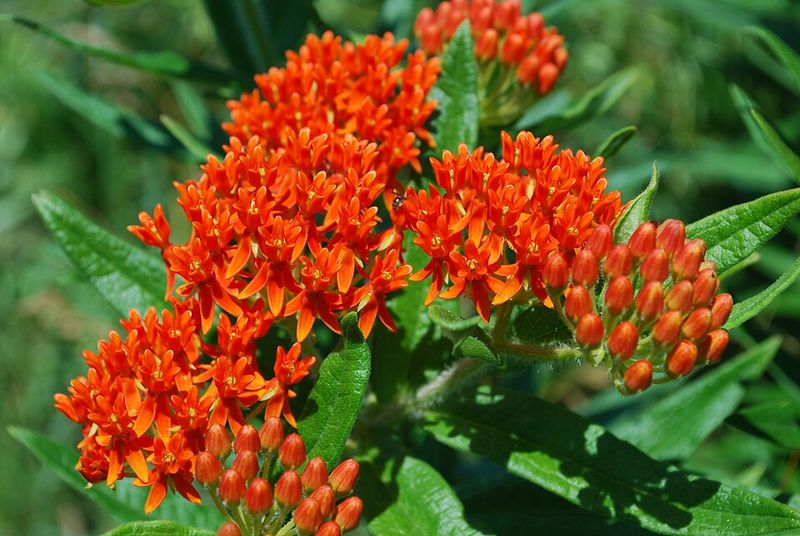
There is something almost defiant about butterfly weed. While other plants wilt during a dry Central Pennsylvania summer, this native milkweed relative stands firm, its flat-topped clusters of brilliant orange flowers glowing in the heat.
It is one of the few native plants that genuinely prefers lean, dry, well-drained soil, which means it actually performs better in conditions that challenge most garden plants.
Butterfly weed grows in full sun and reaches about one to two feet tall, forming a compact, upright clump that fits neatly into borders, rock gardens, or pollinator beds.
Unlike common milkweed, it does not spread aggressively by underground runners, so it stays where you put it.
The taproot goes deep, which is what gives it that impressive drought tolerance once it settles in after the first season or two.
As a host plant for monarch butterflies and a nectar source for dozens of other pollinators, its ecological value is hard to overstate. The seed pods that form in late summer are also visually interesting, splitting open in fall to release silky-tufted seeds.
One note worth keeping in mind: butterfly weed is slow to emerge in spring, so mark its location to avoid disturbing it.
Water it through its first full growing season, then step back and let it do what it naturally does best in Central Pennsylvania’s sunny, warm exposures.
4. Golden Alexanders Welcome Spring Without Fuss
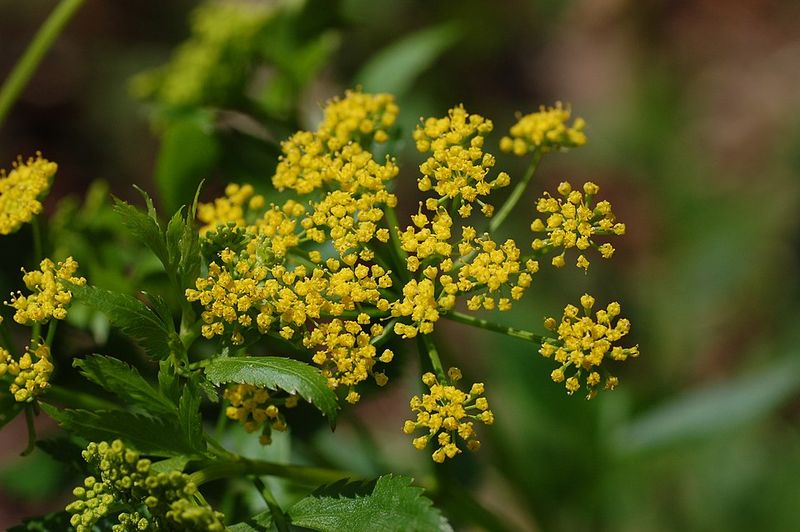
Early spring in Central Pennsylvania can be a guessing game. One week brings warm sunshine that feels like May, and the next brings a frost that coats everything in ice.
Golden Alexanders seem almost unbothered by that back-and-forth.
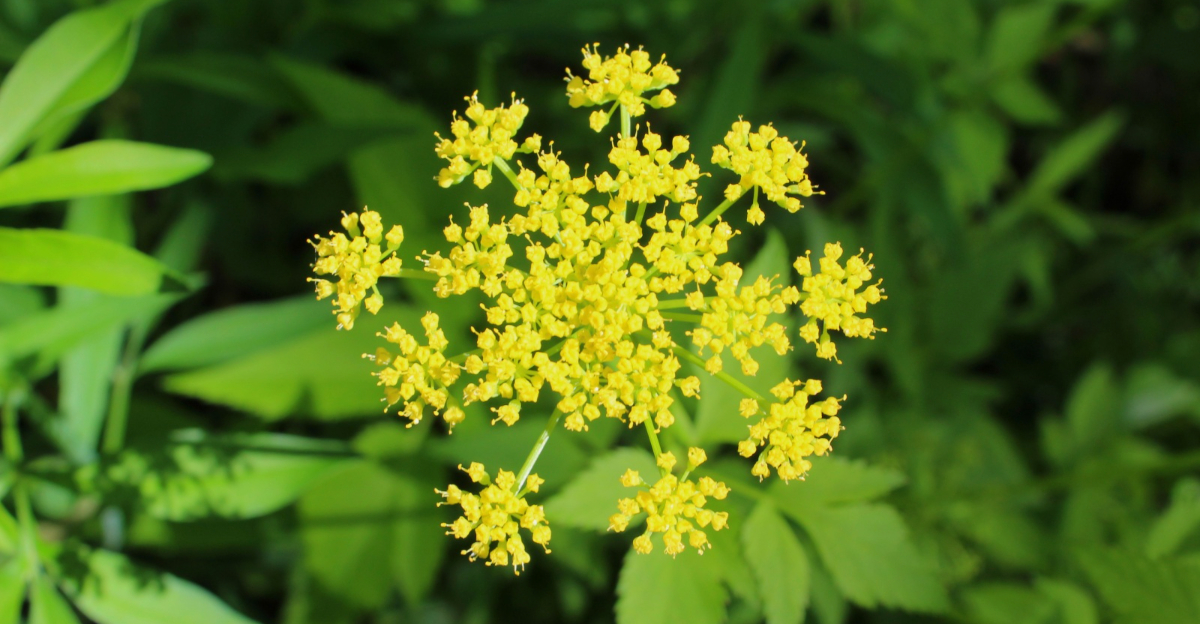
This native perennial is one of the earliest wildflowers to bloom, sending up cheerful clusters of small yellow flowers in April and May before many other plants have even fully leafed out.
It grows well in full sun to part shade, which makes it one of the more versatile spring natives for Central Pennsylvania gardens.
Moist to average soil suits it best, and it does particularly well near rain gardens, woodland edges, or shaded borders where the soil holds some moisture.
Plants typically reach one to three feet tall and spread gradually over time to form attractive colonies.
Golden Alexanders serve as a host plant for the black swallowtail butterfly, which is a meaningful bonus for gardeners interested in supporting native wildlife through the full life cycle.
After flowering, the foliage remains attractive through summer and fall, adding soft texture to the garden even when blooms are gone.
Space plants about eighteen inches apart and water regularly during establishment. Once rooted in, they handle seasonal temperature shifts without much intervention.
For gardeners in Central Pennsylvania looking for a spring native that earns its space quickly and reliably, golden Alexanders are a smart starting point.
5. Little Bluestem Stays Strong In Exposed Central Pennsylvania Spots
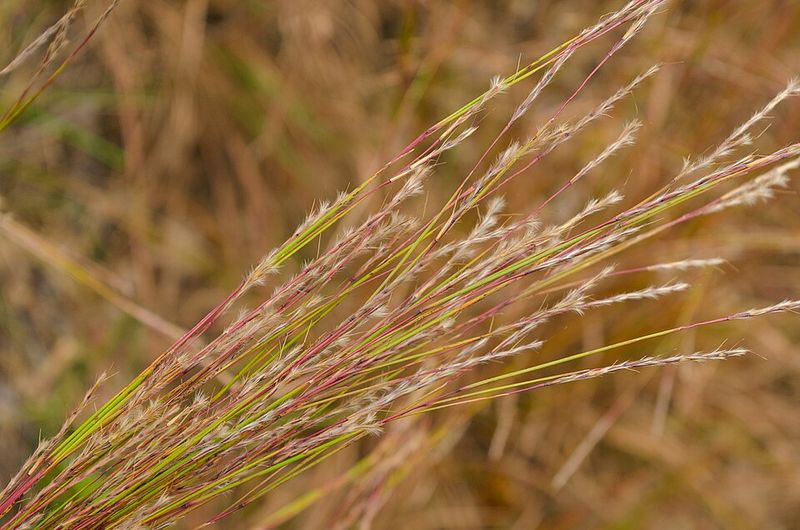
Some of the toughest spots in a Central Pennsylvania garden are the ones with full sun, thin soil, and no shelter from wind or temperature swings. Little bluestem was practically built for those conditions.
This native warm-season grass grows in upright clumps that start out blue-green in summer and shift to stunning shades of copper, rust, and burgundy as the season cools into fall.
It thrives in full sun and well-drained to dry soil, tolerating poor fertility and rocky ground that would stress most ornamental plants. That resilience makes it especially useful in exposed Central Pennsylvania locations where other plants tend to struggle.
The clumps reach about two to four feet tall and hold their shape and color well into winter, providing structure and texture when the rest of the garden has gone quiet.
Fluffy white seed heads catch the light beautifully in late fall and early winter, and those seeds feed sparrows, juncos, and other birds through the cold months.
Little bluestem also supports several species of native skippers and other insects, making it ecologically valuable beyond its visual appeal.
Space plants about eighteen to twenty-four inches apart and resist the urge to water heavily once established, as excess moisture in rich soil can cause flopping.
Cut clumps back to a few inches in late winter before new growth begins.
For exposed, sunny Central Pennsylvania spots, it is one of the most dependable native plants available.
6. Switchgrass Adds Movement And Flexibility To The Garden
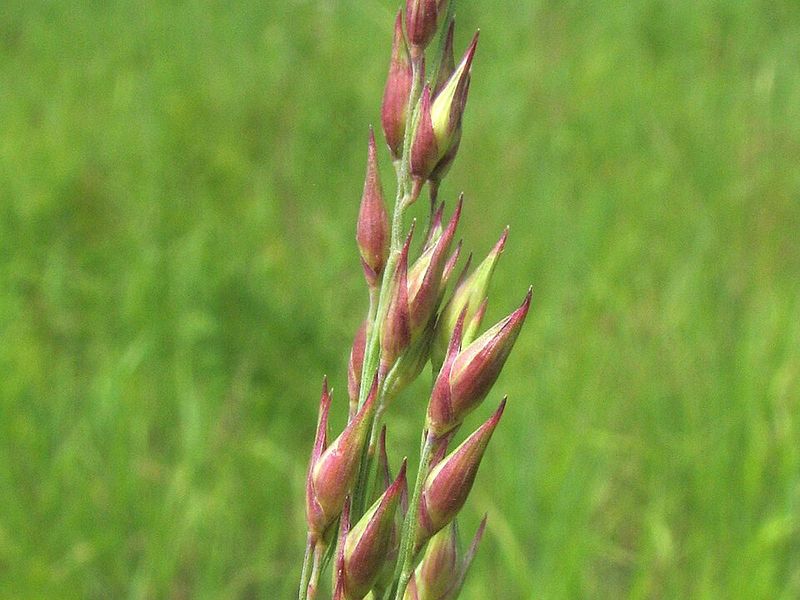
Watch a stand of switchgrass on a breezy Central Pennsylvania afternoon and it is easy to understand why gardeners keep coming back to it.
The upright stems and airy seed heads move with every shift in the wind, giving the garden a sense of life and rhythm that rigid shrubs and perennials cannot match.
Beyond its visual appeal, switchgrass is one of the most adaptable native plants available for Central Pennsylvania’s variable conditions.
It grows in full sun to part shade and tolerates a wide range of soils, from wet to moderately dry, which is unusual versatility for a single plant.
Deep roots help it anchor against soil erosion and ride out temperature extremes without visible stress.
Cultivated varieties like Shenandoah and Northwind offer reliable form and fall color, with foliage turning shades of red, gold, and tan as temperatures drop in autumn.
Switchgrass provides excellent cover and nesting material for birds and small mammals, and its seeds are a food source for native sparrows and finches through late fall and winter.
It typically reaches three to six feet tall depending on the variety, so it works well as a backdrop in mixed borders, a screen along property edges, or a structural anchor in rain gardens.
Space plants two to three feet apart and cut them back to six inches in late winter. Consistent moisture during the first season encourages the deep root system that makes switchgrass so reliably tough in Central Pennsylvania gardens.
7. Serviceberry Brings Beauty Through Changing Seasons
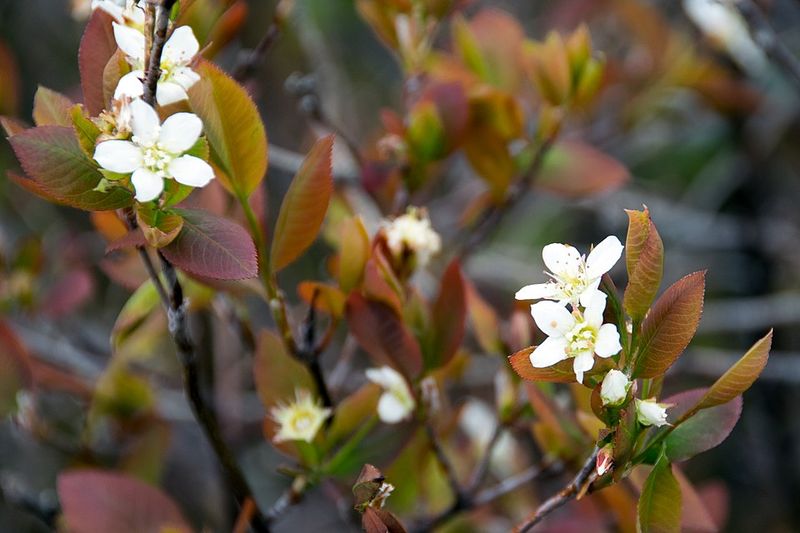
Serviceberry is the kind of plant that earns admiration in every season, which is a rare quality in Central Pennsylvania’s unpredictable climate.
In early spring, before most trees and shrubs have even thought about leafing out, serviceberry bursts into clouds of small white flowers that are genuinely breathtaking against the still-bare landscape.
Those blooms appear even when late frosts are still a possibility, and the plant handles that cold exposure without significant setback.
It grows as either a large multi-stemmed shrub or a small tree, typically reaching ten to twenty-five feet depending on the species and site.
Full sun to part shade suits it well, and it adapts to a range of soil types from moist to moderately dry.
The early flowers give way to small berries that ripen in June, attracting a wide variety of birds including cedar waxwings, robins, and thrushes that depend on early-season fruit.
Fall foliage turns shades of orange, red, and yellow, adding another round of visual interest before winter. Smooth gray bark provides quiet structure through the cold months.
Serviceberry fits well as a specimen plant, a woodland edge anchor, or a foundation planting in larger residential landscapes across Central Pennsylvania.
Water regularly during the first two seasons to support root establishment, then reduce supplemental watering as the plant settles in.
Its multi-season appeal and genuine toughness make it one of the most rewarding native choices for Central Pennsylvania gardeners.
8. Common Witch Hazel Adapts To Central Pennsylvania’s Unpredictable Conditions
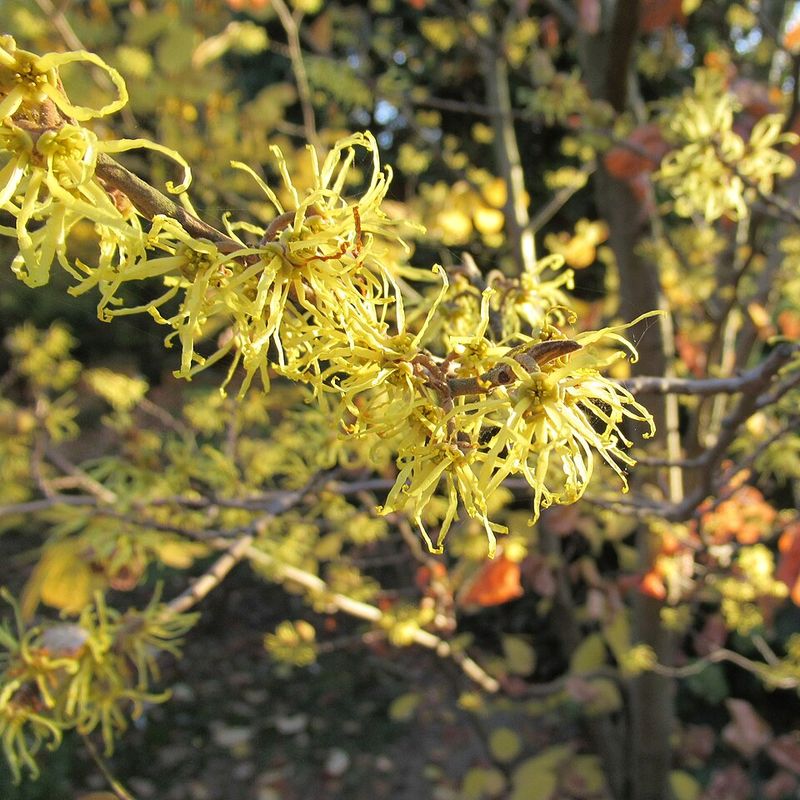
Most shrubs wrap up their flowering season by midsummer and spend the rest of the year blending into the background.
Common witch hazel takes a completely different approach, saving its spidery, fragrant yellow flowers for late fall and sometimes even early winter, when almost nothing else in Central Pennsylvania is blooming.
That alone makes it a standout, but its toughness through seasonal temperature swings is what makes it genuinely practical.
Witch hazel grows in full sun to full shade, which is an impressive range for a flowering shrub.
It prefers moist, well-drained, slightly acidic soil and does particularly well at woodland edges, in shaded borders, or as an understory planting beneath taller trees.
The multi-stemmed form typically reaches ten to fifteen feet tall and wide over time, creating substantial structure in the landscape.
The foliage turns attractive shades of yellow and orange in fall before dropping to reveal the late-season flowers on bare stems.
Birds and small mammals use the dense branching for cover, and the seeds are eaten by wildlife through winter.
Witch hazel is slow growing, so patience during the first few years is worthwhile. Plant it in a spot where it has room to expand naturally over time without heavy pruning.
Water consistently through the first two growing seasons in Central Pennsylvania, and after that it handles shifting temperatures and seasonal dry spells with quiet, reliable resilience that few other native shrubs can match.