8 Native Plants That Keep North Carolina Gardens Blooming From March Through September
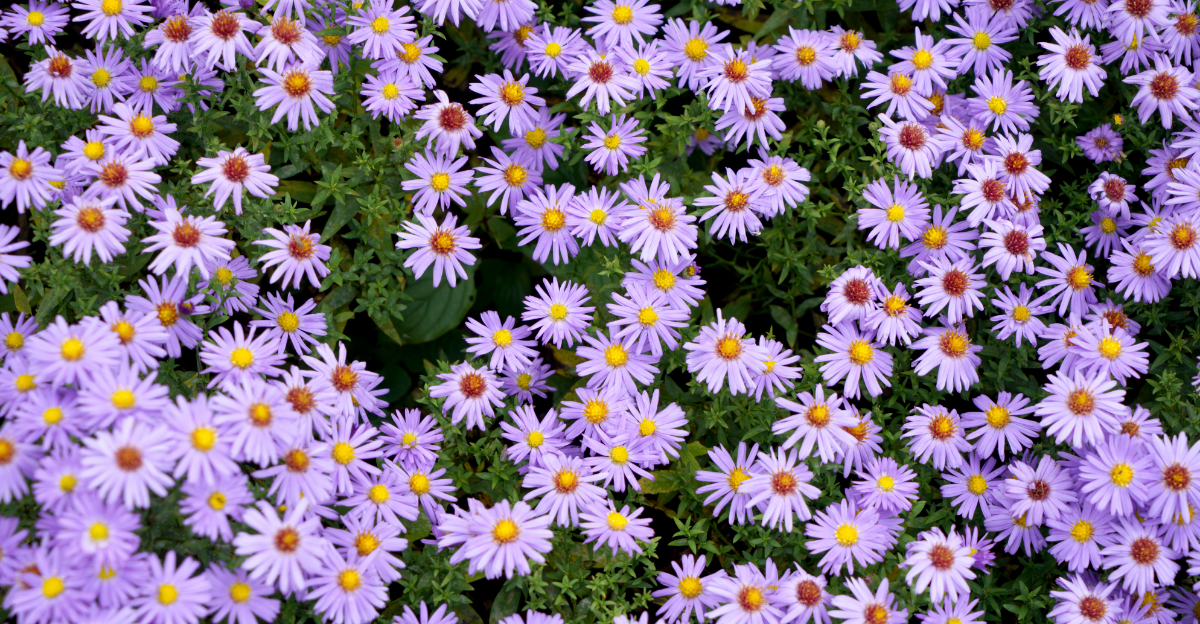
There is a special comfort in a garden that feels like it has been part of the landscape forever, much like a favorite family recipe or a well-worn pair of gloves.
We often spend our weekends deadheading and worrying over delicate imports, when our own hillsides have already mastered the local weather.
Finding a plant that can handle the early March chill and still look vibrant during a sweltering July afternoon is the secret to a low-maintenance yard.
These native varieties are built for our specific seasons, providing a steady parade of color that lasts from the first thaw until the leaves start to turn.
The trick is knowing which specific flowers have the stamina to carry the torch from one month to the next without skipping a beat.
1. Golden Ragwort For March Color
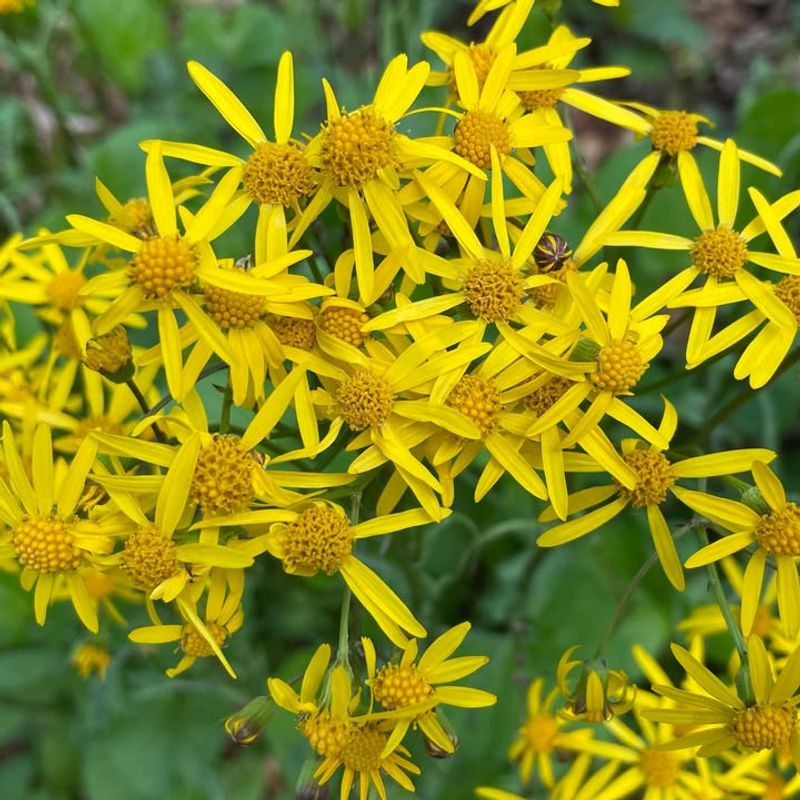
This is one of the earliest native plants to wake up a North Carolina garden after winter. This adaptable perennial sends up cheerful clusters of bright yellow daisy-like flowers in early spring, often beginning around March in many parts of the state.
When most garden beds are still quiet, those sunny blooms provide a welcome signal that the growing season is getting underway.
The plant forms a tidy groundcover of glossy green leaves that stay attractive well beyond the bloom period. According to guidance from NC State Extension, Golden Ragwort grows naturally in moist woodlands, stream edges, and shaded lowlands across the eastern United States, which explains why it performs well in many North Carolina landscapes.
Partial shade suits it best, though it can tolerate more sun if the soil stays consistently moist. It adapts well to average garden soil and spreads gradually through underground rhizomes, creating a natural carpet that helps suppress weeds and stabilize soil.
Gardeners often use it along woodland paths, under trees, or in rain gardens where moisture levels stay reliable.
Pollinators appreciate it as well. Early emerging bees and other small insects visit the flowers for nectar and pollen during a time of year when resources can still be limited.
For gardeners looking to kick off the blooming season with a dependable native plant, Golden Ragwort offers a bright and easygoing start to spring in North Carolina.
2. Aromatic Aster For Late-Summer Into Fall
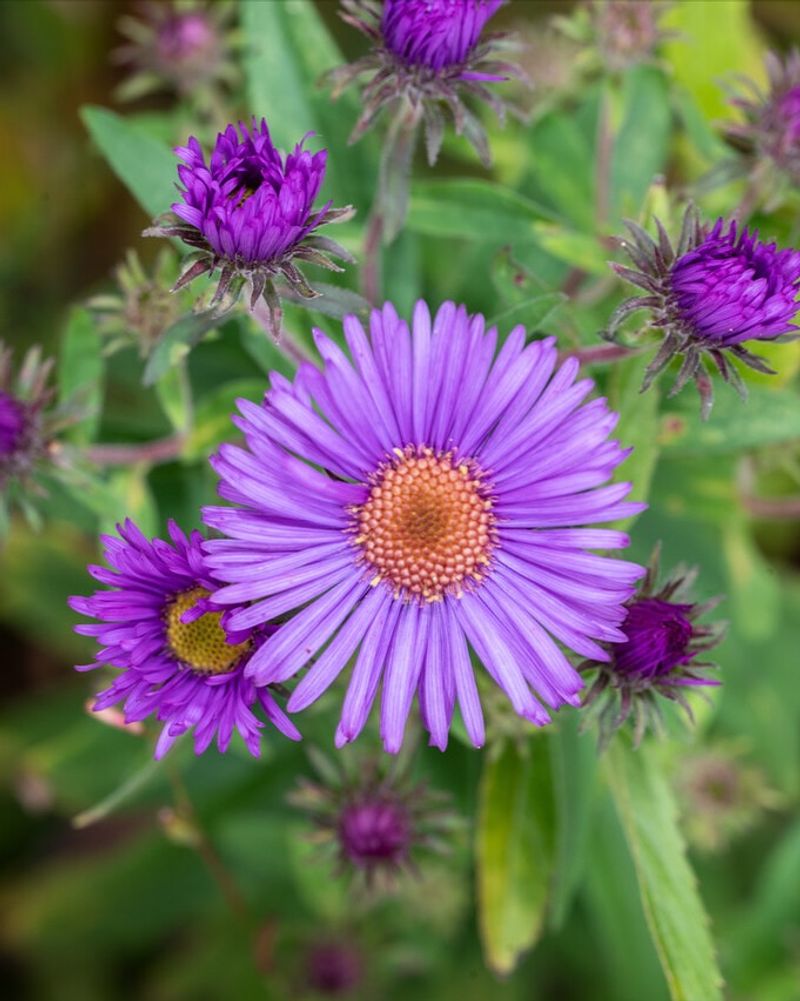
As summer begins to fade, Aromatic Aster steps in to keep the garden lively. This native perennial produces masses of small purple-blue flowers with golden centers that begin opening in late summer and often continue well into fall.
In North Carolina landscapes, the display frequently carries through September and sometimes beyond when conditions are favorable.
The plant forms compact mounds of dark green foliage that release a pleasant scent when brushed or crushed, which is how Aromatic Aster earned its common name. According to NC State Extension resources, this species adapts well to full sun and average to dry soils once established.
Clusters of star-shaped blooms appear in abundance, creating a soft cloud of color that contrasts nicely with grasses and other late-season perennials. Bees and butterflies are particularly active around the flowers during the fall months, when nectar sources become more limited in many landscapes.
Aromatic Aster typically reaches one to three feet in height, making it easy to tuck into borders or naturalistic plantings. Light pruning in early summer can help encourage a fuller shape and prevent the stems from becoming too tall or floppy.
Because of its drought tolerance and long seasonal interest, this native plant works well in pollinator gardens, prairie-style beds, and sunny borders throughout North Carolina. When many summer flowers begin to fade, Aromatic Aster helps carry the garden’s color gracefully toward autumn.
3. Blanketflower For Long Summer Bloom
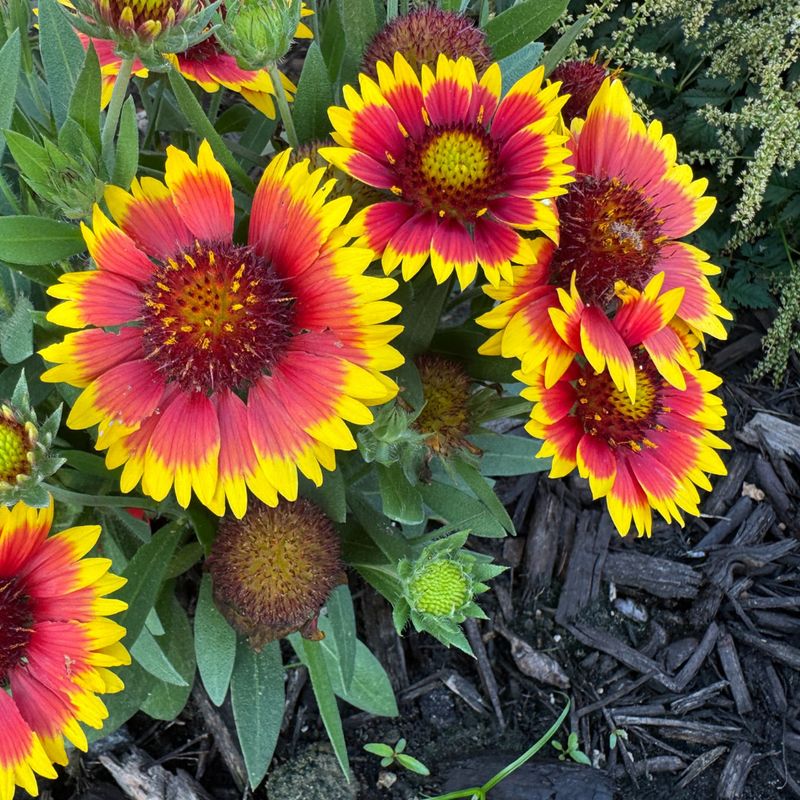
Few native flowers bring as much energy to a summer garden as Blanketflower. Known botanically as Gaillardia pulchella, this cheerful wildflower produces bold red and yellow blooms that resemble miniature sunsets scattered across the landscape.
In many North Carolina gardens, flowering begins in late spring and can continue through much of the warm season.
The daisy-like blossoms feature deep reddish centers surrounded by yellow-tipped petals, creating a color combination that stands out beautifully in sunny borders and meadow plantings. NC State Extension notes that Blanketflower thrives in full sun and well-drained soil, conditions that help it perform reliably in hot, dry weather.
One reason gardeners appreciate this plant is its easygoing nature. It tolerates sandy or lean soils that challenge more delicate ornamentals.
Once established, it usually requires very little watering beyond normal rainfall. Removing spent flowers from time to time may encourage additional blooms and keep the plant looking fresh.
Pollinators are frequent visitors. Bees, butterflies, and other beneficial insects often gather around the nectar-rich flowers throughout the summer months.
This makes Blanketflower a helpful addition to pollinator gardens and native plant landscapes.
Because it self-seeds modestly, small clusters often appear nearby in following seasons. That gentle spreading habit allows Blanketflower to fill sunny spaces naturally while maintaining a relaxed, meadow-style look that fits beautifully in North Carolina gardens.
4. Eastern Purple Coneflower Attracting Pollinators
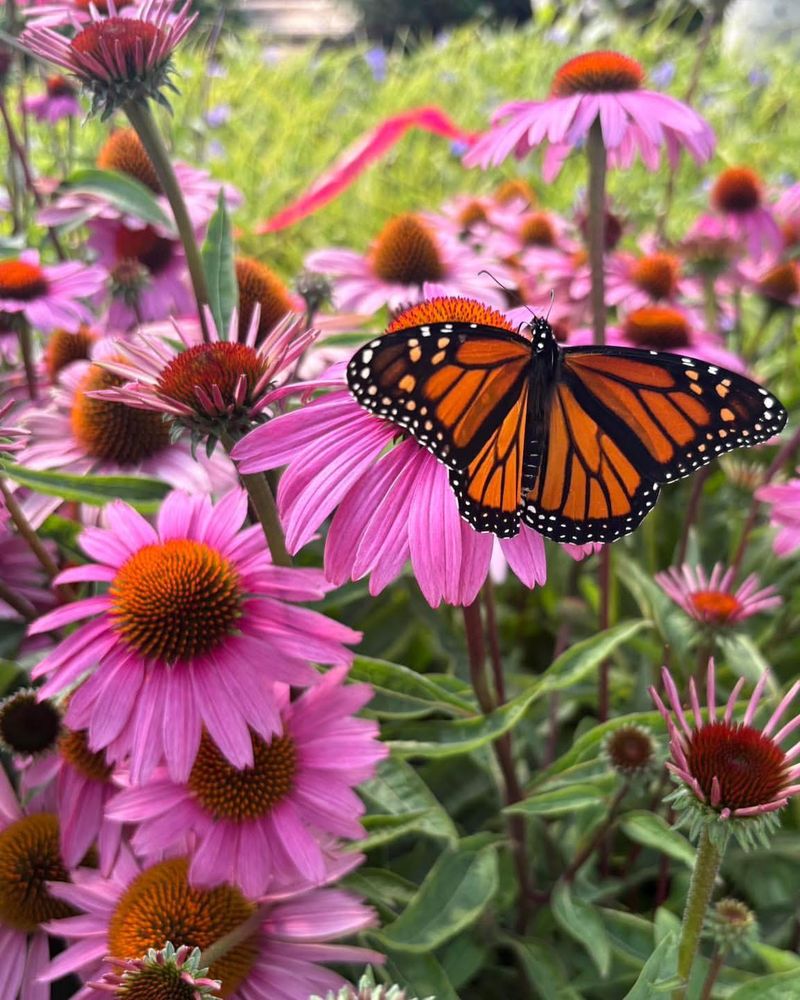
Bold, cheerful, and almost impossible to ignore, the Eastern Purple Coneflower is one of North Carolina’s most beloved native wildflowers. Its bright pink-purple petals sweep back from a raised, spiky orange-brown center, creating a distinctive look that stands out in any garden.
Blooming from June through September, it fills the summer landscape with color right when many other plants are taking a break from the heat.
Beyond its good looks, this plant is a pollinator magnet. Bees, butterflies, and even goldfinches visit regularly, with the birds sticking around after blooms fade to snack on the seeds.
Leaving the seed heads standing through fall and winter gives wildlife an important food source and adds interesting texture to the garden during the colder months in North Carolina.
Eastern Purple Coneflower thrives in full sun and tolerates a wide range of soil types, including dry and rocky ground, which makes it an excellent choice for low-maintenance landscapes. Once established, it is remarkably drought-tolerant, asking very little from gardeners while giving back plenty of beauty and wildlife value.
It grows well in both formal garden beds and naturalized meadow plantings across North Carolina. Pairing it with Black-eyed Susan, Wild Bergamot, or native grasses creates a stunning summer display that looks effortless and natural.
Many gardeners also appreciate that it self-seeds gently, slowly expanding into larger clumps over time. Eastern Purple Coneflower is truly a workhorse of the native plant world, reliable, resilient, and endlessly rewarding.
5. Butterfly Milkweed With Nectar-Rich Flowers
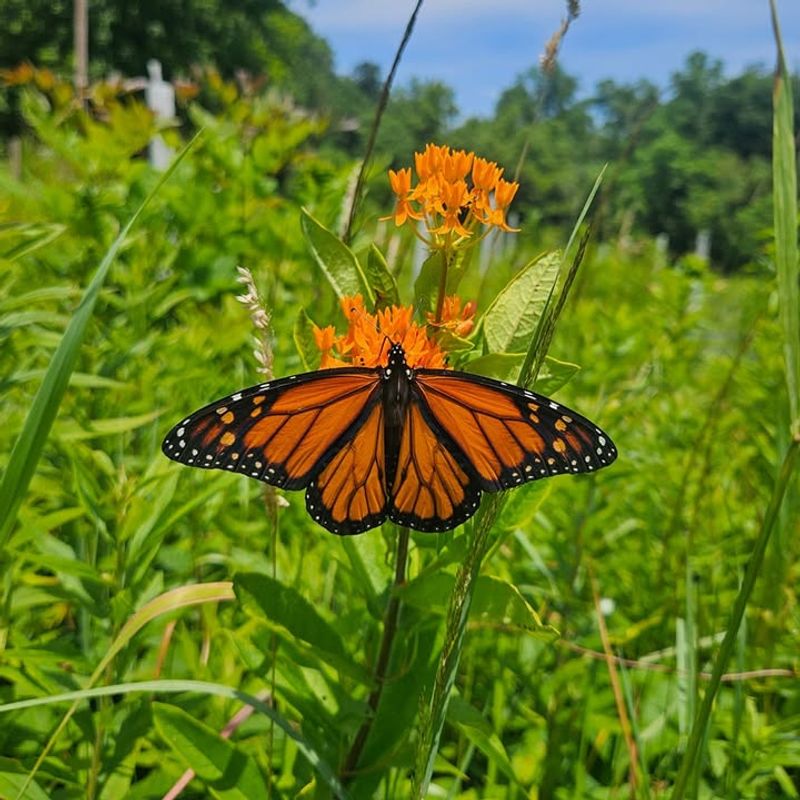
There is something almost electric about the color of Butterfly Milkweed. Unlike most milkweed species, which tend toward pale pink or white, this native North Carolina plant blazes with vivid orange blooms that practically jump out of the landscape from June through August.
It is one of those plants that stops people in their tracks and makes them ask, what is that?
Monarch butterflies depend on milkweed species to complete their life cycle, and Butterfly Milkweed is one of the most important plants you can grow to support them. Female monarchs lay eggs on the leaves, and the caterpillars feed on the plant as they grow.
Beyond monarchs, dozens of other bee and butterfly species visit the flowers for nectar, making this one of the most wildlife-friendly plants in any North Carolina garden.
It grows best in full sun and well-drained, even sandy or rocky soil. Butterfly Milkweed does not like wet feet, so avoid low-lying or soggy spots.
Once established, it is extremely drought-tolerant and rarely needs watering, making it a smart choice for gardeners who want beautiful results without a lot of effort.
The plant is slow to emerge in spring, so marking its location in fall helps avoid accidentally disturbing it before it sprouts. Seed pods that form after flowering are also fascinating, splitting open to release silky, wind-carried seeds in late summer.
Across North Carolina, Butterfly Milkweed is a standout choice for meadows, roadsides, and sunny garden borders alike.
6. Wild Bergamot Bringing Color And Bees
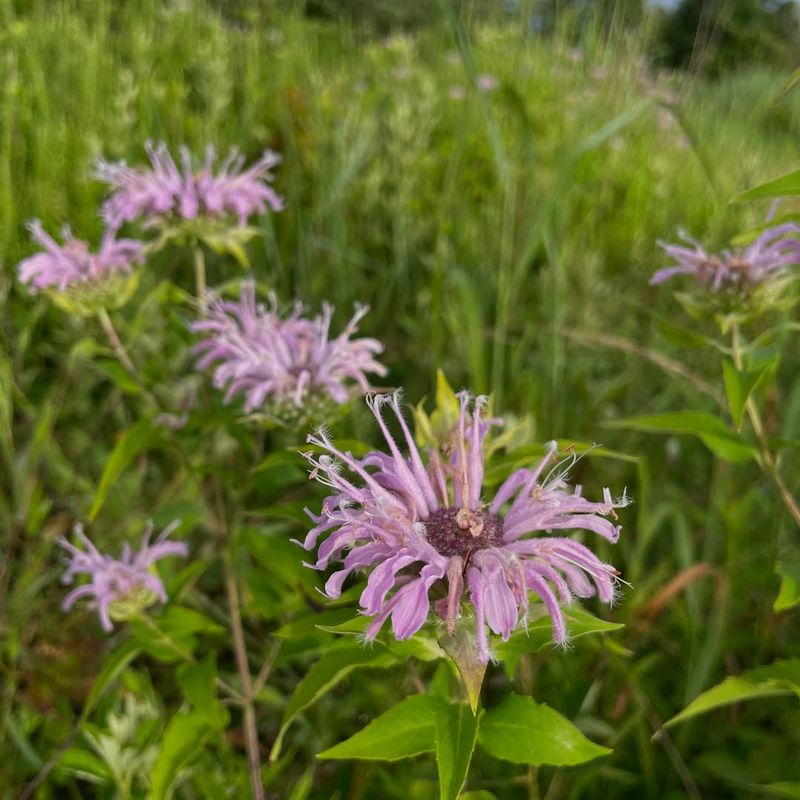
Walk past Wild Bergamot on a warm summer day and you will notice it before you even see it. The leaves release a pleasant oregano-like scent when brushed, earning this native North Carolina plant a long history of use by Indigenous peoples for teas, medicines, and cooking.
But it is the globe-shaped clusters of lavender-purple flowers, blooming from June through September, that make it a true garden star.
Wild Bergamot is a pollinator magnet of the highest order. Bumblebees, native bees, hummingbirds, and butterflies, especially swallowtails and skippers, visit the flowers constantly throughout the summer.
Growing it in a sunny spot in North Carolina creates a buzzing, fluttering hub of activity that is endlessly entertaining to watch from a nearby seat or window.
It adapts well to a variety of soil types, including dry and poor soils where other plants struggle. Full sun is ideal, though it tolerates a bit of afternoon shade.
Wild Bergamot spreads by both rhizomes and self-seeding, so it can fill in a space fairly quickly if conditions suit it. Dividing clumps every few years keeps the plant healthy and the display looking its best.
Pairing Wild Bergamot with Eastern Purple Coneflower, Black-eyed Susan, or native grasses creates a naturalistic meadow planting that looks stunning from midsummer through early fall. The dried seed heads also provide winter interest and food for birds.
For a plant that works on every level, from fragrance to wildlife value, Wild Bergamot deserves a prominent spot in any North Carolina native garden.
7. Cardinal Flower With Vibrant Red Blooms
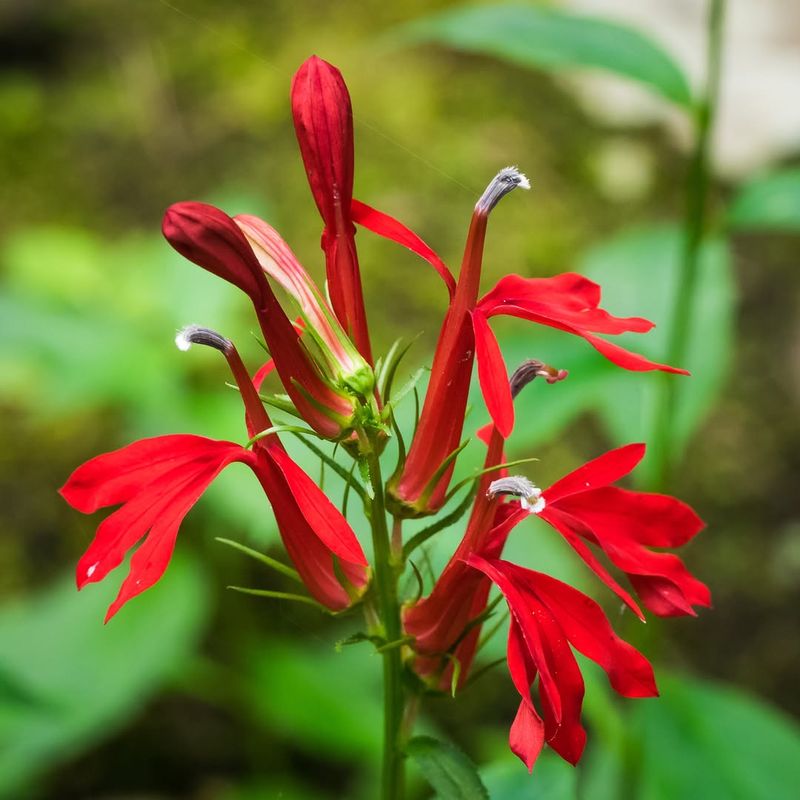
Blazing red in a world of pinks and yellows, the Cardinal Flower commands attention the moment it opens its first blooms in late summer. Named for the vivid red robes of Catholic cardinals, this native North Carolina plant produces tall spikes of scarlet flowers from July through September that are almost unmatched in intensity.
If you want to attract hummingbirds, nothing works quite like this plant.
Ruby-throated hummingbirds are the primary pollinators of Cardinal Flower, and the relationship between the two is one of nature’s most fascinating partnerships. The long, tubular red flowers are perfectly shaped for a hummingbird’s beak, and the birds visit so frequently during late summer that planting Cardinal Flower near a window or porch creates a front-row seat to one of nature’s best shows in North Carolina.
It grows naturally along stream banks, pond edges, and in moist woodland clearings, so it prefers consistently moist to wet soil and does best in partial shade to full sun. Unlike many native plants that tolerate drought, Cardinal Flower needs reliable moisture to perform well.
Mulching around the base helps retain soil moisture during hot, dry stretches.
Cardinal Flower is a short-lived perennial that self-seeds readily, so colonies tend to renew themselves naturally over time. Planting it in groups of three or more creates a bolder visual impact and gives hummingbirds more reason to linger.
Across North Carolina, it is a stunning choice for rain gardens, stream-side plantings, or any moist, partially shaded spot where you want a burst of late-summer drama.
8. Swamp Sunflower Lighting Up Late Season Gardens
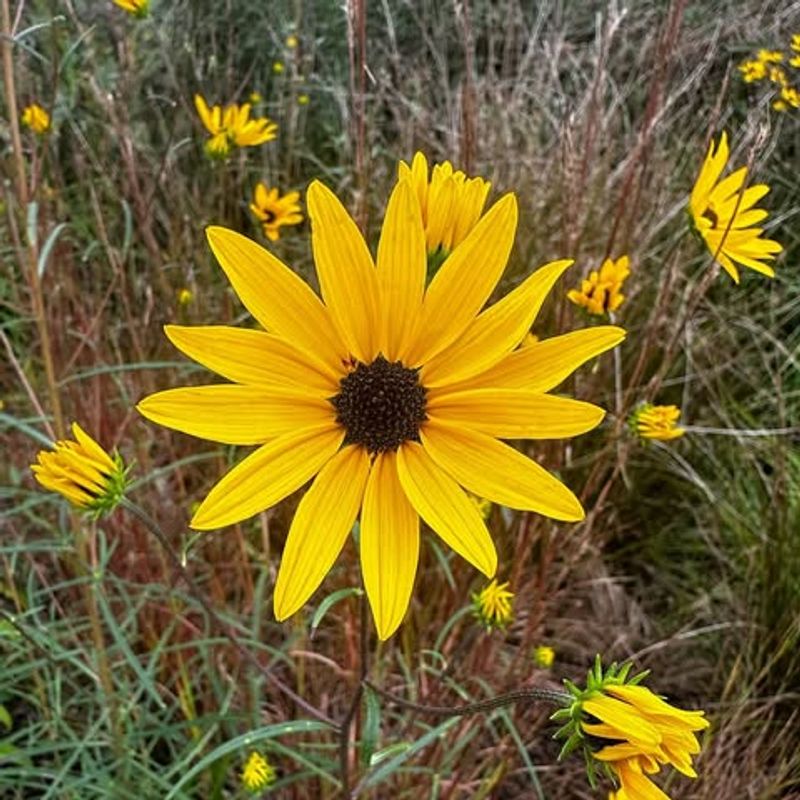
Swamp Sunflower arrives right when many summer flowers begin slowing down, bringing a burst of bright color to North Carolina gardens as the season shifts toward fall. Known botanically as Helianthus angustifolius, this tall native sunflower produces masses of cheerful yellow blooms that typically begin appearing in late summer and continue well into autumn.
The flowers resemble smaller versions of traditional sunflowers, with golden petals surrounding deep brown centers. According to NC State Extension, Swamp Sunflower grows naturally in moist meadows, roadside ditches, and low areas across much of the southeastern United States, including many parts of North Carolina.
This plant thrives in full sun and prefers consistently moist soil, though established plants can tolerate periods of average garden moisture. Because it can reach five to seven feet tall in good conditions, Swamp Sunflower often works best toward the back of borders or in naturalized plantings where its height can be appreciated.
Pollinators are frequent visitors once the flowers begin to open. Bees, butterflies, and other beneficial insects gather around the blooms during late summer and early fall when nectar sources start to become less abundant in many landscapes.
Gardeners often combine Swamp Sunflower with late-season natives such as asters and goldenrods to create vibrant autumn displays. With its tall stems and bright flowers, this native sunflower helps keep North Carolina gardens lively as the growing season gradually moves toward fall.