9 Native Plants That Keep Your Arizona Garden Low-Maintenance
Arizona gardens can be beautiful without demanding constant watering, trimming, and fixing.
Many homeowners don’t realize how much work they’re creating by fighting the climate instead of working with it.
Native plants already know how to handle heat, dry air, and unpredictable rain without extra help. They settle in faster, need less attention, and still make a yard feel full and intentional.
When you choose the right native plants, your Arizona garden stays low-maintenance while looking like it belongs exactly where it is.
1. Desert Marigold
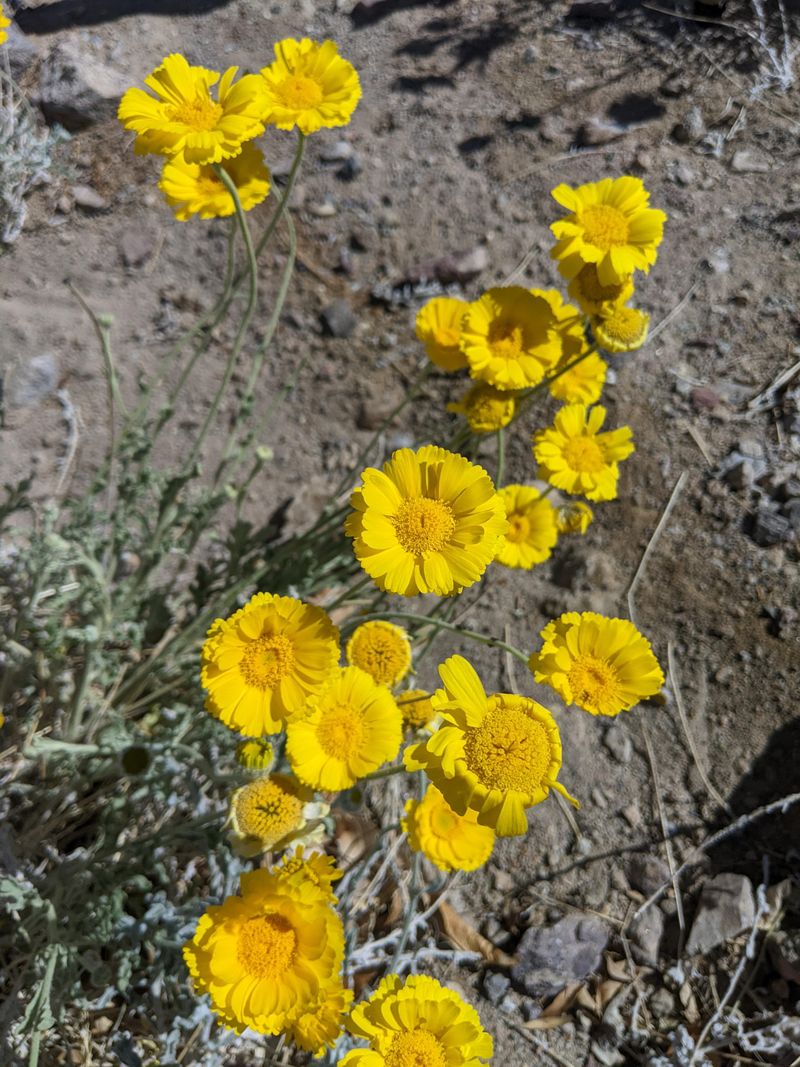
Bright sunshine seems to radiate from every petal of this cheerful wildflower. Your Arizona yard will burst with golden blooms almost year-round when you add these beauties to your landscape.
Unlike their garden cousins that need constant attention, these tough performers handle heat without breaking a sweat.
Low water needs make this plant a smart choice for busy homeowners across Arizona. You’ll water deeply once every two weeks during summer, then barely at all during cooler months.
The plants naturally go dormant when temperatures drop, conserving energy for their next spectacular show.
Butterflies and native bees can’t resist visiting these flowers throughout the growing season. Your garden becomes a wildlife haven without any extra effort on your part.
Deadheading spent blooms encourages more flowers, but even this task is optional since they self-clean reasonably well.
Full sun locations work best, though afternoon shade is tolerated in the hottest Arizona regions. Sandy or rocky soil drains perfectly for these desert natives.
They spread slowly to fill bare spots, creating natural drifts of color that look professionally designed.
Frost might damage the foliage temporarily, but established plants bounce back quickly. Their resilience makes them ideal for gardeners who want maximum beauty with minimal fuss throughout Arizona’s changing seasons.
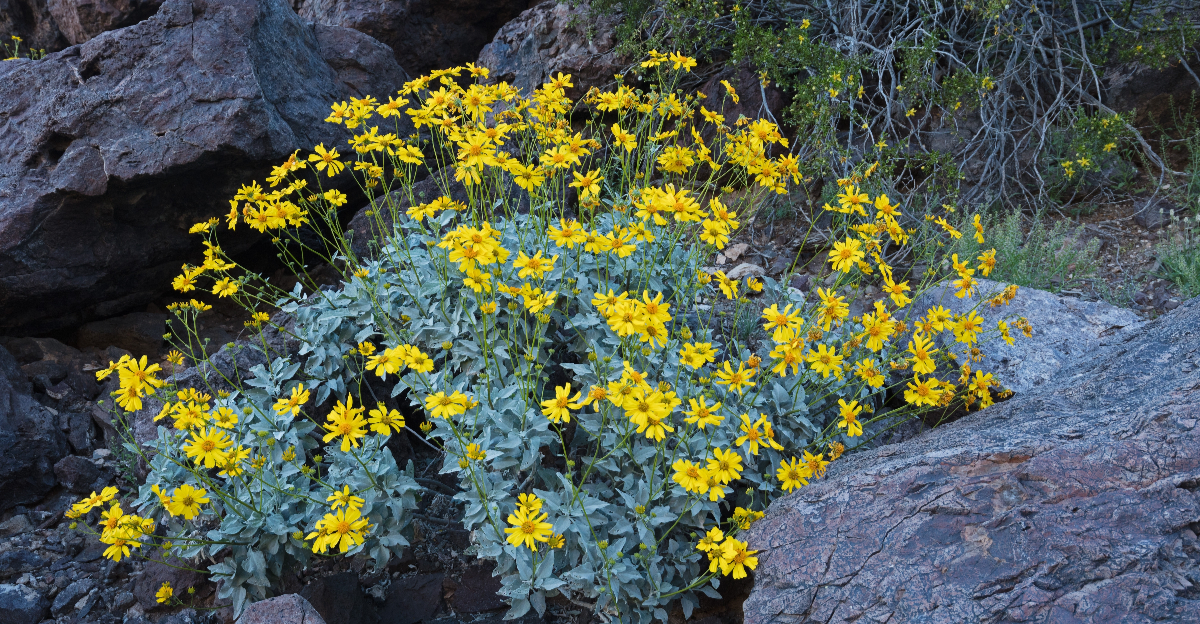
2. Brittlebush
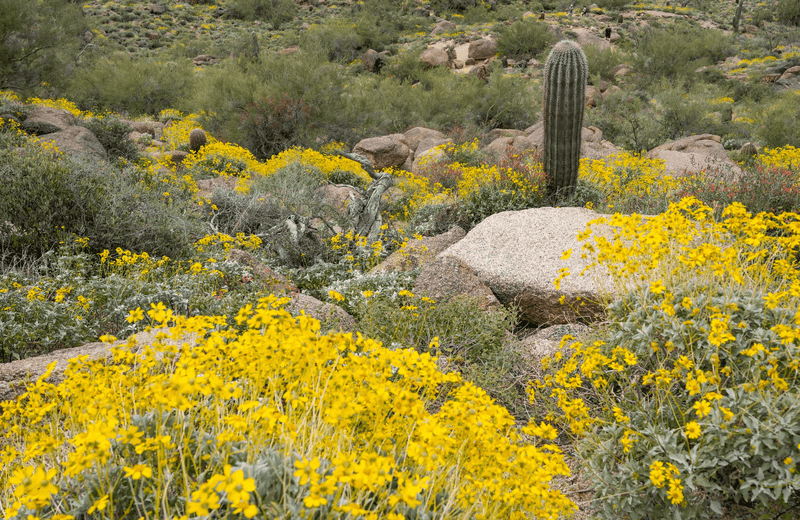
Silver foliage catches sunlight like scattered coins across your Arizona landscape. This shrub brings year-round visual interest with leaves that shimmer in the breeze and contrast beautifully against darker plants.
When spring arrives, tall stems shoot up bearing clusters of cheerful yellow flowers that seem to glow at sunset.
Extreme heat doesn’t faze this tough customer one bit. Throughout Arizona’s scorching summers, brittlebush maintains its attractive appearance while other plants struggle.
The silvery leaves actually reflect heat, keeping the plant cool through adaptation rather than requiring your constant intervention.
Watering becomes almost unnecessary once these shrubs establish their root systems. You might provide supplemental moisture during extended dry spells, but established plants often thrive on rainfall alone.
This makes them perfect for remote areas of your property or slopes where dragging hoses is impractical.
Natural mounding growth creates soft, rounded shapes that complement Arizona’s architectural styles. The plants typically reach three feet tall and equally wide, filling space without overwhelming smaller yards.
Their informal habit suits desert gardens far better than rigid, formal plantings that fight the natural landscape.
Pruning needs are minimal, though you can shape them lightly after flowering finishes. The spent flower stems dry to an attractive tan color that many Arizona gardeners leave for winter interest and bird habitat.
3. Penstemon
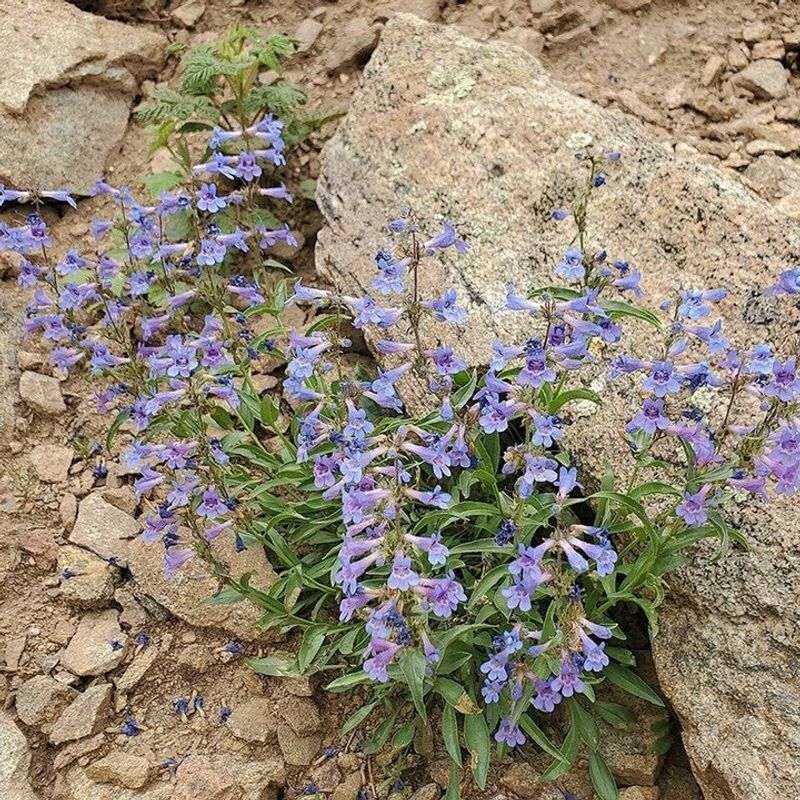
Tubular flowers in vibrant shades create vertical accents that draw the eye upward through your Arizona garden. Hummingbirds zip between blooms with such regularity that you’ll find yourself pausing to watch their aerial acrobatics.
Several native species offer different bloom times, allowing you to extend the flowering season across multiple months.
Parry’s penstemon displays stunning pink flowers in spring, while desert penstemon shows off bright red blooms. Your Arizona landscape can showcase both for a longer display of color and wildlife activity.
Each species has slightly different preferences, but all share the family’s legendary toughness.
Rocky or gravelly soil suits these plants perfectly, mimicking their natural mountain and desert habitats. Good drainage is essential, so avoid planting in low spots where water collects after Arizona’s monsoon storms.
Raised beds or slopes provide ideal conditions without any soil amendment.
Summer heat triggers a rest period when foliage may look tired and sparse. This natural dormancy conserves the plant’s energy for cooler seasons when growth resumes.
Resist the urge to overwater during this time, as excess moisture causes more harm than good.
Established penstemons need water only every few weeks during active growth. Your irrigation schedule becomes remarkably simple compared to traditional garden plants.
Winter moisture from Arizona’s occasional rains typically provides all they need during dormancy.
4. Globe Mallow
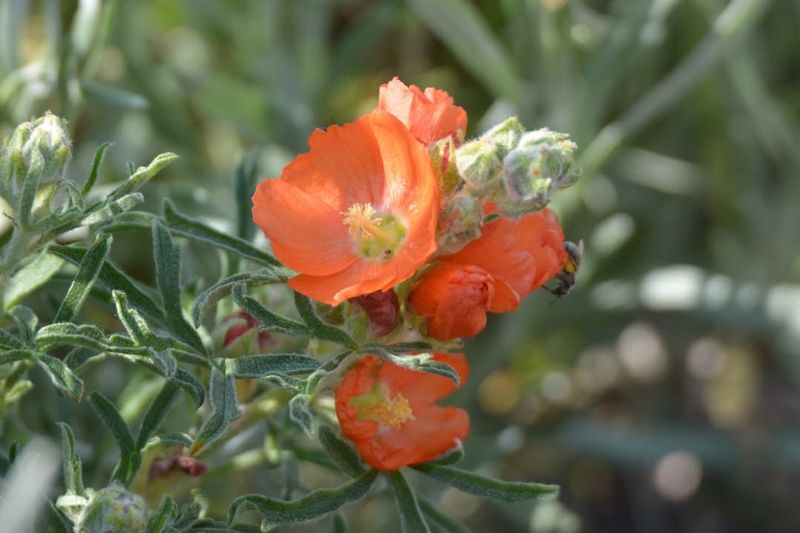
Apricot and coral blooms bring warmth to your Arizona garden from spring through fall. The flowers cluster along upright stems that sway gracefully in desert breezes, creating movement and life in your landscape.
Fuzzy gray-green leaves provide textural contrast that makes nearby plants pop visually.
Neglect actually helps these plants thrive better than coddling ever could. Overwatering and fertilizing produce weak, floppy growth that flops over and looks messy.
Lean conditions keep globe mallow compact and floriferous throughout Arizona’s growing season.
Seeds scatter naturally, producing volunteer seedlings that fill empty spaces in your garden. You can transplant these babies to new locations or share them with neighbors interested in Arizona-friendly landscaping.
This self-sowing habit means your initial investment multiplies without any additional purchases.
Afternoon shade benefits plants in the hottest Arizona microclimates, though full sun works well in most locations. The plants adapt to various exposures, making them versatile problem-solvers for tricky spots.
Their flexibility means you can tuck them into areas where fussier plants have failed.
Cutting plants back by half in late winter encourages bushier growth and more flower production. This annual trim takes just minutes per plant and dramatically improves their appearance.
Fresh new growth emerges quickly once Arizona’s spring warmth arrives, erasing any evidence of your pruning.
5. Blackfoot Daisy
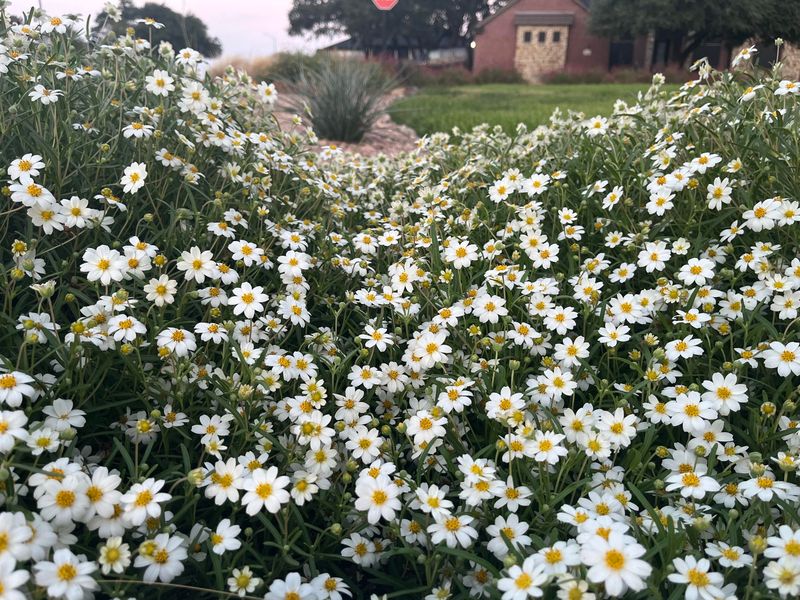
Crisp white petals with sunny yellow centers create a classic daisy look that never goes out of style. These compact plants hug the ground, making them perfect for edging pathways or spilling over retaining walls in your Arizona landscape.
Blooms appear in waves from spring through fall, with the heaviest flowering occurring during cooler months.
Limestone soils that challenge many plants actually suit blackfoot daisy perfectly. Your Arizona yard’s naturally alkaline conditions provide exactly what these natives prefer.
No soil amendments or pH adjustments are necessary, saving you time and money on garden preparation.
Exceptional heat tolerance means these daisies keep blooming when temperatures soar above 100 degrees. While some flowers may be smaller during peak summer, the plants never stop producing new buds.
This reliable performance makes them valuable for maintaining color during Arizona’s toughest months.
Established plants need watering only once every week or two during summer heat. Winter moisture requirements drop to nearly nothing, as natural rainfall usually provides sufficient hydration.
Your water bills stay reasonable while your garden looks lush and inviting.
Shearing plants lightly after heavy bloom periods encourages fresh growth and more flowers. The task takes just seconds per plant and keeps them looking tidy and compact.
New buds appear within days of trimming, quickly covering any bare spots with fresh foliage and blooms throughout your Arizona garden.
6. Creosote Bush
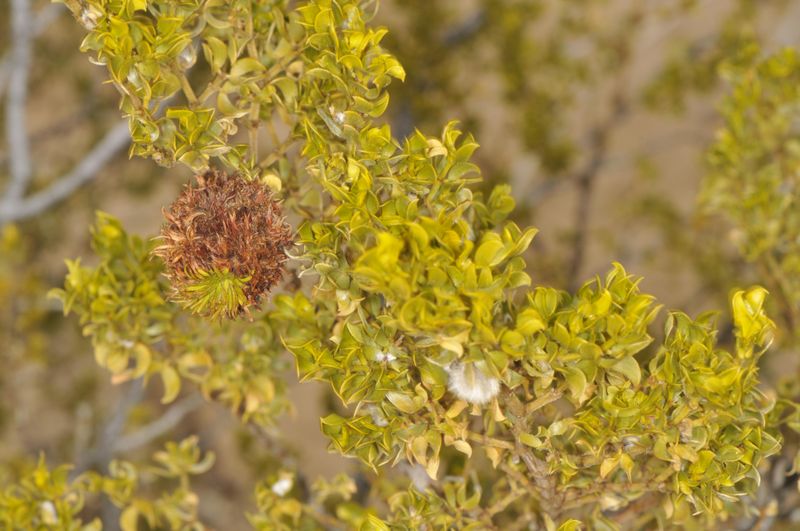
That distinctive rain-fresh scent that fills Arizona air after summer storms comes from this iconic desert shrub. Resinous leaves release their perfume when moisture touches them, creating an aromatic experience that defines the Sonoran Desert.
Small yellow flowers appear after rains, adding visual appeal to the sensory experience.
Virtually indestructible once established, these shrubs survive on rainfall alone across most of Arizona. You’ll never drag a hose to mature plants unless facing extreme drought lasting many months.
Their deep root systems tap moisture far below the surface where other plants can’t reach.
Open, airy growth creates interesting shadows and allows underplanting with smaller natives. The branching structure adds architectural interest without blocking views or creating heavy visual weight.
Your Arizona landscape gains depth and dimension from the interplay of light and shadow through their canopy.
Wildlife finds shelter and food among the branches throughout the year. Birds nest in the protective cover while insects feed on leaves and flowers.
Your yard becomes part of the larger desert ecosystem without requiring any special wildlife-attracting efforts.
Slow growth means minimal pruning over the years, though you can shape young plants to encourage desired form. Mature specimens develop character naturally, with sculptural branching that improves with age.
These living sculptures anchor your Arizona garden design while requiring almost zero maintenance from you.
7. Desert Willow
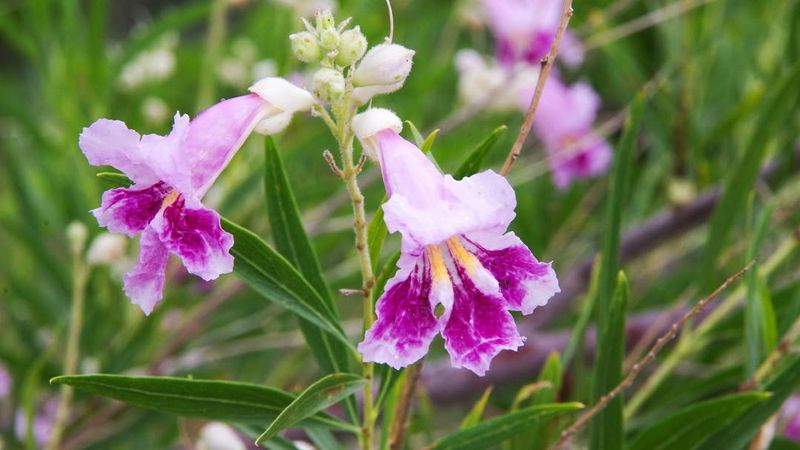
Orchid-like blooms in shades of pink, purple, and white transform this small tree into a showstopper from late spring through summer. Trumpet-shaped flowers attract hummingbirds that become regular visitors to your Arizona yard.
The extended bloom period provides months of color when many other plants are taking a heat break.
Narrow leaves resemble true willows but require far less water than their riparian relatives. This desert adaptation allows the tree to thrive in Arizona’s arid climate without the constant moisture that true willows demand.
Your landscape gains the graceful, flowing appearance of a willow without the high water bills.
Natural growth produces a multi-trunk form with an open, airy canopy that filters rather than blocks sunlight. Understory plants receive dappled shade perfect for extending their growing season in Arizona’s intense sun.
The light shade also creates comfortable outdoor spaces without the heavy darkness of dense trees.
Deciduous habit means the tree drops its leaves in winter, which some gardeners view as a maintenance task. However, the leaf drop is actually minimal compared to many trees, and the delicate leaves decompose quickly.
Winter’s bare branches reveal interesting bark texture and branching structure that provides off-season interest in your Arizona garden.
Established trees need deep watering every two to three weeks during summer. Winter watering becomes unnecessary in most Arizona locations.
This modest water requirement makes desert willow far more sustainable than non-native shade trees.
8. Red Yucca (Hesperaloe)
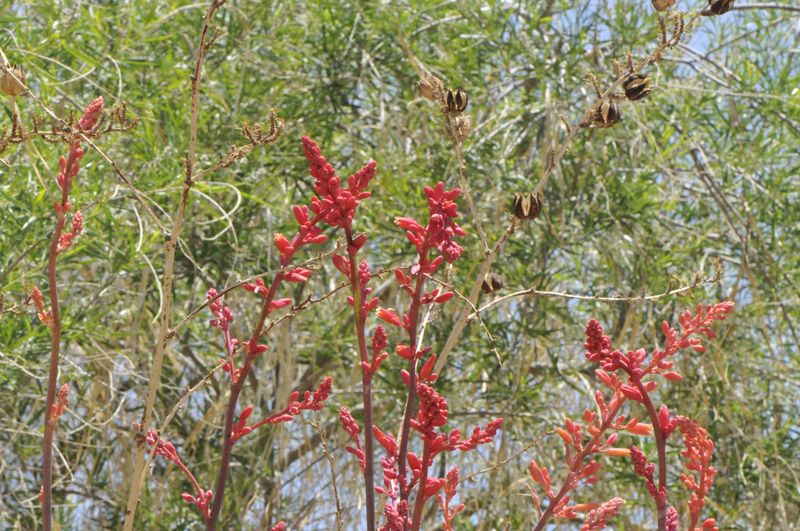
Coral-pink flower spikes rise several feet above grass-like foliage, creating dramatic vertical accents in your Arizona landscape. Despite its common name, this plant isn’t actually a yucca but rather a close relative with similar toughness.
The distinction matters little when you’re enjoying the stunning flower display that lasts from spring through fall.
Hummingbirds visit the tubular blooms constantly, providing entertainment and supporting local wildlife populations. Your garden becomes a hummingbird haven without installing feeders or mixing sugar water.
The natural nectar source attracts more species than artificial feeders ever could across Arizona’s diverse habitats.
Clumping growth keeps plants contained without spreading aggressively through your beds. Each clump slowly expands outward, but never becomes invasive or difficult to control.
This well-behaved growth habit makes red yucca suitable for small yards and formal landscapes throughout Arizona.
Removing spent flower stalks improves appearance but isn’t necessary for plant health. You can leave them standing for architectural interest and seed production that feeds birds.
Either approach works fine, so choose based on your aesthetic preferences rather than plant requirements.
Extreme cold tolerance surprises many Arizona gardeners who assume all succulents are frost-tender. Red yucca handles temperatures well below freezing without protection or damage.
This hardiness makes it reliable across all of Arizona’s climate zones, from low deserts to high-elevation communities.
9. Fairy Duster
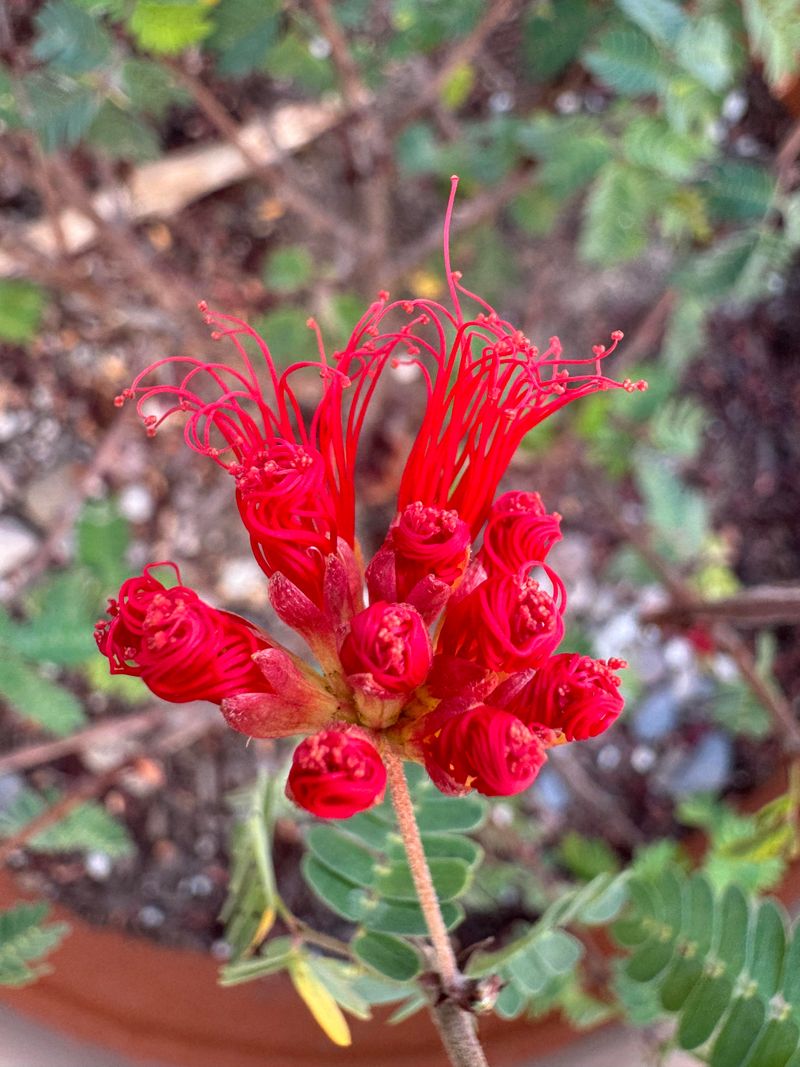
Fluffy pink flowers resembling tiny powder puffs bring whimsy and charm to your Arizona garden. The blooms appear in waves throughout the warm months, with peak flowering in spring and fall.
Each flower consists of long stamens that create the characteristic fuzzy appearance that gave this plant its delightful name.
Delicate fern-like foliage provides fine texture that contrasts beautifully with bold-leafed plants. Your landscape gains visual complexity from this textural diversity without adding high-maintenance species.
The soft appearance belies the plant’s incredible toughness and drought tolerance across Arizona’s varied climates.
Low, spreading growth makes fairy duster excellent for filling spaces between larger shrubs and trees. Plants typically stay under three feet tall while spreading several feet wide.
This growth pattern creates living mulch that suppresses weeds and reduces your garden maintenance throughout the year.
Butterflies and native bees visit the flowers constantly, making your Arizona yard a pollinator paradise. You’ll notice increased wildlife activity wherever fairy duster grows.
This ecological benefit comes automatically without any special efforts or wildlife gardening techniques on your part.
Established plants tolerate extended dry periods without supplemental water in most Arizona locations. You might provide occasional deep watering during extreme heat, but these tough natives typically survive on natural rainfall.
Their independence from irrigation makes them perfect for low-maintenance landscapes and water-wise gardens throughout the state.