8 Native Plants That Thrive In Containers On Arizona Patios Before Heat Sets In
A patio in Arizona can look full for a few weeks, then suddenly start struggling once the heat begins to build. That is why timing matters so much when choosing what to grow in containers.
The plants that settle in before the hottest stretch arrives usually have a much better shot at staying strong, colorful, and easy to manage.
Native plants make that choice feel even smarter. They already know how to handle Arizona conditions, which means they often need less fuss once they get going.
In containers, they can bring texture, color, and that desert beauty patios sometimes miss when everything starts looking too similar.
The good part is that there are plenty of native options that do more than just survive. Some spill softly over the edges, some bring bright blooms, and some hold their shape beautifully as the season shifts.
If your Arizona patio needs plants that can settle in now and keep looking good as temperatures rise, these picks are worth a closer look.
1. Desert Marigold Thrives In Containers With Minimal Water
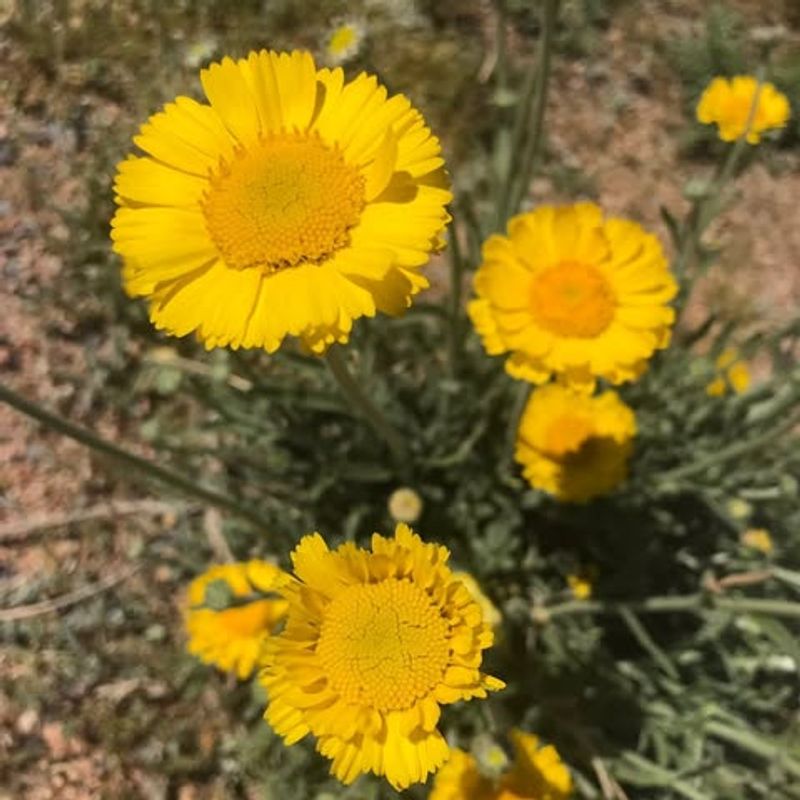
Bright yellow flowers on silver stems — Desert Marigold is the kind of plant that looks like it belongs on a postcard from Arizona. Baileya multiradiata puts on a serious show from early spring right into fall, and it does all of that without asking for much water at all.
In a container, it stays tidy and upright. Use a cactus mix or sandy, fast-draining soil and a pot with good drainage holes.
Terracotta works especially well in the dry Arizona air because it lets excess moisture escape naturally through the walls.
Water it deeply every week or so in spring, then back off as temperatures climb. Soggy roots are the one thing this plant truly cannot handle.
Set it where it gets full sun all day — a south or west-facing patio in Phoenix or Scottsdale is just about perfect for it.
Deadheading spent blooms keeps new flowers coming. You do not have to be aggressive about it; just snip off the faded ones every week or two.
Even without that extra effort, Desert Marigold keeps producing blooms steadily through the season.
Pollinators absolutely love it. Bees and butterflies will find your patio quickly once this plant starts flowering.
For a low-effort, high-reward container plant in Arizona, very few native options can match what Desert Marigold brings to the table.
2. Blackfoot Daisy Stays Compact And Blooms Steadily
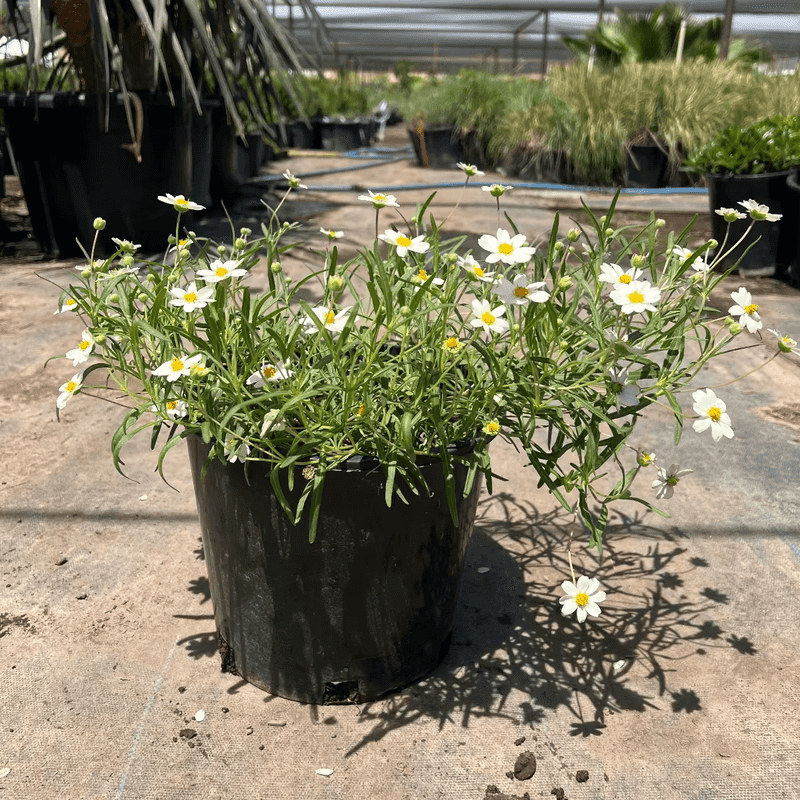
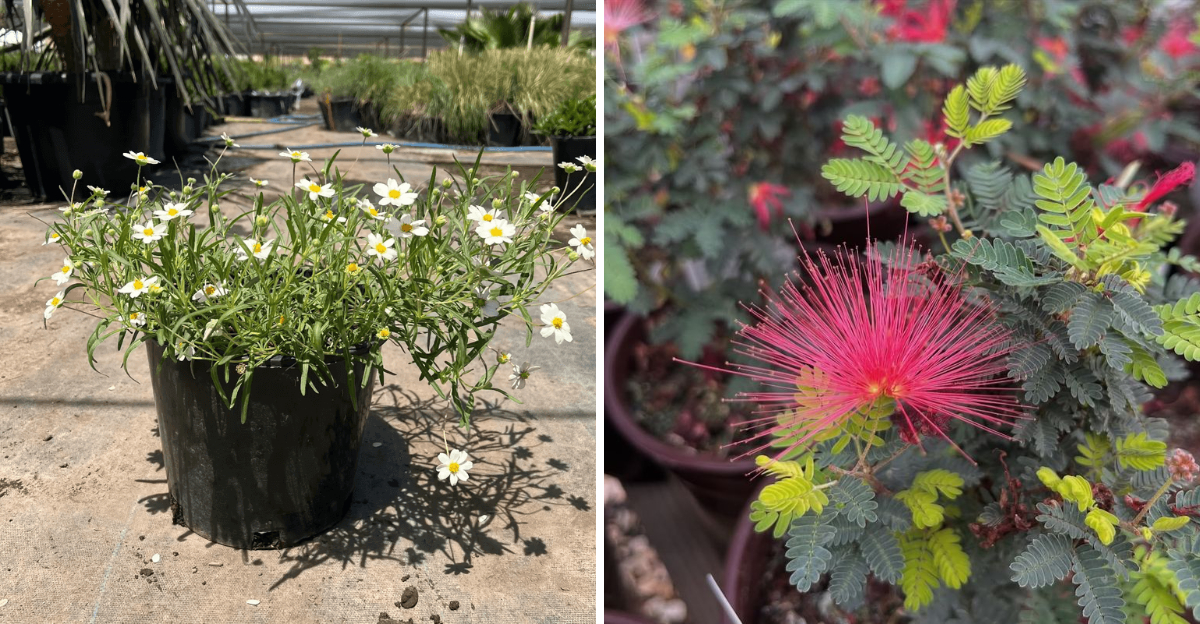
Few plants punch above their weight the way Blackfoot Daisy does. Melampodium leucanthum is a small plant — often under a foot tall — but it covers itself in cheerful white blooms with yellow centers from late winter clear through spring, and sometimes beyond.
Its compact size makes it one of the best native options for smaller pots and tighter patio spaces. A 10 to 12 inch container with well-draining soil is all it needs.
Place it near the edge of a table or on a low shelf where the blooms can really be appreciated up close.
Arizona gardeners in Tucson and Mesa love this one because it handles full sun without complaint. Water it once or twice a week in early spring, letting the soil dry out between waterings.
Cut back on water as the season warms and the plant will stay happier longer.
Blackfoot Daisy draws in native bees and small butterflies, making your patio feel alive during those pleasant spring mornings. It does not need fertilizer, and honestly, feeding it too much can reduce bloom production rather than increase it.
If you want a plant that stays neat, asks for almost nothing, and rewards you with consistent color all season, Blackfoot Daisy deserves a spot on your Arizona patio. It is genuinely one of the most dependable container bloomers for this region.
3. Parry’s Penstemon Performs Well In Early Season Pots
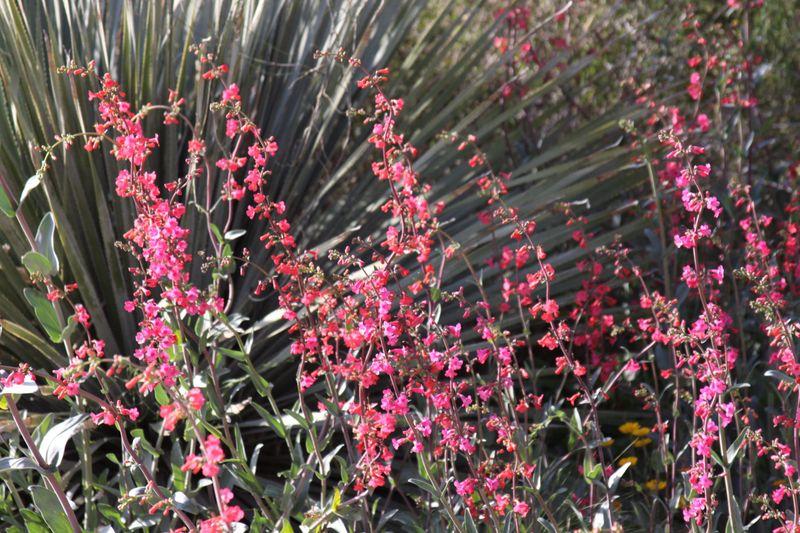
Parry’s Penstemon is one of those plants that stops people in their tracks. Tall spikes loaded with tubular pink-red flowers shoot up fast in early spring, and hummingbirds zero in on them almost immediately.
Growing it in a container lets you move it to wherever the action is on your patio.
Use a deep pot — at least 12 inches — because Penstemon parryi develops a decent root system. Sandy, well-draining soil is essential.
Roots sitting in wet soil will cause problems quickly, especially in the heavier mixes sold at big-box stores. Cut those mixes with perlite or coarse sand to improve drainage.
Place the pot in full sun. In Phoenix or Chandler, a spot that gets six or more hours of direct light daily will produce the tallest, most flower-heavy stems.
Water once a week during the cool months, and pull back significantly once temperatures start pushing into the 90s.
Parry’s Penstemon has a relatively short peak season, but what a season it is. The blooms appear in late winter through mid-spring, which is exactly the window Arizona gardeners want to take advantage of before summer heat arrives.
After flowering, let the seed heads develop if you want volunteer plants nearby. Snipping the spent stalks back to the base keeps the pot looking clean.
Either way, you get a dramatic, native display that feels truly special on any Arizona patio.
4. Fairy Duster Handles Larger Containers With Ease
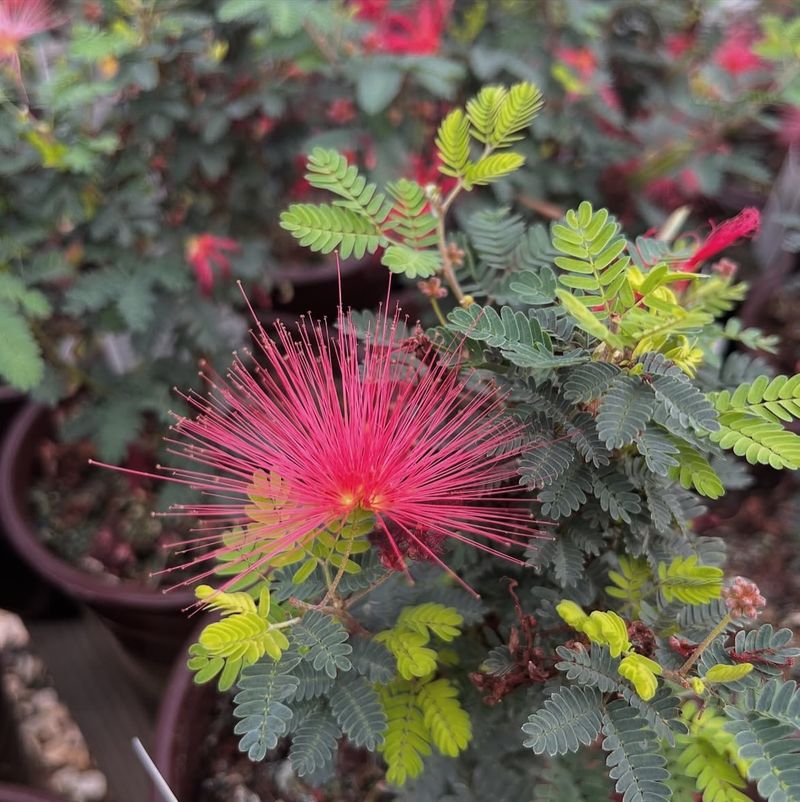
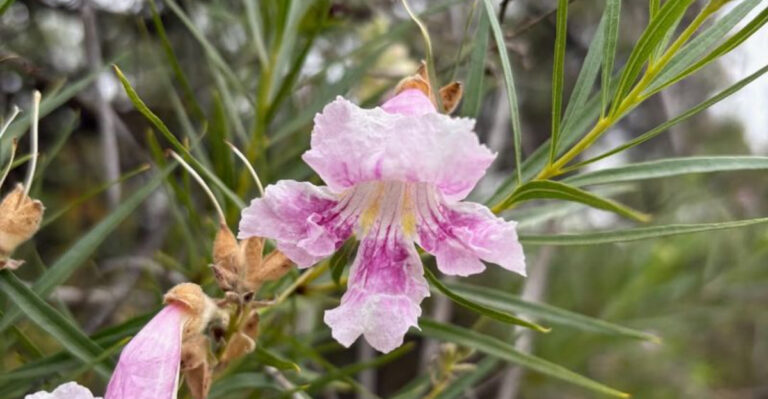
Feathery, soft, and oddly delicate-looking for a desert plant — Fairy Duster earns its name every spring when those fluffy pink blooms open up.
Calliandra eriophylla is a native shrub that adapts surprisingly well to container life, as long as the pot is big enough to give it room.
Go with a container that is at least 14 to 16 inches wide and deep. Fairy Duster grows into a small, spreading shrub, and cramped roots will limit its bloom production.
A mix of native desert soil and coarse perlite gives the roots the drainage they need in an Arizona climate.
Full sun is non-negotiable. Shady patios will get sparse, leggy growth and far fewer flowers.
On a bright, open patio in Tempe or Gilbert, Fairy Duster thrives from late winter through spring, producing waves of blooms that hummingbirds and native bees cannot resist.
Watering once a week in cooler months is plenty. As the pot warms up heading into late spring, check the soil every few days since containers dry out faster than in-ground plants.
Letting it dry out between waterings keeps root health strong.
Pruning is simple — just shape it lightly after flowering to keep the size manageable. Fairy Duster is forgiving about being trimmed and will bounce back quickly.
For larger patio spaces in Arizona, it is one of the most visually striking native container plants available.
5. Desert Zinnia Keeps A Neat Shape In Pots
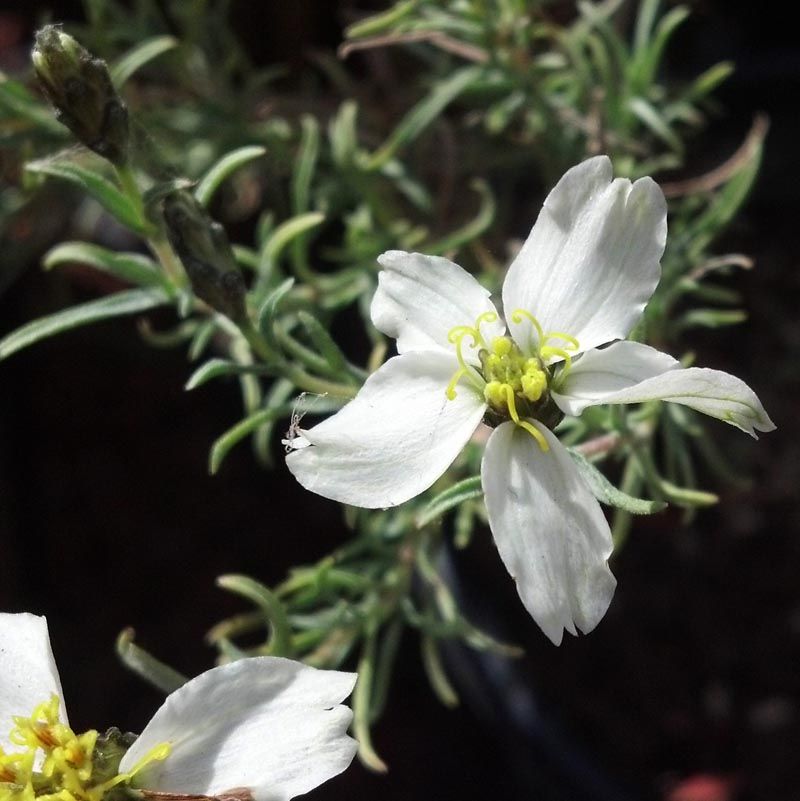
Not every patio plant needs to be dramatic to earn its place. Desert Zinnia is quiet, tidy, and consistent — exactly the kind of container plant that makes a patio feel polished without requiring constant attention from you.
Zinnia acerosa is a low-growing native perennial with small white flowers that bloom heavily in spring. Unlike its showier garden zinnia cousins, the desert version stays compact and mounded, rarely getting taller than eight or ten inches.
That natural shape makes it ideal for containers where you want something clean and controlled.
Sandy, fast-draining soil in a small to medium pot works perfectly. Avoid overwatering — this is one of the more drought-adapted plants on this list, and too much moisture will cause more problems than too little.
In Tucson and southern Arizona, it starts blooming earlier in the season than in cooler northern areas of the state.
Full sun is where it performs best. Place it on the sunniest part of your patio and it will reward you with steady blooms through spring.
Native bees love the flowers, which adds a bonus layer of life to your outdoor space.
When flowers fade, you can deadhead them to encourage fresh growth, or just let the plant cycle naturally. Either approach works.
Desert Zinnia is a no-fuss, reliable native that fits neatly into any Arizona patio container setup without asking for much in return.
6. Damianita Blooms Brightly With Little Care
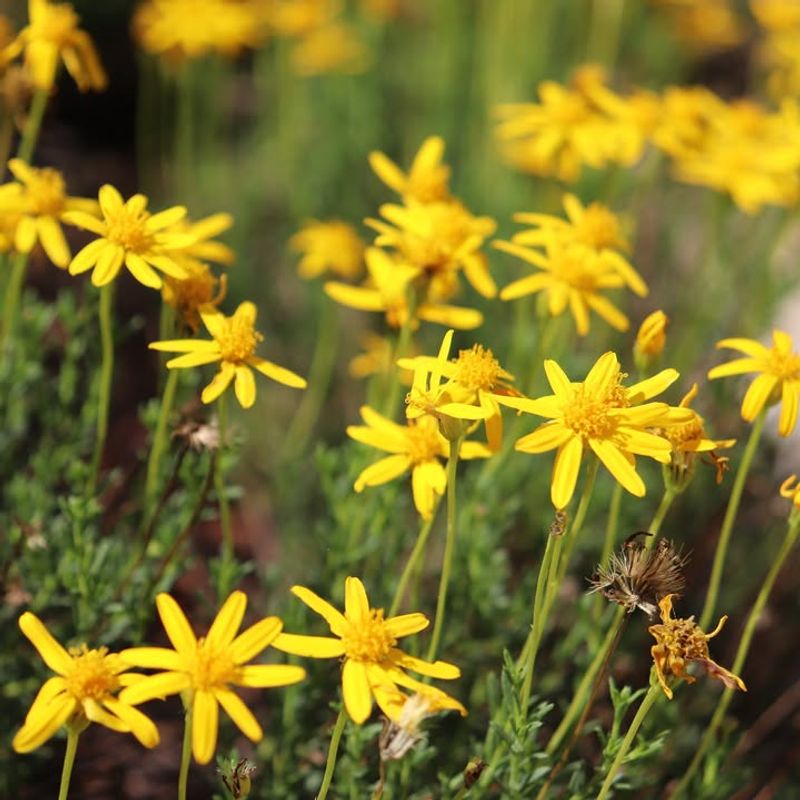
Crush a leaf of Damianita between your fingers and you will get a sharp, resinous scent that is surprisingly pleasant. Chrysactinia mexicana is a small native shrub that brings both fragrance and color to Arizona patios, and it is one of the toughest container plants you can choose for spring gardening.
Bright yellow button-like flowers cover the dark green, needle-like foliage from spring through early summer. In a container, the plant stays compact — usually under 18 inches — and holds its shape without much pruning.
Use a well-draining cactus mix and a pot with solid drainage, and Damianita will be content.
Full sun is where this plant thrives. Partial shade will reduce flowering significantly, so pick the brightest spot on your patio.
In El Paso border areas and southern Arizona, Damianita is a familiar sight in rock gardens and native landscapes, and it transitions easily to container life.
Water once a week in spring and cut back as summer approaches. Root rot from overwatering is the most common issue people run into with this plant, so err on the dry side rather than the wet side.
The soil should feel completely dry a few inches down before you water again.
Damianita does not need fertilizer and actually performs better without it. Lean soil keeps the growth compact and the flowering strong.
For Arizona gardeners who want color without fuss, this native is a genuinely reliable spring container choice.
7. Desert Four O’Clock Grows Strong In Large Containers
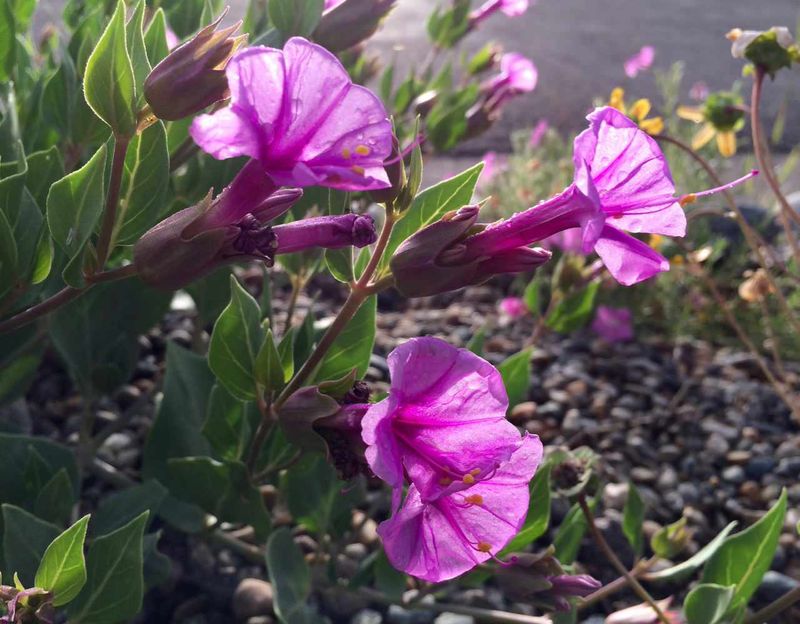
If you want color that practically glows in the afternoon light, Desert Four O’Clock is ready to deliver. Mirabilis multiflora produces clusters of vivid magenta-pink flowers that open in late afternoon and stay open through the night, which makes your Arizona patio look stunning during those warm spring evenings.
Because this plant develops a large tuberous root system, it needs a big container — think 16 to 20 inches wide and equally deep. Cramped pots will limit growth and flowering.
Use a well-draining mix and elevate the pot slightly if your patio surface holds heat, which helps with air circulation around the roots.
Water generously in spring while the plant is actively growing, but always let the top few inches of soil dry out before watering again. In the Phoenix metro area, spring warmth accelerates growth quickly, so check the pot more frequently as March and April progress.
Desert Four O’Clock tolerates partial shade better than most native plants on this list, which is useful if parts of your patio get afternoon shadow from a wall or pergola.
Still, more sun means more flowers, so aim for a location with at least five hours of direct light daily.
Hummingbirds and sphinx moths visit the flowers regularly at dusk, which adds a wonderful layer of activity to your outdoor space. For a bold, native plant that commands attention in a large container, Desert Four O’Clock is hard to beat in Arizona.
8. Trailing Indigo Bush Spreads Nicely Over Pot Edges
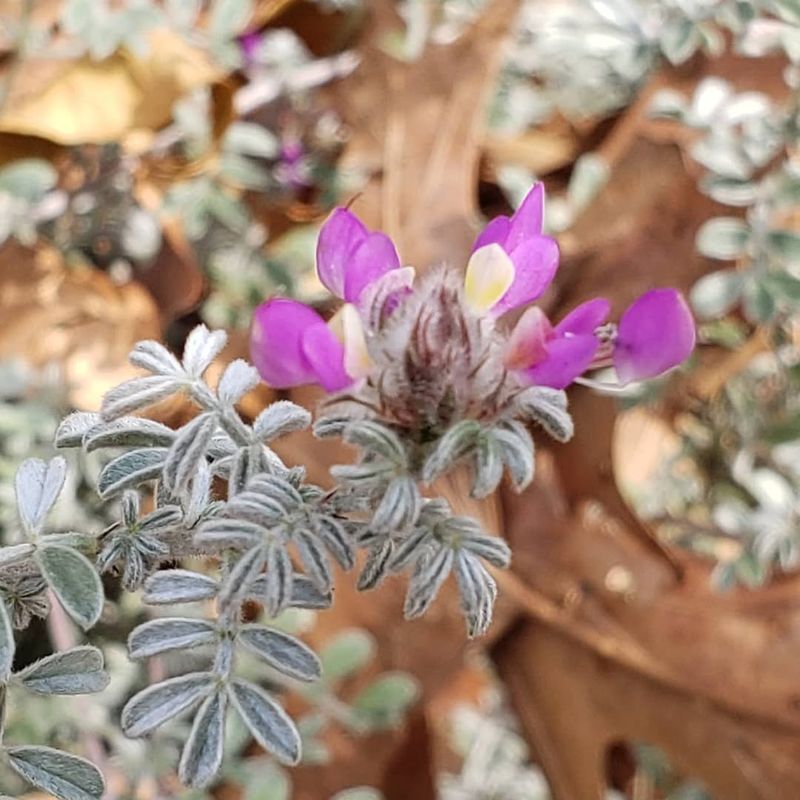
A container plant that spills over the edges always adds something special to a patio, and Trailing Indigo Bush does exactly that with style.
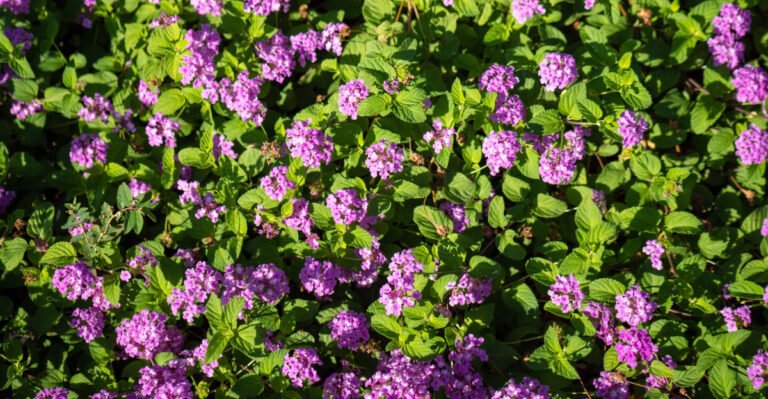
Dalea greggii is a low-growing native shrub with silver-green foliage and small clusters of purple flowers that appear in spring, creating a soft, cascading look over the rim of any pot.
Choose a wide, shallow container rather than a tall, deep one. Trailing Indigo Bush spreads horizontally more than it grows vertically, and a wider pot gives it room to do what it does naturally.
Fill it with a fast-draining cactus blend and you are set for the season.
Full sun is ideal, but it handles a bit of afternoon shade in the hottest parts of Arizona without much trouble. Water once a week in spring, and always check that the drainage holes are not blocked.
Standing water in the container will cause root problems faster than almost anything else.
In Scottsdale and Queen Creek, this plant is popular as a ground cover in xeriscape landscapes, but it adapts well to container life.
The trailing habit softens the edges of hard patio surfaces and pairs well with upright plants like Penstemon or Fairy Duster in nearby pots.
After the spring bloom, the foliage stays attractive and silvery through summer if watered occasionally. Native bees are frequent visitors to the purple flowers during peak bloom.
Trailing Indigo Bush is a refined, low-effort native that finishes any Arizona container arrangement beautifully.