9 Native Plants That Thrive In Georgia In Spring With Almost No Effort
Not every plant in a Georgia yard asks for constant attention. Some settle in quietly, handle the changing spring weather, and keep growing without needing much from you.
Those are the ones that start to stand out once the season picks up.
It becomes clear pretty quickly which plants can handle the shifts between cool mornings, warmer afternoons, and sudden rain without slowing down. While others need extra care, a few just keep going like they belong there, because they do.
That is what makes certain choices feel easier as the garden fills in. Instead of adjusting everything around them, these plants tend to hold their shape, stay healthy, and keep the space looking put together.
When the right ones are in place, the garden feels less demanding and more steady, even as spring moves forward and everything starts growing faster.
1. Black-Eyed Susan Thrives With Minimal Care
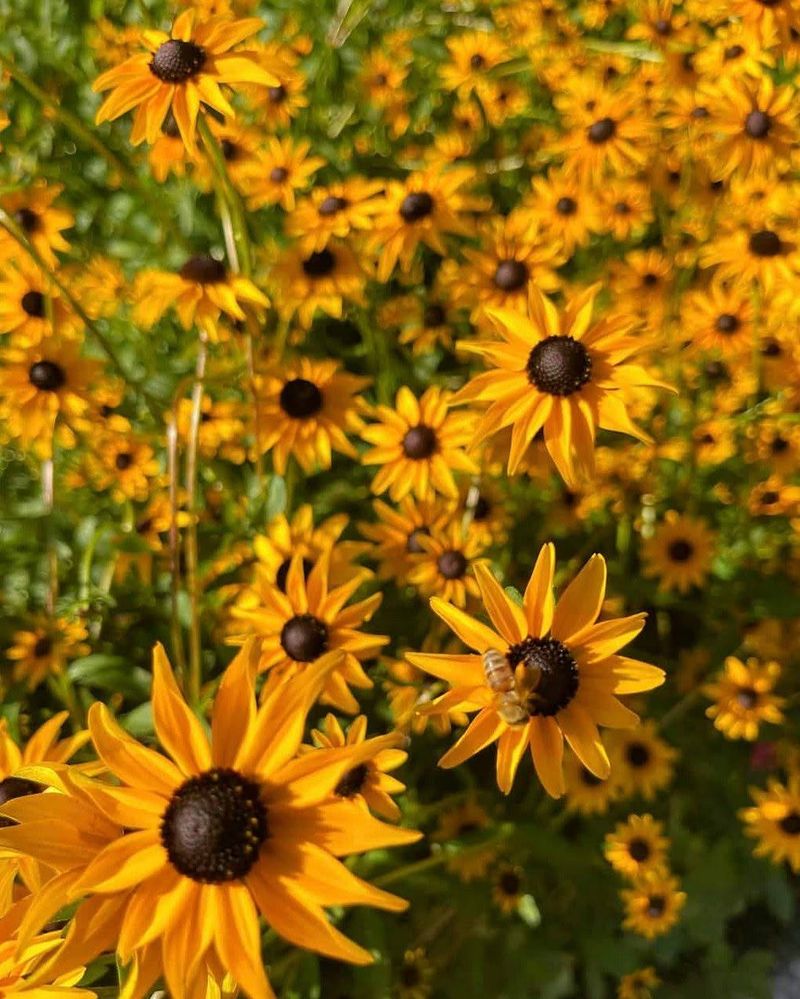
Few plants put on a show quite like Black-Eyed Susan without asking much in return. Those bold yellow petals surrounding a deep brown center are hard to miss, and they start popping up in Georgia gardens right as spring warms into early summer.
Plant them in a sunny spot with decent drainage and they will handle the rest.
Rudbeckia hirta is genuinely tough. Rocky soil, dry spells, even the occasional stretch of neglect — none of that slows it down much.
It reseeds on its own, so a small patch in year one can quietly spread into a fuller display by the following spring without you doing a thing.
Goldfinches absolutely love the seed heads, so resist the urge to cut everything back in fall. Leaving the stalks standing through winter gives birds a food source and adds some structure to an otherwise bare garden bed.
Black-Eyed Susan pairs naturally with purple coneflower and native grasses, creating a wildflower-style planting that looks intentional but takes almost no upkeep. If you are new to native gardening anywhere in Georgia, this is a smart and satisfying place to start.
2. Purple Coneflower Handles Heat And Returns Each Year
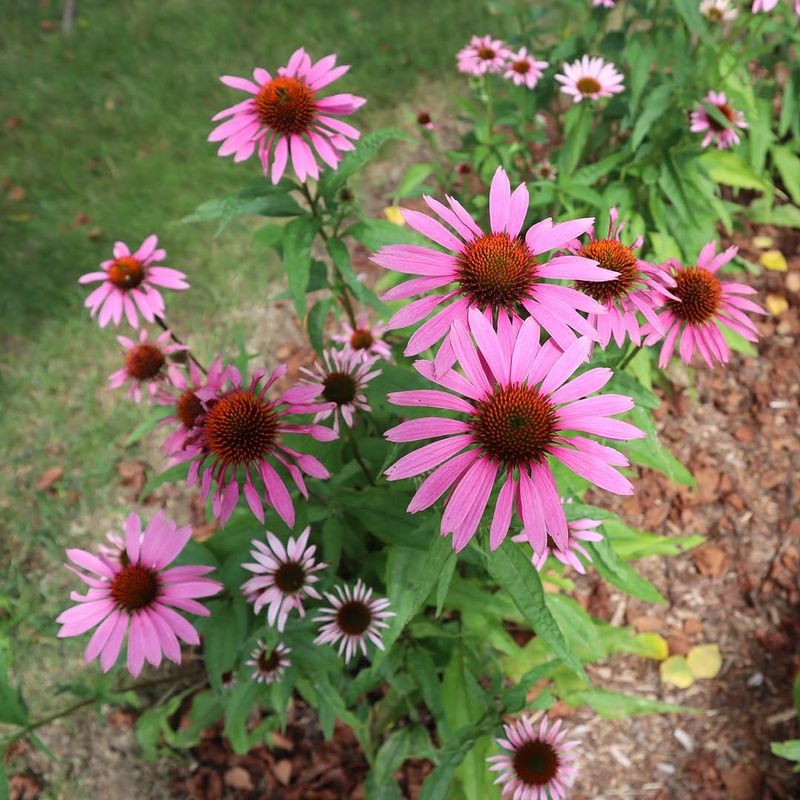
Echinacea purpurea is the kind of plant that earns its place in a Georgia garden fast. Bees show up before the flowers are even fully open, crawling across those spiky orange centers like they have been waiting all season.
Butterflies follow shortly after, and the whole bed starts buzzing with activity that requires zero effort from you.
Heat does not bother coneflower at all. Georgia summers can be punishing, and this plant just keeps going.
It prefers full sun but handles a few hours of afternoon shade without complaining. Soil does not need to be rich or amended — average to lean ground actually suits it better than anything overly amended with compost.
What makes coneflower especially satisfying is how it comes back stronger each year. The clumps slowly expand, and seedlings pop up in nearby spots on their own over time.
You end up with more plants without spending another dollar. Cut some flowers for a vase if you want, but leave a few seed heads standing in fall.
American goldfinches will pick them clean through winter, and some of those seeds will sprout come spring. It is a plant that genuinely rewards patience.
3. Native Coreopsis Grows Easily With Little Maintenance
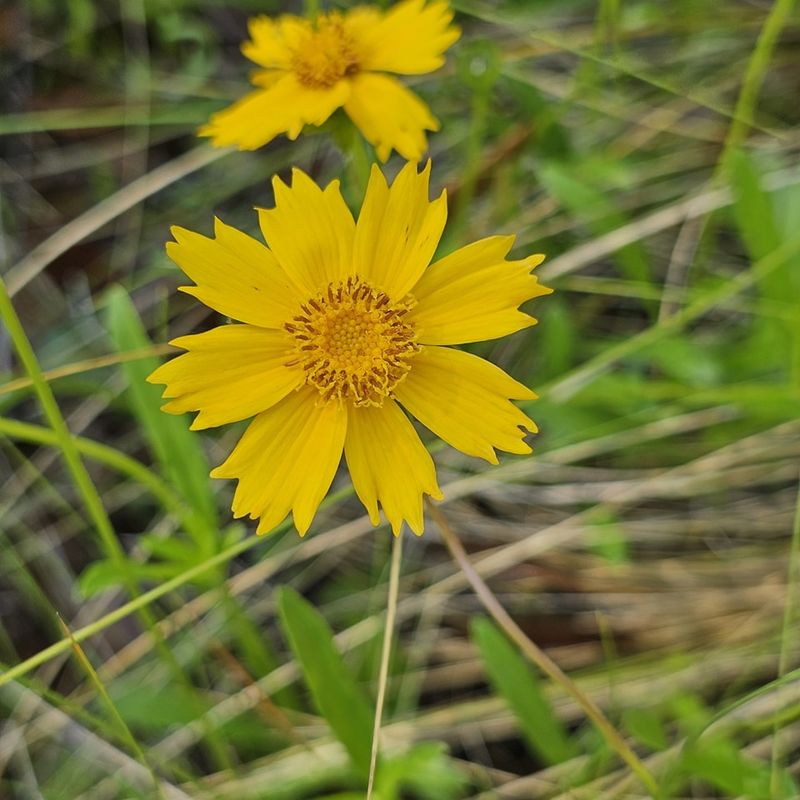
Georgia actually has its own state wildflower, and it is Coreopsis. That alone should tell you how well this plant belongs here.
Cheerful yellow blooms cover the plant from spring well into summer, and they keep coming back without much fuss from the gardener. Full sun is really the only firm requirement.
Sandy soil, clay soil, dry patches along a driveway — Coreopsis handles all of it. It does not need fertilizer, rarely needs water once it gets going, and stays compact enough to fit almost anywhere.
Roadside plantings across Georgia are full of it, which gives you a good sense of just how adaptable it really is.
Deadheading spent blooms can extend the flowering season if you have a few minutes to spare, but skipping that step will not hurt the plant. Birds feed on the seeds just like they do with coneflower and Black-Eyed Susan, so leaving some stems standing has real value.
Coreopsis also works well along borders, in rain gardens, or tucked into slopes where other plants tend to wash out. Plant it once, and it tends to stick around and spread quietly year after year in Georgia’s climate.
4. Native Bee Balm Attracts Pollinators And Spreads Well
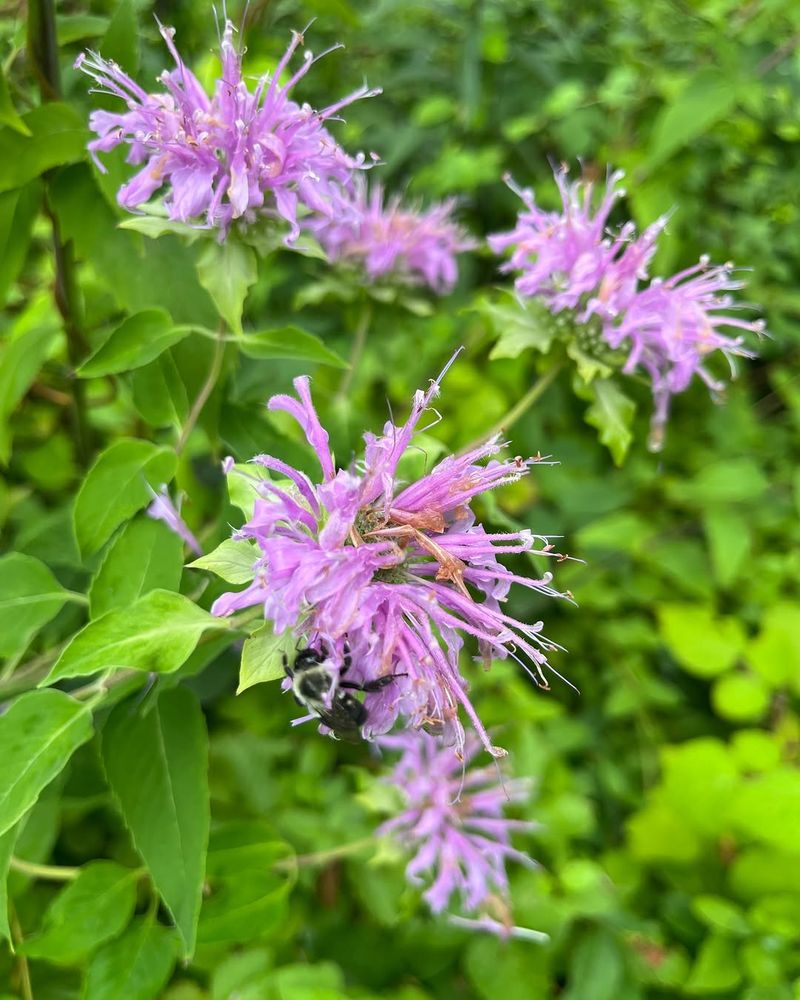
Walk past a patch of Bee Balm in bloom and you will hear it before you see it — that constant hum of bees, plus the occasional flash of a hummingbird darting between the shaggy red or pink flowers.
Monarda is genuinely one of the most wildlife-friendly plants you can put in a Georgia garden, and it asks for very little in exchange.
It spreads by underground runners, which means a small clump can fill out a bed over a couple of seasons. Some gardeners appreciate that; others prefer to pull back the edges each spring to keep it contained.
Either way, the spread is manageable and easy to control with a quick dig around the perimeter.
Bee Balm does best in spots that get morning sun with some afternoon shade, especially in the hotter parts of Georgia where full midday sun can stress it. Moist soil helps but is not always required once the plant settles in.
Powdery mildew can show up in humid stretches, so giving plants a bit of breathing room between them helps with airflow. Cutting the whole plant back after the first flush of blooms often triggers a second round of flowers before fall sets in.
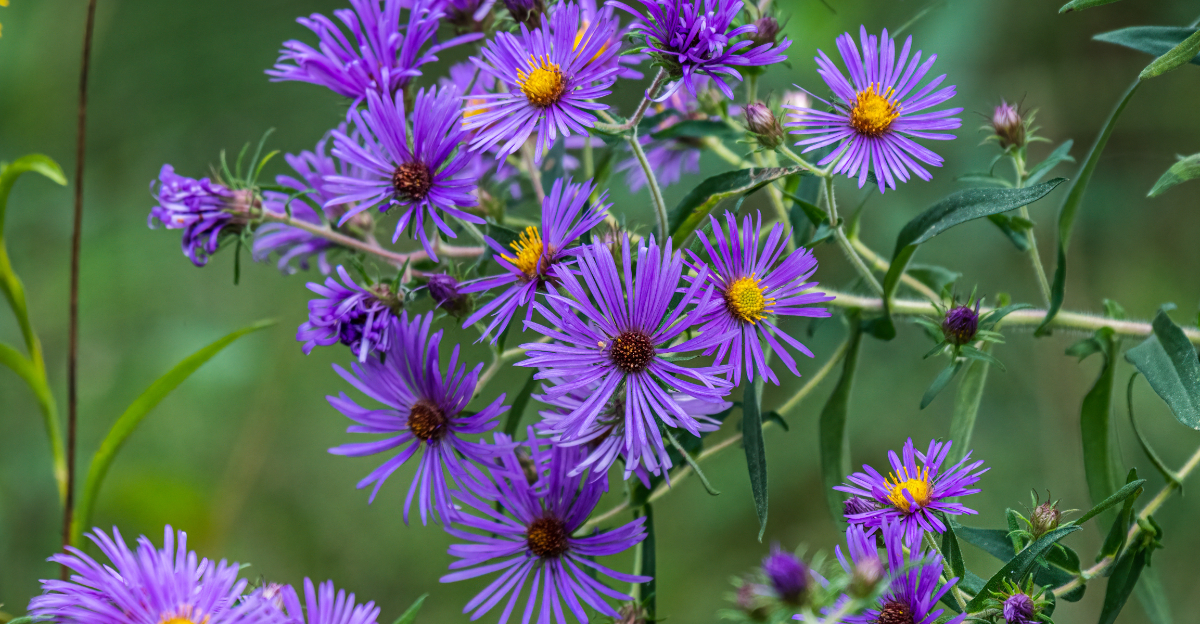
5. Georgia Aster Blooms Reliably In Local Conditions
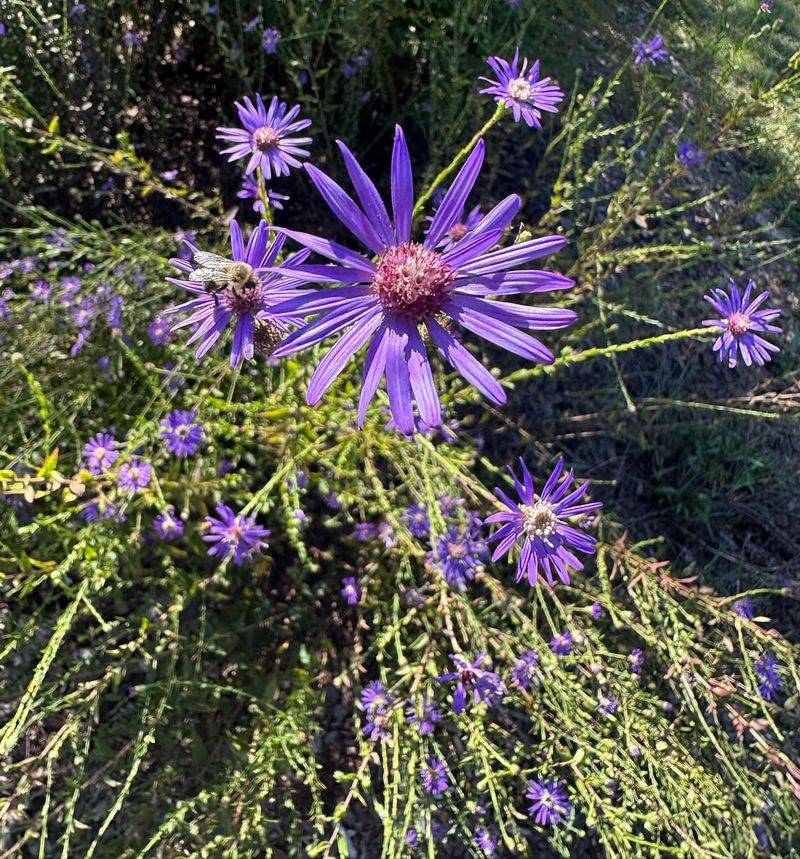
Named after the state for good reason, Georgia Aster is one of those plants that feels completely at home here in a way that imported varieties never quite manage.
Symphyotrichum georgianum produces clusters of vivid purple flowers with yellow centers that open in fall, but the plant itself starts putting on leafy growth right in spring, slowly building up to that autumn display.
It grows naturally in open woodlands and along roadsides across the state, which means it already knows how to handle Georgia’s mix of red clay, humidity, and summer heat. Full sun works best, though partial shade is tolerated.
Soil quality matters very little — lean, dry ground is actually where it tends to thrive rather than struggle.
Georgia Aster is genuinely rare in the wild now due to habitat loss, so growing it in home gardens has real conservation value beyond just aesthetics.
Pollinators flock to the flowers in late season when not much else is blooming, making it especially valuable for bees trying to stock up before winter.
Cutting the plant back by about a third in early summer encourages bushier growth and more flowers. It is a deeply local plant that deserves far more attention than it gets in Georgia yards.
6. Oakleaf Hydrangea Grows Well In Shade And Humidity
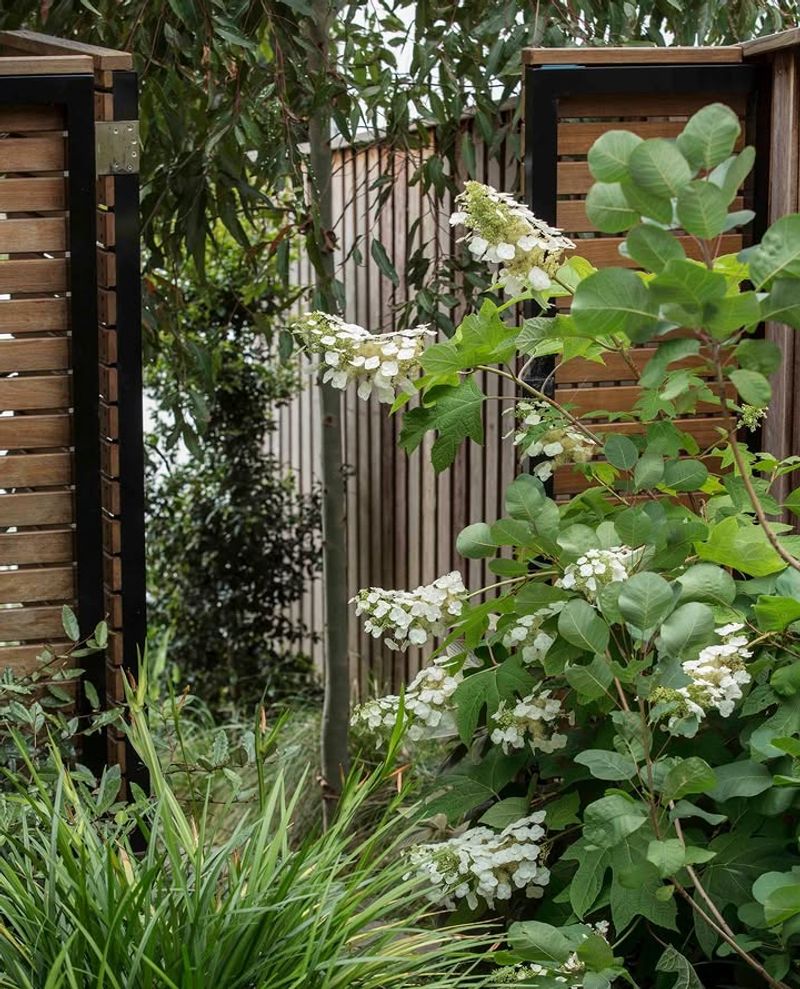
Shady spots in Georgia gardens can be tricky to fill, but Oakleaf Hydrangea was practically built for them. Native to the Southeast, this shrub handles dappled shade under tall pines or hardwoods without missing a beat.
Spring brings huge cone-shaped white flower clusters that gradually turn papery and tan by summer, adding texture long after the blooms fade.
The bark peels in cinnamon-brown strips through winter, and the leaves turn deep burgundy and orange in fall before dropping. That means Oakleaf Hydrangea earns its space in the yard across every single season, not just when it is flowering.
Few shrubs native to Georgia offer that kind of year-round interest.
Sandy loam or average soil works fine, and established plants handle dry spells better than most hydrangeas you would find at a big box store. Avoid planting in spots with standing water or poor drainage — that is really the one condition it dislikes.
Pruning is optional and should only happen right after flowering if you want to keep the size in check. Cut too late in the season and you will remove next year’s flower buds.
Leave it alone most years and it rewards you with very little effort required on your part.
7. Yaupon Holly Stays Tough And Low-Maintenance Year Round
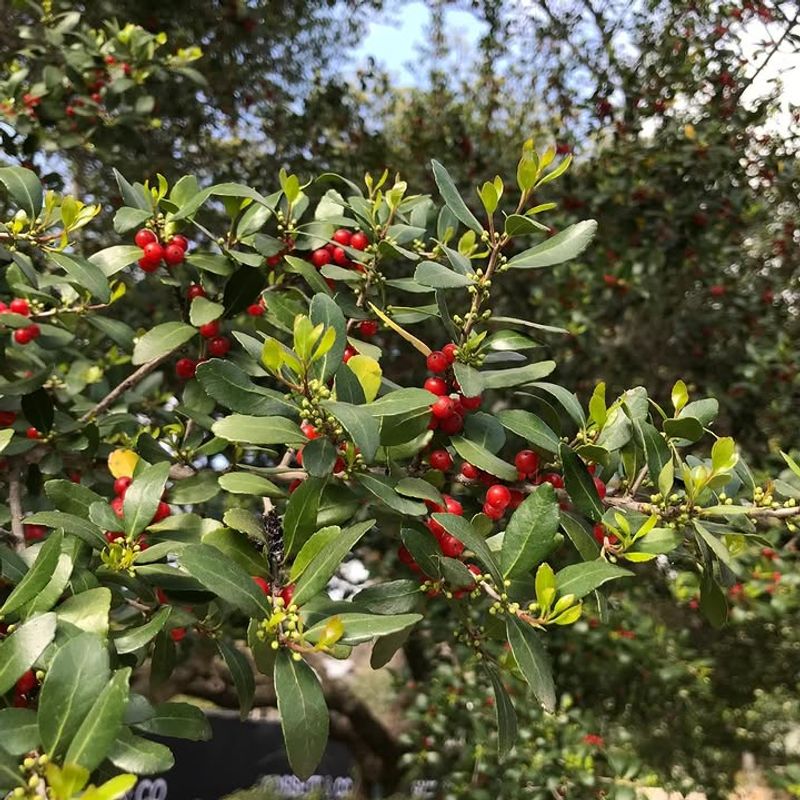
Yaupon Holly might be the most underused native shrub in Georgia, and that is a real shame. It grows in nearly every soil type, handles drought, tolerates flooding, thrives in full sun or deep shade, and keeps its glossy green leaves year round.
It is genuinely difficult to find a condition that seriously bothers this plant.
Female plants produce clusters of small red or orange berries that birds devour in winter and early spring. Cedar waxwings, mockingbirds, and robins all visit heavily when the berries are ripe.
If you want berries, plant at least one male nearby to ensure pollination — most nurseries can help you identify which is which at purchase.
Yaupon can be pruned into a formal hedge, left to grow as a loose natural shrub, or even trained into a small multi-trunk tree over time. It is one of the most flexible native plants available in Georgia in terms of how you use it in a landscape.
Worth knowing: Yaupon Holly contains caffeine and was historically used by Indigenous peoples of the Southeast to make tea. It is the only caffeinated plant native to North America.
That alone makes it one of the more interesting additions you can bring into a Georgia garden this spring.
8. American Beautyberry Produces Colorful Berries With Little Care
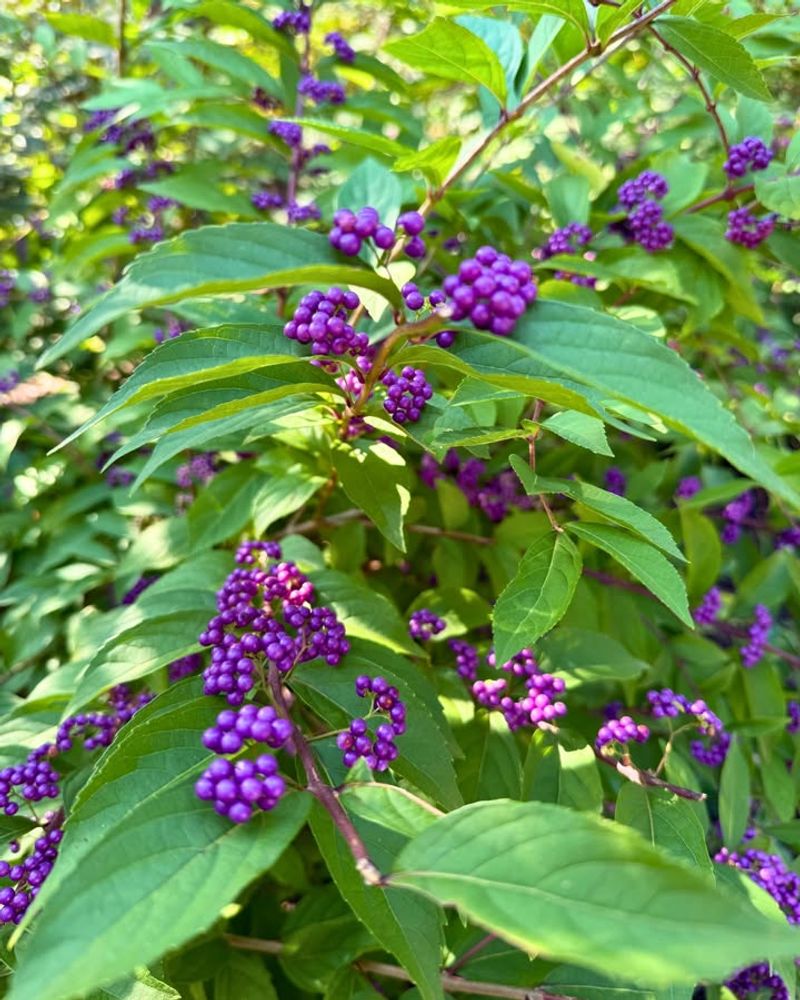
Nothing in a Georgia garden stops visitors in their tracks quite like American Beautyberry loaded with its electric purple berry clusters.
Callicarpa americana produces those berries in late summer and into fall, but the arching stems start leafing out beautifully right in spring, giving the plant a graceful presence long before the fruit appears.
It grows fast, sometimes adding several feet of height in a single season under good conditions. Partial shade suits it well, though full sun works too as long as moisture is available.
It tends to grow naturally at the edges of Georgia woodlands where light filters through, and replicating that kind of spot in your yard gives you very reliable results.
Birds eat the berries enthusiastically — mockingbirds, robins, catbirds, and brown thrashers all feed on them. Deer browse the leaves occasionally, but the plant bounces back quickly.
Cutting the whole shrub down to about a foot from the ground in late winter or very early spring actually improves berry production by encouraging vigorous new growth. Skip that step and the plant gets woody and produces fewer berries over time.
American Beautyberry is a genuinely rewarding native plant for Georgia gardeners who want serious visual impact without serious effort.
9. Eastern Redbud Blooms Early And Thrives Each Spring
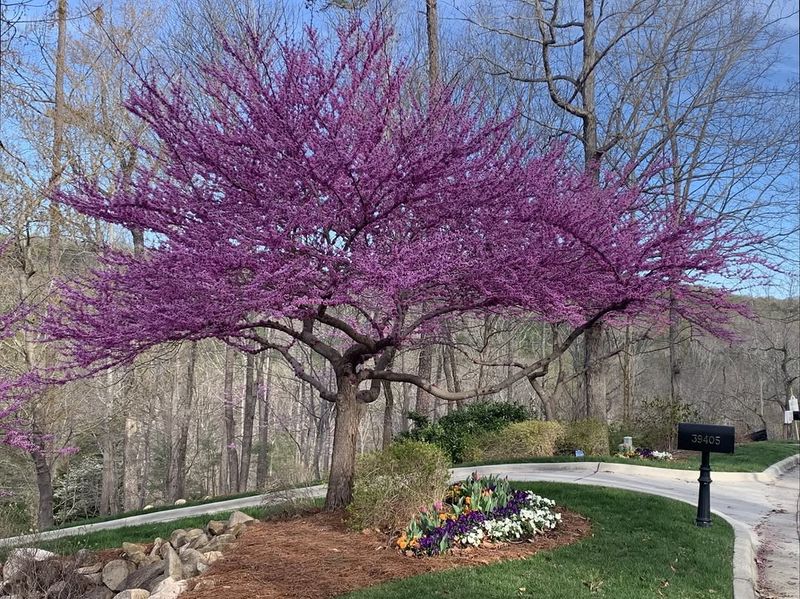
Before almost anything else wakes up in a Georgia spring, Eastern Redbud explodes into bloom.
Bare branches suddenly covered in clusters of vivid magenta-pink flowers is a sight that genuinely stops traffic in neighborhoods across the state from late February through March.
It is one of the earliest signs that the season has actually turned.
Cercis canadensis stays small compared to most landscape trees, usually topping out somewhere between fifteen and twenty-five feet depending on the site.
Heart-shaped leaves follow the flowers and stay attractive through summer, turning yellow in fall before dropping.
The overall shape is graceful and slightly irregular, which suits naturalistic plantings very well.
It adapts to a wide range of Georgia soils and performs well in both full sun and part shade. Planting it near the edge of a wooded area or as an understory tree beneath larger oaks gives it a setting that mirrors where it grows naturally in the wild.
Spring pollinators, especially native bees, seek out the flowers heavily during that early bloom period when other food sources are still scarce.
Redbud requires almost no pruning and rarely needs supplemental watering after its first full growing season in Georgia’s climate.
Plant one and it will likely outlast the gardener who put it in the ground.