11 Native Plants To Start Planning In February For A Beautiful Spring Garden In North Carolina
February may bring crisp air and quiet garden beds, yet in North Carolina this month holds the promise of transformation just beneath the surface.
While winter still lingers, it is the perfect time to begin shaping a spring garden filled with native plants that naturally flourish in North Carolina’s climate.
Starting now allows you to welcome the season ahead with colorful blooms, lively pollinators, and a landscape that feels vibrant from the very first warm days.
Native plants are well suited to local conditions, need less upkeep, and help support birds, bees, and other wildlife that make gardens feel alive and balanced.
Early planning also gives you the advantage of choosing ideal planting locations, enriching your soil, and securing your favorite plants before the busy spring season arrives.
With thoughtful preparation, your North Carolina garden can awaken into a beautiful, thriving space full of energy and seasonal charm.
1. Carolina Jessamine (Gelsemium Sempervirens)
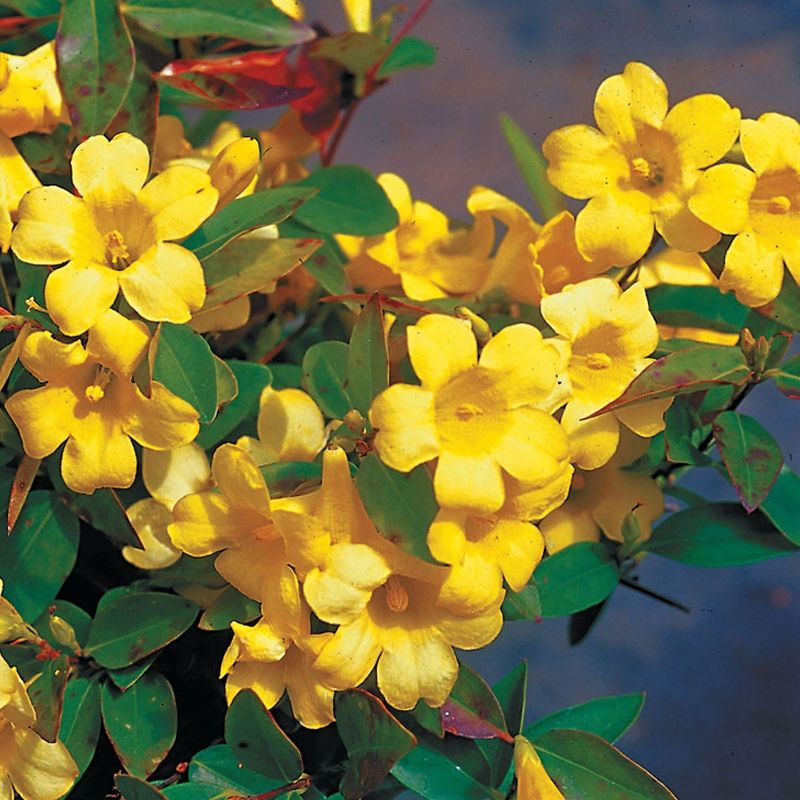
When winter still lingers across much of North Carolina, this native vine announces spring with cascades of golden yellow flowers. Carolina Jessamine transforms fences, arbors, and trellises into spectacular displays starting in late February or early March.
Its evergreen foliage provides year-round interest while its fragrant blooms signal the changing season.
This southeastern native climbs enthusiastically, reaching fifteen to twenty feet with proper support. Full sun to partial shade suits it well, though more sun typically produces heavier flowering.
It adapts to various soil types and shows good drought tolerance once established in the landscape.
February represents the ideal month to plan where this vine will grow and prepare support structures before spring planting. Choose locations carefully since it grows vigorously and can overwhelm smaller plants nearby.
Proper placement near sturdy fences or pergolas showcases its beauty without creating maintenance headaches.
The tubular flowers attract early-season pollinators including bees and occasional hummingbirds. All plant parts contain toxic compounds, so avoid planting where children or pets might chew on stems or flowers.
Despite this caution, it remains a beloved choice for southern gardens seeking early color and classic charm that connects to regional gardening traditions.
2. Black-Eyed Susan (Rudbeckia Hirta)
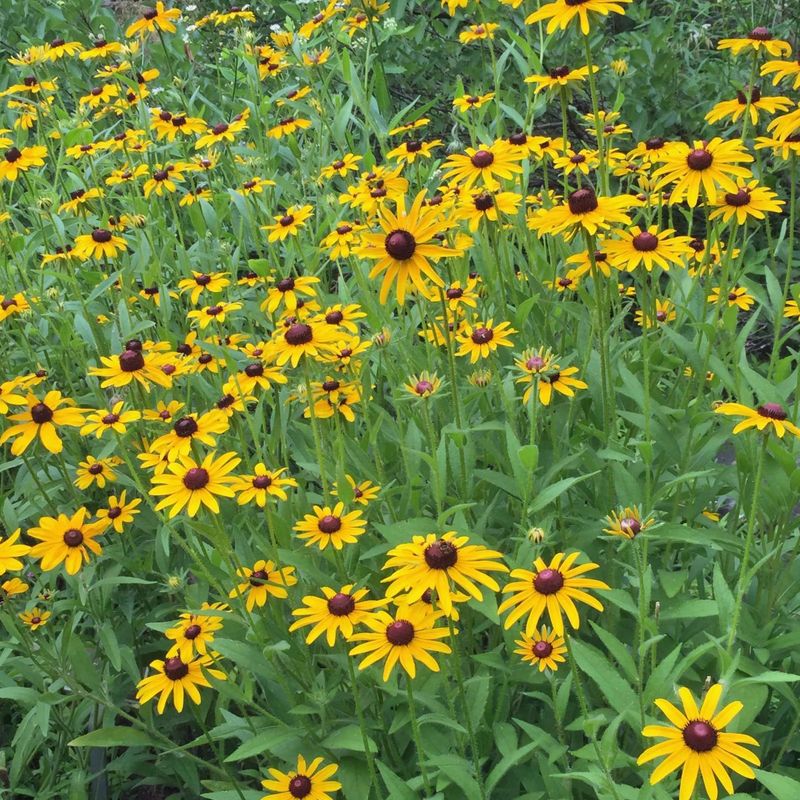
Sunshine seems to follow this cheerful wildflower wherever it grows. Black-Eyed Susans bring golden petals and dark chocolate centers that light up any garden bed from late spring through summer.
These tough performers handle North Carolina’s heat with ease while attracting butterflies, bees, and other helpful pollinators to your yard.
Full sun suits them best, though they tolerate partial shade without complaint. Their adaptability extends to soil types as well, thriving in everything from clay to sandy ground.
Once established, they handle dry spells remarkably well, making them ideal for gardeners who prefer low-maintenance plants.
Starting seeds indoors in February gives them a strong head start before transplanting outdoors after the last frost. You can also direct sow seeds in prepared beds once soil temperatures warm up in early spring.
Spacing them about twelve to eighteen inches apart allows room for their spreading growth habit.
These native beauties self-seed generously, creating natural drifts that expand your display each year. Their blooms make excellent cut flowers that brighten indoor arrangements for days.
Goldfinches adore their seed heads in fall, adding another layer of wildlife interest to your garden throughout multiple seasons.
3. Purple Coneflower (Echinacea Purpurea)
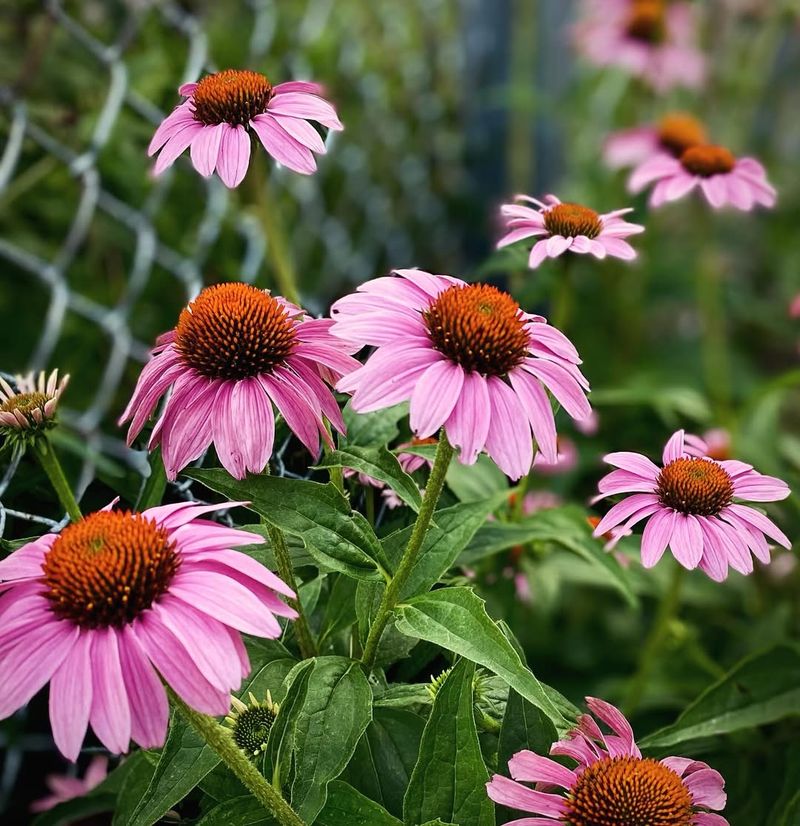
Bold and beautiful, this prairie native has found a perfect home in North Carolina gardens. Purple Coneflowers stand tall on sturdy stems, displaying distinctive raised centers surrounded by drooping petals in shades ranging from pink to purple.
Their architectural form adds structure to garden beds while their nectar-rich blooms feed countless pollinators from early summer through fall.
Planting them in full sun produces the strongest plants and most abundant flowers. They adapt to various soil conditions but prefer well-drained ground that doesn’t stay soggy.
Once their roots settle in, they become remarkably drought-tolerant and require minimal care beyond occasional deadheading to encourage more blooms.
February planning allows you to start seeds indoors or order healthy plants for spring installation. Space them eighteen to twenty-four inches apart to accommodate their mature spread.
Their clump-forming growth habit creates impressive displays when planted in groups of three or five.
Goldfinches and other seed-eating birds flock to their seed heads in late fall, providing entertainment well after blooming ends. Their medicinal properties have made them popular in herbal remedies for centuries.
These perennials return stronger each year, forming larger clumps that can be divided and shared with fellow gardening friends.
4. Eastern Columbine (Aquilegia Canadensis)
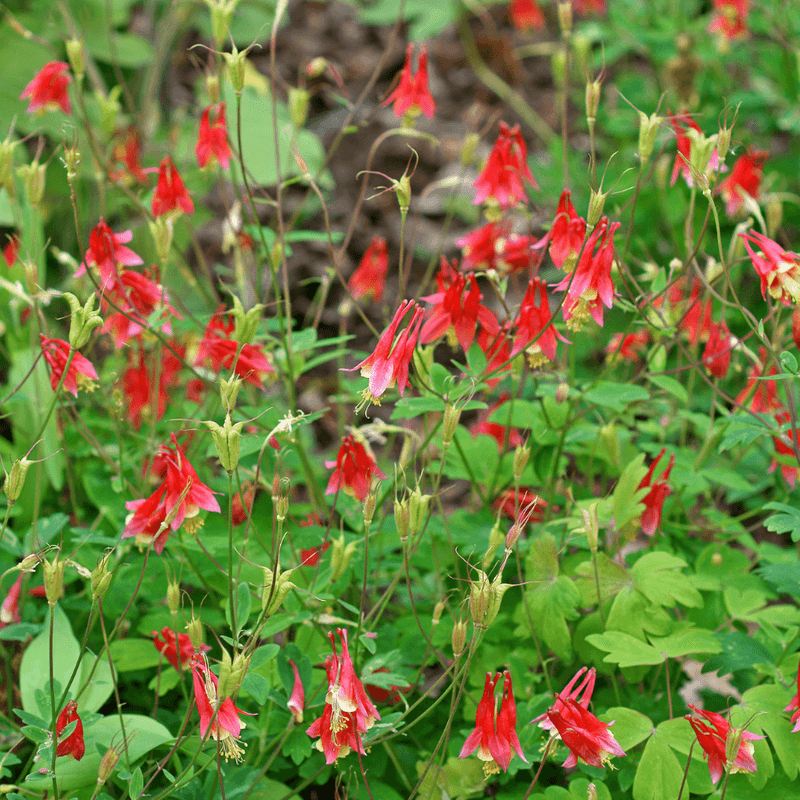
Graceful and delicate, this woodland native dances in spring breezes with nodding flowers that seem almost whimsical. Eastern Columbine produces unique blooms combining red outer petals with yellow centers, each flower sporting distinctive backward-pointing spurs.
These architectural marvels appear from April through June, bringing vertical interest to shaded garden areas.
Partial shade to full shade suits this plant best, mimicking its natural forest floor habitat. It prefers moist, well-drained soil rich in organic matter but adapts to drier conditions once established.
The compound leaves remain attractive even after flowering ends, providing textural interest throughout the growing season.
Starting seeds indoors in February requires patience since they need cold stratification to germinate properly. Alternatively, you can direct sow seeds outdoors in late winter, letting natural temperature fluctuations trigger sprouting.
Space plants twelve to fifteen inches apart to allow their airy form to shine. Hummingbirds seek out these flowers specifically, their long beaks perfectly designed to reach nectar hidden deep within the spurs.
Native bees also visit frequently, making this plant a pollinator powerhouse. Self-seeding occurs readily in favorable conditions, creating naturalized colonies that expand your spring display over time without becoming invasive or problematic.
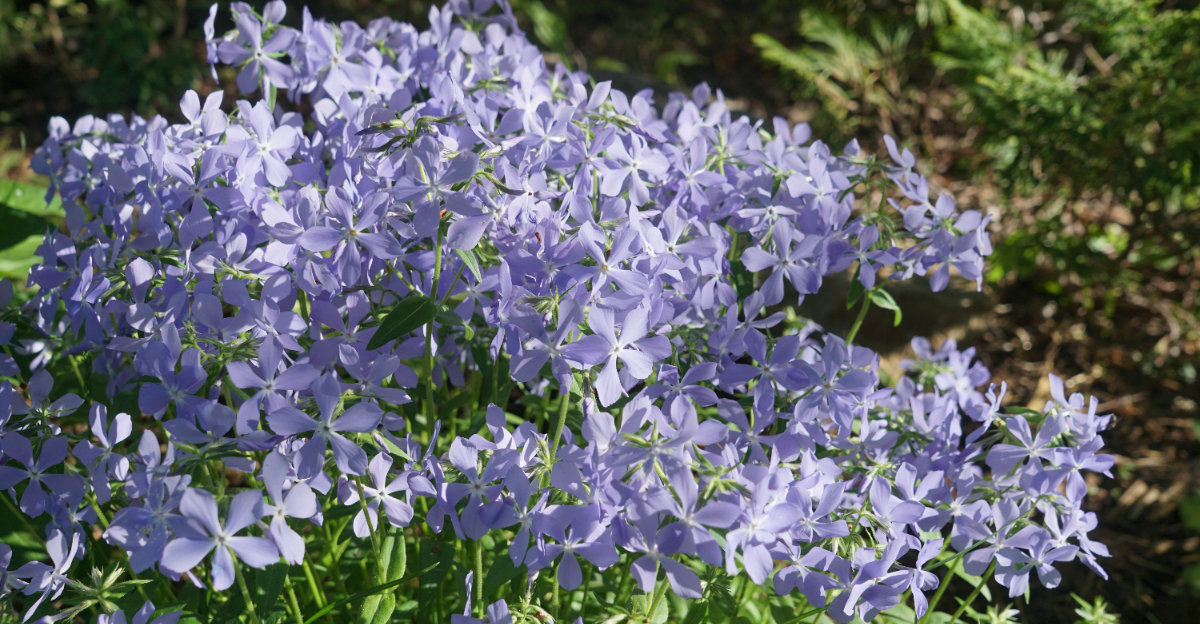
5. Wild Blue Phlox (Phlox Divaricata)
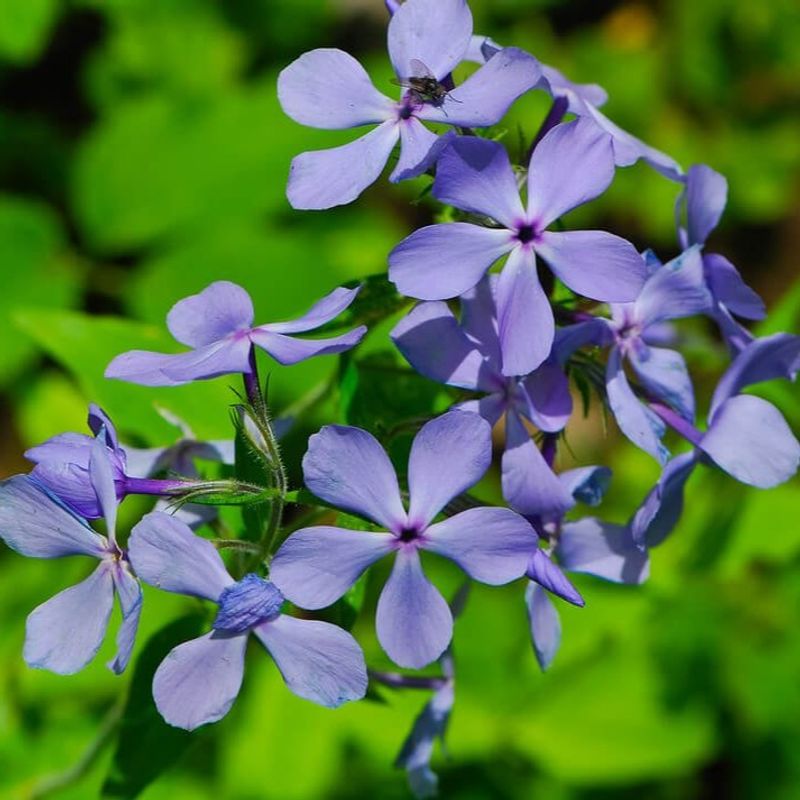
Imagine carpets of fragrant blue flowers spreading beneath trees in early spring. Wild Blue Phlox creates exactly this scene, transforming shaded garden areas into dreamy landscapes filled with sweet-scented blooms.
The lavender-blue flowers appear in clusters atop stems that reach ten to twelve inches tall, creating a hazy effect that feels both wild and refined.
Woodland conditions suit this native perfectly, thriving in partial to full shade with consistently moist soil. It spreads gradually through underground stems, forming colonies that suppress weeds naturally.
The semi-evergreen foliage provides ground coverage even during winter months in milder areas of North Carolina.
February planning should include selecting appropriate shaded locations and preparing soil with compost or leaf mold. Plant divisions or potted specimens in early spring, spacing them twelve to eighteen inches apart.
They establish quickly when given adequate moisture during their first growing season. The fragrance attracts butterflies, bees, and other beneficial insects seeking early nectar sources.
Evening brings out the strongest scent, making this plant perfect near patios or walkways where you can enjoy its perfume.
Pairing it with ferns, hostas, or native woodland wildflowers creates layered plantings that mimic natural forest ecosystems while providing season-long interest and beauty.
6. Foamflower (Tiarella Cordifolia)
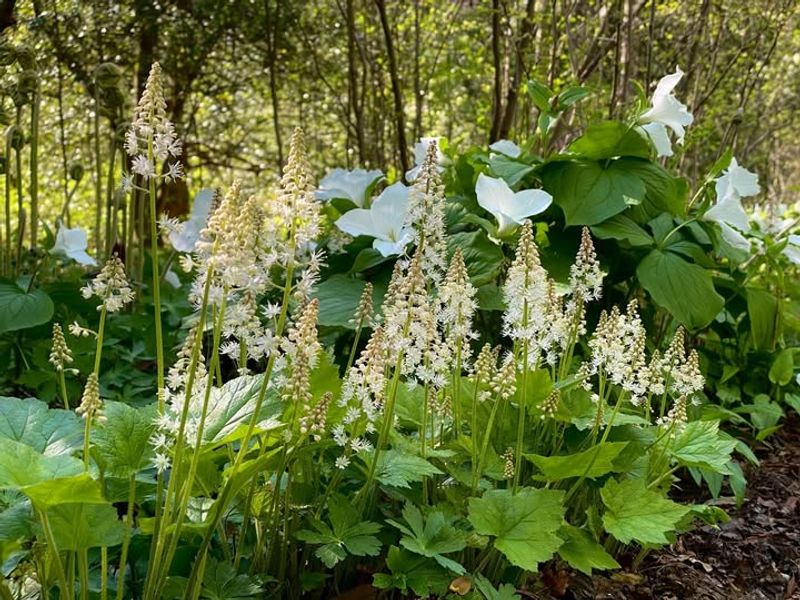
Soft white flower spikes rise like foam above heart-shaped leaves, giving this native its descriptive common name. Foamflower excels in shaded gardens where its delicate blooms and attractive foliage create refined groundcover from spring through fall.
The flowers appear in April and May, creating airy displays that brighten darker garden corners.
Deep to partial shade provides ideal growing conditions, along with moist, humus-rich soil that mimics forest floors. This evergreen perennial spreads slowly through runners, forming dense mats that suppress weeds effectively.
The foliage often develops burgundy markings that intensify in cooler weather, adding visual interest beyond the blooming period.
Planning in February allows time to identify suitable planting locations and amend soil with organic matter before spring arrives. Space plants twelve to fifteen inches apart for quicker coverage or farther for slower establishment.
They combine beautifully with ferns, hostas, and other shade-loving natives. Butterflies and native bees visit the flowers regularly, though the plant primarily serves as attractive groundcover rather than major pollinator magnet.
Its low maintenance requirements make it perfect for gardeners seeking beauty without constant attention.
The foliage remains attractive year-round in milder parts of North Carolina, providing consistent visual appeal even during winter months when many other plants go dormant.
7. Golden Alexander (Zizia Aurea)
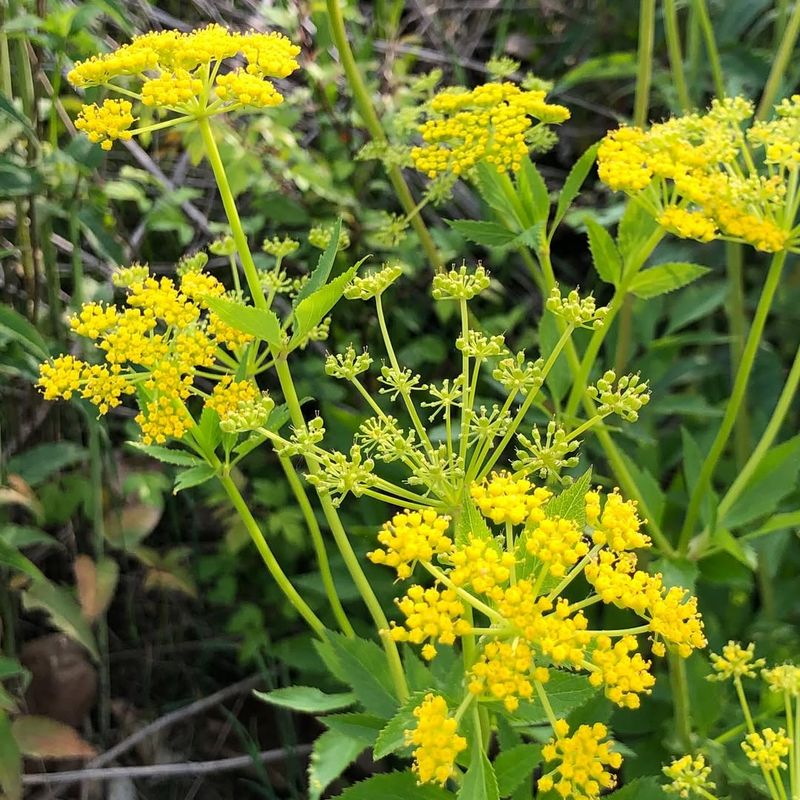
Bright yellow flower clusters catch attention in spring gardens, standing tall on stems that reach up to three feet. Golden Alexander produces umbrella-shaped blooms that glow in sunlight, creating cheerful displays from April through June.
This native member of the carrot family offers pollinators an important early-season nectar source while adding vertical interest to garden beds.
Full sun to partial shade suits this adaptable plant, though flowering tends to be heavier in brighter locations. It tolerates various soil conditions including clay and prefers consistent moisture but handles dry periods once established.
The compound foliage remains attractive even after flowers fade, maintaining garden structure throughout summer.
February represents the perfect time to order plants or start seeds indoors with cold stratification. Direct sowing outdoors in late winter also works well, allowing natural temperature cycles to trigger germination.
Space plants fifteen to eighteen inches apart to accommodate their upright clumping growth habit.
Black swallowtail butterflies use this plant as a host for their caterpillars, making it essential for supporting complete butterfly life cycles. Many other pollinators visit the flowers for nectar and pollen.
The seeds provide food for birds in late summer and fall. Combining it with native grasses and other prairie plants creates naturalistic meadow-style plantings that require minimal maintenance while supporting abundant wildlife.
8. Butterfly Weed (Asclepias Tuberosa)
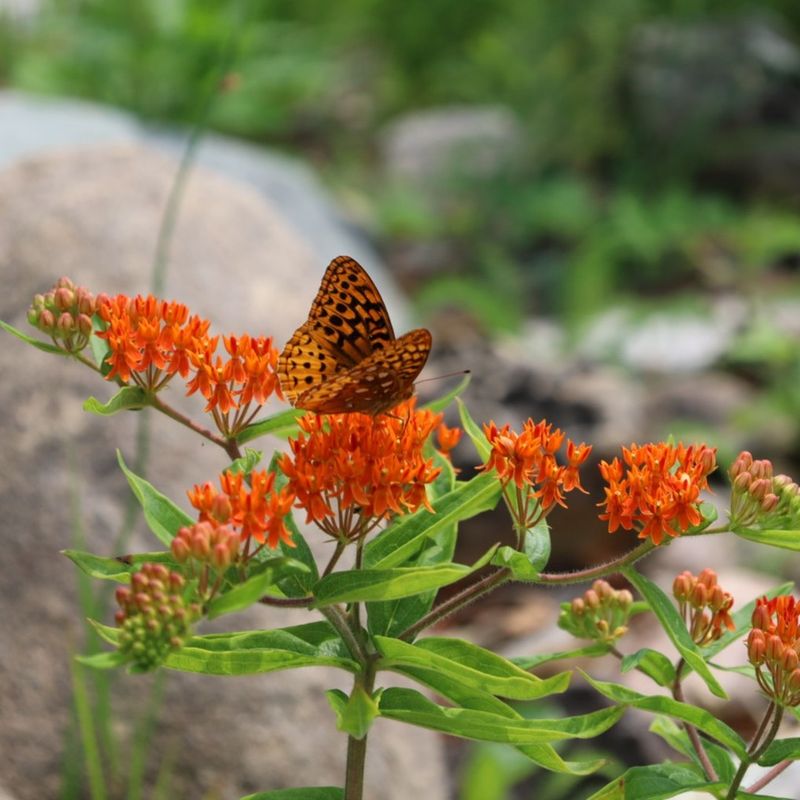
Fiery orange blooms stop traffic when this native milkweed reaches peak flowering in summer. Butterfly Weed earns its name honestly, attracting numerous butterfly species including monarchs that depend on milkweeds for survival.
The brilliant orange flowers appear in flat-topped clusters from June through August, creating stunning focal points in sunny borders and meadow plantings.
Full sun and well-drained soil produce the healthiest plants and most abundant blooms. This drought-tolerant native handles poor soil and dry conditions better than most garden plants once its deep taproot establishes.
The upright growth reaches eighteen to thirty-six inches tall, creating substantial presence without overwhelming smaller neighbors.
Starting seeds indoors in February requires patience since germination can be slow and irregular. Scarifying seeds or providing cold stratification improves success rates significantly.
Alternatively, purchasing established plants in spring avoids germination challenges while still allowing proper root establishment before summer heat arrives.
Monarch butterflies lay eggs exclusively on milkweed species, making this plant crucial for their survival. The caterpillars feed on foliage before forming chrysalises and emerging as adult butterflies.
Many other pollinators visit flowers for nectar throughout the blooming season. The seed pods that follow flowers split open in fall, releasing silky-tufted seeds that float on autumn breezes, potentially establishing new plants in favorable locations nearby.
9. Virginia Bluebells (Mertensia Virginica)
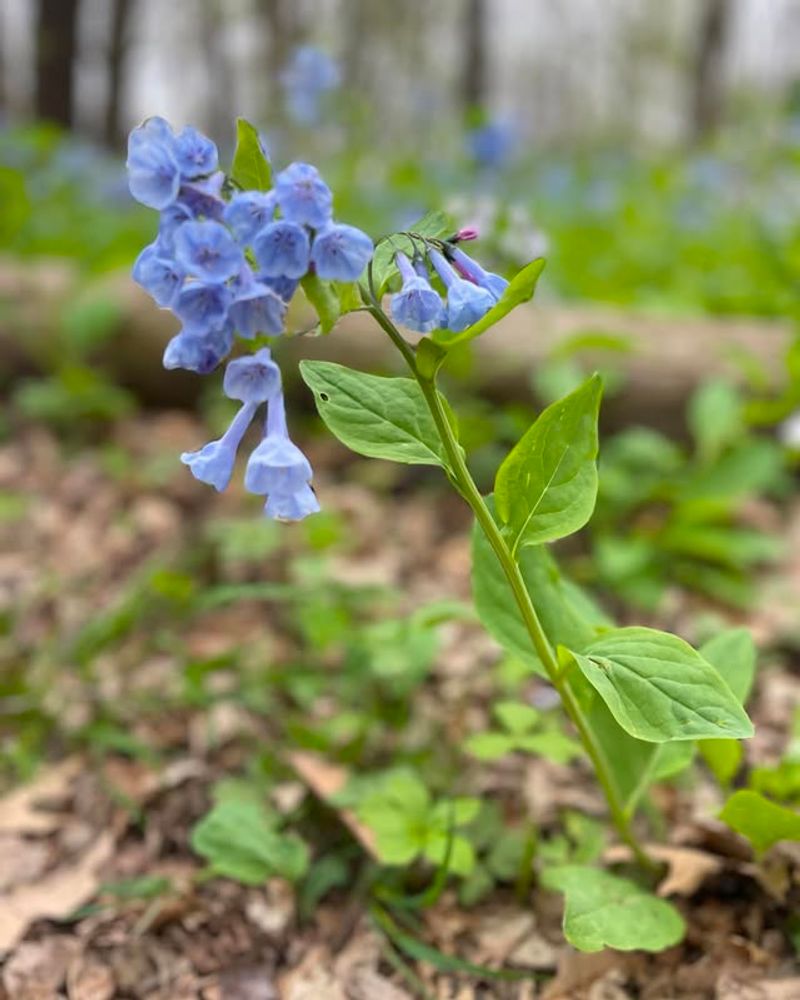
Spring magic happens when these woodland natives emerge with clusters of pink buds that open into sky-blue bells. Virginia Bluebells create breathtaking displays in April and May, carpeting shaded areas with color before tree canopies fully leaf out.
The flowers change color as they age, creating multi-toned displays that add depth and interest to the show.
Partial to full shade suits them best, along with rich, moist soil that stays consistently damp during their active growing period. They naturally inhabit floodplains and moist woodlands throughout eastern North America.
The foliage goes dormant by midsummer, disappearing completely until the following spring, so plan accordingly when designing garden beds.
February planning should include identifying suitable locations and marking spots where plants will grow to avoid disturbing dormant roots later. Plant bulbs or divisions in fall for spring blooms, or purchase potted plants in early spring.
Space them twelve inches apart to allow colonies to expand naturally over time. Early-emerging bees and butterflies rely on these flowers for crucial nectar when few other sources exist.
The ephemeral nature means they pair perfectly with ferns and hostas that emerge later and fill space after bluebells go dormant.
Combining them with other spring ephemerals creates woodland gardens that showcase nature’s seasonal rhythms while supporting pollinators throughout changing seasons.
10. Coral Honeysuckle (Lonicera Sempervirens)
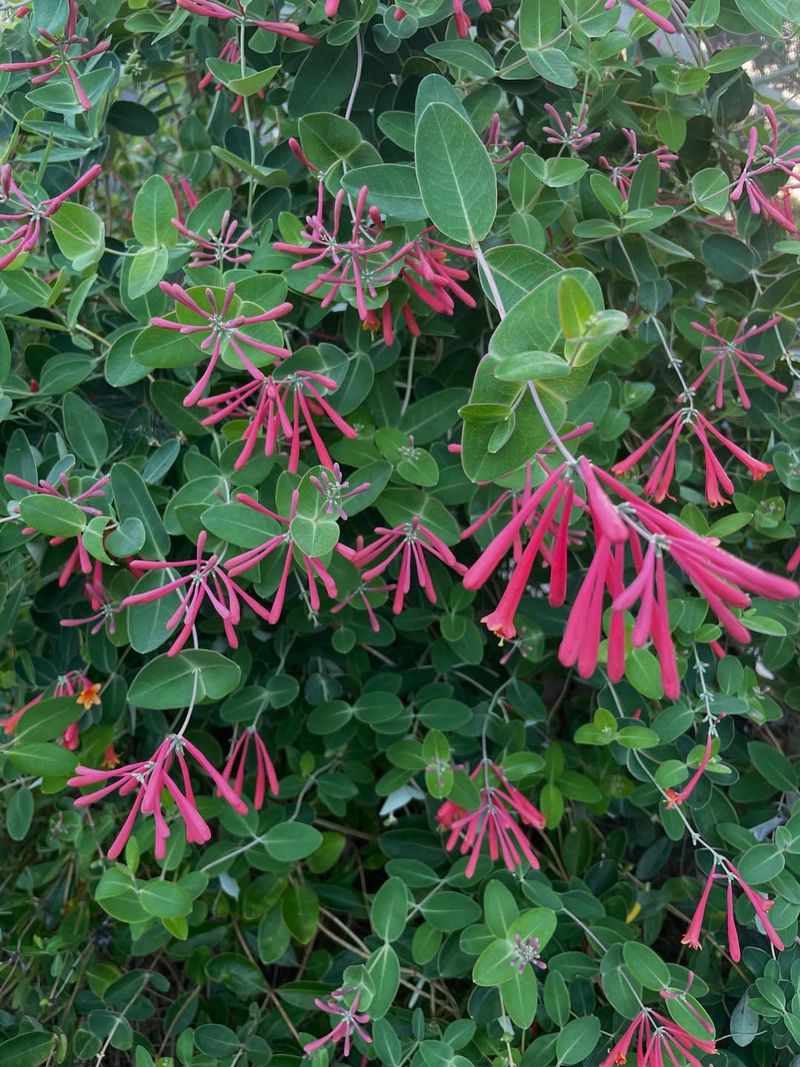
Tubular red flowers draw hummingbirds like magnets to this well-behaved native vine. Coral Honeysuckle climbs gracefully without the aggressive tendencies of its invasive Asian cousins, making it a responsible choice for North Carolina gardens.
The trumpet-shaped blooms appear from spring through fall, providing consistent nectar sources for hummingbirds throughout their active season.
Full sun to partial shade produces the best flowering, though the vine tolerates shadier conditions with reduced blooms. It climbs ten to twenty feet using twining stems that need support structures like trellises, fences, or arbors.
The semi-evergreen foliage provides year-round interest in milder areas while the red berries that follow flowers feed birds in fall and winter.
February offers ideal timing to plan placement and install support structures before spring planting season arrives. Choose locations where the vine can climb freely without overwhelming nearby plants.
Proper initial placement reduces maintenance needs and allows the plant to showcase its natural beauty effectively.
Hummingbirds visit the flowers constantly, often defending favorite vines from competitors. Native bees also gather nectar and pollen when they can access the flower interiors.
The lack of fragrance distinguishes it from invasive honeysuckles, which produce heavy sweet scents.
Combining it with other native vines and climbers creates vertical gardens that maximize wildlife habitat in limited space while adding beauty to fences and structures.
11. Oakleaf Hydrangea (Hydrangea Quercifolia)
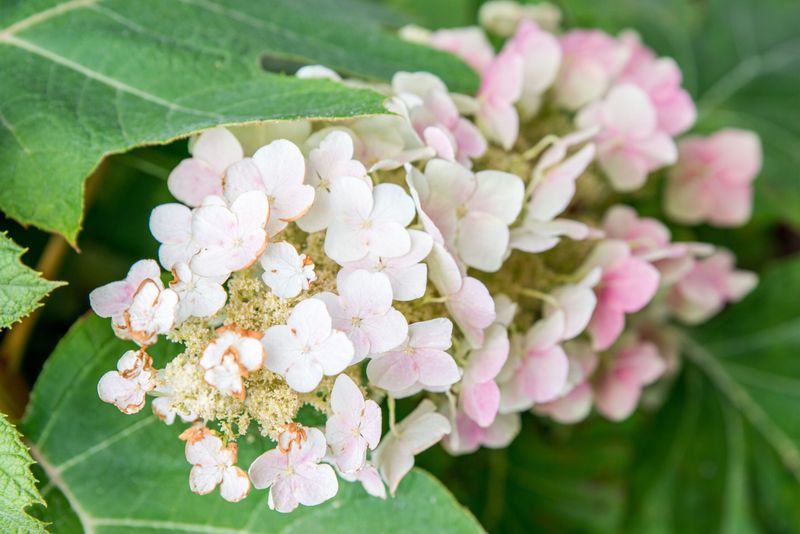
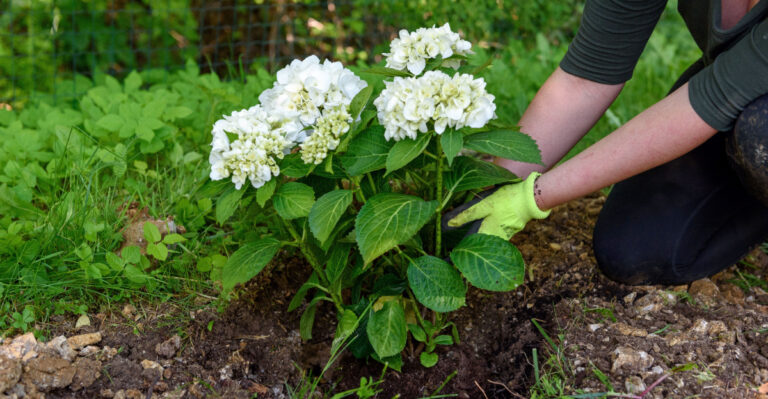
Four-season interest makes this native shrub a garden superstar worth planning for now. Oakleaf Hydrangea produces large white flower clusters in late spring that age to pink and then tan, persisting into winter for continued visual appeal.
The distinctive oak-shaped leaves turn brilliant shades of red, orange, and purple in fall, while exfoliating bark provides winter interest when branches stand bare.
Partial shade to full sun suits this adaptable shrub, though afternoon shade in hotter areas prevents leaf scorch. It prefers moist, well-drained soil rich in organic matter but tolerates various conditions once established.
Mature plants reach four to eight feet tall and wide, creating substantial presence in foundation plantings or mixed borders.
Planning in February allows time to select appropriate locations considering mature size and sun exposure patterns. Order plants early since popular cultivars often sell out before spring planting season peaks.
Space them four to six feet apart for hedging or use as specimen plants with more generous spacing.
The flowers attract various pollinators including bees and butterflies during their blooming period. Birds seek shelter within the dense branching structure year-round and nest among the foliage in spring.
Minimal pruning requirements make this shrub ideal for low-maintenance landscapes. Its native status means natural adaptation to southeastern climate patterns, reducing water and care needs compared to non-native alternatives.