12 Native Plants To Start Planning In February For Beautiful Spring Gardens In Michigan
February may still feel like winter in Michigan, but this quiet month is when the smartest gardens begin to take shape. While snow covers the ground, experienced gardeners are already planning what will bloom, grow, and thrive once spring arrives.
Choosing native plants is one of the best decisions you can make. They are naturally suited to Michigan’s climate, require less maintenance, and create a welcoming space for birds, butterflies, and pollinators.
Planning now gives you a valuable head start. You have time to explore plant options, order seeds or young plants, and prepare your garden beds before the rush of spring.
Instead of scrambling later, everything is ready when warmer days finally return. A little thoughtful planning in February can lead to a garden that feels more vibrant, more resilient, and far easier to care for throughout the entire growing season.
1. Trillium (Trillium grandiflorum)
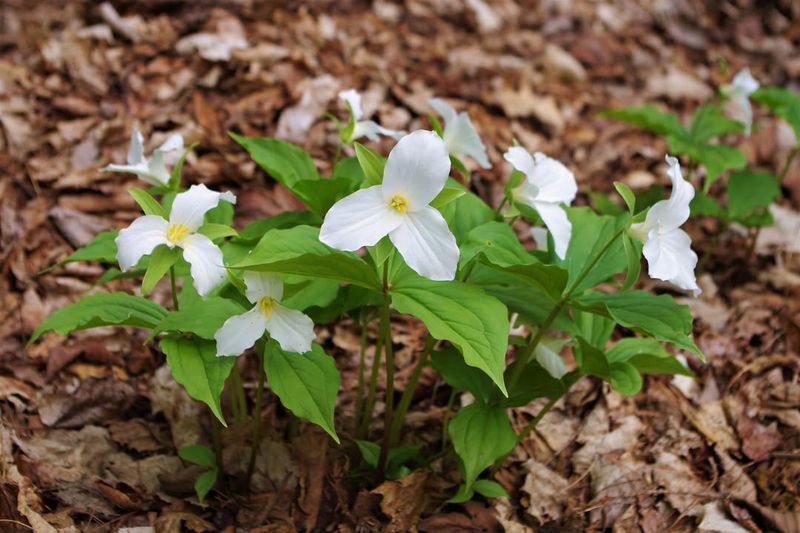
Few spring wildflowers command as much admiration as the large-flowered trillium. Its three snowy petals create a striking contrast against deep green leaves arranged in perfect symmetry.
Michigan forests burst with these beauties from April through May, and your garden can mirror that natural splendor.
Trilliums take their sweet time establishing themselves, sometimes requiring seven years from seed to first bloom. That’s why February planning matters so much for these patient perennials.
Purchasing mature plants from reputable nurseries gives you a head start on enjoying their elegant display.
These woodland gems prefer the same conditions found on forest floors throughout Michigan. Rich, slightly acidic soil loaded with organic matter keeps them happy.
Consistent moisture without waterlogging creates ideal growing conditions, while dappled shade protects delicate blooms from harsh afternoon sun.
Never harvest trilliums from the wild, as this practice threatens native populations. Instead, support nurseries that propagate them responsibly.
Once planted in your garden, trilliums reward your patience by slowly multiplying into impressive clumps. Their flowers age from white to pink, adding another dimension of beauty to your spring landscape.
2. Virginia Bluebells (Mertensia virginica)
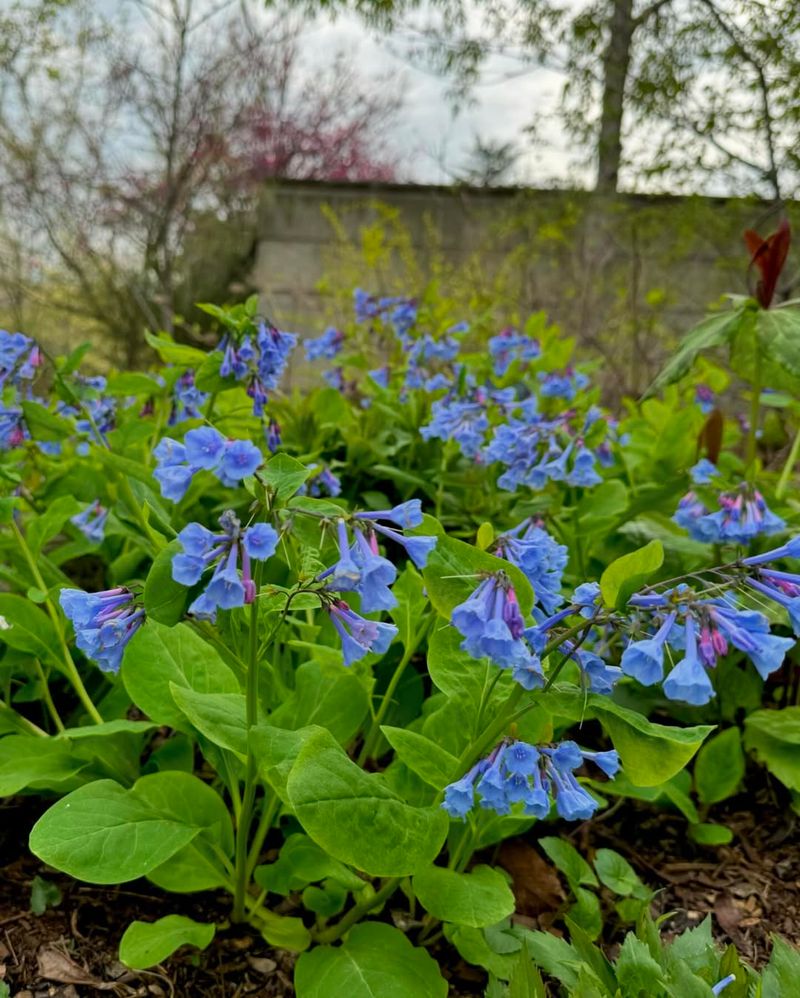
Virginia bluebells transform spring gardens into enchanted spaces with their remarkable color-changing flowers. Buds emerge in soft pink before opening into trumpet-shaped blooms of the most exquisite sky blue.
Masses of these flowers create a misty blue carpet that takes your breath away each April and May.
This native perennial adapts beautifully to Michigan’s climate and soil conditions. It naturally grows along stream banks and in floodplain forests, giving you clues about its preferences.
Your garden’s moist, partially shaded areas become prime real estate for these spring showstoppers.
February is the perfect time to map out where bluebells will shine brightest. They pair wonderfully with spring bulbs and other native ephemerals that bloom simultaneously.
The plants go dormant by early summer, so mark their locations to avoid accidentally disturbing them during later gardening activities.
Bluebells self-seed readily once established, gradually expanding their territory without becoming invasive. This generous nature means your initial investment multiplies over time.
Plant them in groups of at least a dozen for maximum visual impact. Their nectar-rich flowers provide crucial early-season food for native bees and other pollinators emerging from winter dormancy.
3. Bloodroot (Sanguinaria canadensis)
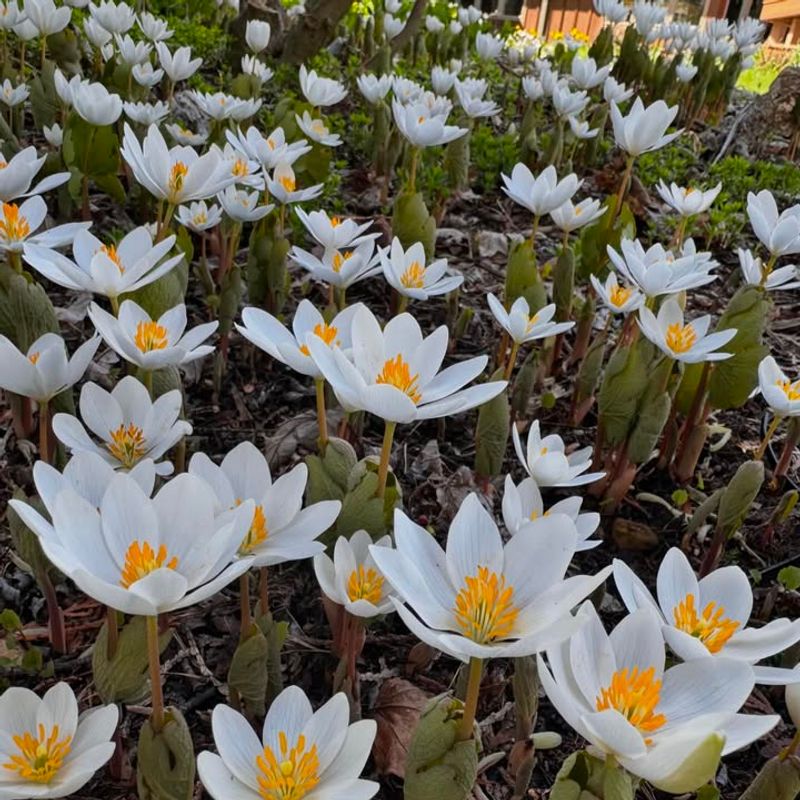
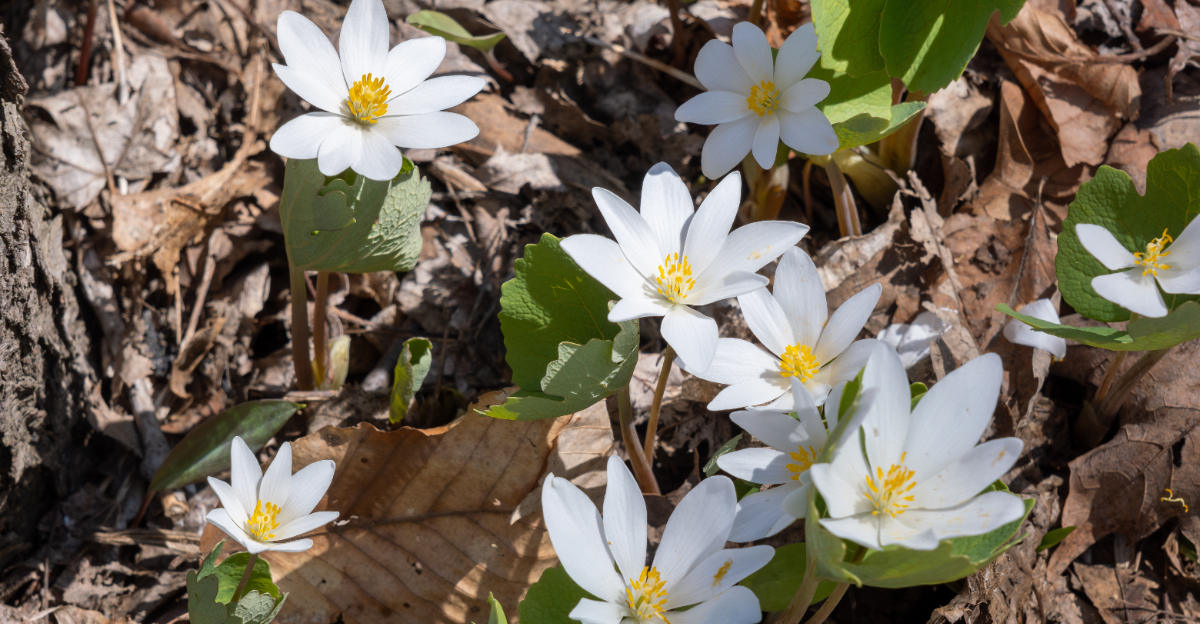
Bloodroot earns its place as one of Michigan’s most cherished spring ephemerals. This woodland beauty pushes through leaf litter in March and April, unfurling pristine white petals that seem to glow in dappled forest light.
Each flower lasts only a few days, making every bloom a precious moment worth celebrating.
The plant gets its unusual name from the bright red-orange sap in its rhizomes. Native Americans used this sap for dye and medicinal purposes for centuries.
Your garden benefits from this hardy perennial’s ability to naturalize in shaded areas where other plants struggle to establish themselves.
Planning for bloodroot in February means identifying the perfect spot under deciduous trees. The plant thrives in rich, moist soil with good drainage and partial to full shade.
It goes dormant by summer, so pair it with ferns or hostas that fill in later. Order rhizomes early since they sell out quickly at native plant nurseries. Plant them two inches deep in autumn or very early spring.
Once established, bloodroot requires virtually no maintenance and will slowly spread to form charming colonies that return faithfully each year.
4. Dutchman’s Breeches (Dicentra cucullaria)
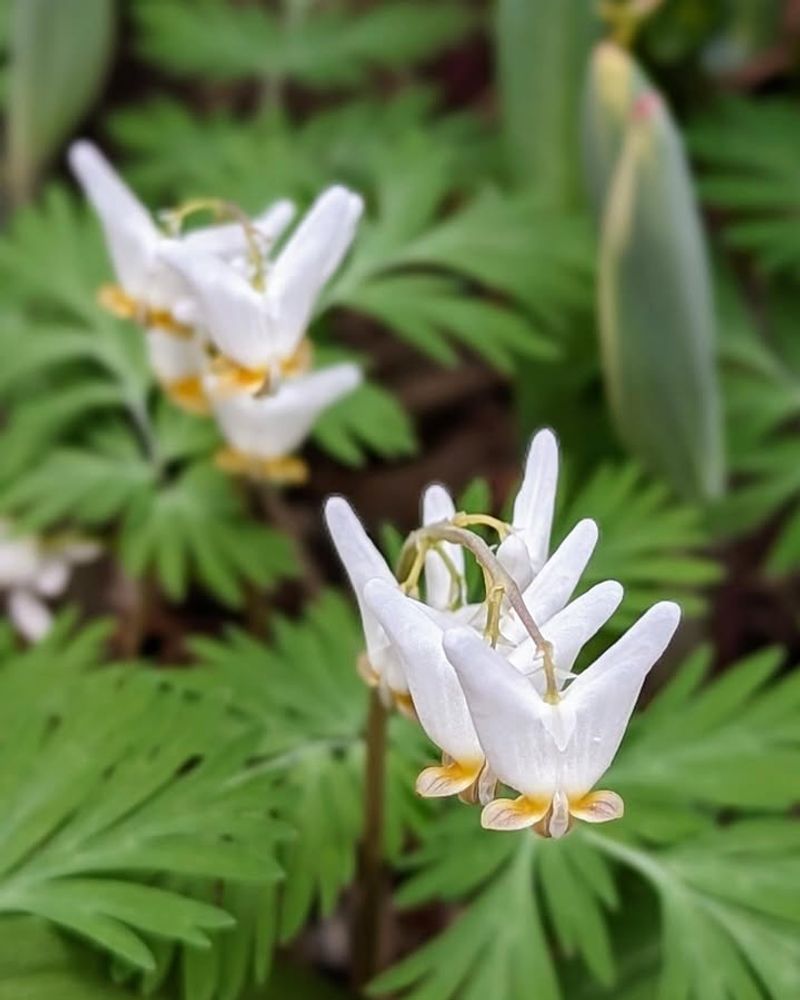
Whimsy arrives in your garden with Dutchman’s breeches and their impossibly charming flowers. Each bloom resembles tiny white pantaloons hanging on a clothesline, complete with yellow waistbands.
This quirky appearance makes them conversation starters and favorites among children discovering native plants for the first time.
The fernlike foliage emerges early in spring, followed quickly by arching stems laden with blooms. Pollinators appreciate these early flowers, though only bumblebees with long tongues can reach the nectar hidden inside.
This specialized relationship highlights the importance of preserving native plant and pollinator partnerships in Michigan ecosystems.
Planning for Dutchman’s breeches means understanding their ephemeral nature. They complete their entire life cycle in just a few short weeks before retreating underground until next spring.
This makes them perfect companions for later-emerging perennials that will fill the space they vacate.
Choose locations with rich, moist soil and dappled shade for best results. Slopes and rock gardens with good drainage also suit them well.
The plants spread slowly through self-seeding and division of small tubers. Starting your planning in February ensures you can source these somewhat uncommon natives from specialty nurseries before stock runs out.
5. Pasque Flower (Pulsatilla patens)
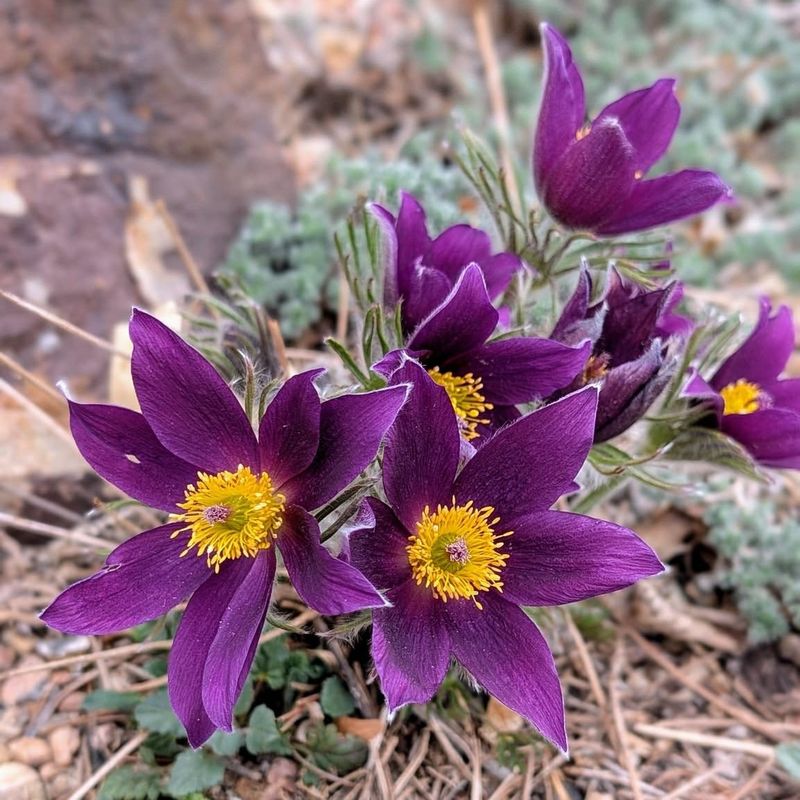
Pasque flowers brave Michigan’s unpredictable early spring weather with remarkable determination. These prairie natives push through cold soil in March, sometimes blooming while snow still lingers nearby.
Their fuzzy stems and buds provide insulation against lingering winter cold, allowing them to flower weeks before most perennials even consider emerging.
The cup-shaped blooms range from deep purple to lavender, creating stunning focal points in sunny garden beds. Silky hairs cover every part of the plant, giving it a soft, almost luminous quality in morning light.
After flowering, equally attractive seed heads develop, extending the plant’s ornamental interest well into summer.
February planning helps you identify the sunniest spots in your garden for pasque flowers. Unlike many Michigan natives preferring shade, these prairie plants demand full sun and excellent drainage.
Sandy or gravelly soils suit them perfectly, making them ideal for challenging areas where other plants struggle.
Pasque flowers develop deep taproots that make them drought-tolerant once established but tricky to transplant later. Choose their permanent home carefully during your February planning sessions.
They combine beautifully with other prairie natives and ornamental grasses. Their early bloom time provides crucial pollen and nectar when few other flowers are available for hungry pollinators.
6. Wild Columbine (Aquilegia canadensis)
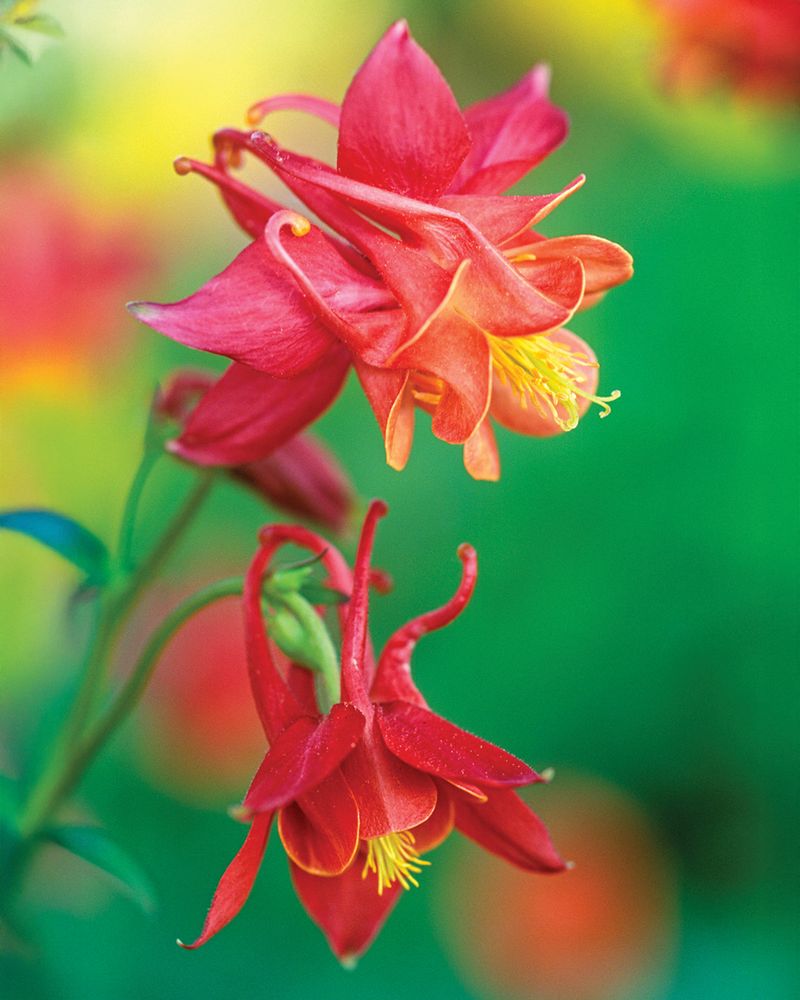
Wild columbine brings architectural elegance to spring gardens with its distinctive spurred flowers. The nodding blooms feature red outer petals and yellow inner petals, creating a two-toned effect that catches every eye.
This color combination isn’t just beautiful; it specifically attracts ruby-throated hummingbirds returning to Michigan each spring.
The plant’s delicate appearance belies its tough constitution. Columbine adapts to various light conditions from full sun to partial shade, though it performs best with morning sun and afternoon protection.
Its tolerance for different soil types makes it easier to incorporate into existing garden designs than some fussier natives.
February is the ideal time to decide where columbine will enhance your landscape. It works beautifully in cottage gardens, woodland edges, and rock gardens.
The airy foliage remains attractive even after flowering ends, providing textural interest throughout the growing season.
Wild columbine self-seeds generously, ensuring a continuous presence in your garden without becoming problematic. Seedlings are easy to transplant to new locations or share with fellow gardeners.
The plant typically lives three to four years, but its enthusiastic self-seeding habit maintains the population indefinitely. Planning now ensures you can source seeds or plants from native nurseries before spring rush begins.
7. Red Trillium (Trillium erectum)
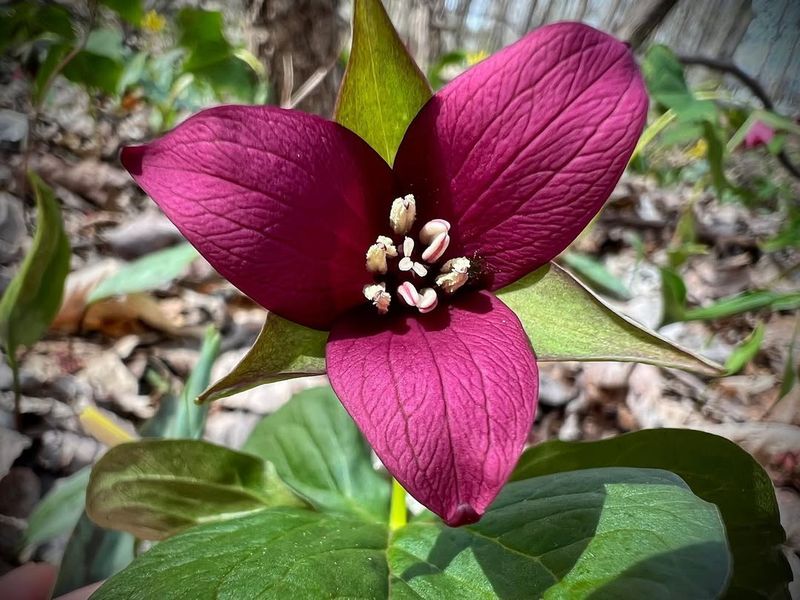
Red trillium adds drama to woodland gardens with its deep maroon blooms that seem to absorb light rather than reflect it. This species stands more upright than its white cousin, holding flowers above the foliage on sturdy stems.
The bold color creates striking contrasts against spring’s fresh green backdrop and pairs wonderfully with lighter-colored woodland flowers.
Some gardeners find the flower’s scent less than pleasant, earning it the nickname “stinking Benjamin” in certain regions. However, this earthy aroma serves an important purpose by attracting flies and beetles that pollinate the blooms.
The scent rarely bothers gardeners since it’s only noticeable when you get quite close to the flowers.
Planning for red trillium in February means identifying shaded areas with rich, consistently moist soil. It thrives in the same conditions as white trillium but offers complementary color for more diverse spring displays.
The plants go dormant by midsummer, so interplant them with shade-loving ferns or hostas for season-long interest.
Patience pays off with red trillium, as established plants can live for decades with minimal care. Purchase from ethical sources that propagate rather than wild-collect these slow-growing natives.
Once settled into your garden, they’ll gradually form impressive colonies that return faithfully each spring.
8. Solomon’s Seal (Polygonatum biflorum)
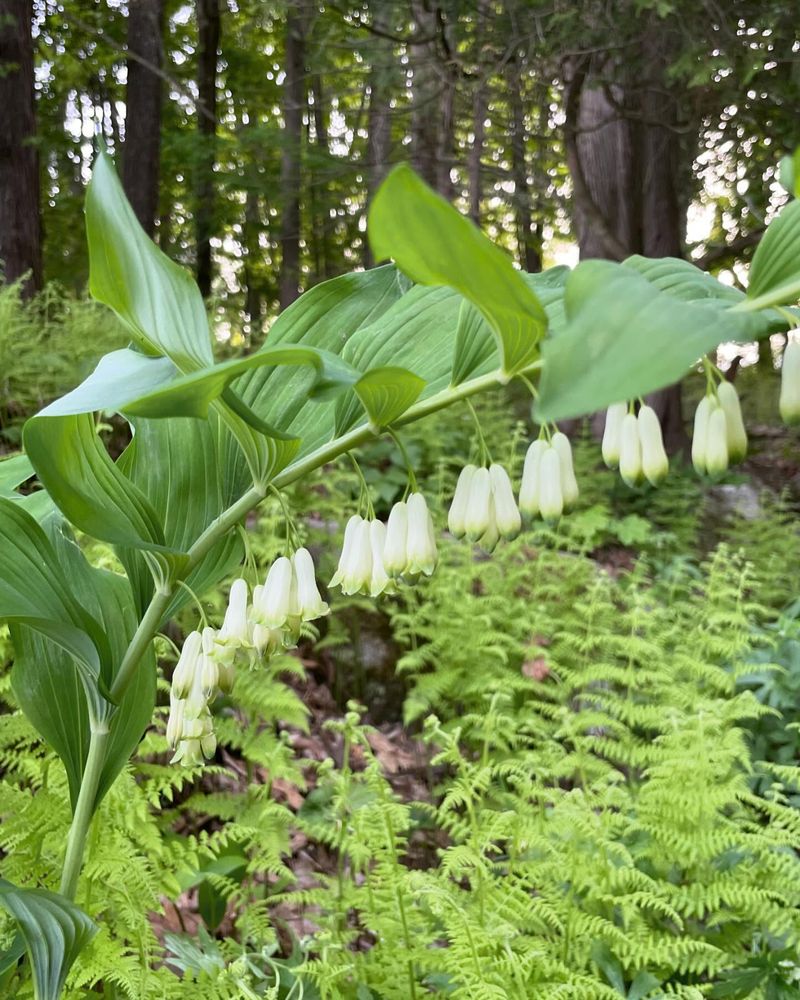
Solomon’s seal brings graceful architecture to shaded gardens with its elegantly arching stems. Small, cream-colored bells dangle beneath each leaf node in late spring, creating subtle beauty that rewards close observation.
The plant’s refined form adds vertical interest and movement to woodland plantings without overwhelming more delicate companions.
This native perennial earns high marks for reliability and longevity in Michigan gardens. It tolerates deep shade where few other plants bloom successfully.
The foliage remains attractive throughout summer, and blue-black berries develop in fall, providing food for birds and additional ornamental interest.
February planning sessions should include Solomon’s seal for problem shade areas under mature trees. Its spreading rhizomes gradually form colonies that suppress weeds naturally while creating a lush, layered look.
The plant combines beautifully with ferns, hostas, and spring ephemerals that bloom before its foliage fully develops.
Solomon’s seal requires virtually no maintenance once established in appropriate conditions. It tolerates occasional drought better than many woodland natives, though consistent moisture produces the most robust growth.
The plant’s slow but steady spread means it won’t overwhelm smaller companions. Deer generally leave it alone, making it valuable for gardens where browsing pressure limits plant choices.
Starting your search for plants in February ensures availability from native nurseries.
9. Foamflower (Tiarella cordifolia)
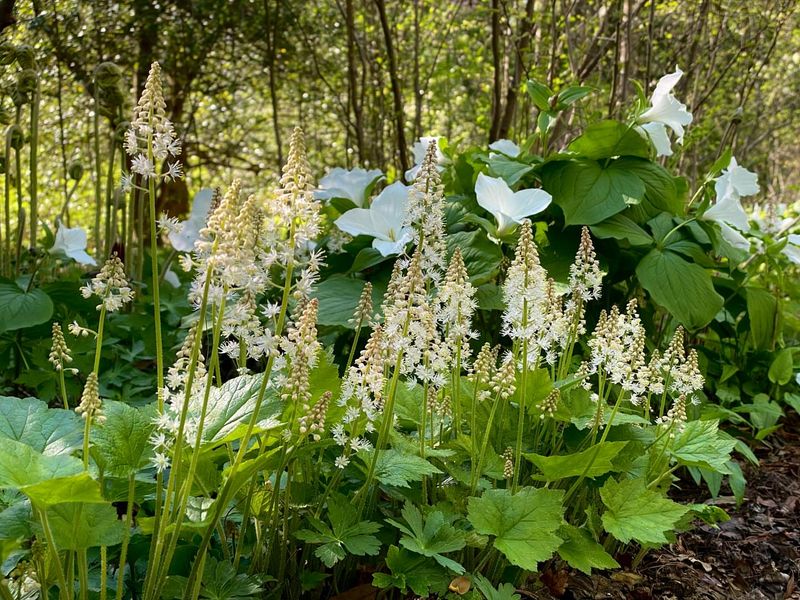
Foamflower creates clouds of delicate white blooms that seem to float above heart-shaped foliage in spring. The tiny star-shaped flowers cluster on upright spikes, creating a frothy appearance that inspired the common name.
This native groundcover excels at filling shaded areas with both flowers and attractive foliage that persists through multiple seasons.
The leaves provide year-round interest with patterns and colors that change with the seasons. Spring brings fresh green growth, while fall transforms the foliage with burgundy and bronze tones.
Some leaves remain semi-evergreen through mild Michigan winters, offering structure when most perennials have retreated underground.
Planning for foamflower in February means identifying moist, shaded areas where it can spread gradually without competition from aggressive plants. It works wonderfully along woodland paths, under deciduous trees, and in rain gardens with partial shade.
The plant tolerates more sun if given consistently moist soil but performs best in dappled light.
Foamflower spreads slowly through runners, forming dense mats that suppress weeds naturally. This well-mannered growth habit makes it valuable for gardeners seeking native alternatives to invasive groundcovers.
The flowers attract small bees and other beneficial insects. Starting your planning now gives you time to prepare planting areas and source plants from specialty nurseries focused on Michigan natives.
10. Wild Ginger (Asarum canadense)
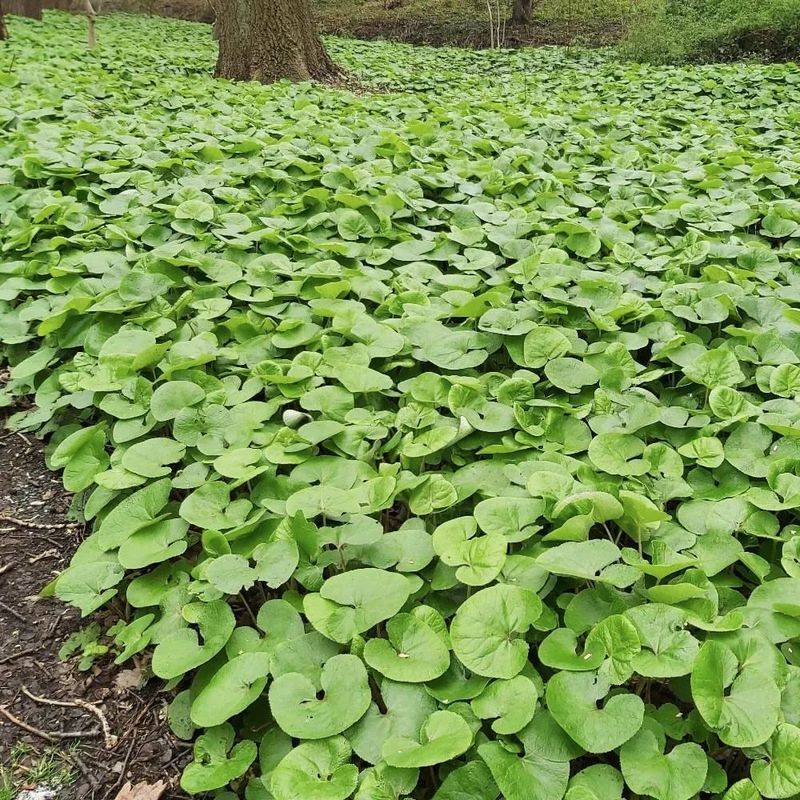
Wild ginger transforms shaded areas into lush carpets of heart-shaped leaves that remain beautiful from spring through fall. The glossy foliage grows only six to eight inches tall, making it perfect for edging woodland paths or filling spaces under shrubs.
Its dense growth effectively suppresses weeds while creating a refined, finished look in natural gardens.
The curious burgundy flowers hide beneath the foliage near soil level, making them easy to miss despite their intricate beauty. These ground-level blooms evolved to attract crawling insects like beetles that serve as pollinators.
Lifting a leaf to discover the hidden flowers feels like finding a secret treasure in your own garden.
February planning helps you identify prime locations for wild ginger’s steady expansion. It thrives in the rich, moist soil found in mature woodlands and adapts well to similar conditions in cultivated gardens.
The plant spreads through shallow rhizomes that emit a ginger-like scent when bruised, though it’s not related to culinary ginger.
Wild ginger pairs beautifully with spring ephemerals that bloom and go dormant before its foliage reaches full size. It also complements ferns, Solomon’s seal, and other shade-loving natives.
The plant tolerates dry shade once established but performs best with consistent moisture. Its deer-resistant foliage makes it valuable for gardens facing browsing pressure from local wildlife.
11. Blue Flag Iris (Iris versicolor)
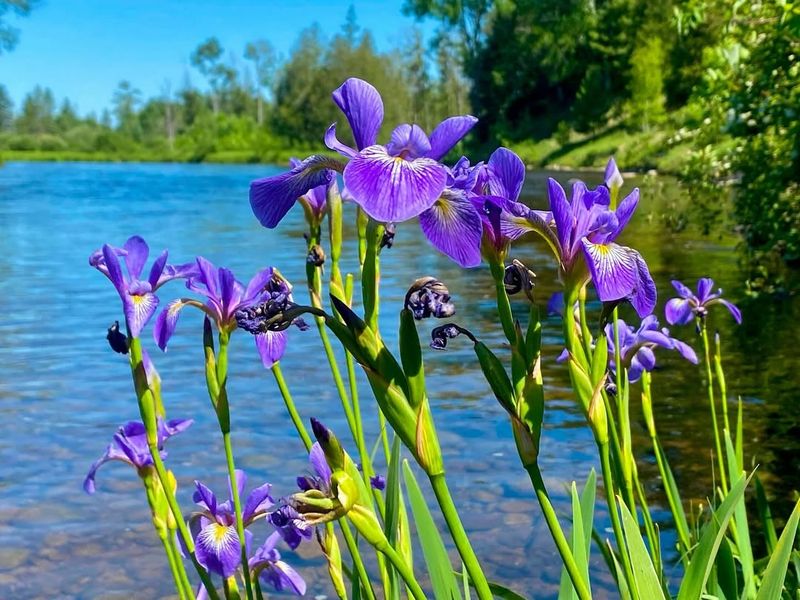
Blue flag iris brings elegance to Michigan’s wettest garden spaces with its stunning violet-blue flowers. The blooms feature intricate yellow markings that guide pollinators to nectar, creating natural artwork worthy of close examination.
This native iris thrives where many ornamental plants fail, making it invaluable for rain gardens, pond edges, and naturally wet areas.
The sword-like foliage provides strong vertical lines that contrast beautifully with rounded or mounded plant forms. Leaves emerge early in spring and remain attractive throughout the growing season.
This structural quality makes blue flag iris useful for both its flowers and its foliage contributions to garden composition.
Planning for blue flag iris in February means assessing your property’s wettest areas and envisioning how these bold plants will enhance those spaces. They tolerate standing water during the growing season but also adapt to average garden soil if given consistent moisture.
Full sun to partial shade suits them well, with more sun producing heavier flowering.
Blue flag iris spreads gradually through rhizomes, forming substantial clumps over time without becoming invasive. The plants provide habitat and food for various wetland creatures while filtering water naturally.
They combine beautifully with other moisture-loving natives like Joe Pye weed and cardinal flower. February is the perfect time to order rhizomes from native plant nurseries before spring planting season arrives.
12. Black-Eyed Susan (Rudbeckia hirta)
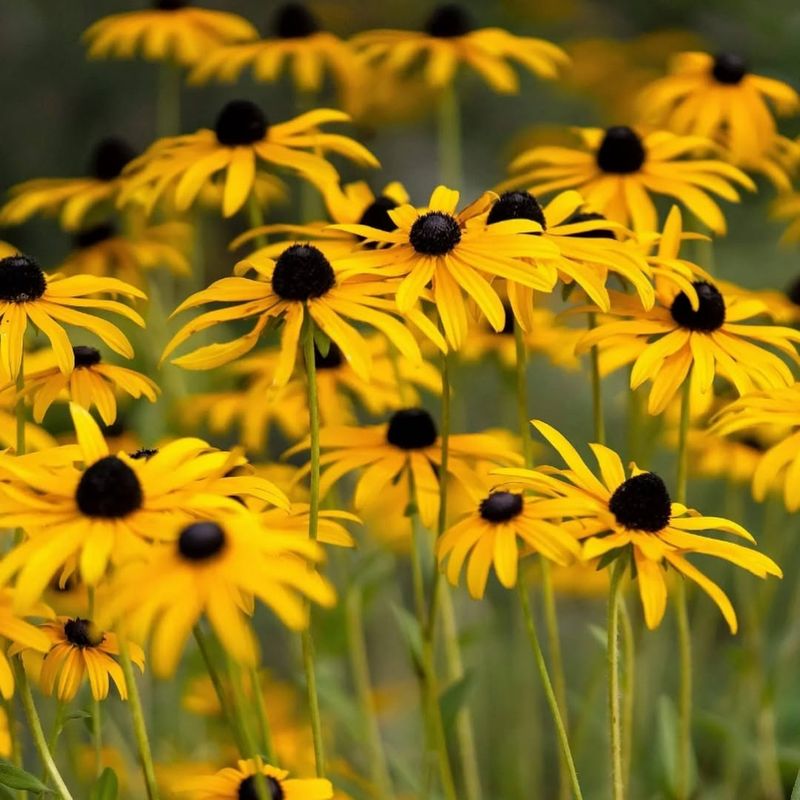
Black-eyed Susans bring cheerful golden color to Michigan gardens from early summer well into fall. While planning in February might seem early for plants that bloom later, these native wildflowers benefit from early sowing or plant ordering.
Their bright yellow petals surrounding dark chocolate centers create classic prairie beauty that never goes out of style.
This tough native adapts to various soil types and tolerates drought once established. It thrives in full sun and actually performs better in lean soils than in overly rich conditions.
These undemanding qualities make black-eyed Susans perfect for beginning native plant gardeners and challenging sites where fussier plants struggle.
February planning allows you to incorporate black-eyed Susans into larger native plant schemes. They combine beautifully with purple coneflowers, native grasses, and other prairie species.
The flowers attract numerous butterflies, bees, and other beneficial insects while providing seeds that goldfinches and other songbirds relish in fall and winter.
Black-eyed Susans self-seed readily, naturalizing into drifts that expand each year. They typically behave as short-lived perennials or biennials, but their enthusiastic self-seeding maintains the population indefinitely.
Deadheading extends the blooming period, though leaving some seed heads benefits wildlife. Starting seeds indoors in late winter or ordering plants now ensures you’ll have robust specimens ready for spring planting.