9 Native Shade Trees You Can Start Planting In Georgia This March
March is a great moment to start planting shade trees in Georgia, especially while the weather is still mild and the soil is warming up. Getting a young tree in the ground now gives its roots time to settle in before the long, hot summer arrives.
That early start can make a big difference in how well a tree establishes during its first year.
If the yard could use more shade, native trees are often one of the best choices. They’re already adapted to Georgia’s climate, soil, and seasonal swings, which usually means fewer problems once they begin growing.
Many of them also support local wildlife, bringing birds and pollinators into the landscape.
Planting in March also makes the process easier on the tree itself. With spring growth just beginning, roots can spread gradually while temperatures stay comfortable.
By the time summer heat settles in, the tree is already better prepared to handle it.
1. White Oak Creates Long-Lasting Shade With A Classic Canopy
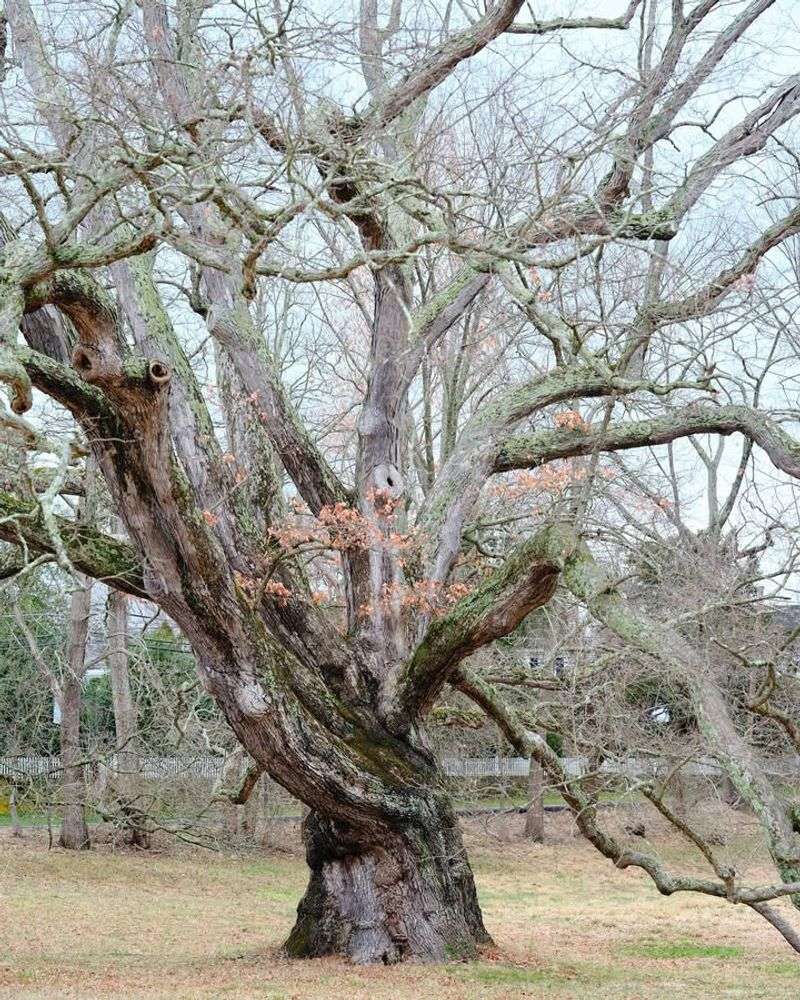
Few trees earn the kind of loyalty that White Oak does in Georgia. People plant them for their grandchildren.
That wide, spreading canopy can stretch 60 to 80 feet across at full size, turning a hot, sun-baked yard into a cool retreat that feels completely different from the street.
White Oak grows best in deep, well-drained soil — the kind of slightly acidic clay-loam mix that shows up across much of north and central Georgia. March planting gives the roots a solid head start before summer heat arrives.
Dig a hole two to three times wider than the root ball, set it at the same depth it sat in the container, and water it in well.
Acorns produced by White Oak are a major food source for deer, wild turkeys, and squirrels across Georgia’s woodlands. Planting one near a property edge or open lawn area gives wildlife a reason to visit.
Expect slow, steady growth — roughly a foot or two per year — but that patience pays off with a tree that anchors a landscape for generations and barely needs a second thought after its first couple of years.
2. Southern Red Oak Grows Into A Strong Shade Tree For Large Yards
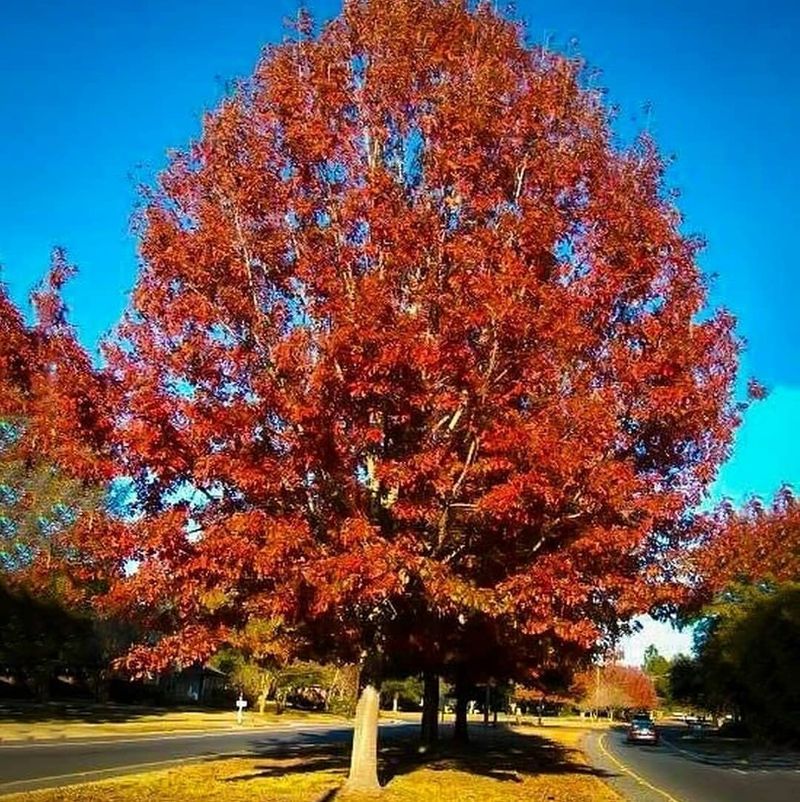
Southern Red Oak is built for Georgia. It handles the humidity, it handles the clay soil, and it handles the long, punishing summers without flinching.
If you have a large yard and want shade fast, this is one of the better choices you can make this March.
Compared to other oaks, Southern Red Oak moves at a decent clip — often putting on two feet or more of height per year when planted young in good conditions. Full sun is where it performs best.
A spot in the open lawn, away from buildings and utility lines, gives it the room it needs to spread that broad, rounded crown properly.
Across Georgia’s Piedmont region, this tree shows up naturally along ridges and well-drained slopes. Mimicking those conditions at home means choosing a site that doesn’t stay soggy after rain.
Amend heavy clay by mixing in aged compost before planting, then mulch the base about three inches deep to hold moisture through spring dry spells.
Southern Red Oak also supports an impressive range of caterpillar species, which in turn feed nesting songbirds — a bonus that most homeowners genuinely appreciate once they notice it.
3. Willow Oak Forms A Tall Tree With Graceful Narrow Leaves
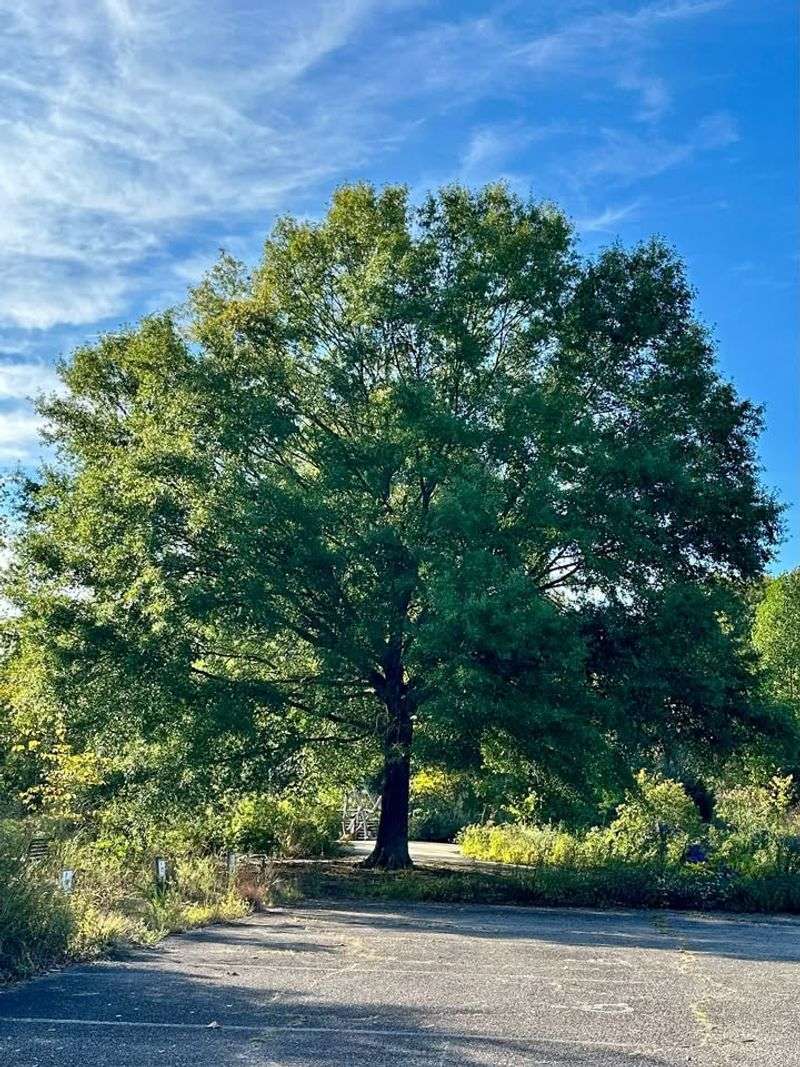
Willow Oak looks like it belongs somewhere between a willow and an oak — and that is exactly what makes it so visually interesting.
Narrow, lance-shaped leaves flutter in the breeze all summer, creating a soft, airy canopy that filters light rather than blocking it completely.
Street tree lists across Georgia cities like Augusta, Columbus, and Savannah include Willow Oak regularly, and for good reason. It tolerates urban conditions — compacted soil, heat reflected off pavement, occasional drought — better than most native oaks.
Plant it in full sun with decent drainage, and it settles in without much fuss in its first season.
At maturity, Willow Oak can reach 60 to 75 feet tall with a canopy spread of 40 to 50 feet, making it a serious shade producer for larger properties.
March is ideal for getting bareroot or container-grown specimens into Georgia soil before new growth pushes hard.
Water consistently through the first dry spell, and avoid fertilizing during the first year — roots need to spread outward, not chase a nutrient spike. The tiny acorns it drops each fall are a reliable food source for wood ducks and songbirds throughout the region.
4. American Sycamore Stands Out With Its Massive Shade Canopy
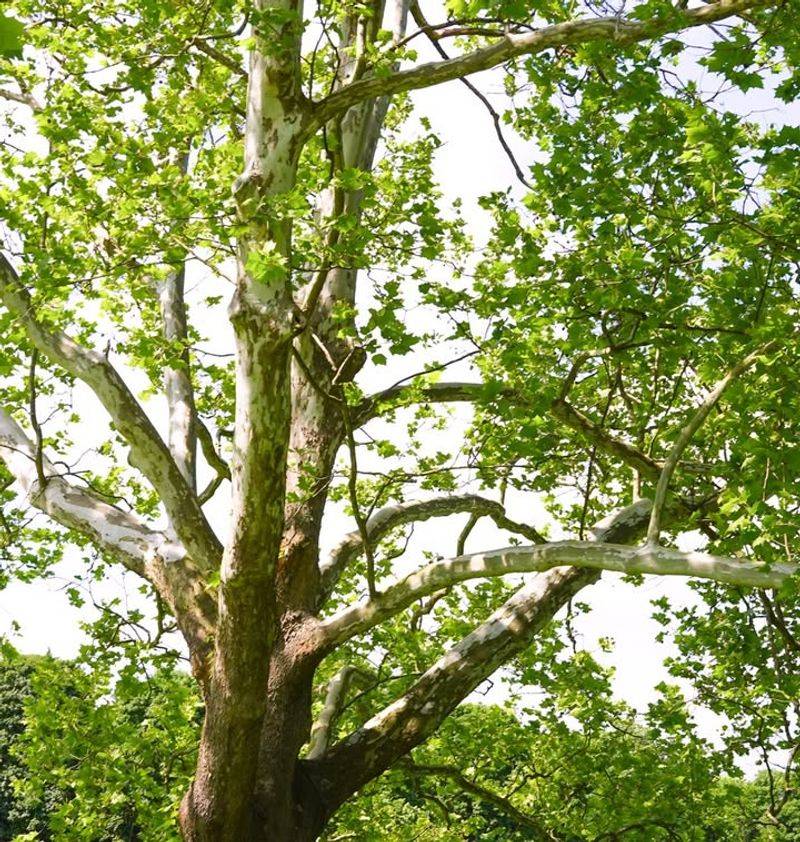
Nothing else in a Georgia landscape stops people in their tracks quite like a mature American Sycamore.
That mottled bark — patches of cream, tan, and gray peeling back to reveal almost white wood underneath — makes it unmistakable even in winter when every leaf is gone.
Under good conditions with adequate moisture, three to five feet of new growth per year is realistic for a young tree.
Along creek banks and river bottoms across Georgia, Sycamore naturally dominates the canopy, which tells you exactly what kind of conditions it prefers — moisture-retentive soil near water.
That said, it adapts reasonably well to average yard conditions if watered regularly through dry stretches in its first two seasons.
For planting in March, choose a spot with plenty of room — this tree can spread 70 feet wide or more at maturity. Keep it away from septic systems and shallow water lines, since the roots follow moisture aggressively.
A Sycamore planted near a rain garden or low-lying area in a Georgia yard will genuinely thrive. Chimney swifts and wood ducks sometimes nest in older hollow Sycamores, adding unexpected wildlife value to a tree already worth planting for its shade alone.
5. Tulip Poplar Rises Quickly With Tall Cooling Shade

Tulip Poplar earns its spot on this list by simply outgrowing almost everything else you could plant this March.
It is not unusual for a young Tulip Poplar in Georgia to put on three to four feet of height in a single growing season when planted in good soil with full sun.
It grows tall and straight, often reaching 80 to 100 feet in maturity, creating a cooling column of shade that works especially well on the south and west sides of a home where afternoon sun beats hardest.
Spring planting in March catches Tulip Poplar just as it wakes up from dormancy. Moist, slightly acidic, well-drained soil is ideal — the kind of conditions found naturally across Georgia’s mountain counties and upper Piedmont.
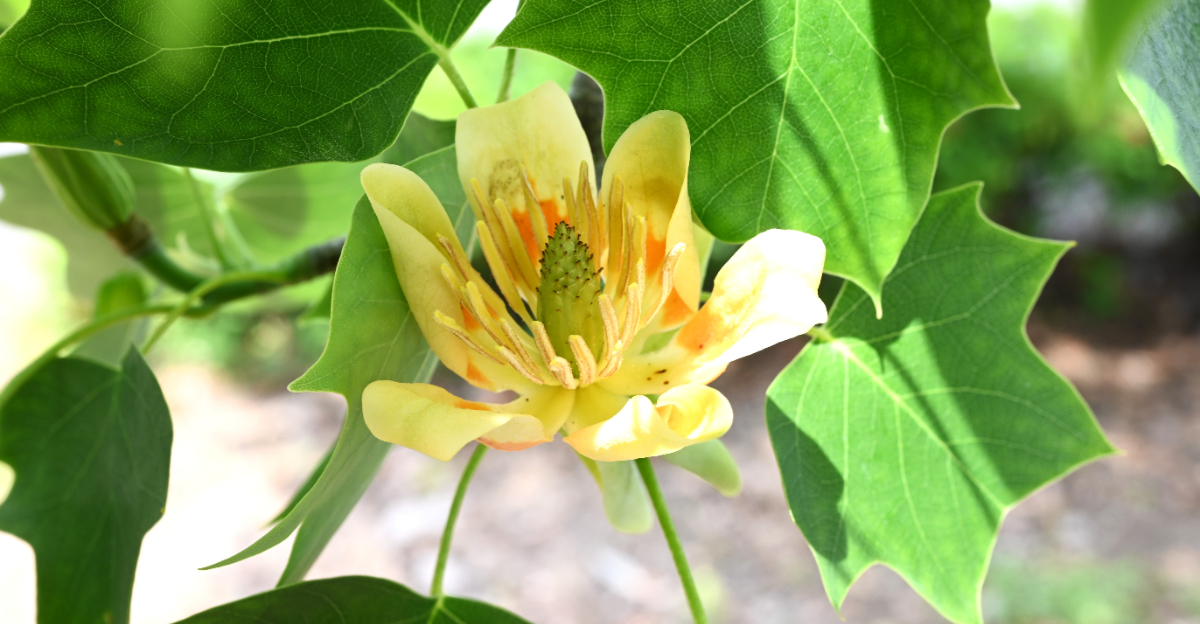
Avoid low spots that pool water after rain. The tulip-shaped flowers that appear in late spring on older trees attract hummingbirds and bees, making this tree genuinely useful beyond just shade.
Mulch the root zone six to eight inches out from the trunk to hold soil moisture and encourage strong establishment through the first summer.
6. Black Gum Brings Dense Shade And Brilliant Fall Color
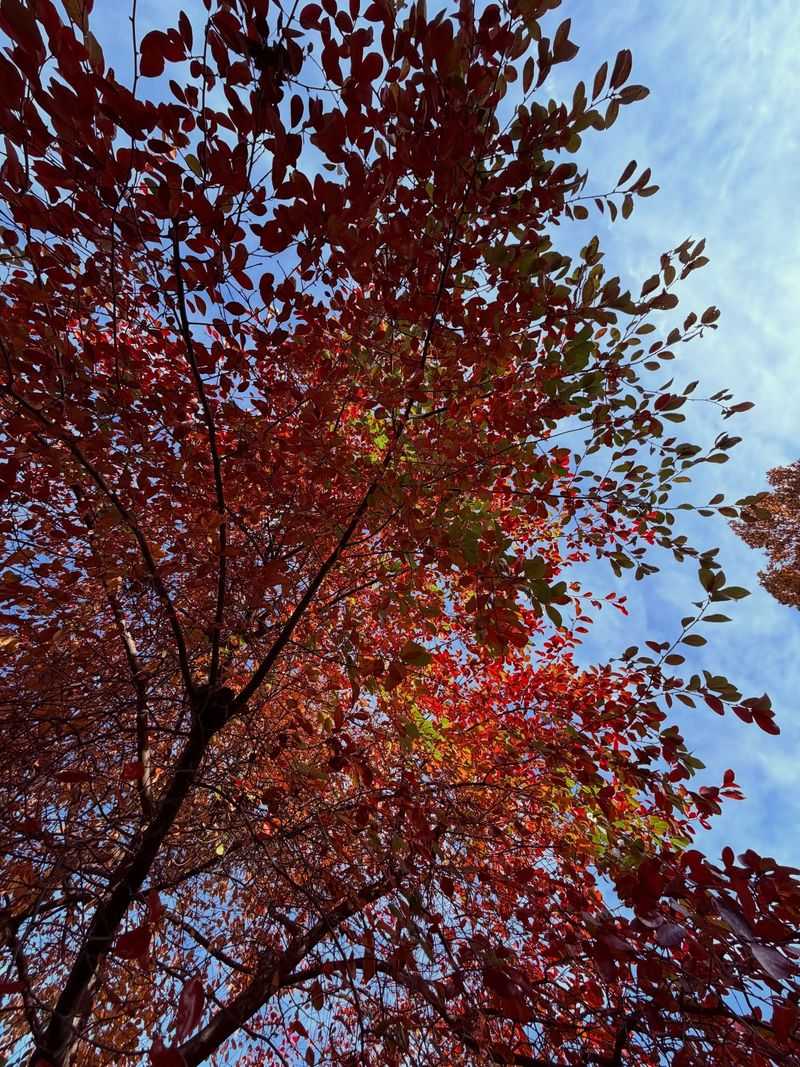
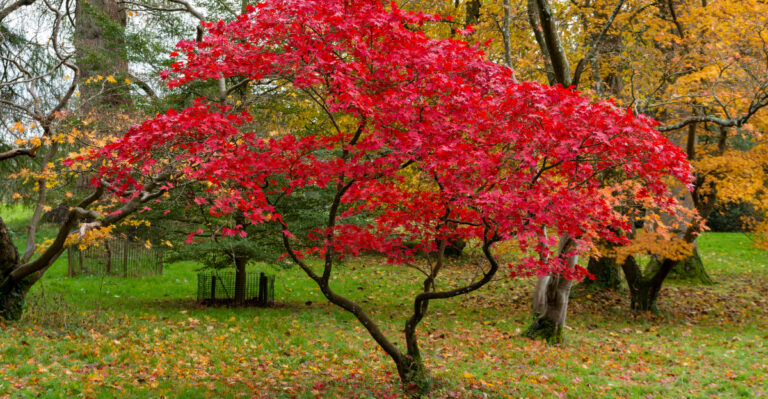
Black Gum might be the most underplanted native tree in Georgia, and that is a real shame. Come October, nothing in the yard turns color faster or more brilliantly — scarlet red, deep orange, and burgundy all showing up on the same tree at the same time.
Beyond fall color, Black Gum earns its keep through summer by forming a dense, rounded canopy of dark, glossy leaves. It handles Georgia’s heat well and adapts to a wide range of soil types, from sandy coastal plain soils to the heavier clay of the Piedmont.
Partial shade to full sun both work — this tree is genuinely flexible about light conditions.
Planting in March gives Black Gum time to push new roots before summer arrives. It has a deep taproot, so planting it young from a container rather than trying to transplant an older specimen is the smart move.
Keep the root zone consistently moist through the first growing season. Small, dark blue fruits that ripen in fall draw migrating songbirds — warblers, thrushes, and robins all stop to feed on them.
For a Georgia yard that needs both summer shade and a reliable fall show, Black Gum delivers without requiring much in return.
7. Sweetgum Builds A Tall Canopy That Cools Sunny Landscapes
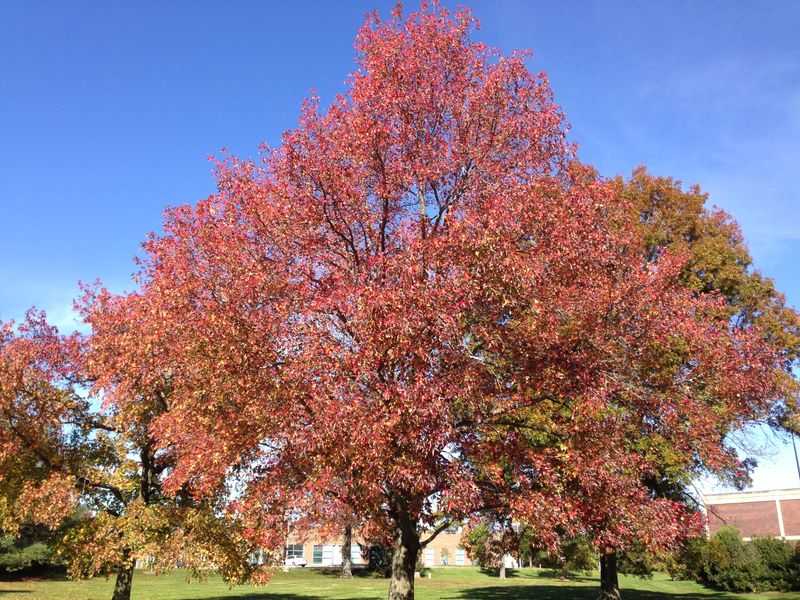
Sweetgum divides opinions mostly because of those spiky seed balls it drops every fall. Fair enough — they are annoying underfoot.
But push past that one quirk and what you get is a genuinely impressive native shade tree that grows fast, colors up beautifully, and handles Georgia’s conditions with ease.
Across Georgia, Sweetgum shows up naturally in old fields, along roadsides, and at forest edges — which tells you how adaptable it really is. Full sun and moist to average soil produce the fastest growth.
Young trees can gain two to three feet per year, building toward a mature height of 60 to 75 feet with a well-formed pyramid-shaped canopy that broadens as the tree ages.
March planting works well because Sweetgum is still dormant enough to transplant without stress, yet the warming soil encourages fast root establishment.
Choose a spot away from high-traffic lawn areas if seed balls bother you — near a property border or along a fence line works well.
Star-shaped leaves turn yellow, orange, purple, and red in fall, often all at once on the same tree. Planted on the west side of a Georgia home, a mature Sweetgum significantly reduces afternoon heat load on exterior walls and windows through the summer months.
8. American Beech Spreads A Wide Crown Of Smooth Silver Bark
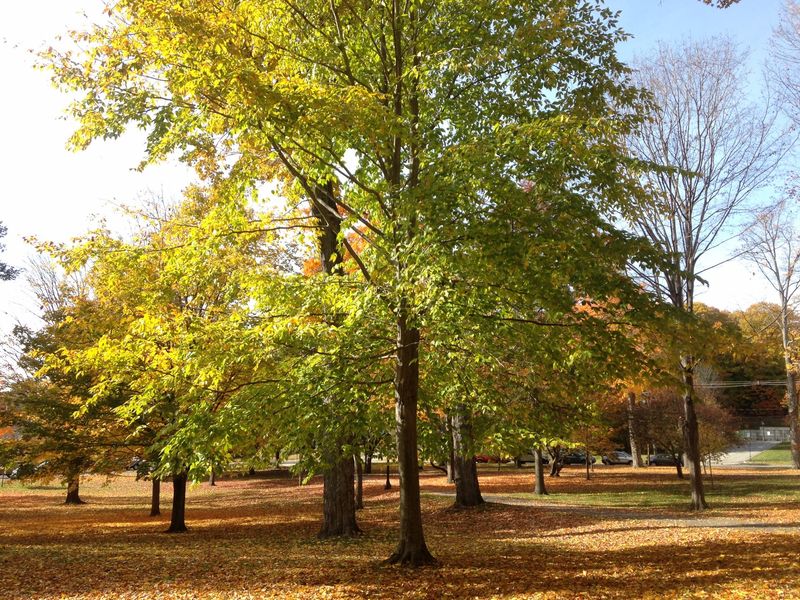
American Beech is the tree that makes you stop and run your hand along the bark. Smooth, silvery gray, almost like elephant skin — it is one of the most distinctive trunks in any Georgia woodland, and it only gets more striking as the tree ages.
Beech prefers the cooler, moister conditions of north Georgia — the mountains and upper Piedmont are its natural home in the state. Rich, well-drained, slightly acidic soil gives it the best start.
If you garden in Atlanta’s northern suburbs, Gainesville, or the Dahlonega area, American Beech fits naturally into a landscape that already has some existing tree canopy nearby.
Growth is slow compared to oaks and poplars, averaging one to one and a half feet per year, but the payoff is a long-lived, wide-spreading tree that can anchor a shaded garden for well over a hundred years.
Papery tan leaves hold on through winter, a trait called marcescence, which adds texture to a bare winter yard.
Beech nuts produced by mature trees are a high-value food source for black bears, wild turkeys, and white-tailed deer.
Planting in March while the soil is still cool and moist gives American Beech the gentle start it needs to push roots before summer warmth arrives in Georgia.
9. Shagbark Hickory Creates Deep Shade Beneath Its Tall Branches
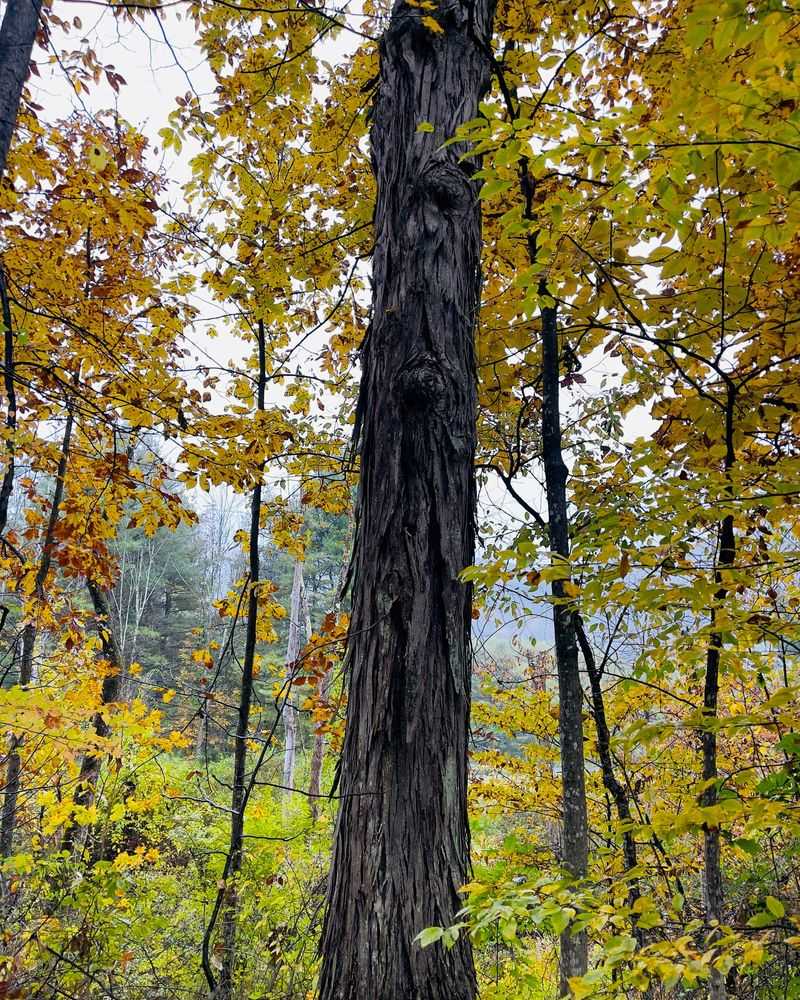
Shagbark Hickory announces itself immediately — those long, curling strips of bark peeling away from the trunk in thick plates give it a look that no other native Georgia tree can match. Even in winter without a single leaf, a Shagbark Hickory is worth looking at.
Compound leaves with five to seven leaflets spread wide on branches that reach 60 to 80 feet at maturity, producing deep, dense shade underneath.
Georgia’s Piedmont and mountain counties are where Shagbark Hickory grows most naturally, typically on dry to medium ridges and slopes with well-drained soil.
Avoid planting in spots that stay wet — poor drainage stresses the roots and slows growth noticeably.
March planting from a container-grown specimen is the most reliable approach, since Hickory has a strong taproot that makes bareroot transplanting tricky after the tree gets any size on it.
Expect slow to moderate growth — roughly one to two feet per year — but the tree more than compensates with longevity and structural strength.
Hickory nuts produced by mature trees are edible, flavorful, and eagerly sought by squirrels, wild turkeys, and foxes. For a Georgia property with a naturalistic feel, Shagbark Hickory brings genuine character that keeps paying off year after year.