9 Native Shrubs That Give Your Oregon Yards Privacy Without Fences
Sometimes, fences aren’t the answer, especially if you want your Oregon yard to feel natural and welcoming. Native shrubs are a perfect solution.
They provide privacy, create cozy outdoor spaces, and add beauty and wildlife habitat without making your garden feel closed off or artificial.
Oregon is home to a wide variety of shrubs that grow well in local soil and climate conditions. Many have dense foliage that acts like a natural screen, while others produce flowers or berries that attract birds, pollinators, and other wildlife.
Planting native shrubs means less maintenance, fewer watering worries, and better survival rates compared to non-native options.
Whether you’re looking to block a neighbor’s view, create a secluded seating area, or add structure to your garden beds, the right native shrubs can do it all.
With careful selection and placement, these plants can give your yard privacy and beauty, creating a lush, thriving space that feels both functional and inviting.
1. Red-Flowering Currant (Ribes sanguineum)
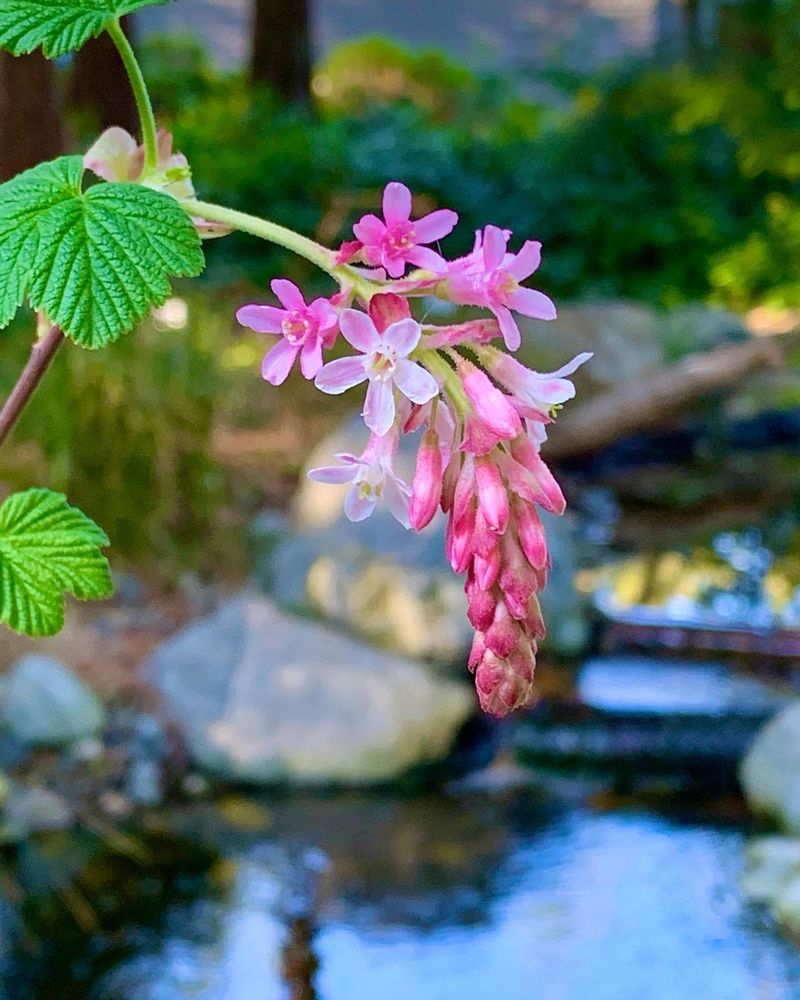
Hummingbirds flock to this shrub every spring when clusters of pink to deep red flowers appear before most other plants even wake up. Red-flowering currant grows six to ten feet tall and spreads about the same width, creating a dense screen that blocks views from nosy neighbors.
The blooms smell faintly sweet and attract pollinators when they need food most.
After flowering, small blue-black berries form and feed birds throughout summer. The leaves have a maple-like shape and release a spicy scent when you brush against them.
This shrub tolerates shade well but produces more flowers in sunny spots. It also handles dry summers once established, which makes it perfect for Oregon yards.
Plant several red-flowering currants in a row to form a living wall that changes with the seasons. In fall, the leaves turn yellow before dropping, giving you a brief burst of color.
The bare branches still provide structure and privacy during winter. Deer usually leave this shrub alone, so you do not need to worry about browsing damage.
Red-flowering currant grows quickly and requires little care beyond occasional pruning to shape it. You can trim it after blooming to control size or let it grow naturally for a more relaxed look.
2. Pacific Wax Myrtle (Morella californica)
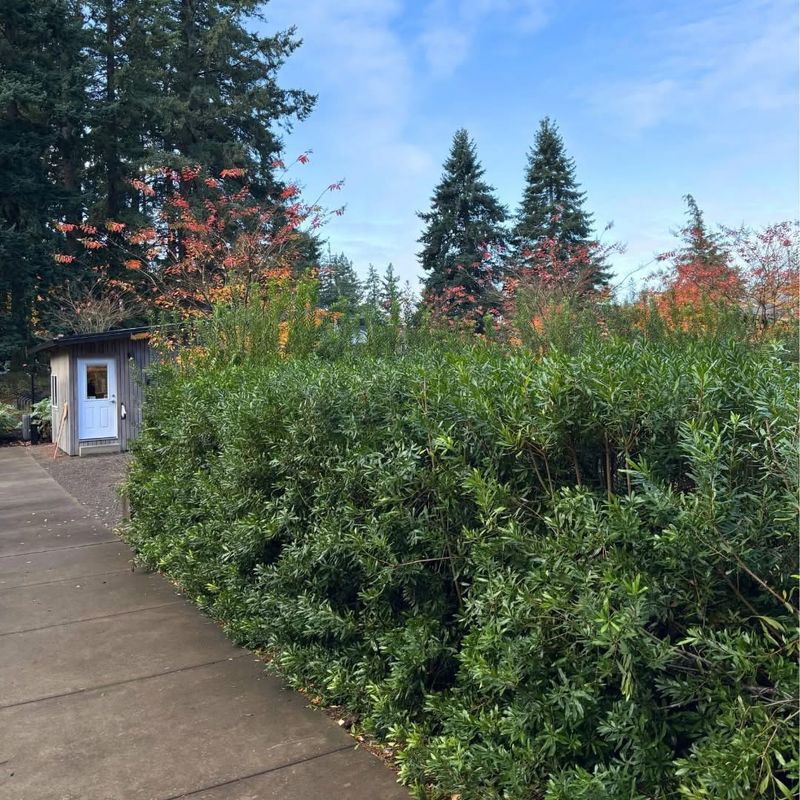
Evergreen privacy sounds too good to be true, but Pacific wax myrtle delivers year-round screening without dropping its leaves. This shrub reaches ten to fifteen feet tall and forms a dense, upright shape that blocks sight lines completely.
The glossy, dark green leaves stay attractive through all seasons and smell pleasantly aromatic when crushed.
Wax myrtle grows naturally along Oregon’s coast but adapts well to inland gardens too. It handles wet soil better than most shrubs and even tolerates occasional flooding.
At the same time, it survives dry spells once its roots establish. The plant fixes nitrogen in the soil, which means it improves growing conditions for nearby plants.
Small gray berries appear on female plants in fall and winter, providing food for songbirds when other sources run low. Male and female plants grow separately, so you need both for berries.
The berries have a waxy coating that early settlers once used to make candles.
This shrub responds well to pruning and can be shaped into a formal hedge or left natural for a looser appearance. It grows moderately fast and fills in gaps within a few years.
Pacific wax myrtle resists most pests and diseases, making it a low-maintenance choice for busy homeowners.
3. Osoberry (Oemleria cerasiformis)
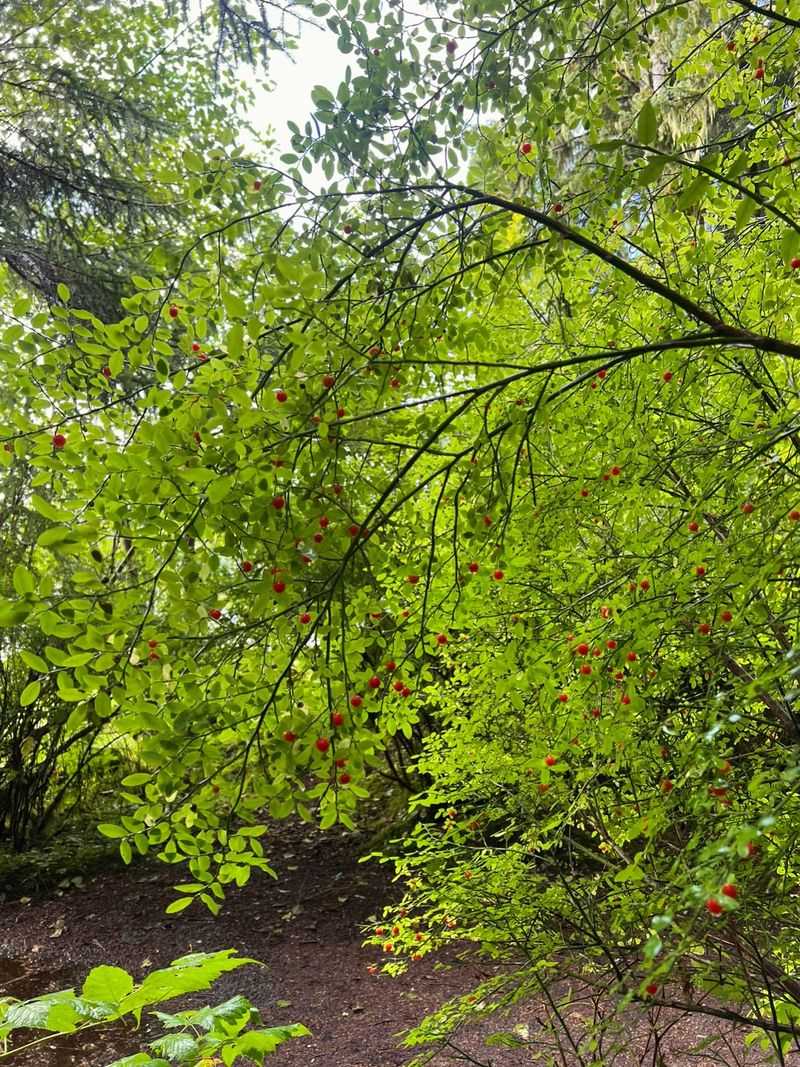
One of the earliest bloomers in Oregon forests, osoberry announces spring with drooping clusters of white flowers that smell like watermelon. This deciduous shrub grows eight to twelve feet tall and spreads through underground runners to form thick colonies.
The white blooms appear in late winter or early March, often before the last frost.
Osoberry leaves emerge bright green and turn yellowish in fall before dropping early. The shrub produces small plum-like fruits that ripen from red to purple-black by midsummer.
Birds love these fruits, though they taste bitter to humans. The plant spreads naturally, which helps it fill in gaps and create solid privacy screens faster than shrubs that only grow from their base.
This shrub prefers partial shade and moist soil but tolerates a range of conditions once established. It grows well under taller trees where other shrubs struggle.
The spreading habit makes it ideal for naturalizing large areas or filling difficult spots in your yard.
You can control osoberry’s spread by removing unwanted shoots or planting it where it has room to expand. The early flowers provide nectar for native bees and other pollinators when few other food sources exist.
Osoberry works well in woodland gardens or along property lines where you want a natural, informal screen.
4. Tall Oregon Grape (Mahonia aquifolium)
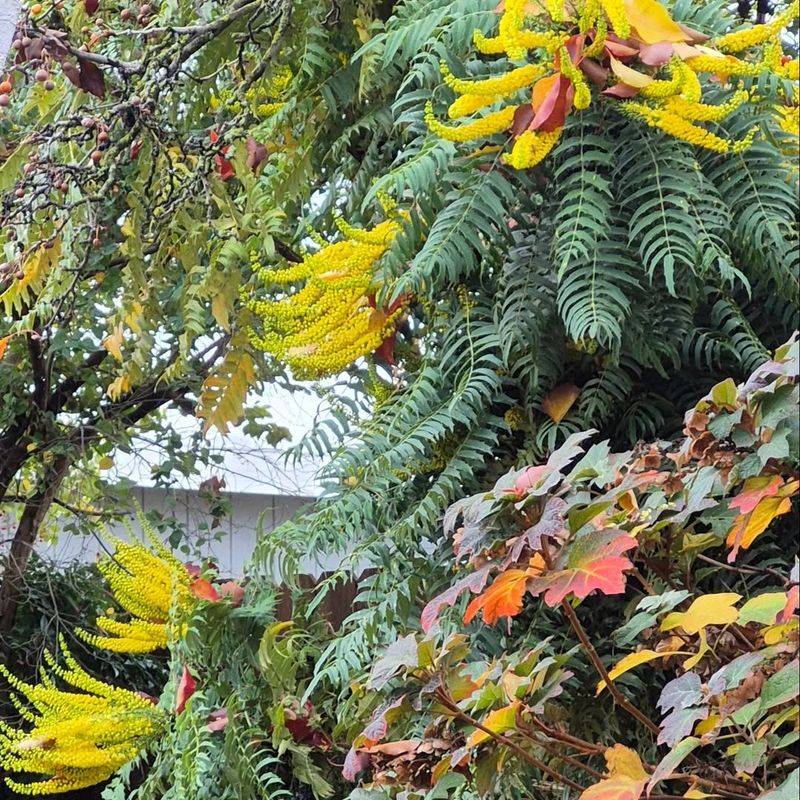
Spiky, holly-like leaves make tall Oregon grape an effective barrier that people and pets learn to respect. This evergreen shrub grows three to six feet tall, though some varieties reach eight feet in ideal conditions.
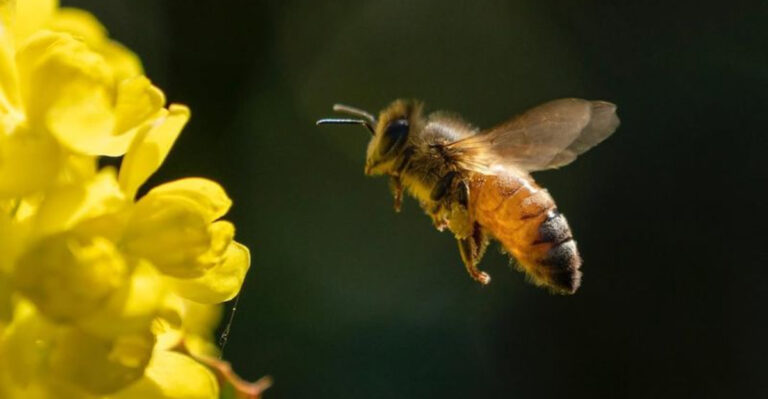
Bright yellow flower clusters appear in early spring and smell faintly sweet, attracting the first bees of the season.
Dark blue berries follow the flowers and hang in grape-like clusters through summer. Birds feast on these berries, and you can use them to make jelly or wine if you harvest them before wildlife does.
The berries taste quite tart but contain plenty of natural pectin for preserves.
Oregon grape leaves stay green year-round, though they often turn bronze or purple during cold winters. This color change adds visual interest when most gardens look drab.
The glossy leaves reflect light and brighten shady corners. New growth emerges reddish-bronze before turning green, creating a two-toned effect.
This shrub tolerates deep shade better than almost any other native plant, making it perfect for north-facing walls or under tree canopies. It also handles dry shade, which challenges most garden plants.
Tall Oregon grape spreads slowly through underground stems, eventually forming dense thickets that provide excellent privacy and wildlife habitat. The sharp leaf edges discourage people from pushing through, adding security to your boundary plantings.
5. Oceanspray (Holodiscus discolor)
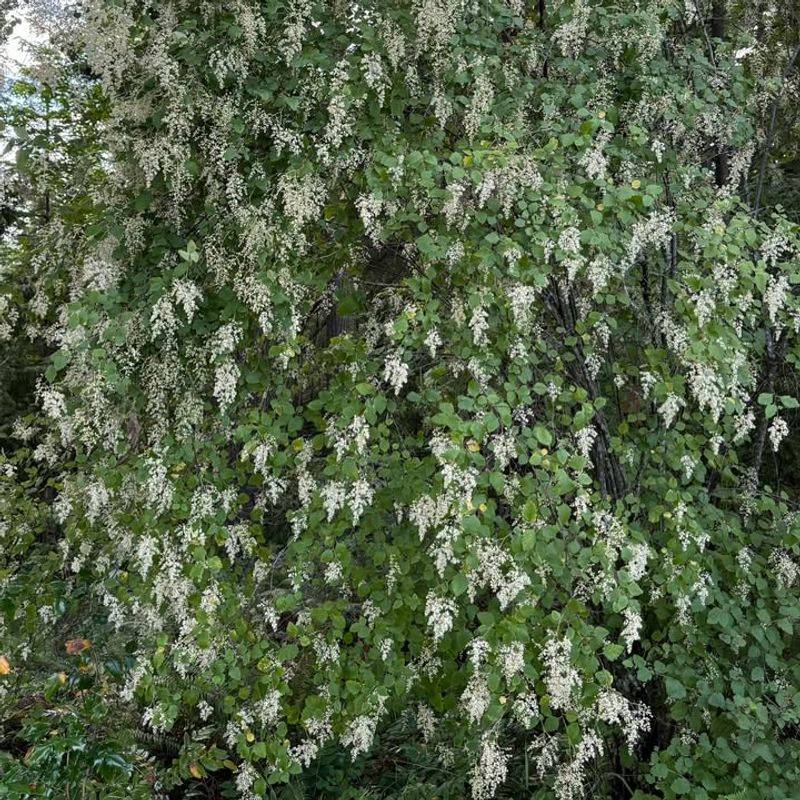
Cascading plumes of creamy white flowers give this shrub its common name and create a stunning display in late spring. Oceanspray grows six to twelve feet tall with arching branches that spread equally wide.
The flower clusters can reach a foot long and droop gracefully, resembling frozen ocean spray or waterfalls.
Butterflies and native bees swarm the blooms for weeks, making your yard a pollinator paradise. After flowering, the blooms turn brown and persist into winter, adding texture to the landscape.
Some gardeners cut them for dried flower arrangements. The leaves have a soft, fuzzy texture and turn yellow to orange in fall.
This shrub thrives in full sun to partial shade and tolerates rocky or poor soil better than most ornamentals. It handles drought well once established, making it ideal for low-water gardens.
Oceanspray grows naturally on sunny hillsides and forest edges throughout Oregon, so it adapts easily to garden conditions.
The dense branching structure provides excellent privacy and nesting sites for small birds. Deer occasionally browse the foliage but rarely cause serious damage.
You can prune oceanspray after flowering to control its size or let it grow naturally for a wilder appearance. The arching branches create a soft, informal screen that moves gently in the breeze, adding movement to your landscape.
6. Western Mock Orange (Philadelphus lewisii)
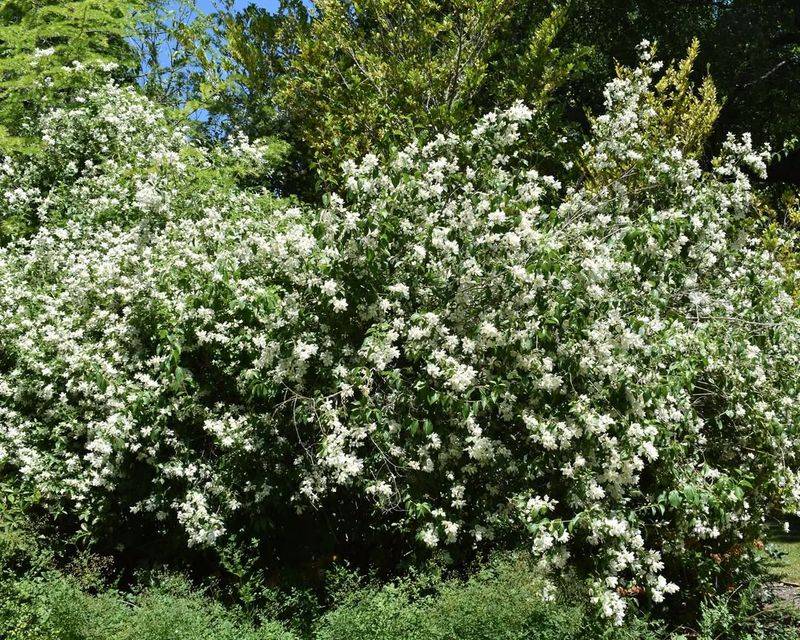
Few native shrubs can match the intoxicating fragrance of western mock orange when it blooms in late spring. The white, four-petaled flowers cover the branches so thickly that you can barely see the leaves.
This deciduous shrub grows six to ten feet tall and spreads about six feet wide, forming a rounded shape.
The sweet scent attracts butterflies and bees from across your neighborhood. People often plant this shrub near windows or patios to enjoy the perfume during warm evenings.
The flowers resemble orange blossoms, which explains the common name, though the two plants are not related.
Western mock orange prefers full sun but tolerates light shade, especially in hotter inland areas. It grows naturally along streams and in moist forests but adapts to average garden soil.
Once established, it handles summer drought fairly well, though it performs best with occasional deep watering during dry spells.
The shrub produces many stems from the base, creating a dense thicket that provides good privacy. You can prune it after flowering to shape it or remove old stems to encourage fresh growth.
The bare branches offer winter structure and still create a visual barrier even without leaves. Western mock orange grows moderately fast and fills in gaps within a few seasons, making it useful for quick privacy screens.
7. Ninebark (Physocarpus capitatus)
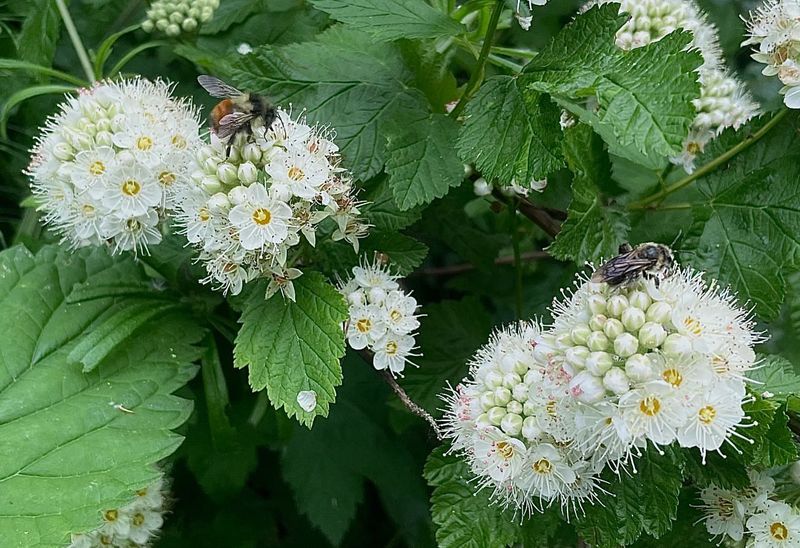
Peeling bark adds year-round interest to this adaptable native shrub that grows six to twelve feet tall. The bark exfoliates in thin strips, revealing multiple colors underneath, which gives the plant its unusual name.
Clusters of small white to pinkish flowers appear in late spring and attract numerous pollinators.
Ninebark leaves have a distinctive three-lobed shape and turn yellow to orange in fall. The flowers develop into reddish seed capsules that persist through winter, providing food for finches and other seed-eating birds.
The dense branching creates excellent cover for nesting birds and small mammals.
This shrub tolerates a wide range of conditions, from full sun to partial shade and wet to moderately dry soil. It grows naturally along streams but adapts well to typical garden situations.
Ninebark handles clay soil better than many natives, making it useful in areas where drainage is poor.
The plant grows quickly and forms a thick screen within a few years. You can prune it heavily in early spring to control size or encourage bushier growth.
The arching branches create a fountain-like shape that softens hard edges in the landscape. Ninebark works well in informal hedges or mixed borders where you need reliable privacy.
The peeling bark provides visual interest during winter when other plants look dormant.
8. Serviceberry (Amelanchier alnifolia)
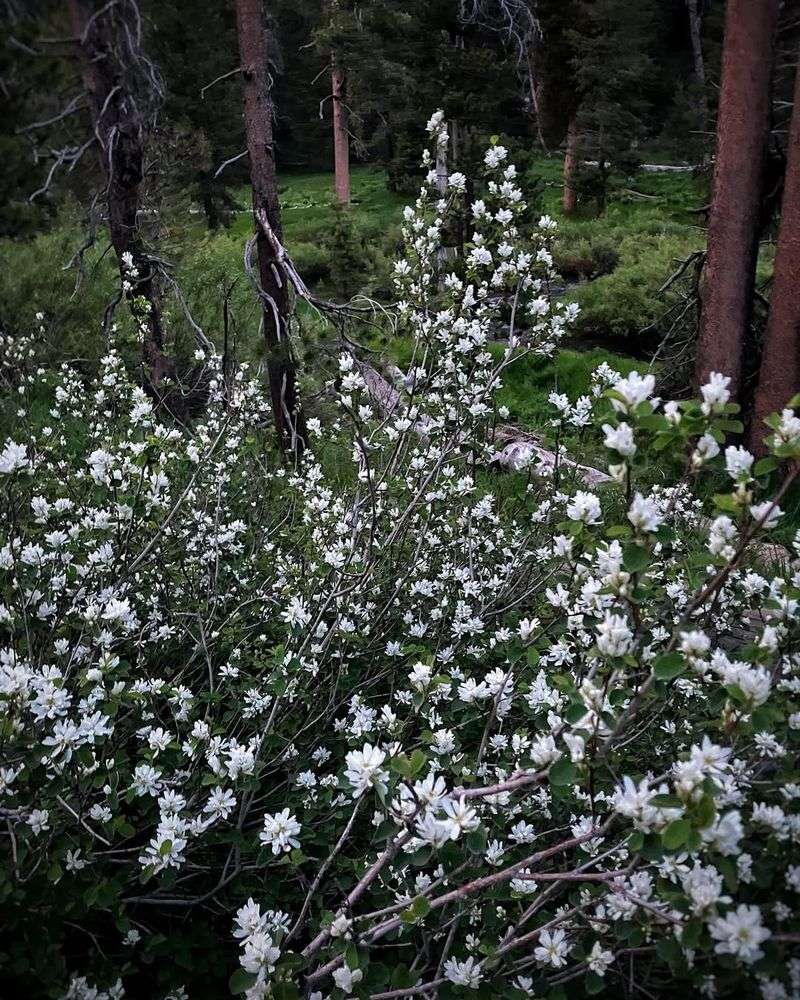
Sweet, edible berries make this shrub a favorite for both wildlife and humans who enjoy fresh fruit. Serviceberry grows six to fifteen feet tall, depending on the variety, and produces clouds of white flowers in early spring.
The five-petaled blooms appear before many other plants leaf out, creating a spectacular display.
Purple-black berries ripen in early summer and taste similar to blueberries with a hint of almond. You can eat them fresh, bake them into pies, or make jam.
Birds love the berries too, so you need to harvest quickly if you want to beat them to the crop. The fruit provides important nutrition for migratory birds passing through Oregon.
Serviceberry leaves emerge bronze-tinted, turn green in summer, and blaze orange to red in fall. This shrub offers three seasons of interest, making it valuable in small gardens where every plant needs to earn its space.
It grows in full sun to partial shade and tolerates various soil types.
The multi-stemmed growth habit creates a dense screen that provides good privacy. Serviceberry grows moderately fast and requires little maintenance beyond occasional pruning to remove dead wood.
It resists most pests and diseases, though aphids sometimes attack new growth. The shrub works well in hedgerows or as a specimen plant where you can enjoy the flowers, fruit, and fall color up close.
9. Snowberry (Symphoricarpos albus)
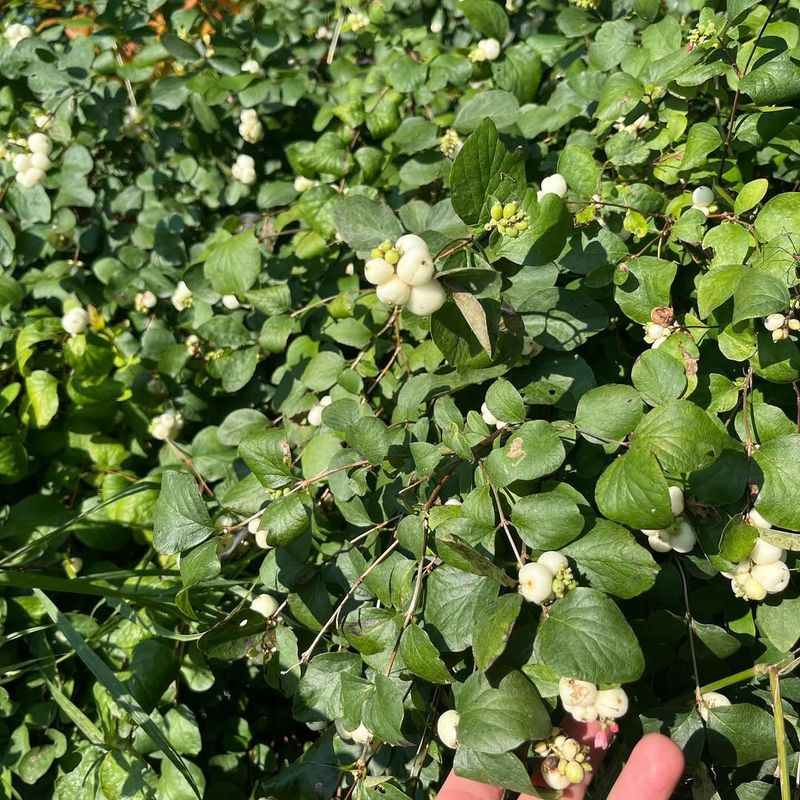
Bright white berries the size of marbles appear in fall and persist through winter, creating unexpected interest when most gardens fade. Snowberry grows three to six feet tall and spreads through underground runners to form colonies.
The small, pink, bell-shaped flowers bloom in late spring and attract hummingbirds and native bees.
The white berries stand out dramatically against bare winter branches and provide emergency food for birds during harsh weather. The berries contain saponins that make them bitter and somewhat toxic to humans, so they are best left for wildlife.
The plant’s spreading habit helps it quickly fill in gaps and create solid privacy screens.
Snowberry tolerates deep shade better than almost any flowering shrub, making it perfect for difficult spots under trees or along north-facing walls. It also handles dry shade, poor soil, and competition from tree roots.
This adaptability makes it useful in challenging areas where other plants fail.
The dense twiggy growth provides excellent cover for small birds and beneficial insects. You can control the spread by removing unwanted shoots or plant it where it has room to naturalize.
Snowberry works well in informal hedges, woodland gardens, or erosion control plantings. The white berries create a striking contrast against evergreen backgrounds and add a touch of winter magic to your private outdoor retreat.