Native Shrubs That Perform Best In North Carolina’s Piedmont
Gardening in the Piedmont region of North Carolina offers a unique advantage for plant lovers. The rolling landscape, naturally acidic soil, and warm humid summers create conditions where many native shrubs grow with remarkable strength.
When the right plants are chosen, gardens in this part of the state can look vibrant with surprisingly little effort. Across the Piedmont, native shrubs have adapted over time to handle local rainfall, soil conditions, and seasonal heat.
That natural resilience means they often require less watering, fewer fertilizers, and far less maintenance than many imported landscape plants. At the same time, they provide food and shelter for birds, butterflies, and other pollinators that help keep gardens healthy.
For homeowners looking to build a beautiful and resilient landscape, native shrubs are one of the smartest choices. These proven performers thrive throughout North Carolina’s Piedmont region and bring lasting life to the garden.
1. Oakleaf Hydrangea
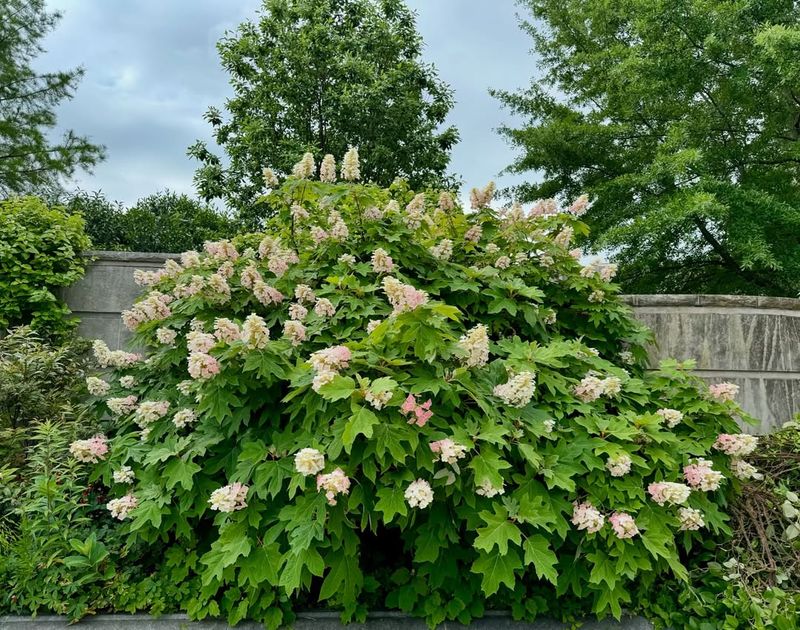
Few shrubs make as bold a statement as Oakleaf Hydrangea, and once you plant one in your Piedmont garden, you will wonder how you ever managed without it.
This stunning native grows naturally across the southeastern United States and feels completely at home in North Carolina’s warm, humid climate.
Its large, cone-shaped white flower clusters bloom in late spring and can stretch over a foot long, turning a soft pinkish-tan as summer fades.
The leaves are the real showstoppers up close. Shaped just like an oak leaf with deep lobes and a bold, textured surface, they give the shrub a dramatic look all season long.
When autumn rolls around the Piedmont, those leaves turn a rich burgundy red that rivals any fall display in the region.
Oakleaf Hydrangea grows best in partial shade with well-drained soil, which is exactly the kind of condition you find under the tall hardwood trees so common in Piedmont yards. It handles summer heat and humidity without skipping a beat.
Mature plants can reach six to eight feet tall and wide, so give it room to spread naturally. You do not need to fuss over it much, since it is naturally drought-tolerant once established.
Birds and beneficial insects also appreciate its shelter, making it a smart choice for any wildlife-friendly North Carolina landscape.
2. American Beautyberry
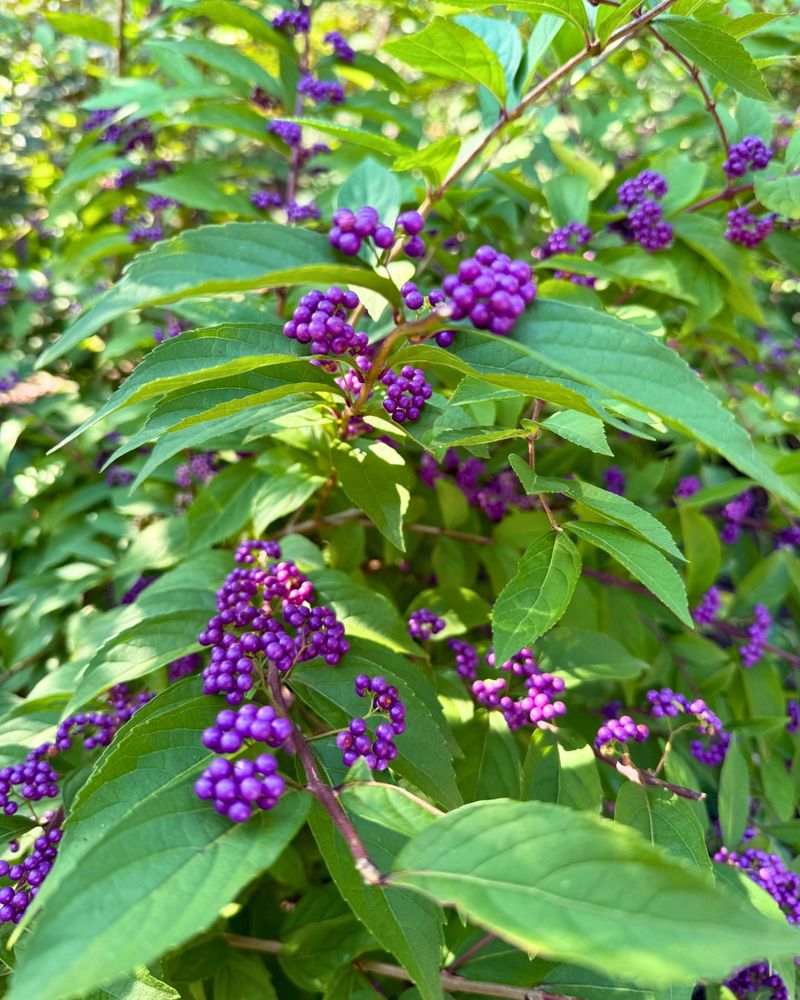
Walk past an American Beautyberry in October and you will stop in your tracks. The clusters of vivid, almost neon-purple berries that line every arching branch are unlike anything else growing in a Piedmont garden.
Native to the southeastern United States, Callicarpa americana is built for the warm, humid summers that define North Carolina’s Piedmont, and it performs beautifully with very little fuss from the gardener.
Through the summer months, the shrub stays relatively low-key. Small, pale pink flowers bloom along the stems in early summer, attracting bees and other pollinators that are always busy in Piedmont gardens.
The foliage is soft and slightly fuzzy, giving the plant a casual, natural look that blends well with woodland garden designs. Then fall arrives, and American Beautyberry becomes the star of the yard.
Those vivid purple berries show up in tight, eye-catching clusters and persist well into late autumn, drawing in mockingbirds, robins, and other birds that flock to Piedmont landscapes for a seasonal feast.
The shrub thrives in partial shade or full sun and tolerates a wide range of soil types, including the sandy and clay soils common across the region. It typically grows six to eight feet tall and wide, with graceful arching branches that give it a relaxed, flowing shape.
Pruning it back hard in late winter keeps it tidy and encourages the best berry production each season.
3. Virginia Sweetspire
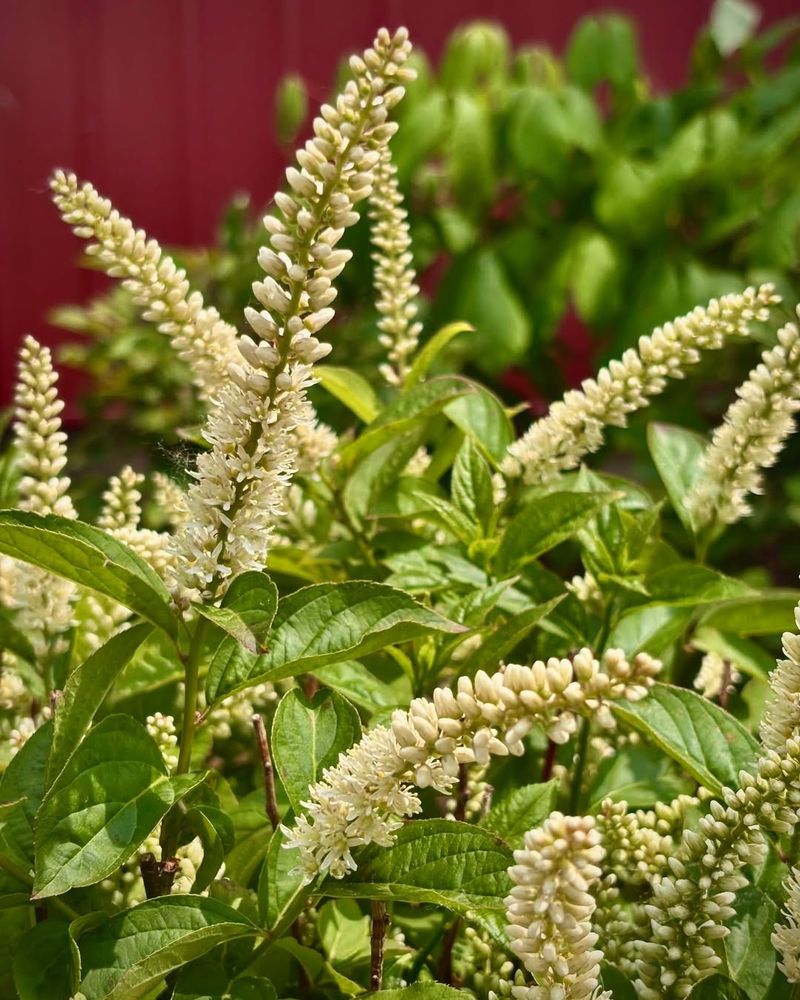
Virginia Sweetspire is one of those plants that quietly earns a loyal fan base among Piedmont gardeners.
It does not shout for attention in the spring, but once you notice its graceful white flower spikes swaying in a warm late-spring breeze, you realize just how lovely this native shrub really is.
The blooms are fragrant, bottlebrush-shaped, and absolutely covered in pollinators when they open, making it a fantastic addition to any North Carolina garden focused on supporting local wildlife.
Itea virginica handles a wide range of soil moisture levels, which is a huge bonus for Piedmont gardeners who deal with everything from soggy low spots to average garden beds.
It actually thrives in moist or seasonally wet soils, making it a natural fit near downspouts, rain gardens, or areas that collect runoff after heavy summer rains.
When the temperatures start to cool across the Piedmont in autumn, Virginia Sweetspire transforms into something truly spectacular.
The foliage turns bright crimson red, often holding its color well into November and outperforming many other fall-color shrubs in the region.
Plants typically reach three to five feet tall with a slightly wider spread, and they slowly spread by suckers to form attractive colonies over time. Full sun to partial shade suits them perfectly, and once established, they require very little supplemental watering.
For a shrub that delivers fragrance, fall color, and wildlife value all in one tidy package, Virginia Sweetspire is hard to beat.
4. Inkberry Holly
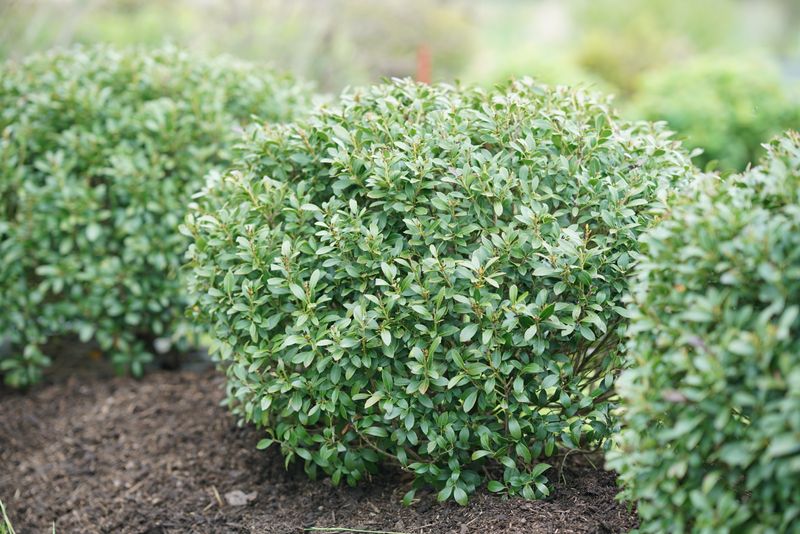
Reliable, tough, and evergreen year-round, Inkberry Holly is exactly the kind of workhorse shrub that every Piedmont garden needs.
While flashier plants get all the attention in spring and fall, Ilex glabra quietly keeps your landscape looking full, green, and structured through every season, including those gray winter months when most other shrubs look bare and tired.
North Carolina’s Piedmont soils tend to be naturally acidic, and Inkberry Holly absolutely loves that. It grows natively in moist, acidic habitats across the eastern United States and adapts well to the range of soil conditions found throughout the Piedmont region.
Whether your garden has clay-heavy soil or slightly sandy ground, this shrub settles in and grows steadily without complaint.
Inkberry Holly works beautifully as a hedge, foundation planting, or mass planting along property lines where you want year-round screening.
Its compact, rounded form stays tidy with minimal pruning, and several dwarf cultivars are available that stay under four feet tall, making them perfect for smaller Piedmont yards.
Small black berries appear in fall and persist through winter, providing an important food source for birds like cedar waxwings and bluebirds. The foliage is a rich, glossy dark green that catches the light beautifully on sunny winter days.
Pair it with deciduous native shrubs for a planting that offers both seasonal drama and steady evergreen structure throughout the year.
5. Fothergilla
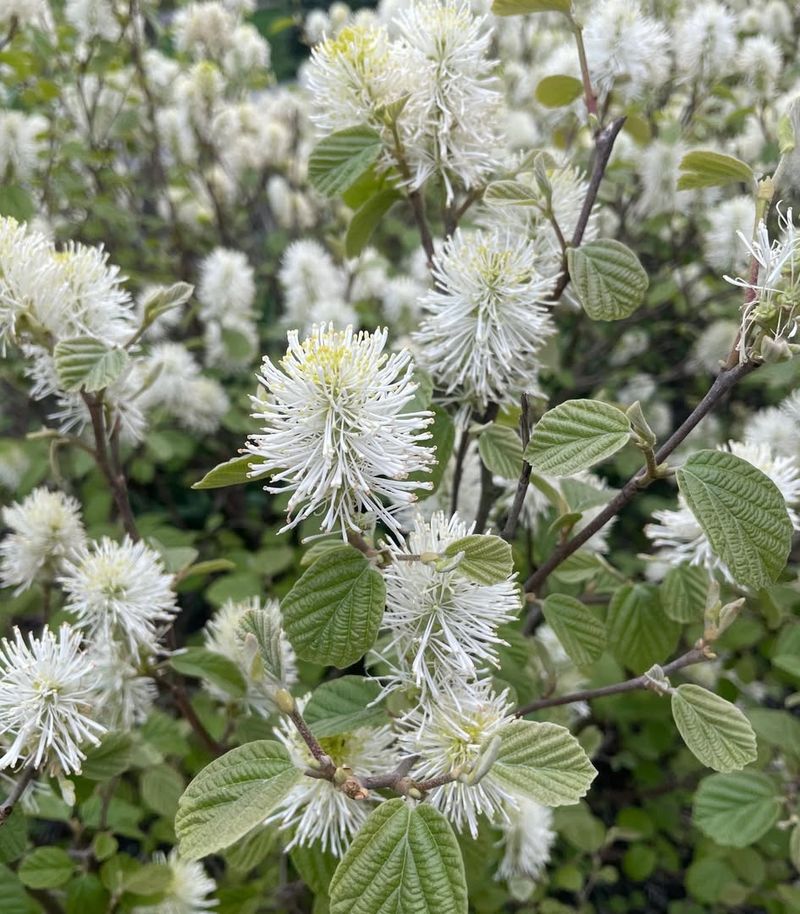
Early spring in the North Carolina Piedmont belongs to Fothergilla. Before most shrubs have even thought about leafing out, this compact native bursts into bloom with fluffy, white bottlebrush flowers that carry a sweet honey-like fragrance.
Bees wake up from winter and head straight for Fothergilla, making it one of the most important early-season pollinator plants you can add to a Piedmont garden.
Fothergilla gardenii, the dwarf species, stays under three feet tall and works perfectly in smaller garden spaces. Fothergilla major grows larger, reaching up to ten feet, and suits bigger landscape beds or naturalized woodland garden settings.
Both species perform beautifully in the Piedmont’s acidic soils, and both reward gardeners with one of the most spectacular fall color displays of any native shrub in North Carolina.
When autumn arrives, Fothergilla puts on a show that photographers and garden enthusiasts drive across the Piedmont to see. The leaves turn a vivid mix of orange, red, yellow, and scarlet, often displaying all those colors at once on a single branch.
Few plants in any garden match that kind of seasonal drama. Plant it in full sun to partial shade with well-drained, acidic soil for the best results.
Once established, it is quite drought-tolerant and requires almost no maintenance. Fothergilla is genuinely one of the most underused native shrubs available to Piedmont gardeners, and it deserves a spot in every North Carolina yard.
6. Red Chokeberry
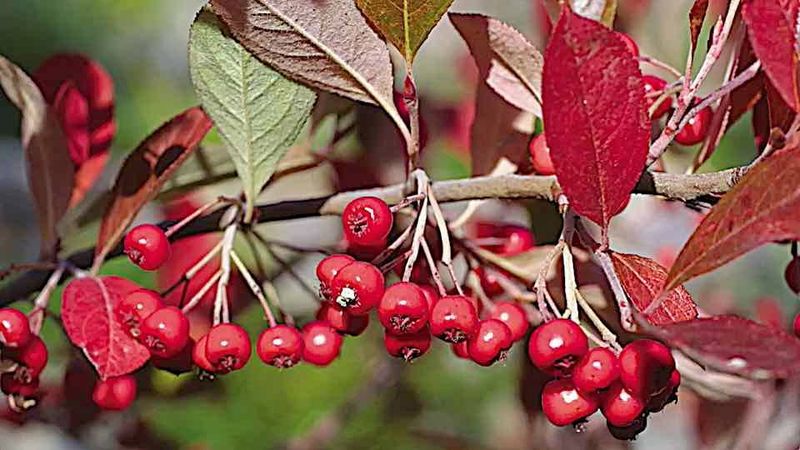
Red Chokeberry packs four seasons of interest into one compact, easy-growing native shrub. Aronia arbutifolia starts the year with clusters of small white flowers in spring that attract early pollinators buzzing through Piedmont gardens.
The flowers give way to glossy green leaves that look fresh and tidy through the summer, and then the real magic begins as temperatures cool in the fall.
Those glossy leaves turn a fiery red-orange in autumn, creating a bold seasonal display that lights up the garden.
At the same time, bright red berries ripen and cling to the branches well into late fall and even early winter, providing a valuable food source for migrating and resident birds across the North Carolina Piedmont.
Cedar waxwings, thrushes, and mockingbirds are among the many species that seek out these persistent berries.
Red Chokeberry grows naturally in moist, low-lying areas, which makes it a smart choice for spots in your Piedmont yard that collect water after heavy rain.
It tolerates wet soils better than most native shrubs, and it also handles average garden conditions without any trouble once established.
Plants typically reach six to ten feet tall and spread slowly by suckers to form attractive naturalistic colonies over time. Full sun produces the best berry crops and the most vibrant fall color, but partial shade works fine too.
For a native shrub that truly earns its place through every season, Red Chokeberry delivers consistent value across any Piedmont landscape.
7. Buttonbush
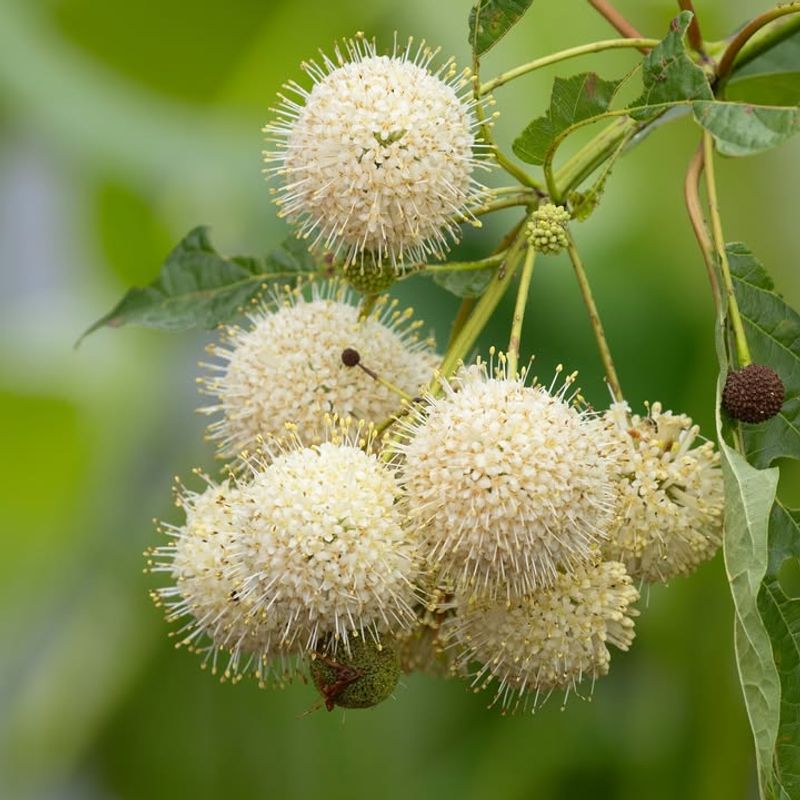
There is something almost magical about watching Buttonbush in full bloom on a warm summer morning in the Piedmont.
The round, globe-shaped white flowers look like tiny pincushions covered in delicate stamens, and they are absolutely irresistible to butterflies, bees, and hummingbirds.
Cephalanthus occidentalis is a native shrub that earns its keep by supporting pollinators during the hottest and most challenging months of the North Carolina summer.
Buttonbush thrives in wet or consistently moist soil, making it a perfect choice for rain gardens, pond edges, drainage swales, or any low spot in a Piedmont yard that stays soggy after a storm.
Many gardeners struggle to find plants that can handle those perpetually wet areas, and Buttonbush fills that role beautifully while also adding serious wildlife value to the landscape.
Beyond pollinators, Buttonbush also attracts waterfowl and shorebirds that appreciate its seeds and dense branching structure for shelter.
It typically grows six to twelve feet tall depending on available moisture and light, and it can spread into a multi-stemmed colony over time.
Full sun to partial shade both work well for this adaptable native. The foliage is a clean, glossy green through summer, and the round seedheads that follow the flowers add interesting texture well into fall.
For Piedmont gardeners looking to solve a wet-area planting challenge while also boosting local biodiversity, Buttonbush is one of the best native options available in North Carolina.
8. Witch Hazel
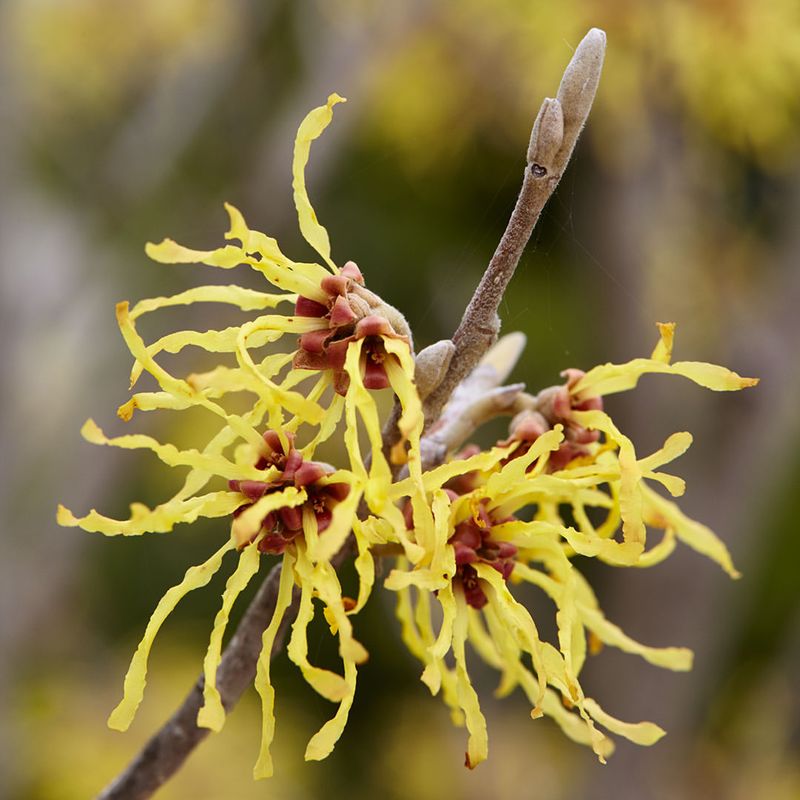
American Witch Hazel has one of the most surprising and delightful tricks in the native plant world.
While every other shrub in your Piedmont garden is wrapping up for the season, Hamamelis virginiana bursts into bloom with cheerful yellow flowers right in the middle of fall.
Those thin, ribbon-like petals flutter on bare branches from October through December, offering a burst of color and sweet fragrance at a time when the landscape is otherwise winding down.
Witch Hazel grows naturally in the understory forests of North Carolina, including throughout the Piedmont region, where it thrives in the dappled shade beneath tall oaks and hickories.
It is a large, spreading shrub that can eventually reach fifteen to twenty feet tall, forming a graceful, multi-stemmed silhouette that looks beautiful in a woodland garden or naturalized area.
Interestingly, Witch Hazel has a long history of use by Native American communities, who used extracts from its bark and leaves for medicinal purposes. That same extract is still used in skincare products today.
In the garden, it performs best in partial shade with moist, well-drained, acidic soil, conditions that are easy to find across the Piedmont. Once established, it is quite self-sufficient and rarely needs supplemental care.
The bold yellow fall foliage adds another layer of seasonal color before the leaves drop, making Witch Hazel a genuinely four-season native shrub that rewards patient Piedmont gardeners year after year.
9. Smooth Hydrangea
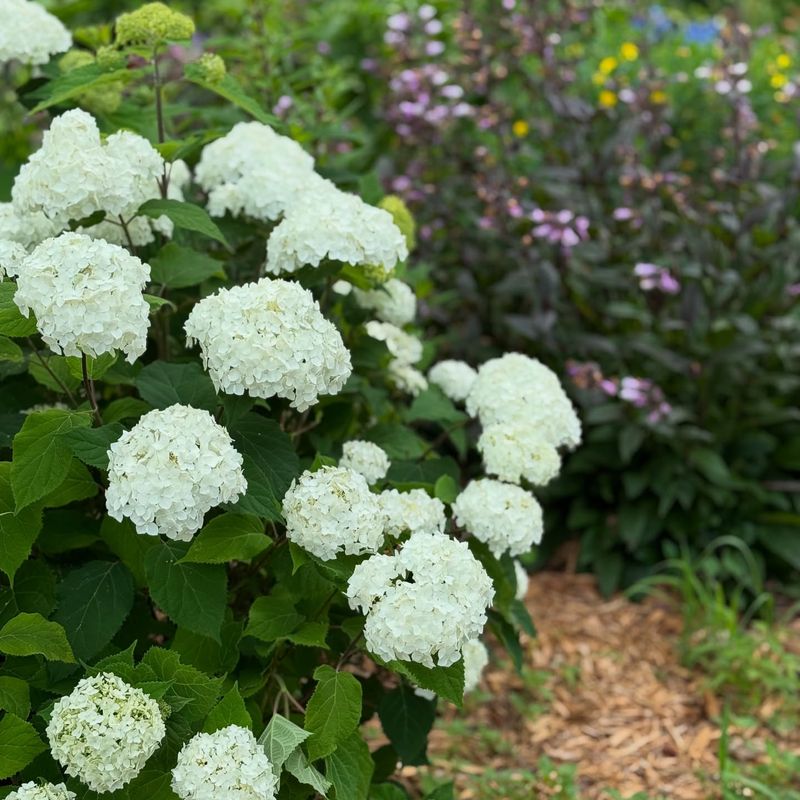
Smooth Hydrangea is the dependable, hardworking friend that every Piedmont garden needs.
Hydrangea arborescens produces enormous, rounded clusters of white flowers in early summer that can span up to a foot across, creating a bold, lush display that lasts for weeks.
Unlike some ornamental shrubs that struggle in North Carolina’s humid summers, Smooth Hydrangea embraces the heat and keeps right on blooming.
One of the most appealing things about this native is its ability to handle partial shade, which makes it perfect for planting beneath tall trees or along the shaded north-facing sides of homes and fences throughout the Piedmont.
It grows naturally in moist woodland areas and along stream banks in North Carolina, so it is well adapted to the region’s seasonal rainfall patterns and summer humidity.
Smooth Hydrangea typically grows three to five feet tall and wide, forming a tidy, manageable clump that suits most residential landscapes.
Cutting the stems back hard in late winter encourages vigorous new growth and the largest possible flower clusters each summer.
The popular cultivar ‘Annabelle’ is widely available and beloved for its massive snowball-like blooms, but the straight native species is equally beautiful and even more wildlife-friendly. Bees and butterflies visit the flowers regularly throughout the blooming season.
For Piedmont gardeners who want a low-maintenance native shrub with serious visual impact from early summer through fall, Smooth Hydrangea absolutely delivers on every level.