9 Native Shrubs That Support Wildlife In North Carolina Year-Round
If you’re looking to create a garden in North Carolina that supports local wildlife year-round, planting native shrubs is one of the best ways to make a real difference.
These shrubs not only thrive in the state’s diverse climate but also provide crucial food, shelter, and habitat for birds, insects, and small mammals.
Whether you’re in the mountains, Piedmont, or Coastal Plain, the right native shrubs can transform your garden into a vibrant, wildlife-friendly sanctuary.
From attracting pollinators to providing shelter during winter, these plants offer a variety of benefits throughout the year.
Incorporating these shrubs into your garden will help support North Carolina’s wildlife in every season.
1. American Beautyberry Attracts Birds With Vibrant Purple Berries
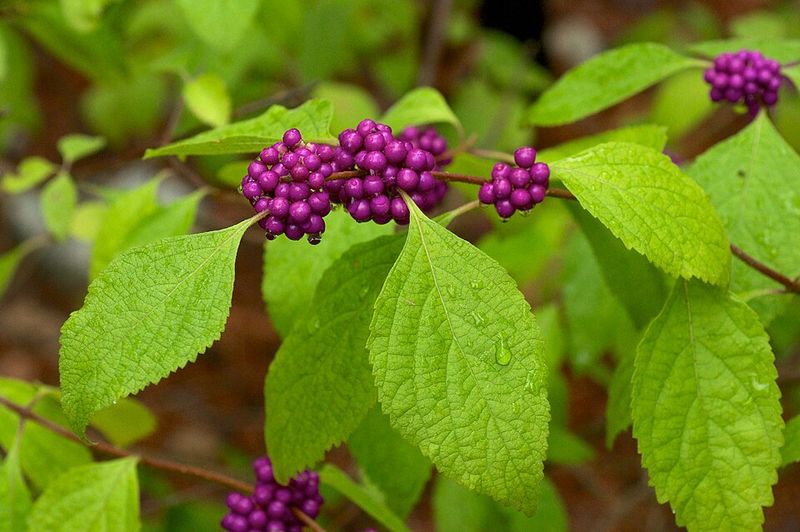
Few shrubs stop people in their tracks quite like American Beautyberry when its clusters of electric purple berries appear in late summer and fall.
Callicarpa americana is a native southeastern shrub that thrives across North Carolina, growing happily in partial shade to full sun with well-drained or moist soils.
Its adaptability makes it a reliable choice for home gardeners across the Piedmont, Coastal Plain, and even parts of the Mountains.
Birds like mockingbirds, brown thrashers, robins, and cardinals eagerly feed on the berries, which can persist well into winter if wildlife doesn’t strip them first.
The arching branches also provide natural cover and potential nesting habitat, adding to its value in a wildlife-friendly landscape.
American Beautyberry grows quickly and can reach six to eight feet tall and wide, so give it room to spread its graceful branches.
Cutting it back hard in late winter encourages vigorous new growth and an even more impressive berry display the following season.
Planting it in groups or along woodland edges creates a natural food corridor that benefits a wide variety of North Carolina wildlife species throughout the fall and winter months.
2. Bushy St. John’s Wort Brings Yellow Blooms And Buzzing Pollinators
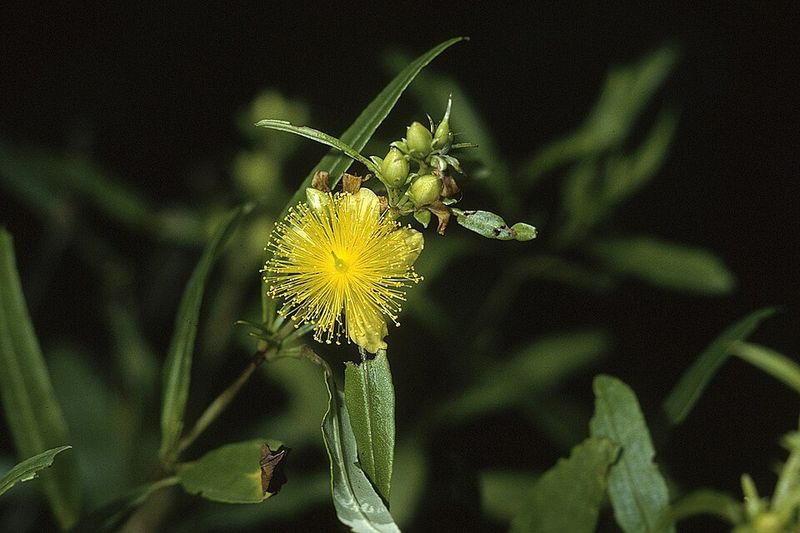
On a warm summer morning in a North Carolina garden, few sights are more cheerful than Bushy St. John’s Wort loaded with golden yellow blooms and surrounded by buzzing native bees.
Hypericum prolificum is a compact native shrub that typically grows two to four feet tall, making it a great fit for smaller garden spaces, rain gardens, or mixed shrub borders across the state.
This tough little shrub handles a range of soil conditions, tolerating both dry and moist sites, and it performs well in full sun to partial shade.
Native bees, especially specialist bees that collect pollen from Hypericum species, are drawn to its cheerful blossoms from midsummer into early fall.
Butterflies and other beneficial insects also visit regularly, adding lively movement to the garden during the hottest months of the year.
Beyond its pollinator appeal, the shrub’s dense branching provides cover for small birds and insects seeking refuge from heat or predators.
Bushy St. John’s Wort is also quite low maintenance once established, requiring little supplemental watering or fertilizing.
Planting it in a sunny border or naturalized area gives North Carolina gardeners a reliable, wildlife-supporting shrub that rewards with color and activity season after season.
3. Buttonbush Creates Unique Round Flowers Loved By Pollinators
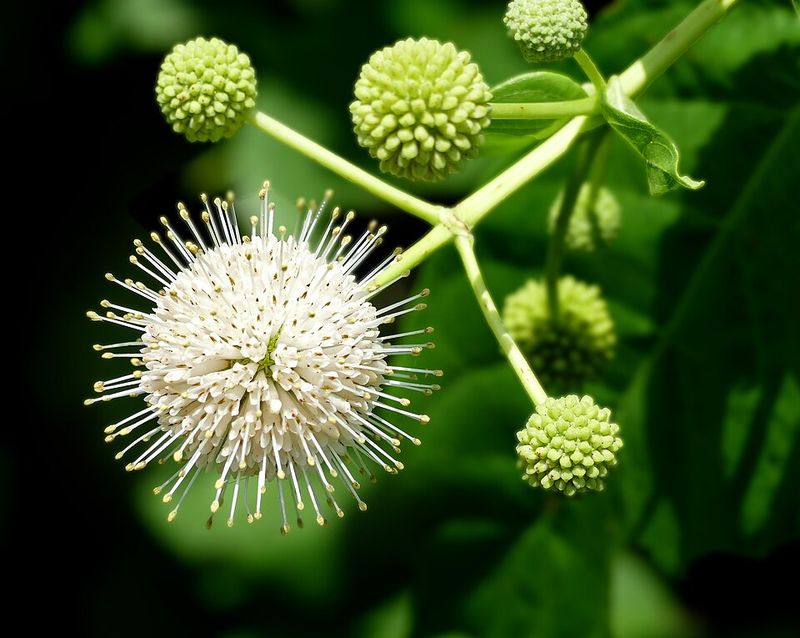
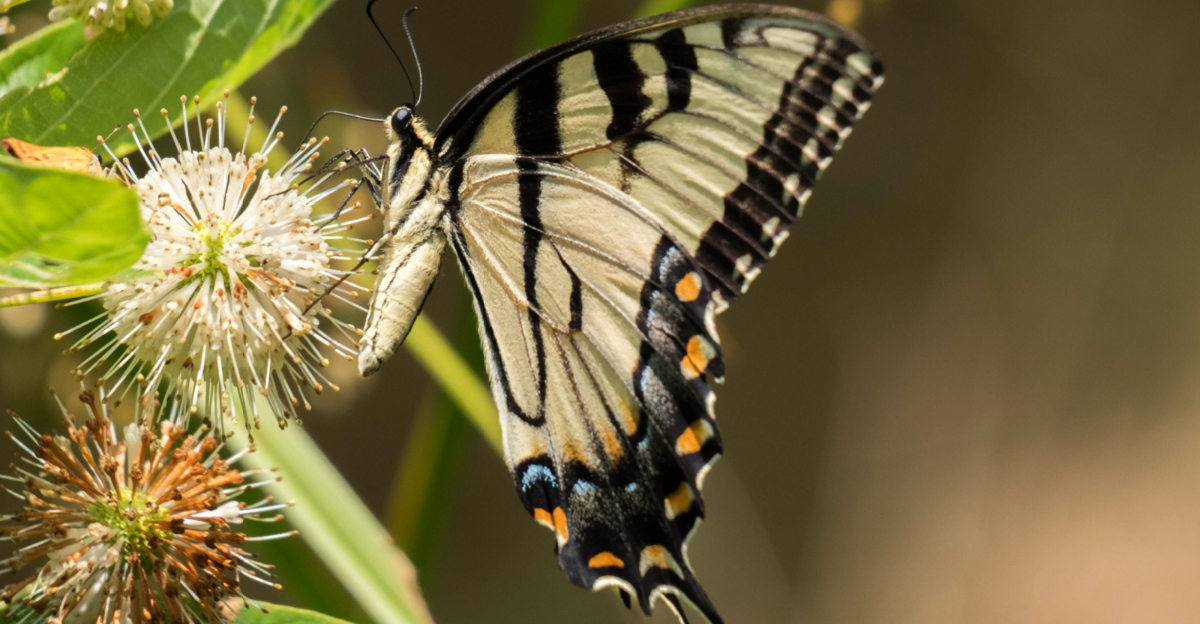
Imagine standing near a pond edge in North Carolina midsummer and watching a Buttonbush covered in white, pincushion-like blooms absolutely humming with pollinators.
Cephalanthus occidentalis is a native shrub that earns its place in any wildlife garden, particularly in low-lying, wet, or seasonally flooded areas where many other shrubs struggle to survive.
The round, fragrant flower heads appear from June through August and attract an impressive variety of visitors, including honeybees, bumblebees, sphinx moths, and numerous butterfly species.
Buttonbush is considered one of the top native shrubs for supporting pollinators in the southeastern United States, making it a high-value addition to any North Carolina landscape near water.
After flowering, the shrubs produce small, round seed clusters that persist through fall and winter, providing food for waterfowl and songbirds. Buttonbush grows well in full sun to partial shade and can reach six to twelve feet tall in ideal conditions.
Planting it along stream banks, pond margins, or in rain garden areas not only supports wildlife but also helps stabilize soil and filter runoff.
Its unusual flowers also make it a genuine conversation starter for any garden visitor passing by.
4. Inkberry Provides Evergreen Cover And Winter Food For Birds
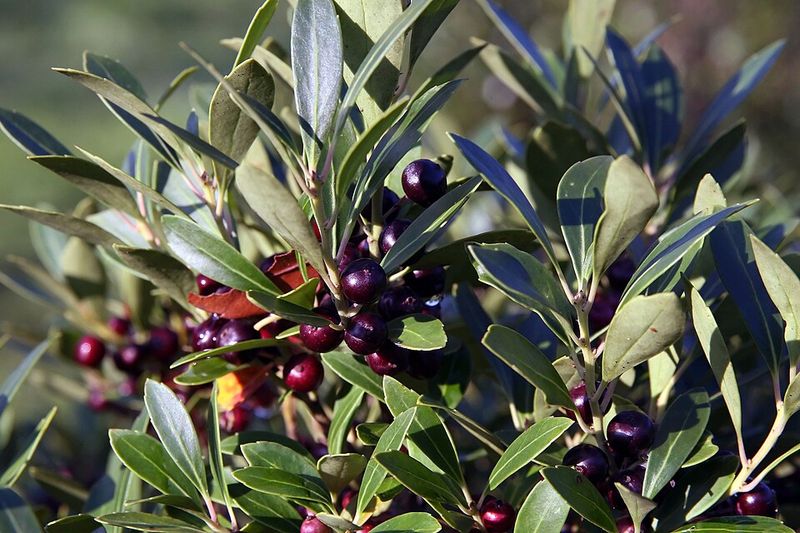
When most deciduous shrubs have dropped their leaves and the garden looks bare, Inkberry stands out as a dependable source of both cover and food for North Carolina wildlife.
Ilex glabra is a native evergreen holly that holds its glossy dark green leaves all year long, offering birds a sheltered retreat even during cold, windy winter days when exposed branches provide little protection.
The small, black berries that ripen in fall remain on the plant through winter, feeding species like hermit thrushes, yellow-rumped warblers, and cedar waxwings.
Inkberry grows naturally in wet, acidic soils along the Coastal Plain and Piedmont of North Carolina, making it especially well suited to low-lying spots, rain gardens, or areas with heavy clay soils that stay moist after rain.
This shrub typically reaches five to eight feet tall and spreads gradually through root suckers, forming a dense colony that provides excellent nesting cover for ground-nesting birds and small mammals.
It grows well in full sun to full shade, which makes it versatile enough for many different garden situations.
Selecting compact cultivars can help manage its size in smaller landscapes while still delivering meaningful wildlife benefits throughout every season of the year.
5. Common Winterberry Delivers Bright Red Berries Through Winter
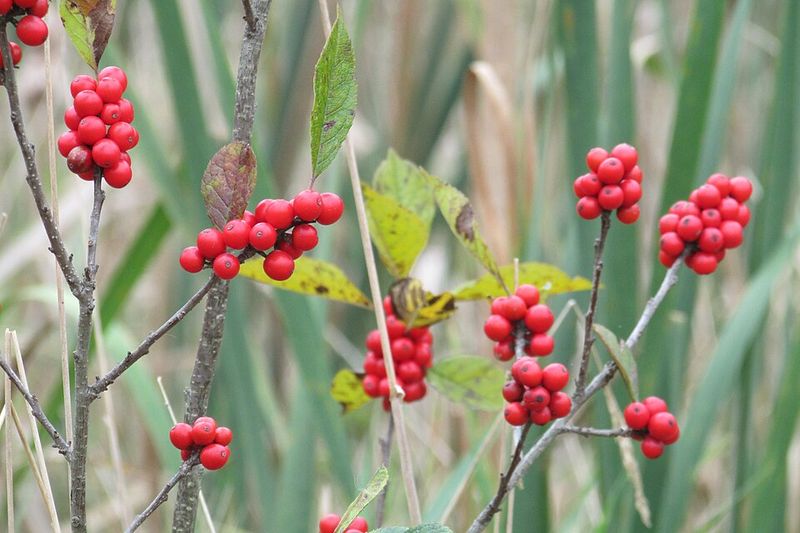
There is something almost magical about spotting a stand of Winterberry in a North Carolina wetland or garden in December, its bare branches loaded with brilliant red berries that seem to glow against a gray winter sky.
Ilex verticillata is a deciduous native holly that loses its leaves in fall, leaving behind an extraordinary display of fruit that wildlife and gardeners alike find stunning.
Birds are quick to take advantage of this winter buffet. Species including bluebirds, robins, cedar waxwings, and mockingbirds feed heavily on the berries during the colder months when other food sources are scarce.
The dense branching also offers shelter for small songbirds seeking protection from cold winds and predators on winter days across the state.
Winterberry grows best in moist to wet, acidic soils in full sun to partial shade, thriving naturally along stream banks and pond edges throughout North Carolina.
One important planting tip: female plants produce the berries, but a male pollinator plant must be planted nearby for fruit to set.
A single male can typically pollinate several females within a reasonable distance.
Grouping Winterberry plants together along a garden border or naturalized area creates a bold, wildlife-rich focal point from fall well into late winter.
6. Red Chokeberry Offers Red Berries That Feed Birds And Mammals
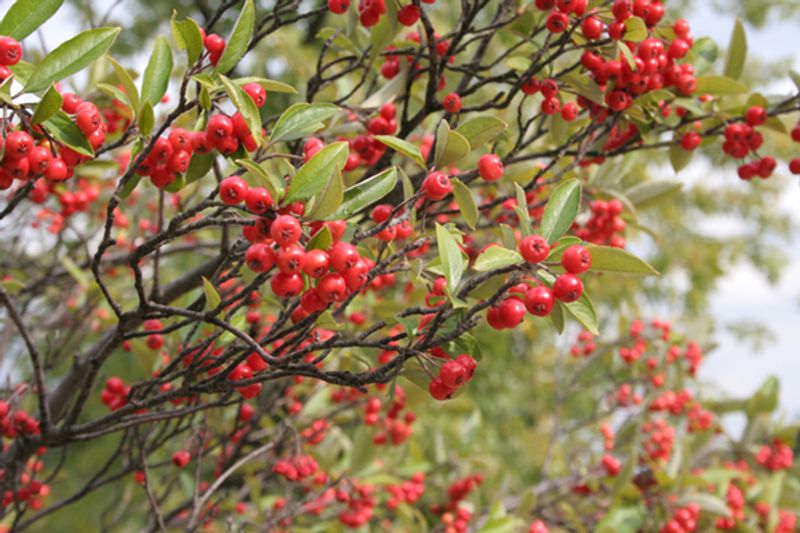
Red Chokeberry earns its spot in a North Carolina wildlife garden by delivering something valuable in nearly every season.
Aronia arbutifolia blooms with clusters of white flowers in spring that attract native bees and early pollinators, then develops bright red berries by late summer that persist well into winter.
In fall, the foliage turns a rich, fiery red that adds genuine seasonal color to the landscape.
The berries are eaten by a range of wildlife species, including songbirds, wild turkeys, white-tailed deer, and small mammals like foxes and raccoons.
While the berries are quite astringent to human taste, wildlife find them appealing, especially after repeated freeze-thaw cycles in winter soften them slightly.
This makes Red Chokeberry particularly valuable for supporting wildlife during the lean months when food is harder to find across North Carolina.
This shrub grows six to ten feet tall in moist, well-drained, acidic soils and tolerates both wet conditions and moderate drought once established.
It performs well in full sun to partial shade and tends to form multi-stemmed colonies over time, creating dense cover that small birds appreciate.
Planting Red Chokeberry along woodland edges, fence lines, or in rain garden areas gives North Carolina gardeners a dependable, multi-season wildlife resource with minimal maintenance required.
7. Silky Dogwood Lures Pollinators And Provides Fall Berries For Wildlife
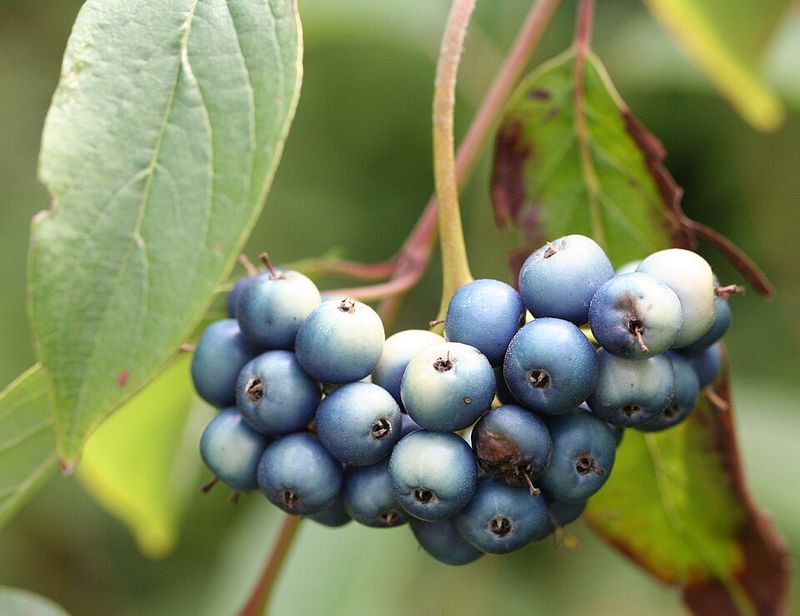
Walk along almost any stream bank or wetland edge in North Carolina and you are likely to spot Silky Dogwood growing with its characteristic reddish stems and broad, oval leaves.
Cornus amomum is a native shrub that earns its place in wildlife gardens by offering something useful across multiple seasons, from spring flowers to fall berries and dense winter structure that birds rely on for cover.
The flat-topped clusters of small white flowers that appear in late spring attract a wide variety of native bees, flies, and butterflies seeking nectar and pollen.
By late summer and early fall, those flowers develop into clusters of blue-white berries that are eagerly consumed by wood ducks, robins, bluebirds, and other songbirds.
The berries tend to disappear quickly once birds discover them, which speaks to how much wildlife values this plant.
Silky Dogwood grows best in moist to wet soils in full sun to partial shade, making it an excellent choice for rain gardens, pond edges, and low-lying areas of North Carolina yards.
It typically reaches six to ten feet tall and spreads through root suckers to form dense thickets that provide exceptional nesting and sheltering habitat.
Pairing it with other native shrubs along a water feature creates a layered wildlife corridor that benefits birds and pollinators throughout the growing season.
8. American Elderberry Attracts Pollinators And Supports Birds With Berries
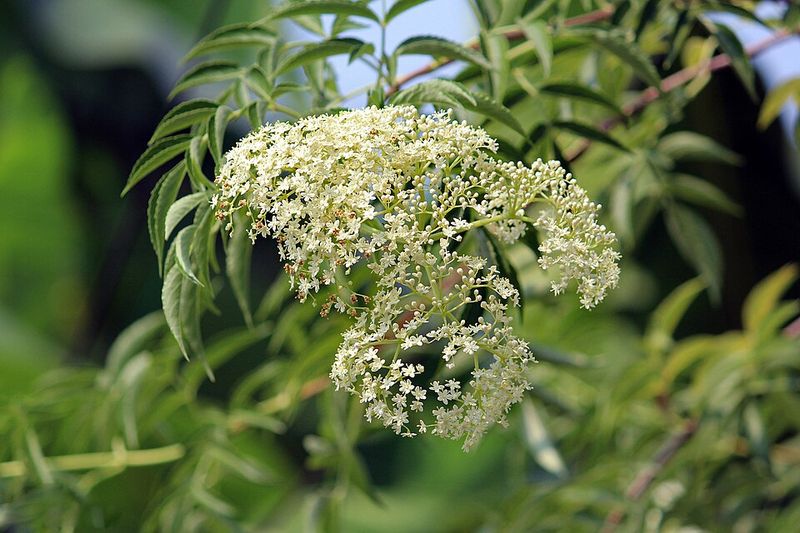
Few native shrubs pack as much wildlife value into a single growing season as American Elderberry.
Sambucus canadensis produces enormous, flat-topped clusters of creamy white flowers in late spring and early summer that practically vibrate with activity from native bees, beetles, butterflies, and other beneficial insects.
The sheer volume of pollinators it attracts on a sunny June morning in North Carolina is genuinely impressive.
By midsummer, those flower clusters ripen into drooping bunches of small, dark purple-black berries that are highly attractive to birds.
More than 50 bird species across North America have been recorded eating Elderberry fruit, including red-eyed vireos, great crested flycatchers, and cedar waxwings that pass through North Carolina during fall migration.
The berries are also used by humans for jams, syrups, and wellness products, giving this shrub appeal beyond the wildlife garden.
American Elderberry grows vigorously in moist, fertile soils in full sun to partial shade and can reach eight to twelve feet tall.
It spreads through suckers and can form large colonies over time, so giving it space in a naturalized area or along a fence line tends to work best.
Cutting older canes back periodically encourages fresh, productive growth and keeps the plant looking tidy while continuing to support North Carolina wildlife generously.
9. Spicebush Blooms Early And Feeds Birds With Its Bright Berries
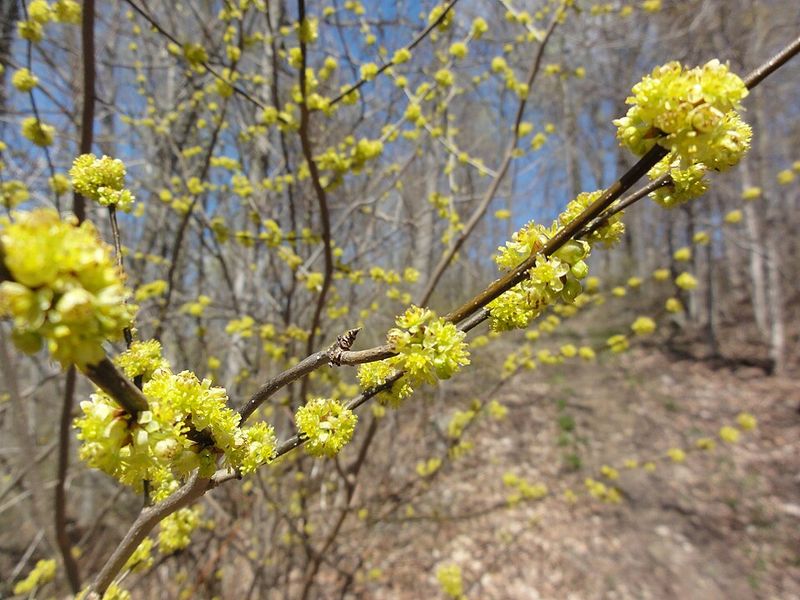
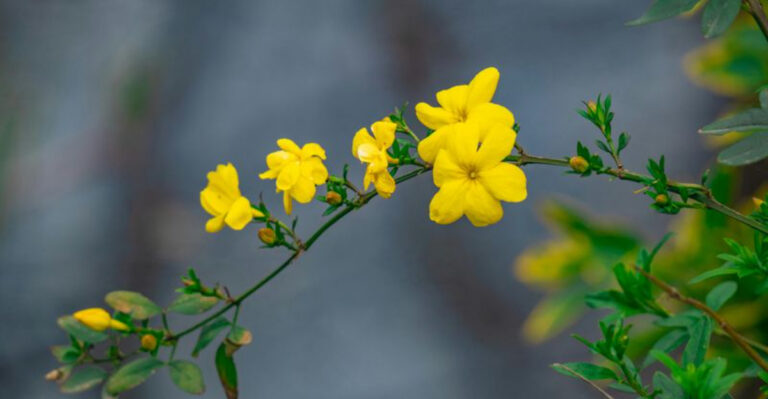
Long before most other shrubs even think about leafing out, Spicebush bursts into bloom with tiny, fragrant yellow flowers that cluster directly on its bare branches in late winter and early spring.
Lindera benzoin is one of the earliest native flowering shrubs in North Carolina, making it an incredibly important early-season food source for queen bumblebees and other pollinators emerging from dormancy when little else is available.
As the seasons progress, female Spicebush plants develop glossy red berries that ripen in late summer and early fall.
These berries are high in fat content, making them especially valuable to migratory birds like wood thrushes, veeries, and hermit thrushes that need to build up energy reserves before long journeys south.
Spicebush is also the sole host plant for the Spicebush Swallowtail butterfly, whose caterpillars depend on its leaves for survival.
Spicebush grows naturally in moist, woodland understory conditions throughout North Carolina and thrives in partial to full shade with rich, well-drained soils.
It typically reaches six to twelve feet tall and has a pleasantly aromatic quality to its leaves, twigs, and berries when crushed.
Planting it in a shaded border or woodland garden edge gives North Carolina gardeners a shrub that supports wildlife from the very first warm days of late winter through the final days of fall migration.