7 Native Shrubs To Grow Instead Of Nandina In North Carolina
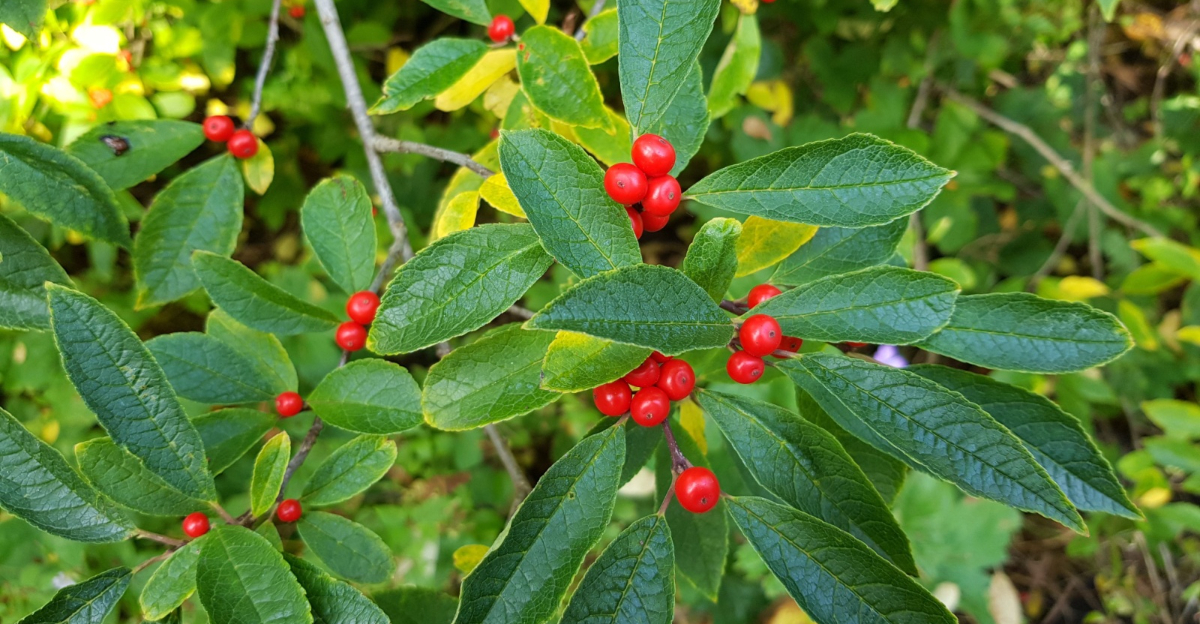
Drive through almost any North Carolina neighborhood, and you will spot nandina tucked into beds and borders without much thought.
It has been a go-to for years, but more gardeners are starting to take a second look.
Concerns about its spread in natural areas and its effects on wildlife have pushed many homeowners to explore better options.
The good news is that North Carolina’s climate and soils support a wide range of native shrubs that bring just as much color and structure.
From the Piedmont to the Coastal Plain, there are plenty of attractive, well-adapted choices worth planting instead.
1. Inkberry Holly Creates A Clean, Evergreen Alternative
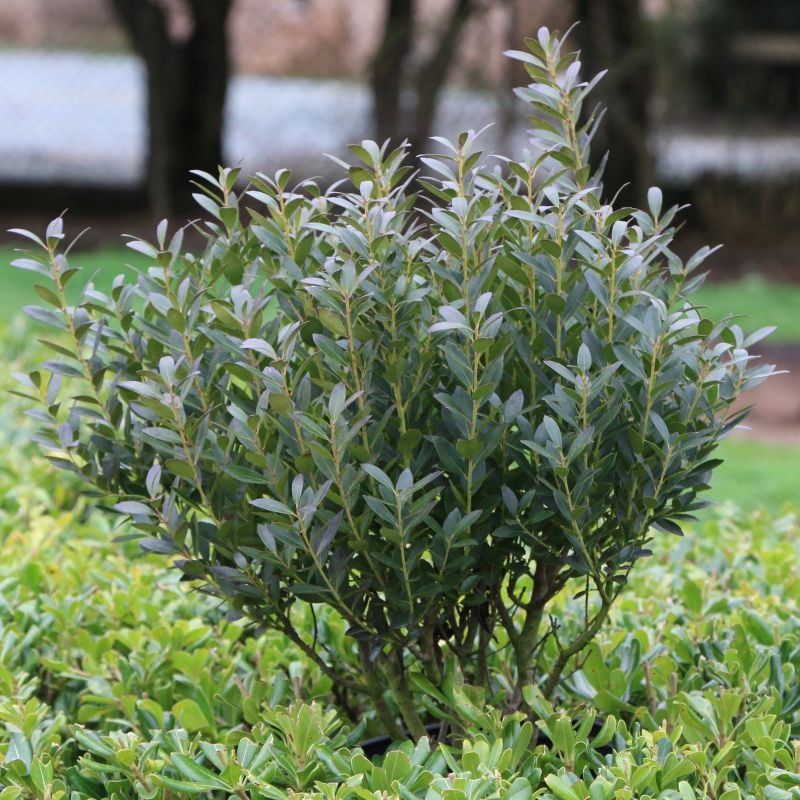
Few shrubs offer the kind of quiet, year-round reliability that inkberry holly brings to a North Carolina landscape.
Native to the eastern United States, Ilex glabra is an evergreen shrub that holds its deep green foliage through winter, giving your yard structure and color even during the coldest months.
For homeowners tired of nandina’s bright red berries drawing unwanted attention from a plant that spreads where it shouldn’t, inkberry offers a cleaner, more ecologically sound option.
Inkberry grows well across much of North Carolina, especially in the Piedmont and Coastal Plain regions where it naturally occurs in moist, acidic soils.
It tolerates wet conditions better than many other shrubs, making it a solid choice for low-lying spots or areas near downspouts.
It also handles full sun to partial shade without complaint, giving it real flexibility in the home landscape.
Mature plants typically reach four to eight feet tall, though compact cultivars are available if you need something smaller for a foundation planting or border.
Small black berries ripen in fall and persist through winter, providing food for birds including bluebirds and cedar waxwings.
Spacing plants about four to five feet apart allows for a dense, attractive screen over time. Minimal pruning is needed to keep it tidy, and once established, inkberry is notably low-maintenance.
It rarely needs supplemental watering after its first growing season in North Carolina’s humid climate.
2. Yaupon Holly Forms A Tough And Flexible Native Screen
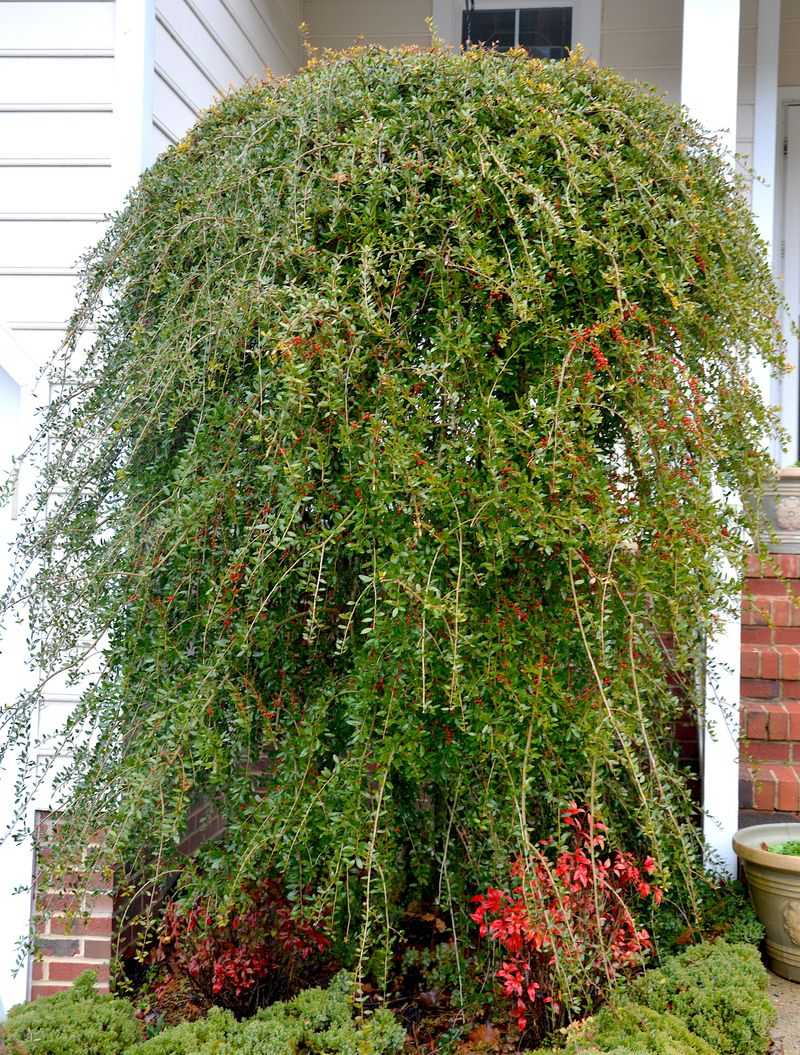
Walk through almost any natural area along North Carolina’s coast or Piedmont, and you are likely to spot yaupon holly growing in thickets, woodland edges, and sandy soils.
Ilex vomitoria is one of the toughest native shrubs the state has to offer, and its adaptability to a wide range of conditions makes it a genuinely practical replacement for nandina in home landscapes.
Yaupon tolerates drought, poor soils, salt spray, and both full sun and deep shade – a combination of traits that few other shrubs can match.
It keeps its small, glossy leaves year-round, providing the same evergreen screen that made nandina so popular in the first place.
Female plants produce small red or orange berries in fall and winter that birds find irresistible, which adds wildlife value that nandina simply cannot provide responsibly.
In North Carolina landscapes, yaupon can be used as a hedge, a specimen plant, or a naturalized mass planting depending on the cultivar you choose. Compact forms like ‘Nana’ stay under three feet, while upright varieties can reach ten feet or more.
Pruning is optional but the plant responds well to shaping if you want a more formal look.
Yaupon is also one of the few native shrubs that contains caffeine – it was historically brewed as a tea by Indigenous peoples of the Southeast.
That quirky detail alone makes it one of the most interesting natives to add to any North Carolina yard.
3. Virginia Sweetspire Adds Fragrance And Fall Color
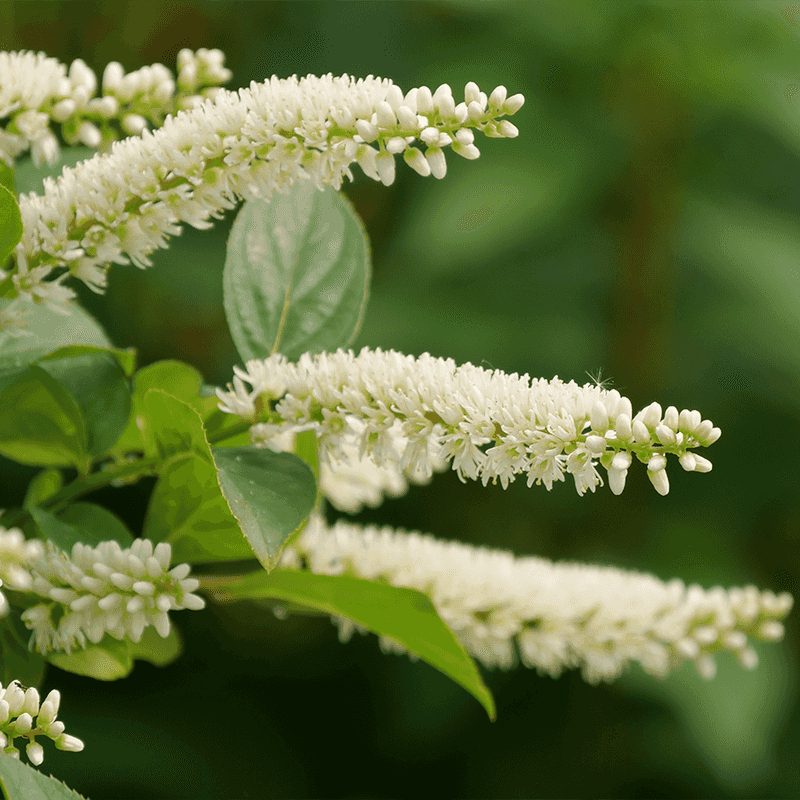
When late spring arrives in North Carolina, Virginia sweetspire puts on a show that stops people in their tracks.
Itea virginica produces long, arching clusters of small white flowers that carry a light, sweet fragrance, filling the garden with a scent that feels unmistakably like summer arriving.
Beyond the blooms, this native shrub delivers some of the most reliable and vivid fall color of any plant in the mid-Atlantic and Southeast – turning shades of red, orange, and burgundy that rival even the best maples.
Virginia sweetspire grows naturally along stream banks and woodland edges throughout North Carolina, which tells you a lot about its preferences.
It does well in moist, slightly acidic soils and tolerates both full sun and partial shade.
It even handles occasional wet feet without much fuss, making it useful in rain gardens or near drainage areas where other shrubs might struggle.
Plants typically grow three to five feet tall and spread by suckering, eventually forming a graceful, multi-stemmed mass that works well as a naturalistic border or foundation planting.
The cultivar ‘Henry’s Garnet’ is widely available and well-regarded for its especially intense fall color.
Pollinators, including bees and butterflies, visit the flowers regularly, adding another layer of ecological value.
Unlike nandina, Virginia sweetspire poses no threat to surrounding natural areas, and its seasonal transitions – from fragrant white blooms in spring to fiery fall color – give it genuine four-season interest across much of North Carolina.
4. Fothergilla Brings Spring Blooms And Bold Fall Color
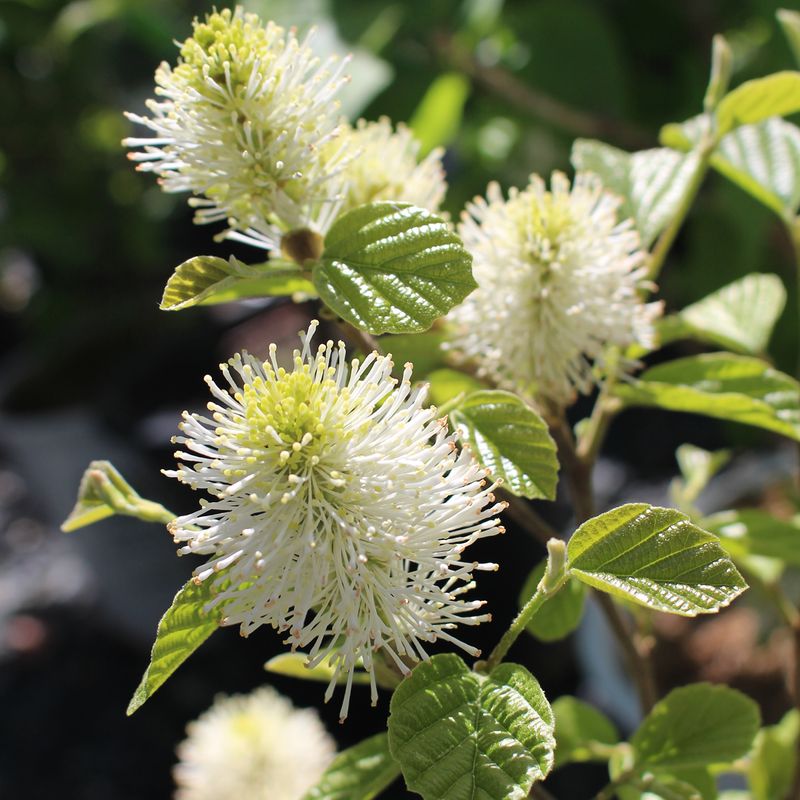
Before most other shrubs have even leafed out, fothergilla is already blooming.
The small, honey-scented white flowers appear in early spring as bottlebrush-shaped clusters at the tips of the bare branches, creating a soft, almost whimsical look that feels perfectly suited to North Carolina’s transitional mountain and Piedmont landscapes.
Fothergilla gardenii and Fothergilla major are both native to the southeastern United States and perform reliably across a wide range of North Carolina growing conditions.
Gardeners who plant fothergilla for the spring flowers are often surprised to find that fall turns out to be the real highlight.
The foliage shifts through an extraordinary range of colors – yellow, orange, red, and deep purple – sometimes all on the same plant at once.
Few native shrubs can match this kind of autumn display, and in the right setting, a well-grown fothergilla rivals the fall color of any ornamental tree.
Fothergilla prefers moist, acidic, well-drained soils and grows best in full sun to partial shade. In North Carolina’s mountain counties and upper Piedmont, it tends to perform especially well.
Dwarf fothergilla stays around three feet tall, while large fothergilla can reach six to ten feet. Either way, the plant requires very little maintenance once established.
It does not spread aggressively or seed into natural areas, which makes it a genuinely responsible alternative to nandina for homeowners who want seasonal beauty without the ecological concerns.
5. Oakleaf Hydrangea Offers Texture And Seasonal Interest
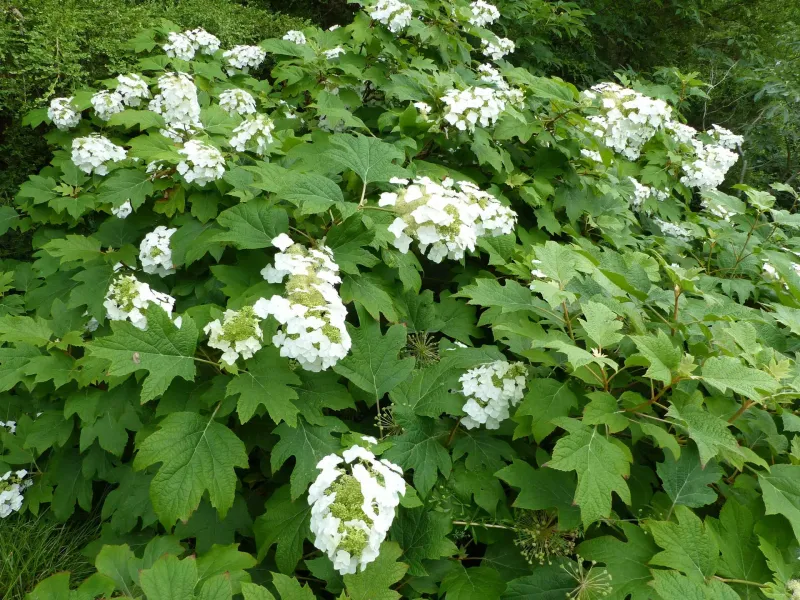
Bold, dramatic, and undeniably North Carolina in spirit, oakleaf hydrangea is the kind of shrub that commands attention no matter the season.
Hydrangea quercifolia gets its name from its large, deeply lobed leaves that resemble oak leaves – and those leaves are just the beginning of what makes this native plant so visually rewarding throughout the year.
In early summer, oakleaf hydrangea produces large, cone-shaped clusters of white flowers that gradually age to a warm pinkish-tan by late summer.
The dried flower heads persist well into winter, giving the plant structure and interest even after the growing season ends.
Come fall, the foliage turns shades of burgundy, orange, and red before dropping to reveal exfoliating cinnamon-brown bark that adds texture to the winter garden. Very few shrubs deliver this level of multi-season interest in a single plant.
Oakleaf hydrangea grows naturally in woodland settings across the Southeast, and it thrives in North Carolina’s Piedmont and mountain regions in particular.
It prefers well-drained, slightly acidic soil and does best in partial shade, though it can handle more sun if moisture levels stay consistent.
Plants typically grow six to eight feet tall and wide, so give them room to spread. Pollinators visit the flowers regularly, and the dense branching provides shelter for nesting birds.
For a large, statement shrub that replaces nandina with genuine seasonal drama, oakleaf hydrangea is one of the most rewarding choices a North Carolina homeowner can make.
6. American Beautyberry Stands Out With Bright Purple Berries
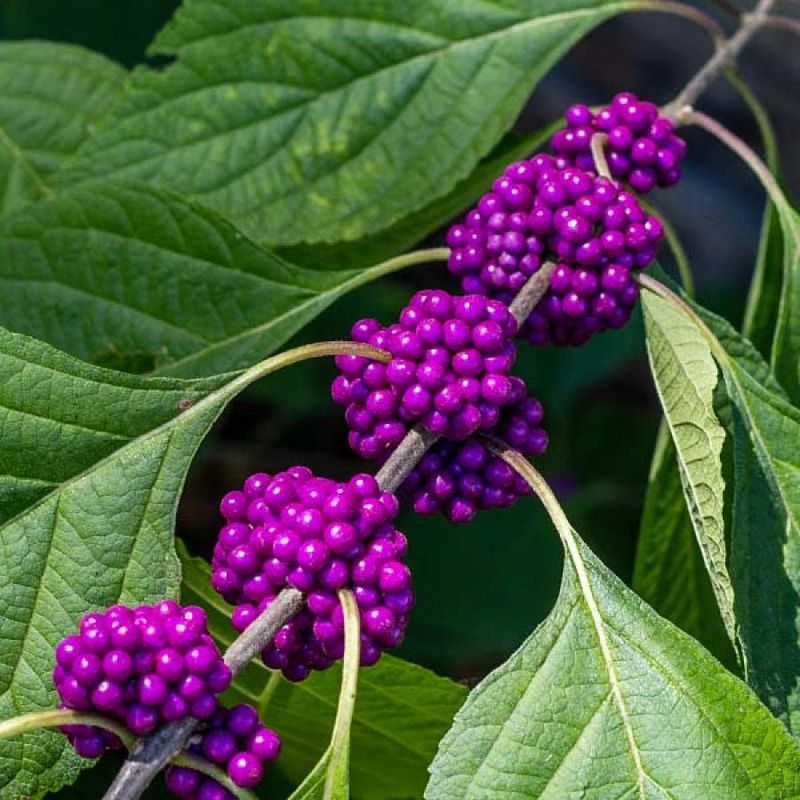
Nothing in the fall North Carolina garden quite prepares you for the color of American beautyberry.
Callicarpa americana produces clusters of intensely vivid magenta-purple berries that wrap tightly around its arching branches from late summer through fall, creating a display so striking that it looks almost artificial.
Once you see a mature plant loaded with berries in September, it is hard to imagine going back to nandina’s comparatively ordinary red clusters.
American beautyberry grows naturally across the Southeast, and it is well adapted to North Carolina’s warm summers and variable soils. It does best in partial shade but tolerates full sun if the soil stays reasonably moist.
The plant is forgiving about soil quality, growing in everything from sandy Coastal Plain soils to heavier Piedmont clay with minimal amendment needed.
Birds, including mockingbirds, robins, and catbirds, eat the berries enthusiastically once they ripen, making this shrub a genuine wildlife asset.
The foliage is attractive through the growing season, and the small pink flowers in summer draw in native bees and butterflies.
Plants grow quickly, reaching four to six feet tall and wide in a single season in good conditions. They can be cut back hard in late winter to keep a tidy form and encourage vigorous new growth.
Unlike nandina, American beautyberry berries are not toxic to native birds, so you can enjoy watching wildlife flock to your yard without any ecological guilt attached.
7. Winterberry Holly Adds Color To The Winter Landscape
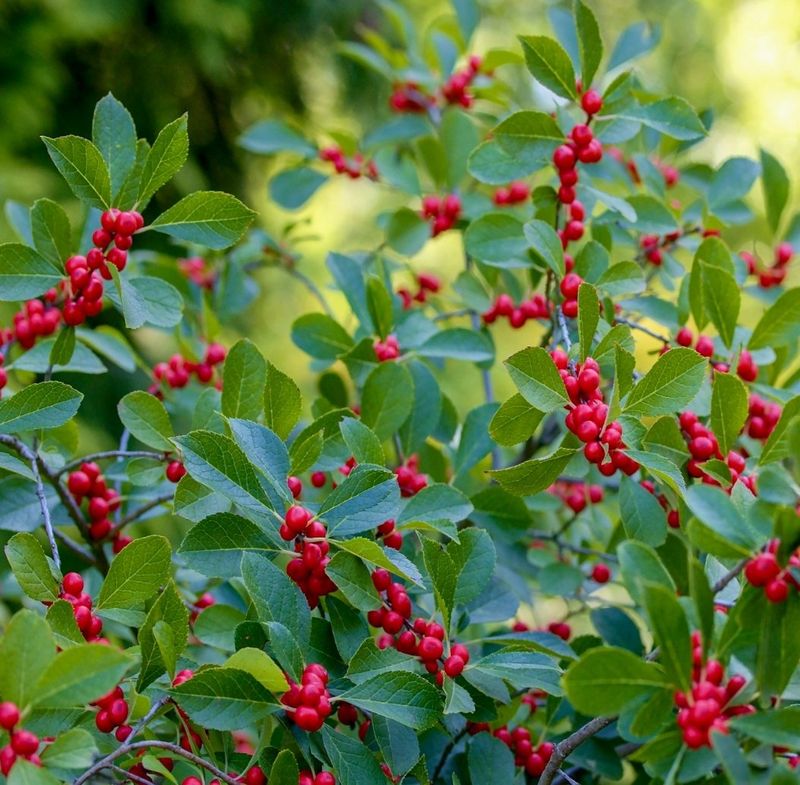
Most shrubs are finished performing by the time December arrives in North Carolina, but winterberry holly is just getting started.
Ilex verticillata is a deciduous native holly that drops its leaves in fall to reveal branches absolutely covered in brilliant red berries – creating one of the most eye-catching winter displays of any plant in the southeastern landscape.
For homeowners who have relied on nandina’s winter berries for seasonal color, winterberry offers a far more ecologically responsible swap.
Winterberry grows naturally in moist, low-lying areas across eastern North Carolina and into the Piedmont, and it thrives in wet or poorly drained soils where many other shrubs struggle.
It performs well in full sun to partial shade and prefers acidic soil conditions, which are common throughout much of the state.
One important detail: winterberry is dioecious, meaning you need at least one male plant nearby to pollinate the females and get berry production. A single male can typically pollinate several female plants within about 50 feet.
Compact cultivars like ‘Red Sprite’ stay around three to four feet tall, making them suitable for smaller yards, while larger varieties such as ‘Winter Red’ can reach eight feet or more.
The berries are a critical food source for birds including cedar waxwings, bluebirds, and robins during lean winter months.
Planting winterberry holly near a rain garden or seasonal wet area in your North Carolina yard gives it the moisture it loves and keeps the winter landscape genuinely alive with color and bird activity.