8 Native Trees Perfect For North Carolina Backyard Landscapes
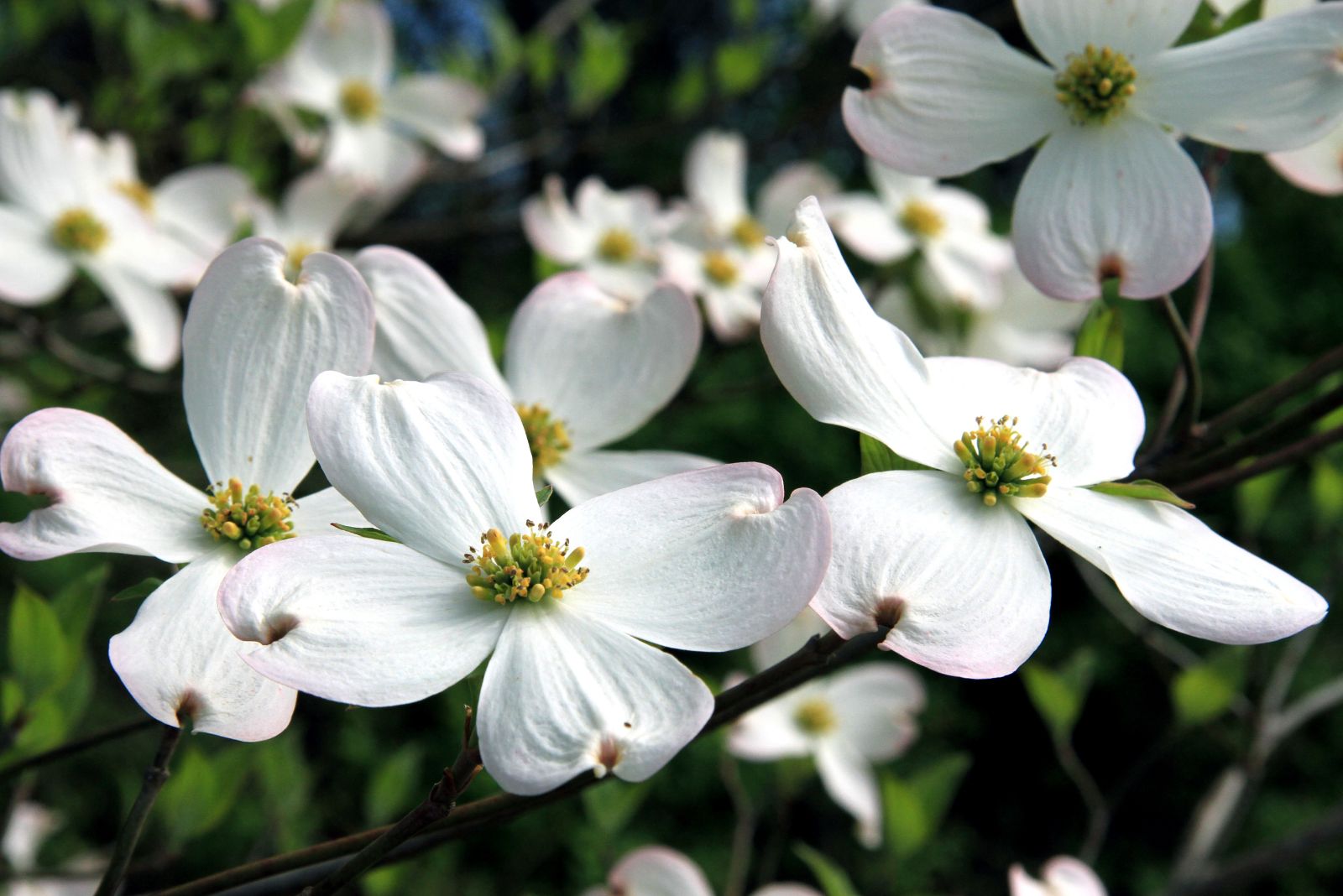
Choosing the right trees can completely transform a backyard, and many North Carolina homeowners are turning to native species for beauty and long-term success.
Native trees are naturally adapted to local soil, rainfall, and climate, which means they usually grow stronger, need less maintenance, and support local wildlife better than non-native options.
From providing cooling shade in hot summers to adding color in fall and structure in winter, the right tree becomes a lasting centerpiece in any landscape. Even better, native choices often resist common pests and weather swings more easily.
Whether you want a flowering showpiece, a fast-growing shade tree, or something that attracts birds and pollinators, there is a native option that fits your space.
Let’s explore beautiful native trees that thrive in North Carolina backyards and bring lasting value, character, and natural charm to your landscape.
1. Eastern Redbud (Cercis Canadensis)
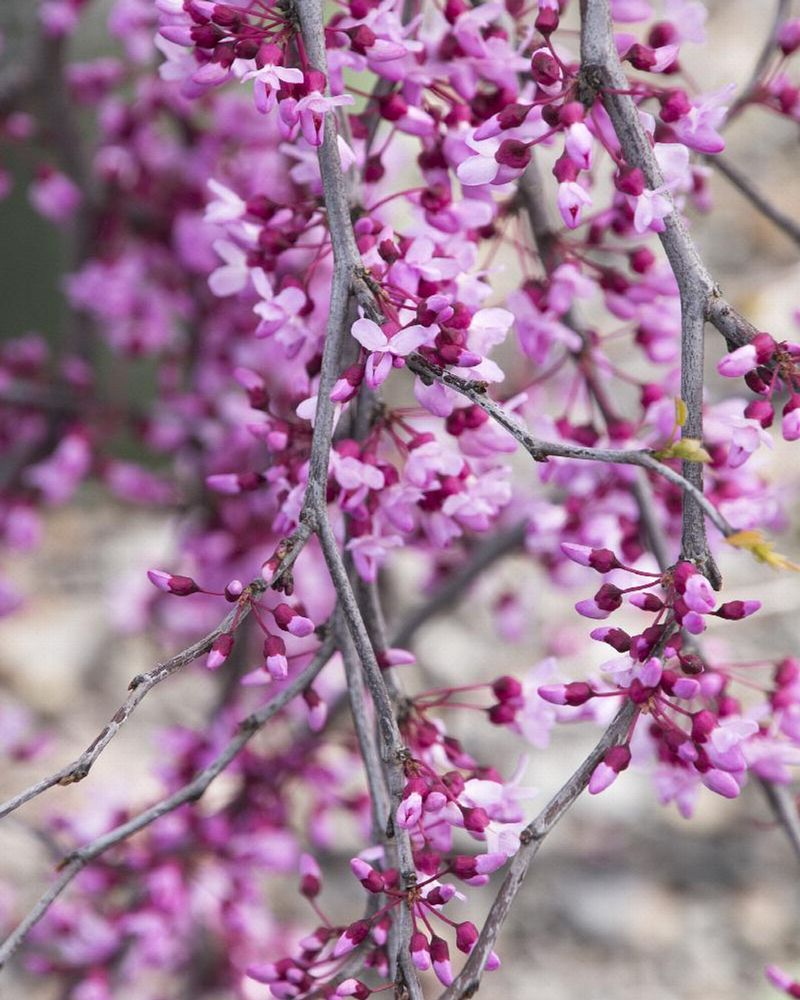
Spring arrives with a spectacular show when Eastern Redbud bursts into bloom. Branches become covered in pink-purple flowers before leaves even appear. This creates a stunning focal point that neighbors will notice from down the street.
Heart-shaped leaves follow the blooms and provide lovely texture throughout summer. The tree stays compact at 20 to 30 feet tall, making it ideal for smaller yards.
You won’t worry about it overwhelming your space or blocking too much sunlight from reaching other plants below.
Planting near patios or along property lines works beautifully with this species. It tolerates partial shade quite well, though full sun produces the most abundant flowering. The tree adapts to various soil types common across North Carolina.
Fall brings another color change as foliage turns golden yellow. Birds and pollinators visit regularly, adding life and movement to your landscape.
Maintenance stays minimal once the root system establishes itself during the first growing season.
Consider placing Eastern Redbud where you’ll see it from windows during late winter and early spring. The early blooms lift spirits after cold months and signal warmer days ahead.
This native performer delivers beauty without demanding constant attention or specialized care from busy homeowners.
2. Flowering Dogwood (Cornus Florida)
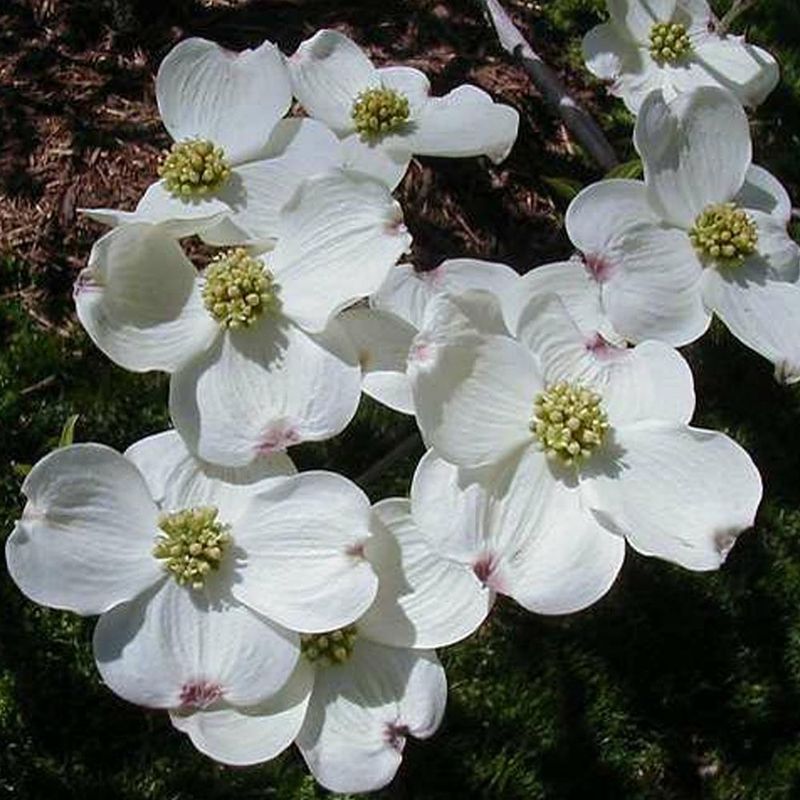
Few trees capture North Carolina’s woodland charm quite like Flowering Dogwood. White or pink blooms appear in spring, transforming yards into enchanting spaces.
The flowers actually consist of showy bracts surrounding tiny true flowers, creating an impressive display that lasts several weeks.
This native beauty reaches 15 to 30 feet at maturity. Its horizontal branching pattern creates elegant layers that look stunning year-round. Partial shade suits it perfectly, mimicking the forest understory where it naturally grows.
Summer foliage provides a cool green canopy without creating heavy shade. Birds appreciate the red berries that develop in late summer and fall.
These fruits add visual interest while feeding wildlife preparing for winter migrations and cold months ahead.
Autumn transforms the leaves into brilliant reds and purples. This seasonal finale rivals any exotic ornamental tree.
The bark develops attractive blocky patterns as the tree matures, adding winter interest when branches stand bare.
Dogwoods work wonderfully as specimen trees in lawn areas or grouped along woodland edges. They blend naturally with azaleas, ferns, and other native understory plants.
Morning sun with afternoon shade creates ideal growing conditions that prevent stress during hot Carolina summers while encouraging abundant spring flowering.
3. Southern Magnolia (Magnolia Grandiflora)
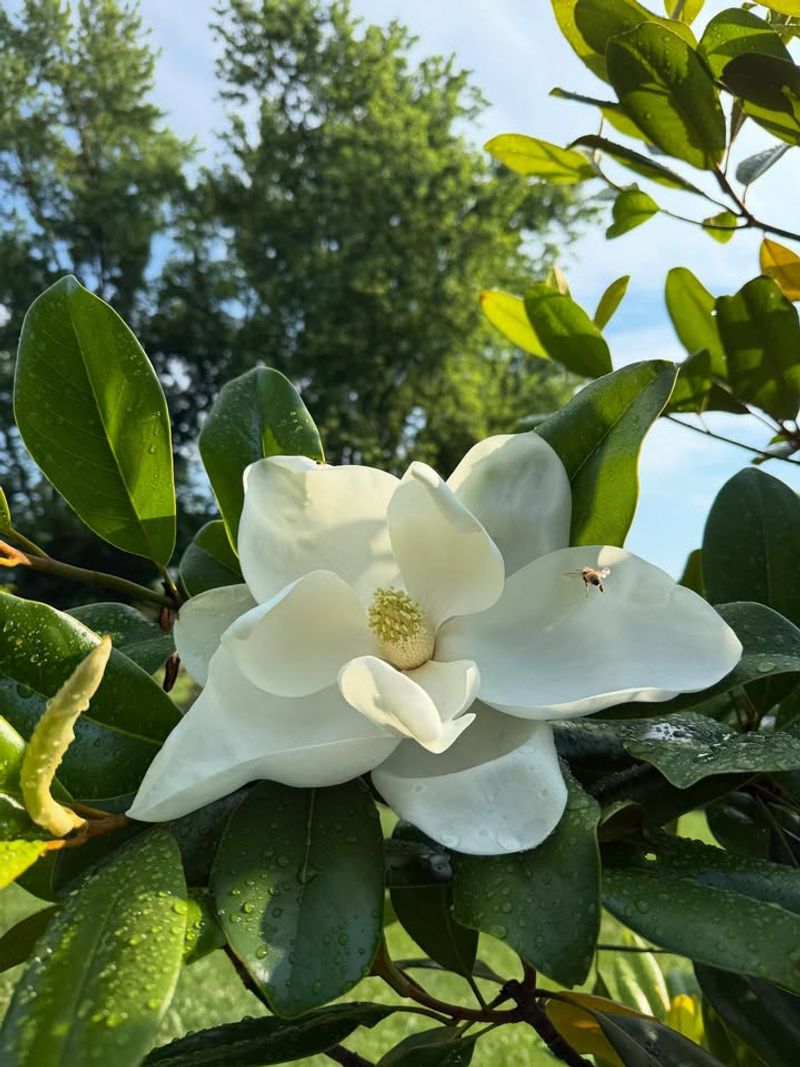
Southern Magnolia stands as a true statement tree for larger properties. Glossy evergreen leaves create year-round privacy and structure that deciduous trees cannot match.
The foliage alone makes this tree worth planting, but summer brings an added bonus. Huge white flowers appear from late spring through summer, filling the air with sweet fragrance. Each bloom can reach 8 to 12 inches across.
The scent carries across yards on warm evenings, creating a sensory experience that guests always remember.
This magnolia grows 60 to 80 feet tall with a broad canopy spreading 30 to 50 feet wide. It needs space to reach its full potential.
Planting too close to structures causes problems later as branches extend outward and roots expand.
The tree tolerates full sun and adapts to various soil conditions found throughout North Carolina. Once established, it handles heat and occasional drought remarkably well.
Minimal pruning keeps it looking tidy, though many homeowners prefer the natural form. Consider Southern Magnolia for corner plantings or as a shade tree in open lawn areas. The evergreen nature provides winter interest when other trees stand bare.
Fallen leaves and spent flowers require occasional cleanup, but the visual impact and fragrance justify the minimal maintenance involved in keeping this native beauty looking its absolute best.
4. Willow Oak (Quercus Phellos)
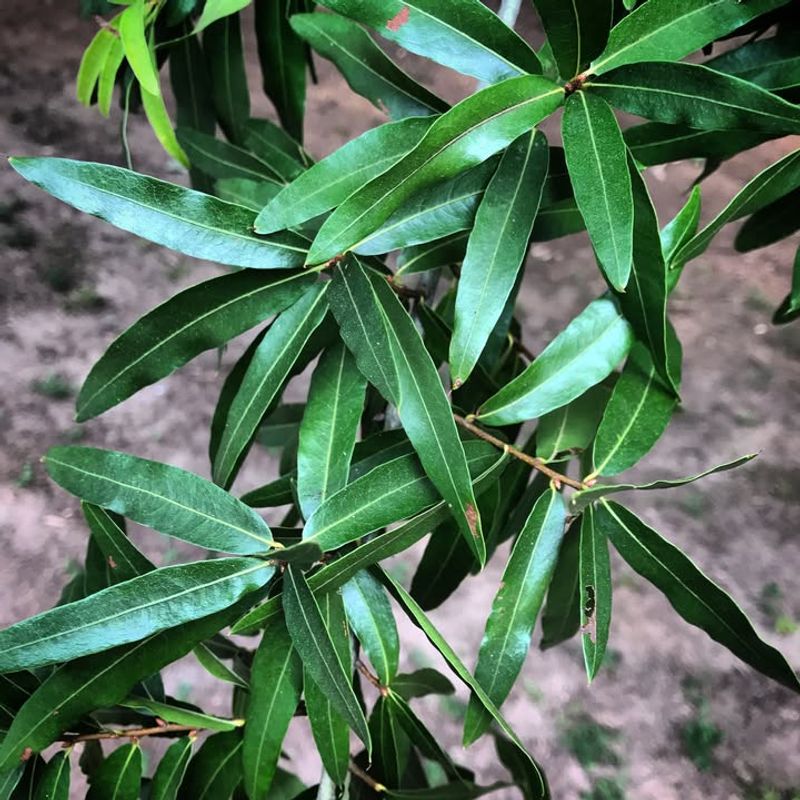
Willow Oak breaks the mold of typical oak trees with its unique foliage. Long, narrow leaves resemble willow branches rather than traditional oak shapes.
This creates a softer texture in the landscape while maintaining all the strength and longevity oaks provide.
Fast growth sets this species apart from other oaks. Young trees can add several feet of height annually under good conditions.
Within a decade, you’ll enjoy substantial shade that makes outdoor spaces comfortable during hot Carolina summers.
The tree reaches 40 to 60 feet tall with a rounded crown spreading nearly as wide. It tolerates urban conditions better than many native trees.
Heat, compacted soil, and air pollution don’t slow it down significantly. Fall color ranges from yellow to rusty brown depending on weather conditions. Leaves drop later than many deciduous trees, extending autumn interest.
Acorns provide food for squirrels, deer, and various bird species throughout winter months.
Willow Oak works perfectly as a street tree or lawn specimen. The deep root system rarely lifts sidewalks or driveways. Full sun produces the best growth and canopy development.
Consider this oak for long-term shade planning. It lives for generations, increasing property value while reducing cooling costs.
The combination of rapid growth, urban tolerance, and classic oak durability makes it an outstanding choice for North Carolina homeowners.
5. American Holly (Ilex Opaca)
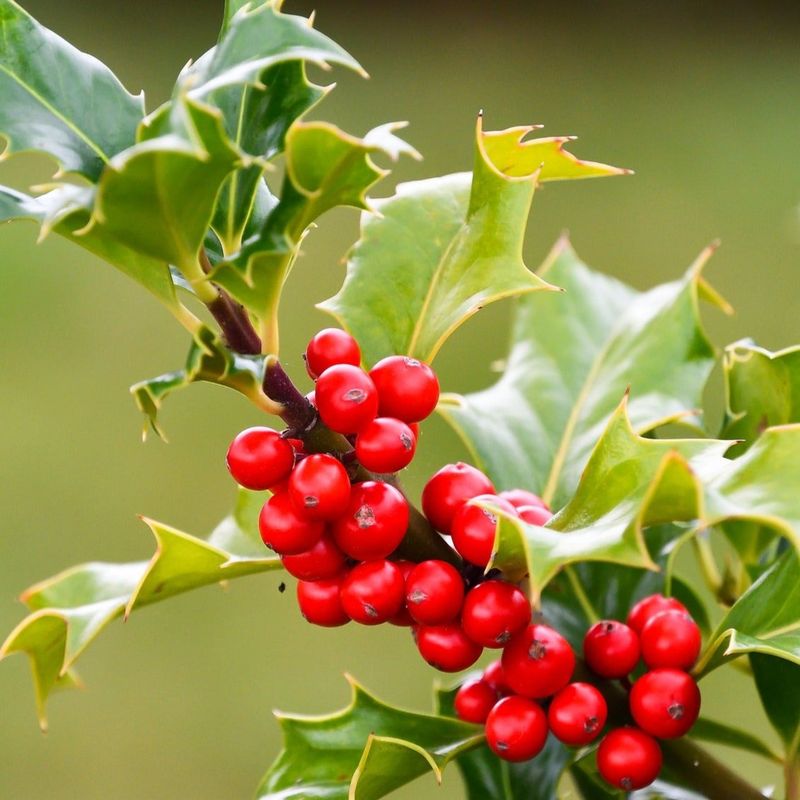
American Holly brings classic holiday charm to your landscape every single day. Glossy evergreen leaves with spiny edges create dense screening year-round.
The foliage alone justifies planting, but winter berries add spectacular seasonal color when most plants look dormant.
Bright red berries appear on female trees from late fall through winter. You’ll need both male and female plants for berry production.
One male can pollinate several females planted within 50 feet, so coordinate with neighbors or plan accordingly.
This native evergreen grows 15 to 30 feet tall with a pyramidal shape. It adapts to sun or partial shade, though denser growth occurs in brighter locations.
The tree tolerates pruning well, allowing you to maintain specific heights for privacy screens or foundation plantings.
Birds flock to holly berries during winter months when other food sources become scarce. Cedar waxwings and robins particularly enjoy the fruits.
The dense branching provides excellent nesting sites and shelter from weather and predators throughout the year.
American Holly works beautifully as a specimen tree, grouped for screens, or incorporated into mixed borders. It handles North Carolina’s climate extremes without complaint. Acidic soil produces the best growth, but the tree adapts to various conditions.
Consider planting holly where winter views from windows will showcase the berries against snow or gray skies. The evergreen structure provides backbone to landscapes when deciduous trees stand bare and gardens sleep until spring warmth returns.
6. Sweetbay Magnolia (Magnolia Virginiana)
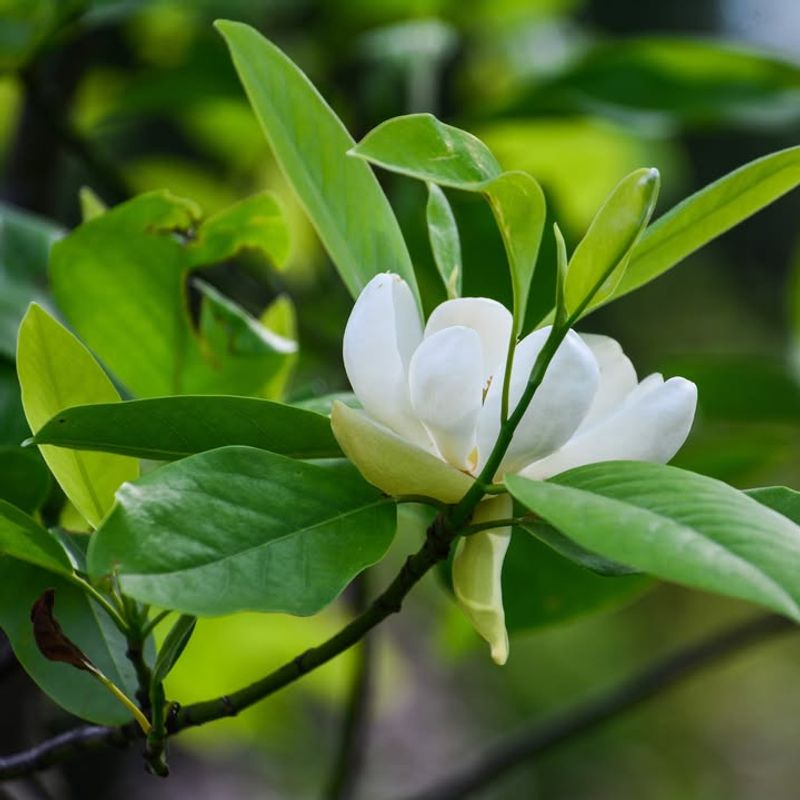
Sweetbay Magnolia offers magnolia beauty on a more manageable scale. Creamy white flowers appear throughout summer, releasing a sweet lemony fragrance.
The blooms continue sporadically rather than all at once, extending the flowering season for weeks or even months.
This native grows 10 to 35 feet tall depending on conditions. In northern parts of its range, it behaves as a deciduous shrub.
In North Carolina, it typically maintains semi-evergreen foliage through mild winters, providing more year-round interest than fully deciduous options.
The leaves show silvery undersides that shimmer when breezes flip them over. This two-toned effect adds movement and light to shaded areas.
Sweetbay tolerates wet soil better than most trees, making it perfect for low spots where drainage stays poor.
It thrives in partial shade to full sun. Moist, acidic soil produces the healthiest growth. The tree adapts to average garden conditions but truly excels near ponds, streams, or in areas that stay damp after rain.
Sweetbay works wonderfully in naturalized areas or woodland gardens. It blends beautifully with ferns, native azaleas, and other moisture-loving plants.
The manageable size fits smaller properties where Southern Magnolia would overwhelm the space.
Consider this magnolia for fragrance near outdoor living areas. The summer blooms coincide with patio season, allowing you to enjoy the scent during evening gatherings.
Wildlife benefits include nectar for pollinators and seeds for birds in cone-like fruits that develop after flowering finishes.
7. Black Gum (Nyssa Sylvatica)
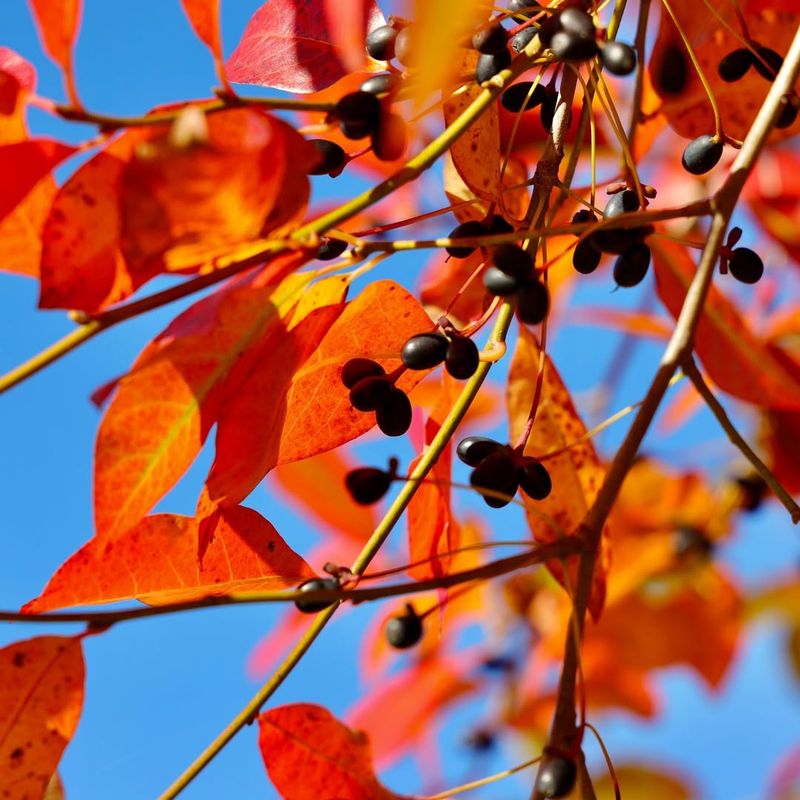
Black Gum earns its place through spectacular fall performance. Leaves transform into brilliant reds, oranges, yellows, and purples.
Often the first tree to change color in autumn, it signals the season’s arrival like a natural calendar marking time’s passage.
This native grows 30 to 50 feet tall with a pyramidal to rounded crown. Young trees show a more upright form that broadens with age.
The branching pattern creates interesting silhouettes against winter skies after leaves drop. Summer foliage provides dense shade with a dark green color. Small flowers appear in spring, attracting bees and other pollinators.
Female trees produce blue-black fruits in fall that birds devour eagerly, especially migrating species fueling up for long journeys south.
Black Gum adapts to various soil types from dry uplands to wet bottomlands. It tolerates both acidic and slightly alkaline conditions.
Full sun produces the most intense fall color, though partial shade works acceptably in hotter locations.
The tree resists most pests and problems that plague other species. Maintenance stays minimal once established.
Slow to moderate growth means patience pays off, but the wait proves worthwhile when autumn arrives.
Plant Black Gum where fall color will create maximum impact. Near patios, along driveways, or as a focal point in lawn areas all work beautifully.
The combination of wildlife value, low maintenance requirements, and stunning seasonal display makes it a smart choice for North Carolina landscapes seeking native beauty and ecological benefits.
8. Carolina Silverbell (Halesia Carolina)
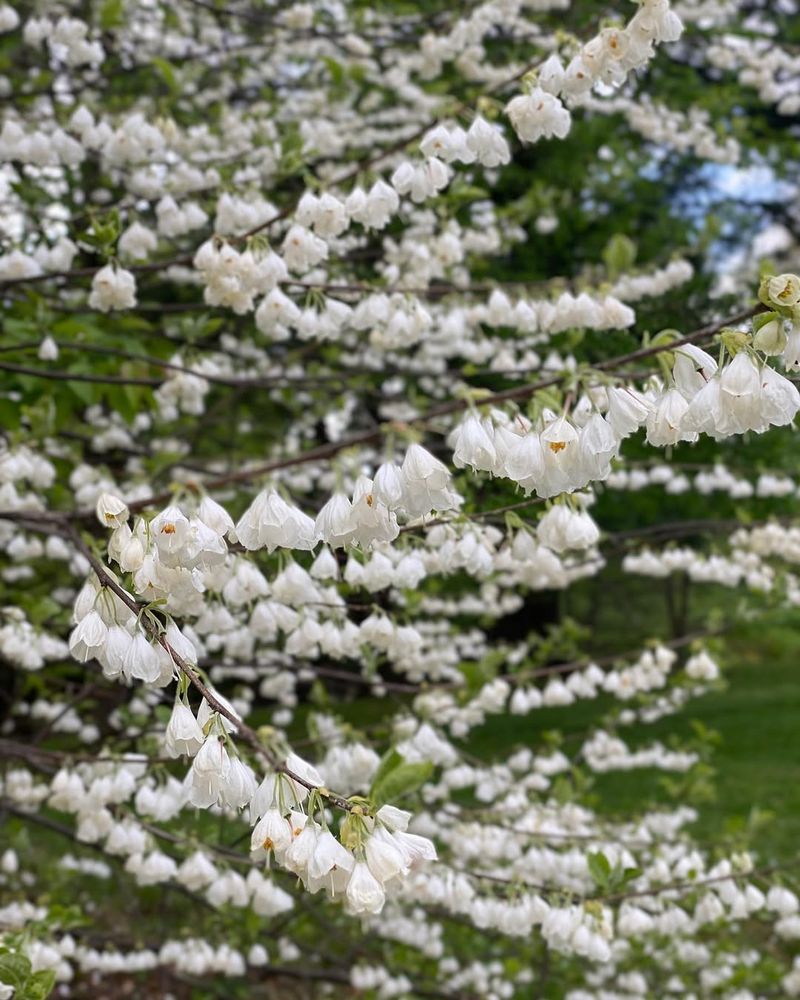
Carolina Silverbell brings woodland elegance to home landscapes with understated charm. White bell-shaped flowers dangle from branches in spring, creating a delicate display.
The blooms appear just as leaves emerge, providing a soft backdrop that enhances rather than hides the floral show.
This native grows 30 to 40 feet tall with a rounded to oval crown. It naturally occurs in mountain regions but adapts well to piedmont and coastal plain gardens.
The tree prefers partial shade, making it perfect for areas under larger trees or on north-facing slopes.
Flowers give way to four-winged seed pods that persist into winter. These tan fruits add textural interest when most trees offer little visual appeal.
The bark develops attractive ridges and furrows as the tree matures, providing year-round character. Carolina Silverbell tolerates moist, well-drained acidic soil best. It struggles in heavy clay or poorly drained locations.
Mulching helps maintain soil moisture and moderate temperature extremes around shallow roots that prefer staying cool and consistently moist.
The tree works beautifully in naturalized areas, woodland gardens, or as an understory specimen beneath taller oaks and pines. It blends seamlessly with native shrubs and perennials that share similar growing requirements and aesthetic qualities.
Consider Silverbell for quieter garden spaces where subtle beauty gets appreciated. The spring flowers won’t stop traffic like some showier trees, but they reward close observation with delicate form and graceful presentation that embodies North Carolina’s native woodland character perfectly.