7 Native Trees That Attract Eastern Bluebirds To Your Pennsylvania Garden
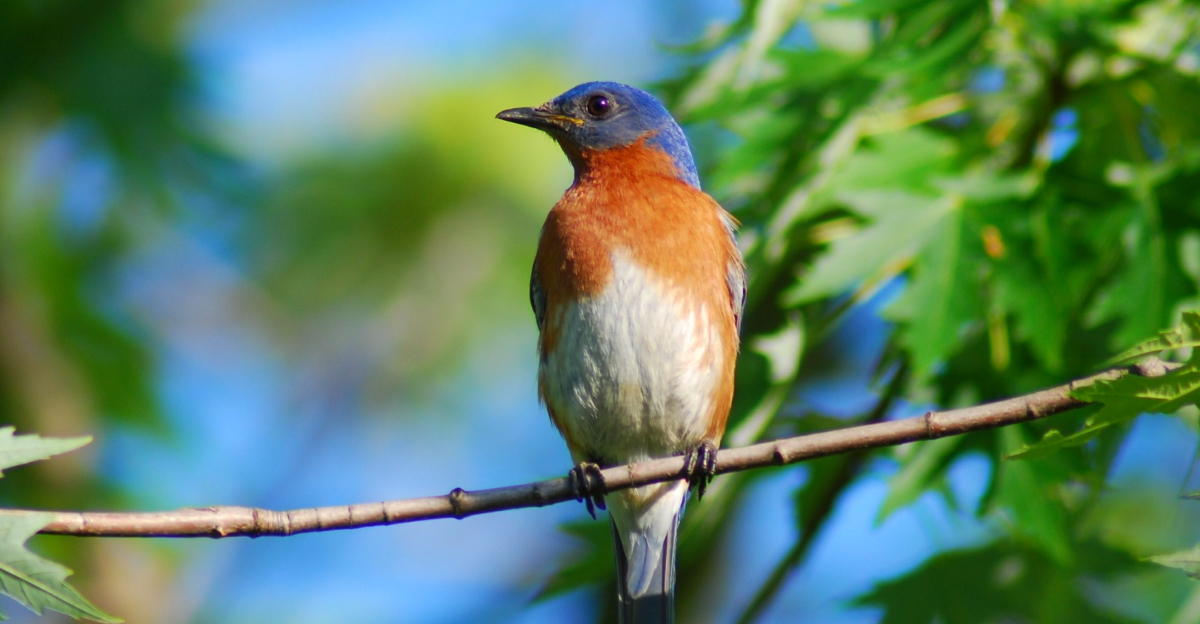
If you’ve ever wondered why your neighbor’s yard is a magnet for Eastern Bluebirds while yours remains quiet, the secret isn’t luck – it’s the canopy.
These vibrant visitors are world-class scouts, and in Pennsylvania, the difference between a fleeting flyover and a permanent resident often comes down to the trees standing guard along your fence lines.
Bluebirds thrive in open spaces where they can perch and scan the grass for a meal, but they won’t stay long without the security of native foliage.
By planting the right local species, you provide a year-round buffet of fruit and the beneficial insects that bluebird chicks need to survive.
If you are ready to turn your garden into a sanctuary, these seven native trees are the perfect way to roll out the welcome mat.
1. Eastern Red Cedar Adds Winter Cover And Berries
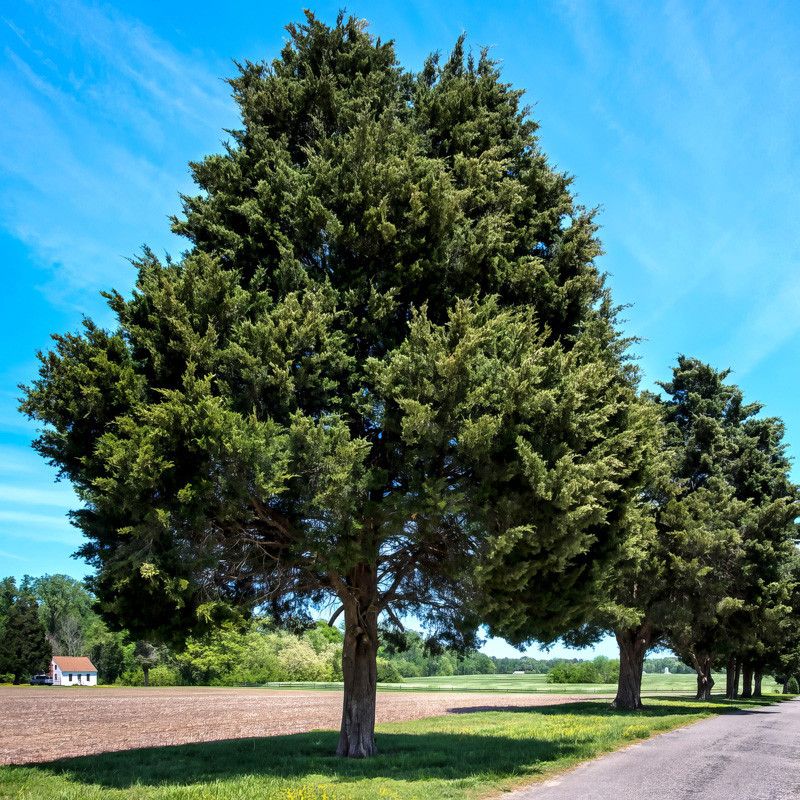
Winter can make a Pennsylvania yard feel empty, but Eastern Red Cedar keeps its color and structure when most trees are bare.
That evergreen shape matters for bluebirds because it offers cover from wind and weather, plus a place to tuck in near the edge of open ground.
The tree also produces small bluish, berry-like cones that many birds use as winter fruit, including bluebirds when insects are scarce.
Placement is the secret with this one. Red cedar works best along a fence line, field edge, or open lawn border where bluebirds already like to hunt.
The outer branches make handy perches, and birds can scan the ground below for movement on mild days.
In a tighter yard, a cedar can still help, but it should not be squeezed into deep shade where the canopy blocks light and the surrounding space feels closed in.
Eastern Red Cedar handles sun and well-drained soil well, and it can tolerate drier conditions once established. It is a strong choice for a sunny, open corner where you want year-round structure without shading the whole yard.
Keep a short-grass or low meadow patch within view, since bluebirds do most of their insect hunting over open ground.
If you want to encourage nesting, a properly placed nest box on a nearby post often pairs well with cedar. A low-spray yard also helps, because bluebirds depend on insects in spring and summer.
2. Flowering Dogwood Brings Berries After Spring Blooms
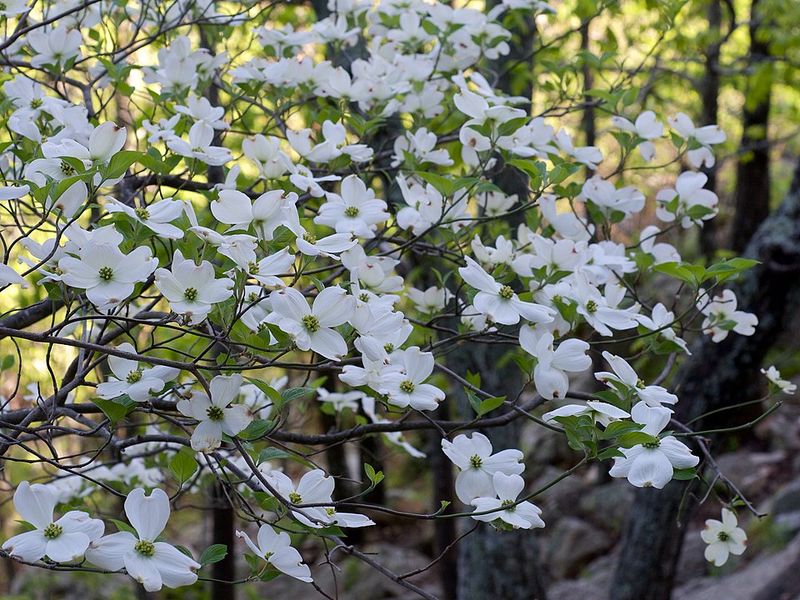
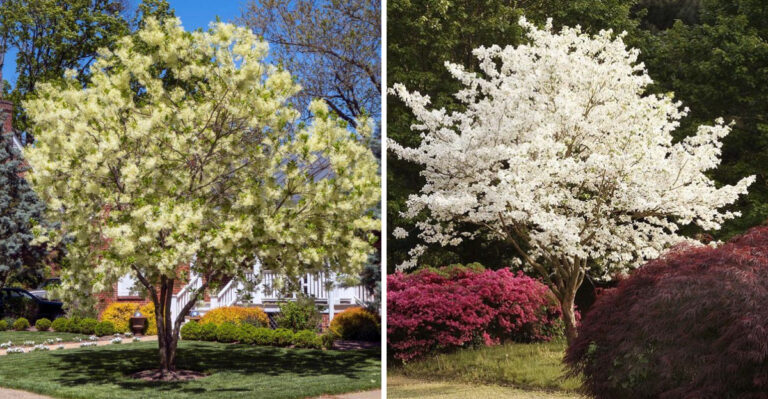
In many Pennsylvania neighborhoods, Flowering Dogwood is the tree that announces spring. The white bracts show up along woodland edges and in gardens, and the tree has a natural, layered form that looks right at home in mixed plantings.
For bluebirds, the big payoff comes later, when dogwood produces clusters of bright red fruits that ripen in early fall.
Bluebirds shift their menu through the year. During the breeding season, insects matter most, but fruit becomes more useful as the season changes and cooler weather approaches.
Dogwood fruit can help fill that gap, especially in yards that already have open hunting space and nearby perches.
Dogwood fits well as a small tree at the edge of a lawn, beside a border, or near a meadow strip. It tends to do best in moist, well-drained soil, and it often performs nicely with morning sun and a bit of afternoon shade.
Avoid low spots that hold standing water, since root stress can make a dogwood struggle over time.
One practical note for Pennsylvania is airflow. Flowering dogwood can have trouble in humid, shaded sites, so give it room and avoid crowding it with dense plantings.
If you want bluebirds to use it regularly, keep it within view of open turf or a short meadow area so they can drop down to hunt. A yard that supports insects around the dogwood often supports bluebirds, too.
3. Serviceberry Offers Early Flowers And Summer Fruit
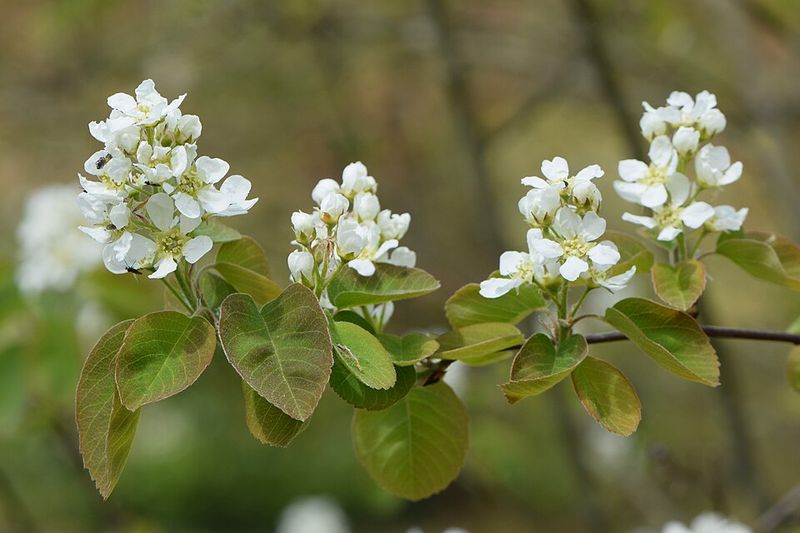
Serviceberry is one of the nicest “bridge” trees for Pennsylvania wildlife gardens because it shows up early and stays useful.
The white blooms can appear while spring still feels uncertain, and that early flowering season supports a range of beneficial insects.
Then, as summer approaches, serviceberry produces sweet fruits that ripen around the time many birds are busy feeding young.
For bluebirds, that timing can be helpful. Adults rely heavily on insects for nestlings, but fruit can still play a role, especially for fledglings and for adults during busy stretches.
Serviceberry also provides great perching structure in a manageable size, which makes it easy to fit into a typical yard without taking over.
One reason serviceberry works so well is flexibility. Many species can be grown as a multi-stem plant or trained into a small tree shape.
They grow in full sun to partial shade, but fruiting tends to be heavier with more sun. Planting it near an open lawn edge or meadow border gives bluebirds a clear line of sight to hunting areas and a convenient place to land between trips.
The fruits disappear fast. Robins, waxwings, catbirds, and other birds often clean a serviceberry in a hurry, so planting more than one can stretch the season.
Avoid putting serviceberry in a heavily shaded corner if you want strong fruit production. A nearby nest box placed in open habitat can make the whole setup feel more complete for bluebirds.
4. Black Cherry Provides Summer Fruit And Bug Hunting
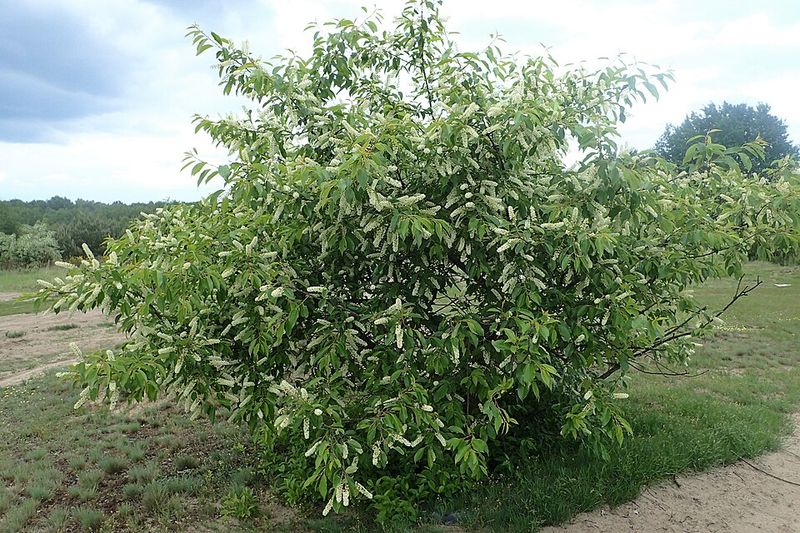
Black Cherry is a classic Pennsylvania edge tree, and it earns that reputation by supporting a huge amount of wildlife activity. It grows along roadsides, fence rows, and old field borders, and those are exactly the kinds of places bluebirds already like.
The value for bluebirds comes from both food and hunting opportunities.
Black cherry produces clusters of cherries that ripen in late summer, drawing in fruit-eating birds as the season shifts. Just as important, black cherry leaves support a wide range of caterpillars and other insects.
Bluebirds are insect hunters at heart, especially during the nesting season, and soft-bodied insects are a big part of what adults bring to chicks.
In a yard setting, black cherry needs space. It can become a large tree, so it makes more sense along a back property edge or an open border than in a small garden bed.
Full sun supports stronger growth and better fruiting, and the tree tends to establish well in many typical Pennsylvania soils.
A practical consideration is cleanup. Dropped fruit can lead to seedlings, so you may see volunteer plants nearby.
Another note is livestock safety. Black cherry leaves can be a concern for grazing animals, so it is a better fit for non-pasture yards.
For bluebirds, the best layout keeps black cherry near open ground. An open lawn or short meadow below gives them room to hunt, and a lower-spray approach helps keep insect populations steady through spring and summer.
5. Hackberry Holds Small Fruits Into Cooler Weather
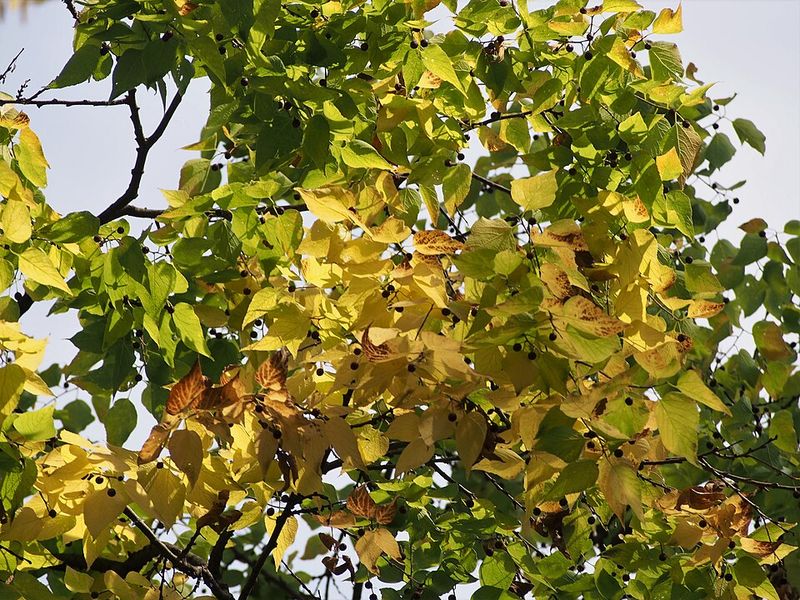
Hackberry often flies under the radar in Pennsylvania landscapes, but it can be a strong bird-support tree because its small fruits can hang on into late fall and sometimes early winter.
That timing matters because many summer fruits are long gone by then.
Bluebirds, especially outside peak breeding season, can use fruit more often when insects are less available.
Hackberry also provides useful structure for perching. Its branching can be irregular and open enough for birds to land, look out, and move easily between perches and open ground.
It tolerates a wide range of conditions, including urban stress, compacted soil, and variable moisture, which makes it a practical native tree for many Pennsylvania yards.
One common talking point with hackberry is witches’ broom, which can create bunches of twiggy growth. It is often more cosmetic than a serious health issue, but heavy brooming can make some branches easier to break, so it is worth watching in windy sites.
The extra twig structure can still offer perching and shelter value.
For bluebirds, placement still matters. Keep hackberry near open lawn, meadow edges, or low-mowed areas so birds can hunt insects when weather is mild.
If you already use a nest box, hackberry can be a nice companion tree that supports fall and winter use after the breeding season ends. Mulch lightly, keep it off the trunk, and let some leaf litter remain nearby where it supports insects.
6. American Holly Adds Evergreen Shelter And Winter Fruit
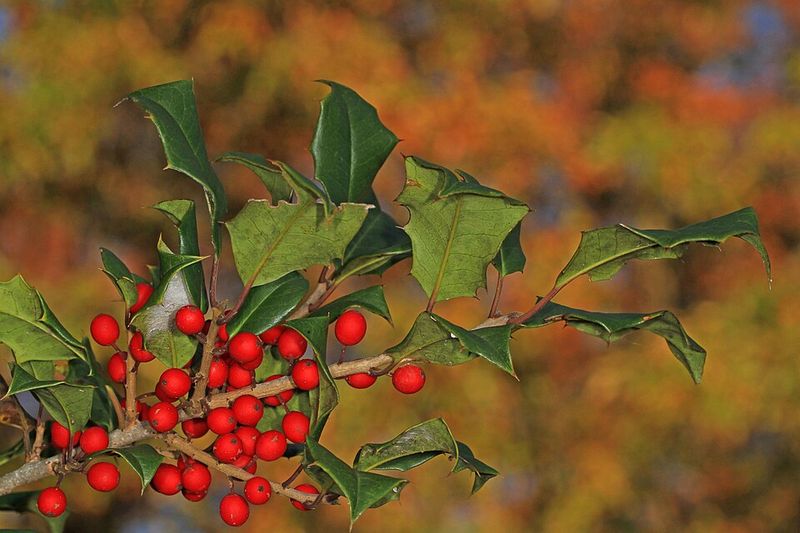
American Holly brings two things bluebirds can appreciate in a Pennsylvania yard: evergreen cover and winter fruit.
The glossy leaves and dense branching provide shelter during cold weather, and female trees can carry red berries that persist into winter.
Bluebirds may not rely on holly fruit as heavily as some other birds, but they can still visit it when options are limited.
Holly grows best with good drainage and slightly acidic soil, and it can handle full sun to partial shade.
In a larger yard, it works along a border, near the edge of a woodland, or in an open corner where it will not shade out the hunting space bluebirds prefer.
The evergreen canopy can offer a nearby refuge, especially in windy winter weather.
One important detail is that hollies are either male or female. A female tree needs a male plant nearby for pollination if you want reliable berry production.
Garden centers often label this clearly, and choosing the right pairing is worth the effort.
American holly can also support bluebirds indirectly by creating a more layered habitat. Keep open ground nearby, and avoid heavy pesticide use so insects remain available when spring warms up.
A holly planted near, but not directly over, an open lawn often gives bluebirds cover without taking away their hunting zone.
7. White Oak Supports Insects And Nearby Nest Spots
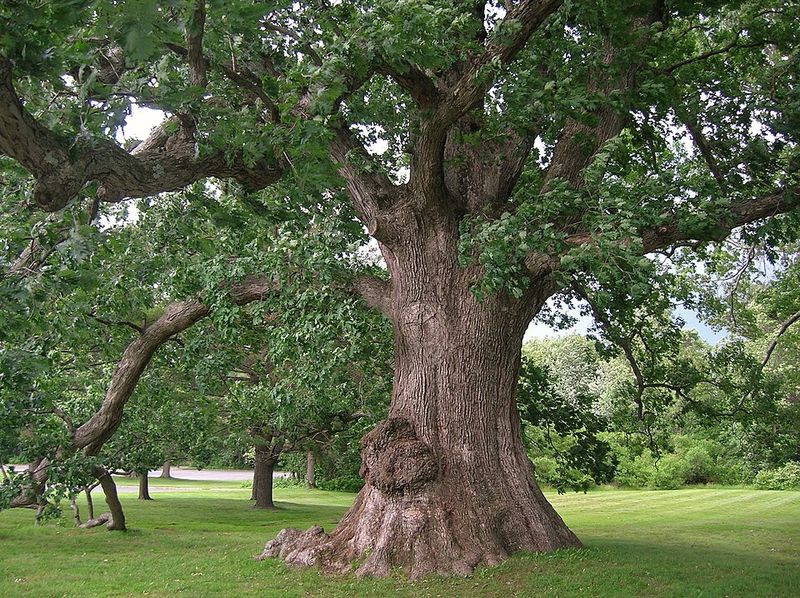
White Oak supports bluebirds in a different way than fruiting trees. It acts like an insect engine.
Oaks support an enormous number of caterpillars and other insects, and those soft-bodied insects matter most during nesting season when adult bluebirds are feeding chicks.
The tree itself is not a bluebird nesting tree in the sense of providing the cavity they need. Bluebirds are cavity nesters, and they often use natural cavities in older trees or nest boxes placed in open habitat.
Still, having a white oak nearby can improve the feeding area around a nest site because it supports a richer insect community in the canopy and the leaf litter below.
White oaks need space and sun, and they are a long-term choice. They can become large trees with wide canopies, so they fit best along a back edge, near a meadow border, or at the edge of an open lawn where shade will not swallow the hunting area.
Keeping a short-grass or low meadow strip nearby helps bluebirds hunt from perches and drop down efficiently.
Acorns also support a broader food web. That matters because healthier soil and leaf litter ecosystems tend to support more invertebrates, which can benefit bluebirds indirectly.
Planting a white oak is an investment, so pairing it with faster-fruiting natives nearby can support bluebirds while the oak grows into its full role.