Native Trees That Can Give Ohio Front Yards Better Four-Season Interest
A front yard that looks stunning in May can feel surprisingly quiet by the middle of winter, and many Ohio homeowners notice that shift more than they expect. The difference often comes down to the trees you choose.
Ohio’s climate moves through cold winters, humid summers, and unpredictable transitions, so not every tree keeps things interesting year-round.
Native trees tend to handle those changes more naturally, and many offer something in every season, from spring blooms to summer shade, fall color, and textured bark in winter.
With the right picks, a front yard can hold its appeal long after the growing season fades.
1. Serviceberry Brings Early Blooms And Year Round Interest
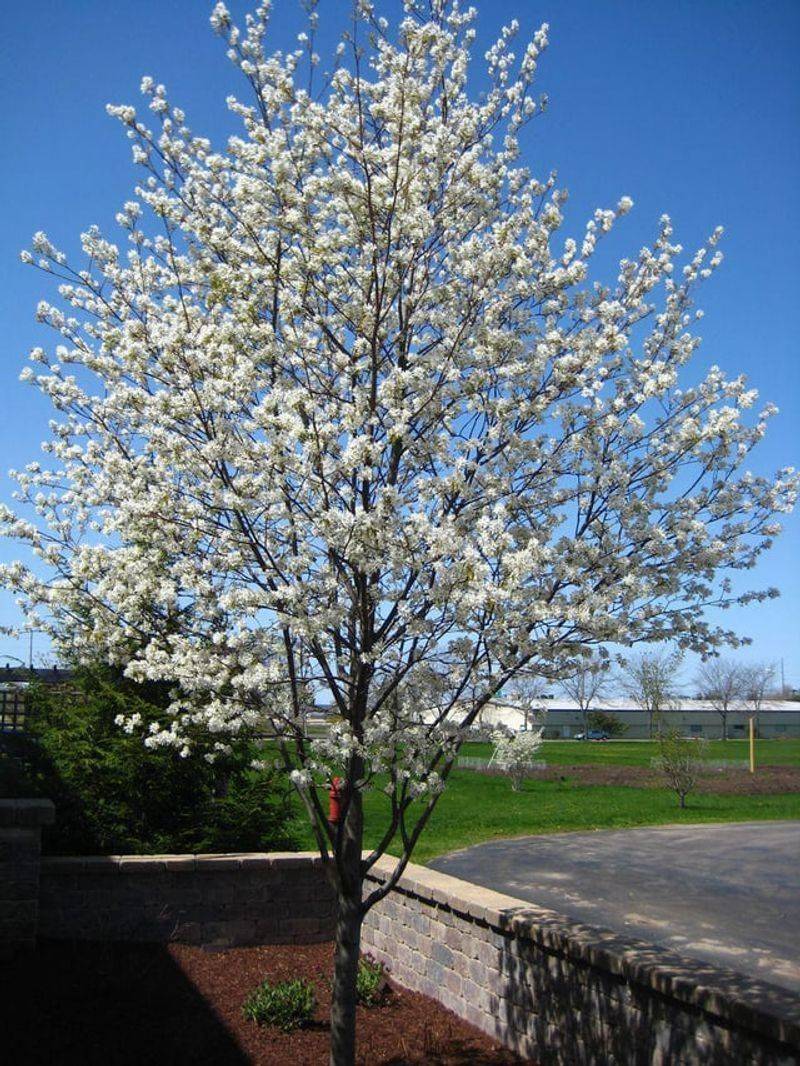
When most Ohio yards are still waking up from winter, the serviceberry is already putting on a show.
This native tree blooms earlier than almost any other woody plant in the landscape, producing clusters of delicate white flowers that seem to appear out of nowhere in early spring.
Watching it light up while everything else is still bare is one of those small seasonal moments that makes a front yard feel special.
Serviceberry, known botanically as Amelanchier arborea, typically reaches 15 to 25 feet at maturity, which makes it a manageable choice for most front yard spaces.
It works well in full sun to partial shade and adapts to a range of soil conditions common across Ohio.
Once established, it handles Ohio’s variable spring weather without much fuss.
Summer brings small, sweet berries that birds absolutely love, so expect some wildlife activity near the tree. Fall is where this tree really earns its keep, with foliage that shifts into rich shades of orange and red.
Through winter, the smooth gray bark holds its own as a subtle but attractive feature. Few Ohio native trees offer this much variety across every single season.
2. Eastern Redbud Adds Bright Pink Spring Color
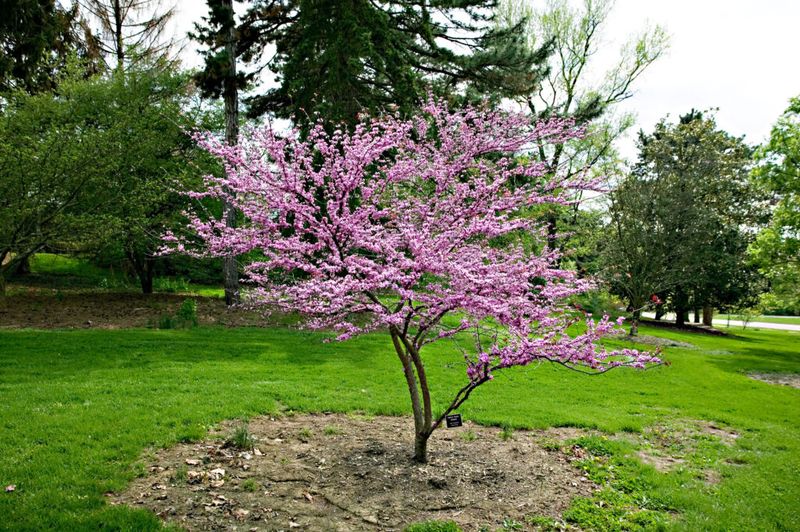
Few sights in an Ohio spring are as striking as an Eastern Redbud in full bloom. Before a single leaf has opened, the branches erupt in clusters of rosy-pink flowers that seem almost too vivid to be real.
Neighbors tend to slow down and take notice when this tree hits its peak in April, and that kind of curb appeal is exactly what a front yard planting should deliver.
Eastern Redbud, or Cercis canadensis, grows to about 20 to 30 feet tall with a broad, rounded canopy. It thrives in full sun to partial shade and handles Ohio’s clay-heavy soils reasonably well once it gets established.
Younger trees may need some attention during dry summers, but mature specimens are fairly resilient.
After the spring flower display, heart-shaped leaves fill in and stay a rich green through summer. Come fall, those same leaves shift to a warm golden-yellow before dropping, adding one more seasonal moment to enjoy.
Flat seed pods cling to the branches through winter, offering a bit of visual texture when the tree is otherwise bare. Across all four seasons, Eastern Redbud contributes something worth noticing in an Ohio front yard.
3. Flowering Dogwood Delivers Multi Season Beauty
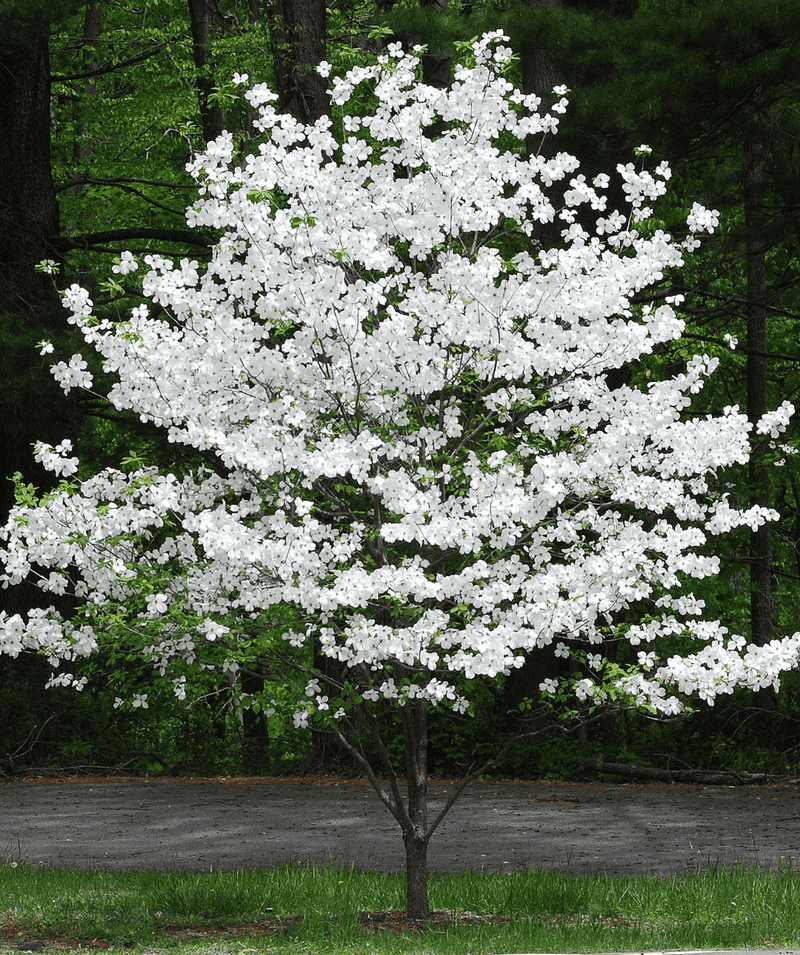
Dogwood trees have a way of making a front yard feel intentional and well-designed without a lot of extra effort. The flowering dogwood, Cornus florida, is one of the most recognized native trees in Ohio, and for good reason.
Its broad, horizontal branching structure gives it a layered, architectural quality that looks polished in any season, not just when it is blooming.
Spring is undeniably the showstopper moment, when large white or soft pink bracts open up across the canopy. These showy structures surround small true flowers and last for several weeks, creating a display that feels almost theatrical.
Flowering dogwood prefers partial shade and well-drained, slightly acidic soil, which describes many Ohio woodland-edge settings and shaded front yards perfectly.
As the season moves into summer, glossy green leaves fill in and create a dense, attractive canopy. By fall, the foliage turns a deep burgundy-red that pairs beautifully with other autumn colors in the neighborhood.
Small clusters of bright red berries follow, attracting songbirds and providing color well into late fall.
Even in winter, the tiered branching pattern and lingering berries give this tree a presence that most front yard plantings simply cannot match.
4. American Hornbeam Stands Out With Unique Bark
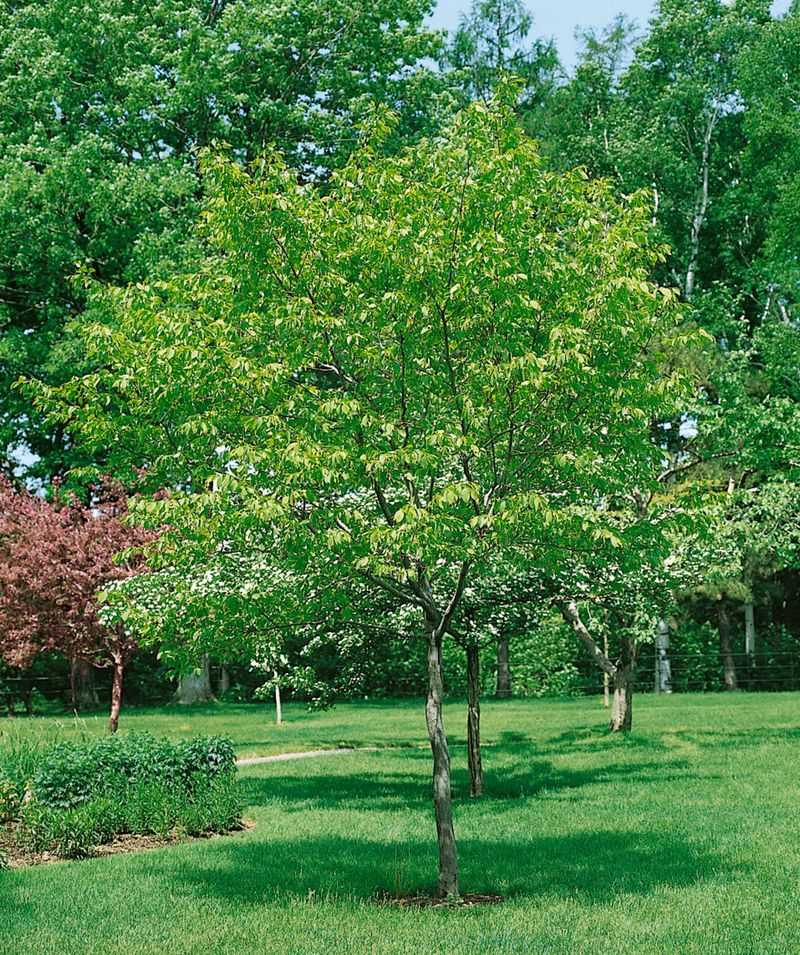
Most trees are chosen for their flowers or fall color, but the American Hornbeam earns its place in Ohio front yards through something far less common: its bark.
The smooth, gray, muscle-like surface of the trunk and main branches gives this tree a sculptural quality that becomes especially noticeable in winter, when there are no leaves to compete for attention.
Gardeners who appreciate year-round structure often describe it as one of the most interesting native trees available for Ohio landscapes.
Carpinus caroliniana grows slowly to about 20 to 35 feet and tends to develop a graceful, multi-stemmed form over time.
It thrives in partial to full shade, making it a strong candidate for front yards where taller trees already block direct sunlight.
Ohio’s naturally moist, shaded woodland areas are where this tree grows best in the wild, so it adapts well to similar yard conditions.
Spring brings small catkins before the leaves emerge, followed by dense, dark green foliage through summer. Fall color ranges from yellow to orange to red depending on the season and site conditions.
The papery, hop-like fruit clusters add another layer of texture through late fall. For homeowners who want a front yard tree that earns attention in every season, American Hornbeam is a compelling and underused option.
5. River Birch Shows Off Peeling Bark And Fresh Growth
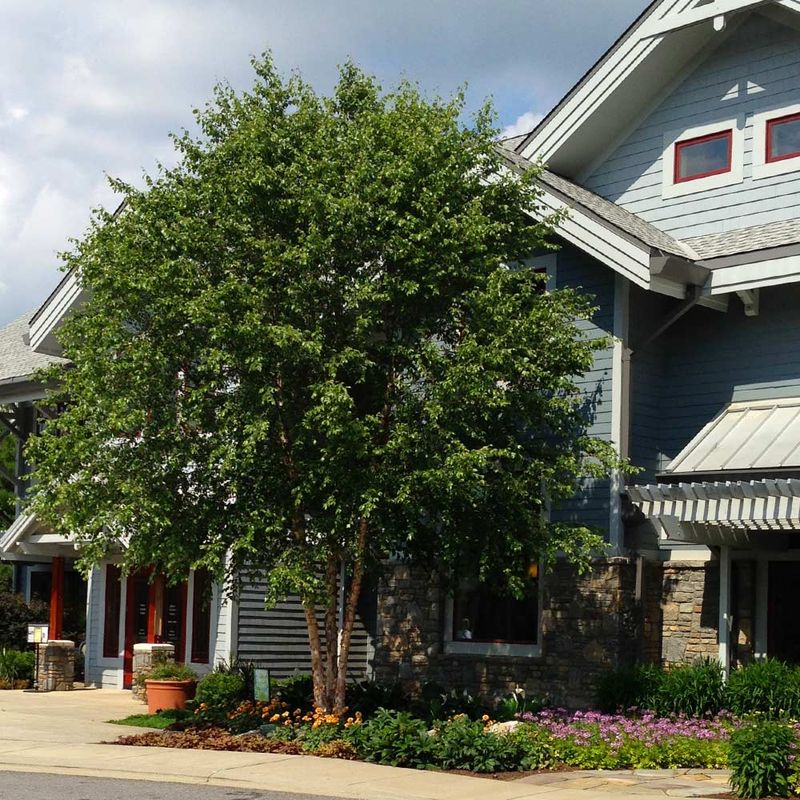
There is something almost irresistible about the peeling bark of a river birch. Layers of cinnamon, cream, and salmon-toned bark curl away from the trunk in papery sheets, creating a texture that catches the eye in every season.
In Ohio winters especially, when most trees are plain and bare, a river birch becomes a genuine focal point in a front yard planting scheme.
Betula nigra is one of the more adaptable native trees in Ohio, tolerating both wet and moderately dry conditions.
It grows fairly quickly, reaching 40 to 70 feet over time, so it works best in yards where there is room for a larger specimen.
Planting it as a multi-stemmed clump is a popular choice because it maximizes the bark display and creates a more dramatic visual effect.
Fresh, bright green leaves emerge in spring and hold a clean, healthy appearance through summer without the leaf disease problems that trouble non-native birch varieties in Ohio’s humid climate.
Fall brings yellow foliage that is pleasant, if not as intense as some other native trees.
The real draw, though, is that winter silhouette with its glowing, peeling bark that stands out even on the coldest, grayest Ohio days. River birch rewards patient homeowners who think beyond just spring and fall.
6. Black Gum Offers Brilliant Fall Color
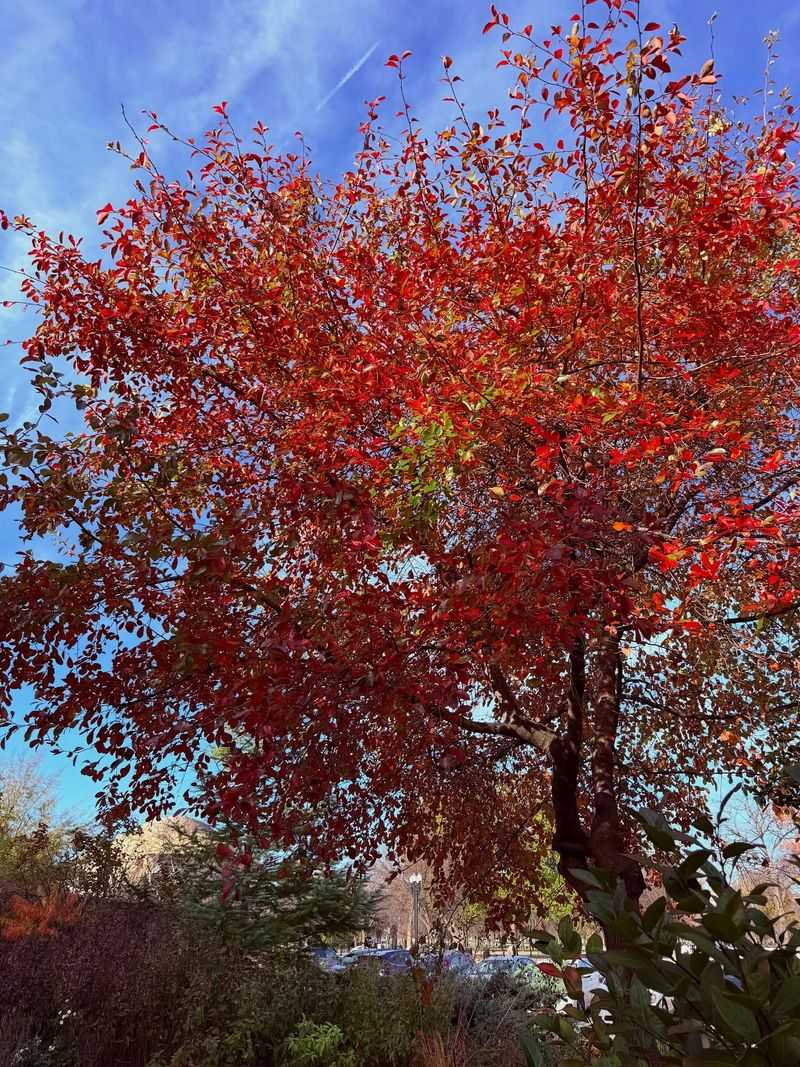
If fall color is the goal, black gum is hard to top in any Ohio landscape. Nyssa sylvatica turns earlier than most native trees, often shifting to scarlet, orange, and deep burgundy while neighboring trees are still green.
That early color change can make a front yard stand out in the neighborhood well before peak foliage season even arrives in Ohio.
Black gum grows to about 30 to 50 feet with a strong, upright form and slightly drooping side branches that give it a distinctive silhouette year-round.
It prefers full sun to partial shade and adapts to a wide range of Ohio soil types, including wet or poorly drained areas where other trees might struggle.
Established trees are notably tough and handle Ohio’s weather extremes without much intervention.
Spring brings small greenish-white flowers that are not showy but are highly attractive to native bees and pollinators. Summer foliage is a glossy, deep green that looks clean and healthy through the hottest months.
Small blue-black fruits ripen in fall and are a valuable food source for migratory birds passing through Ohio.
Even after the leaves fall, the angular branching structure makes black gum a tree worth looking at through the winter months.
7. Ohio Buckeye Adds Bold Leaves And Spring Flowers
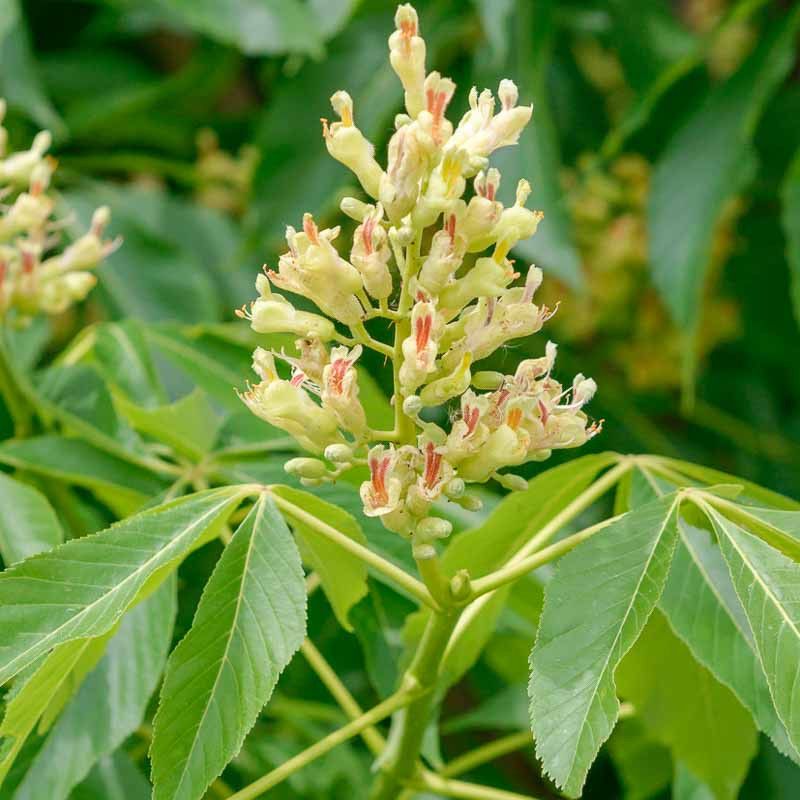
The Ohio Buckeye is not just the state tree – it is a genuinely underused front yard option that brings a bold, tropical-looking presence to the landscape.
The large, palmate compound leaves open early in spring, giving the tree a lush, full appearance before most other trees have leafed out.
Paired with upright clusters of pale yellow flowers, the spring display is both unusual and eye-catching in Ohio neighborhoods.
Aesculus glabra typically grows to about 20 to 40 feet with a rounded, dense canopy. It prefers moist, well-drained soil and does well in full sun to partial shade.
Ohio’s native woodland soils suit it well, and established trees handle the state’s humid summers and cold winters without much difficulty.
One interesting seasonal quirk is that Ohio Buckeye tends to drop its leaves earlier than most trees, often by late August or September, which can surprise homeowners expecting a long fall display.
However, the shiny brown buckeye nuts that follow are charming and nostalgic for anyone who grew up in Ohio.
Winter reveals a rugged, rounded branch structure that holds its shape well. For a front yard tree with strong Ohio identity and genuine seasonal character, the Buckeye is a meaningful and regionally rooted choice.
8. American Fringe Tree Brings Soft White Blooms
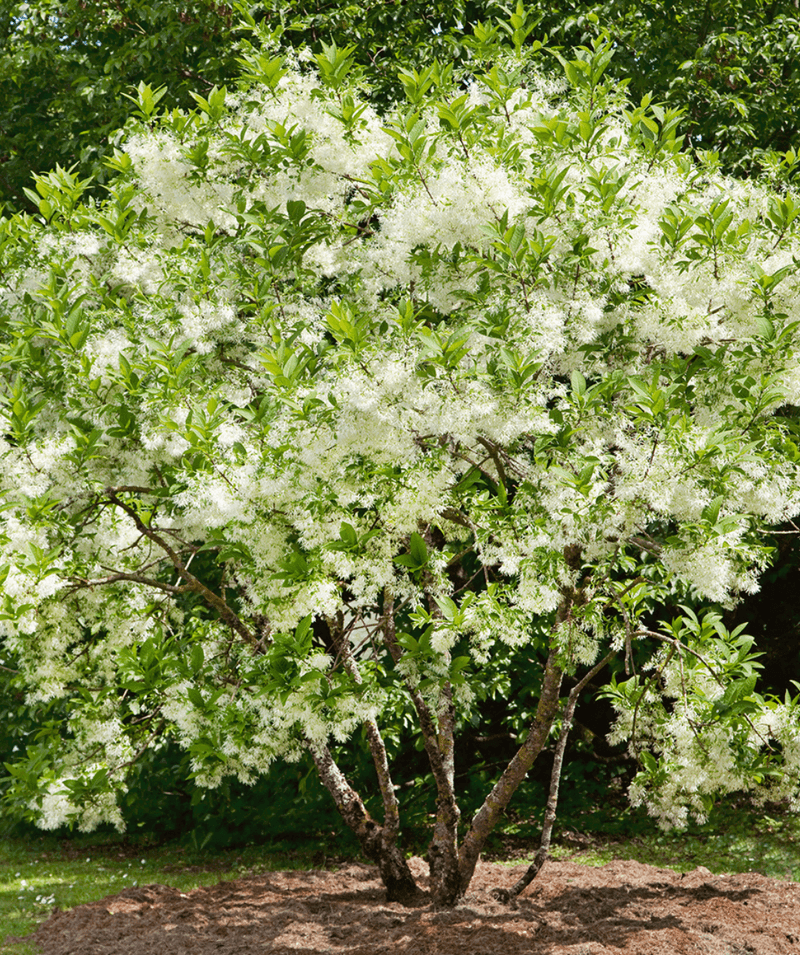
Not many trees can pull off the look of being draped in white lace, but the American Fringe Tree manages it effortlessly every late spring.
Chionanthus virginicus produces long, feathery clusters of white flowers that hang from the branches in a soft, billowing display that lasts for a couple of weeks.
In Ohio, it typically blooms in May, right around the time spring really settles in, and the effect in a front yard is genuinely memorable.
This native tree grows slowly to about 12 to 20 feet, making it one of the more front-yard-friendly options on this list. It works well in full sun to partial shade and tolerates a range of soil conditions, though it prefers moist, well-drained sites.
Because it leafs out late in spring, it pairs beautifully with early-blooming bulbs planted nearby.
Male and female flowers appear on separate trees, and female trees produce small, blue-black fruit clusters in late summer that attract birds and add seasonal interest.
Fall foliage turns a pleasant yellow before dropping.
Through winter, the smooth gray bark and somewhat open branch structure give the tree a clean, understated presence. American Fringe Tree tends to be overlooked at nurseries, but Ohio homeowners who plant one rarely regret the decision.
9. Hackberry Supports Wildlife With Lasting Berries
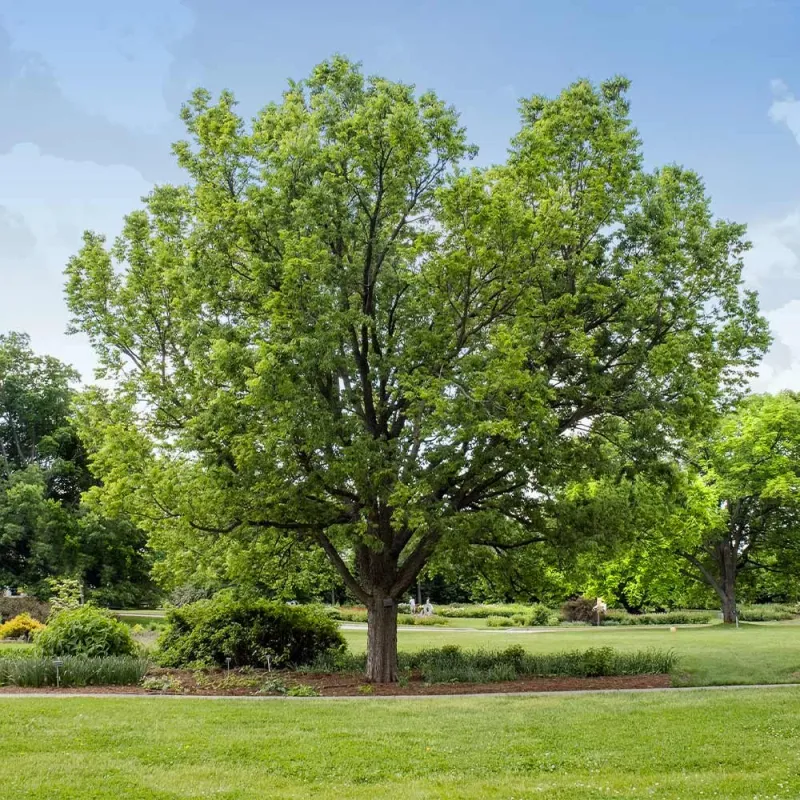
Hackberry might not be the flashiest tree at the nursery, but Ohio wildlife knows its value better than most homeowners do.
Celtis occidentalis produces small, dark purple berries that ripen in late summer and persist on the branches well into winter, providing a critical food source for birds including robins, cedar waxwings, and woodpeckers during the colder months.
A hackberry in the front yard is essentially a community resource for local wildlife.
This native tree grows to about 40 to 60 feet and develops a broad, vase-shaped canopy over time. It is one of the tougher native trees for Ohio conditions, tolerating urban soils, drought, compacted ground, and a wide range of pH levels.
For homeowners dealing with challenging soil situations, hackberry often succeeds where other trees struggle.
Spring brings small, inconspicuous flowers followed by fresh green leaves that hold their color reliably through summer. The corky, ridged bark develops a distinctive warty texture with age that adds quiet character in winter.
Fall foliage turns a soft yellow that is pleasant without being dramatic.
Hackberry is the kind of tree that works quietly in the background, season after season, without demanding much attention while still delivering consistent four-season value in Ohio front yards.
10. Red Maple Provides Reliable Seasonal Color
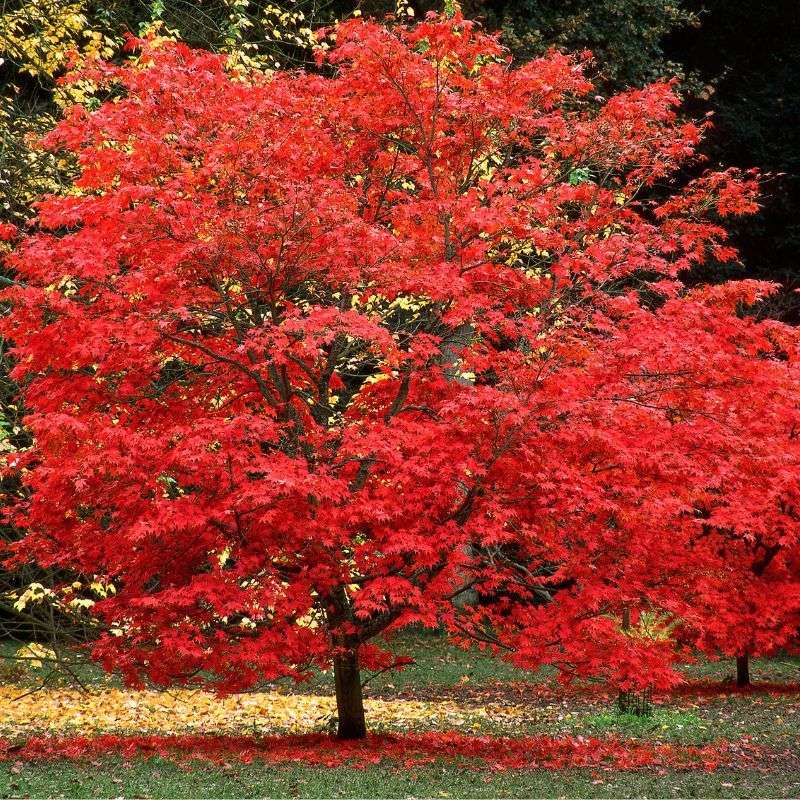
Red maple has earned its popularity in Ohio landscapes through sheer seasonal reliability.
Acer rubrum delivers color in spring, summer, and fall, making it one of the most consistently attractive native trees available for front yard planting.
It starts the year with small clusters of red flowers that appear on bare branches in late winter or very early spring – sometimes as early as February in southern Ohio – giving it a head start on seasonal interest before almost anything else is blooming.
This tree grows to about 40 to 60 feet at maturity, so it works best in yards where there is room for a medium to large canopy tree.
Red maple adapts to a wide range of Ohio soil conditions, including wet and poorly drained sites, and it handles full sun to partial shade without much trouble.
Its adaptability is a big reason it thrives across the state from the Lake Erie shoreline to the Ohio River valley.
Summer foliage is a clean, medium green that provides solid shade. Fall is where red maple gets most of its attention, with leaves turning brilliant shades of red, orange, and sometimes yellow depending on the individual tree and site.
Even the winged seed clusters, called samaras, add a subtle reddish tint in late spring. For a dependable, native tree that marks every season clearly, red maple remains one of Ohio’s most trusted choices.