15 Native Wildflowers Perfect For Washington Gardens This Summer
Washington is full of wildflower magic. And summer is your front-row seat.
From the Potomac to Rock Creek Park, native wildflowers transform any backyard into a living masterpiece. These plants have thrived here for centuries, so they handle heat, humidity, and surprise storms like pros.
Imagine bold purples, sunny yellows, and delicate whites dancing in the breeze. Pollinators swarm, water bills drop, and your garden practically takes care of itself.
Native wildflowers aren’t just beautiful. They bring life, support local wildlife, and make your yard unforgettable.
Ready to turn heads and do something amazing for nature? These native blooms are your secret weapon this summer.
1. Eastern Purple Coneflower Fills Yards With Color And Pollinators
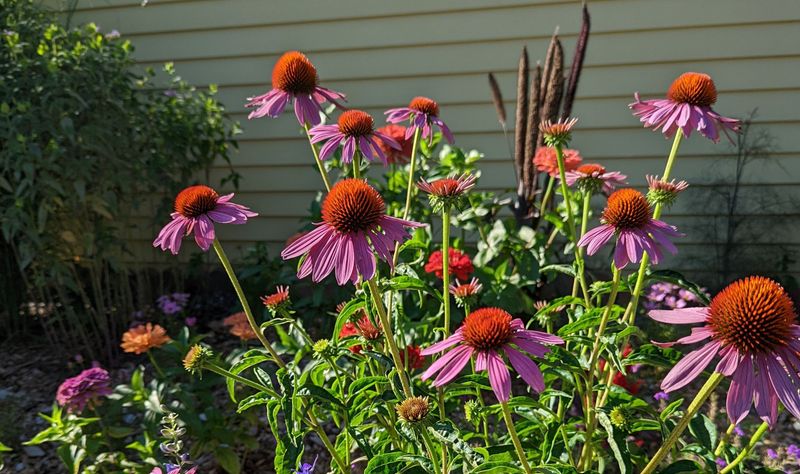
Spiky orange center, petals thrown back like it owns the sun. Eastern Purple Coneflower doesn’t ask for attention, it takes it.
Known scientifically as Echinacea purpurea, this native wildflower has been thriving in the Mid-Atlantic region, for centuries. It loves full sun and well-drained soil, making it a natural fit for most DC-area gardens.
Once established, it barely needs any watering at all. Pollinators absolutely go wild for coneflowers.
Bees, butterflies, and even goldfinches are regularly spotted visiting these blooms throughout the summer.
Planting a cluster of three or more together creates a stunning visual impact that neighbors will notice from the sidewalk.
The best part is that coneflowers come back year after year without much effort on your part. They spread slowly over time, filling in empty garden spots naturally.
If you want a low-maintenance flower that delivers maximum beauty in a summer garden, the Eastern Purple Coneflower is the one to start with.
2. Black-Eyed Susan Lights Up Any Washington Garden
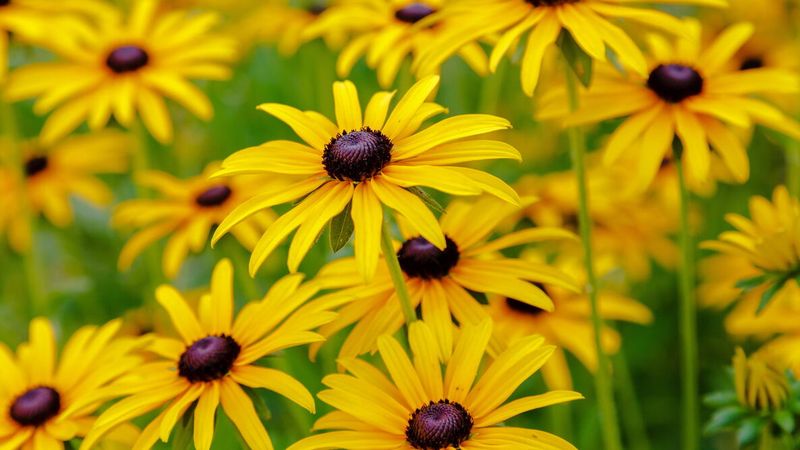
Like little suns scattered across the garden, always facing your way. Black-Eyed Susans bring that effortless, feel-good kind of summer energy.
Rudbeckia hirta is one of the most recognized native wildflowers in the region, and for good reason.
Its golden-yellow petals surrounding a rich chocolate-brown center create a classic look that never gets old. This flower blooms from late June all the way through September, giving you months of color.
Black-Eyed Susans are incredibly tough plants. They handle heat, drought, and even poor soil without complaining, which makes them perfect for unpredictable summer climate.
They do best in full sun but can tolerate a little afternoon shade. Did you know this flower is actually the state flower of Maryland, Washington’s neighboring state?
That alone tells you how beloved it is in this part of the country. Plant them along borders, in meadow-style beds, or mixed with other native wildflowers for a naturalistic look.
They self-seed freely, so your patch will grow bigger and more beautiful every single year with almost zero effort from you.
3. Wild Bergamot Fills Your Garden With Buzzing Life
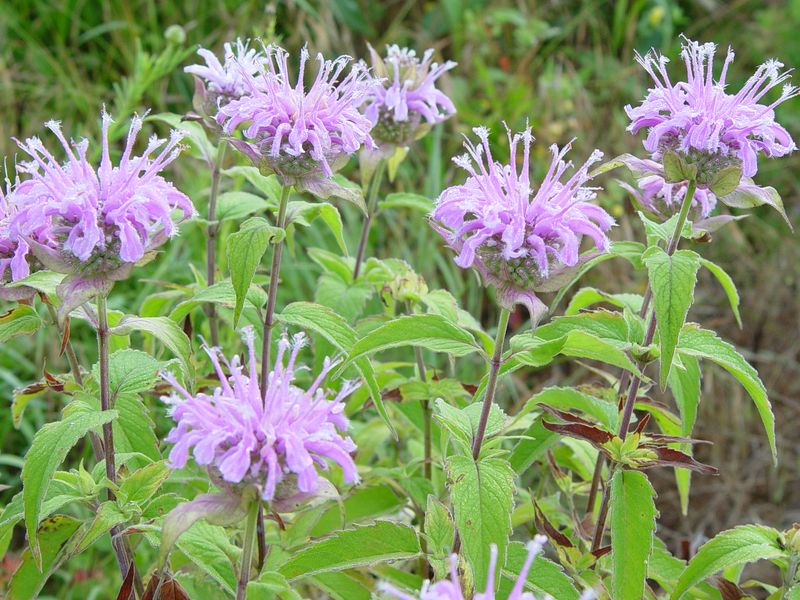
Catch that soft, herbal scent drifting through the heat? That’s Wild Bergamot doing its thing.
The soft lavender blooms of Monarda fistulosa release a minty, oregano-like fragrance that drifts through the air and attracts an impressive crowd of pollinators.
Bumblebees, hummingbirds, and sphinx moths are just a few of the visitors you can expect all summer long. This native wildflower is a true ecosystem supporter.
Wild Bergamot grows best in full sun to light shade and adapts well to the average garden soil found throughout the area.
It reaches about two to four feet tall, making it a great mid-border plant. It spreads gradually through underground rhizomes, slowly forming a lush, fragrant colony over time.
One practical tip for gardeners is to give Wild Bergamot good air circulation to prevent powdery mildew, which can show up during humid summers.
Cutting it back by half in early June encourages bushier growth and more blooms.
For a garden that smells as good as it looks, Wild Bergamot is truly hard to beat.
4. Butterfly Weed Transforms Your Space
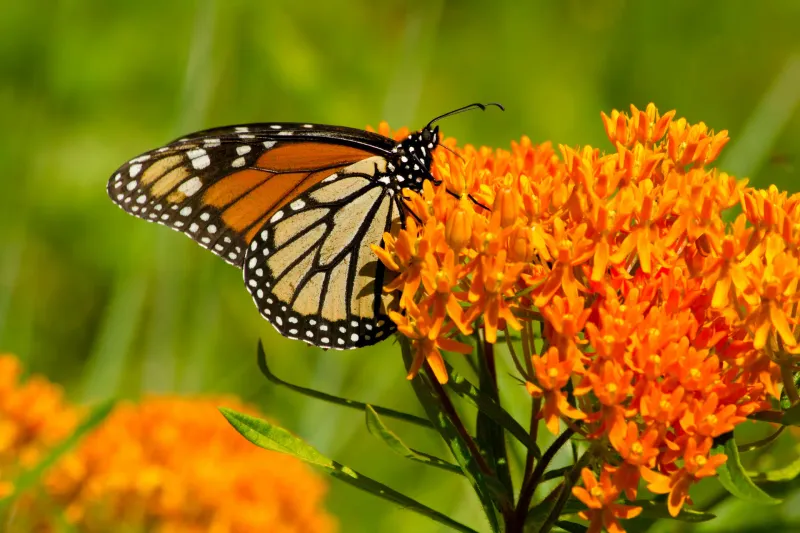
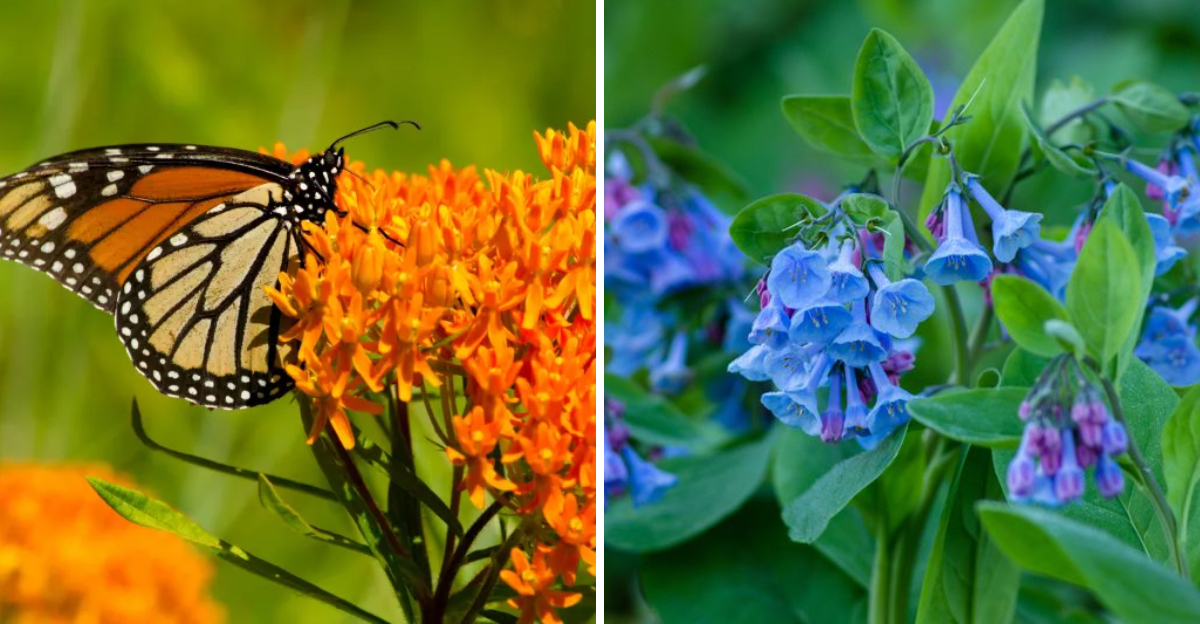
Bright orange and absolutely irresistible to Monarch butterflies. Butterfly Weed is one of those plants that makes you feel like you are doing something truly important for nature.
Asclepias tuberosa is a member of the milkweed family, and it serves as a critical host plant for Monarch butterfly caterpillars.
With Monarch populations declining across North America, planting Butterfly Weed in your Washington garden is a genuinely meaningful act.
The clusters of vivid orange flowers bloom from June through August and are impossible to miss.
Unlike many milkweeds, Butterfly Weed does not spread aggressively or produce messy sap, making it a cleaner and more manageable choice for home gardens.
It thrives in full sun and well-drained or even sandy soil. Once established, it is one of the most drought-tolerant native wildflowers you can grow.
Keep in mind that Butterfly Weed is slow to emerge in spring, so mark its location to avoid accidentally disturbing it.
It develops a deep taproot that makes it very difficult to transplant once established, so choose its spot carefully.
For pure ecological impact combined with stunning color, few native wildflowers rival this one.
5. Virginia Bluebells Bring A Dreamy Spring Splash
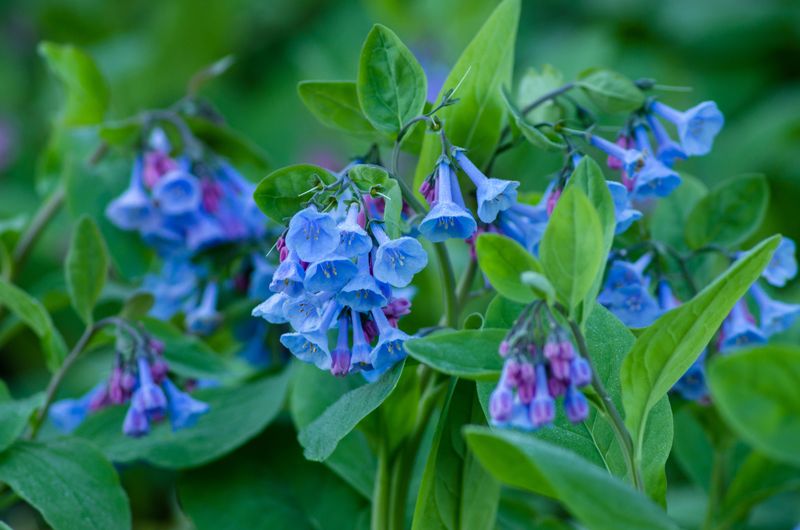
Imagine stepping into your garden and finding a carpet of soft sky-blue trumpets nodding gently in the breeze. That is the magic Virginia Bluebells bring every season.
Mertensia virginica is one of Washington’s most beloved native wildflowers, and it earns that reputation every spring and early summer.
The flowers open pink and gradually shift to a stunning powder blue, creating a two-toned display that looks almost too beautiful to be real.
They thrive in moist, shaded spots, making them perfect for woodland-style garden areas.
Virginia Bluebells are what botanists call spring ephemerals, meaning they bloom brilliantly and then quietly go dormant by early summer.
Planting them alongside later-emerging perennials like ferns or hostas fills the gap they leave behind.
This makes thoughtful plant placement especially important for gardeners working with shaded spaces. Native bees and hummingbirds are frequent visitors to these delicate blooms.
The plants spread naturally by seed and form increasingly larger colonies over time.
If you have a damp, partly shaded corner in your garden that feels a little bare, Virginia Bluebells will transform it into something truly enchanting without requiring much attention from you at all.
6. Cardinal Flower Adds Fiery Red Drama
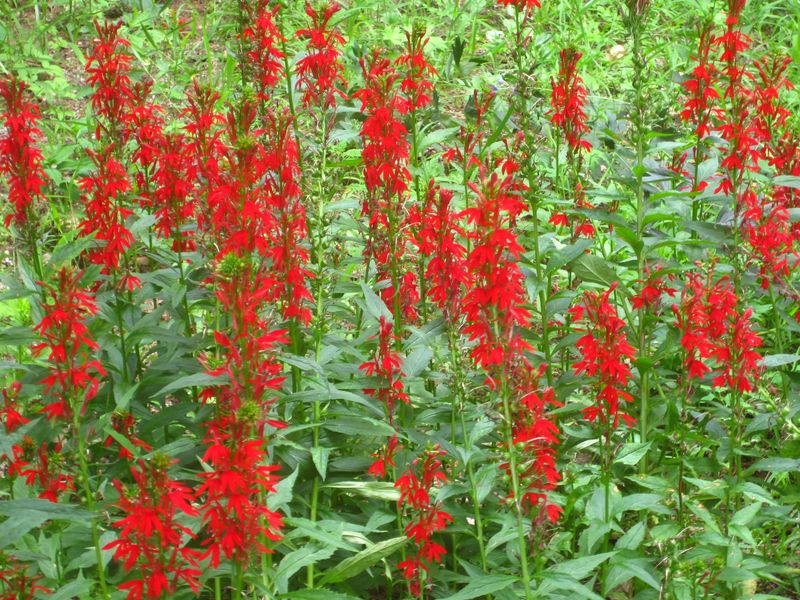
Want hummingbirds to show up almost overnight? Plant Cardinal Flower and let it do the rest. Lobelia cardinalis produces towering spikes of the most intense red blooms you will ever see in a native garden.
Hummingbirds are practically obsessed with them, and the ruby-throated hummingbird in particular depends on Cardinal Flower as a major summer nectar source across the Mid-Atlantic region.
The blooms appear from July through September, right when hummingbirds need fuel most.
Cardinal Flower prefers moist to wet soil and partial shade, which makes it a fantastic choice for rain gardens, pond edges, or low-lying areas in Washington yards that stay damp after heavy summer rains.
It grows two to four feet tall and creates an absolutely dramatic focal point in any garden setting. One thing to know is that individual Cardinal Flower plants are relatively short-lived, lasting about two to three years.
However, they self-seed readily and produce offsets around the base, so your colony will naturally replenish itself.
Cutting back spent flower stalks encourages more blooms within the same season.
For a bold, wildlife-friendly statement in a challenging wet or shaded spot, nothing in the Washington native plant palette quite compares.
7. Blue Wild Indigo Stands Tall And Proud In Full Sun
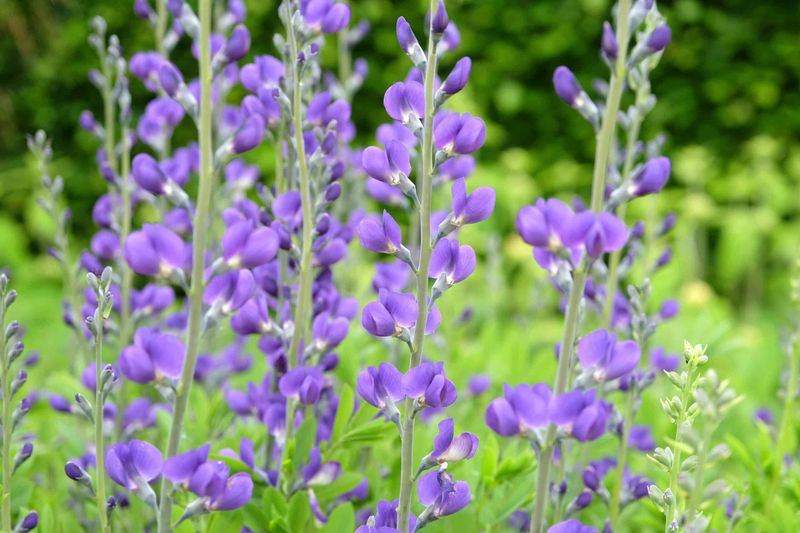
There is a quiet confidence about Blue Wild Indigo that sets it apart from every other plant in the garden. It grows up, stands tall, and demands to be noticed.
Baptisia australis is a long-lived native perennial that produces striking spikes of deep blue-purple flowers in late spring and early summer.
After blooming, it develops attractive gray-green foliage and distinctive dark seed pods that rattle in the wind and add winter interest to Washington gardens. This plant truly earns its keep across all four seasons.
Blue Wild Indigo is extremely drought-tolerant once established and thrives in full sun with average to well-drained soil. It grows into a large, shrub-like clump up to four feet tall and wide, so give it plenty of room to spread.
Because it develops a deep taproot, it becomes more impressive and resilient with each passing year.
Bumble bees are the primary pollinators of Blue Wild Indigo, and watching them work the flowers on a sunny Washington afternoon is genuinely delightful. This plant rarely needs division, fertilizing, or extra watering once it finds its footing.
For gardeners who want a bold, structural native wildflower that practically takes care of itself, Blue Wild Indigo is an outstanding long-term investment.
8. Golden Alexanders Welcomes Early Pollinators
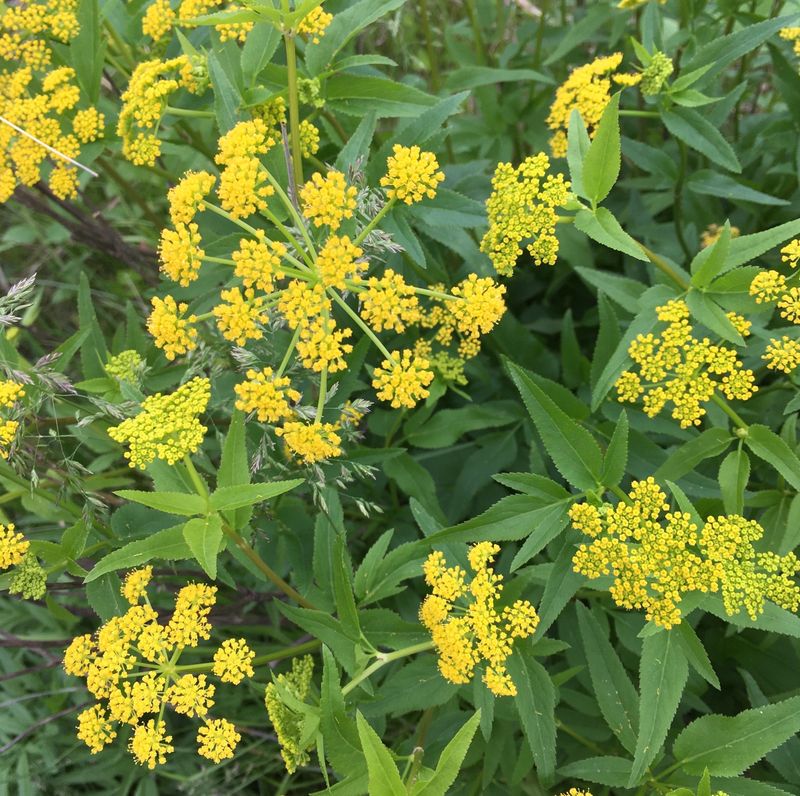
Golden Alexanders might just be one of the most underappreciated native wildflowers. And that is something worth changing right now.
Zizia aurea is one of the earliest native wildflowers to bloom in the region, producing cheerful clusters of tiny golden-yellow flowers as early as April and continuing through June.
This early bloom time makes it a lifesaver for native bees, beetles, and other pollinators that emerge before most other flowers open. It is essentially a welcome mat for beneficial insects in your Washington garden.
Golden Alexanders grow well in both full sun and partial shade, and they actually perform beautifully in moist soils near rain gardens or stream edges.
They reach about one to three feet tall and form tidy, upright clumps that blend well with other native plants. The foliage remains attractive throughout the growing season even after flowering ends.
An added bonus is that Golden Alexanders serve as a host plant for the Black Swallowtail butterfly caterpillar, adding yet another ecological layer to their value.
They self-seed modestly, gradually expanding their presence in your garden without becoming invasive.
For gardeners who want to support pollinators from the very beginning of the season, Golden Alexanders is an essential addition.
9. Wild Columbine Dangles Elegant Red And Yellow Bells
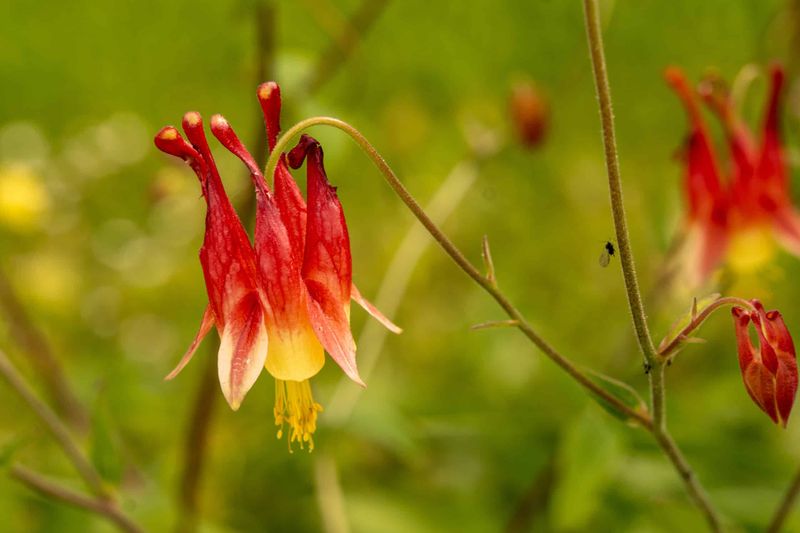
Wild Columbine has a whimsical, almost fairy-tale quality to it. Red and yellow bells, swaying like tiny lanterns in the breeze.
Aquilegia canadensis is a native wildflower that grows naturally in rocky woodlands and shaded slopes throughout the region.
It blooms from April through June, providing crucial early nectar for ruby-throated hummingbirds just arriving from their winter migration.
The unique flower shape is perfectly designed to match the long bill of a hummingbird, making this one of nature’s most elegant partnerships.
Wild Columbine thrives in partial to full shade and adapts to a wide range of soil types, including dry and rocky conditions where many other plants struggle.
It grows one to two feet tall and self-seeds freely, popping up in unexpected spots around the garden in a charming and spontaneous way.
Allowing it to naturalize creates a relaxed, woodland-garden aesthetic that feels beautifully effortless.
Interestingly, the nectar spurs of Wild Columbine are sometimes chewed through at the base by short-tongued bees that cannot reach the opening from the front. This quirky behavior is actually called nectar robbing and is fascinating to observe.
For gardeners with shady spots, Wild Columbine is an absolute treasure that rewards minimal effort with maximum charm.
10. New York Ironweed Creates A Late Summer Purple Spectacle
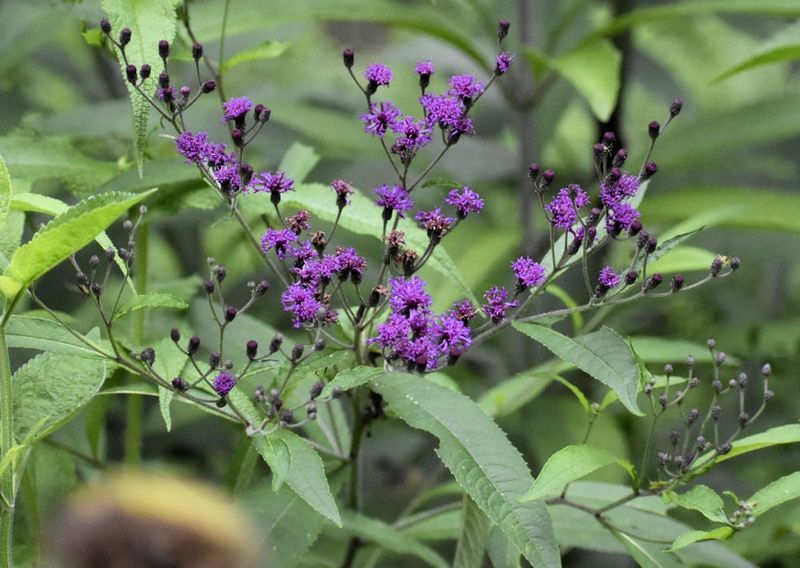
When August rolls around and most summer flowers start fading, New York Ironweed steps up and absolutely steals the show with its electric purple blooms.
Vernonia noveboracensis is a tall, bold native wildflower that blooms from late July through September, right when gardens often need a serious color boost.
The deep violet-purple flower clusters are some of the most vivid colors you will find in any native plant palette.
They pair beautifully with the golden yellows of Black-Eyed Susans and coneflowers for a classic late-summer combination.
New York Ironweed grows three to eight feet tall, so it works best at the back of a border or in a naturalized meadow-style planting.
It prefers full sun and moist soil, making it a great candidate for low areas of Washington yards that collect rain.
Butterflies, especially swallowtails and skippers, absolutely flock to the blooms.
The name “ironweed” comes from the tough, wiry stems that stand upright even after the flowers fade, providing structure and winter interest in the garden.
Leaving the seed heads standing through fall and winter feeds birds and adds texture to the landscape.
For a dramatic, wildlife-supporting native wildflower that peaks when you need it most, New York Ironweed is a brilliant late-season choice for Washington gardens.
11. Wild Ginger Carpets The Shaded Floor Of Washington Gardens
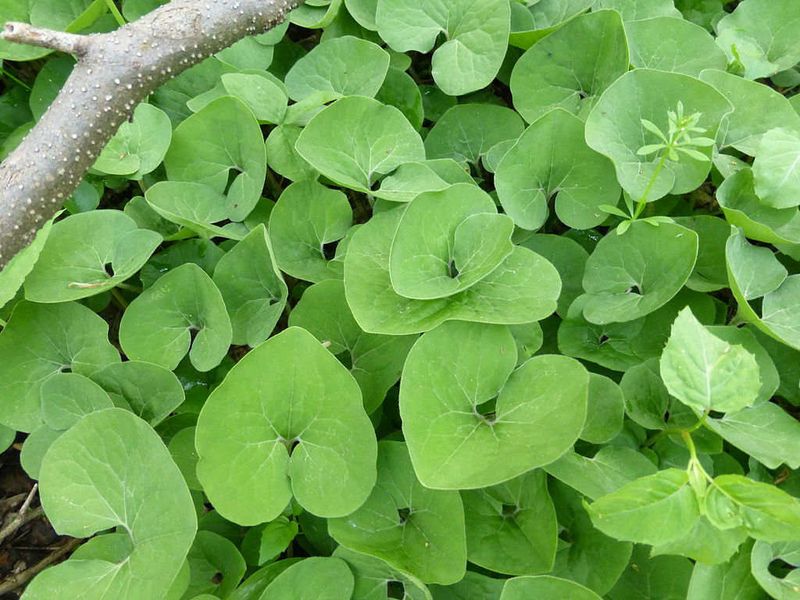
Not every native wildflower reaches for the sky. Wild Ginger takes a different approach entirely, spreading quietly across the ground and turning shaded garden floors into lush green carpets.
Asarum canadense is a low-growing native perennial that thrives in the deep shade beneath trees, exactly the kind of challenging spot that most other plants refuse to fill.
Its broad, heart-shaped leaves create dense, attractive ground cover that suppresses weeds naturally.
The tiny, hidden brownish-red flowers bloom in early spring, tucked beneath the leaves where only the most observant gardeners will find them.
Wild Ginger spreads slowly by rhizomes, gradually expanding into larger colonies over several years.
It prefers moist, rich, well-drained soil with plenty of organic matter, conditions commonly found in the shaded yards and woodland edges throughout Washington neighborhoods.
Once established, it requires virtually no maintenance at all.
Despite the name, this plant is not related to culinary ginger, though its roots do carry a faint ginger-like fragrance when bruised.
It is deer-resistant, which is a significant bonus for gardeners who deal with browsing deer, especially in neighborhoods bordering Rock Creek Park.
For filling difficult shaded spots with something beautiful and native, Wild Ginger is one of the smartest choices you can make.
12. Swamp Rose Mallow Explodes With Tropical-Looking Blooms
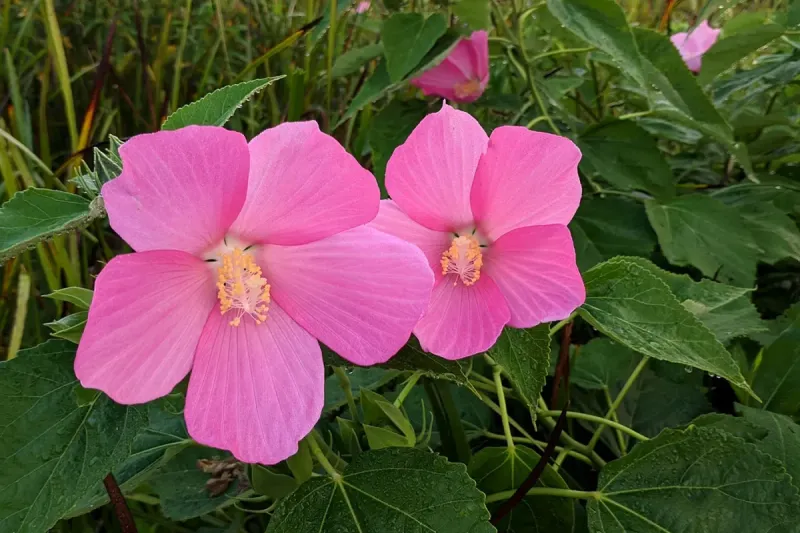
Dinner-plate-sized pink blooms, right here in Washington. Swamp Rose Mallow makes it feel almost unreal.
Hibiscus moscheutos produces some of the largest flowers of any native wildflower in the Mid-Atlantic region, with blooms stretching up to ten or even twelve inches across.
The flowers are typically a soft to vivid pink with a deep red center, and they create an almost tropical impression in the garden.
Blooming from July through September, they turn heads and start conversations wherever they grow.
As the name suggests, Swamp Rose Mallow loves moisture and thrives in rain gardens, pond edges, and low-lying wet areas of Washington yards.
It grows three to seven feet tall, so it creates an impressive vertical statement in any landscape. Full sun brings out the best flowering performance, though it tolerates some afternoon shade.
Bumble bees are enthusiastic visitors to the large, open blooms, and the plant also supports specialist native bees that depend on hibiscus pollen.
The seed pods that follow the flowers are attractive in their own right and provide food for birds through fall and winter. For gardeners with wet or rain-prone areas, Swamp Rose Mallow turns a garden challenge into a genuine showpiece.
13. Partridge Pea Brings Cheerful Yellow Blooms
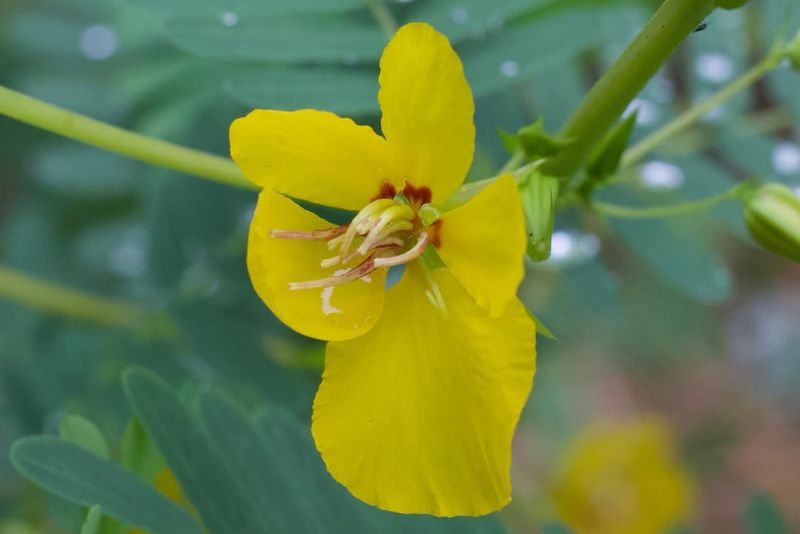
Partridge Pea is the kind of plant that quietly does a dozen things at once. Looking cheerful all summer while secretly feeding everything from butterflies to bobwhite quail.
Chamaecrista fasciculata is a native annual wildflower that produces clusters of bright yellow flowers from June through September.
The blooms are simple and sunny, but the real story is what happens below the surface: Partridge Pea is a nitrogen-fixing plant, meaning it actually improves the soil it grows in.
For gardeners working with poor or compacted urban soils, that is a genuinely useful quality. This plant serves as a host for several native butterfly species, including the cloudless sulphur and the sleepy orange butterfly.
The seed pods that develop after flowering are eaten by numerous bird species, including the quail that inspired its common name. It grows one to three feet tall and thrives in full sun with dry to average soil.
Because Partridge Pea is an annual, it reseeds itself generously each fall, ensuring a new crop of plants returns the following summer without any replanting on your part.
Scattering seeds in a sunny, open area of your Washington garden in fall is all it takes to get started.
For easy, wildlife-rich summer color, Partridge Pea delivers far more than its modest appearance suggests.
14. Nodding Onion Adds Delicate Rosy Charm
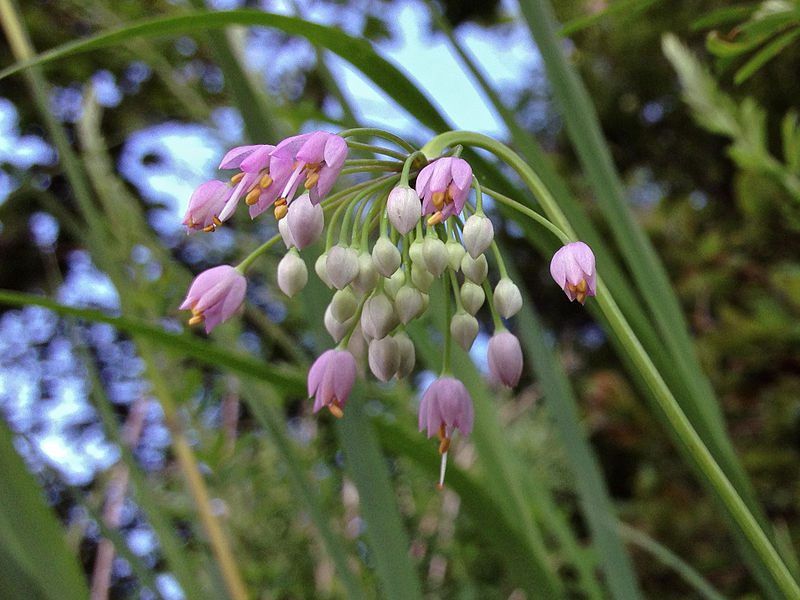
There is something quietly elegant about Nodding Onion. With its rosy-pink flower clusters bowing gracefully downward on slender stems as if taking a small, humble bow.
Allium cernuum is a native wildflower that blooms from July through August, producing charming clusters of small pink to lavender flowers at the tips of arching stems.
The nodding habit of the flower heads gives this plant its distinctive personality and makes it instantly recognizable in a garden.
It grows six to eighteen inches tall and fits beautifully along borders, rock gardens, or dry garden edges throughout Washington.
Nodding Onion thrives in full sun to partial shade and handles dry, rocky, or sandy soils with impressive ease.
This toughness makes it ideal for the challenging dry spots that many Washington gardeners struggle to fill.
Native bees, especially sweat bees and small bumble bees, visit the flowers regularly throughout its bloom period.
As a member of the onion family, Nodding Onion carries a mild onion scent when the foliage is crushed, which actually helps deter deer browsing.
The plant multiplies slowly by producing offsets and self-seeding, gradually forming tidy clumps over time.
Leaving the attractive seed heads standing after bloom adds subtle visual interest through late summer and fall in gardens.
15. Great Blue Lobelia Closes Out Summer With Rich Violet Spires
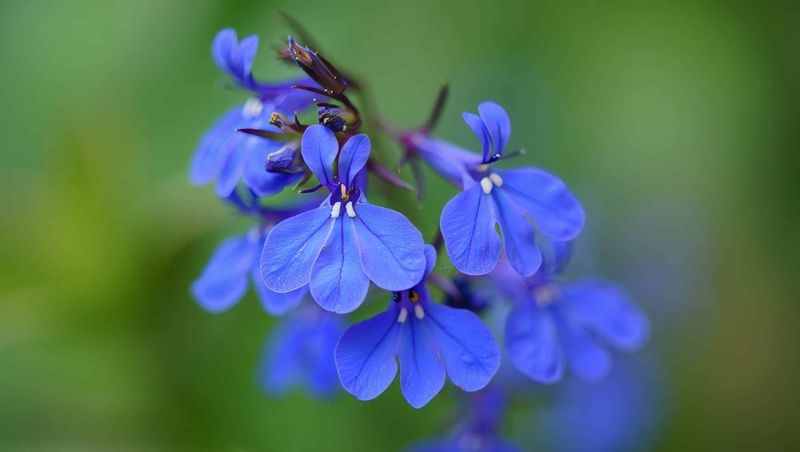
Just when you think summer is winding down, Great Blue Lobelia arrives with its rich violet-blue flower spikes. It reminds you that the season still has plenty of beauty left to offer.
Lobelia siphilitica is a native wildflower that blooms from August through October, extending the color season in gardens well into fall.
The deep blue-violet flowers are arranged along upright spikes that reach two to three feet tall, creating a vertical accent that stands out beautifully in late-season plantings.
Hummingbirds and large bumble bees are the main pollinators, drawn in by the rich nectar reserves inside each tubular flower.
Great Blue Lobelia thrives in moist to wet soils and partial shade, making it a natural companion for Cardinal Flower in rain gardens or along stream banks throughout the DC area.
The two plants bloom at overlapping times and create a stunning red-and-blue color combination that looks almost professionally designed.
Unlike its cousin Cardinal Flower, Great Blue Lobelia tends to be somewhat longer-lived and spreads more reliably by self-seeding.
It is also less fussy about soil moisture than many moisture-loving plants, tolerating average garden conditions reasonably well.
For gardeners who want to close the summer season with something spectacular and wildlife-friendly, Great Blue Lobelia is the perfect finishing touch.