Native Wildflowers That Thrive In Tennessee Gardens
Tennessee knows how to bloom. Wildflowers have been lighting up this landscape long before garden centers, seed packets, or neatly edged flower beds ever existed.
Tennessee spans USDA hardiness zones 6a through 8a, which means growing conditions can vary depending on your location.
From Appalachian slopes to open fields in the central basin, native blooms have shaped the look of the state for centuries with color that feels effortless and completely at home.
That is what makes them such a smart choice for the garden.
They are not trying to adjust to Tennessee. They already belong here.
They know the soil, the seasons, the heat, and the rhythm of local weather, which means they ask for less and give back more.
What you get is not a stiff, overworked look, but something softer, richer, and full of character.
The best part is how naturally it all comes together. A few well-chosen native wildflowers can turn an ordinary patch of ground into something that feels rooted, vibrant, and unmistakably Tennessee.
1. Purple Coneflower (Echinacea Purpurea)
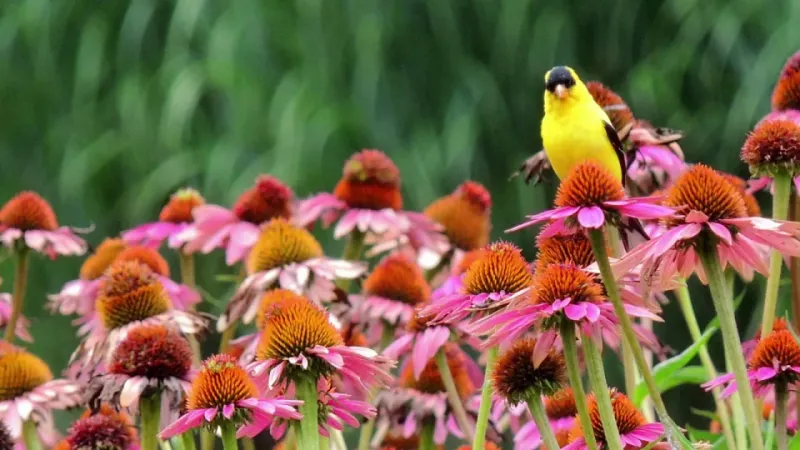
Bold, cheerful, and practically unstoppable, the Purple Coneflower is one of the most beloved wildflowers you can grow. Purple coneflower thrives across USDA zones 3–9, making it reliable throughout all of Tennessee.
Its bright magenta-pink petals fan out around a spiky, burnt-orange center that looks like a tiny sunburst. Bees, butterflies, and goldfinches absolutely go wild for it, making your garden feel alive from midsummer all the way into fall.
Purple Coneflower is incredibly easy to care for, which makes it perfect for beginner gardeners. Plant it in a sunny spot with well-drained soil, give it a little water while it settles in, and then pretty much leave it alone.
It handles drought like a champ once established, and it spreads on its own over time, filling your garden with more color every year.
Beyond its good looks, this flower has a long history in herbal medicine and was used by Native American tribes for generations. Leaving the seed heads standing through winter gives birds a natural food source during the cold months.
Echinacea is a powerhouse plant that earns its place in any garden with almost zero effort required from you.
2. Wild Blue Indigo (Baptisia Australis)
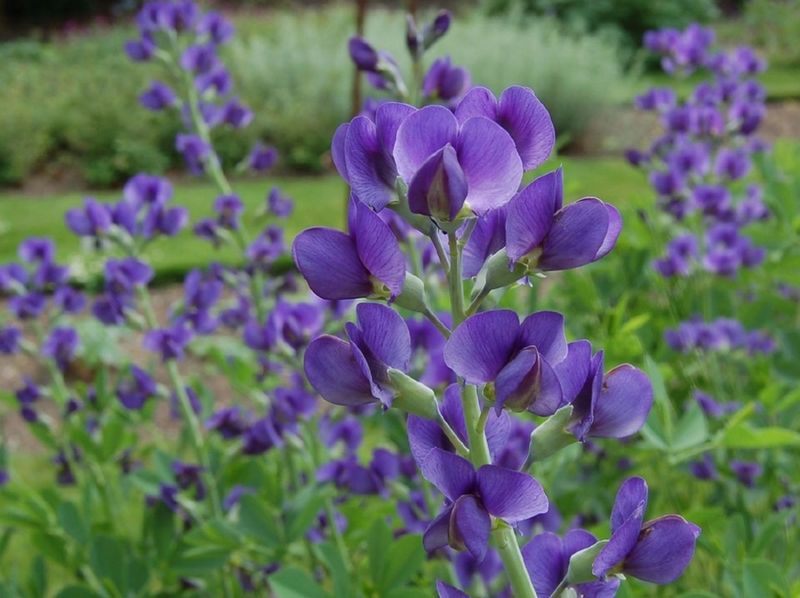
Few plants make a statement quite like Wild Blue Indigo when it bursts into bloom in late spring. The tall, upright spikes of deep blue-violet flowers look almost architectural, rising dramatically above the blue-green foliage below.
It is one of those plants that makes neighbors stop and ask what on earth you are growing in your yard. It grows well in zones 3–9 and performs consistently across Tennessee gardens.
Baptisia is a long-lived perennial that actually gets better with age. It takes a couple of seasons to fully establish, but once it does, it becomes a tough, drought-tolerant powerhouse that rarely needs any attention.
Plant it in full sun with average, well-drained soil and let it do its thing year after year without much fuss.
One quirky detail about this plant is that its roots fix nitrogen in the soil, which means it actually improves the ground around it while it grows. After the flowers fade, interesting inflated seedpods form that rattle when dry and make fun additions to dried flower arrangements.
Wild Blue Indigo is native across much of the eastern United States and thrives beautifully in Tennessee landscapes, attracting bumblebees and other native pollinators all season long.
3. Black-Eyed Susan (Rudbeckia Hirta)
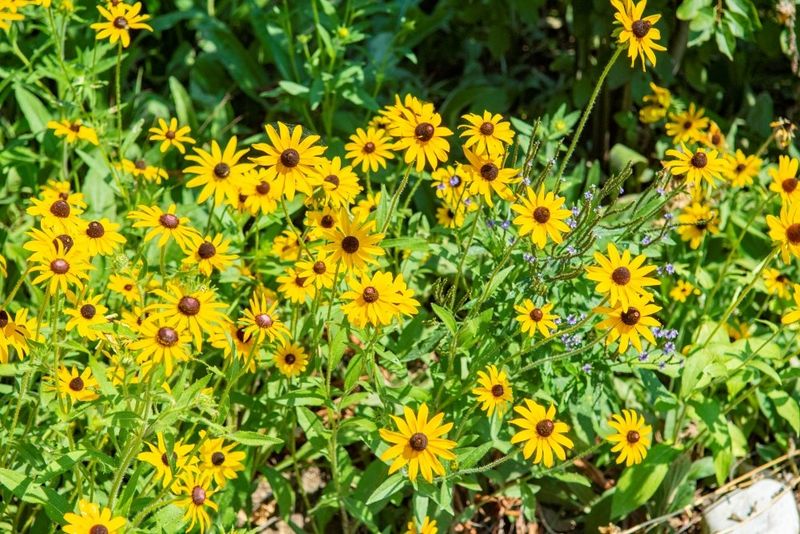
Sunshine in flower form, that is the best way to describe the cheerful Black-Eyed Susan. It is hardy in zones 3–9 and adapts easily to all parts of Tennessee.
Those golden-yellow petals surrounding a rich chocolate-brown center are practically impossible to ignore, and they bloom from early summer well into autumn.
Whether planted in a formal garden bed or scattered through a meadow, they bring a warm, happy energy to any outdoor space.
What makes Black-Eyed Susans such a great choice is how incredibly low-maintenance they are. They thrive in full sun and tolerate poor, dry soils that would stress out more finicky plants.
Once established, they self-seed generously, meaning your garden will naturally fill in with more blooms every single year without you having to do a thing.
These flowers are native wildflowers across much of North America and have adapted perfectly to the climate here. Butterflies love them, and birds feast on the seed heads through fall and winter, giving your garden wildlife value long after the blooms fade.
Planting Black-Eyed Susans alongside purple coneflowers creates a stunning color contrast that looks effortlessly natural and professionally designed at the same time. They are truly a classic for a reason.
4. Cardinal Flower (Lobelia Cardinalis)
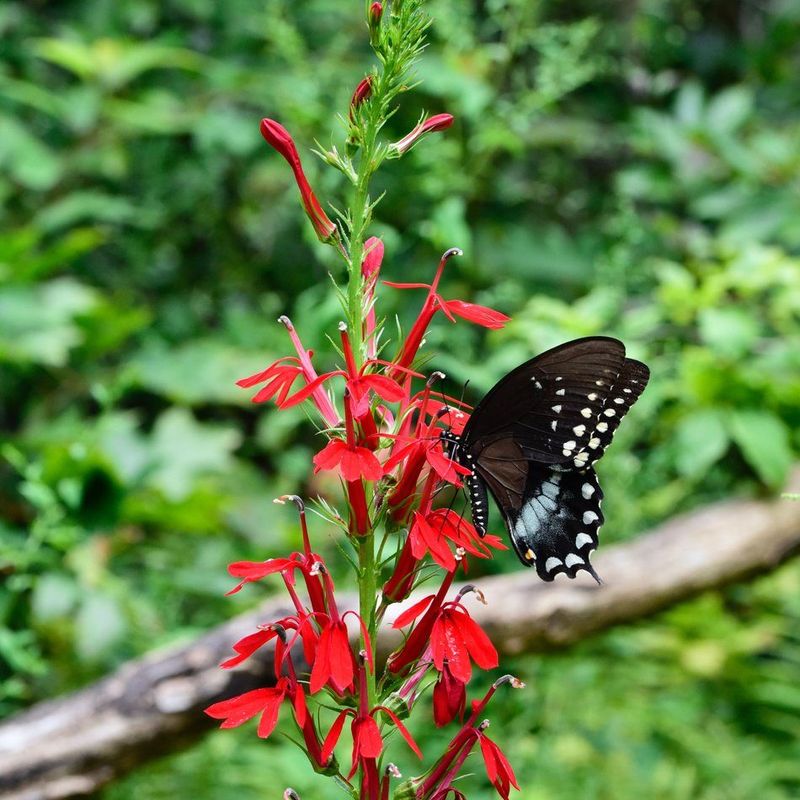
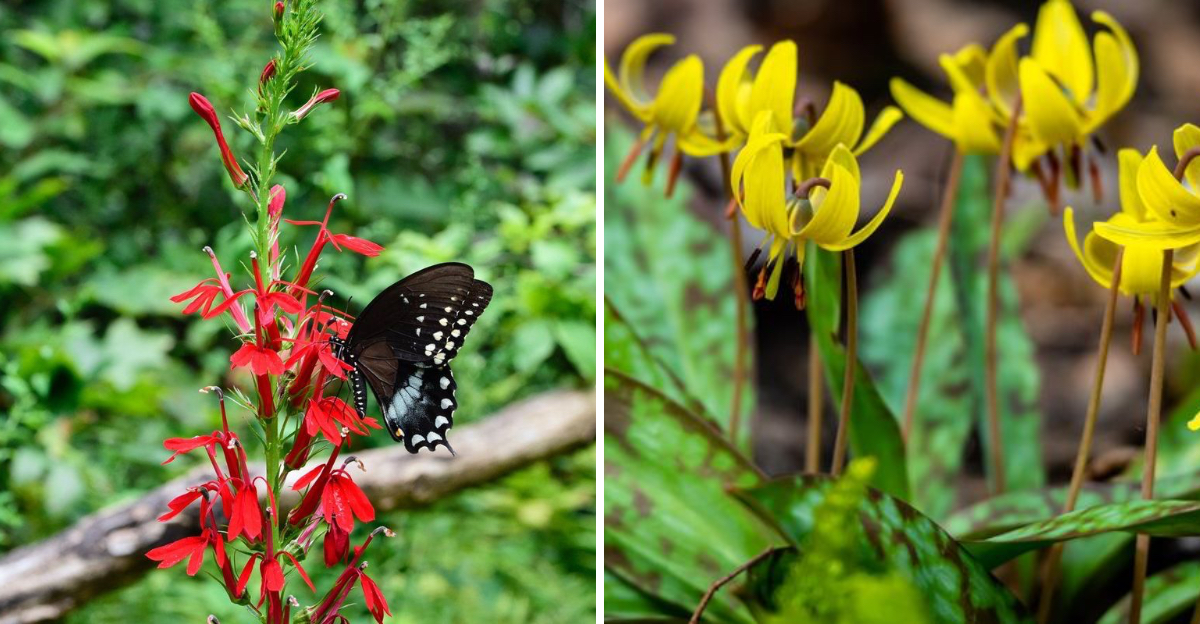
Imagine a flower so red it almost glows, and you are picturing the Cardinal Flower perfectly. This native wildflower produces tall, dramatic spikes of the most vivid scarlet blooms you will ever see in a garden, and hummingbirds are absolutely obsessed with it.
Placing one near a window means you get a front-row seat to nature’s most exciting aerial acrobatics all summer long. Cardinal Flower grows in zones 3–9 and does especially well in moist areas across Tennessee.
Cardinal Flower loves moisture, so it is ideal for rain gardens, pond edges, or any spot in your yard that tends to stay a little wet. It also does well in partial shade, which makes it a great solution for those tricky shady corners where many other plants struggle.
Rich, consistently moist soil is the key to keeping this beauty happy and blooming generously.
A fun fact worth knowing is that the Cardinal Flower was named for its striking resemblance to the red robes worn by Roman Catholic cardinals centuries ago. It is a short-lived perennial, but it self-seeds reliably and spreads into colonies over time.
Pair it with ferns and native grasses for a lush, layered look that feels like a secret woodland garden tucked right into your backyard.
5. Wild Columbine (Aquilegia Canadensis)
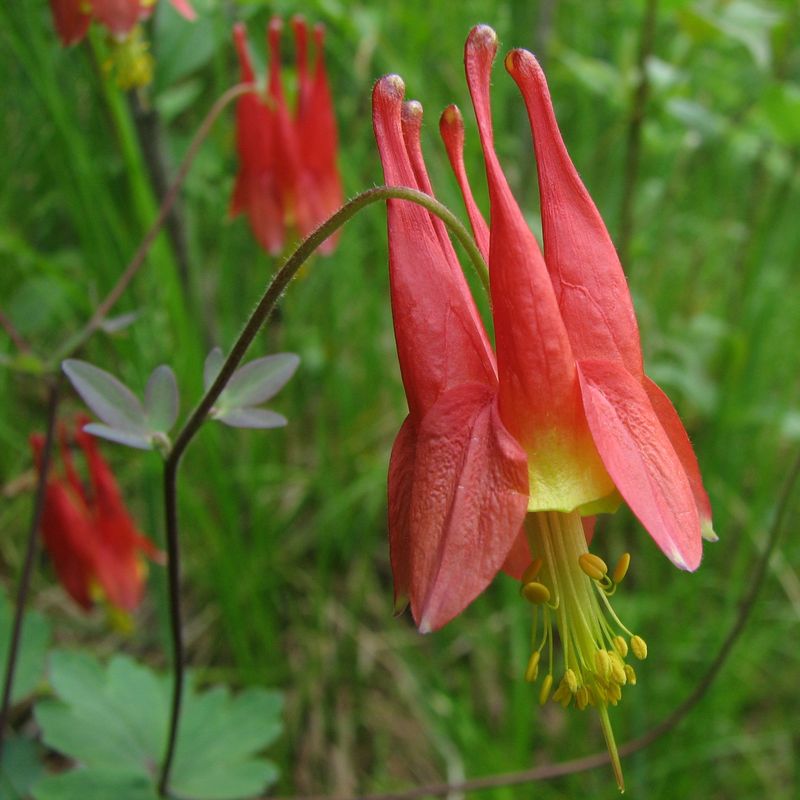
Dainty, whimsical, and genuinely one of the most charming wildflowers in the eastern United States, Wild Columbine has a look unlike anything else in the garden. Its nodding red and yellow blooms have spurred petals that spiral backward in an elegant, almost fairy-tale-like shape.
Ruby-throated hummingbirds arrive right on schedule every spring specifically to sip nectar from these unique flowers. It thrives in zones 3–8 and is particularly well-suited to cooler or shaded parts of Tennessee.
Wild Columbine thrives in partial to full shade, which makes it an outstanding choice for woodland gardens or shaded borders under trees. It prefers well-drained, rocky or sandy soil and actually does better when you do not over-fertilize it.
This is one plant that truly appreciates being left a little bit on the lean side when it comes to soil nutrition.
It blooms in early spring, usually from March through May, filling that gap before summer flowers take over and keeping the garden colorful all season. After flowering, the feathery foliage stays attractive for the rest of the growing season.
Wild Columbine self-seeds freely and pops up in unexpected spots around the garden, which gives it a wonderfully spontaneous, natural feel that no amount of careful planning could ever quite replicate. It is pure garden magic.
6. Trout Lily (Erythronium Americanum)
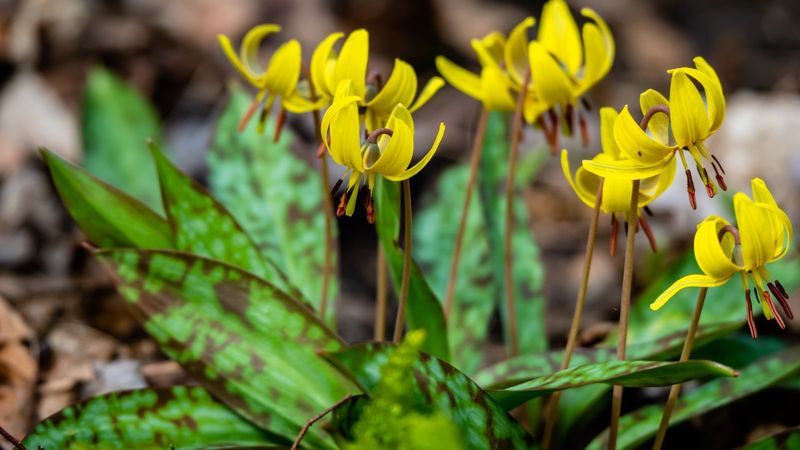
Spring has a secret signal in the woodland gardens of the eastern United States, and it comes in the form of the Trout Lily. Trout Lily grows in zones 3–8 and performs best in cooler, woodland areas of eastern Tennessee.
Named for the brown-mottled pattern on its leaves that resembles the markings of a brook trout, this little wildflower pushes up through the leaf litter before most plants have even thought about waking up.
Seeing those speckled leaves emerge is one of the most exciting signs that warm weather is finally on its way.
Each plant produces a single nodding yellow flower that opens on sunny days and closes again at night, giving it an almost magical quality. Trout Lily spreads slowly by underground runners, forming dense, beautiful colonies across the forest floor over many years.
Patience is key with this one because it can take several seasons to really get going, but the reward is absolutely worth it.
It thrives in rich, moist, well-drained soil under the dappled shade of deciduous trees. Since it goes dormant by early summer, pair it with shade-loving ferns or hostas to fill in the space it leaves behind.
Trout Lily is a true native gem that brings early-season beauty and ecological value to any naturalized garden space, supporting early-emerging native bees when food is still scarce.
7. Blue Wild Indigo (Baptisia Tinctoria)
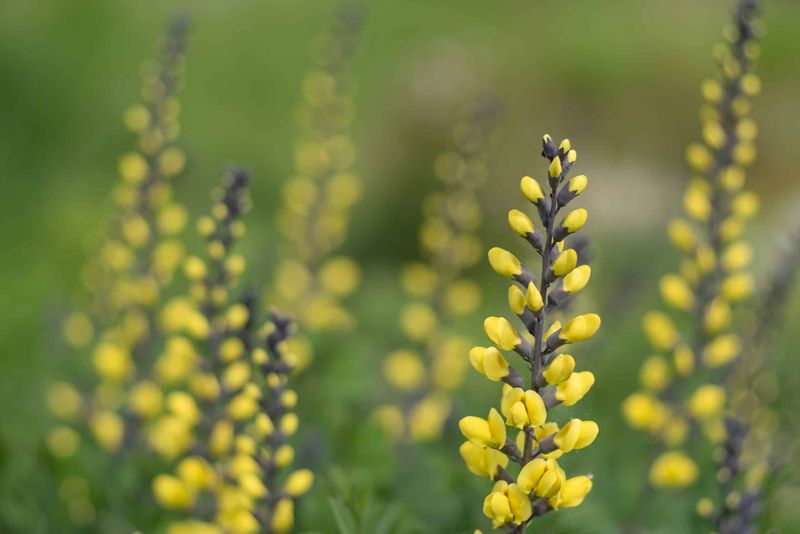
Here is a wildflower with a genuinely fascinating history hiding behind its cheerful yellow blooms.
Baptisia tinctoria, sometimes called yellow wild indigo, was historically used as a blue dye substitute when true indigo was hard to come by, giving it a colorful past that matches its vibrant personality.
It has been growing across the eastern woodlands for centuries and looks just as beautiful today in a modern garden setting.
This sun-loving perennial produces clouds of small bright yellow flowers on bushy, blue-green stems from late spring through midsummer. It is remarkably drought-tolerant once established and actually prefers poor, sandy, or rocky soils over rich amended beds.
Giving it too much fertilizer tends to make it floppy, so less really is more with this particular plant.
Baptisia tinctoria is a nitrogen-fixer, meaning it improves the soil around it naturally, making it a great companion for neighboring plants.
Bumblebees are especially fond of it, and watching them tumble around the flowers is endlessly entertaining on a warm afternoon.
Plant it in a sunny meadow garden or along a dry slope where other plants struggle, and it will reward you with years of reliable, low-fuss color and ecological benefit season after season.
Blue or yellow wild indigo adapts to zones 3–9 and does well in a variety of Tennessee conditions.
8. Virginia Bluebells (Mertensia Virginica)
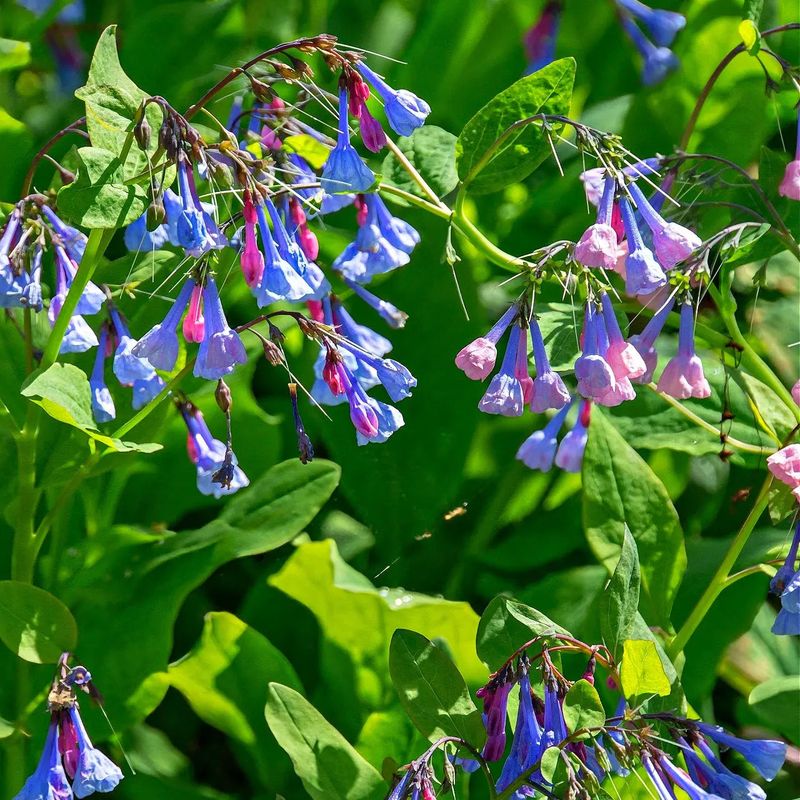
Nothing quite prepares you for the first time you see a mass planting of Virginia Bluebells in full bloom. Soft pink buds open into the most breathtaking sky-blue tubular flowers, and when they cover a shaded garden bed in early spring, the effect is absolutely dreamlike.
They are one of the most stunning native wildflowers in the eastern United States and deserve far more attention than they typically get.
Virginia Bluebells love moist, rich soil and partial to full shade, making them ideal for planting along stream banks, pond edges, or under the canopy of large trees. They bloom in April and May, creating a spectacular show right when the garden needs color most after the long winter.
Like Trout Lily, they go dormant by early summer, so plan your garden layout accordingly to avoid bare patches.
Pair them with ferns, hostas, or other shade-lovers that will fill in gracefully after the bluebells fade away. They spread by seed and underground rhizomes, slowly forming gorgeous colonies that get better every year.
Native bees and early butterflies rely on them as an important early nectar source. Once you grow Virginia Bluebells, you will find yourself looking forward to their return every single spring without fail.
In damp, shaded spaces, Virginia bluebells flourish across zones 3–8 with strong spring displays.
9. Butterfly Weed (Asclepias Tuberosa)
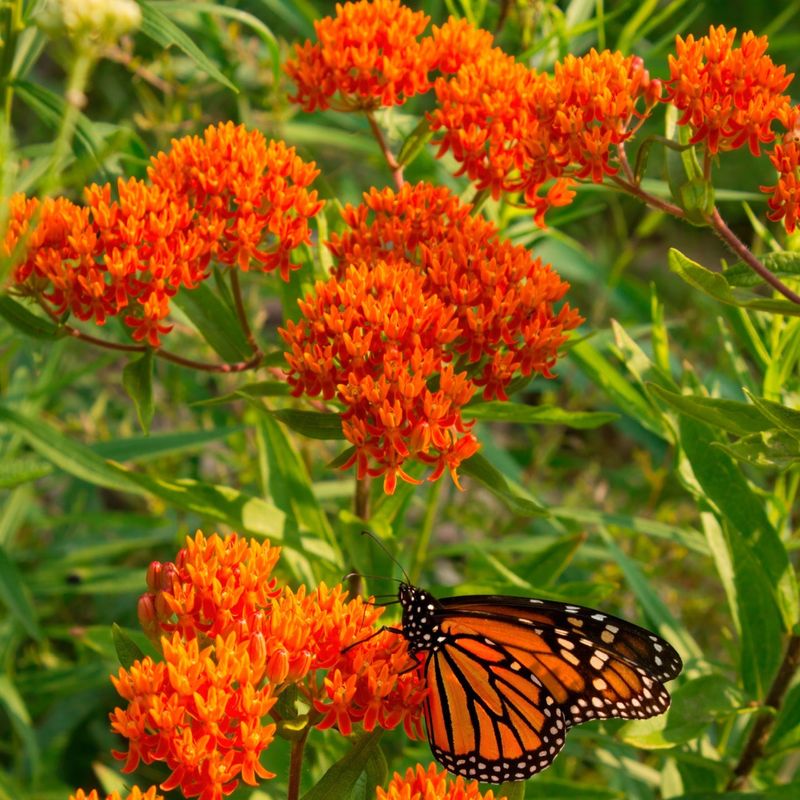
Bright orange, bold, and covered in butterflies on a warm summer day, Butterfly Weed is basically a garden party in plant form.
It is a native milkweed species, which means it is one of the most important plants you can grow for monarch butterflies, whose populations have been declining for years.
In dry, sunny locations, butterfly weed thrives across zones 3–9 and performs consistently well. Planting it is a real, meaningful way to help support one of nature’s most iconic creatures right from your own yard.
Unlike many milkweeds, Butterfly Weed does not spread aggressively or produce messy sap, making it one of the most garden-friendly members of the milkweed family.
It thrives in full sun and well-drained, even sandy or rocky soil, and it handles drought with impressive ease once established. Avoid disturbing the roots after planting because it has a deep taproot that dislikes being moved.
The clusters of flame-orange flowers bloom from June through August and are followed by attractive seed pods that split open to release silky, wind-borne seeds in autumn.
Planting it in groups of three or more creates a stronger visual impact and gives visiting monarchs a larger landing zone.
Butterfly Weed is a must-have native wildflower for any sunny garden space, offering stunning color and genuine ecological value all in one remarkable plant.
10. Wild Bergamot (Monarda Fistulosa)
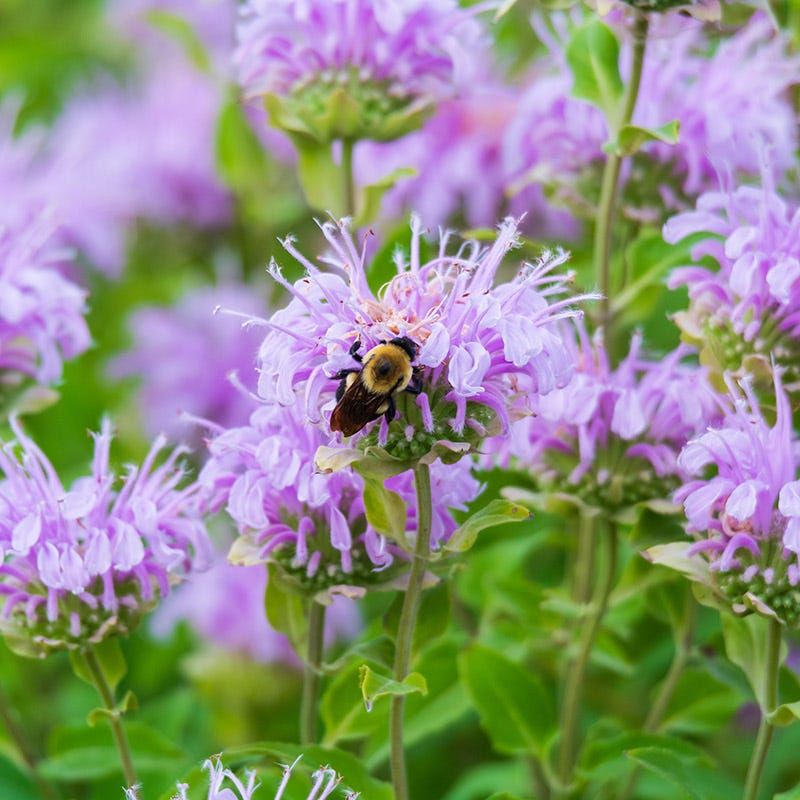
Rub a leaf of Wild Bergamot between your fingers and you will instantly understand why this plant has been treasured for centuries.
The strong, oregano-like fragrance is intoxicating, and the lavender-pink pompom blooms that top each stem are equally impressive.
Bees, butterflies, hummingbirds, and hummingbird moths all flock to it, turning your garden into a buzzing, fluttering spectacle all summer long.
Wild Bergamot is wonderfully adaptable and grows well in full sun to light shade with average, well-drained soil. It is highly drought-tolerant once established and spreads by rhizomes to form attractive, airy clumps over time.
Cutting it back by half in late spring encourages bushier growth and even more flowers, which is a simple trick that really pays off come midsummer.
This plant has a rich history of use among Native American tribes, who brewed it into teas and used it for a variety of medicinal purposes. It is a close relative of the popular garden plant Bee Balm and shares many of the same pollinator-attracting qualities.
Growing Wild Bergamot in a sunny meadow garden or mixed border brings authentic native beauty to any outdoor space while doing something genuinely good for the local ecosystem at the same time.
Across a range of conditions, wild bergamot succeeds in zones 3–9 while attracting pollinators.