7 Natural Slug Control Methods Oregon Gardeners Swear By
Slugs are one of the most persistent pests in Oregon gardens, and they can quickly turn a thriving patch of vegetables or flowers into a slimy mess. Luckily, you don’t have to rely on harsh chemicals to keep them in check.
There are plenty of natural methods that Oregon gardeners swear by to protect their plants safely and effectively.
From simple barriers to companion planting, these approaches work with nature rather than against it. Many strategies are easy to implement, low-maintenance, and friendly for kids, pets, and beneficial insects.
Even small changes in how you care for your garden, like watering at the right time or creating slug-deterring habitats, can make a big difference.
Whether you’ve struggled with slugs before or want to prevent problems before they start, understanding natural control methods gives you a head start. You can enjoy healthy, thriving plants without worrying about unwanted guests.
Let’s explore seven natural slug control methods that Oregon gardeners rely on. With these tips, you can protect your vegetables, flowers, and herbs while keeping your garden eco-friendly, productive, and a little less slimy this season.
1. Hand Removal At The Right Time
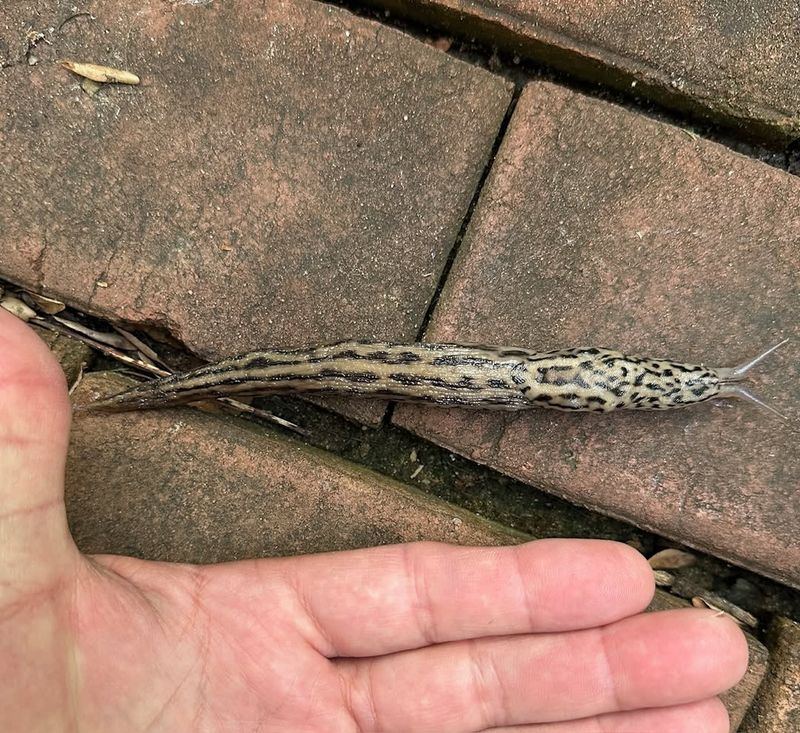
Early morning walks through your garden can become surprisingly effective slug-hunting missions if you know when to look.
Slugs are most active during cool, damp hours, right around dawn or just after a rain shower, which means you’ll find them out in the open, feasting on your plants instead of hiding under debris.
Grab a flashlight if it’s still dim, and you’ll spot them on leaves, stems, and along the soil surface.
Oregon’s mild, moist mornings create perfect slug activity windows that last longer than in drier climates. This gives you more time to catch them before they retreat into hiding spots for the day.
Bring a small container with soapy water or a jar with a lid, and simply pluck slugs off your plants and drop them in.
You might feel squeamish at first, but hand removal becomes oddly satisfying once you see the immediate results. It’s free, requires no special equipment, and lets you target problem areas directly.
Plus, you’re removing egg-laying adults before they can reproduce, which helps reduce future populations significantly.
Consistency matters more than a single big effort. Check your garden every few mornings during peak slug season, usually April through June in Oregon, and you’ll notice fewer damaged plants each week.
This method works best when combined with other strategies, but it’s one of the most direct ways to take control of your slug problem right away.
2. Copper Barriers Around Beds And Pots
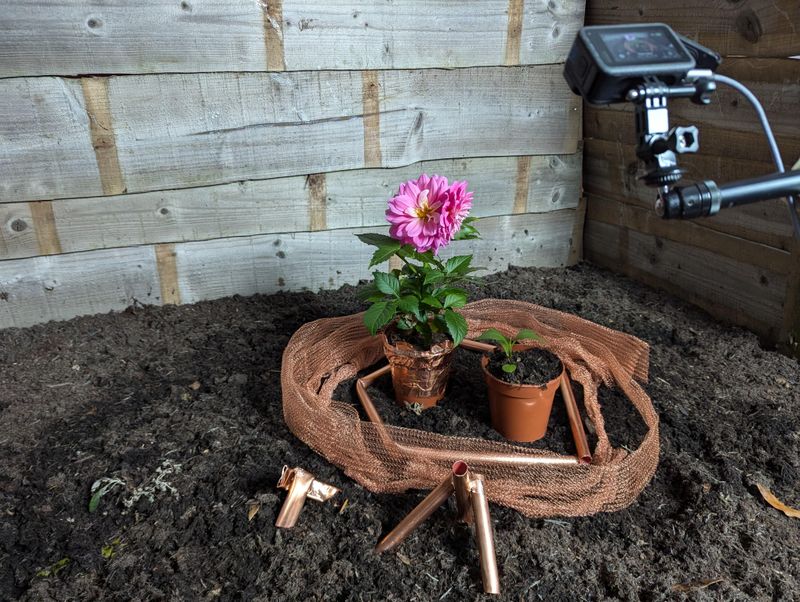
Copper has a strange effect on slugs that gardeners have relied on for generations, it creates a mild electrical charge when slugs try to cross it, making them turn back almost instantly.
You can buy copper tape, strips, or mesh and place them around raised beds, pots, or individual plants to create a protective barrier.
The reaction happens because slug slime interacts with copper ions, delivering a tiny shock that’s harmless but highly effective.
In Oregon’s rainy climate, copper barriers hold up remarkably well since they don’t wash away or degrade quickly like some other deterrents. Just make sure the copper stays clean and free of dirt or plant debris, which can create bridges for slugs to cross over.
Wipe your copper strips down every few weeks to maintain their effectiveness.
Installing copper barriers is straightforward, wrap copper tape around the rim of pots or attach copper strips along the edges of raised beds, ensuring there are no gaps.
For in-ground beds, you can create a perimeter by pushing copper mesh a few inches into the soil and leaving a few inches above ground.
This method works best for smaller, defined areas rather than sprawling garden spaces. Container gardeners and folks with compact raised beds see excellent results because slugs simply can’t reach the plants.
It’s a one-time investment that lasts for years, making it one of the most cost-effective natural slug controls available for Oregon gardeners.
3. Beer Traps And Yeast Solutions
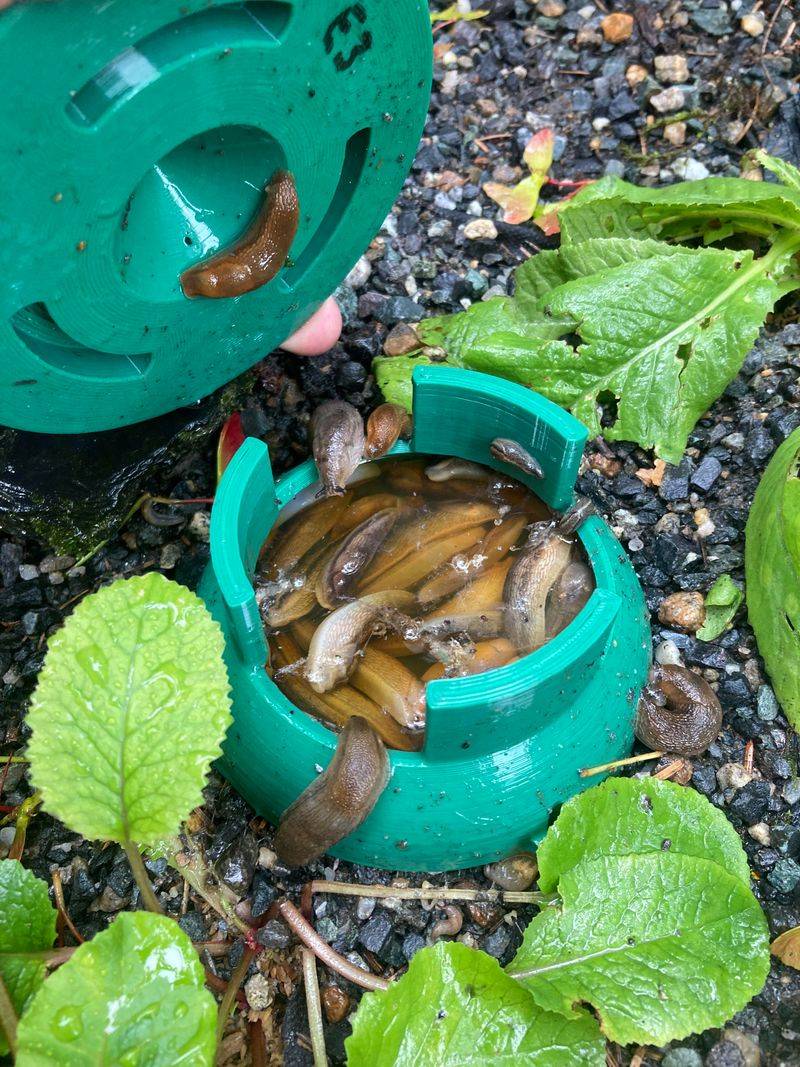
Slugs are surprisingly attracted to the smell of fermenting yeast, which makes beer traps one of the oldest and most popular natural control methods around.
You don’t need fancy craft beer, cheap, flat beer works just as well, or you can make your own yeast solution by mixing a tablespoon of sugar, a packet of yeast, and warm water.
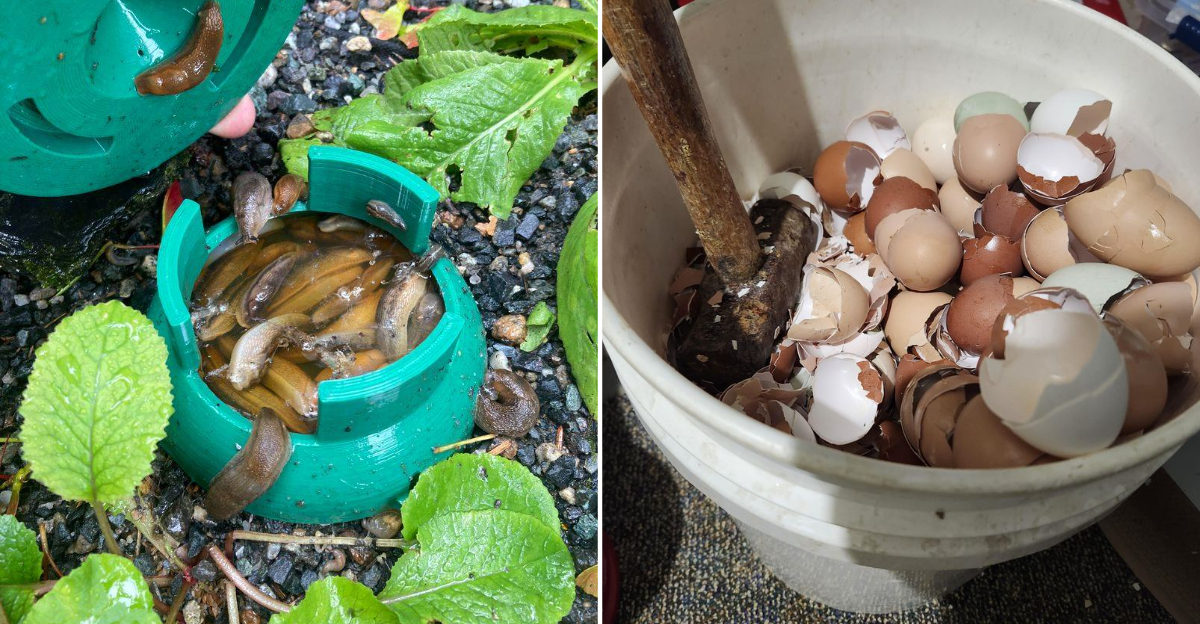
Pour the liquid into shallow containers like yogurt cups or repurposed tuna cans, and bury them so the rim sits level with the soil surface.
Oregon’s damp evenings mean slugs are out searching for food and moisture, and they’ll crawl right into your traps overnight. The yeast smell draws them in from several feet away, and once they fall into the liquid, they drown.
Check your traps every morning and empty them out, you’ll be amazed at how many slugs you catch in just one night during peak season.
Place traps near vulnerable plants like lettuce, hostas, or young seedlings, spacing them about every six to eight feet throughout your garden. Refresh the liquid every few days or after heavy rain, since it loses potency and can overflow with water.
Some gardeners worry about attracting more slugs from neighboring yards, but research shows traps mainly catch slugs already living nearby.
This method works best as part of a broader strategy, helping you reduce adult populations while you tackle habitat and moisture issues at the same time.
4. Encouraging Natural Predators
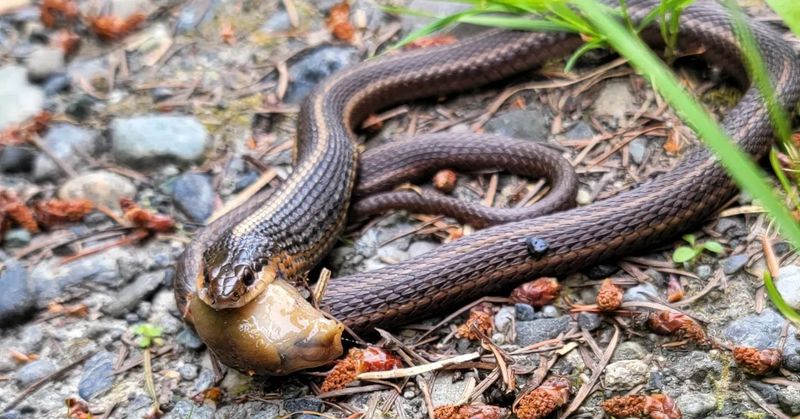
Nature has its own slug control team, and inviting these helpful creatures into your garden can make a huge difference without any effort on your part.
Ground beetles, garter snakes, frogs, toads, and certain birds like robins and thrushes all love to eat slugs and will happily patrol your beds if you give them the right habitat.
Oregon’s ecosystem naturally supports many of these predators, so you’re just helping them feel welcome.
Create inviting spaces by leaving small piles of rocks, logs, or overturned pots in shady corners where beetles and amphibians can shelter during the day. A shallow dish of water encourages toads and frogs to stick around, and they’ll hunt slugs all night long.
Avoid using any pesticides, even organic ones, since they can harm beneficial insects and animals you’re trying to attract.
Ground beetles are especially effective, a single beetle can eat dozens of slugs and slug eggs throughout the season.
They prefer undisturbed mulch and leaf litter, so leaving some wild edges around your garden gives them places to hide and breed.
Birds need perches and water sources, so consider adding a birdbath or a few strategically placed branches.
This method takes a bit of patience since predator populations build up over time, but it’s incredibly rewarding to watch nature balance itself out.
Once established, these predators provide ongoing slug control year after year without any extra work from you, making your garden healthier and more biodiverse overall.
5. Reducing Moist Hiding Places
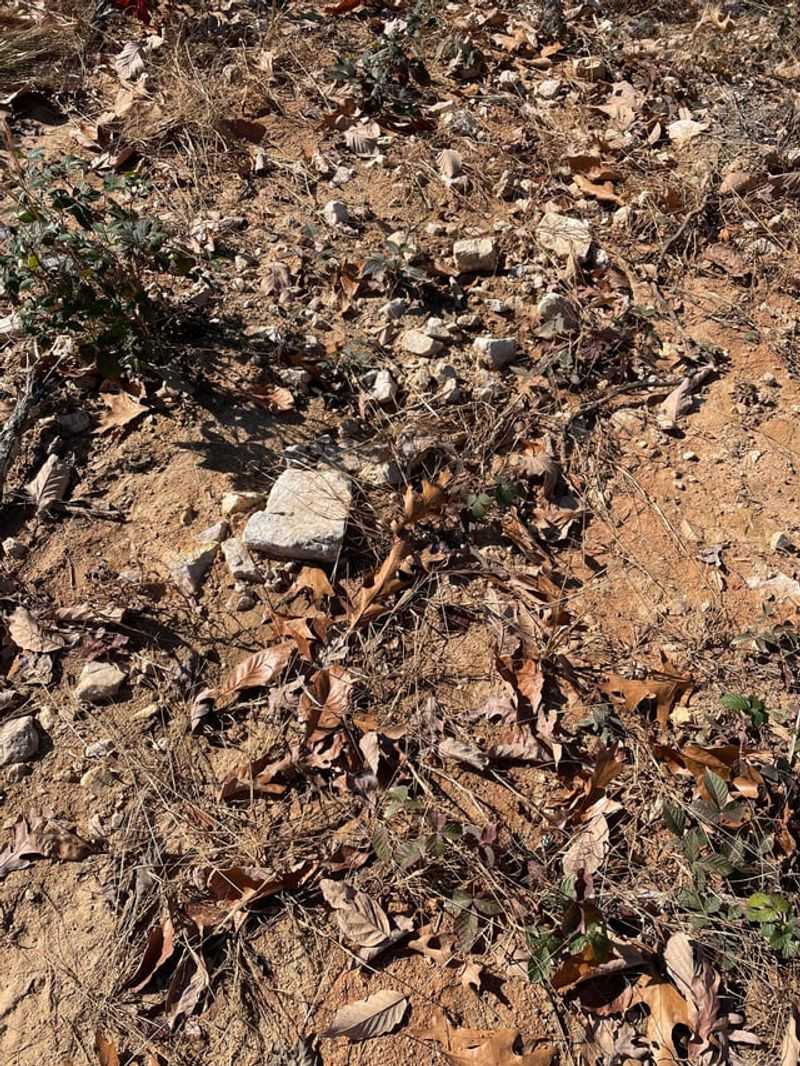
Slugs need moisture to survive, and they spend their days hiding in damp, dark spots where they won’t dry out in the sun.
Your garden probably has more slug hideouts than you realize, boards lying on the ground, dense ground covers, thick mulch layers, piles of plant debris, and overgrown weedy patches all provide perfect daytime shelters.
By tidying up these areas, you force slugs out into the open where they’re more vulnerable to predators and dry conditions.
Walk through your garden and look for anywhere slugs might be tucking themselves away during daylight hours.
Lift up old boards, bricks, or pots that have been sitting in one spot for a while, and you’ll likely find dozens of slugs underneath.
Clear away fallen leaves, pull back excess mulch from plant stems, and trim back dense foliage that touches the ground and stays wet all day.
Oregon’s long wet season means slugs can thrive almost anywhere with cover, so reducing their habitat is especially important here. Space your plants a bit farther apart to improve air circulation, which helps soil and foliage dry out faster between rains.
Keep pathways clear and avoid letting grass or weeds creep into your beds, since slugs love to hide in those transition zones.
This method doesn’t eliminate slugs entirely, but it makes your garden far less hospitable and reduces their population over time.
Fewer hiding spots mean fewer slugs surviving to reproduce, which translates into less damage on your plants throughout the growing season.
6. Watering Earlier In The Day
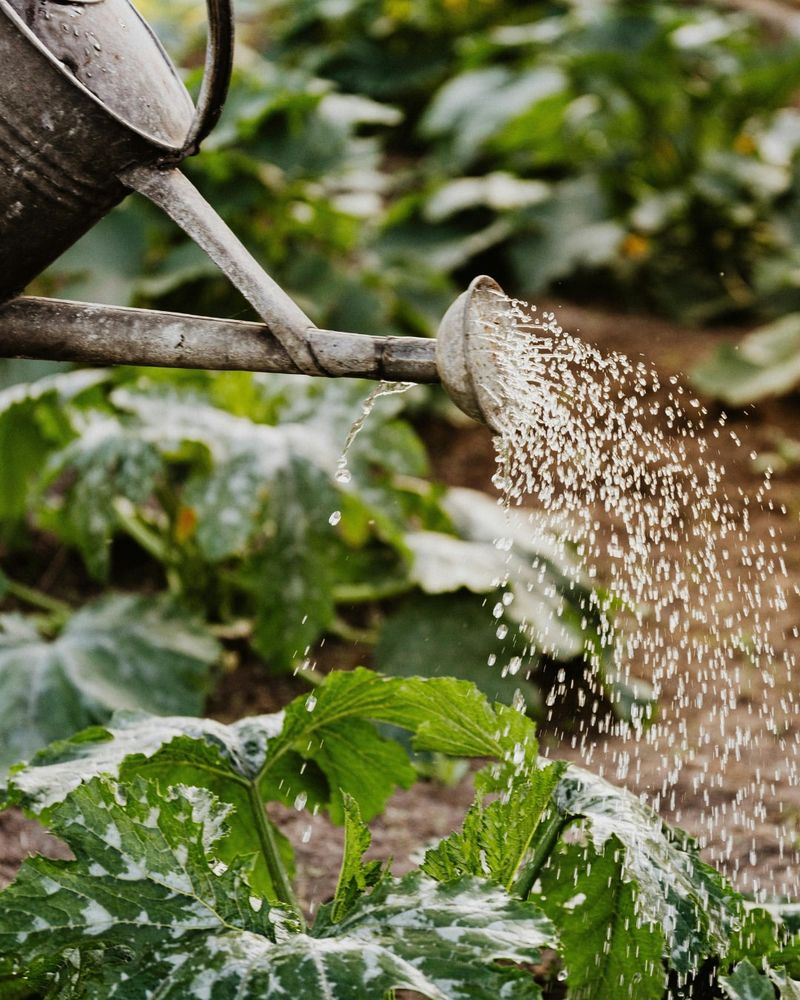
Timing your watering schedule might seem like a small detail, but it can dramatically reduce slug activity in your garden.
Slugs are nocturnal and need moisture to move around, so if your soil and plants are wet at night, you’re basically rolling out the welcome mat for them.
Watering in the morning or early afternoon gives plants plenty of time to absorb moisture while allowing foliage and soil surfaces to dry out by evening.
Oregon gardens often stay damp naturally thanks to our frequent rain, but you still have control over irrigation timing. Switch your sprinklers or drip systems to run early in the day, ideally finishing by mid-morning.
This way, your plants get the water they need, but slugs face drier conditions when they emerge to feed after dark.
Dry foliage at night also helps prevent fungal diseases, which thrive in the same damp conditions slugs love, so you’re solving multiple problems at once. If you hand-water, do it in the morning and focus on the soil rather than wetting leaves unnecessarily.
During rainy stretches, you obviously can’t control natural moisture, but adjusting your irrigation habits during drier periods makes a noticeable difference.
This method works best when combined with habitat reduction and other deterrents, since it limits slug movement rather than eliminating them entirely.
Gardeners who make this simple scheduling change often report significantly less slug damage, especially on tender young plants that are most vulnerable to nighttime feeding.
7. Using Rough Mulches And Textures
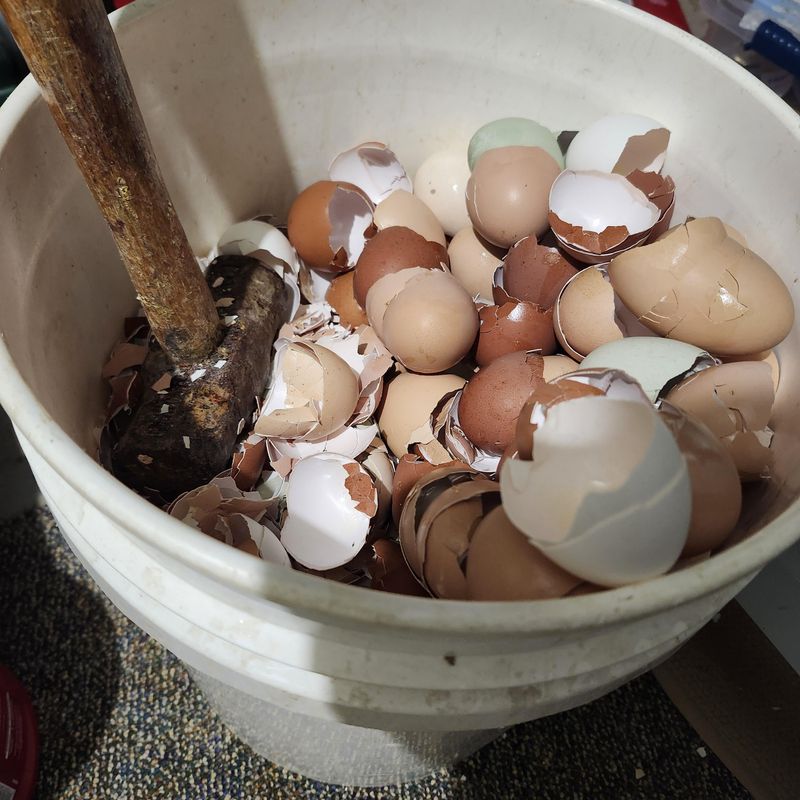
Slugs have soft, slimy bodies that make traveling across rough, scratchy surfaces extremely uncomfortable and difficult for them.
By choosing mulches and ground covers with sharp or abrasive textures, you create natural barriers that slugs avoid whenever possible.
Materials like crushed eggshells, diatomaceous earth, wood chips, pine needles, or coarse sand all work well because slugs struggle to glide over them without drying out or getting injured.
In Oregon’s wet climate, some rough mulches lose effectiveness faster than others since rain can wash them away or soften their edges. Crushed eggshells and diatomaceous earth need frequent reapplication after heavy rains, but wood chips and pine needles hold up much better and provide long-lasting protection.
Spread a two- to three-inch layer around vulnerable plants, creating a barrier zone that slugs have to cross to reach your prized lettuce or hostas.
Diatomaceous earth is particularly effective when dry because its microscopic sharp edges damage slug skin, causing them to dehydrate.
However, it stops working when wet, so it’s best used under eaves, in greenhouses, or during Oregon’s brief dry spells.
Wood chips and bark mulch offer the added benefit of suppressing weeds and improving soil as they break down over time.
This method works well for protecting individual plants or small garden areas, but it’s less practical for large spaces due to cost and effort.
Combine rough mulches with other strategies for best results, and refresh your barriers as needed throughout the growing season to maintain their slug-deterring texture.