9 Nectar-Rich Native Plants Oregon Butterflies Can’t Resist
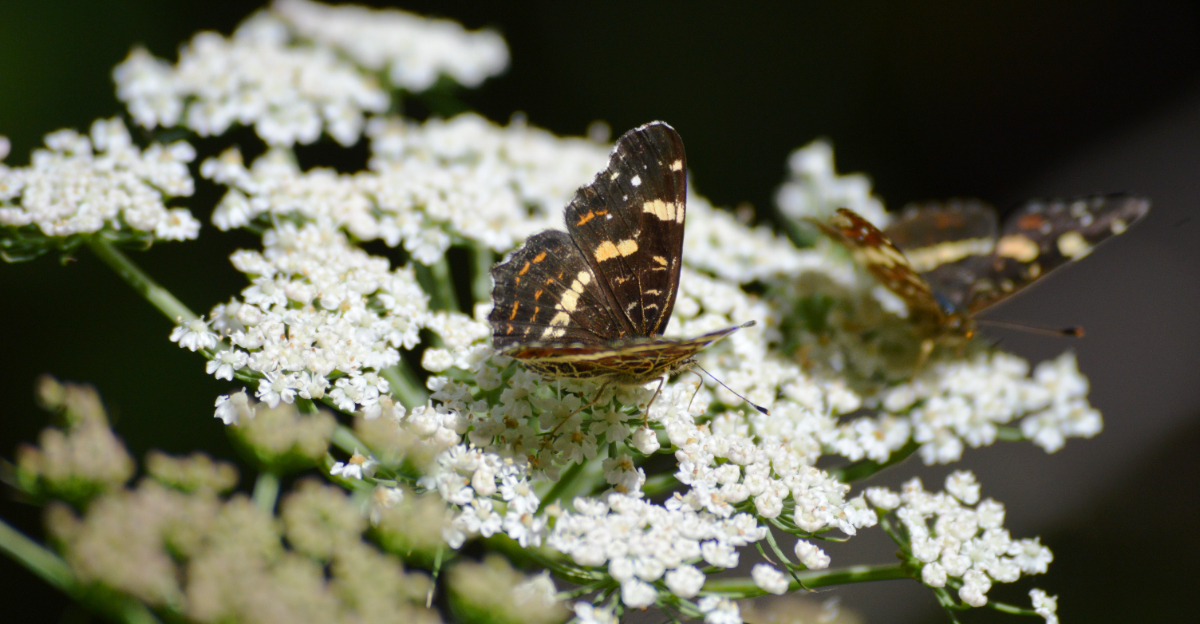
Oregon gardens are full of hidden magic when butterflies start showing up. These delicate visitors aren’t just pretty, they’re busy pollinators that help your flowers, shrubs, and even vegetables thrive.
Planting native species that are loaded with nectar is like rolling out a welcome mat for these colorful insects.
They’ll flit, sip, and dance through your yard, bringing movement, life, and a touch of wonder to every corner.
Native plants are perfectly suited to the local climate and soil, which means they thrive with less fuss while giving butterflies the food and shelter they need.
Watching them hover over blooms and glide through the air is addictive, and gardeners often find themselves planning new flower beds just to attract more visitors.
Creating a butterfly-friendly space turns an ordinary yard into a lively, buzzing paradise that’s as good for the environment as it is for your own enjoyment.
1. Oregon Sunshine
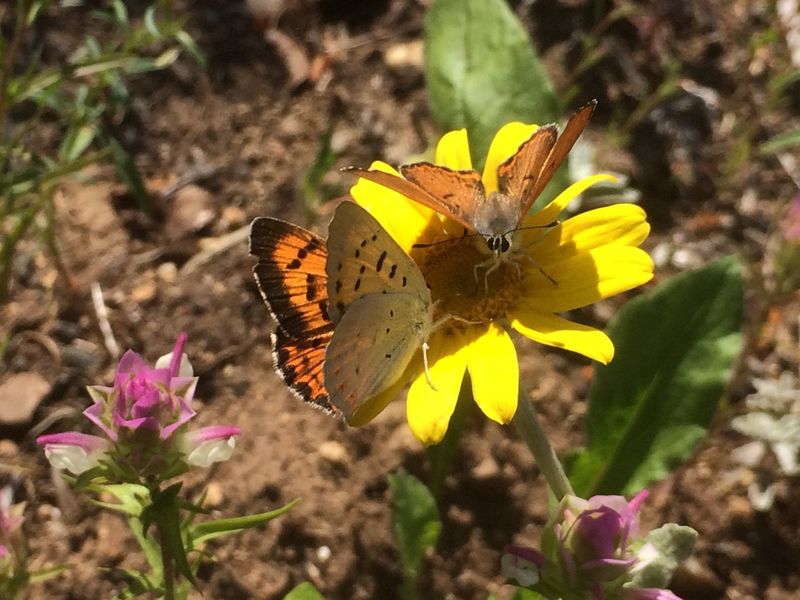
Sunny, cheerful, and practically irresistible to butterflies, Oregon Sunshine is one of the Pacific Northwest’s most beloved native wildflowers.
Its bold yellow blooms light up gardens from late spring through summer, making it a standout in any pollinator-friendly yard.
Butterflies love landing on the flat, open flower heads to sip nectar with ease.
Oregon Sunshine (Eriophyllum lanatum) grows well in dry, rocky, or sandy soil, which makes it a low-maintenance choice for Oregon gardeners. It thrives in full sun and handles drought like a champ once it gets established.
You won’t need to water it much, and it still rewards you with weeks of golden blooms.
Painted Ladies and Skippers are among the butterfly visitors most often spotted on this plant in Oregon. Planting it in clusters gives butterflies a bigger landing zone and makes your garden look stunning.
It also works beautifully along pathways or in rock gardens. If you want a native plant that pulls double duty as both a showstopper and a butterfly magnet, Oregon Sunshine belongs in your garden.
2. Red Flowering Currant
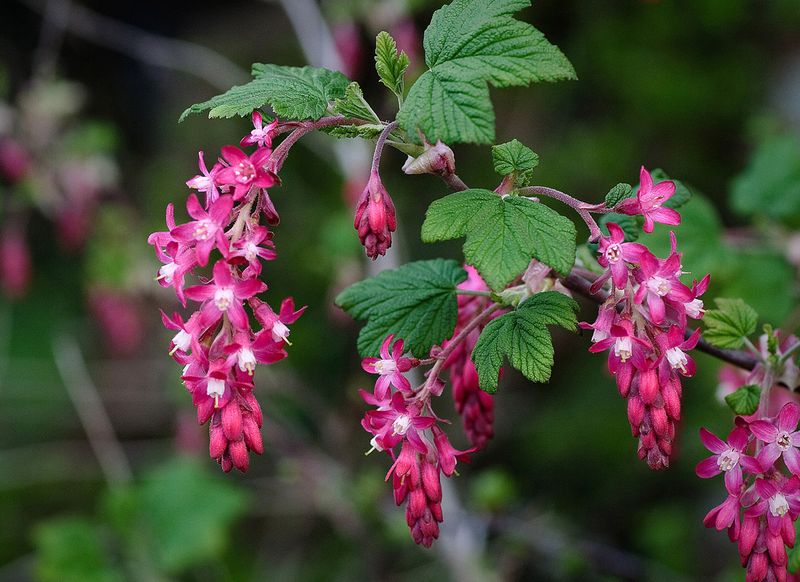
Before most other plants have even woken up from winter, Red Flowering Currant bursts into bloom with stunning clusters of deep pink to red flowers. Early-season butterflies in Oregon depend on this shrub as one of their first nectar sources of the year.
Mourning Cloaks and Anglewings are among the first to show up when this plant starts flowering in late winter or early spring.
Red Flowering Currant (Ribes sanguineum) is a native shrub that grows naturally across western Oregon and the Pacific Northwest. It can reach six to ten feet tall, making it a great choice for hedges or garden borders.
It tolerates a range of soil types and does well in both full sun and partial shade.
Beyond butterflies, hummingbirds also flock to its tubular flowers, so planting it means you get double the wildlife action. The shrub produces small blue-black berries after flowering, which birds enjoy later in the season.
For Oregon gardeners who want early color and early pollinators, Red Flowering Currant is a must-have native plant that gets the whole season off to a lively start.
3. Camas
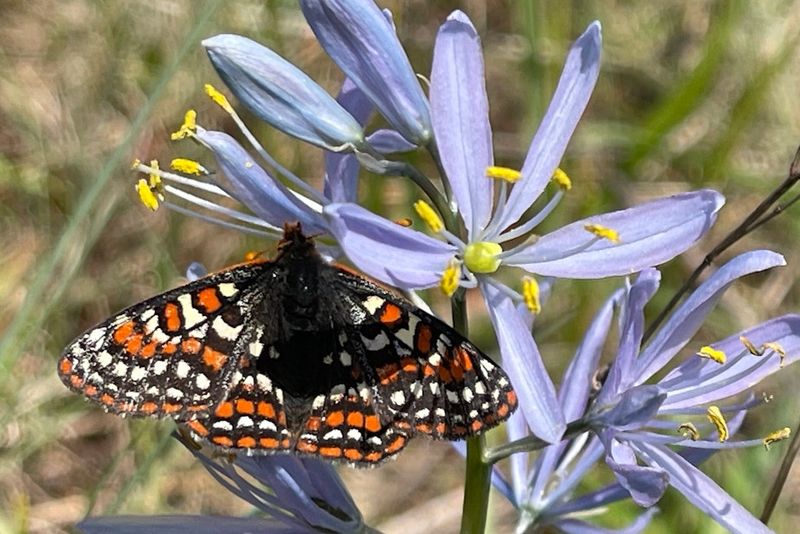
Few sights in Oregon are more breathtaking than a meadow filled with Camas in full bloom. The electric blue-purple flowers create sweeping waves of color across wet prairies and open woodlands from April through June.
Butterflies are naturally drawn to these blooms, using them as a reliable nectar stop during spring migration and early-season activity.
Camas (Camassia quamash) has deep roots in Oregon’s history. Indigenous peoples across the Pacific Northwest harvested its bulbs as a staple food for thousands of years.
Today, it plays an equally important role as a native pollinator plant. It grows best in moist, rich soil with full to partial sun and spreads naturally over time to form impressive colonies.
Spring Azure butterflies and various native bees are frequent visitors to Camas flowers. Planting it near a rain garden or low-lying area in your Oregon yard gives it the moisture it craves.
It pairs beautifully with other native wildflowers like Western Columbine and Blue-eyed Grass. Once established, Camas comes back year after year with almost no effort, rewarding you with one of Oregon’s most iconic wildflower displays every single spring.
4. Showy Milkweed
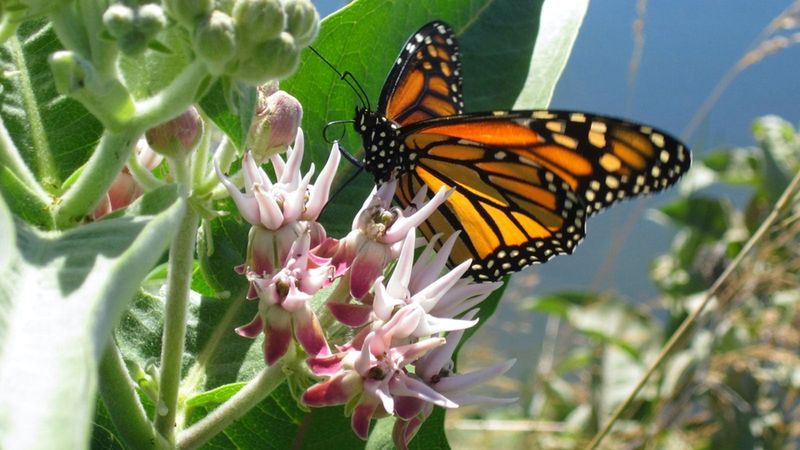
Ask any butterfly gardener in Oregon what the single most important plant in their yard is, and there’s a good chance they’ll say Showy Milkweed.
Monarch butterflies depend on milkweed not just for nectar but as the only plant where they lay their eggs.
Without it, monarch caterpillars simply cannot survive, making this plant absolutely critical to the species.
Showy Milkweed (Asclepias speciosa) produces beautiful clusters of pale pink, star-shaped flowers that bloom from late spring into summer. The flowers have a sweet fragrance that attracts not only monarchs but also Swallowtails, Fritillaries, and many native bee species.
It grows naturally in eastern Oregon’s drier regions but adapts well to sunny garden beds with well-drained soil.
One fun fact: the plant gets its name from those spectacular, oversized flower clusters that are hard to miss. It grows two to four feet tall and spreads through underground rhizomes, slowly filling in a patch over time.
Planting Showy Milkweed in a sunny spot in your Oregon garden is one of the most meaningful things you can do to support monarch butterfly populations across the Pacific Northwest.
5. Western Columbine
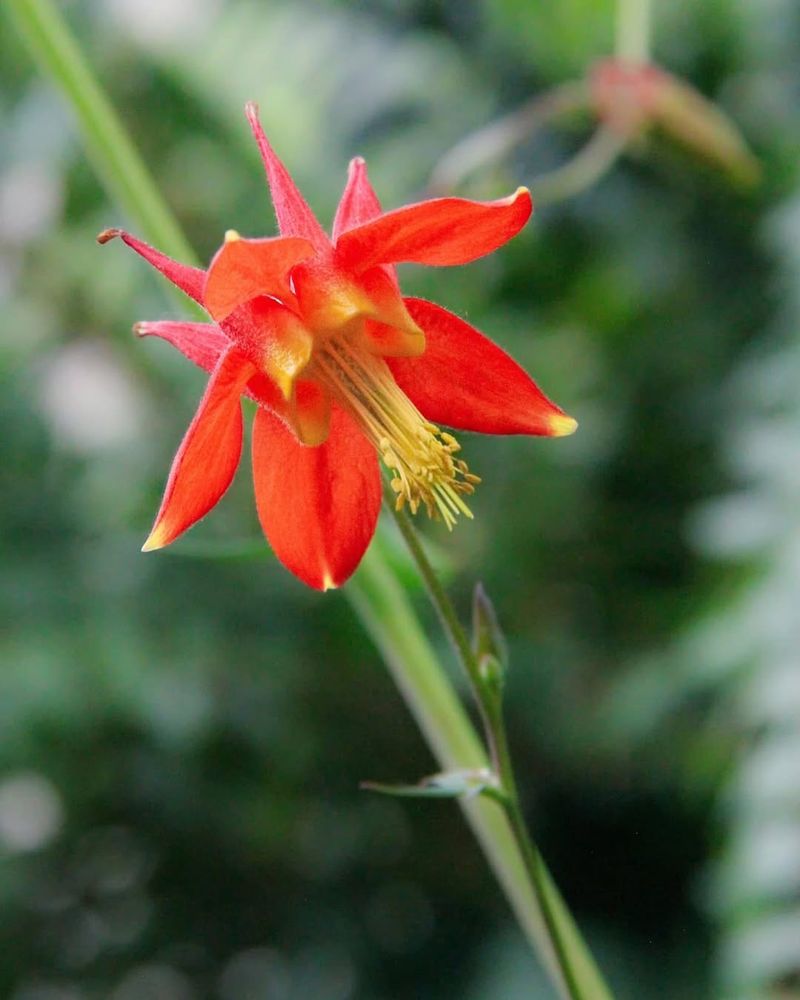
Delicate, nodding, and absolutely packed with nectar, Western Columbine is one of those plants that makes your Oregon garden feel like a living painting.
Its red and yellow tubular flowers dangle gracefully from slender stems, catching the eye of butterflies, hummingbirds, and garden visitors alike.
Blooming from April through July, it fills a critical window in the pollinator season.
Western Columbine (Aquilegia formosa) grows naturally in moist woodlands, stream banks, and mountain meadows across Oregon. In the garden, it prefers partial shade and well-drained, slightly moist soil.
It self-seeds freely, which means once you plant it, it tends to spread gently on its own and return year after year without much help from you.
Swallowtail butterflies are especially fond of Western Columbine’s long, spurred flowers, which are perfectly shaped for their feeding style. The plant grows one to three feet tall and looks stunning when grouped together or planted under deciduous trees.
It blends naturally with ferns, Camas, and other Pacific Northwest natives. For Oregon gardeners who want a woodland-style garden buzzing with life, Western Columbine brings both elegance and serious ecological value to any planting space.
6. Sticky Monkeyflower
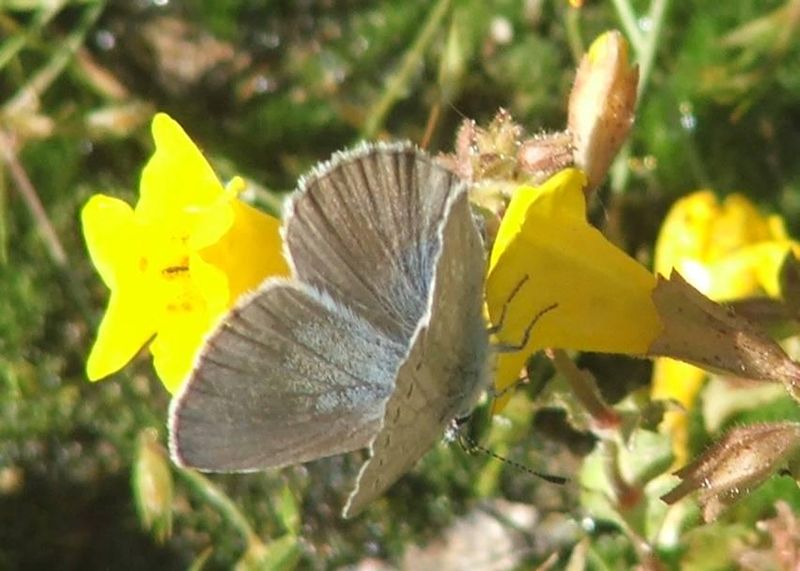
There’s something almost playful about Sticky Monkeyflower. Its bright orange blooms look like tiny open mouths, and the plant got its quirky name from the way its flowers resemble a monkey’s face.
But beyond the fun name, this native Oregon plant is a serious nectar producer that butterflies and hummingbirds actively seek out all season long.
Sticky Monkeyflower (Diplacus aurantiacus) thrives in dry, sunny spots with rocky or sandy soil, making it a natural fit for Oregon’s drier coastal and inland areas.
It blooms from late spring through fall, giving it one of the longest flowering windows of any native plant in the Pacific Northwest.
The sticky stems and leaves help protect it from many garden pests.
Checkered Skippers and various Swallowtails are among the butterflies most commonly seen visiting this plant in Oregon. It grows into a rounded shrub about two to four feet tall and pairs nicely with other drought-tolerant natives like Oregon Sunshine and Yarrow.
It requires very little water once established, making it a smart, eco-friendly choice. Planting Sticky Monkeyflower along sunny slopes or garden borders creates a season-long nectar buffet that Oregon butterflies absolutely love.
7. Vine Maple
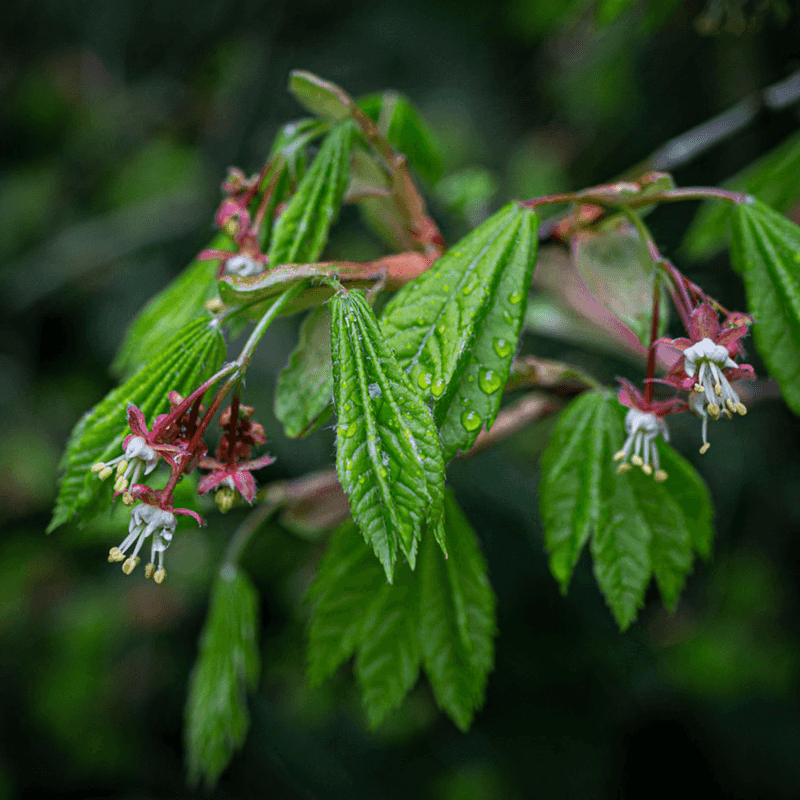
Most people think of Vine Maple as a fall foliage showstopper, and they’re right. But what often goes unnoticed is how valuable this native Oregon tree is to butterflies in the spring.
When Vine Maple blooms in April and May, its small clusters of red and white flowers offer an early nectar source that many butterfly species in the Pacific Northwest rely on.
Vine Maple (Acer circinatum) is a multi-stemmed small tree or large shrub that grows naturally in Oregon’s moist forests and stream corridors.
It handles shade beautifully, making it one of the few butterfly-supporting native plants that thrives under a forest canopy.
In fall, its leaves turn brilliant shades of orange, red, and yellow, adding seasonal interest to your yard.
Mourning Cloak butterflies are known to visit Vine Maple flowers in early spring when nectar sources are still scarce across Oregon.
The plant grows eight to twenty feet tall and works well as a privacy screen, woodland garden anchor, or streamside planting.
Pairing it with understory natives like Western Columbine creates a layered habitat that supports butterflies at multiple stages of the season. It’s a true Pacific Northwest native with year-round appeal.
8. Blue-eyed Grass
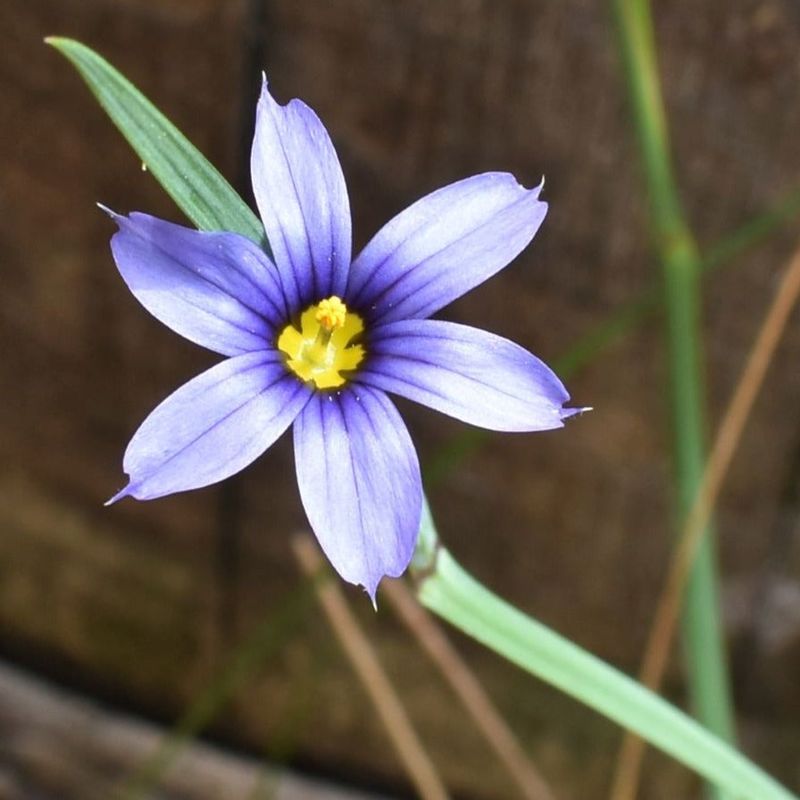
Small but mighty, Blue-eyed Grass punches way above its weight when it comes to attracting pollinators.
Despite its delicate, grass-like appearance, this native Oregon wildflower produces cheerful violet-blue flowers with a bright yellow center that butterflies find completely irresistible.
It blooms from spring through early summer, filling garden edges and meadows with a carpet of color.
Blue-eyed Grass (Sisyrinchium bellum) isn’t actually a grass at all. It belongs to the iris family, which explains those perfectly formed little star-shaped blooms.
It grows best in moist to moderately dry soil with full sun or light shade, and it’s a natural fit for Oregon’s wet prairies, rain gardens, and sunny borders. It stays compact, usually reaching just six to eighteen inches tall.
Skippers and small native bees are the most frequent visitors to Blue-eyed Grass flowers across Oregon. Because it stays low and neat, it works beautifully as a ground cover or border plant alongside taller natives like Camas and Showy Milkweed.
It self-seeds modestly, slowly spreading to fill in bare spots over time. For Oregon gardeners who want a low-effort, high-reward native plant with genuine butterfly appeal, Blue-eyed Grass is a quiet superstar worth every inch of garden space.
9. Yarrow
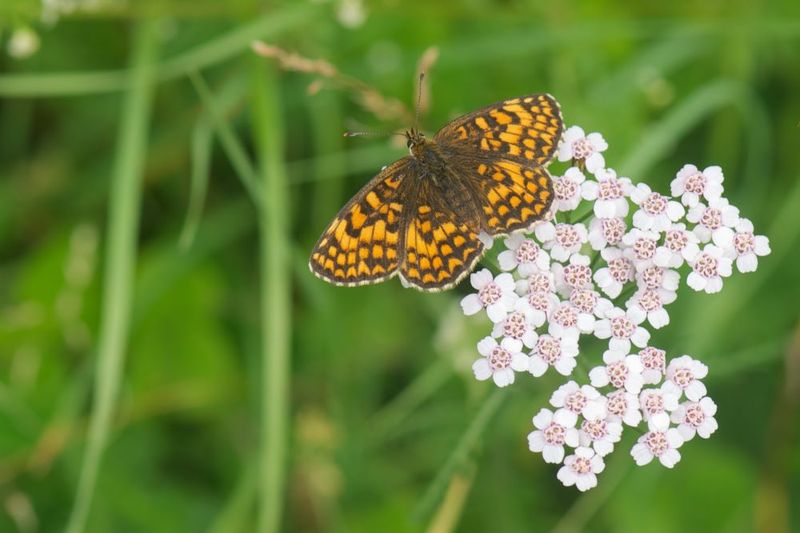
Walk through almost any sunny meadow or roadside in Oregon and you’re likely to spot Yarrow’s flat-topped clusters of tiny white flowers swaying in the breeze.
Butterflies love these flower heads because their flat shape creates a natural landing pad, making it easy to walk from bloom to bloom while sipping nectar.
It’s essentially a butterfly buffet table built right into the plant.
Yarrow (Achillea millefolium) is one of Oregon’s most adaptable native plants. It tolerates poor soil, drought, and full sun with ease, making it a go-to choice for low-maintenance pollinator gardens across the Pacific Northwest.
It blooms from late spring through fall, giving butterflies a reliable nectar source over a long stretch of the growing season.
Painted Ladies, Skippers, and Fritillaries are regulars on Yarrow in Oregon gardens. The plant grows one to three feet tall and spreads through rhizomes to form attractive clumps over time.
Its feathery, aromatic foliage adds texture even when it’s not in bloom. Yarrow also serves as a host plant for some butterfly species, making it doubly valuable.
Planting it in a sunny border or meadow garden is one of the easiest and most rewarding choices any Oregon butterfly gardener can make.