Neighbor’s Tree Damaged Your Fence In New Jersey? Here’s Who’s Really Responsible
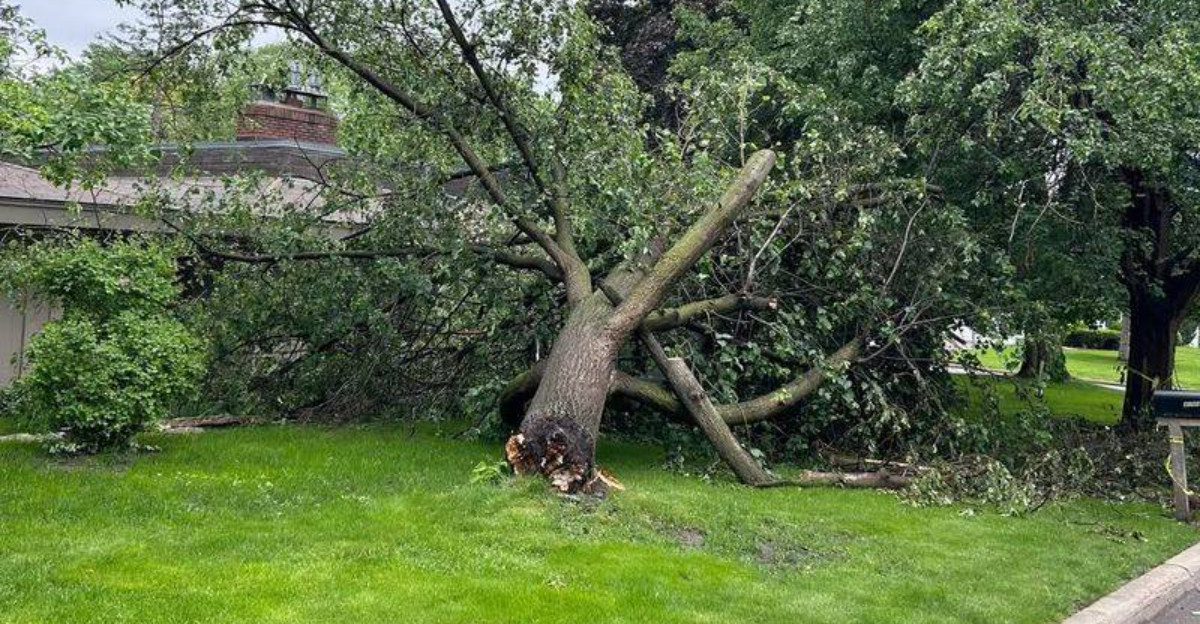
A fallen branch or leaning tree from a neighbor’s property can leave your fence battered and your wallet worried. In New Jersey, figuring out who is responsible isn’t always straightforward.
Liability depends on whether the tree was healthy, well-maintained, or neglected, and knowing the rules can save you from unnecessary stress, conflict, or unexpected costs. One rogue branch can spark more than yard damage, it can spark a legal headache.
If a healthy tree falls during a storm, the owner of the property where it landed is typically responsible for cleanup. However, if the tree was diseased or clearly neglected, the neighbor may be liable for the damage.
Insurance, prior warnings, and local ordinances also play a role in determining responsibility. Not every tree accident makes your neighbor automatically guilty, it’s all about circumstances.
New Jersey homeowners who understand these rules can approach the situation confidently, involve insurance if needed, and avoid unnecessary disputes. Handling fallen trees wisely ensures both property and neighborly relations are protected.
One tree can cause damage, but knowledge prevents disaster.
The Neighbor Is Not Automatically Responsible
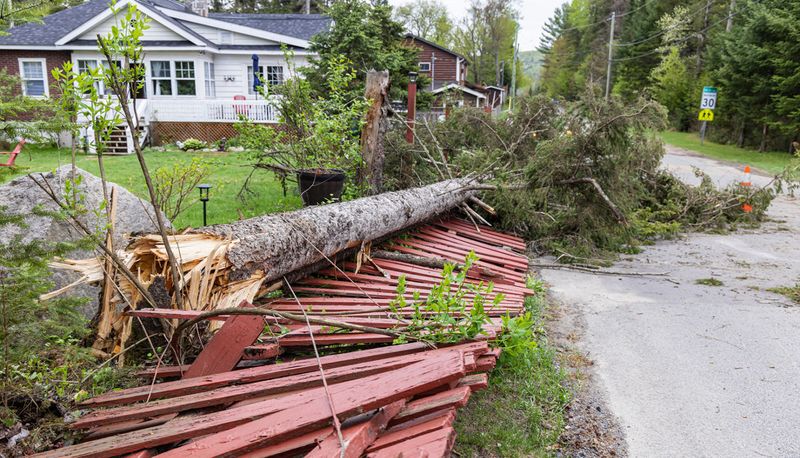
Property law in New Jersey operates on a principle that might surprise many homeowners who discover their fence crushed beneath a neighbor’s fallen tree.
Simply because the tree originated on someone else’s property doesn’t automatically make them financially liable for the damage it caused.
This concept stems from centuries-old common law traditions that recognize natural events as part of property ownership.
Courts across New Jersey have consistently ruled that tree ownership alone doesn’t establish fault when damage occurs. The legal system requires more than just proving where the tree’s roots were planted.
Without additional evidence of wrongdoing or carelessness, your neighbor walks away without paying a dime for your fence repairs.
This reality frustrates many homeowners who feel their neighbor’s tree should be their neighbor’s problem. However, the law views trees as natural features of the landscape, similar to rocks or hills.
Unless specific conditions exist that shift responsibility, each property owner must handle whatever lands on their side of the property line, regardless of where it came from originally.
Proof Of Prior Knowledge Is Critical
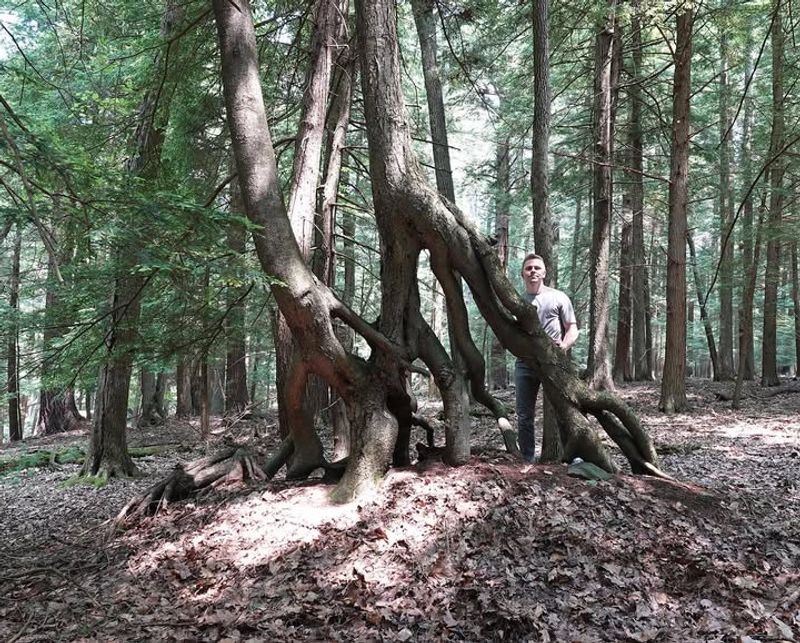
Building a successful case against a negligent neighbor requires more than just pointing at a fallen tree and claiming it looked unhealthy.
New Jersey courts demand concrete evidence demonstrating that the tree owner knew or reasonably should have known about the danger their tree posed. Documentation becomes your most powerful tool in establishing this critical element.
Written communications create an undeniable paper trail that courts find compelling. Emails, text messages, or certified letters sent to your neighbor expressing concern about their tree’s condition establish a timeline of awareness.
Professional arborist reports carry significant weight because they provide expert opinions about tree health and risk factors that laypeople might miss.
Photographs taken before the incident prove invaluable when arguing your case. Time-stamped images showing progressive deterioration demonstrate that the problem didn’t develop overnight.
Witness statements from other neighbors who observed the tree’s declining condition or heard you voice concerns add credibility to your claims.
Municipal records showing code enforcement complaints or tree inspection reports further strengthen your position by showing official recognition of the hazard your neighbor chose to ignore despite multiple warnings.
Your Insurance Often Pays First
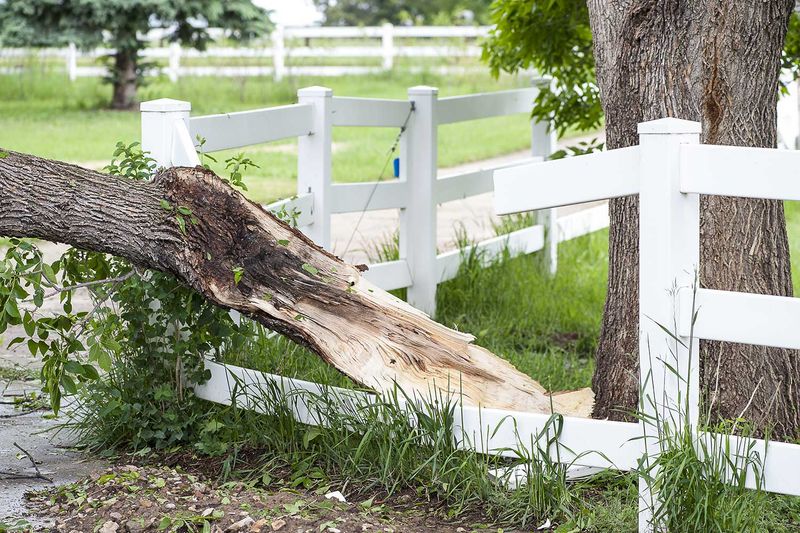
Navigating the financial aftermath of fence damage typically begins with a call to your own homeowner’s insurance company rather than your neighbor’s.
Most insurance policies include coverage for fence repairs under the property damage provisions, and companies generally process claims from their own policyholders first.
This approach speeds up repairs and prevents you from living with a damaged fence while liability disputes drag on for months.
Your insurance company will send an adjuster to assess the damage and determine the repair costs. After you pay your deductible, they’ll cover the remaining expenses according to your policy limits.
Many homeowners mistakenly believe this means they’re stuck with the costs, but insurance companies don’t simply forget about potentially negligent neighbors.
Through a legal process called subrogation, your insurance company may pursue reimbursement from your neighbor or their insurance carrier if evidence supports a negligence claim.
They’ll investigate the circumstances, gather evidence about the tree’s condition, and determine whether pursuing the neighbor makes financial sense.
This arrangement protects you from lengthy legal battles while ensuring that truly negligent parties eventually face consequences for their inaction in maintaining hazardous trees on their property.
Negligence Can Make The Tree Owner Responsible
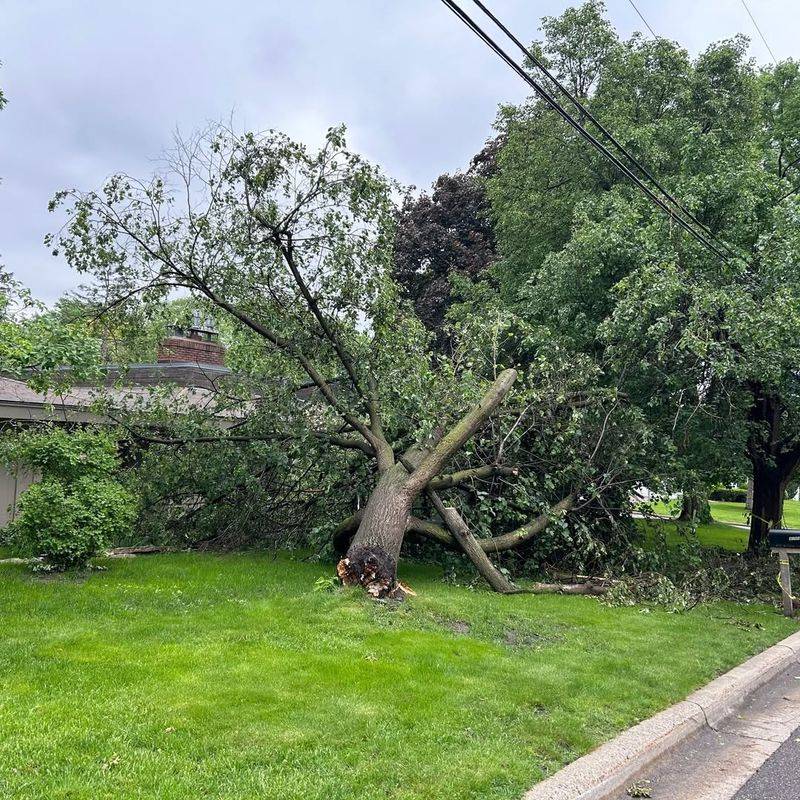
Everything changes when a tree shows clear warning signs that disaster is approaching. New Jersey law recognizes that property owners have a duty to maintain their trees and address obvious hazards.
When a neighbor ignores a visibly unhealthy tree that later causes damage, they may face legal liability for their inaction.
Diseased trees often display telltale symptoms that any reasonable person should notice, including peeling bark, large sections without leaves, visible fungal growth, or significant leaning. Rotting trunks emit distinct odors and show soft spots when pressed.
Large cracks in the trunk or major limbs hanging precariously all signal impending danger that demands attention. Courts evaluate whether the tree owner exercised reasonable care in monitoring their property’s condition.
If evidence shows the tree posed an obvious threat for weeks or months before falling, the neighbor’s failure to take action constitutes negligence. This negligent behavior breaks the normal rule that shields tree owners from automatic liability.
Photographs documenting the tree’s condition before it fell become crucial evidence in establishing that your neighbor should have known better than to leave a hazardous tree standing near your shared property line.
You Own The Fallen Tree Portions On Your Side
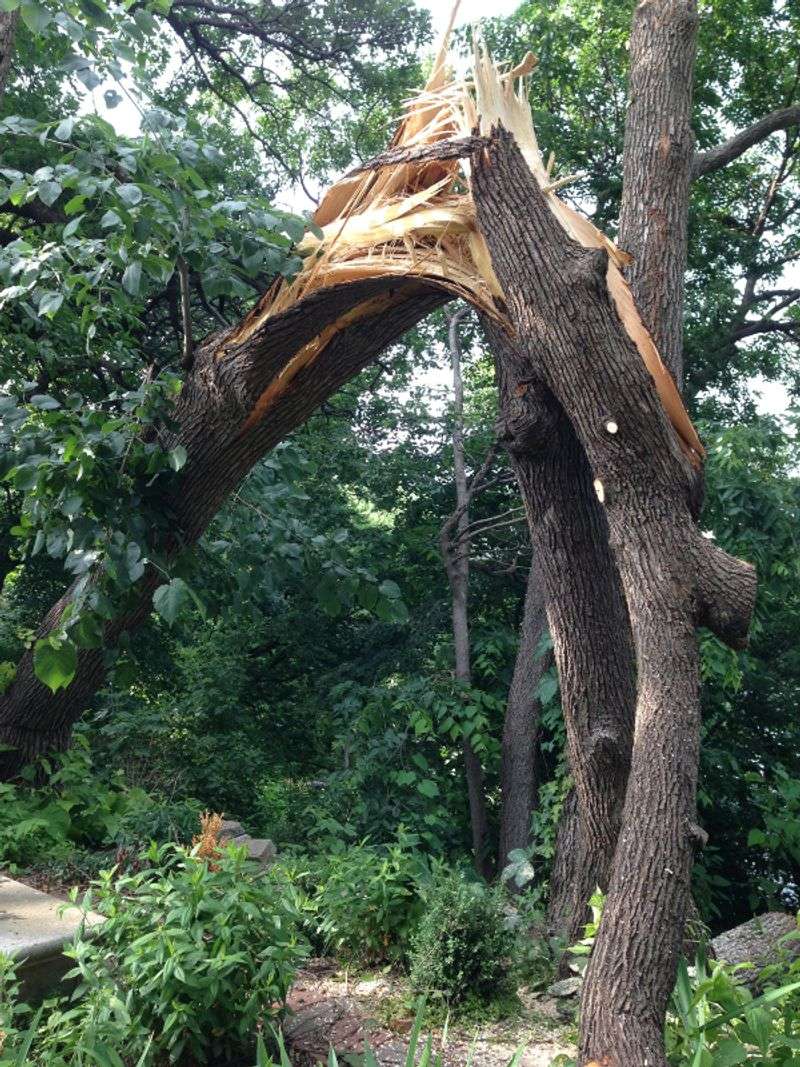
Once gravity pulls branches, limbs, or an entire tree across your property line, an interesting shift in ownership occurs under New Jersey law.
Despite the tree originating from your neighbor’s yard, the portions now resting on your land become your responsibility to handle. This principle applies regardless of who bears financial liability for the damage caused.
You possess the legal right to cut up, remove, and dispose of any tree parts that landed within your property boundaries. Your neighbor cannot demand that you leave their tree alone or insist on removing it themselves unless you grant permission.
This rule exists because property owners must be able to clear hazards and restore normal use of their land without waiting for neighbors to take action.
However, this right comes with corresponding responsibilities. You cannot simply push the debris back onto your neighbor’s property or demand they haul it away. The cleanup costs fall on your shoulders unless you can prove negligence that shifts financial liability.
Many homeowners hire tree removal services to safely clear large trunks and branches, with costs ranging from a few hundred to several thousand dollars depending on the tree’s size and the complexity of removal work required.
Local Ordinances Or HOAs Can Change The Outcome
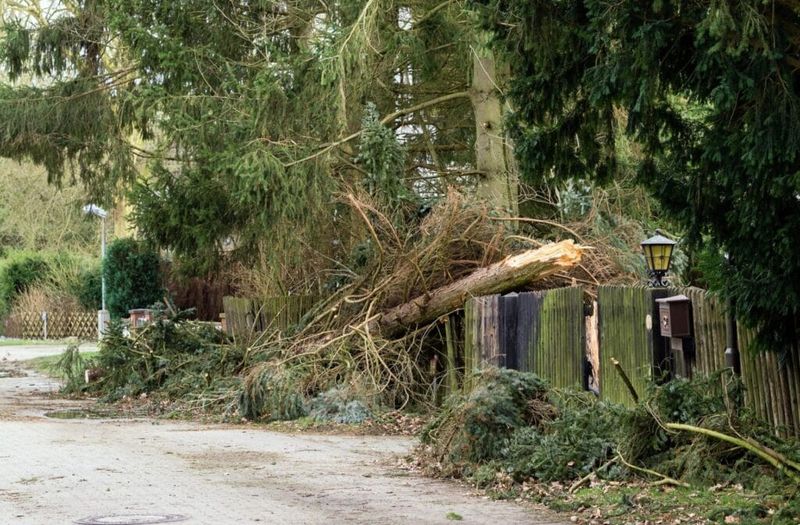
While state-level common law provides the general framework for tree liability in New Jersey, local municipalities and homeowner associations frequently add layers of requirements that can dramatically alter responsibility outcomes.
Many towns have adopted specific ordinances addressing hazardous trees, requiring property owners to maintain vegetation that could threaten neighboring properties or public safety.
Some New Jersey communities mandate regular tree inspections or require permits before removing large trees, creating a documented trail of tree health assessments.
These local rules may impose stricter standards than common law, making property owners liable for damage even when state precedent might excuse them.
Municipal codes often include provisions allowing neighbors to report dangerous trees, triggering official inspections that create legal notice of hazardous conditions. Homeowner associations take regulations even further in many planned communities.
HOA covenants typically include detailed landscaping requirements and tree maintenance standards that go beyond what municipal or state law demands.
Violation of these private agreements can result in fines, mandatory remediation, and liability for damages that wouldn’t exist under standard legal principles.
Before assuming you know your rights, carefully review your local municipal codes and any HOA documents that govern your property to understand the complete picture of tree-related responsibilities.
When Professional Tree Inspections Matter
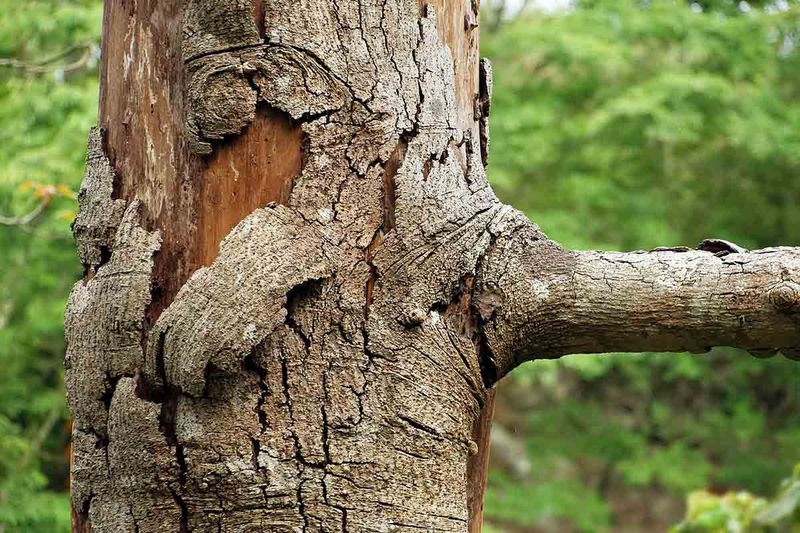
Professional tree inspections can play a decisive role when disputes arise over fence damage caused by a fallen or leaning tree in New Jersey.
If a tree shows signs of decay, disease, root instability, or structural weakness, a certified arborist can identify these risks long before failure occurs.
Written inspection reports create documented evidence that a tree posed a foreseeable hazard, which is critical if responsibility becomes contested.
Courts and insurance companies often give significant weight to expert assessments rather than homeowner opinions or casual observations.
If a neighbor previously hired an arborist who warned that a tree was unsafe and no corrective action was taken, that report may establish negligence.
Even without prior damage, an inspection showing advanced rot or dead limbs can demonstrate that the risk was not sudden or unavoidable.
Homeowners who suspect a neighbor’s tree is dangerous should consider requesting an inspection or commissioning one themselves. This proactive step can strengthen future claims and may even prevent damage by encouraging timely removal or pruning.
Tree inspections also protect responsible owners by proving that a tree was healthy before an unexpected storm event.
In fence damage disputes, professional evaluations often shift cases from opinion-based arguments to fact-based conclusions, making them a powerful tool for resolving liability fairly and efficiently.
Small Claims Court May Be The Final Option
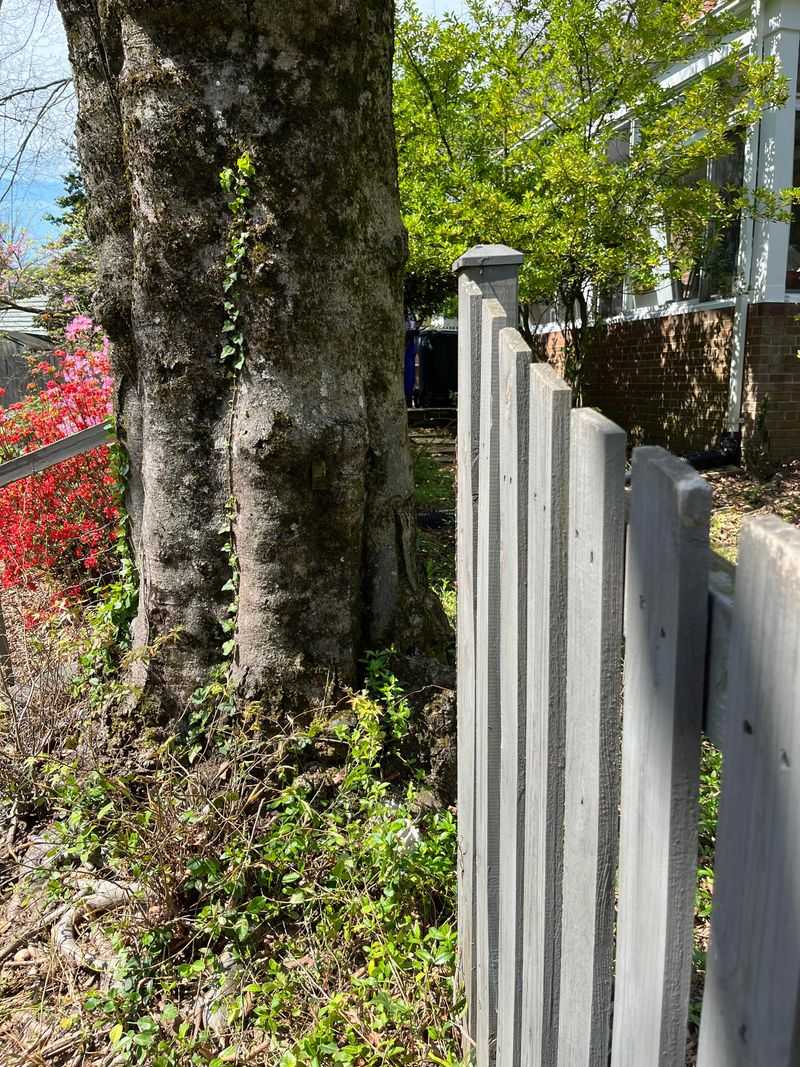
When fence damage disputes cannot be resolved through communication, insurance, or local ordinances, small claims court may become the final path to resolution in New Jersey.
This option is typically used when repair costs are relatively modest and hiring an attorney would exceed the value of the claim.
Small claims court allows homeowners to present evidence such as photos, repair estimates, arborist reports, and written communication with the neighbor.
Judges focus heavily on whether negligence existed, not simply on the fact that a tree caused damage. If the tree appeared healthy and fell due to a storm, the claim may be dismissed as an act of nature.
However, documentation showing prior warnings, visible decay, or ignored safety concerns can significantly strengthen your case.
The process is designed to be accessible, with simplified rules and quicker timelines than higher courts. Filing fees are relatively low, and cases are usually resolved within a few months.
Even if you win, collection can still require follow-up if the neighbor does not voluntarily pay. For many homeowners, small claims court provides a structured, affordable way to seek accountability when other solutions fail.