Neighbor’s Vines Growing Over Your Fence (Here’s What New York Law Allows)
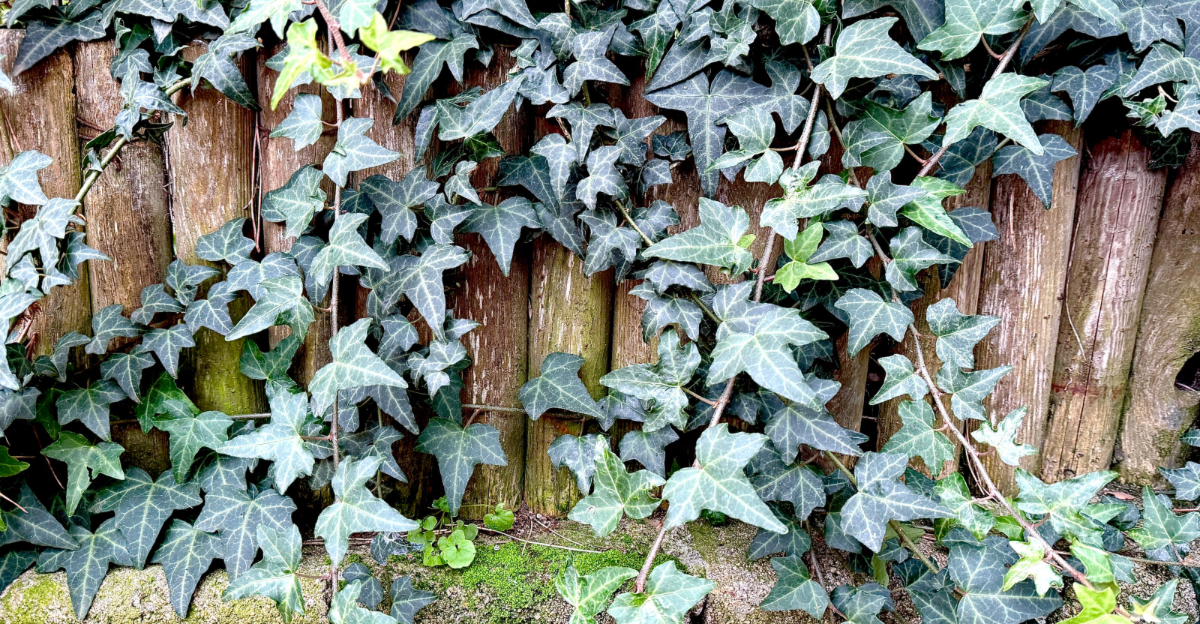
Tired of your neighbor’s vines creeping into your yard? Grape, ivy, or wisteria tendrils can slowly take over fences and gardens, leaving you wondering: Can I trim them back?
In New York, you generally can prune anything that crosses onto your property, but you must stay on your side of the fence and avoid damaging the plant. Knowing these rules lets you protect your yard without turning a vine into a neighborly battle.
Communicating with your neighbor, explaining your concerns, and trimming only what’s on your side of the fence are practical steps that keep both your garden and your relationship healthy.
Also, understanding the legal boundaries can help you maintain good neighborly relations while protecting your own yard.
Roots Invading Property
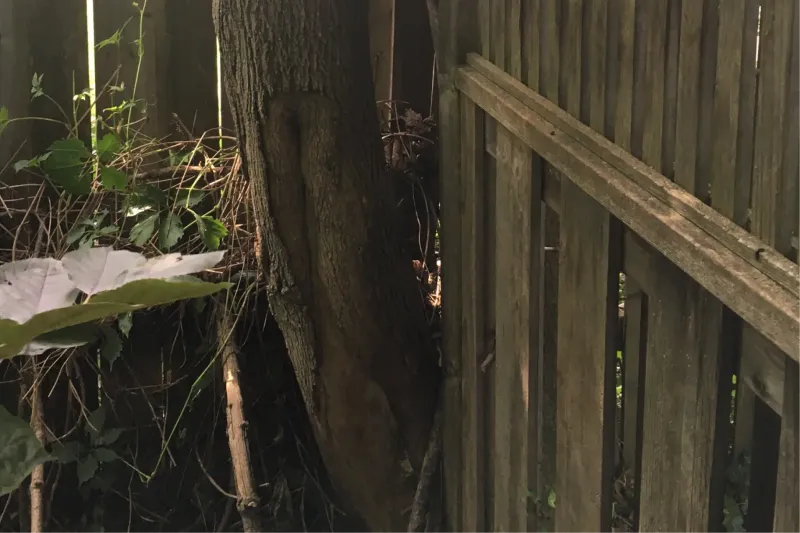
Ever notice how a neighbor’s tree roots can be the silent villains of your yard, creeping underground and wreaking havoc without warning?
Unlike branches, roots are sneaky, they often remain hidden until they’ve already caused damage to fences, foundations, or underground utilities.
In New York, the law gives property owners more than just the right to trim visible overgrowth: you also have options when roots cross the property line and create problems.
Legally, you can trim roots right at the boundary line, just as you would with branches. But when those roots have already caused measurable damage, you may be able to recover repair costs from your neighbor.
New York courts have held that property owners can be liable for foreseeable, preventable damage caused by their trees or plants. The tricky part is showing that your neighbor knew or should have known about the risk.
Certain species, like willows, poplars, and aggressive vines, are notorious for invasive root systems. If your neighbor planted them near the property line despite knowing their tendencies, your case becomes much stronger.
Before tackling major roots, it’s wise to consult an arborist. Cutting large roots can destabilize trees, increasing the risk of falling branches or even toppling the tree, potentially making you liable if it damages their property.
Always document the damage with photos, gather repair estimates, and send your neighbor a certified letter detailing the issue before considering legal action.
By following these careful steps, you protect both your property and yourself, ensuring that underground intruders don’t wreak chaos unchecked.
Your Right To Trim Overhanging Vegetation At The Property Line
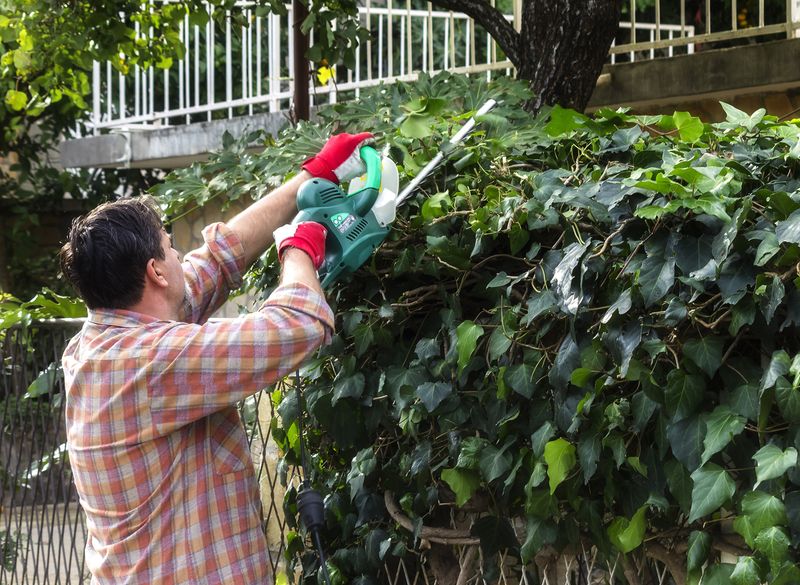
Imagine your neighbor’s ivy slowly creeping over your fence like it has a secret mission to take over your yard, good news: in New York, you have the legal green light to fight back.
Property owners here have what’s called the “self-help remedy” when it comes to encroaching vegetation. If branches, vines, or roots cross onto your property, you are legally allowed to trim them right up to your property line.
But there’s a crucial caveat: you can only trim what is physically on your side of the line. Leaning over the fence or stepping onto your neighbor’s property to cut vegetation that hasn’t yet crossed the boundary can land you in trouble for trespassing.
Most New York courts follow the “Massachusetts Rule,” which gives property owners broad rights to remove encroaching vegetation without liability but you still need to be careful.
Damaging the main plant or tree in a way that threatens its overall health, like cutting too aggressively or weakening structural branches, could make you liable for damages.
Smart property owners document the encroachment with photos before trimming and make precise, careful cuts at the property line.
Dispose of the trimmings responsibly instead of tossing them back over the fence, and always avoid harming the overall plant or tree.
By following these guidelines, you protect your property while staying on the right side of the law and you can enjoy your yard without the unwelcome invasion of creeping ivy or overhanging branches.
The Importance Of Knowing Your Exact Property Boundaries
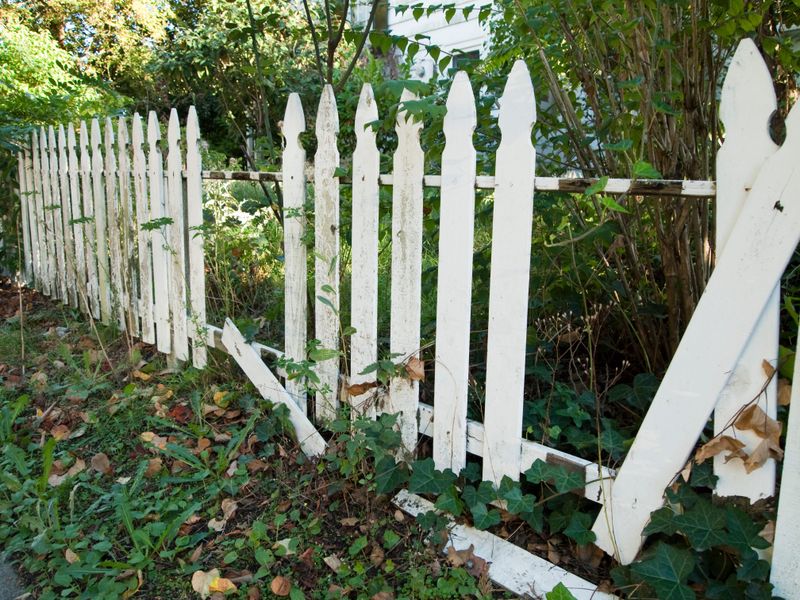
Before you start trimming anything, you need to know exactly where your property line sits.
Many homeowners assume their fence marks the boundary, but fences are often placed slightly inside the property line or may have shifted over time. Cutting vegetation on your neighbor’s side of the true boundary line could make you liable for damages.
The most reliable way to determine your property line is to hire a licensed land surveyor. In New York City, you can contact the Department of Finance or check your property’s tax lot information.
In other parts of New York State, your county clerk’s office maintains property records and survey maps. Professional surveys typically cost between $500 and $2,000 depending on property size, but this investment can prevent costly legal disputes.
Your property deed should include a legal description of your boundaries, though interpreting these descriptions often requires professional help. Look for monuments that surveyors may have placed at corners of your property during previous surveys.
These are sometimes iron pins driven into the ground.
If a professional survey seems too expensive, you might reach an informal agreement with your neighbor about where the boundary sits. Get this agreement in writing and have it notarized.
While not as legally solid as a professional survey, a written agreement can prevent future disputes.
Communicating With Your Neighbor Before Taking Action
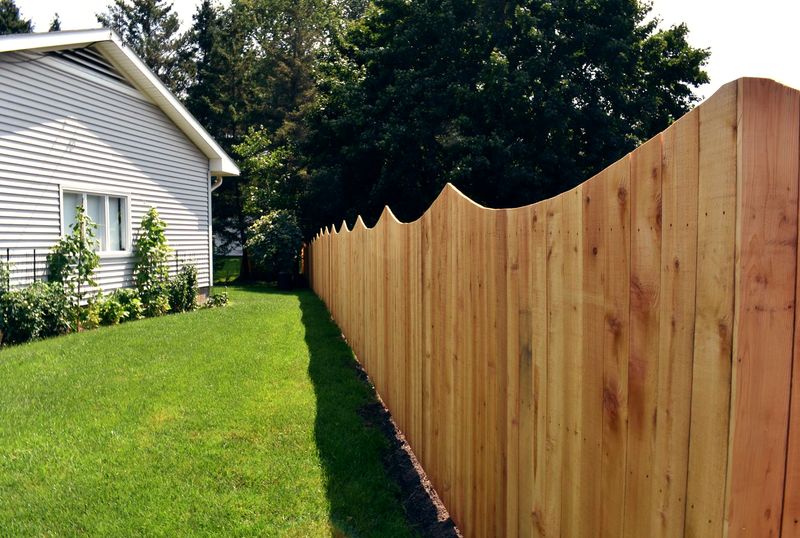
Sometimes, the best way to deal with overgrown vines or branches isn’t with pruning shears, it’s with a conversation.
Even though New York law allows you to trim encroaching vegetation without your neighbor’s permission, taking the time to talk first can preserve a good relationship and might even lead to a smoother solution.
Your neighbor may not even realize their plants are causing a problem, and they might be willing to handle the trimming themselves, often more easily from their side of the property.
Start with a friendly, face-to-face conversation whenever possible.
Clearly explain how the vegetation is affecting your property—whether it’s blocking sunlight, damaging your fence, or attracting pests.
Avoid accusatory language, and frame it as a shared problem you’d like to solve together. Most neighbors appreciate the heads-up and are willing to cooperate once they understand the impact.
If a casual chat doesn’t work, follow up with a written letter. Keep it polite but specific, stating your intentions and noting that you plan to trim the vegetation at the property line on a certain date if they choose not to handle it themselves.
Sending the letter via certified mail provides proof that your neighbor received it.
Creating this communication trail is more than courteous—it’s legally smart. Courts in New York often look favorably on property owners who make reasonable efforts to resolve disputes amicably before taking action.
By documenting your attempts to communicate and compromise, you demonstrate good faith, protecting yourself if the situation escalates or if your neighbor later claims you damaged their plants intentionally.
Clear communication can turn a potential conflict into a cooperative solution, keeping both your yard and your neighborly relations intact.
Potential Liability For Damage Caused By Trimming

Trimming your neighbor’s vines sounds simple enough, but what happens if you accidentally damage their prized grapevines or ornamental plants in the process?
New York law generally protects your right to trim at the property line, but you could face liability if you’re reckless or negligent.
Being careful matters more than you might think. If you cut too aggressively or use improper techniques that kill the entire plant, your neighbor might have grounds to seek compensation for the loss.
Document everything before you start trimming, take photos of the overgrowth and your property line. This protects you if disputes arise later about what you actually cut and why.
When To Involve Local Authorities Or Seek Legal Help
When overgrown trees and rogue vines start plotting a hostile takeover of your yard, it’s time to know your options.
Sometimes, disputes over vegetation escalate beyond simple trimming, especially if your neighbor refuses to address dangerous conditions or if you’ve already suffered significant property damage.
In New York, you don’t have to face these problems alone because local authorities and attorneys can provide additional remedies.
Many municipalities have ordinances requiring property owners to maintain their vegetation responsibly. If trees create fire hazards, block public sidewalks, or threaten structures, you can file a complaint with your town or city code enforcement office.
Officials can inspect the property, issue orders to correct the problem, and impose fines for non-compliance. In New York City, the Department of Buildings handles complaints about trees and vegetation that pose risks to public safety or structures.
Elsewhere in the state, your local code enforcement officer serves this role.
Their involvement is usually free and often resolves the situation without legal action.
Consulting a property law attorney is highly recommended, they can evaluate your case and help determine if a lawsuit is justified. Many attorneys offer free initial consultations, helping you understand your options without unnecessary expense.
By knowing both your legal rights and the available municipal resources, you can protect your property, hold negligent neighbors accountable, and resolve serious vegetation disputes safely and effectively.
Installing Barriers To Prevent Future Vine Encroachment
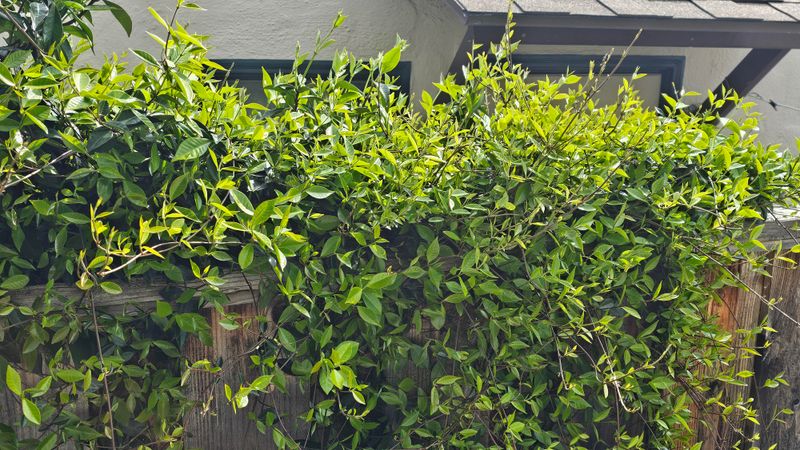
Sometimes the best defense against wandering vines is a good physical barrier that stops them before they become a problem.
Installing a root barrier or vine deflector along your fence line can save you years of repeated trimming and frustration.
These barriers work by creating an underground or above-ground obstacle that redirects plant growth back toward your neighbor’s property. Many homeowners find that a simple metal or plastic shield attached to the fence top does wonders.
Before installing anything permanent, check local building codes and homeowner association rules. Some communities have restrictions on fence modifications, and you want to stay compliant while protecting your property from invasive growth.