Nevada’s New Recycling Garden Craze Is Turning Everyday Items Into Fresh Yard Ideas
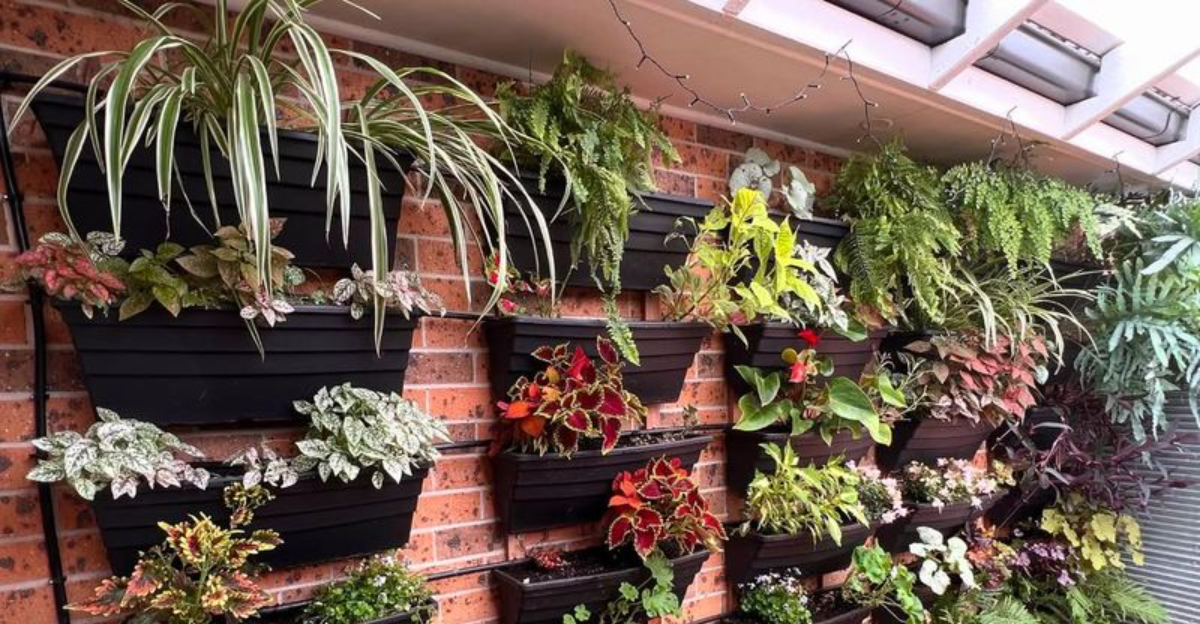
Nevada gardeners are turning everyday leftovers into clever yard ideas, and it feels surprisingly exciting to watch simple recyclables turn into something creative right in your own backyard.
There’s this playful energy behind it as people look at bottles, cans, crates, and scrap pieces and suddenly see them as planters, borders, or quirky garden features.
It’s the kind of trend that pulls you in fast because it feels practical, affordable, and honestly pretty fun once you start imagining what else you can repurpose.
1. Old Tire Planters Bring Color and Function
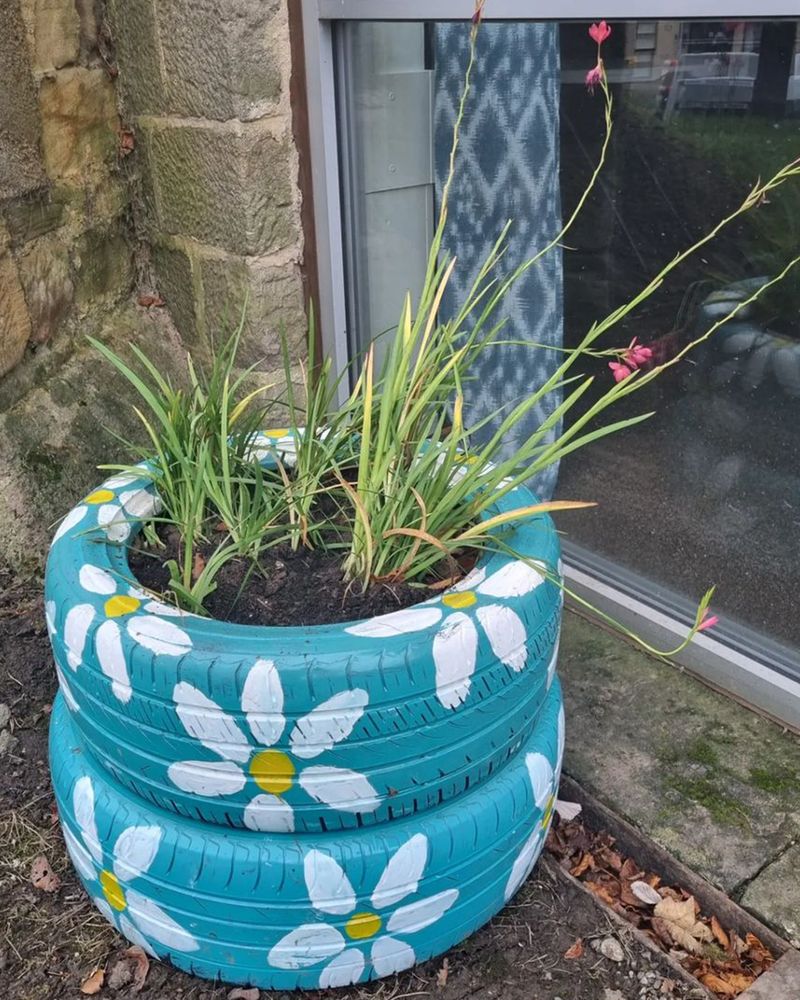
Rubber tires stacked in garages suddenly become vibrant containers when painted bright colors and filled with soil for planting flowers or vegetables successfully.
Nevada homeowners appreciate how these durable planters withstand intense summer heat without cracking, unlike traditional clay pots that often break under extreme temperature changes.
Stacking multiple tires creates vertical gardens perfect for small spaces, allowing urban gardeners to grow herbs, strawberries, and colorful annuals in limited areas.
Painting designs or patterns on tire exteriors transforms them from industrial waste into artistic focal points that add personality and whimsy to any landscape.
Children enjoy helping select paint colors and decorating these fun planters, making gardening a family activity that teaches environmental responsibility through hands-on participation.
Drainage holes drilled in tire bottoms prevent waterlogging, ensuring plants stay healthy even during Nevada’s occasional heavy rains or overwatering mistakes by beginners.
This recycling method keeps thousands of tires from landfills annually while creating affordable, weather-resistant planters that last for many growing seasons without replacement.
2. Broken Dish Mosaics Transform Garden Paths
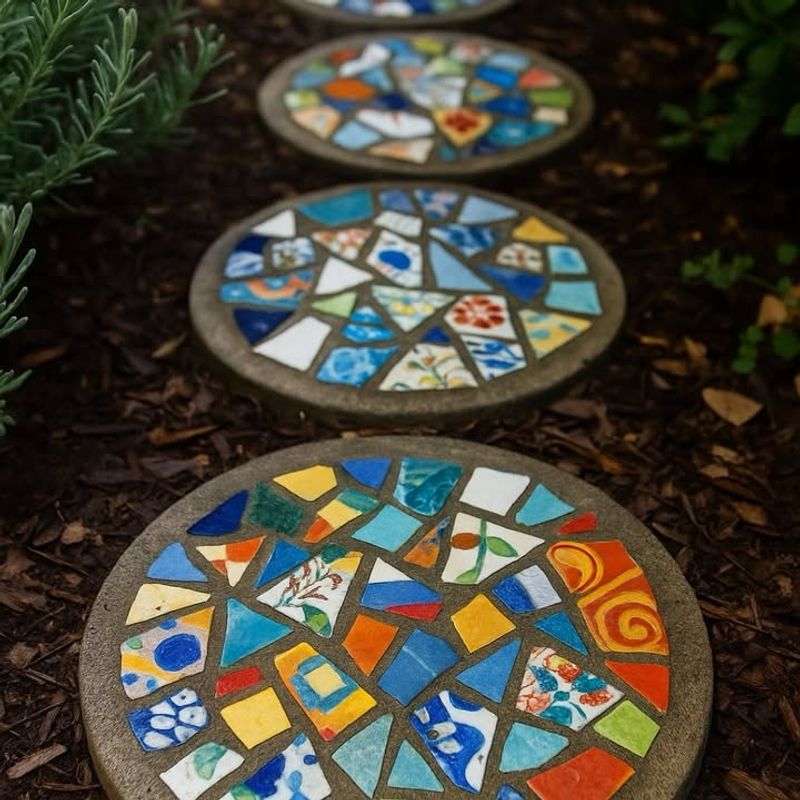
Chipped plates and cracked teacups find new purpose when arranged into stunning mosaic patterns on stepping stones, creating artistic pathways through Nevada garden spaces.
Mixing different colored ceramic pieces produces unique designs that reflect personal style, from geometric patterns to whimsical nature scenes that delight visitors exploring yards.
Embedding broken dishes in concrete provides durable, slip-resistant surfaces that handle foot traffic beautifully while adding visual interest to otherwise plain walkways throughout properties.
This craft requires minimal supplies beyond broken ceramics, concrete mix, and molds, making it an accessible project for gardeners at any skill level.
Families across the Silver State gather their mismatched or damaged dishware, turning potential trash into conversation-starting art pieces that showcase creativity and resourcefulness.
The smooth ceramic surfaces clean easily with water, maintaining their vibrant appearance through seasons of use without fading under Nevada’s intense sunshine or weathering.
Each stepping stone becomes a one-of-a-kind creation, ensuring no two garden paths look identical and giving landscapes personalized character that cannot be purchased.
3. Wine Bottle Borders Edge Garden Beds Stylishly
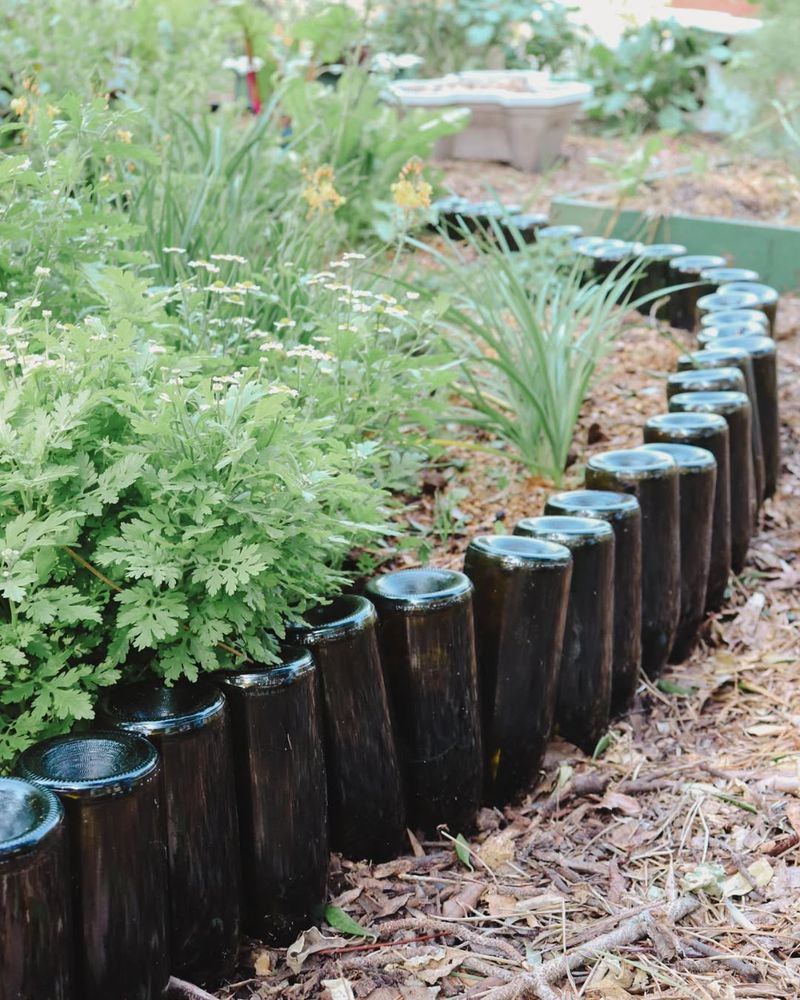
Empty wine bottles pushed neck-down into soil create elegant borders that define garden beds while keeping grass and weeds from invading planted areas effectively.
Glass colors ranging from green to amber to clear catch sunlight beautifully, casting interesting shadows and adding unexpected sparkle to Nevada garden landscapes throughout sunny days.
This method costs nothing beyond collecting bottles from recycling bins, yet delivers a polished, finished look comparable to expensive commercial edging materials available.
Bottles placed closely together form solid barriers that prevent soil erosion during watering or rainstorms, protecting precious topsoil from washing away down slopes or paths.
Nevada gardeners appreciate how glass withstands temperature extremes without degrading, unlike plastic edging that becomes brittle and cracks after exposure to harsh desert conditions.
The height of bottle borders adjusts easily by pushing them deeper or leaving more exposed, allowing customization based on aesthetic preferences and practical needs.
Mixing bottle colors creates rainbow effects or coordinating with specific color schemes, giving gardeners artistic control over their landscape design without purchasing new materials.
4. Wooden Pallet Vertical Gardens Maximize Space
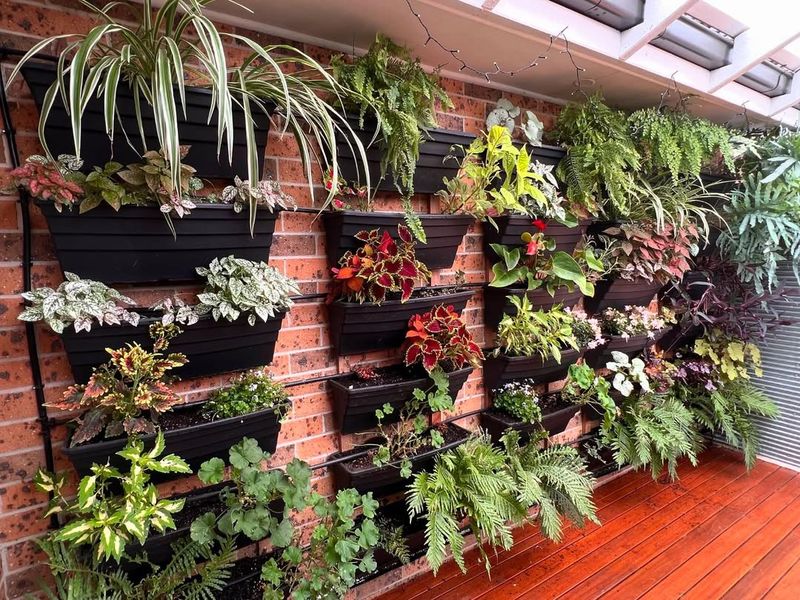
Shipping pallets standing upright against walls or fences become impressive vertical gardens, perfect for Nevada residents with limited yard space wanting to grow more.
Attaching landscape fabric to pallet backs creates pockets for soil and plants, transforming flat wood into productive growing areas that utilize unused vertical surfaces efficiently.
Herbs, lettuce, and flowers thrive in these arrangements, providing fresh ingredients and beauty without requiring large plots of ground that many urban homes lack.
Pallets obtained free from businesses or online marketplaces make this project incredibly budget-friendly while keeping usable wood from becoming landfill waste unnecessarily.
Painting or staining pallet wood protects it from weather damage and allows customization to match existing outdoor decor, creating cohesive looks across entire properties.
Watering vertical gardens requires less water than traditional beds since moisture stays contained in fabric pockets rather than spreading through surrounding soil unnecessarily.
Nevada’s dry climate actually benefits this setup, as controlled watering prevents overwatering issues common in traditional gardens where drainage becomes problematic during growth seasons.
5. Old Wheelbarrows Become Mobile Flower Displays
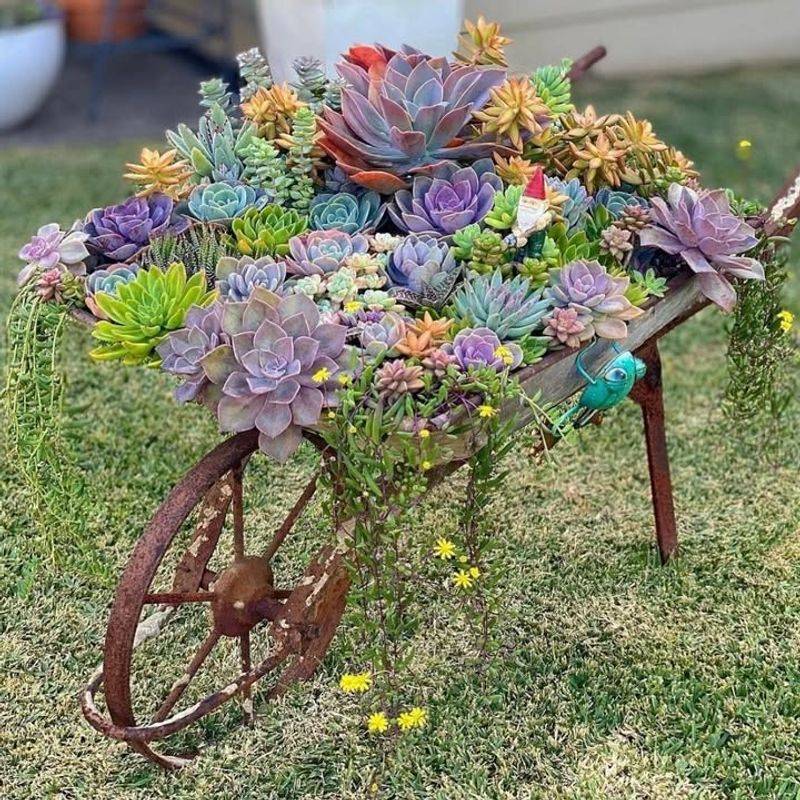
Rusty wheelbarrows retired from hauling duties gain new life as charming mobile planters that add nostalgic appeal to Nevada gardens with their weathered appearance.
Filling wheelbarrows with cascading flowers creates stunning focal points that draw attention to specific areas, and their mobility allows repositioning to follow sunlight patterns.
Drainage naturally exists in many older wheelbarrows through rust holes or by drilling additional openings, preventing water accumulation that could harm plant roots.
The depth of wheelbarrow beds accommodates larger plants with extensive root systems, supporting vegetables like tomatoes or ornamental grasses that need substantial growing room.
Nevada gardeners enjoy the vintage aesthetic these planters provide, evoking farm-style charm that contrasts beautifully with modern desert landscaping trends popular across the region.
Moving wheelbarrows indoors during extreme weather protects tender plants from frost or excessive heat, extending growing seasons beyond typical outdoor limitations in harsh climates.
This recycling option works equally well with decorative arrangements or productive vegetable gardens, offering versatility that adapts to changing gardening goals throughout different seasons.
6. Mason Jar Herb Gardens Hang From Fences
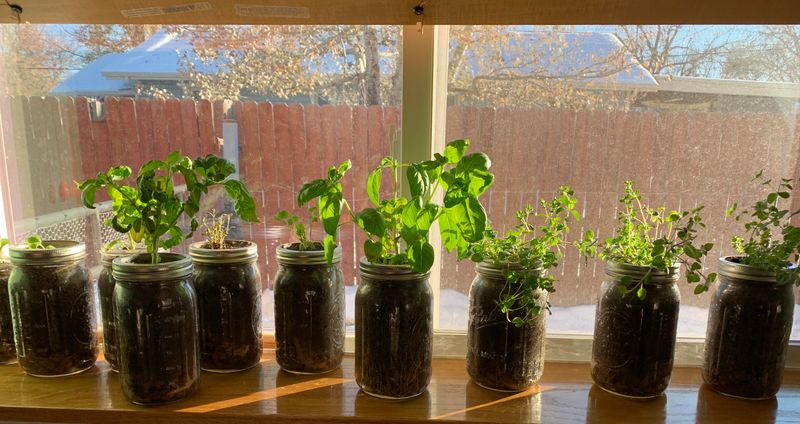
Clear glass mason jars mounted on fences or walls create accessible herb gardens that keep fresh basil, mint, and cilantro within easy reach of Nevada kitchens.
Metal hose clamps or wire holders secure jars safely while allowing quick removal for watering or harvesting, making maintenance simple even for busy gardeners.
Transparent glass lets gardeners monitor soil moisture and root development easily, preventing overwatering or underwatering that commonly affects container plants grown in opaque pots.
Arranging jars at different heights adds visual dimension to flat fence surfaces, transforming boring boundaries into productive, attractive features that neighbors admire and compliment.
This system works beautifully in Nevada’s climate since individual jars can be moved to shadier spots during peak summer heat, protecting delicate herbs from scorching.
Children love watching roots grow through glass sides, making this educational as well as practical for families teaching kids about plant growth and sustainability.
Empty jars accumulate quickly in most households, providing free containers that would otherwise occupy recycling bins or storage space without serving useful purposes currently.
7. Bathtub Ponds Add Water Features Affordably
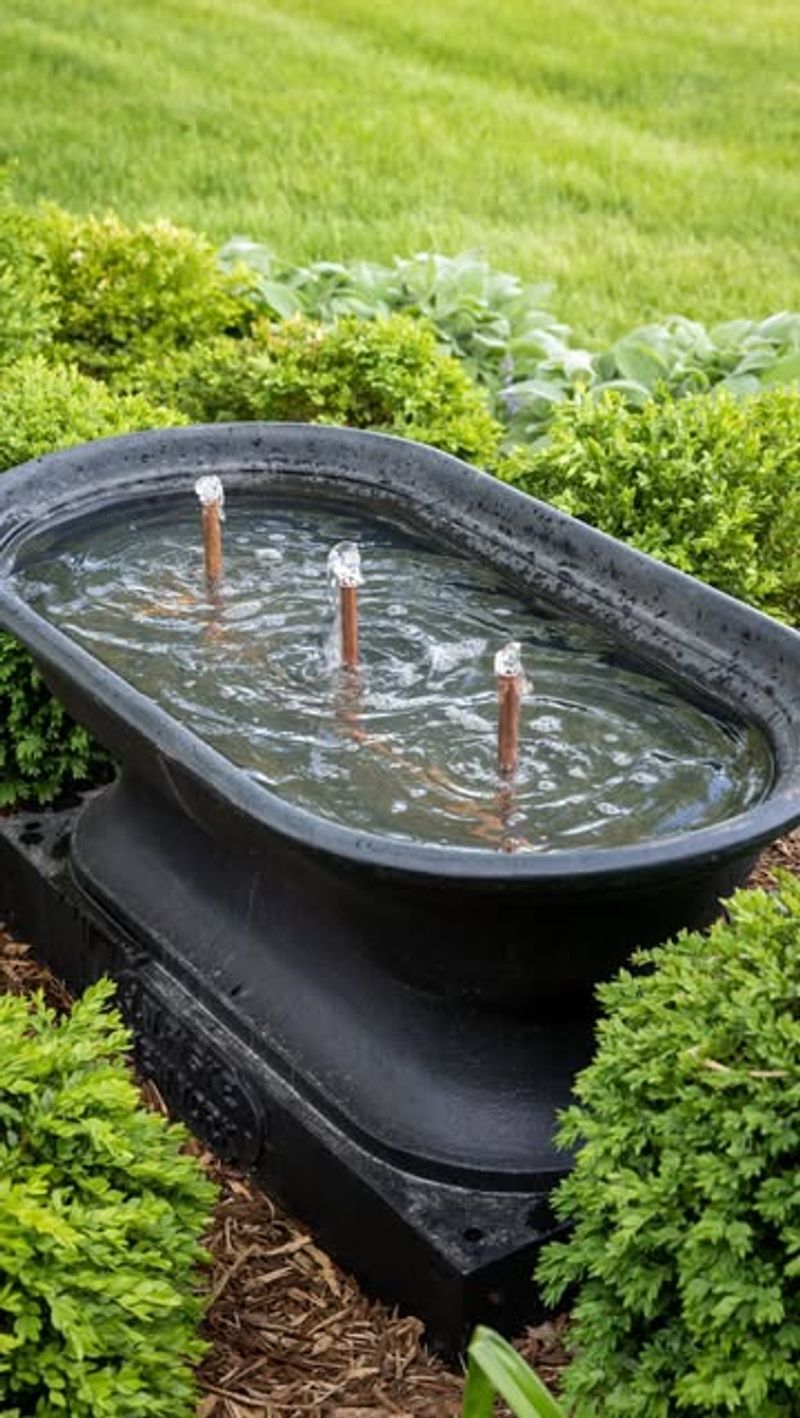
Discarded bathtubs buried partially in ground become enchanting water features that attract birds, butterflies, and beneficial insects to Nevada gardens seeking moisture sources.
The watertight construction of tubs eliminates the need for expensive pond liners, and their depth supports aquatic plants and small fish populations successfully.
Clawfoot or vintage tubs left above ground create dramatic focal points with old-world charm, especially when surrounded by rocks and moisture-loving plants for contrast.
Nevada’s arid environment makes any water feature special, and bathtub ponds provide that element affordably without the cost of professionally installed fountain systems.
Filling tubs with native aquatic plants helps conserve water by reducing evaporation, while floating plants provide shade that keeps water temperatures cooler during summer months.
Maintenance stays minimal since the contained environment prevents soil erosion and makes cleaning simpler than maintaining large, irregularly shaped ponds dug into landscapes.
This recycling project transforms bathroom fixtures destined for landfills into living ecosystems that enhance biodiversity and create peaceful spots for relaxation and wildlife observation.
8. Ladder Plant Stands Display Potted Collections
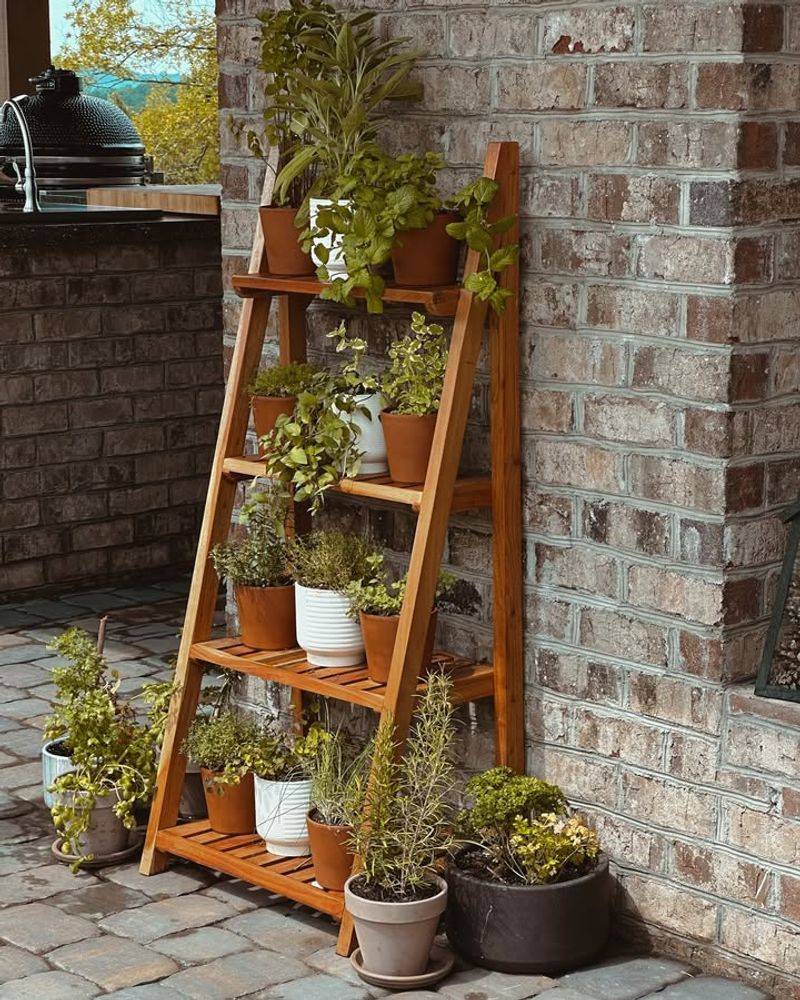
Wooden ladders too wobbly for safe climbing find perfect second careers as tiered plant stands that showcase collections of potted succulents and flowers beautifully.
Each rung provides a different level for displaying plants, creating eye-catching arrangements that add height and dimension to flat patio or porch spaces.
Nevada gardeners appreciate how ladder stands keep plants off hot ground surfaces, improving air circulation around pots and preventing heat stress during extreme temperature days.
Painting ladders in bright colors or leaving them naturally weathered offers styling options that complement any design aesthetic, from modern minimalist to rustic farmhouse themes.
Lightweight plants arranged on upper rungs and heavier pots on lower levels ensure stability, preventing tipping while maximizing the vertical growing space available.
Ladders move easily to follow seasonal sunlight changes or to protect plants during storms, offering flexibility that built-in shelving cannot provide for gardeners.
This simple recycling solution costs nothing if using existing ladders, yet creates professional-looking displays comparable to expensive tiered plant stands sold in garden centers.
9. Coffee Can Lanterns Illuminate Garden Evenings
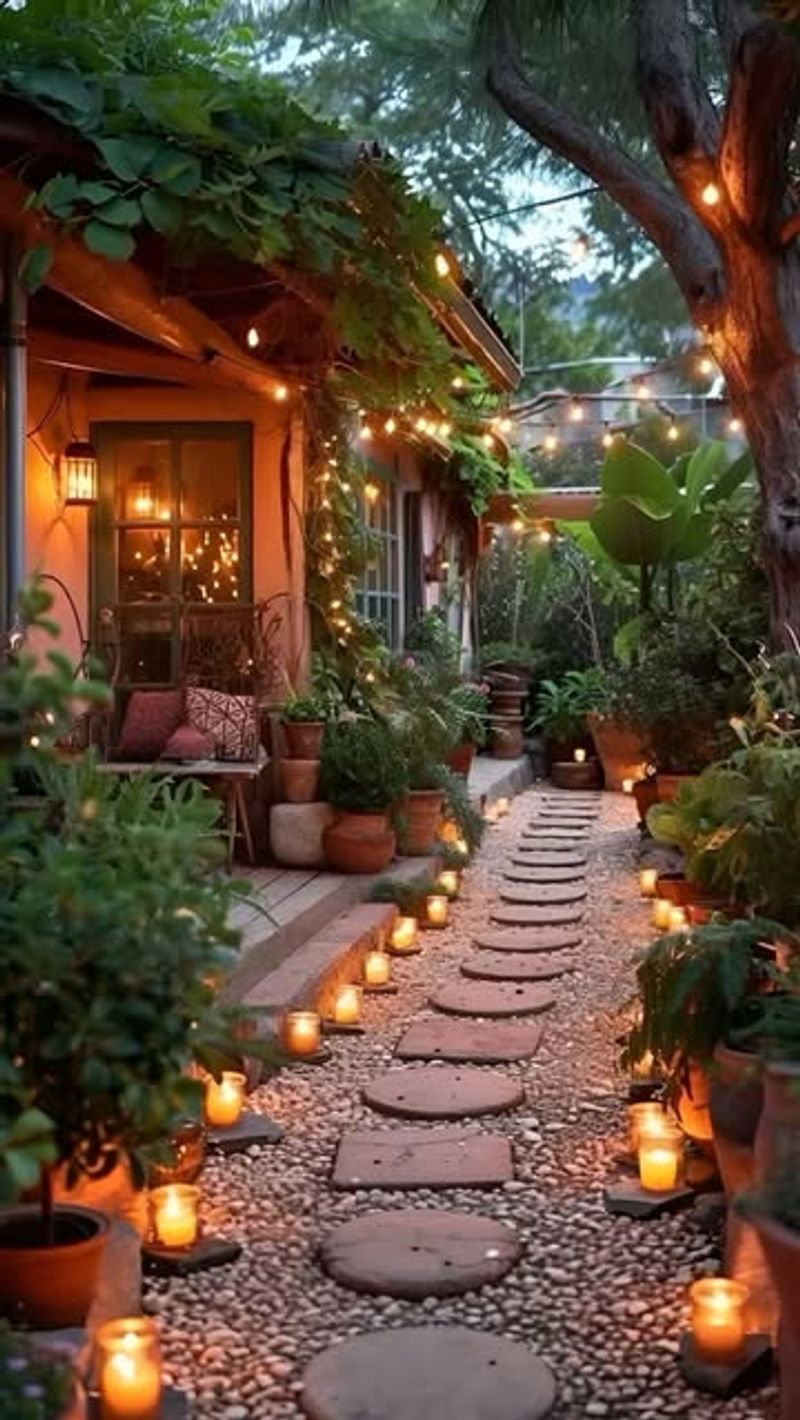
Empty coffee cans transform into charming lanterns when decorative patterns get punched through metal sides, allowing candlelight to create magical evening ambiance in Nevada yards.
Hammering nails through marked designs creates stars, flowers, or geometric patterns that project beautiful shadows onto nearby surfaces when candles or LED lights illuminate interiors.
Handles attached to can tops allow hanging lanterns from tree branches or shepherd hooks, positioning lighting exactly where needed along pathways or gathering areas.
This project appeals to crafters of all ages, making it perfect for family activities that result in functional garden art everyone contributed to creating together.
Nevada’s generally calm evenings mean candles stay lit reliably, though battery-operated tea lights work equally well for worry-free illumination without fire concerns near plants.
Painting can exteriors adds color during daylight hours, ensuring these recycled decorations look attractive even when not lit up after sunset for entertaining or relaxing.
Multiple lanterns grouped together create stunning visual impact during outdoor dinners or parties, providing affordable atmospheric lighting that impresses guests without expensive electrical installations.
10. Colander Hanging Baskets Drain Perfectly
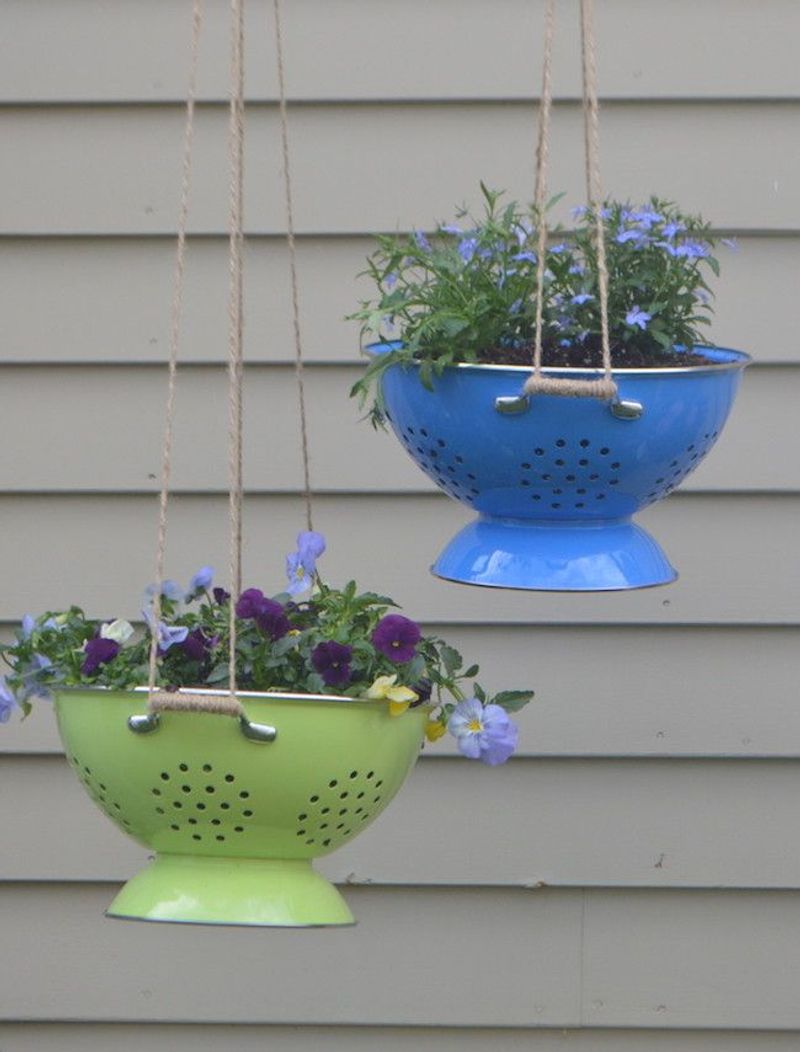
Kitchen colanders with built-in drainage holes make ideal hanging baskets for trailing plants, eliminating the common problem of waterlogged roots that plague traditional containers.
Chains or ropes threaded through existing handle holes allow easy hanging from porch ceilings, pergolas, or sturdy branches throughout Nevada garden spaces needing vertical interest.
The perforated metal design provides excellent airflow around plant roots, promoting healthier growth and reducing fungal diseases that develop in poorly ventilated container environments.
Vintage enamel colanders add retro charm while stainless steel versions offer modern aesthetics, giving gardeners options that match their personal style preferences and existing decor.
Lining colanders with coconut coir or moss prevents soil from falling through drainage holes while maintaining the superior drainage characteristics that make them perfect planters.
Nevada’s intense sun heats metal quickly, so positioning colander baskets where they receive morning sun and afternoon shade protects plant roots from overheating damage.
This recycling idea gives worn kitchen tools new purpose, keeping functional items from disposal while creating unique garden containers that spark conversations about creative sustainability.