10 New Garden Designs California Experts Believe Will Replace Lawns By 2040
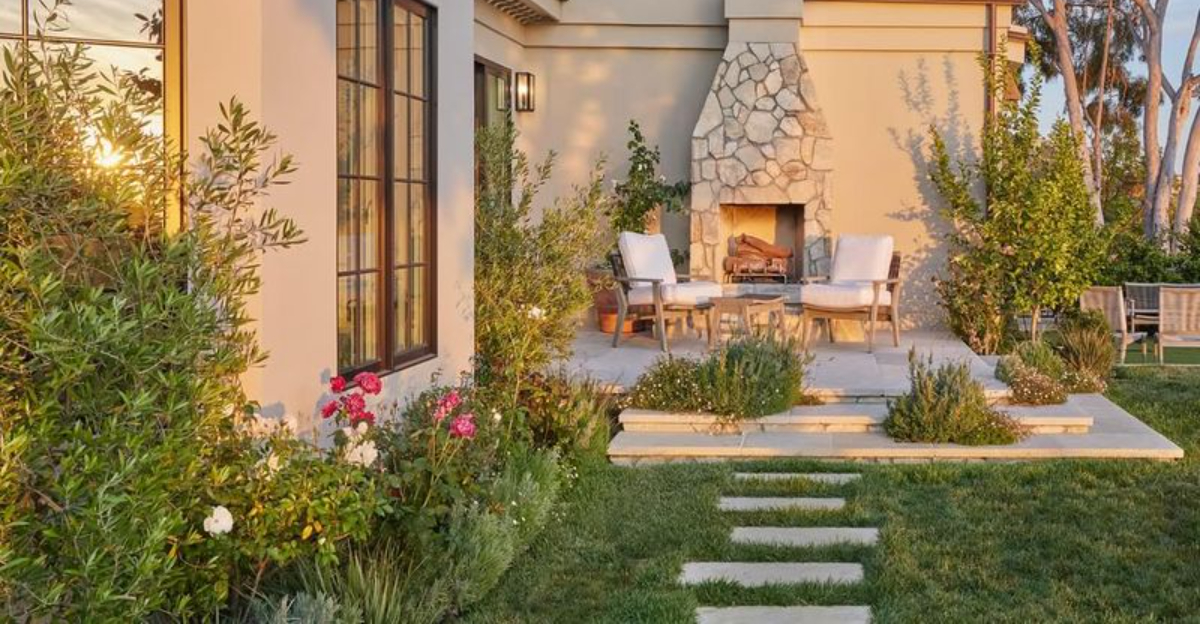
California landscapes are shifting fast as experts spot bold new garden designs starting to replace traditional turf with creative, eco-friendly alternatives.
These ideas blend drought-wise planting, edible gardens, and artistic hardscapes that feel fresh and purposeful without endless mowing.
By 2040, many homes may look back on lawns as a thing of the past, swapping grass for spaces that are beautiful, climate smart, and deeply personal.
1. Native Wildflower Meadows
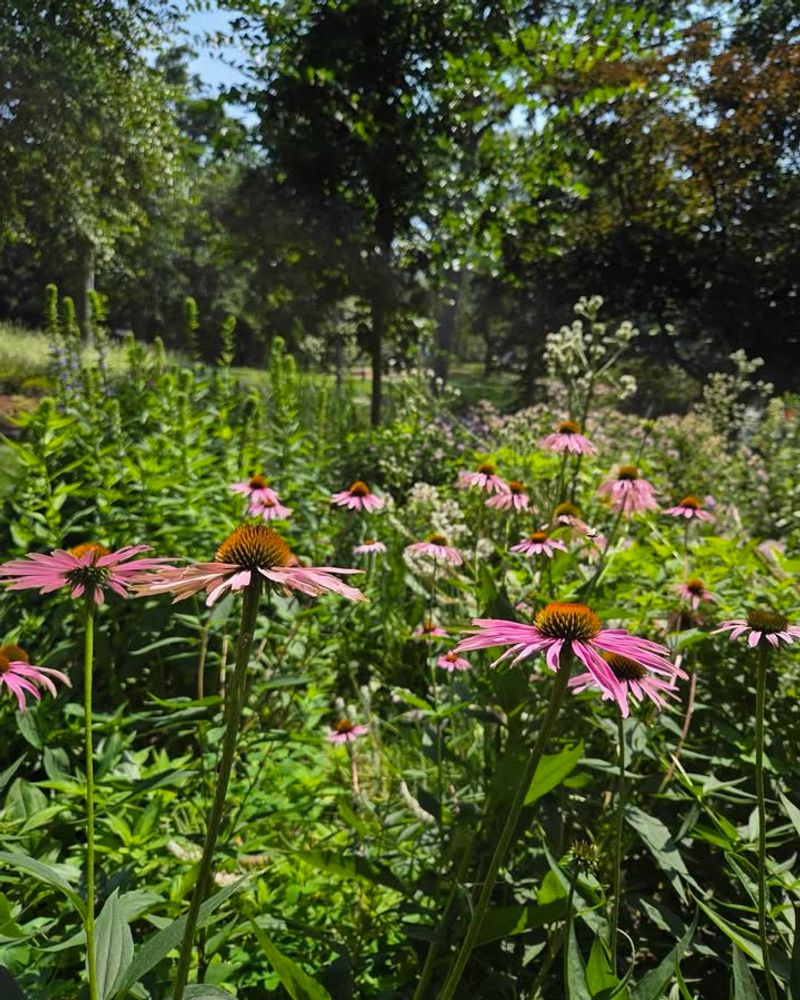
Imagine walking outside to see waves of golden poppies, purple lupines, and bright yellow yarrow swaying in the California breeze.
Native wildflower meadows bring stunning color without demanding weekly mowing or gallons of precious water from your household budget.
These gardens thrive naturally because the plants evolved right here in California over thousands of years of adaptation.
Butterflies and bees flock to these blooms, creating a lively ecosystem that kids love watching from the kitchen window.
Planting a meadow costs less than maintaining grass since you skip fertilizers, pesticides, and constant watering schedules.
Experts say homeowners across California will embrace this style as water restrictions tighten and environmental awareness grows stronger.
Once established, meadows need trimming just once or twice yearly, giving families more weekend time for fun activities.
The wildflowers reseed themselves naturally, so your garden becomes more beautiful and fuller with each passing season and year.
2. Edible Forest Gardens
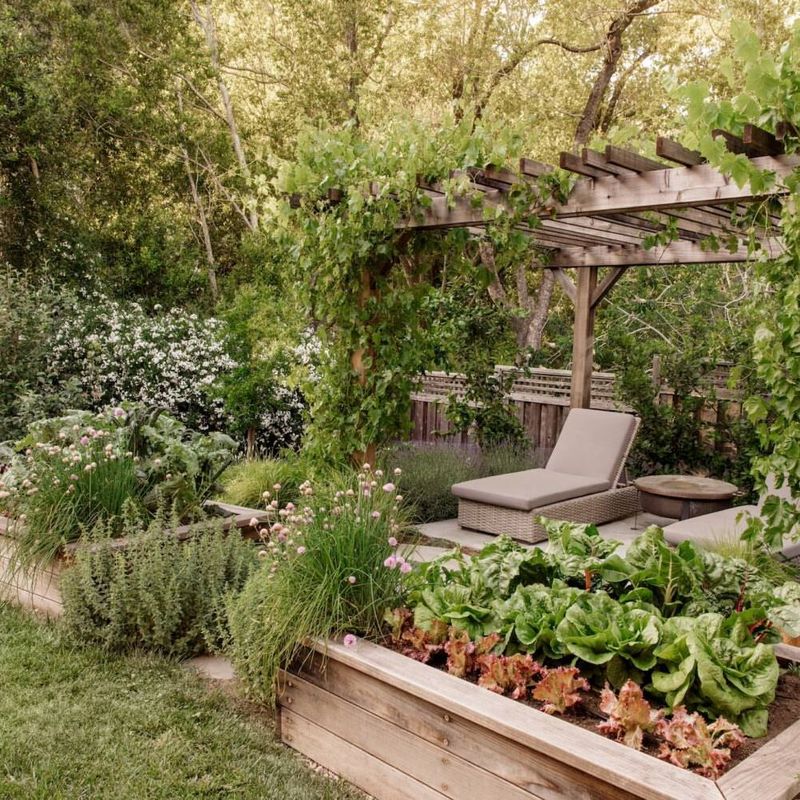
Picture stepping into your backyard and picking fresh oranges, strawberries, and tomatoes all within steps of your back door.
Edible forest gardens stack plants in layers just like nature does, maximizing space while providing food for your family.
Tall fruit trees create shade for berry bushes below, while herbs and vegetables fill the ground level beautifully.
California’s mild climate makes this design perfect since many crops can grow year-round without frost damage or harsh winters.
Families save money on groceries while teaching kids where food actually comes from and how plants grow in real life.
This garden style reduces waste by turning yards into productive spaces that feed people instead of just looking pretty.
Experts predict more California residents will adopt this approach as food prices rise and sustainability becomes increasingly important to communities.
The forest design requires less water than lawns because the layered plants create natural shade and mulch that holds moisture.
Children develop healthy eating habits when they can snack on fresh berries and veggies they helped plant and tend.
3. Succulent Tapestry Gardens
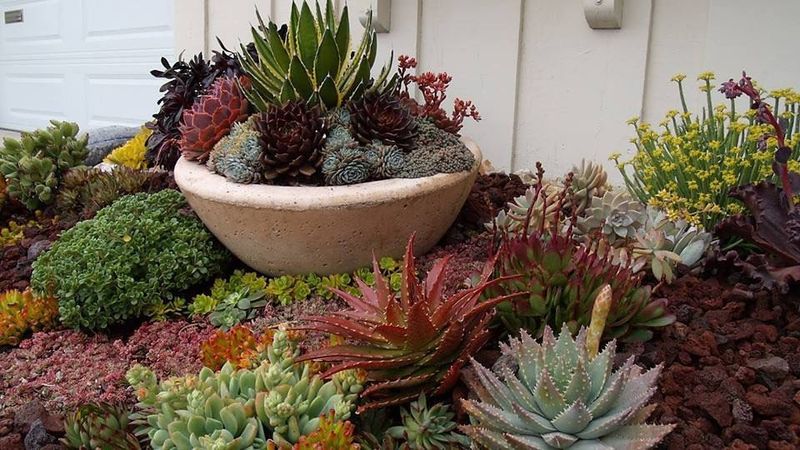
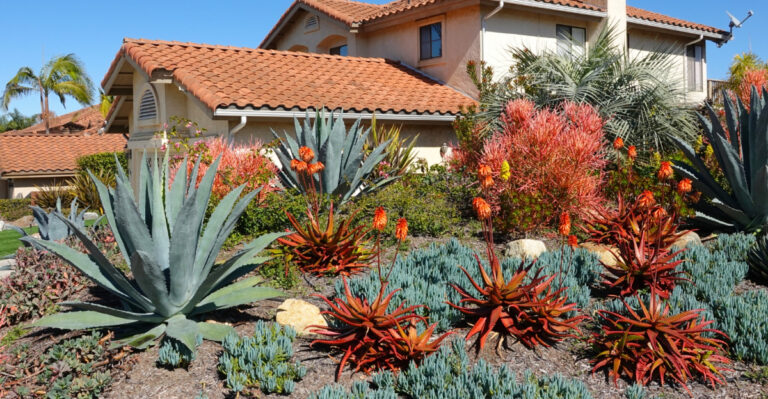
Succulents create living artwork with their amazing shapes, colors, and textures that look like something from another planet entirely.
These tough plants store water in their thick leaves, making them perfect for California’s dry summers and unpredictable rainfall.
Homeowners arrange different varieties into patterns that resemble colorful quilts or mosaics across their front yards and gardens.
From blue-green echeverias to purple aeoniums, the color palette rivals any flower garden without needing constant attention or care.
Experts believe succulent gardens will dominate California landscapes because they survive heat waves that would cook traditional grass lawns.
Installation costs less than sod, and maintenance involves occasional weeding rather than weekly mowing and edging around flower beds.
These gardens look modern and artistic, appealing to younger homeowners who want Instagram-worthy yards without hiring expensive landscapers.
Succulents multiply easily, so neighbors can share cuttings and trade varieties, building community connections through gardening and creativity.
The plants stay attractive all year in California’s climate, eliminating the brown dormant periods that plague grass lawns.
4. Rock and Gravel Gardens
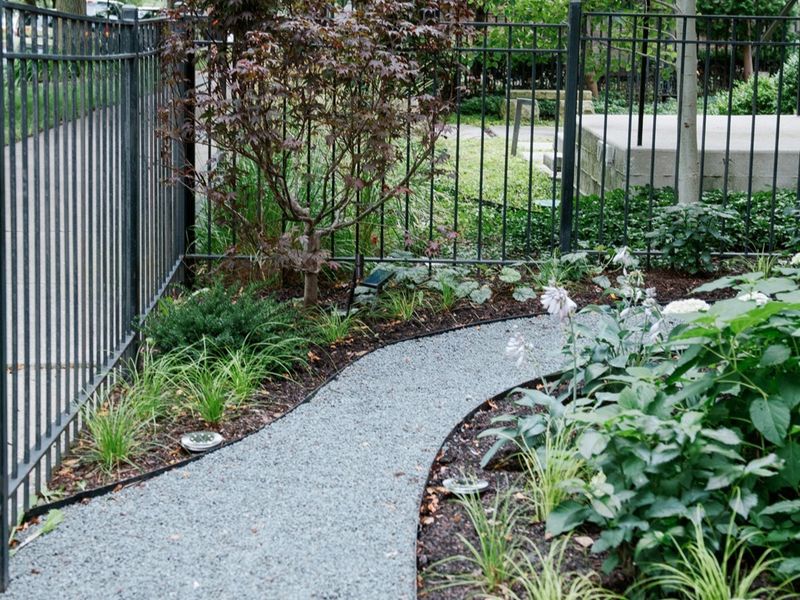
Smooth river rocks and crushed gravel create clean, minimalist landscapes that feel like peaceful Japanese gardens or desert retreats.
California homeowners love how these designs eliminate mowing forever while still providing attractive outdoor spaces for family gatherings.
Strategically placed boulders and accent plants add visual interest without the water bills that come with thirsty grass lawns.
Gravel comes in various colors from warm terracotta to cool gray, letting families customize looks that match their homes.
Experts note this style works brilliantly in California because it embraces the state’s naturally dry climate instead of fighting it.
Kids can help arrange rocks and choose plants, making garden creation a fun family project that builds memories together.
These gardens stay neat without chemicals, protecting pets and wildlife from toxic substances often sprayed on traditional lawns.
Rainfall soaks directly through gravel into soil below, reducing runoff and helping recharge California’s stressed groundwater supplies naturally.
Maintenance involves occasional raking and weed removal, tasks that take minutes rather than hours of pushing heavy mowers.
5. Mediterranean Courtyard Gardens
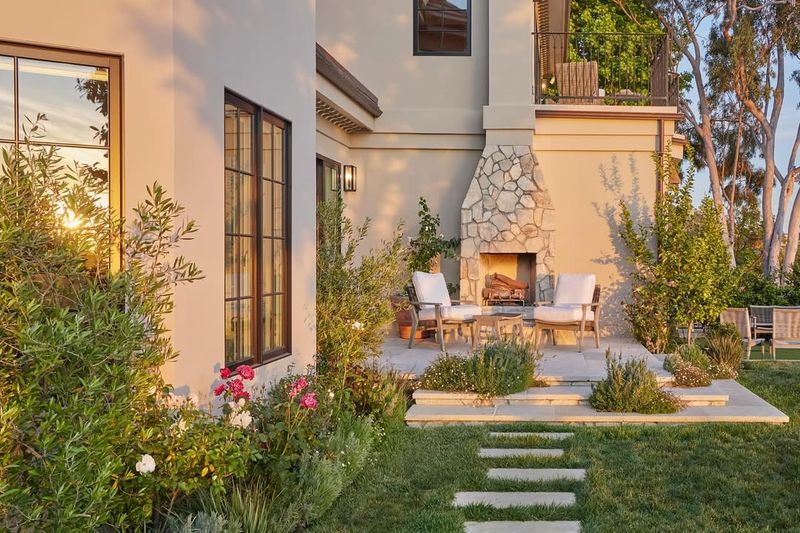
Fragrant lavender, silvery olive trees, and aromatic rosemary transport you straight to the sunny hillsides of Italy or Greece.
Mediterranean plants evolved in climates nearly identical to California’s, so they flourish here without fuss or excessive watering.
Courtyards feature paved areas perfect for outdoor dining, surrounded by drought-tolerant herbs that smell amazing when you brush past.
Terracotta pots filled with geraniums and citrus trees add pops of color while remaining easy to move and rearrange.
Experts predict California families will embrace this elegant style because it combines beauty, practicality, and water conservation effortlessly.
The design creates outdoor living rooms where people actually spend time rather than just mowing grass nobody uses.
Cooking with fresh herbs from your garden elevates meals while teaching children about ingredients and where flavors come from.
Stone or tile patios stay cool underfoot and require no irrigation, cutting water usage dramatically compared to thirsty lawns.
These gardens feel timeless and sophisticated, increasing home values while decreasing maintenance time and utility costs significantly for families.
6. Pollinator Pathway Gardens
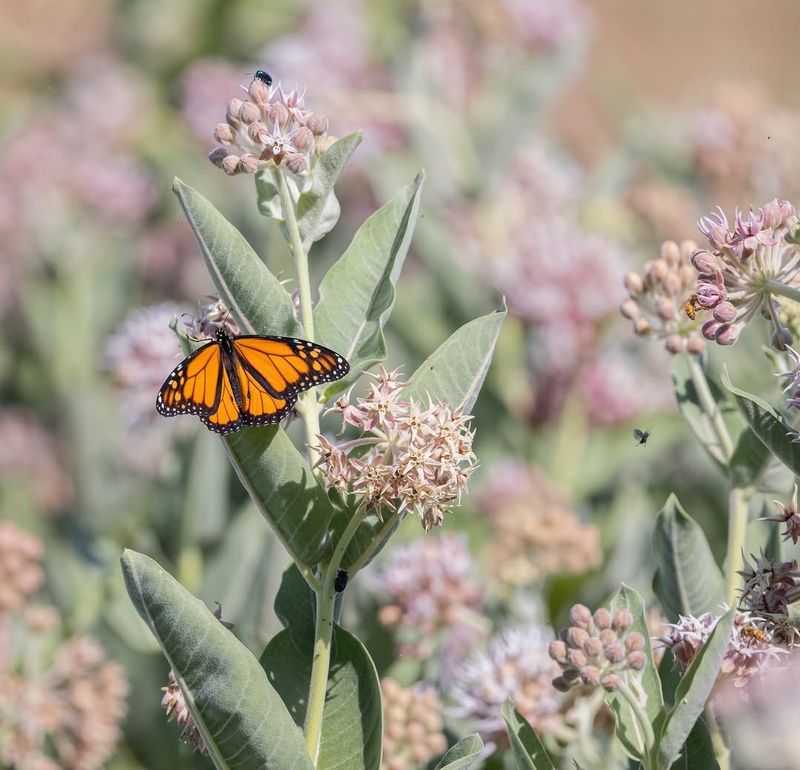
Buzzing bees, fluttering butterflies, and darting hummingbirds turn your yard into a living nature documentary that entertains everyone.
Pollinator gardens feature native California plants like sage, milkweed, and buckwheat that provide food for beneficial insects year-round.
These creatures help nearby vegetable gardens produce more food while supporting ecosystems that have declined in recent decades.
Experts emphasize that California homeowners can make real environmental differences by creating corridors that connect fragmented wildlife habitats.
Children develop appreciation for nature by observing caterpillars transform into butterflies right outside their bedroom windows each spring.
The gardens require no pesticides since you want insects present, making yards safer for kids and pets to play.
Native plants need less water than grass once established because their roots reach deep into California soil for moisture.
Neighbors often join the movement after seeing your colorful garden, creating wildlife corridors that stretch across entire neighborhoods.
Scientists predict pollinator gardens will become standard in California as people recognize their role in supporting food production statewide.
7. Permeable Paving Gardens
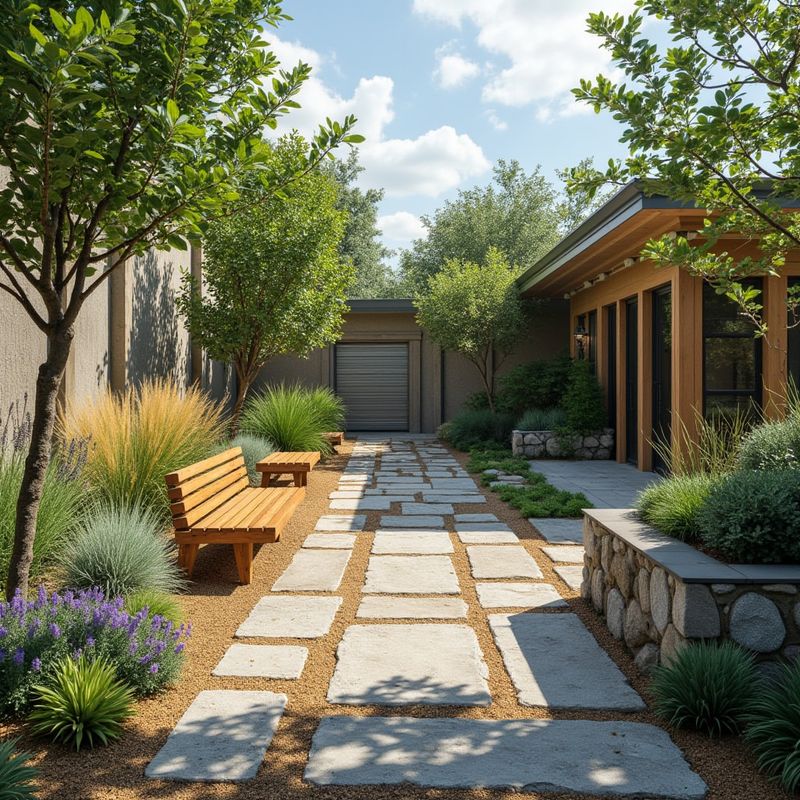
Innovative pavers with gaps allow rainwater to soak into the ground instead of rushing into storm drains and out to sea.
Low-growing plants like thyme and dymondia fill spaces between stones, creating soft green carpets that handle foot traffic beautifully.
California experts love this design because it manages stormwater naturally while providing functional spaces for walking and outdoor activities.
Families can park cars, set up play areas, or create patios without covering every inch in water-blocking concrete.
The design prevents flooding during California’s occasional heavy rains by letting water percolate slowly into soil where it belongs.
Installation costs compare favorably to traditional hardscaping when you factor in reduced drainage problems and water management infrastructure needs.
Plants between pavers stay green with minimal watering since they receive runoff from surrounding stones during any rainfall.
This style looks contemporary and clean, appealing to homeowners who want modern aesthetics without environmental guilt or excessive maintenance.
Municipalities may offer rebates for permeable surfaces since they reduce strain on California’s aging stormwater systems and infrastructure.
8. Shade Garden Retreats
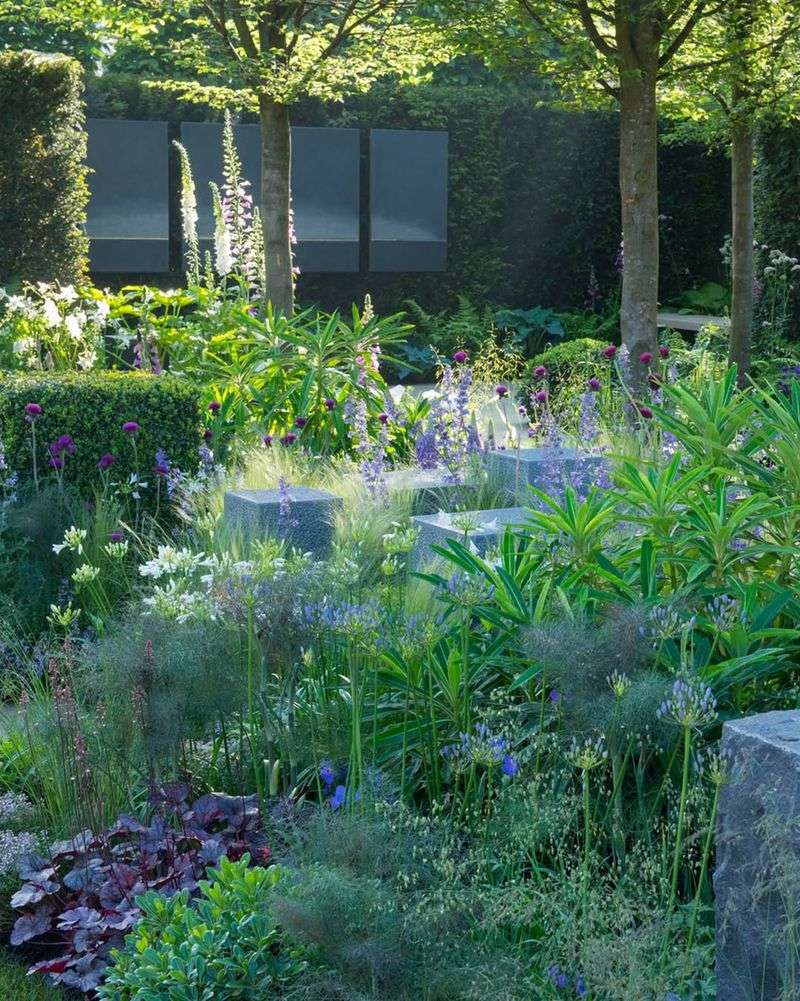
Cool, shaded spaces offer relief from California’s intense summer heat while showcasing plants that thrive without direct sunlight.
Native ferns, coral bells, and woodland plants create serene retreats that feel like forest hideaways right in suburban neighborhoods.
Experts note that many California yards have shaded areas where grass struggles but shade-loving plants would flourish beautifully.
These gardens use significantly less water than sun-baked lawns because shade naturally reduces evaporation and keeps soil moist longer.
Families create outdoor reading nooks or meditation spaces surrounded by lush greenery that stays comfortable even during heat waves.
Existing trees provide structure, so homeowners simply add understory plants that complement the natural canopy already present.
The layered look mimics California’s native oak woodlands, connecting residential landscapes to the state’s natural heritage and ecosystems.
Children build fairy houses and explore imaginary worlds in these magical spaces that spark creativity and outdoor play.
Shade gardens require less maintenance than lawns since plants grow slowly in lower light and weeds struggle under dense canopies.
9. Ornamental Grass Prairies
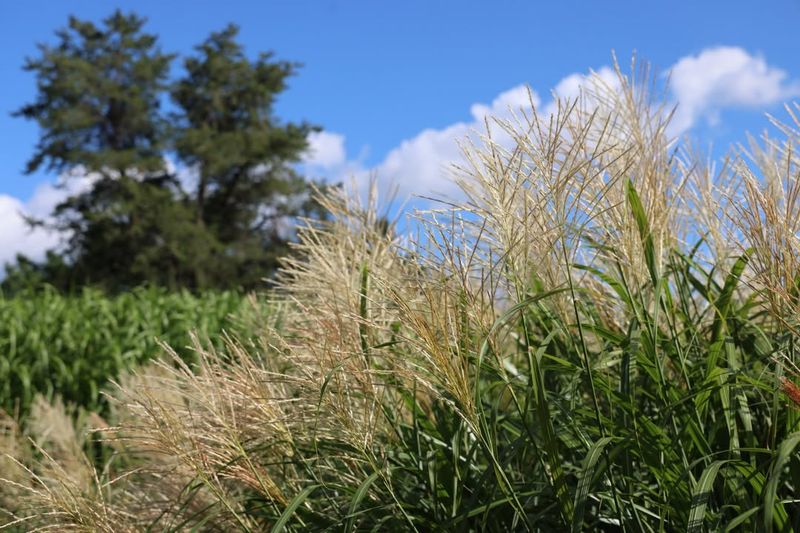
Tall grasses sway gracefully in breezes, creating movement and sound that transform static yards into dynamic living landscapes.
Ornamental grasses like California fescue and deer grass need a fraction of the water required by traditional bluegrass lawns.
The feathery seed heads catch sunlight beautifully, shifting colors from green to gold as California’s seasons change throughout the year.
Experts predict these gardens will surge in popularity because they offer visual interest without demanding constant cutting and trimming.
Birds feast on seeds in fall and winter, providing entertainment and supporting wildlife that struggles in urbanized California communities.
Prairie-style gardens feel natural and relaxed rather than formal, matching California’s casual outdoor lifestyle and easygoing culture perfectly.
Grasses tolerate drought, heat, and poor soil, making them ideal for challenging spots where lawns fail despite heroic efforts.
Annual trimming in late winter takes less time than a single season of weekly mowing, freeing weekends for beach trips.
The look appeals to homeowners wanting contemporary landscapes that feel connected to California’s native grassland heritage and history.
10. Living Mulch Ground Covers
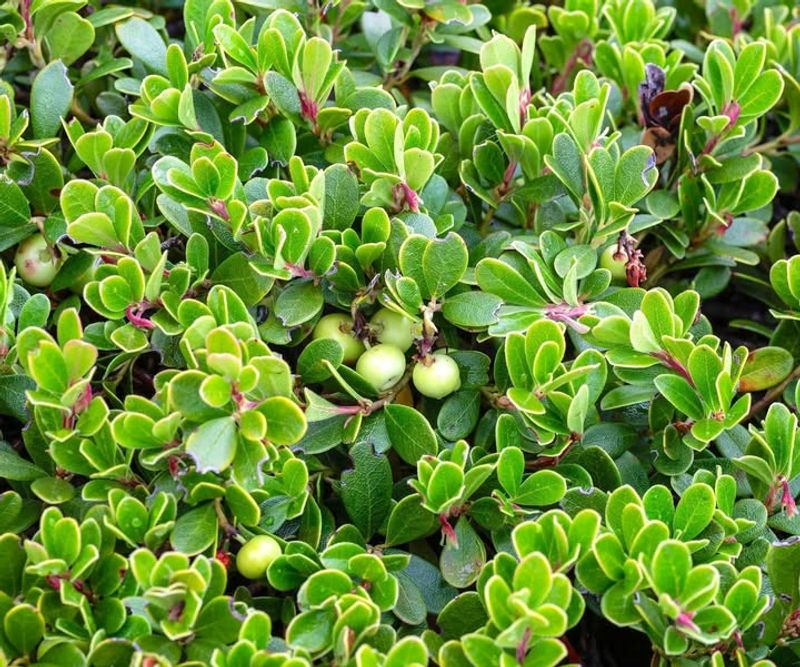
Dense, low-growing plants blanket the ground like living carpets, suppressing weeds while staying green with minimal water or care.
California-friendly options like yarrow, clover, and native strawberry spread naturally, filling spaces without needing replanting each season.
These ground covers fix nitrogen in soil, actually improving dirt quality instead of depleting nutrients like hungry grass does.
Experts champion this approach because it mimics how nature protects soil, preventing erosion during California’s winter rains naturally.
Families can walk on many ground covers without damaging them, though they create softer surfaces than traditional turf grass.
The plants flower periodically, adding color and attracting beneficial insects that help gardens throughout the entire surrounding neighborhood.
Installation involves planting plugs that spread over time, so initial costs stay low while coverage increases naturally each year.
Ground covers stay short without mowing, though some homeowners trim them occasionally to maintain preferred heights and appearances.
This design works beautifully in California because it conserves water while keeping yards green and functional for outdoor family activities.