8 New Garden Designs New Mexico Experts Predict Will Replace Lawns By 2040
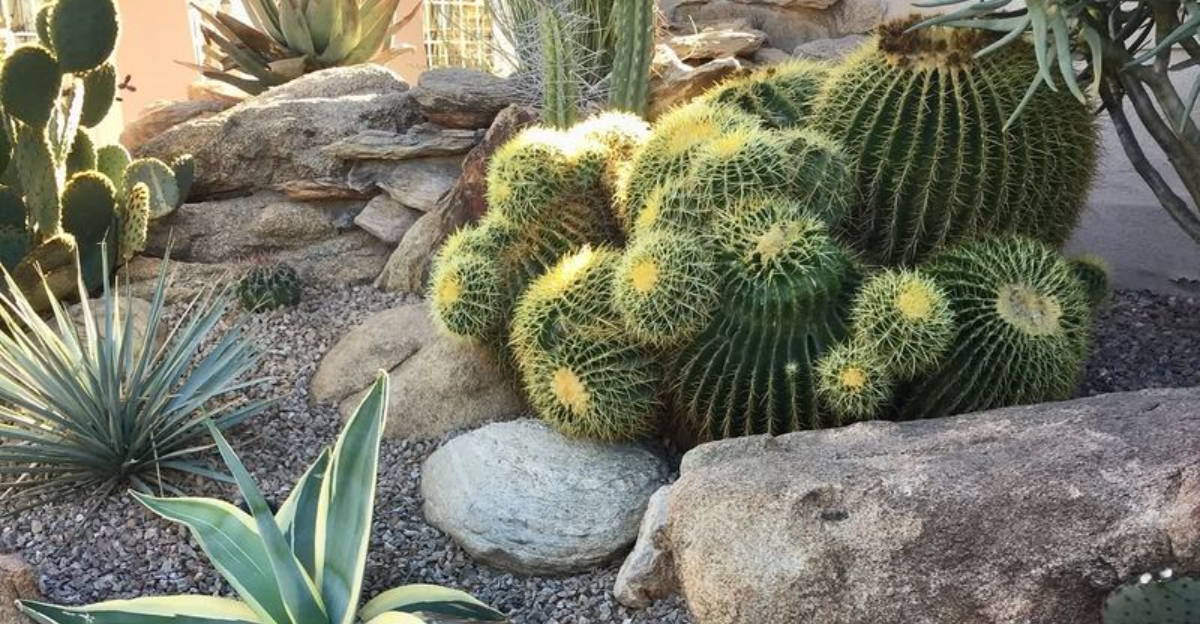
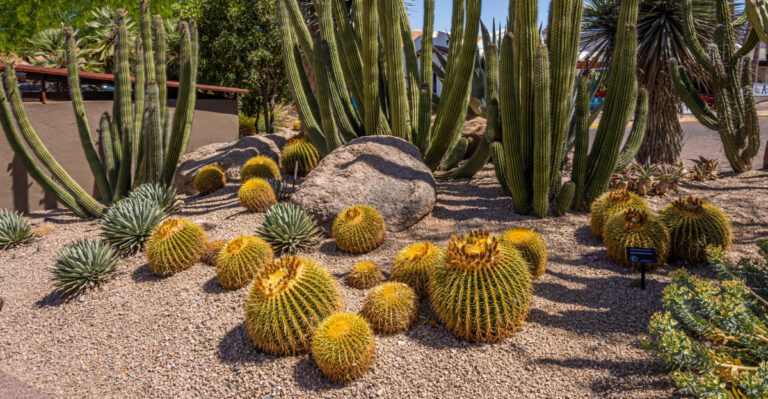
New Mexico’s outdoor spaces are getting a makeover with bold garden designs that swap out lawns for creative, low-water plants and dreamy textures.
By 2040 these trends could turn yards into colorful extensions of home, inviting play, relaxation, and connection to the land.
1. Native Wildflower Meadows
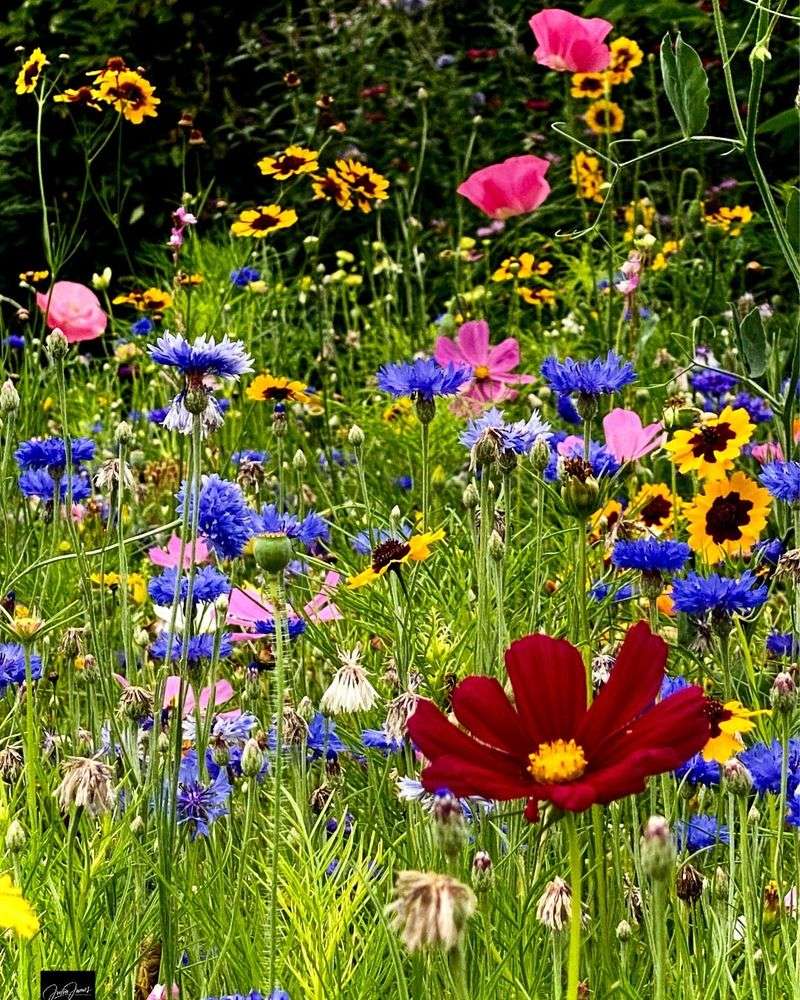
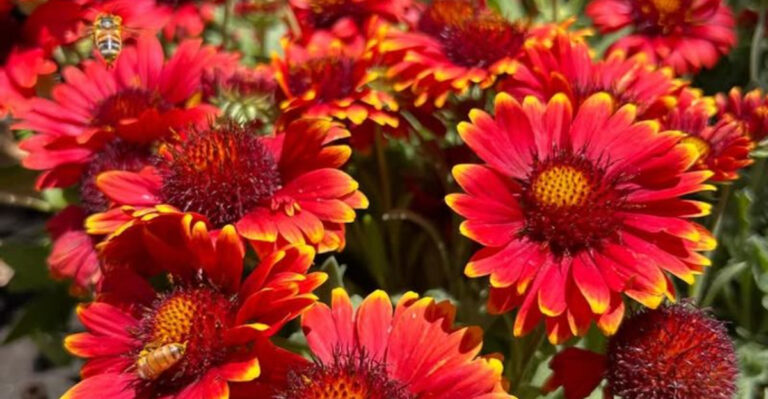
Colorful blooms native to the Southwest are transforming yards into vibrant meadows that need minimal water and attract pollinators like bees and butterflies everywhere.
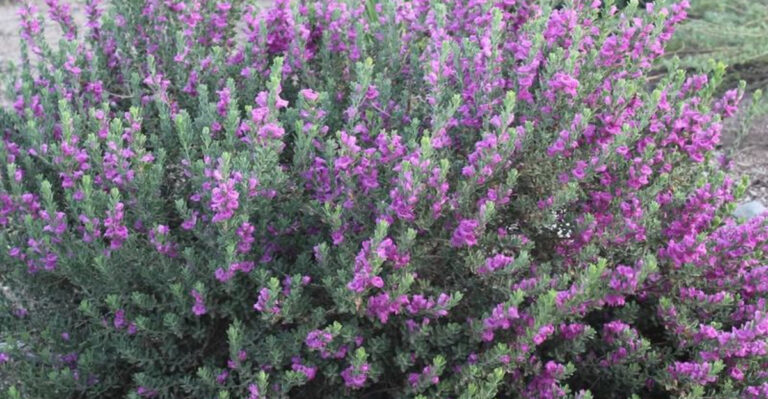
Homeowners across New Mexico are planting penstemon, desert marigold, and blanket flower to create stunning displays that change with each passing season naturally.
Unlike grass lawns, wildflower meadows thrive in poor soil and require no fertilizers, making them incredibly easy to maintain once they get established.
These gardens support local ecosystems by providing food and shelter for birds, insects, and other creatures that call the high desert home year-round.
Experts say wildflower meadows can reduce water usage by up to seventy-five percent compared to traditional grass lawns in our arid New Mexico climate.
The initial setup involves clearing existing grass, spreading native seeds in fall or early spring, and watering lightly until plants take root successfully.
Once mature, these meadows need only occasional watering during extreme droughts, and they self-seed to fill in bare spots without any human intervention needed.
Walking through a wildflower meadow feels magical, with textures and colors that shift throughout the year, offering something new to discover every single month.
2. Xeriscaping with Sculptural Succulents
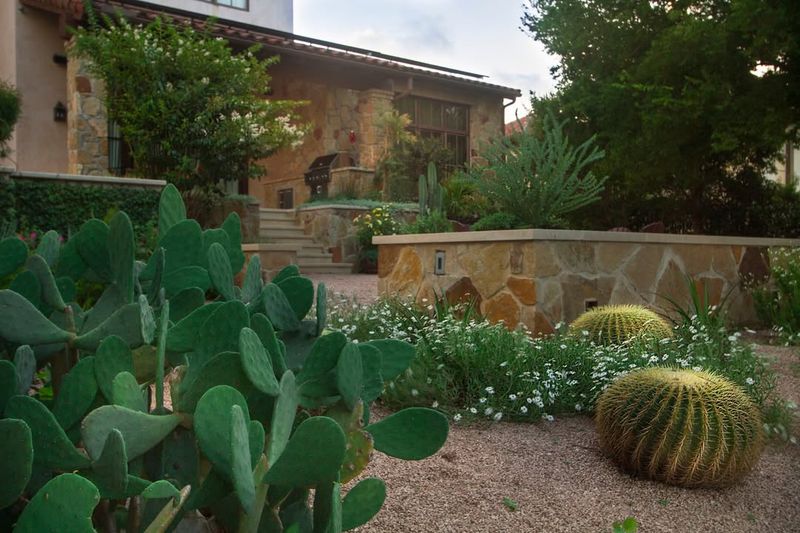
Sculptural succulents and cacti are becoming the stars of New Mexico gardens, offering dramatic shapes and textures that make yards look like living art galleries.
Agave, yucca, and prickly pear create architectural focal points that require almost no water once established, thriving in our intense sunshine and dry conditions.
Landscape designers are pairing these bold plants with decorative gravel, boulders, and driftwood to craft gardens that feel modern, elegant, and perfectly suited to place.
Xeriscaping focuses on water conservation through smart plant choices, efficient irrigation, and soil improvements, making it ideal for our state’s limited water resources available.
Many New Mexico homeowners are discovering that succulent gardens stay green year-round, providing visual interest even during winter when other plants go completely dormant.
These gardens also need very little maintenance—no mowing, minimal pruning, and occasional weeding—which frees up weekends for activities more enjoyable than yard work.
Experts recommend grouping succulents by water needs and adding mulch to retain moisture, reducing evaporation and keeping roots cool during scorching summer afternoons.
The result is a stunning, low-maintenance landscape that celebrates the natural beauty of desert plants while conserving precious water resources for future generations everywhere.
3. Edible Desert Gardens
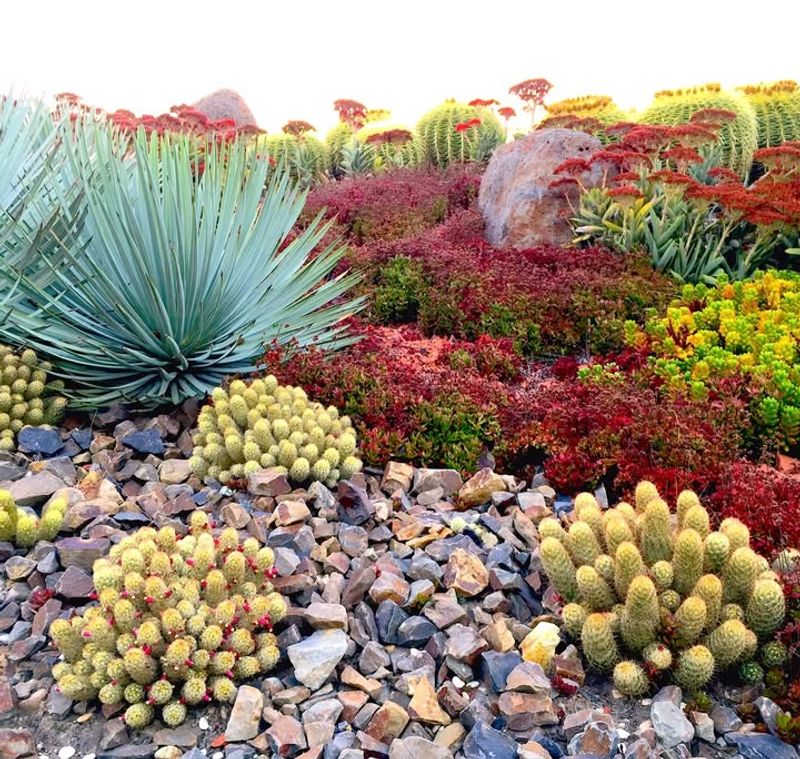
Growing food in the desert might sound impossible, but New Mexico gardeners are proving that edible landscapes can flourish with the right plants and techniques.
Fruit trees like apricot, fig, and pomegranate thrive in our climate, along with herbs such as rosemary, oregano, and sage that love hot, dry conditions.
Raised beds filled with amended soil help vegetables like tomatoes, peppers, and squash produce abundant harvests despite the challenges of alkaline soil and limited rainfall.
Edible gardens provide fresh, organic produce right outside your door, reducing grocery bills and eliminating the environmental cost of transporting food long distances.
Many New Mexico residents are incorporating drip irrigation systems that deliver water directly to plant roots, minimizing waste and ensuring every drop counts during dry spells.
Companion planting—pairing compatible crops together—naturally deters pests and improves soil health, reducing the need for chemical pesticides and fertilizers that harm beneficial insects.
Experts suggest starting small with a few easy crops, then expanding as you gain confidence and learn what grows best in your specific microclimate.
Imagine stepping outside to pick ripe tomatoes for salsa or fresh herbs for dinner, all while enjoying a beautiful landscape that feeds both body and soul.
4. Gravel Gardens with Ornamental Grasses

Ornamental grasses swaying in the breeze create movement and texture in New Mexico yards, transforming static landscapes into dynamic spaces that change throughout the day.
Species like blue grama, deer grass, and Mexican feather grass are perfectly adapted to our climate, needing minimal water once their root systems establish deeply.
Gravel mulch surrounding these grasses suppresses weeds, reflects heat to keep soil cooler, and creates a clean, contemporary look that complements Southwestern architecture beautifully.
These gardens require almost no maintenance—just an annual trim in late winter to remove old growth and make room for fresh blades to emerge.
Ornamental grasses provide habitat for beneficial insects and small wildlife, supporting biodiversity in urban and suburban areas where natural habitats have been lost to development.
The seed heads of many grasses offer visual interest through fall and winter, and they provide food for birds that visit New Mexico yards during migration.
Landscape professionals recommend mixing different grass heights and textures to create layers and depth, making even small spaces feel more expansive and interesting to explore.
The rustling sound of grasses moving in the wind adds a peaceful, calming element to outdoor spaces, creating a sensory experience that connects us to nature.
5. Rock Gardens with Desert Perennials
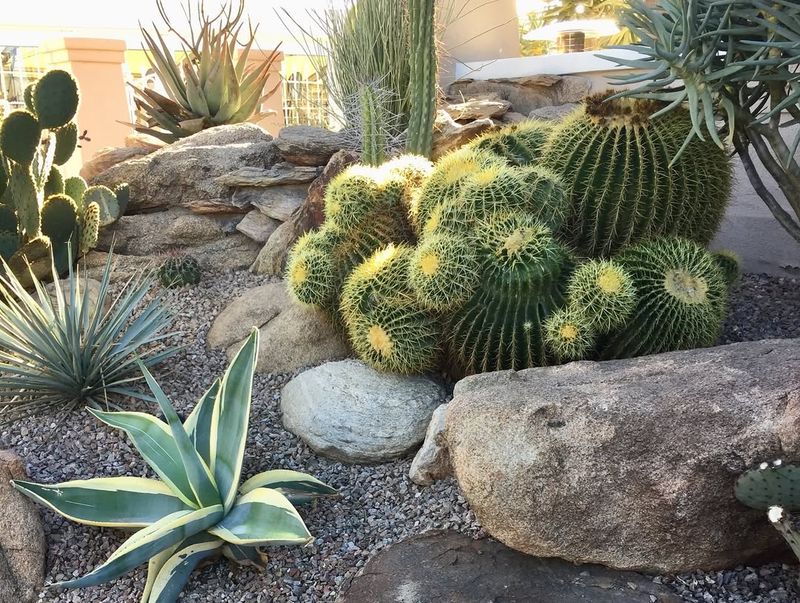
Boulders and stones arranged artfully with tough desert perennials create gardens that look like they belong in the wild landscapes surrounding New Mexico communities naturally.
Plants like penstemon, salvia, and desert zinnia thrive among rocks, their roots staying cool beneath the stones while their flowers add splashes of vibrant color.
Rock gardens excel at managing drainage, preventing erosion on slopes, and creating microclimates where different plants can find the exact conditions they prefer for optimal growth.
These landscapes celebrate the rugged beauty of the Southwest, embracing the natural geology and plant communities that make our state unique and visually striking to visitors.
Homeowners can source rocks locally, reducing costs and ensuring the materials match the natural stone found in their specific New Mexico region perfectly well.
Perennials return year after year, so rock gardens become more established and beautiful with time, unlike annuals that need replanting every single growing season.
Experts advise placing larger boulders first to create the garden’s backbone, then filling in with smaller stones and plants to achieve a natural, unforced appearance.
The result is a timeless landscape that requires minimal watering, no mowing, and very little upkeep, leaving more time to actually enjoy your outdoor space.
6. Pollinator Pathways
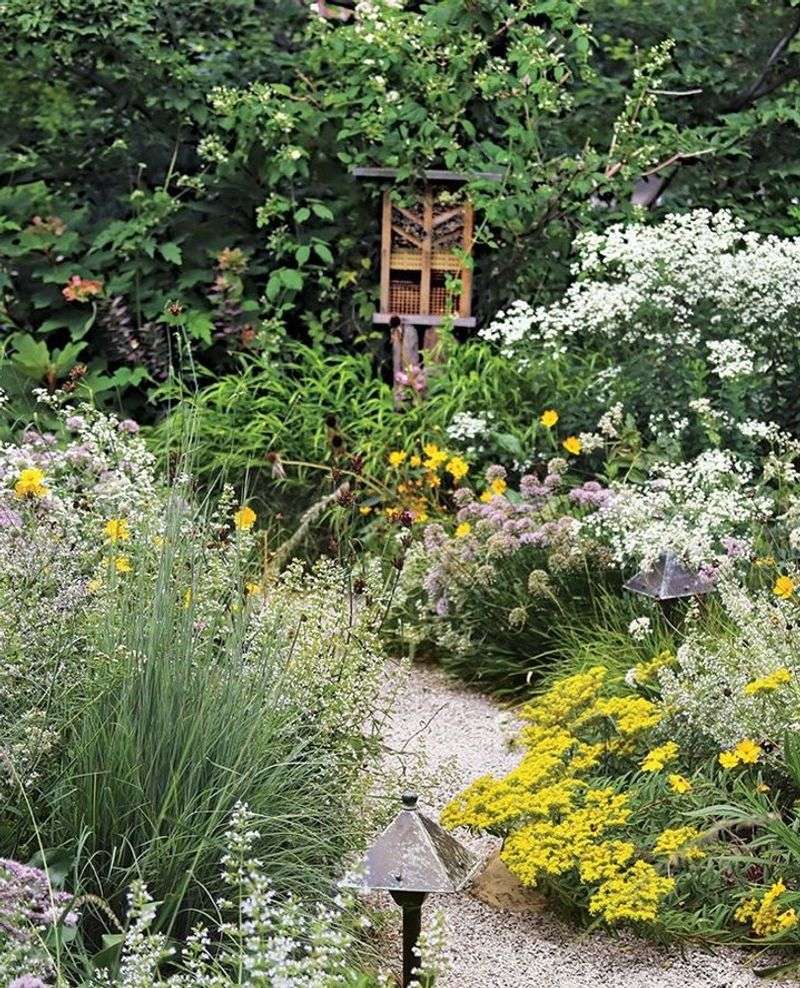
Creating corridors of flowering plants helps bees, butterflies, and hummingbirds travel safely through neighborhoods, supporting these essential creatures that pollinate our food crops everywhere.
New Mexico gardeners are planting native species like Apache plume, chuparosa, and rabbitbrush that provide nectar and pollen throughout the growing season for hungry pollinators.
These pathways connect fragmented habitats, allowing insects and birds to move between parks, gardens, and wild areas without encountering deserts of grass or concrete.
Pollinator gardens burst with color and life, attracting fascinating creatures that kids and adults love watching as they go about their important work each day.
Experts recommend avoiding pesticides completely, as chemicals harm the very pollinators we’re trying to help, even when products claim to be safe or selective.
Including a shallow water source like a birdbath with pebbles gives pollinators a place to drink safely without the risk of drowning in deep water.
Many communities across New Mexico are encouraging residents to participate in creating continuous pollinator pathways, making entire neighborhoods more wildlife-friendly through collective action and shared goals.
Watching a hummingbird hover at a flower or a butterfly emerge from its chrysalis creates memorable moments that connect us to nature in meaningful ways.
7. Courtyard Gardens with Shade Structures
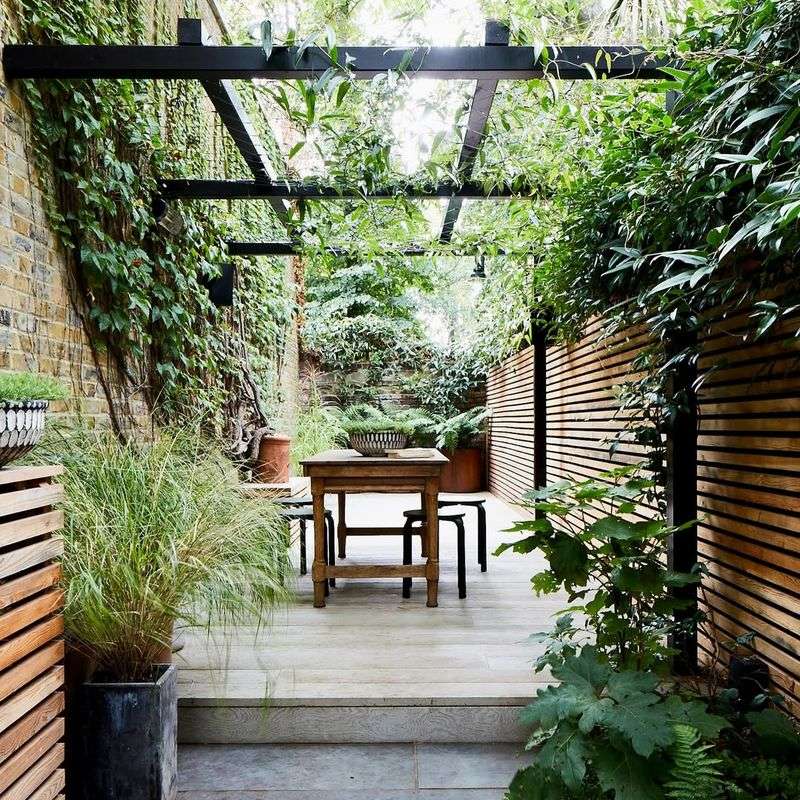
Traditional Southwestern courtyards enclosed by walls or buildings create intimate outdoor rooms where families can relax comfortably even during New Mexico’s hottest summer months.
Adding pergolas, ramadas, or shade sails provides relief from intense sun, making these spaces usable for dining, reading, or simply enjoying the outdoors year-round.
Potted plants like bougainvillea, lantana, and citrus trees add color and fragrance without requiring large planting areas, perfect for compact urban or courtyard settings.
Courtyards capture and recycle precious rainwater through thoughtful grading and drainage, directing runoff to planted areas where it can soak in rather than running off.
These enclosed spaces feel private and peaceful, offering refuge from busy streets and creating a personal oasis where you can unwind after long days.
Incorporating water features like small fountains adds soothing sounds and helps cool the air through evaporation, making courtyards even more comfortable and inviting throughout summer.
Landscape architects in New Mexico often recommend paving courtyards with permeable materials like flagstone or decomposed granite that allow water to infiltrate rather than creating runoff.
Courtyard gardens blend indoor and outdoor living seamlessly, extending your home’s usable square footage and creating beautiful spaces for entertaining friends and family gatherings regularly.
8. Rain Gardens and Bioswales
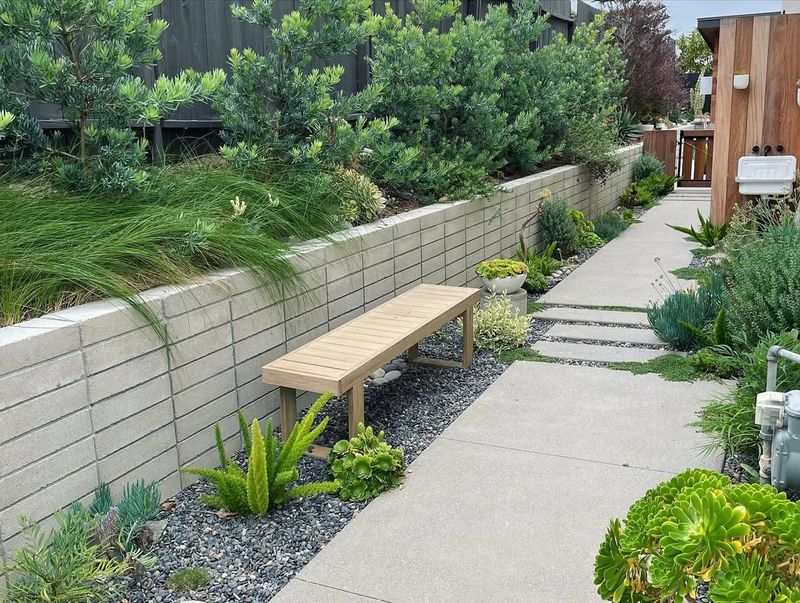
Rain gardens are shallow depressions planted with water-loving natives that capture runoff from roofs and driveways, allowing it to soak slowly into the ground naturally.
These features prevent flooding, reduce erosion, and recharge groundwater supplies that New Mexico communities depend on for drinking water and agriculture throughout the region constantly.
Plants like sedges, rushes, and New Mexico iris thrive in rain gardens, tolerating both wet conditions after storms and dry periods between rainfall events successfully.
Bioswales are similar but designed as gently sloped channels that guide water through planted areas, filtering pollutants before water reaches streams or aquifers below.
Experts predict rain gardens will become standard features in new developments across New Mexico as water conservation and stormwater management become increasingly critical environmental priorities statewide.
Installing a rain garden involves digging a shallow basin, amending soil to improve infiltration, and planting species that can handle periodic flooding without suffering damage.
These gardens look beautiful when dry, functioning as regular landscape beds, but they truly shine after rainstorms when they fill temporarily with water and perform their magic.
By managing water onsite, rain gardens reduce strain on municipal stormwater systems and help prevent downstream flooding, benefiting entire communities through individual homeowner actions taken locally.