New Kale North Carolina Gardeners Are Planting Looks Like Landscaping But Tastes Like A Crop
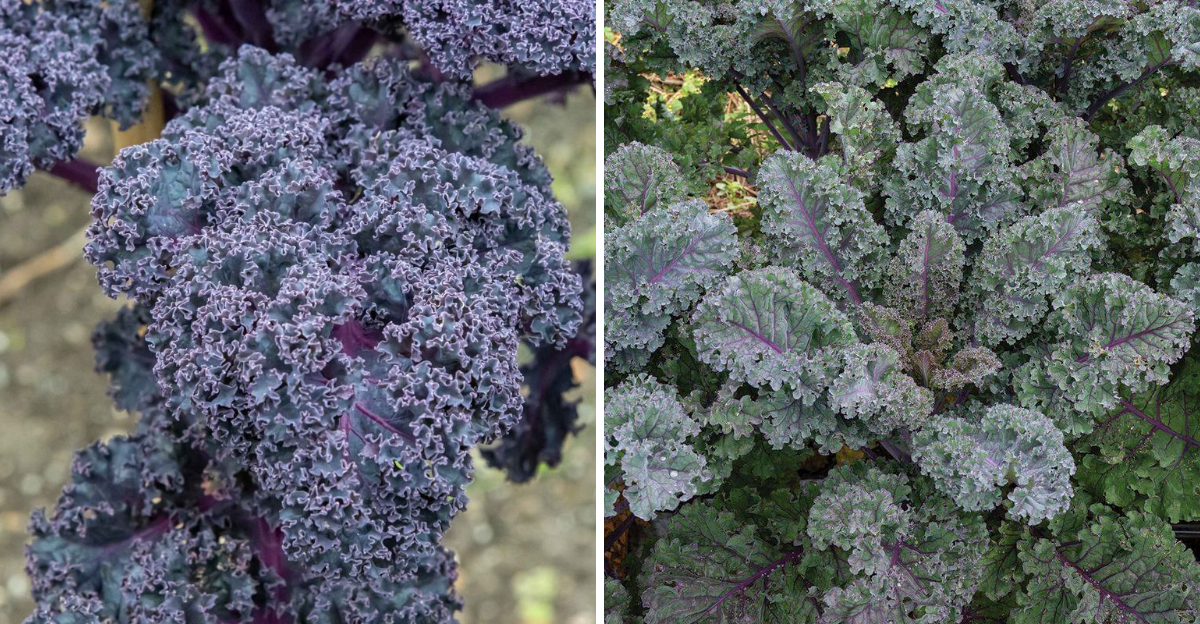
North Carolina gardeners are taking notice of a kale variety that is quickly becoming one of the most talked about additions to backyard beds and landscape borders across the state.
Kale Rubybor F1 has just earned the 2026 All-America Selections Gold Medal, and the excitement is easy to understand.
It is the first kale ever recognized in both the ornamental and edible categories, a rare combination that makes it stand out among popular plants grown in North Carolina gardens.
From the Piedmont to the Coastal Plain and into the Mountains, gardeners are always searching for plants that deliver both beauty and productivity.
Rubybor F1 does exactly that, offering rich color, strong performance, and dependable growth through the cooler parts of the season.
It is already catching attention in home gardens, community plots, and decorative containers. So what makes this new kale variety so special, and why are so many North Carolina gardeners eager to grow it this season?
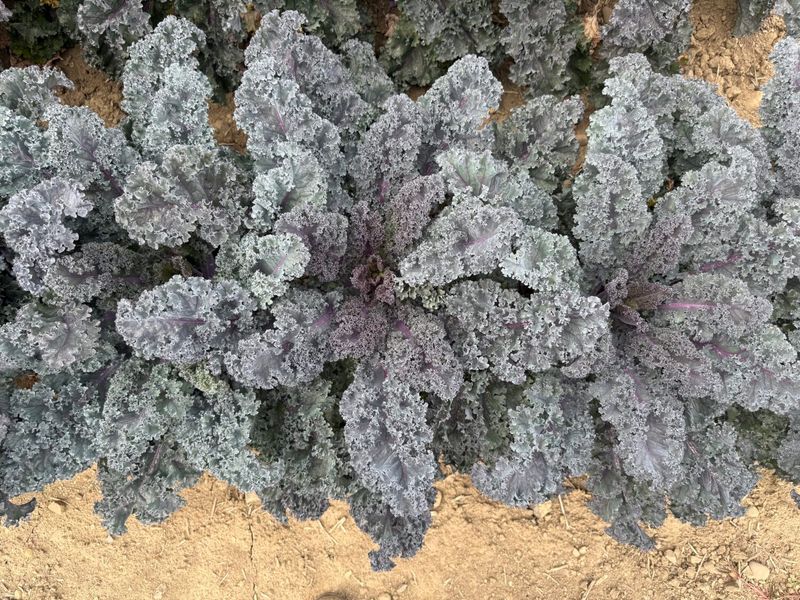
Deep Purple Leaves That Stay Colorful All Season
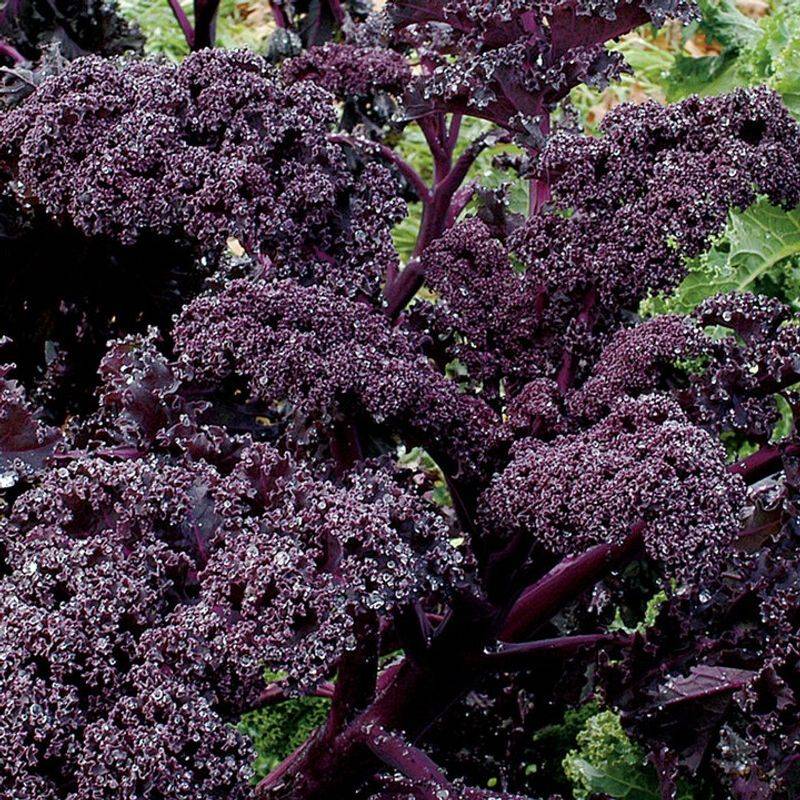
Picture walking out to your garden every morning and seeing a bold splash of deep purple that never fades. That is exactly what Rubybor F1 delivers season after season.
Its rich, jewel-toned foliage holds its color from the first warm days of spring all the way through the cooler fall months in North Carolina.
Most leafy greens blend into the background, but Rubybor F1 stands out like a natural centerpiece. The leaves develop a deep burgundy-purple shade that actually intensifies as temperatures cool in autumn.
Gardeners across NC have noticed how consistent the color remains, even during long stretches of warm weather that would fade other varieties.
The secret is in the plant’s genetics. Rubybor F1 was carefully bred to maintain uniform, vibrant color throughout its entire growing life.
Each leaf features beautifully ruffled edges that catch the light and add texture to any planting. Whether it sits beside flowering annuals or anchors a vegetable bed, the visual payoff is hard to beat.
Beyond looks, the deep pigmentation in the leaves actually signals high levels of beneficial antioxidants. So the more colorful the leaf, the more nutritious your harvest.
NC gardeners get a plant that works hard visually and nutritionally, all without any extra effort on their part.
Award-Winning Performance (AAS Gold Medal Winner)
Winning one All-America Selections Gold Medal is impressive. Winning two at the same time, in both ornamental and edible categories, is something that has never happened before for a kale variety.
Rubybor F1 made history in 2026, and NC gardeners are taking notice in a big way. The AAS program has been testing new plant varieties for over 85 years, making it one of the most trusted names in horticulture across North America.
When a plant earns a Gold Medal, it means it outperformed every other entry in rigorous trials conducted at independent growing locations across the continent. That kind of recognition is not handed out lightly.
Trial judges evaluated Rubybor F1 on performance, appearance, flavor, yield, and adaptability. The plant scored at the top in every category, which is why it earned the rare double Gold Medal distinction.
For gardeners in North Carolina, where growing conditions can shift quickly between seasons, that proven adaptability matters a lot.
Choosing award-winning plants takes the guesswork out of gardening. Instead of experimenting with an unknown variety, you are planting something that has already proven itself under real garden conditions.
Rubybor F1 is not just a pretty plant with a fancy label. It is a proven performer backed by science, testing, and results that speak for themselves.
Combines Beauty And Edible Value
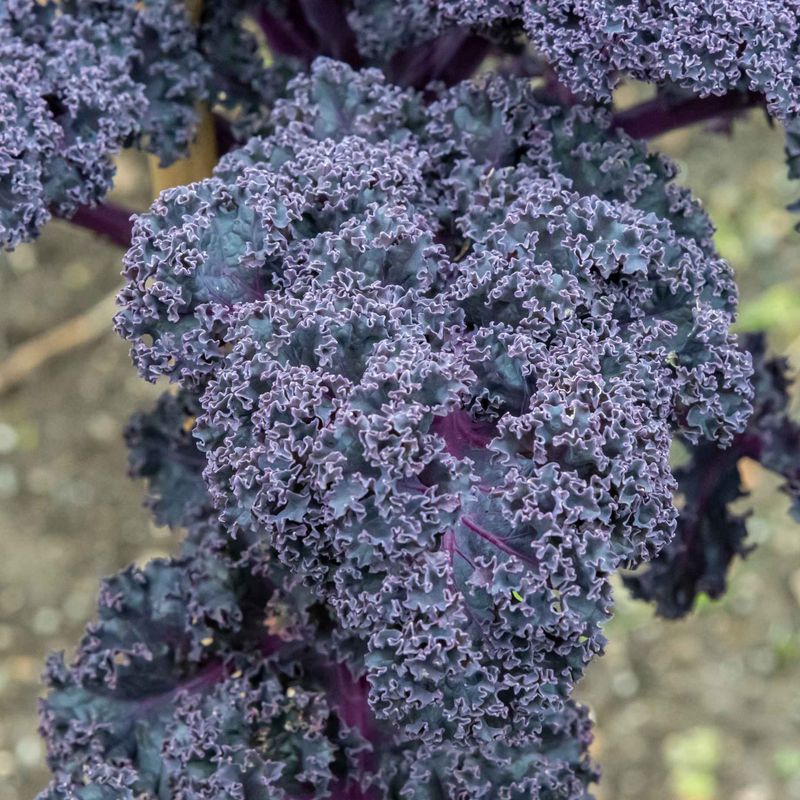
Most gardeners have to choose between a plant that looks good and one that tastes good. Rubybor F1 refuses to make you pick just one.
Its vibrant purple leaves make it a natural fit in ornamental beds, while its tender, nutritious foliage makes it equally at home in the vegetable garden.
Across North Carolina, creative gardeners are mixing Rubybor F1 into flower borders, front-yard landscapes, and patio containers without sacrificing a single harvest.
The plant looks polished enough to sit beside roses or ornamental grasses, yet you can snip leaves for dinner the same evening. That dual-purpose quality is genuinely rare in the plant world.
Landscape designers have started recommending Rubybor F1 as an edible landscape option for homeowners who want beauty and function in the same space.
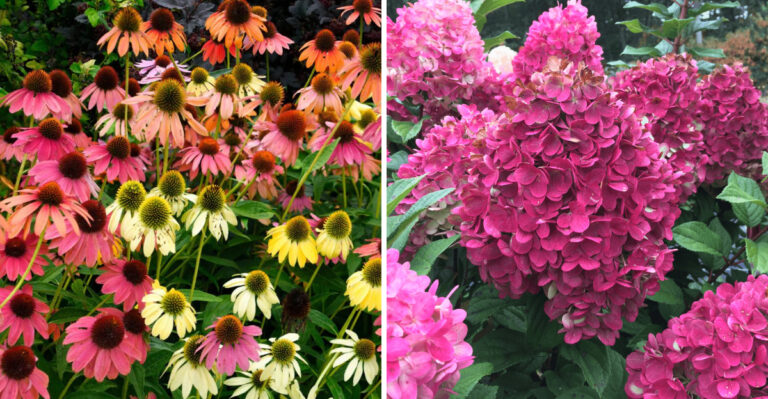
It pairs beautifully with yellow or orange flowering plants, creating a color contrast that draws the eye immediately.
The compact, uniform growth habit also means it stays tidy without constant trimming or reshaping.
Nutritionally, kale is one of the most nutrient-dense leafy greens available, loaded with vitamins A, C, and K along with fiber and antioxidants.
Rubybor F1 brings all of that goodness in a package that also happens to look stunning. NC gardeners get the best of both worlds without any compromise at all.
Mild And Tender Flavor Without The Bitterness
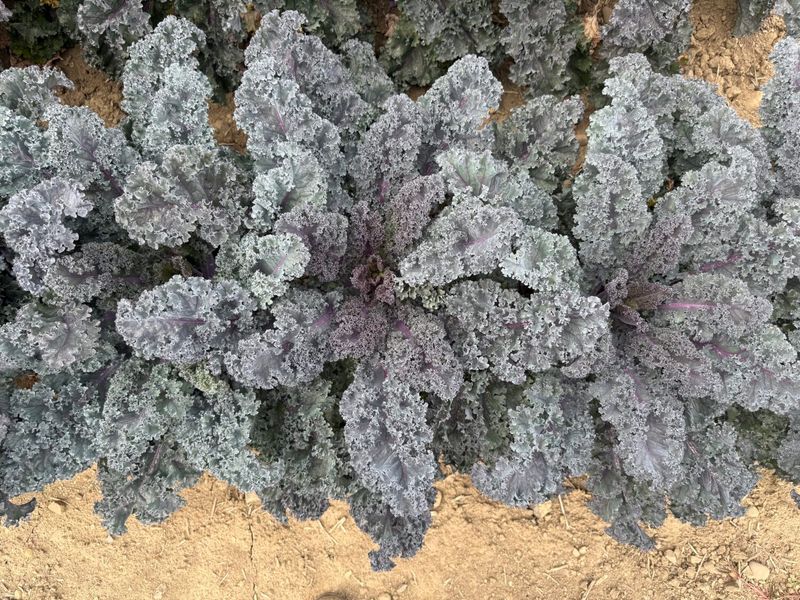
Kale has a reputation for being tough and bitter, and honestly, that reputation has kept a lot of people away from it for years. Rubybor F1 flips that script completely.
The leaves are noticeably tender and carry a mild, pleasant flavor that makes eating fresh kale genuinely enjoyable rather than something you have to push through.
Younger leaves harvested from Rubybor F1 are soft enough to eat raw in salads without any massaging or heavy dressings to mask bitterness.
NC home cooks have been using these leaves in smoothies, grain bowls, wraps, and stir-fries, and the feedback is consistently the same: it tastes clean, mild, and fresh. Even picky eaters in the family tend to come around once they try it.
The tenderness comes from the plant’s breeding, which focuses on producing leaves with a finer texture and lower levels of the compounds that cause that sharp, bitter taste in older kale varieties.
Cooking also brings out a slightly sweet, earthy note that pairs well with garlic, lemon, and olive oil. It is incredibly versatile in the kitchen.
For North Carolina families who want to eat more greens without fighting through strong flavors, Rubybor F1 is a genuinely approachable option.
The flavor stays consistent throughout the season, so every harvest brings the same satisfying, mild taste whether you pick in spring or late fall.
High Yield, Even In Warm Conditions
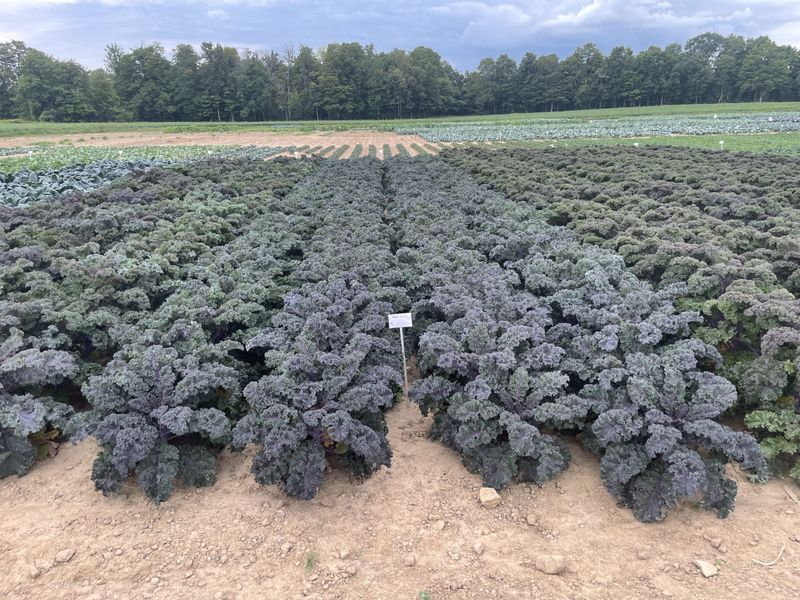
Heat is one of the biggest challenges for leafy greens in North Carolina, where summer temperatures can climb quickly and stay high for weeks at a time. Many kale varieties slow down, bolt, or produce tough leaves once the heat arrives.
Rubybor F1 handles warm conditions far better than most, keeping up a steady, productive growth rate even when temperatures rise.
AAS trial results confirmed that Rubybor F1 consistently outperformed other kale entries under heat stress conditions. The plant maintains its upright structure and continues pushing out fresh leaves rather than putting all its energy into flowering.
For NC gardeners, that means more harvests stretched across a longer season without replanting or babysitting the garden constantly.
High yield matters beyond just having plenty to eat. A productive plant means you get more value from the same amount of garden space, water, and fertilizer.
Rubybor F1 is efficient in that way, rewarding growers with generous harvests relative to the care it requires. Even first-time vegetable gardeners in North Carolina have reported impressive results with this variety.
The ability to produce in warm weather also extends the planting window considerably. You do not have to rush to harvest everything before summer arrives.
Rubybor F1 keeps going, keeps producing, and keeps delivering fresh, tender leaves well into the warmer months, making it one of the most productive kale options available to NC gardeners today.
Compact Growth Habit, Ideal For Smaller Spaces
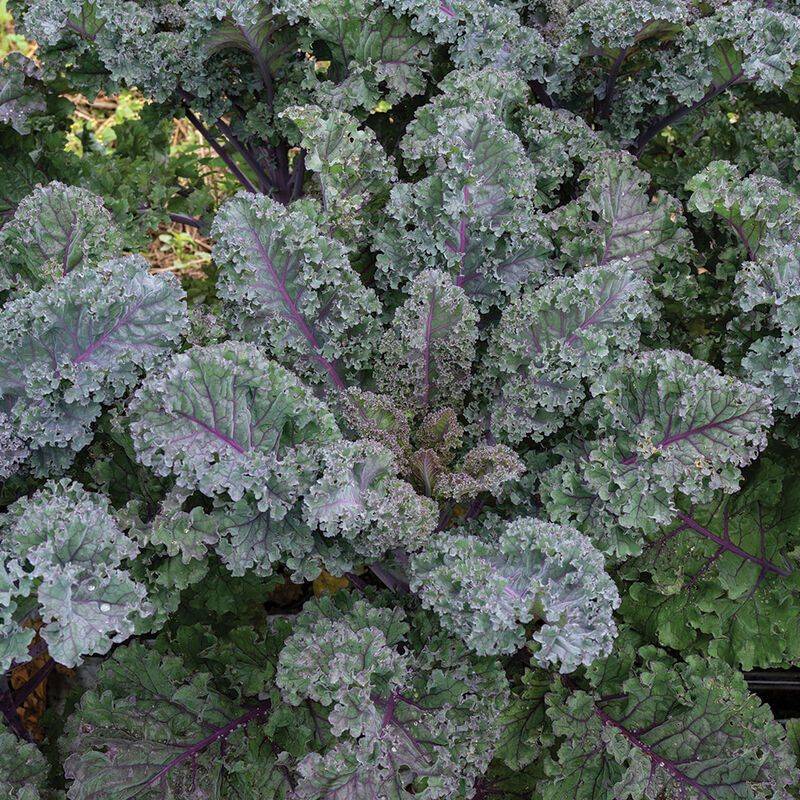
Not every gardener in North Carolina has acres of land to work with. Many people are working with small backyard plots, narrow side yards, or modest raised beds, and that is exactly where Rubybor F1 shines.
Its naturally compact, bushy growth habit means it fits comfortably into tight spaces without crowding out neighboring plants.
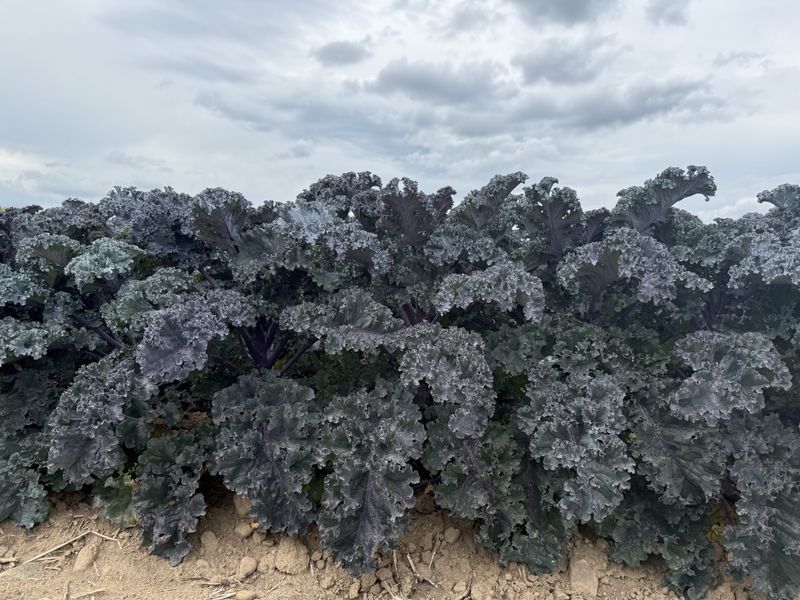
Rubybor F1 typically reaches around 36 inches tall and spreads about 24 inches wide, making it a manageable size for most garden setups.
Unlike sprawling or leggy kale varieties that can take over a bed, this one stays neat and contained throughout the season.
You can plant it closer together or pair it with other vegetables without worrying about one plant swallowing up all the space.
The uniform growth habit also makes planning your garden layout much easier. Every plant grows to roughly the same size and shape, so your beds look organized and intentional rather than chaotic.
NC gardeners who take pride in a tidy, well-designed garden will appreciate how Rubybor F1 cooperates with the plan instead of fighting it.
Smaller gardens do not have to mean smaller harvests. Because Rubybor F1 packs a lot of leaf production into a compact form, you get impressive yields from a relatively small footprint.
Whether you are gardening in a townhouse yard or a community garden plot in North Carolina, this variety makes every square foot count.
Versatile For Containers And Raised Beds
Container gardening has exploded in popularity across North Carolina, especially in urban neighborhoods and suburban areas where ground space is limited. Rubybor F1 is one of those rare vegetables that genuinely thrives in a pot just as well as it does in the ground.
Its compact size and strong root system make it an excellent candidate for container growing.
Choose a container that is at least 12 inches deep and wide, fill it with quality potting mix, and Rubybor F1 will reward you with a full, lush plant that looks as good as any ornamental.
Placing a few pots on a porch, balcony, or patio creates an instant edible display that impresses guests and feeds the family at the same time.
The deep purple foliage looks especially striking against terracotta or dark-colored containers.
Raised beds are another winning environment for this variety. The improved drainage and warmer soil temperatures in raised beds suit Rubybor F1 perfectly, especially during North Carolina’s spring and fall growing seasons.
Many NC gardeners have found that plants in raised beds establish faster and produce earlier than those grown directly in native soil.
The flexibility to grow Rubybor F1 in containers, raised beds, or traditional garden rows makes it accessible to nearly every type of gardener.
Beginners appreciate how forgiving it is, and experienced growers love having a variety that fits seamlessly into any garden setup they already have in place.
Continuous Harvest From Spring To Fall
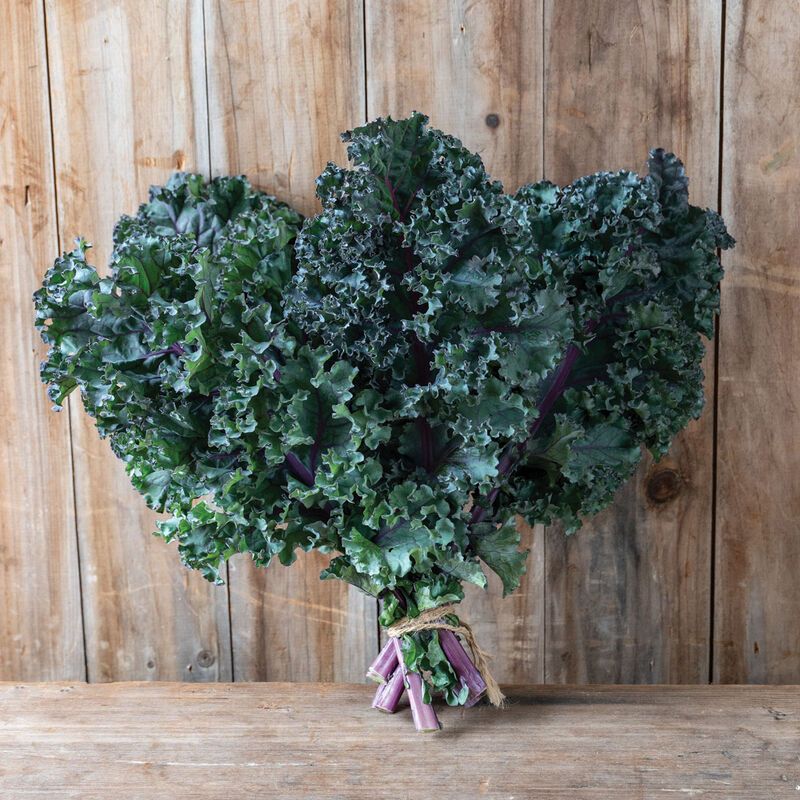
One of the most satisfying things about growing Rubybor F1 is the sheer length of time it keeps producing. From the first harvest in early spring all the way through the cooler days of fall, this plant keeps pushing out fresh, tender leaves that are ready to pick and eat.
For NC gardeners who want maximum value from their garden space, that extended season is a huge advantage.
The cut-and-come-again harvesting method works beautifully with Rubybor F1. Simply remove the outer leaves as they reach a good size, and the plant will continue growing from the center, producing new leaves within days.
This approach keeps the plant productive and looking full rather than stripped bare, which matters if the kale is also serving an ornamental role in your garden design.
North Carolina’s climate is well-suited to this kind of extended kale season. Spring planting gets the season started early, and fall’s cooler temperatures actually improve the flavor of the leaves, making late-season harvests some of the best of the year.
A light frost will not stop Rubybor F1 either; it is quite tolerant of cool temperatures and often tastes even sweeter after a cold night.
Stretching a single planting across so many months means fewer trips to the store and more fresh, homegrown greens on the table.
For families in North Carolina looking to grow more of their own food, Rubybor F1 delivers a harvest that just keeps on giving from season to season.