New Mexico Gardeners Share 10 Ways To Protect Plants From Too Much Sun
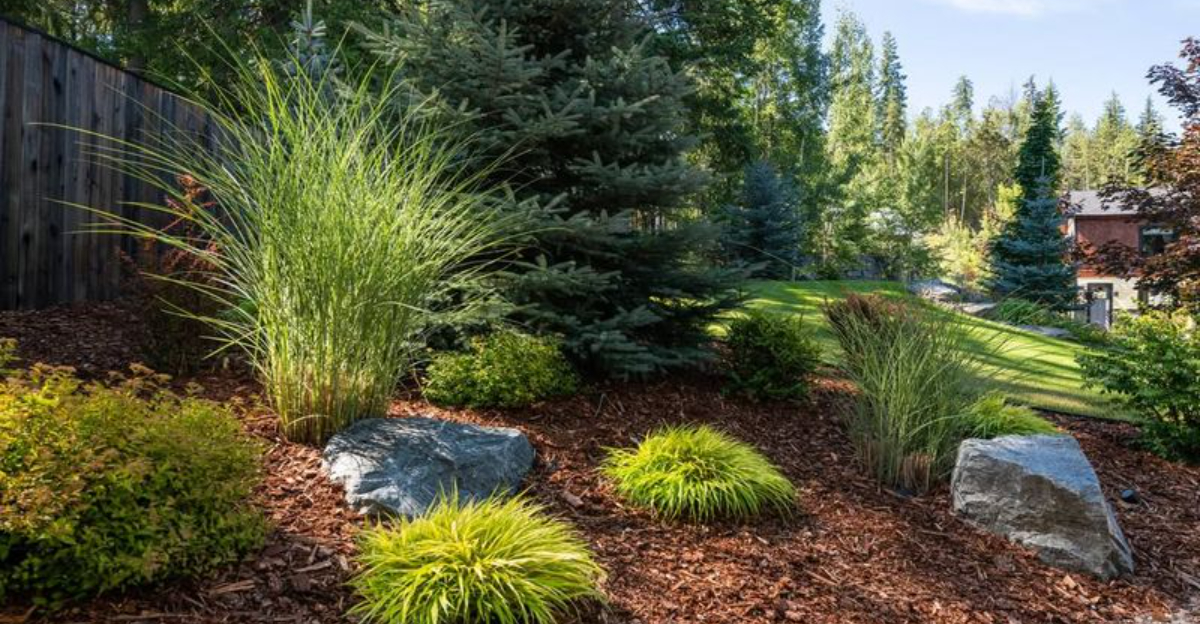
New Mexico’s bright sun and intense heat can stress even the hardiest plants. Too much sunlight can scorch leaves, stunt growth, and reduce blooms, making sun protection essential for a healthy garden.
Your plants can thrive even in blazing sun with the right strategies. These tips from experienced New Mexico gardeners include using shade cloth, selecting heat-tolerant plants, proper watering, mulching, and strategic placement to minimize sun damage.
By adjusting exposure and creating protective microclimates, gardeners can keep plants healthy and productive throughout the hottest months. Small changes now prevent big damage later and keep your garden vibrant.
New Mexico gardeners who implement these practices enjoy lush, thriving landscapes despite the harsh sun. With the right care, your garden can stay colorful, healthy, and strong all season.
Protect your plants and keep your garden flourishing under the desert sun.
1. Choose Sun-Tolerant Plants
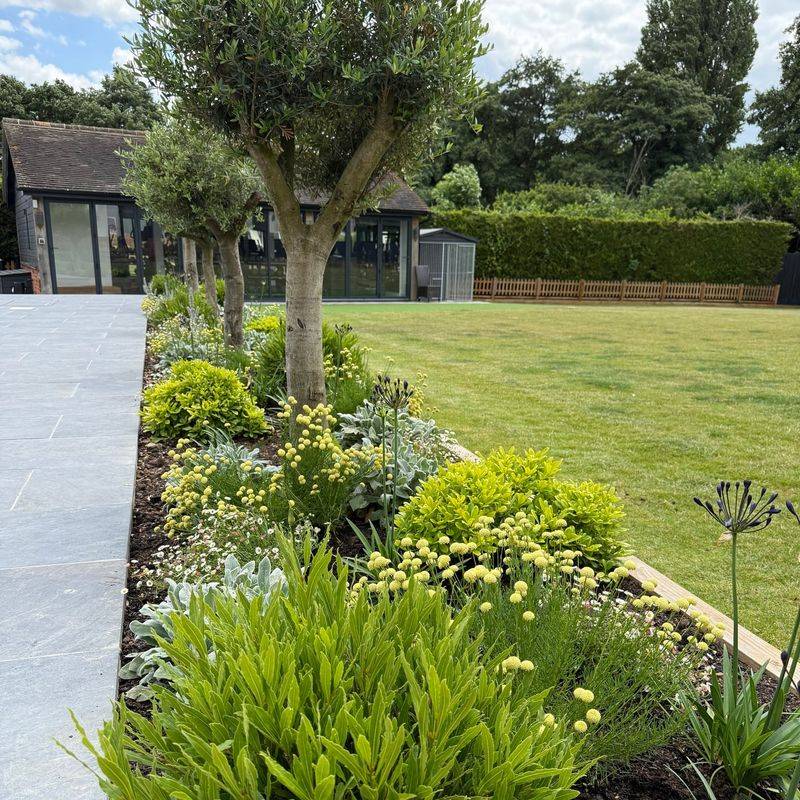
Starting with the right plants makes all the difference when gardening under New Mexico’s blazing sky.
Native and adapted species have evolved to handle intense sunlight, high temperatures, and low humidity without breaking a sweat.
Varieties like penstemon, agastache, and Apache plume naturally resist leaf scorch and heat stress because they’re built for this environment.
When you select plants already suited to your region’s challenges, you save yourself hours of extra watering, shading, and worrying. These tough performers require less intervention and bounce back quickly from heat waves.
They also tend to attract local pollinators, adding beauty and ecological value to your garden. Consider drought-adapted vegetables like tepary beans or chilies, which thrive in full sun and need minimal fussing.
Ornamental grasses such as blue grama and Indian ricegrass add texture and movement while laughing off the harshest rays. Succulents like yucca and various cacti are also excellent choices for sunny spots.
By planting species that love the sun, you’re working with nature instead of against it. Your garden becomes more resilient, vibrant, and lower-maintenance, allowing you to enjoy the rewards without constant intervention or stress.
2. Use Shade Cloth Or Garden Screens
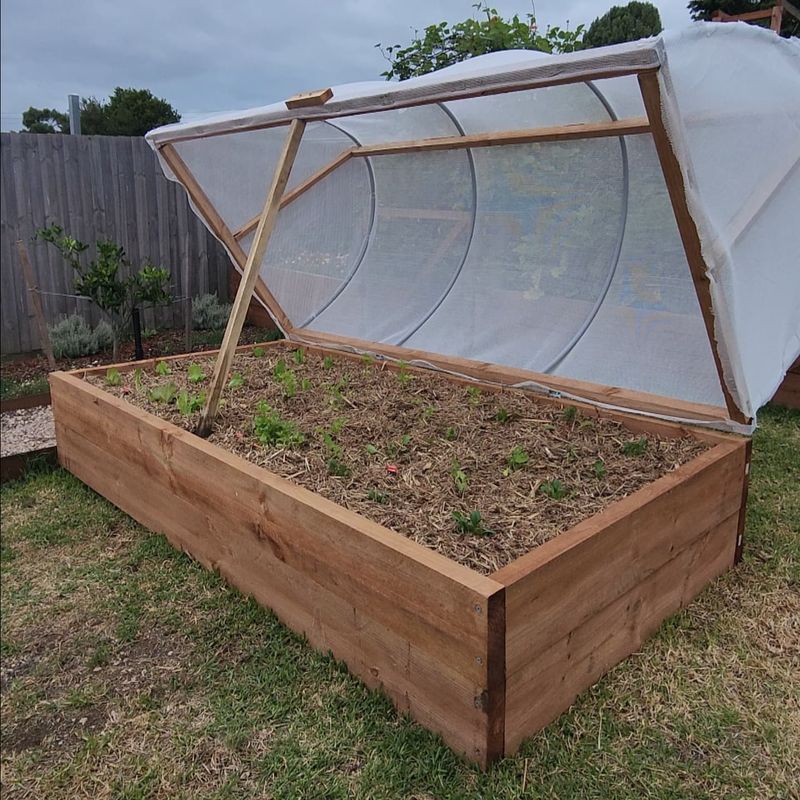
Shade cloth has become a secret weapon for New Mexico gardeners looking to protect tender plants during the hottest part of the day.
These woven fabrics come in various densities, typically ranging from 30% to 50% shade, and can be draped over frames or stakes to create instant relief.
The cloth filters sunlight without completely blocking it, allowing plants to photosynthesize while staying cooler.
Installing shade cloth is straightforward and affordable, making it accessible for gardeners of all experience levels.
You can purchase it at most garden centers or online, then attach it to simple PVC frames, wooden stakes, or existing garden structures. Position the cloth so it provides coverage during peak sun hours, usually between 11 a.m. and 4 p.m.
Lighter fabrics work well for vegetables like lettuce, spinach, and herbs that appreciate some sun but wilt under intense heat. Denser shade cloth suits shade-loving ornamentals or newly transplanted seedlings that need extra protection.
The material is durable, reusable, and can last several seasons with proper care. Many gardeners report that shade cloth reduces water needs significantly while preventing leaf burn and blossom drop.
It’s especially valuable during heat waves or unusual temperature spikes, offering a flexible solution that you can adjust as conditions change throughout the growing season.
3. Plant In Areas With Afternoon Shade
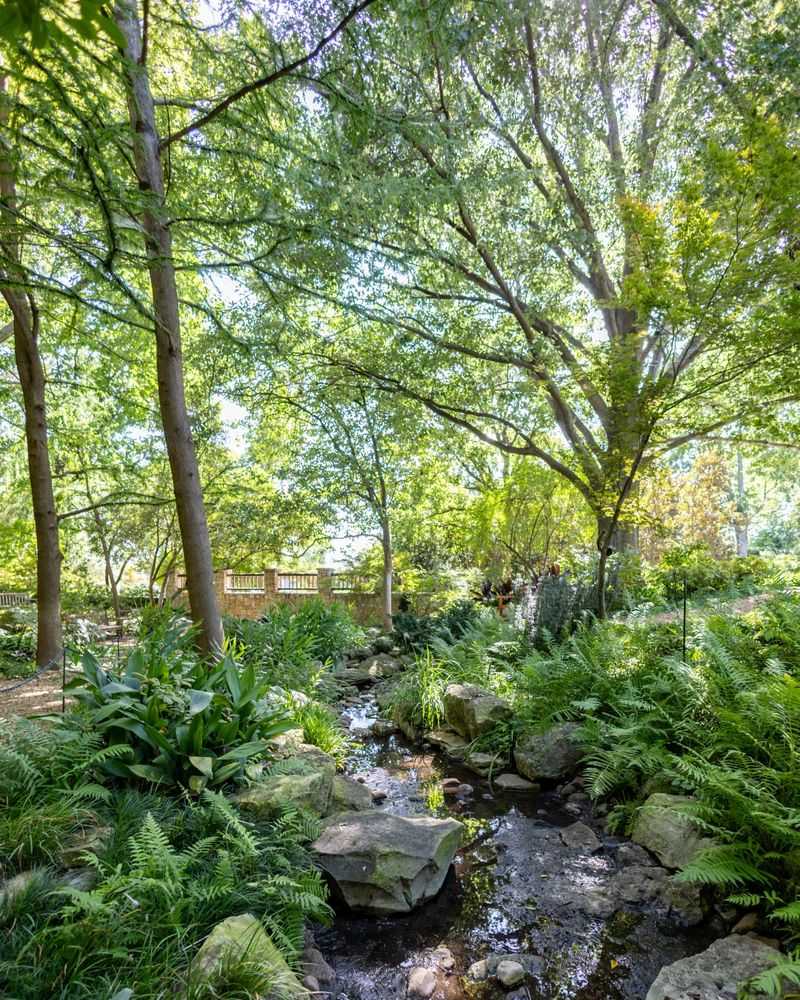
Strategic placement can make or break your plants’ ability to handle New Mexico’s relentless sunshine.
Afternoon sun is typically the most intense, carrying the day’s accumulated heat and strongest UV rays.
Positioning sensitive plants where they receive morning light but afternoon relief can prevent leaf scorch and reduce overall stress. Look for spots near walls, fences, or buildings that cast shadows as the sun moves westward.
The east side of structures often provides ideal conditions, offering bright morning light followed by cooling shade.
Larger trees can also create protective canopies, though you’ll need to account for root competition and ensure adequate water reaches your plants.
Vegetables like tomatoes, peppers, and cucumbers often perform better with some afternoon shade, especially during July and August when temperatures soar.
Many flowering perennials also appreciate this arrangement, producing more vibrant blooms and maintaining healthier foliage. Even cacti and succulents can benefit from filtered afternoon light in extreme heat.
Observe your garden throughout the day to identify these naturally shaded zones. Take notes on how shadows shift with the seasons, as summer sun angles differ significantly from spring or fall.
By matching plants to these microclimates, you create a more harmonious garden that works with your landscape’s natural rhythms.
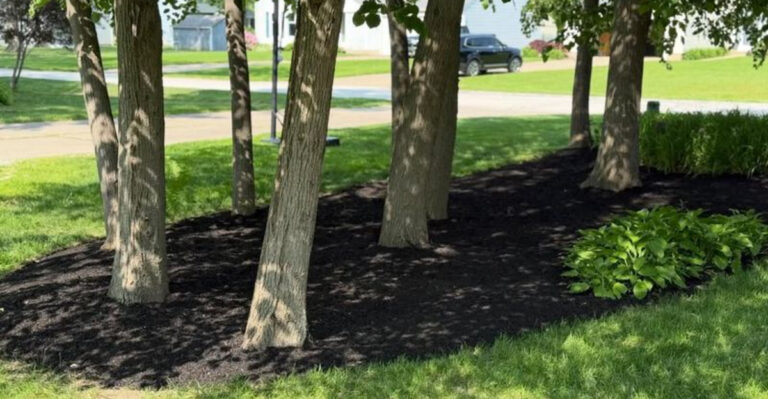
4. Mulch Around Roots To Reduce Soil Temperature
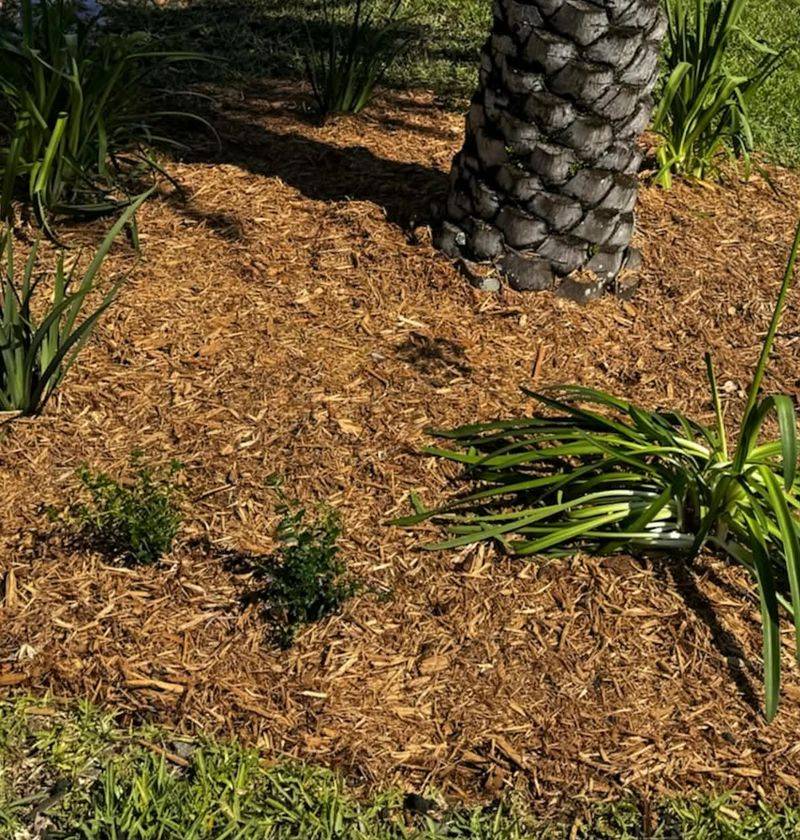
Mulching is one of the simplest yet most effective ways to protect plants from extreme heat and sun exposure.
A good layer of organic material like wood chips, straw, or shredded bark acts as insulation, keeping soil temperatures significantly cooler during scorching days.
This protection extends to plant roots, which can suffer damage when soil heats up too much. Organic mulches also retain moisture, reducing evaporation and ensuring water stays available to roots longer.
As these materials break down over time, they enrich the soil with nutrients and improve its structure. Apply mulch in a layer two to four inches deep, keeping it a few inches away from plant stems to prevent rot.
In some New Mexico gardens, especially those with full sun exposure, gravel or decorative rock mulches work beautifully.
These materials don’t decompose, require less frequent replacement, and complement the region’s natural aesthetic.
Light-colored gravel reflects heat rather than absorbing it, offering additional cooling benefits. Mulching around vegetables, perennials, shrubs, and even trees creates a more stable root environment.
Plants experience less temperature fluctuation, which reduces stress and supports healthier growth.
Regular mulching also suppresses weeds, saving you time and effort while improving your garden’s overall appearance and resilience throughout the growing season.
5. Water Deeply And Consistently

Proper watering makes all the difference when plants face intense sun and heat. Deep watering encourages roots to grow downward, where soil stays cooler and moisture lasts longer.
Shallow, frequent watering creates weak root systems that struggle during hot spells, leaving plants vulnerable to stress and damage.
Early morning is the best time to water, allowing plants to absorb moisture before temperatures climb.
Watering at this time also reduces evaporation loss and gives foliage a chance to dry before nightfall, preventing fungal issues. Aim to soak the soil thoroughly, reaching at least six to eight inches deep for most plants.
Consistency matters just as much as depth. Plants that receive regular, reliable watering develop stronger defenses against heat stress and maintain healthier growth patterns.
Erratic watering schedules can shock plants, causing blossom drop, fruit splitting, or wilting even when soil moisture is adequate. Consider using drip irrigation or soaker hoses to deliver water directly to root zones with minimal waste.
These systems work especially well in New Mexico’s arid climate, conserving precious water while ensuring plants get what they need.
Monitor soil moisture regularly by checking a few inches below the surface, adjusting your schedule based on weather conditions and plant responses throughout the season.
6. Group Plants By Water Needs
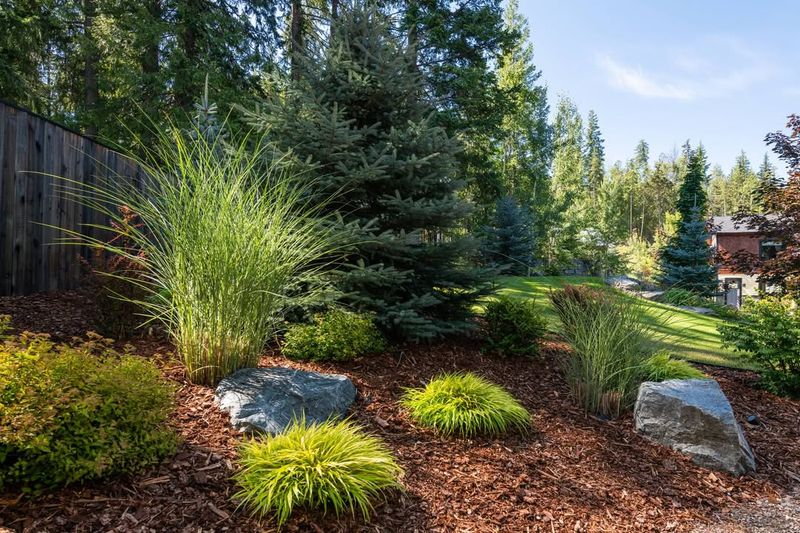
Organizing your garden by water requirements is a smart strategy that reduces waste and helps sun-sensitive plants thrive.
When you cluster plants with similar needs together, you can tailor irrigation to each zone without overwatering drought-tolerant species or underwatering thirsty ones.
This approach, often called hydrozoning, makes garden management far more efficient. Sun-sensitive plants that need more frequent watering benefit tremendously from being grouped together.
You can provide targeted shade, mulch, and irrigation to these areas without affecting the rest of your garden.
This focused care reduces heat stress and keeps delicate foliage looking fresh even during the hottest months.
Drought-adapted plants, on the other hand, can be placed in sunnier, drier zones where they’ll flourish with minimal intervention.
Separating these groups prevents the common mistake of overwatering cacti and succulents while trying to keep vegetables happy. Each zone develops its own microclimate, supporting the specific needs of its inhabitants.
Planning your garden this way also simplifies maintenance tasks like fertilizing, pruning, and pest management. You’ll spend less time adjusting care for individual plants and more time enjoying your garden’s beauty.
Over time, this method leads to healthier plants, lower water bills, and a more sustainable garden that works harmoniously with New Mexico’s challenging climate and limited water resources.
7. Use Reflective Or Light-Colored Mulch For Hot Beds
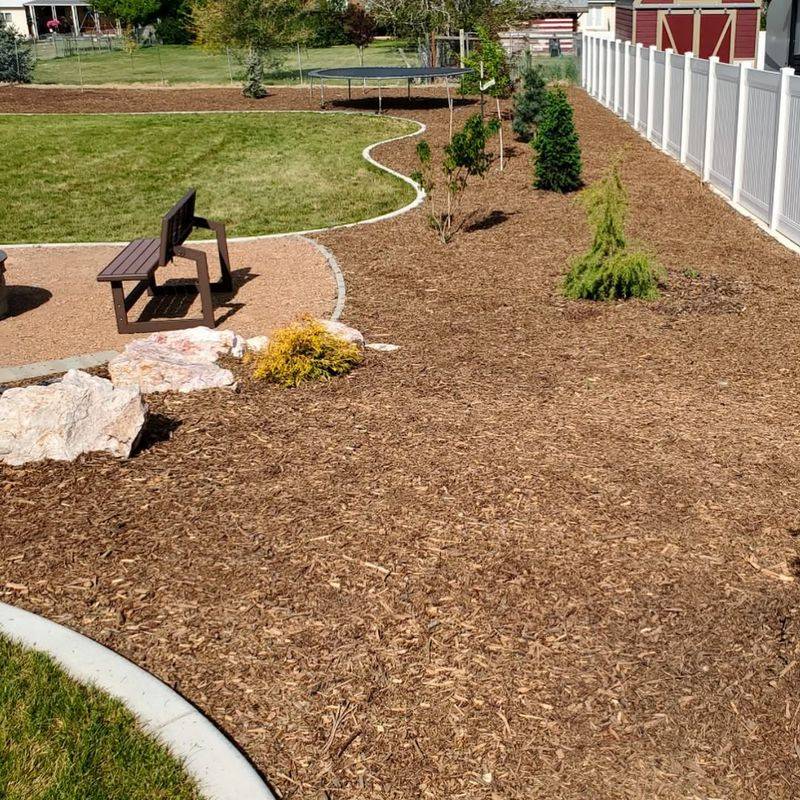
Light-colored mulches offer a clever solution for gardens facing extreme sun exposure.
Unlike dark materials that absorb heat, light-colored gravel, crushed granite, or decomposed granite reflects sunlight away from the soil surface.
This reflection keeps the ground significantly cooler, creating a more comfortable environment for plant roots.
In New Mexico’s intense sunlight, this simple change can lower soil temperatures by several degrees, which makes a noticeable difference in plant health and water retention.
Cooler soil means less evaporation, allowing moisture to stay available longer and reducing the frequency of watering. Plants experience less heat stress and can focus energy on growth and flowering.
Light-colored mulches also complement the Southwest’s natural landscape beautifully, blending with adobe walls, desert plants, and the region’s earthy tones.
They require minimal maintenance, won’t blow away in wind, and last for years without needing replacement. Many gardeners appreciate their clean, polished appearance.
These materials work especially well around heat-sensitive vegetables, newly planted perennials, and container gardens that heat up quickly. Spread a two- to three-inch layer around plants, ensuring good coverage without piling mulch against stems.
The cooling effect becomes most apparent during peak summer months, when every degree of temperature reduction helps plants survive and thrive under relentless sunshine.
8. Apply Anti-Transpirant Sprays On Sensitive Foliage
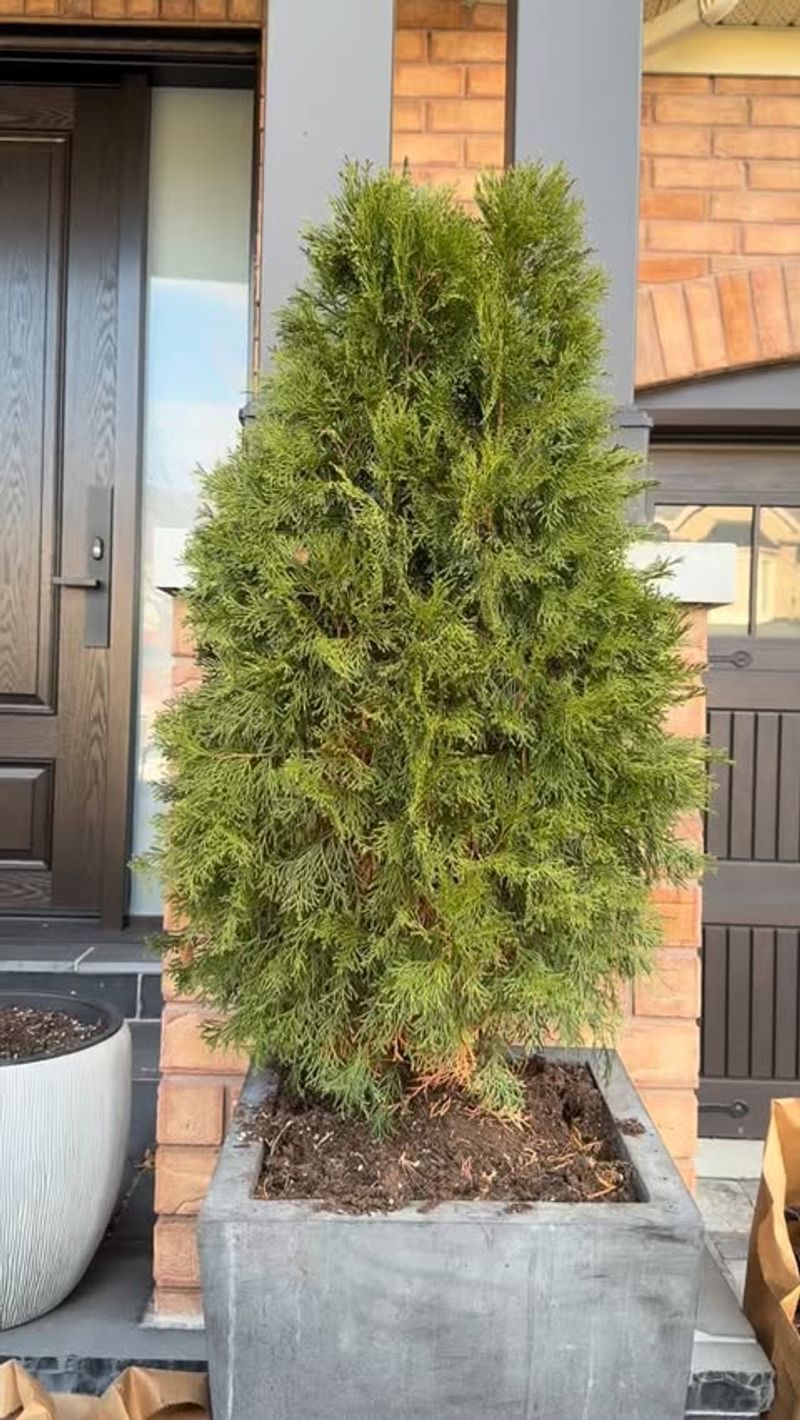
Anti-transpirant sprays provide an innovative way to help plants cope with extreme heat and sun exposure.
These products form a thin, breathable film on leaf surfaces that reduces water loss through transpiration.
Plants can still photosynthesize and exchange gases, but they lose moisture much more slowly during hot, dry conditions.
Gardeners in New Mexico find these sprays particularly useful during heat waves or when transplanting sensitive species.
The protective coating helps plants maintain hydration when their roots can’t keep up with the demands of intense sunshine. This support can prevent wilting, leaf curling, and the browning that occurs when plants become dehydrated.
Most anti-transpirants are made from natural compounds like pine oil or polymers and are safe for edible plants when used according to label directions.
Apply the spray in the early morning or late evening, coating both upper and lower leaf surfaces evenly. Reapplication is typically needed every few weeks or after heavy rain.
While not a substitute for proper watering and shade, anti-transpirants offer an extra layer of protection during challenging conditions.
They’re especially valuable for newly transplanted shrubs, delicate ornamentals, and container plants that dry out quickly.
Many gardeners keep a bottle on hand as insurance against unexpected temperature spikes or extended periods of extreme weather throughout the growing season.
9. Provide Temporary Shade With Umbrellas Or Cloches
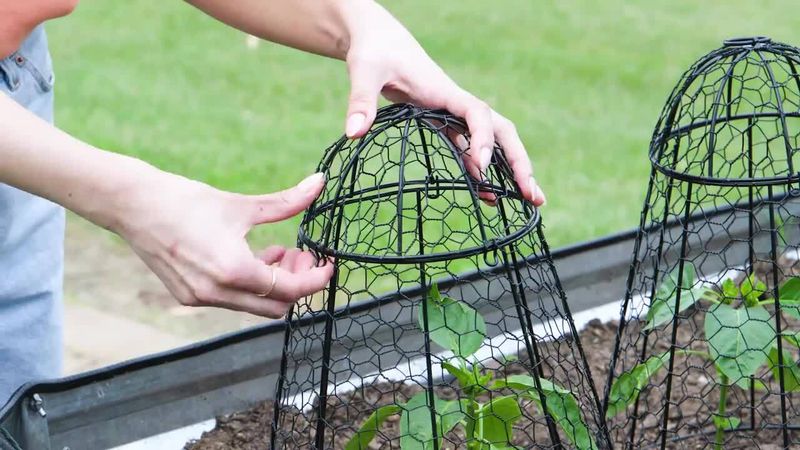
Sometimes your plants need quick, flexible shade solutions that you can adjust or remove as conditions change.
Garden umbrellas, lightweight fabric covers, and cloches offer portable protection that’s perfect for young seedlings, newly transplanted specimens, or plants experiencing unexpected heat stress.
These tools let you respond immediately to weather challenges without permanent installations. Beach umbrellas, patio umbrellas, or purpose-made garden umbrellas can be positioned to shield vulnerable plants during the hottest hours.
Simply push the umbrella pole into the ground or use a weighted base, adjusting the angle to block the strongest rays.
This approach works wonderfully for container plants, small vegetable patches, or individual specimens that need extra care.
Fabric row covers and cloches made from translucent materials provide another option, creating mini-greenhouses that filter sunlight while maintaining airflow.
These covers are especially helpful for protecting tender seedlings during their first weeks outdoors. Remove them once plants develop stronger leaves and adapt to full sun exposure.
The beauty of temporary shade solutions is their versatility. You can move them around the garden as needed, use them only during extreme weather, or remove them entirely once plants mature.
They’re affordable, require no special skills to set up, and can be stored compactly when not in use, making them ideal for gardeners who want maximum flexibility in their sun protection strategies.
10. Harden Off Young Plants Before Full Exposure
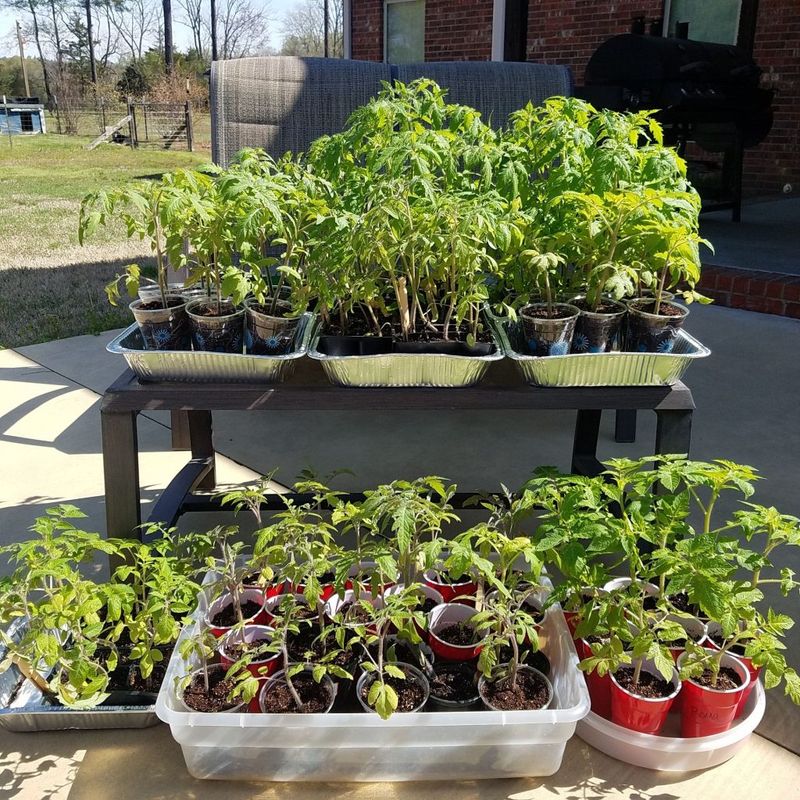
Rushing seedlings from indoor comfort to New Mexico’s intense outdoor sun is a recipe for shocked, sunburned plants.
Hardening off is the process of gradually acclimating young plants to outdoor conditions over one to two weeks, allowing them to build tolerance to sunlight, wind, and temperature fluctuations.
This gentle transition makes all the difference in their survival and long-term success. Start by placing seedlings outdoors in a sheltered, shaded spot for just an hour or two on the first day.
Gradually increase their time outside and sun exposure each day, moving them into brighter light as they adjust. By the end of two weeks, they should be ready for full sun without experiencing leaf burn or wilting.
Watch your plants closely during this process. If leaves start to bleach, curl, or show brown spots, pull back on sun exposure and slow down the hardening schedule.
Each plant variety has its own pace, and some need more time than others to adapt. Patience during this phase pays off with stronger, healthier plants.
Hardening off also helps plants develop thicker leaf cuticles and more robust cell structures that resist heat and UV damage.
This natural adaptation makes them far more resilient than seedlings thrust directly into harsh conditions.
Taking the time to harden off properly sets your plants up for a productive, healthy growing season in New Mexico’s challenging climate.