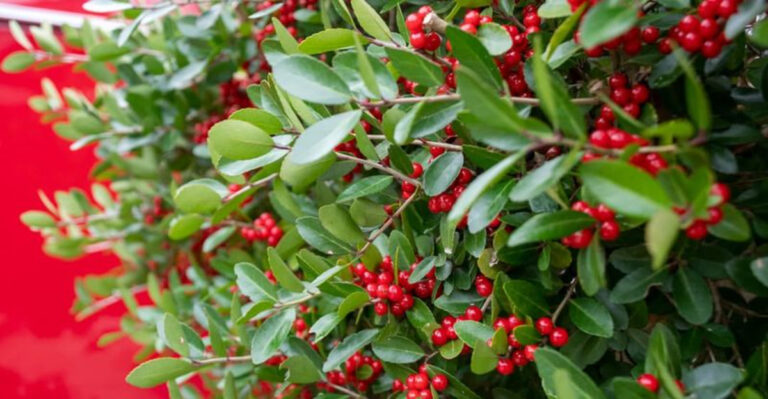
New Native Plant Rebates Open For Maryland Residents — Here’s What You Could Receive
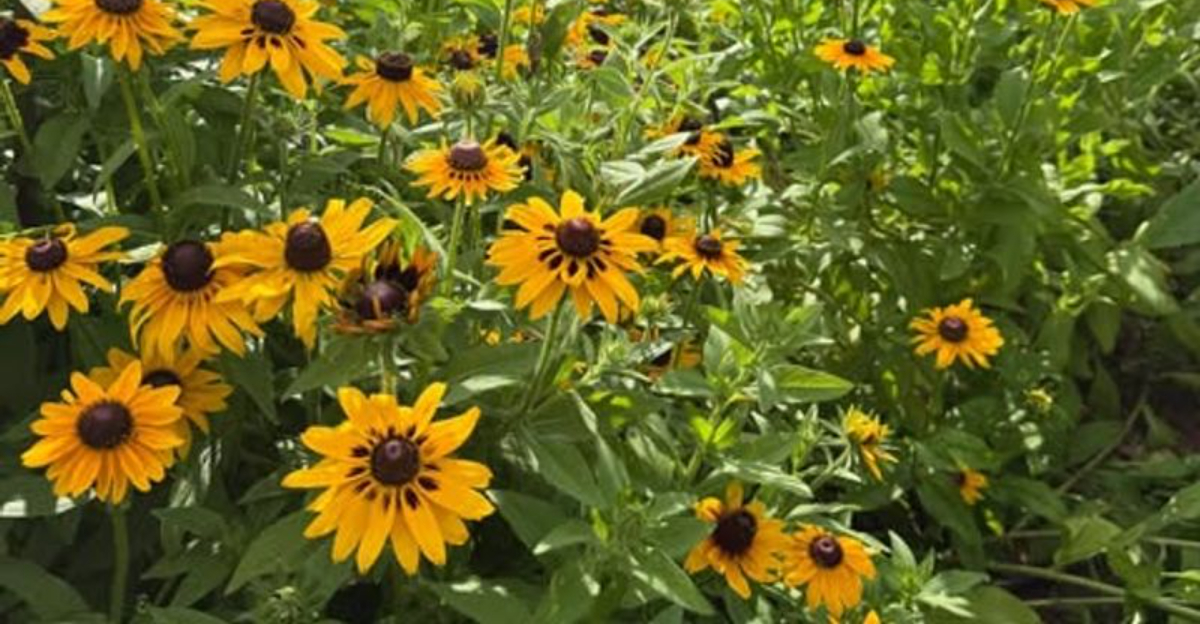
Maryland residents are getting excited about new native plant rebates that make it easier to refresh their yards with choices that support local ecosystems.
Each incentive highlights how simple plant changes can create healthier habitats while still fitting naturally into everyday landscaping plans.
The growing interest shows how ready homeowners are to try options that benefit both their properties and the wider environment around them.
1. Rebate Amounts Can Cover Up to Half Your Project Costs
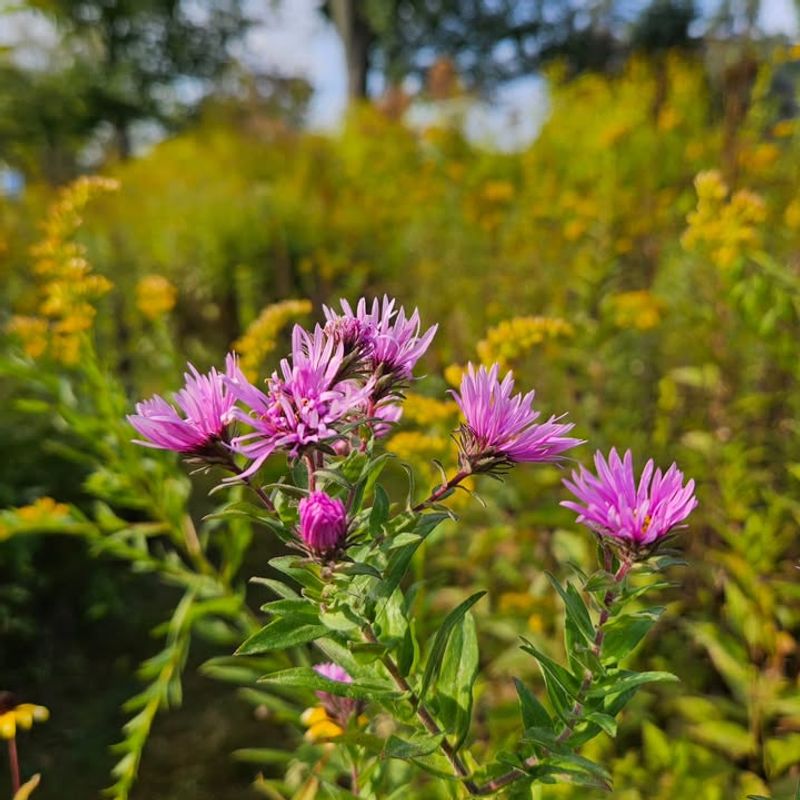
Maryland homeowners can receive rebates that cover a significant portion of their native plant landscaping expenses, making the transition more affordable than ever before.
The program typically reimburses between thirty and fifty percent of eligible costs, depending on your county and specific project details.
Some areas in Maryland offer even higher rebate amounts for properties located near waterways or in priority conservation zones.
You will need to save all receipts from purchasing native plants, soil amendments, and sometimes even professional landscaping services to qualify for reimbursement.
Most programs require before and after photos of your yard to document the transformation and verify that native species were actually installed.
Maryland residents should check their local county website for specific rebate amounts since they vary across different regions of the state.
Planning your budget carefully ensures you maximize the rebate while creating a beautiful landscape that benefits local ecosystems and reduces your long-term maintenance expenses significantly.
2. Application Deadlines Vary by County and Season
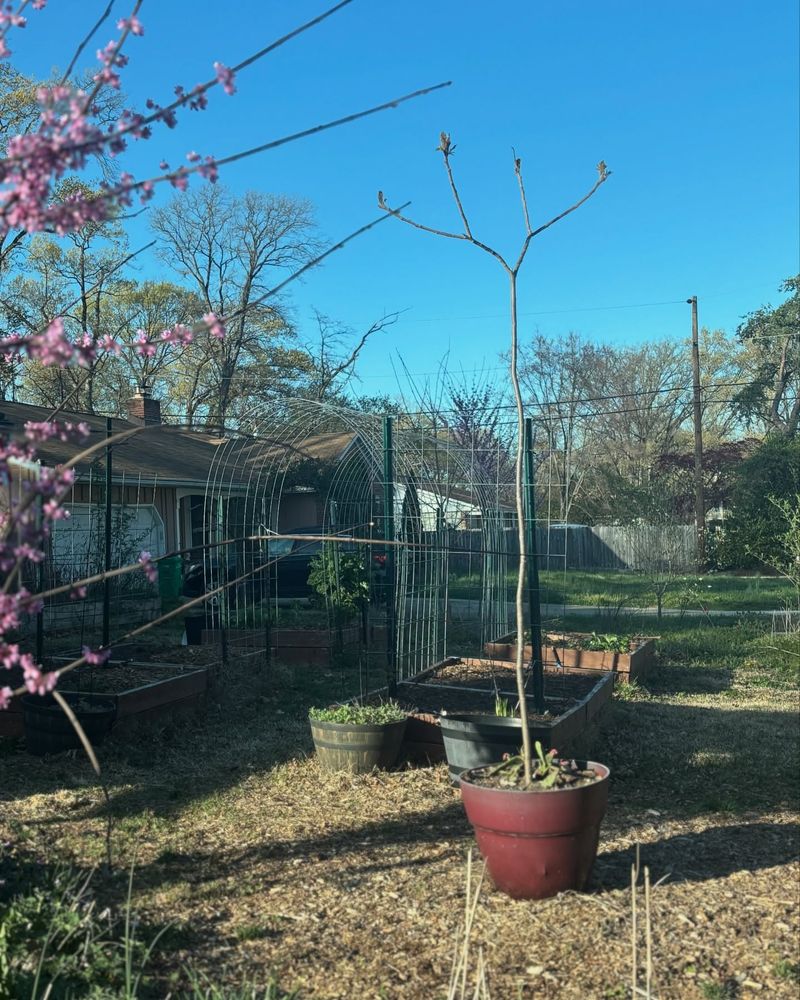
Timing matters when applying for native plant rebates across Maryland, as different counties operate on different schedules and funding cycles throughout the year.
Some Maryland counties accept applications year-round on a first-come, first-served basis until their annual funding runs out completely.
Other areas have specific application windows, often opening in early spring before the main planting season begins and closing by late summer.
Missing your county deadline means waiting an entire year for the next funding cycle, so mark your calendar as soon as you decide to participate.
Many Maryland programs require you to apply before purchasing plants or starting work, not after your project is already completed.
Setting up email alerts from your county environmental office helps you stay informed about application openings and any changes to program requirements.
Residents who plan ahead and submit early applications have the best chance of securing funding before rebate money gets allocated to other homeowners.
3. Only Specific Native Species Qualify for Rebates
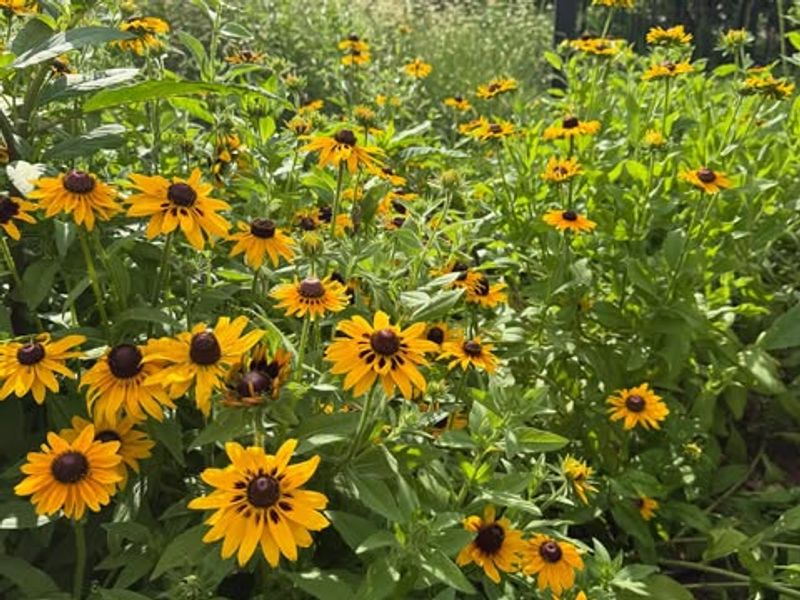
Not every plant sold at your local nursery qualifies for Maryland rebate programs, even if the label says it grows well in the region.
Each county maintains an approved list of native species that evolved naturally in Maryland over thousands of years without human introduction.
Common qualifying plants include Black-eyed Susans, Eastern Red Columbine, Virginia Bluebells, and various native grasses that support local pollinators and birds.
Nativars, which are cultivated varieties of native plants, may or may not qualify depending on your specific county program rules in Maryland.
Some programs exclude invasive species that might spread aggressively, even if they are technically native to other parts of North America.
Downloading the approved plant list before shopping saves time and ensures every purchase counts toward your rebate eligibility in Maryland.
Working with knowledgeable nursery staff who understand native Maryland plants helps you select species that thrive in your yard while meeting all program requirements perfectly.
4. Minimum Square Footage Requirements Apply to Most Programs
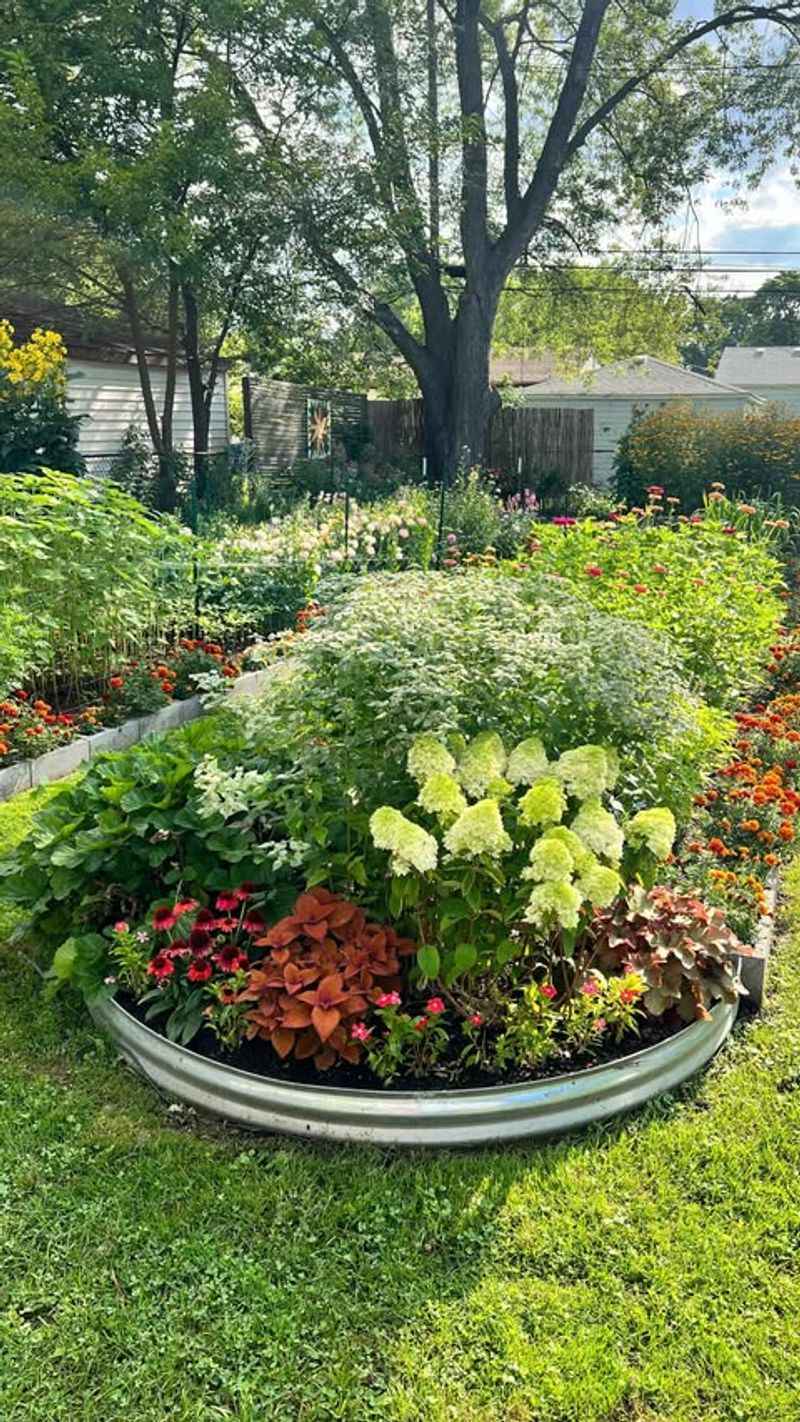
Maryland rebate programs typically require you to convert a minimum area of your property to native plants before qualifying for financial reimbursement.
Most counties set the minimum at around one hundred to two hundred square feet, which is roughly the size of a small bedroom.
This requirement ensures that native plant installations create meaningful environmental benefits rather than just adding a few decorative plants to existing landscapes.
Measuring your planned planting area accurately before applying helps you confirm that your project meets Maryland program standards and avoids application rejection.
Some homeowners combine multiple smaller areas throughout their yard to reach the minimum square footage requirement if they lack one large space.
Properties with larger native plant installations often qualify for higher rebate amounts in certain Maryland counties that reward more ambitious conservation efforts.
Understanding these size requirements early in your planning process helps you design a project that qualifies while fitting naturally into your existing landscape design.
5. Professional Installation Is Not Required for Rebates
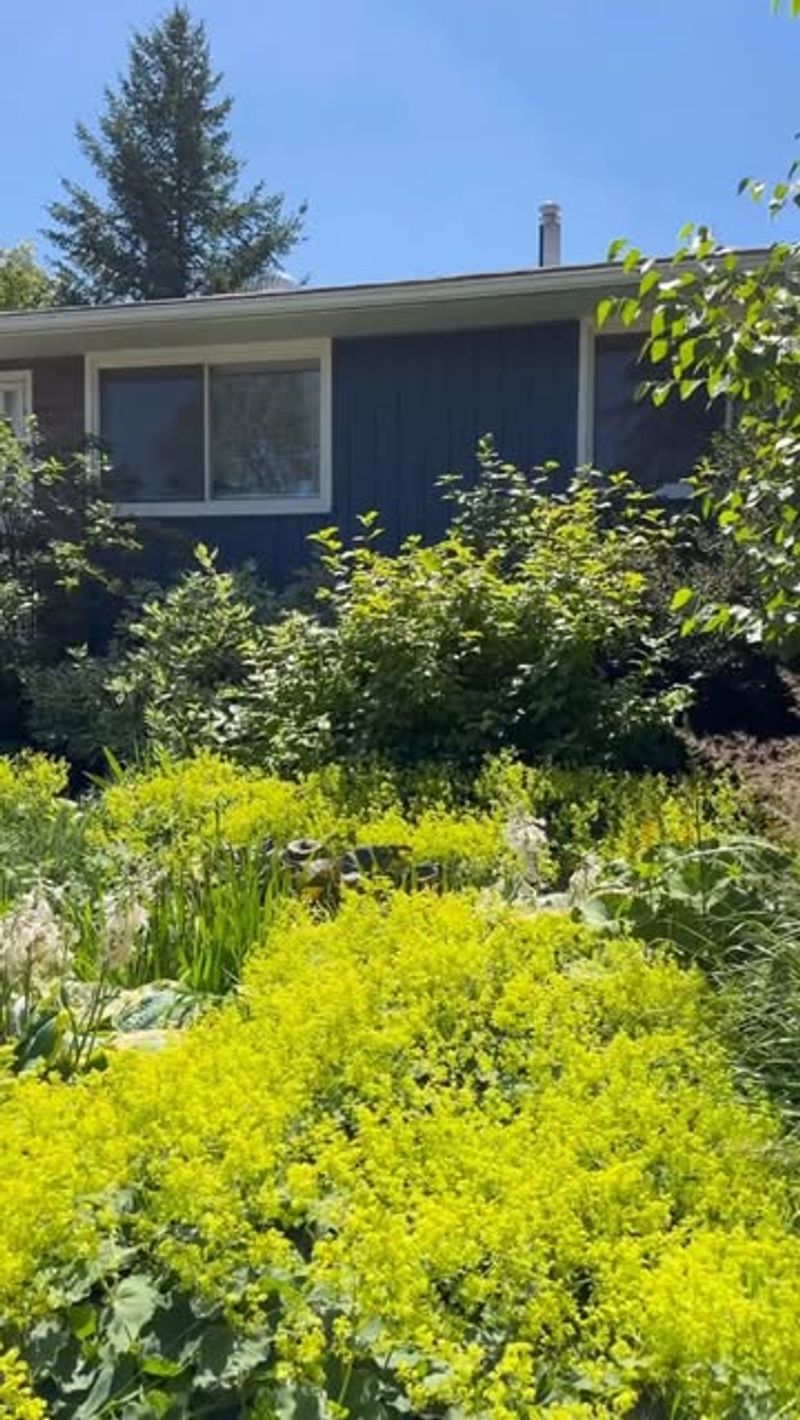
Maryland residents can save money by installing native plants themselves rather than hiring professional landscapers, and still qualify for full rebate amounts.
Do-it-yourself projects are welcomed and encouraged since they help homeowners develop a deeper connection with their landscape and learn about native species.
However, you must still follow proper planting techniques and use approved native species from the county list to meet Maryland program requirements.
Documentation becomes especially important for DIY projects, so take clear photos at every stage and keep detailed records of all purchases.
Some Maryland counties offer free workshops and planting guides to help residents successfully install native plants without professional assistance or expensive consultations.
If you do choose to hire professionals, their labor costs may or may not count toward your rebate depending on your specific county rules.
Either approach works well as long as you follow application procedures carefully and create a thriving native plant habitat that benefits Maryland ecosystems.
6. Rebates Help Reduce Stormwater Runoff Problems
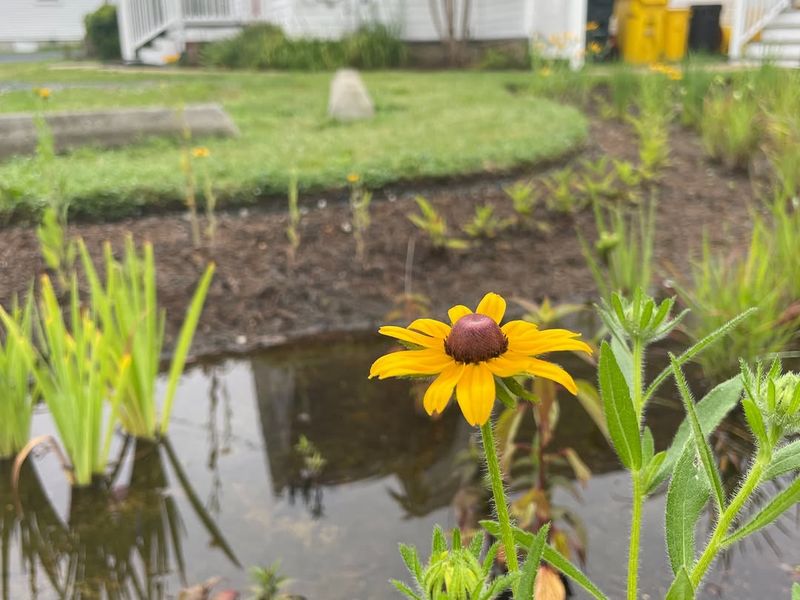
One major reason Maryland offers these rebates is to combat stormwater runoff that pollutes the Chesapeake Bay and local waterways with harmful chemicals.
Native plants develop deep root systems that absorb rainwater much more effectively than traditional grass lawns, which have shallow roots.
When rainwater soaks into the ground instead of running off into storm drains, it filters naturally and replenishes groundwater supplies throughout Maryland.
Properties near streams, rivers, or the bay often qualify for enhanced rebates because their impact on water quality is particularly significant.
Maryland residents who replace impervious surfaces like concrete or compacted soil with native plants create natural sponges that protect downstream water quality.
This environmental benefit saves taxpayers money by reducing the need for expensive stormwater management infrastructure and water treatment facilities across the state.
Understanding this connection helps homeowners see their native plant gardens as important contributions to Maryland water quality rather than just attractive landscaping features.
7. Maintenance Requirements Are Minimal After Establishment
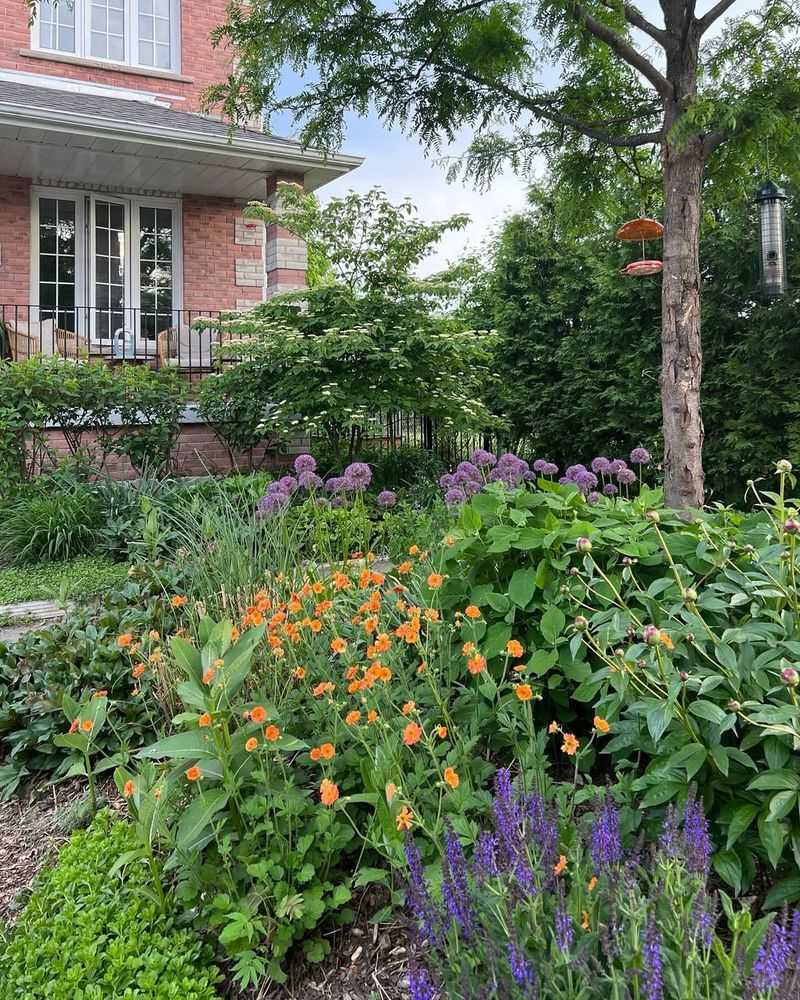
Native plants evolved to thrive in Maryland climate conditions without fertilizers, pesticides, or constant watering once their roots establish properly.
The first growing season requires regular watering to help plants develop strong root systems, but afterwards they typically survive on natural rainfall alone.
Maryland homeowners find that native plant gardens require far less mowing, trimming, and chemical treatments compared to traditional lawns and ornamental flower beds.
This reduced maintenance translates to lower water bills, less time spent on yard work, and fewer harmful chemicals entering Maryland soil and waterways.
Some seasonal tasks like removing invasive weeds and cutting back dead plant material in spring help keep native gardens looking their best.
Many Maryland residents discover that their native plant gardens actually become easier to maintain each year as plants mature and spread naturally.
The long-term cost savings and reduced labor make native plants an economically smart choice that pays dividends well beyond the initial rebate amount.
8. Wildlife Benefits Include Supporting Pollinators and Birds
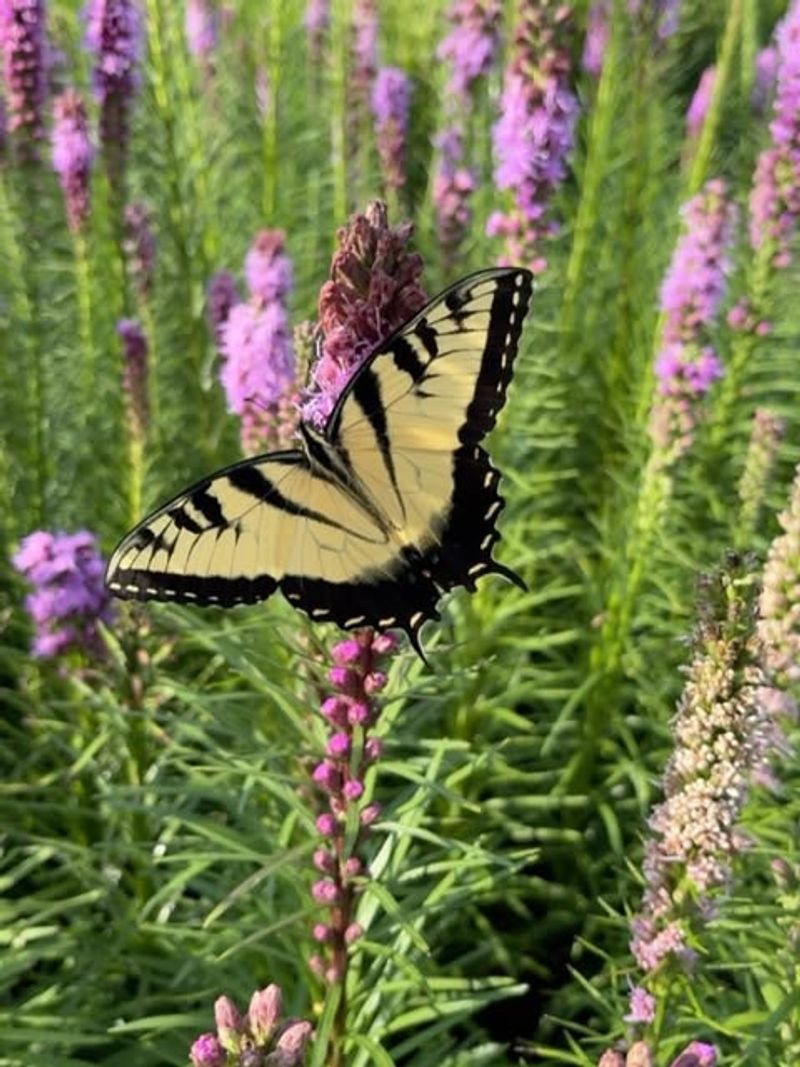
Native plants provide essential food and habitat for Maryland butterflies, bees, birds, and other wildlife that have evolved alongside these species for centuries.
Non-native ornamental plants often look beautiful but offer little nutritional value to local insects and birds that depend on specific native plant relationships.
Monarch butterflies, for example, require native milkweed plants to lay eggs and feed caterpillars, and these plants qualify for Maryland rebate programs.
Homeowners across Maryland report seeing increased bird activity and butterfly populations within weeks of installing native plant gardens in their yards.
Creating these wildlife corridors helps reverse habitat loss caused by development and supports biodiversity throughout Maryland communities and natural areas.
Many native plants produce seeds and berries that provide crucial winter food sources for birds and small mammals in Maryland ecosystems.
Watching your yard transform into a bustling wildlife habitat offers rewards beyond money, creating outdoor spaces that educate and inspire family members daily.
9. Pre-Approval May Be Required Before Starting Work
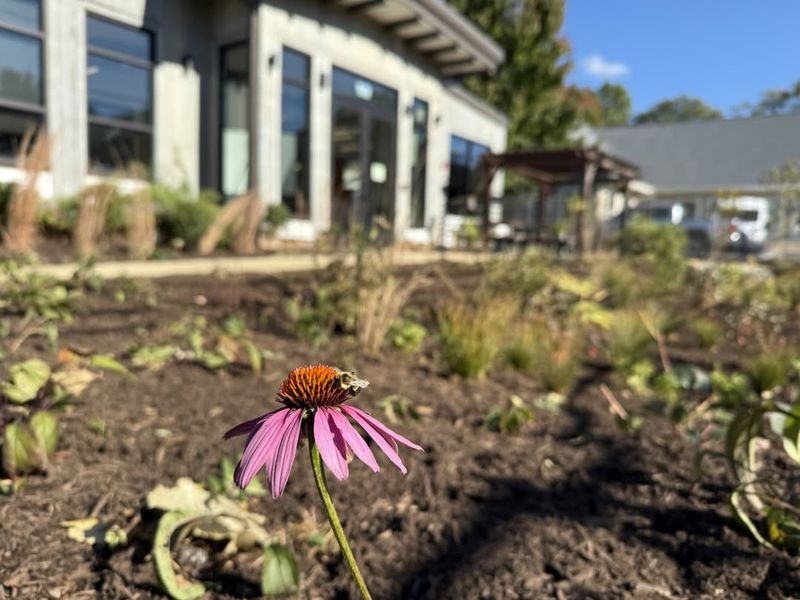
Many Maryland counties require homeowners to submit their native plant project plans for approval before purchasing plants or beginning any installation work.
This pre-approval process ensures your project meets all program requirements and prevents disappointment when seeking reimbursement after completing your landscape transformation.
Applications typically include a site plan showing where native plants will go, a list of species you intend to use, and photos of the current yard conditions in Maryland.
Submitting detailed plans helps county officials provide feedback and suggestions that improve your project success rate and maximize environmental benefits.
Some Maryland programs review applications within two weeks, while others take longer during peak spring planting season when applications flood in.
Starting work before receiving approval can disqualify your entire project from rebate eligibility, even if you followed all other program guidelines perfectly.
Patience during the approval process protects your investment and ensures you receive the financial support Maryland offers for choosing environmentally responsible landscaping options.
10. Educational Resources and Workshops Are Available Free
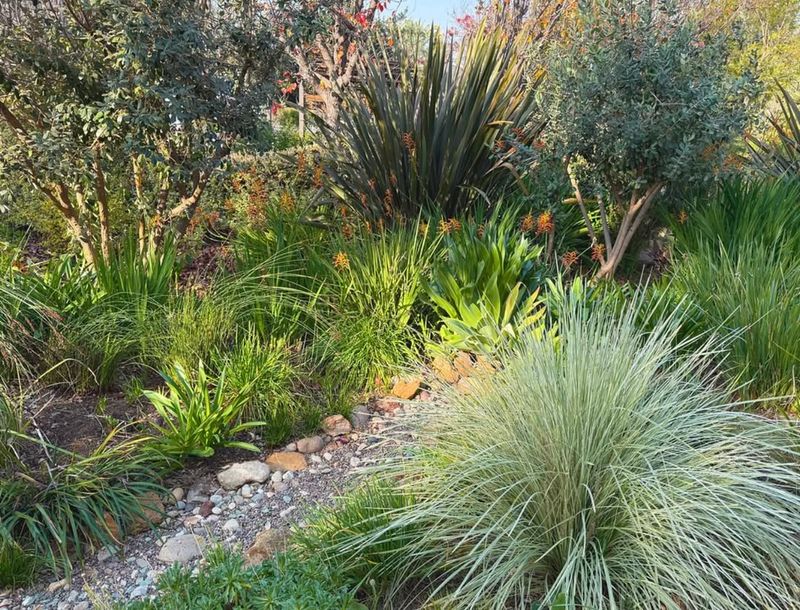
Maryland counties and environmental organizations offer free workshops, online guides, and expert consultations to help residents succeed with native plant projects.
These educational opportunities teach proper planting techniques, seasonal care requirements, and how to design attractive native plant gardens that suit your property.
Attending workshops connects you with other Maryland homeowners who share your interest in native plants and can offer practical advice from their experiences.
Many programs provide free or discounted native plants at spring and fall sales, making it even more affordable to start your rebate-eligible project.
Online resources include downloadable plant guides with photos, growing requirements, and wildlife benefits for every species approved in Maryland rebate programs.
County extension offices often offer free site visits where experts evaluate your property and recommend the best native plants for your specific conditions.
Taking advantage of these resources increases your project success rate and helps you create a thriving native plant landscape that benefits Maryland environment for decades to come.