8 New Plants Headed To Oregon Garden Centers Worth Adding To Your Yard
Garden center trips feel extra exciting when new plants start showing up, and Oregon growers always seem to surprise me with what arrives each season.
I’ve noticed these fresh additions tend to sell fast because they solve common yard problems while still feeling fun and different.
If you like getting ahead of planting trends, these new arrivals are the kind that make a yard feel thoughtfully planned from the start.
1. Sunset Hyssop
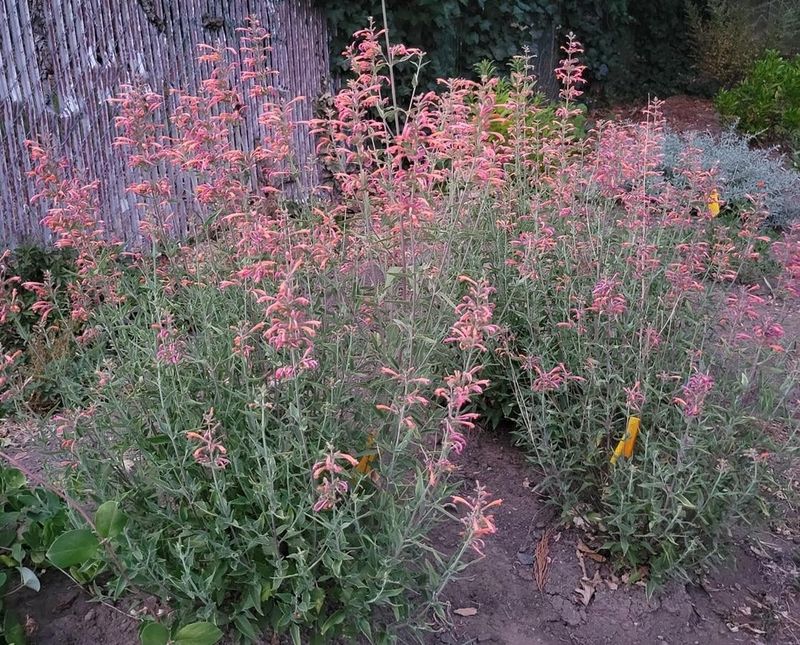
Brilliant sunset shades make this hyssop cultivar a showstopper for Oregon gardeners who crave vibrant color from summer through early fall months.
Tubular blossoms in shades of coral, orange, and pink attract hummingbirds and butterflies while releasing a pleasant anise-like fragrance when leaves are brushed.
Drought tolerance after establishment means less watering during dry spells, making it ideal for busy homeowners across the state who want beauty without fuss.
Height reaches around three feet, creating excellent vertical interest in mixed borders or standalone containers on patios and decks throughout Oregon neighborhoods.
Deer typically avoid this plant, which is great news for gardeners in rural areas where wildlife browsing can be problematic and frustrating.
Full sun exposure and well-draining soil are the main requirements for success, along with occasional deadheading to encourage continuous flowering through the season.
Pairing it with ornamental grasses or purple salvias creates stunning combinations that elevate any landscape design effortlessly and beautifully in yards statewide.
This hyssop cultivar also handles Oregon’s cooler nights well, maintaining strong color and structure even as temperatures begin to dip late in the season.
Once established, it returns reliably each year, giving gardeners a dependable burst of warm-toned color without demanding extra attention or care.
2. Moonlight Camellia

Creamy white petals with soft yellow centers distinguish this camellia as one of the most elegant additions arriving at Oregon garden centers this spring season.
Blooming occurs in late winter and early spring when few other plants offer flowers, providing much-needed color during gray months across the state.
Glossy evergreen foliage stays attractive year-round, serving as a beautiful backdrop for perennials and annuals planted nearby in mixed garden beds and borders.
Partial shade suits this shrub perfectly, making it an excellent choice for locations under tree canopies or along north-facing walls in Oregon yards.
Mature plants can reach six to eight feet tall, though pruning after flowering allows gardeners to maintain more compact sizes as desired.
Acidic soil similar to what rhododendrons prefer ensures healthy growth, and adding compost annually keeps plants thriving without requiring excessive fertilizer applications throughout seasons.
Container growing works well for patios and entryways, where the stunning blooms can be appreciated up close by residents and visitors alike.
This camellia also tolerates Oregon’s cool, damp winters better than many flowering shrubs, keeping foliage lush and healthy through the colder months.
Once established, it becomes a long-lived landscape feature that rewards gardeners with reliable blooms and minimal ongoing maintenance year after year.
3. Firecracker Penstemon
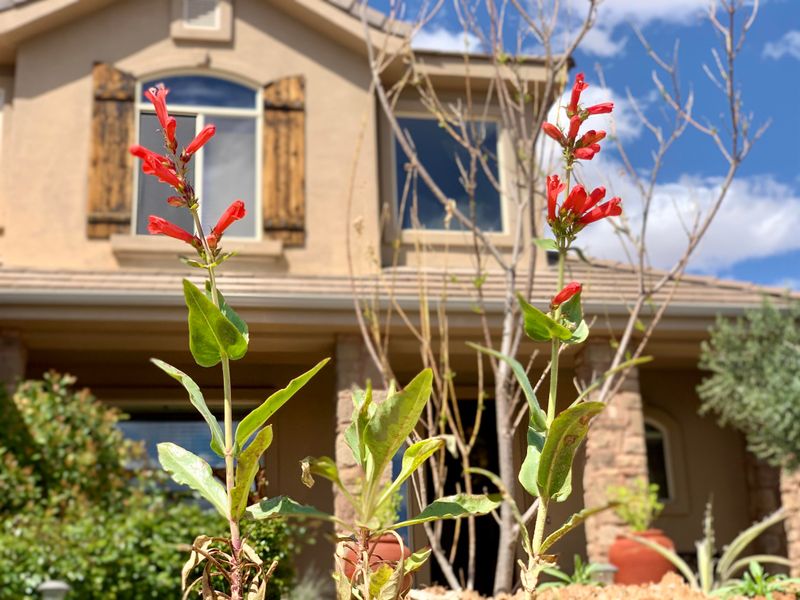
Scarlet tubular blooms explode with color from late spring into summer, earning this penstemon its fitting name among Oregon gardeners seeking native plant options.
Hummingbirds find the nectar-rich flowers irresistible, often visiting repeatedly throughout the day, which adds lively movement and entertainment to garden spaces statewide.
Low water needs after the first growing season make it a smart selection for xeriscaping projects or areas where irrigation is limited or impractical.
Growing to about two feet tall, this perennial fits nicely into rock gardens, border fronts, or wildflower meadows designed to support local pollinators.
Oregon’s climate provides ideal conditions, especially in regions with well-draining soil and plenty of sunshine during the growing season for optimal performance.
Cutting back spent flower stalks encourages a possible second flush of blooms, extending the display and keeping plants looking tidy throughout summer months.
Pairing with blue flax or yellow coreopsis creates a patriotic color scheme that looks cheerful and inviting in residential landscapes across the state.
Strong stems hold up well against coastal breezes and occasional summer storms common in many Oregon regions.
Minimal fertilizing keeps growth balanced, making this plant especially appealing for gardeners who prefer a more hands-off approach.
4. Twilight Astilbe

Deep plum-colored plumes rise gracefully above ferny foliage, bringing dramatic elegance to shaded areas where many flowering plants struggle to perform well in Oregon.
Blooming in midsummer, this astilbe variety fills a gap when spring bulbs have faded and before fall asters take center stage in gardens.
Moisture-loving roots appreciate Oregon’s naturally damp conditions, particularly in areas with clay soil that retains water better than sandy or rocky ground.
Clumping growth habit means plants stay where you put them without spreading aggressively, making them ideal for formal garden designs and tidy borders.
Height reaches approximately two feet, creating excellent mid-level interest when planted between taller hostas and lower groundcovers in layered shade gardens statewide.
Cutting flower stalks for indoor arrangements works beautifully, and the blooms dry well for lasting displays that bring garden beauty indoors throughout seasons.
Consistent moisture during dry spells helps maintain lush foliage and prevents stress that can reduce flowering quality.
This astilbe returns reliably each year, offering dependable color and texture in shaded Oregon gardens with minimal maintenance required.
5. Lemon Burst Coreopsis
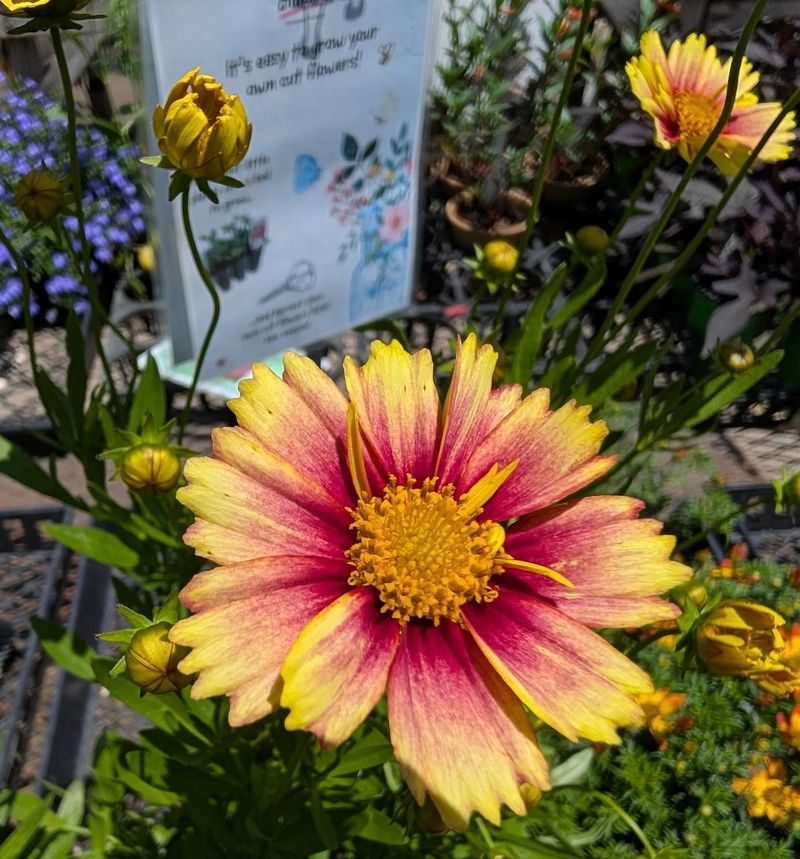
Sunshine yellow blooms cover this compact coreopsis from early summer until frost, delivering non-stop color that brightens any Oregon landscape with cheerful energy.
Butterflies and bees visit constantly, making it a pollinator magnet that supports beneficial insects essential for healthy gardens and ecosystems throughout the state.
Minimal care requirements appeal to beginners and experienced gardeners alike, since this perennial thrives with little intervention in properly chosen sunny locations.
Reaching only about twelve to fifteen inches tall, it works perfectly as an edging plant along walkways, driveways, or garden borders in Oregon neighborhoods.
Deadheading isn’t necessary for continuous blooming, which saves time and effort compared to other perennials that demand frequent upkeep to stay attractive.
Heat and humidity tolerance make it surprisingly versatile, even in warmer inland valleys where summer temperatures climb higher than coastal areas across the state.
Strong stems keep flowers upright during summer breezes, preventing the plant from flopping or looking messy in exposed garden spots.
Its compact shape also makes it an excellent choice for containers, adding long-lasting color to patios and small outdoor spaces without crowding nearby plants.
6. Ruby Slippers Hydrangea

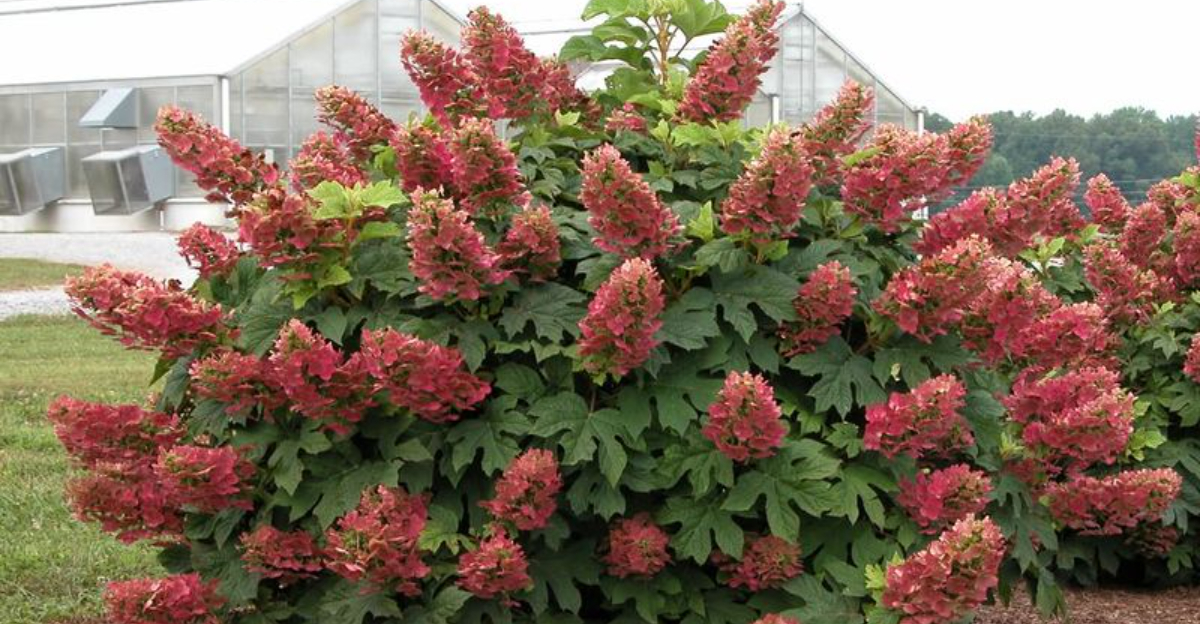
Cone-shaped flower clusters start white in early summer then gradually transform to ruby red, providing an ever-changing display throughout the growing season in Oregon.
Compact size makes this oakleaf hydrangea variety perfect for smaller yards or foundation plantings where space is limited but impact is still desired.
Fall foliage turns rich burgundy and mahogany shades, adding another layer of seasonal interest that extends visual appeal well beyond the flowering period statewide.
Exfoliating bark on mature stems creates winter interest, revealing cinnamon-colored layers that look attractive even when plants are dormant and leafless across Oregon.
Partial shade to full sun adaptability means it can fit into various garden locations, from woodland edges to open sunny beds and borders.
Drought tolerance improves after establishment, though consistent moisture during the first year helps roots develop properly for long-term success in landscapes.
Strong branching helps the plant hold flower clusters upright, even during summer rainstorms common in many Oregon regions.
Pruning needs remain minimal, with light shaping in late winter being enough to preserve a balanced form while supporting healthy blooms each season.
7. Midnight Marvel Hibiscus
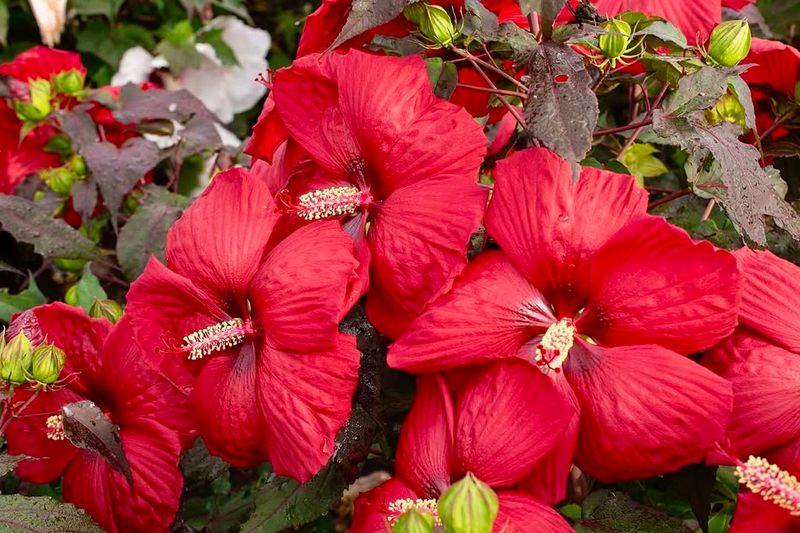
Dinner-plate sized crimson blooms contrast dramatically against near-black foliage, creating a bold statement that stops visitors in their tracks at Oregon garden displays.
Hardy perennial roots survive cold winters, then send up new shoots each spring that quickly grow into impressive four-foot tall plants by summer.
Individual flowers last only one day, but new buds open continuously from midsummer through early fall, ensuring constant color in garden beds statewide.
Full sun locations produce the most prolific blooming, though plants tolerate light afternoon shade in hotter inland valleys across Oregon without significant performance reduction.
Rich, moist soil encourages vigorous growth, so adding compost at planting time and mulching around the base helps retain moisture during dry spells.
Cutting plants back to ground level after frost simplifies fall cleanup, and marking locations prevents accidental digging before spring emergence occurs.
Pairing with chartreuse-leaved plants like golden oregano or lime-colored sweet potato vine creates stunning color contrasts that showcase the dramatic foliage beautifully in yards.
8. Arctic Fire Dogwood
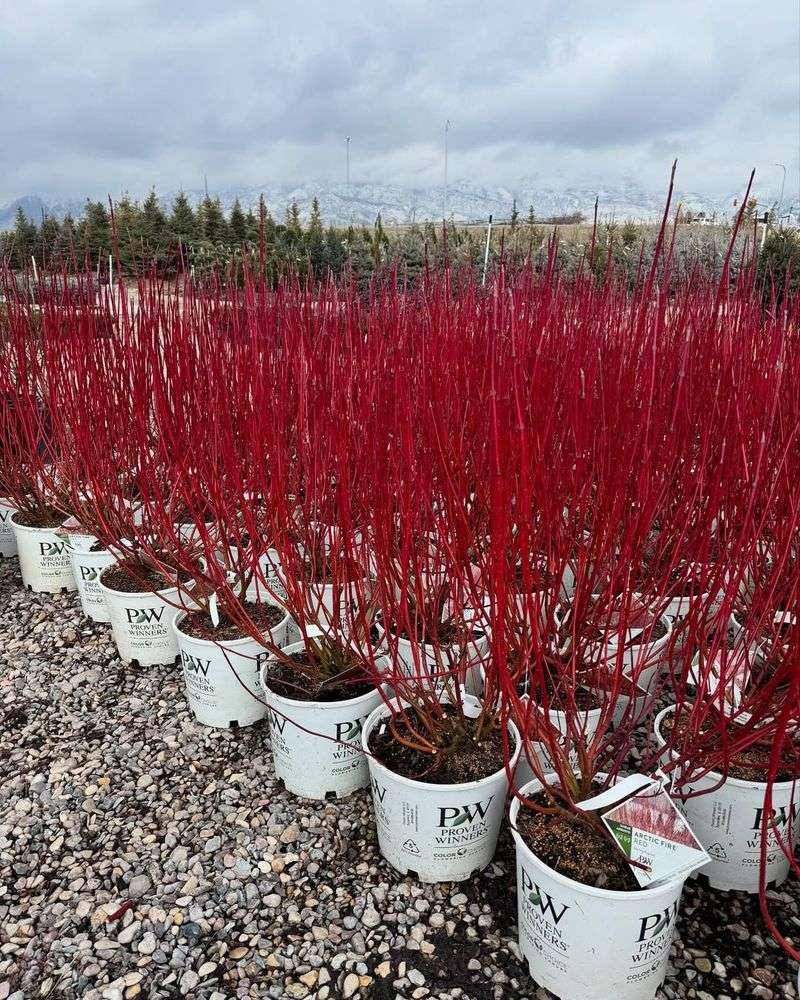
Brilliant coral-red stems glow throughout winter months, providing much-needed color when most Oregon gardens look dormant and drab under cloudy gray skies.
Compact growth habit reaches only three to four feet tall and wide, making it manageable for small spaces where traditional red-twig dogwoods would grow too large.
White spring flowers attract pollinators, followed by white berries in summer that birds enjoy, adding wildlife value to ornamental appeal in Oregon landscapes.
Fall foliage turns attractive shades of burgundy and orange before dropping to reveal the stunning stems that are the main feature through winter.
Moist soil conditions suit this shrub perfectly, so planting near downspouts or in naturally damp areas of yards ensures healthy growth without additional irrigation.
Cutting stems back in late winter every few years encourages fresh new growth with the brightest red color for the following season’s display.
Grouping several plants together creates a striking hedge or screen that provides year-round interest and requires minimal maintenance in Oregon residential gardens statewide.