New Plants North Carolina Gardeners Are Starting To Grow In 2026
Something exciting is happening in North Carolina gardens as the 2026 growing season approaches.
Nurseries across the state are introducing a new wave of plant varieties that promise brighter color, stronger growth, and better performance in the region’s challenging climate.
Gardeners are already taking notice as these fresh arrivals begin appearing on nursery benches.
Across the Coastal Plain, Piedmont, and Mountain regions, homeowners are looking for plants that can handle heat, humidity, and sudden summer storms while still putting on a beautiful display.
Plant breeders have responded with new varieties designed to thrive in exactly those conditions. Many offer improved resilience along with eye catching flowers and compact growth that fits modern landscapes.
For gardeners planning their next season, this new generation of plants opens the door to exciting possibilities.
These standout selections are quickly becoming favorites and are well worth considering for North Carolina gardens in 2026.
1. Centennial Ruby Hydrangea
Some plants arrive with a story, and the Centennial Ruby Hydrangea has a great one.
Introduced to celebrate Monrovia Nurseries’ 100th anniversary, this stunning shrub earned the 2026 National Garden Bureau Professional’s Choice Green Thumb Award for Shrubs, and one look at it tells you exactly why.
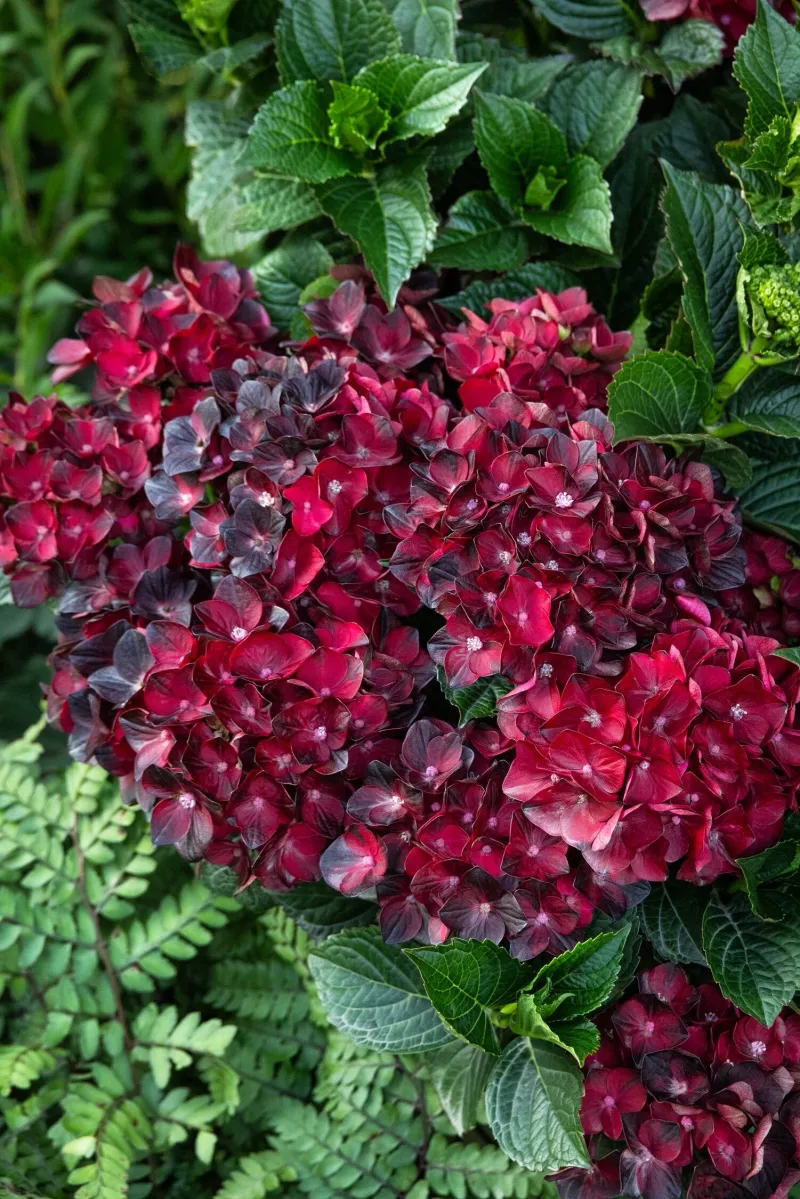
Its deep ruby-red mophead blooms are genuinely eye-catching, intensifying in color as the season moves along.
Growing around 3 to 4 feet tall and wide, this compact shrub fits perfectly into garden borders, foundation plantings, or even large containers on a patio.
North Carolina gardeners love it because it thrives comfortably in USDA Zones 4 through 9, which covers the entire state from the mountains to the coast.
The strong stems hold those big flower heads upright without flopping over, which is a real bonus in any garden.
Planting it in a spot with morning sun and afternoon shade brings out the richest color in the blooms. Well-drained soil and regular watering during dry spells will keep it looking its best all season.
If you want a shrub that makes a bold statement without taking over your yard, Centennial Ruby delivers that balance beautifully.
It is one of the most talked-about new shrub introductions arriving in North Carolina nurseries this year, and gardeners who try it once rarely want to go without it.
2. Incrediball Storm Proof Hydrangea
Anyone who has watched a beautiful hydrangea collapse after a heavy summer rainstorm knows the frustration. That is exactly the problem that Incrediball Storm Proof Smooth Hydrangea was bred to solve.
This newer variety of Hydrangea arborescens features noticeably stronger, thicker stems that hold those massive flower heads upright even when summer storms roll through North Carolina with serious force.
North Carolina summers bring plenty of humidity, heat, and those sudden afternoon downpours that can flatten weaker shrubs in minutes.
Incrediball Storm Proof was specifically developed with those tough conditions in mind, making it a smart and practical choice for gardeners across the state.
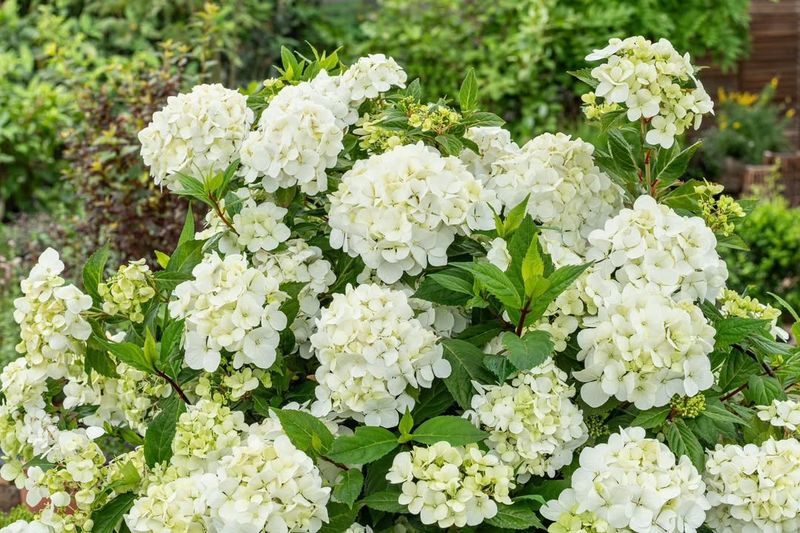
The blooms are large and round, starting out a fresh lime green before transitioning to bright white as summer progresses.
This shrub grows best in full sun to partial shade and prefers moist, well-drained soil. It reaches around 4 to 5 feet tall, giving it enough presence to anchor a garden bed without overwhelming smaller plants nearby.
Pruning it back in late winter or early spring encourages strong new growth and the biggest flower display of the season.
For North Carolina gardeners who want dependable, show-stopping blooms that stay standing no matter what the weather throws at them, Incrediball Storm Proof is quickly becoming one of the most reliable and rewarding shrubs available right now.
3. Powerball Panicle Hydrangea
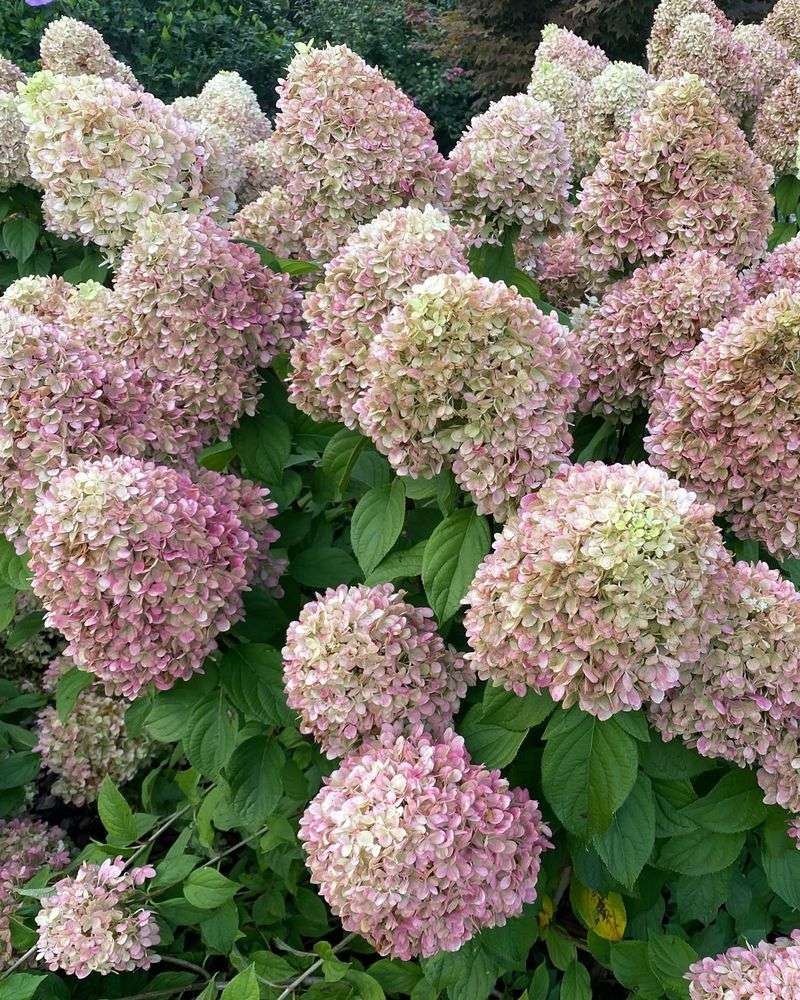
Compact, tidy, and absolutely loaded with blooms, the Powerball Panicle Hydrangea is turning heads at nurseries across North Carolina this season.
As a newer variety of Hydrangea paniculata, it was designed specifically for modern landscapes where space matters but style is non-negotiable.
The rounded, dense growth habit means it looks polished and well-behaved even without constant pruning.
The blooms are cone-shaped and impressively large for a compact shrub, emerging in summer with a creamy white color that gradually shifts to soft pink and then a deeper rosy tone as the season winds down.
That color transition keeps the plant interesting from midsummer all the way into fall, which is a huge advantage for North Carolina gardens that need multi-season interest.
Gardeners in the Piedmont and Coastal Plain regions especially appreciate how well it handles heat and humidity.
Powerball grows best in full sun, though it tolerates light afternoon shade without losing too much flower power.
Regular watering during the hottest weeks of summer helps it stay vigorous and productive. It works beautifully as a standalone specimen, in mixed shrub borders, or even in a large container on a sunny deck.
If you have been searching for a hydrangea that fits a smaller yard without sacrificing that big, dramatic flower show, Powerball Panicle Hydrangea is one of the most exciting new options available to North Carolina gardeners heading into 2026.
4. Little Lime Punch Hydrangea
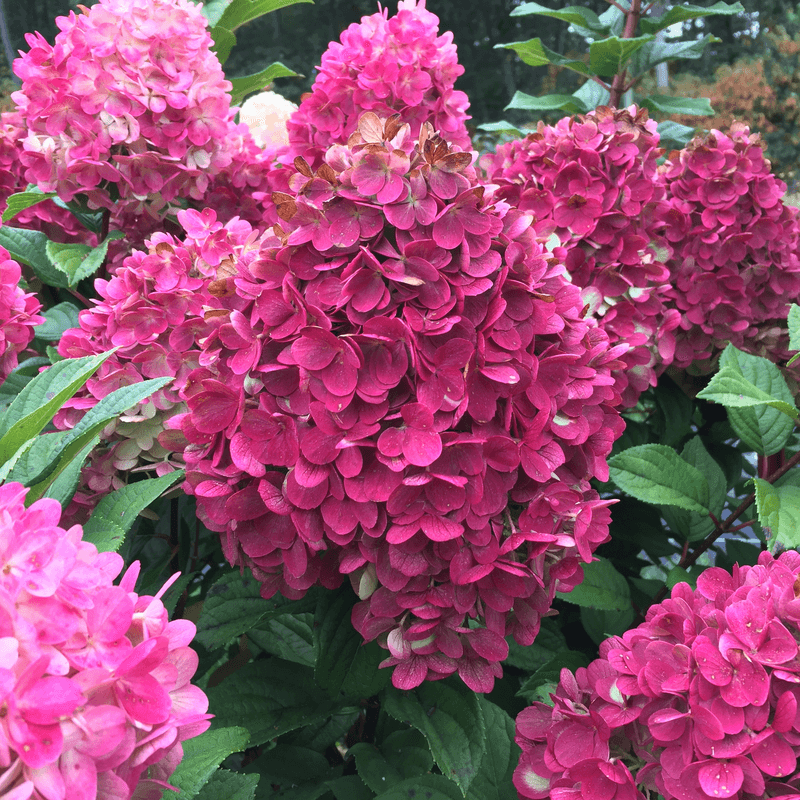
Imagine a single shrub that gives you four different flower colors all at once, and you have a pretty good picture of why Little Lime Punch Hydrangea is creating so much excitement.
This newer Hydrangea paniculata variety starts the season with lime green blooms, then transitions through white, soft pink, and eventually deep red shades, all on the same plant at the same time as different flower clusters age at their own pace.
That layered color effect is genuinely unlike anything most North Carolina gardeners have seen in a single shrub before.
It is compact enough for smaller yards, typically reaching around 3 to 5 feet tall and wide, making it an easy fit for borders, foundation plantings, or container gardens on a sunny porch.
The blooms appear in midsummer and the color show continues well into autumn, which is a big plus for extending garden interest past the peak growing season.
Full sun brings out the best color intensity in the blooms, though light afternoon shade is fine in the hottest parts of North Carolina.
Well-drained soil and consistent moisture during dry spells will keep it thriving through the long, warm summers the state is known for.
Pruning in early spring before new growth starts encourages the strongest stems and the fullest flower display.
Little Lime Punch is a genuinely fresh and creative option for gardeners who want something a little unexpected and truly beautiful.
5. Phlox Opalescence Luminary Collection
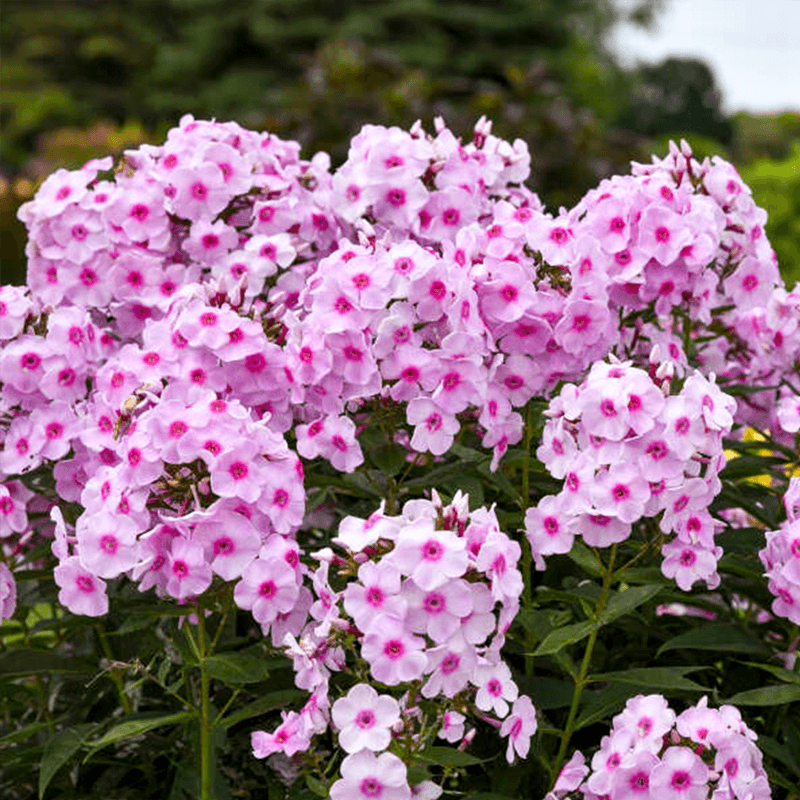
Few perennials combine fragrance, height, and pollinator appeal as effortlessly as Phlox paniculata Opalescence from the Luminary Collection.
Standing around 30 inches tall, this newer garden phlox produces clusters of soft, dreamy flowers in shades of pale pink and white that release a genuinely sweet fragrance throughout the summer months.
Butterflies and bees absolutely love it, which makes it a natural fit for any pollinator-friendly North Carolina garden.
Garden phlox has been a staple in American gardens for generations, but newer varieties like Opalescence have been improved for better mildew resistance, which is a real advantage in North Carolina’s warm, humid summers.
Powdery mildew has historically been a challenge with older phlox varieties, so this improvement makes Opalescence a much more reliable and low-maintenance choice for home gardeners across the state.
Planting it in a sunny spot with good air circulation gives it the best chance to stay healthy and bloom abundantly from midsummer through early fall.
Rich, well-drained soil and regular watering during dry stretches will keep the stems strong and the flowers coming.
It pairs beautifully with coneflowers, black-eyed Susans, and ornamental grasses in a mixed perennial border.
If you want a tall, fragrant, wildlife-friendly perennial that stands out in a North Carolina summer garden, Opalescence is one of the most rewarding new choices available right now and well worth finding at your local nursery.
6. Color Changing Echinacea Varieties
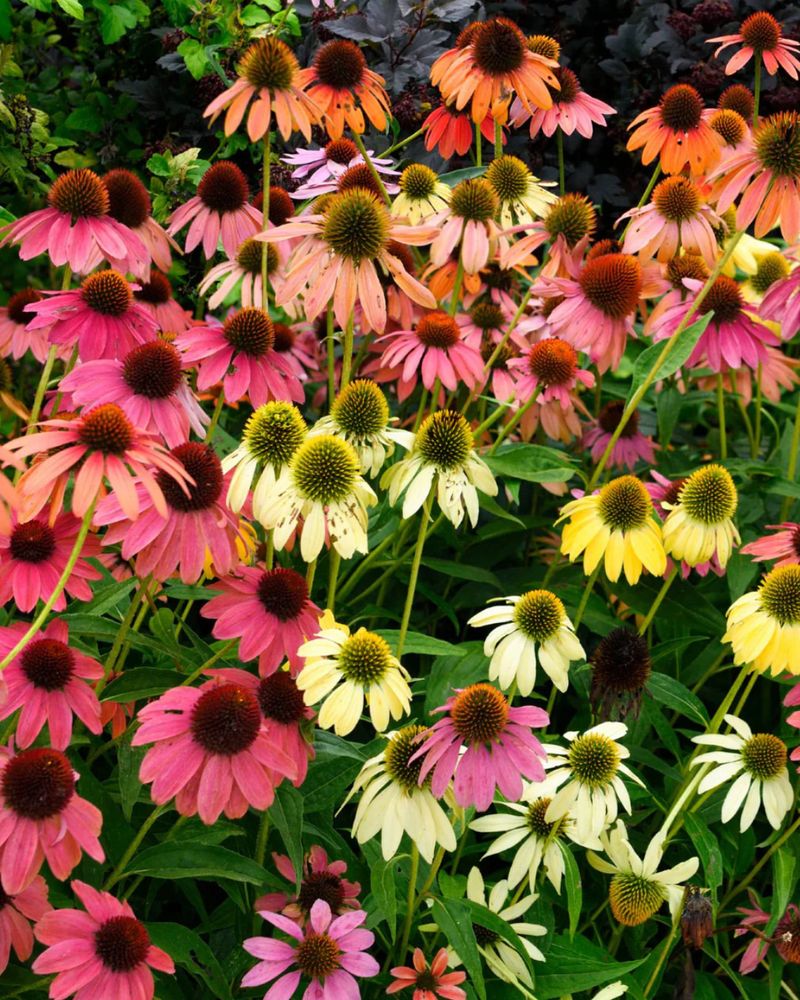
Watching a flower change color right in front of you over the course of a season is one of the more magical things a garden can offer, and that is exactly what the newest Echinacea cultivars bring to the table.
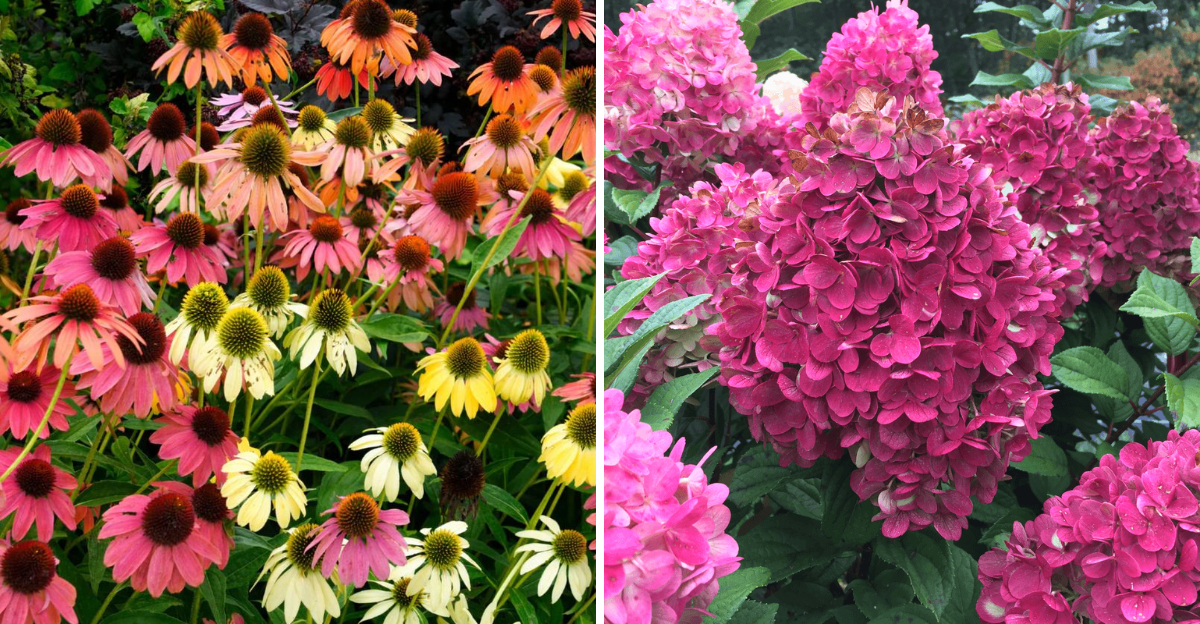
These modern coneflower varieties open in warm shades of coral or orange and gradually shift toward soft pink and golden yellow tones as they mature, creating a constantly evolving color display that keeps the garden looking fresh for months.
Coneflowers have always been beloved in North Carolina gardens for their toughness, and these newer color-changing types are no different.
They are heat tolerant, drought resistant once established, and genuinely long blooming, often flowering from early summer all the way through the first cool nights of fall.
Pollinators go absolutely wild for them, with butterflies, bees, and even goldfinches visiting regularly throughout the season.
These perennials grow best in full sun and well-drained soil, which makes them a natural fit for the sunny garden beds common across North Carolina’s Piedmont and Coastal Plain regions.
They typically reach 18 to 24 inches tall depending on the variety, fitting neatly into borders without crowding neighboring plants. Dividing them every few years keeps clumps vigorous and productive.
Whether you are building a pollinator garden from scratch or simply want to add some fresh energy to an existing bed, color-changing Echinacea varieties are among the most exciting and rewarding new perennial options available to North Carolina gardeners in 2026.
7. Kodiak Jet Black Diervilla
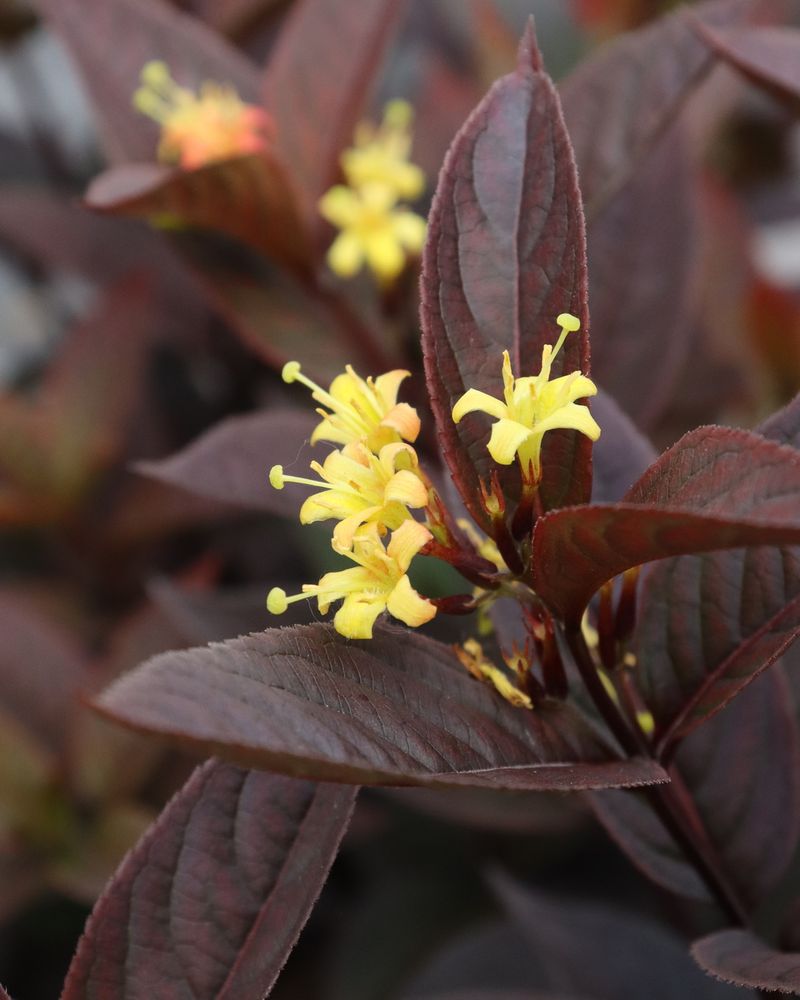
Dark foliage plants have a way of making every other color in the garden pop, and Kodiak Jet Black Diervilla does that job better than almost anything else available to North Carolina gardeners right now.
The leaves are a remarkably deep, rich purple-black that creates a dramatic backdrop for brighter flowers and green foliage nearby.
It is one of those plants that makes the whole garden look more intentional and polished just by being in it. Beyond the stunning looks, this shrub is genuinely tough.
Diervilla is naturally heat tolerant and adapts well to a range of soil conditions, which makes it an excellent fit for the varied landscapes found across North Carolina.
It handles sunny spots with ease and even tolerates some drought once it gets established, which is a real advantage during the hot, dry stretches that can challenge less resilient shrubs in summer.
Small yellow flowers appear in summer, providing a beautiful contrast against the dark foliage and drawing in pollinators like bees and butterflies throughout the bloom period.
Kodiak Jet Black typically grows 2 to 3 feet tall and wide, making it a great size for borders, mass plantings, or as a bold accent near lighter-colored plants.
It requires very little maintenance once established, which gardeners across North Carolina appreciate.
If you want drama, toughness, and pollinator appeal all wrapped up in one compact shrub, this is a plant that absolutely delivers on every level.
8. Paraplu Pure White Rose Of Sharon
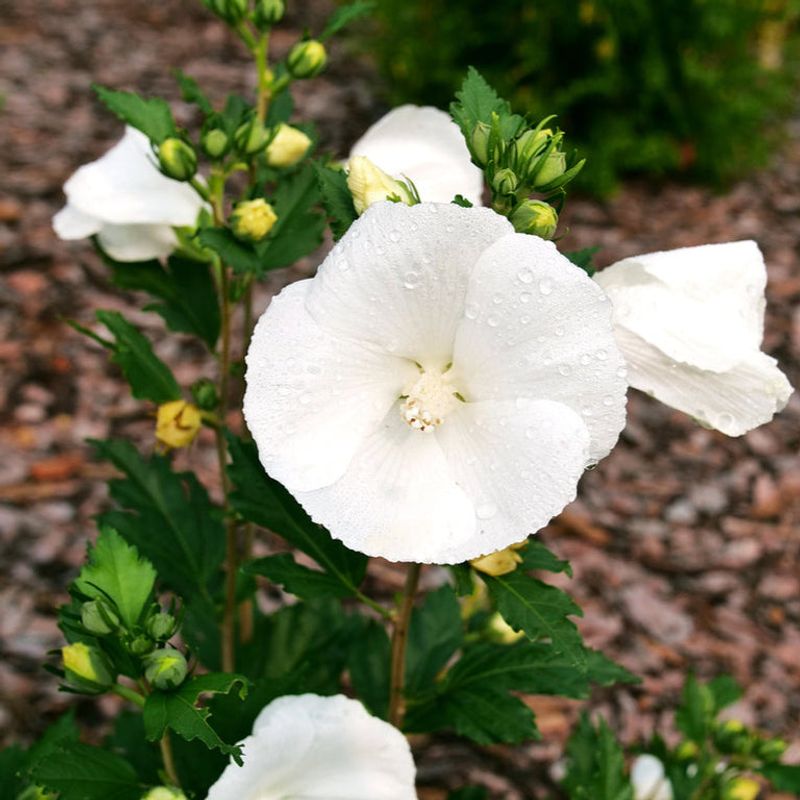
When most summer shrubs have finished their big show, Paraplu Pure White Rose of Sharon is just getting started.
This newer variety of Hibiscus syriacus produces large, pure white flowers that look like classic hibiscus blooms, arriving in midsummer and continuing to open fresh flowers well into early fall.
That late-season color is genuinely valuable in a North Carolina garden, filling the gap when many other shrubs have gone quiet.
Rose of Sharon has been a beloved fixture in Southern gardens for a very long time, and Paraplu Pure White brings a fresh, modern look to that tradition.
The crisp white blooms are elegant and versatile, pairing beautifully with nearly any color scheme in the landscape.
They look especially striking against dark green hedges or alongside bold purple and blue perennials like salvia or agastache.
North Carolina’s warm, sunny climate suits this shrub perfectly, as it thrives in full sun and adapts well to a wide range of soil types as long as drainage is decent.
It grows upright and somewhat narrow, typically reaching 8 to 10 feet tall over time, which makes it useful as a privacy screen or a tall accent in the back of a border.
Newer varieties like Paraplu have also been selected for reduced seed production, meaning less unwanted seedlings popping up around the garden.
For North Carolina gardeners wanting reliable late-season blooms with a clean, classic look, Paraplu Pure White is a standout choice in 2026.