8 New Plants You Will See At California Garden Centers Next Year
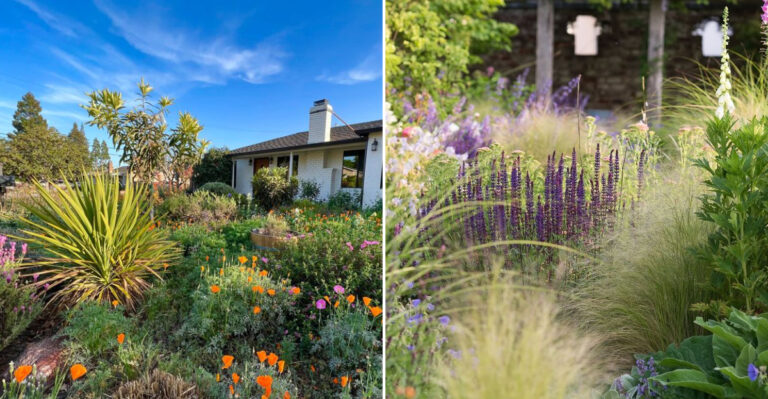
California garden centers never stand still, and next year promises a fresh wave of plants that turn heads and spark ideas.
Shoppers stroll in for the familiar and walk out with something unexpected, because innovation keeps the shelves lively.
From bold foliage to blooms bred for resilience, new arrivals reflect changing tastes and shifting climates.
As the saying goes, variety adds spice to life, and gardeners across the state enjoy the payoff.
Plant breeders continue to push the envelope, favoring water-wise choices, heat tolerance, and compact growth that fits modern spaces.
California conditions reward plants that handle long dry spells without losing their good looks.
Garden centers respond by stocking options that balance beauty with practicality, giving gardeners more room to experiment without biting off more than they can chew.
These newcomers offer more than novelty alone.
Many support pollinators, resist common pests, or thrive in containers and small yards.
Eye-catching colors, unusual textures, and extended bloom times raise the bar for home landscapes.
With so many fresh choices on the horizon, next year shapes up as a golden opportunity to refresh gardens, try something bold, and stay ahead of the curve without chasing fleeting trends.
1. California Fuchsia (Epilobium canum)
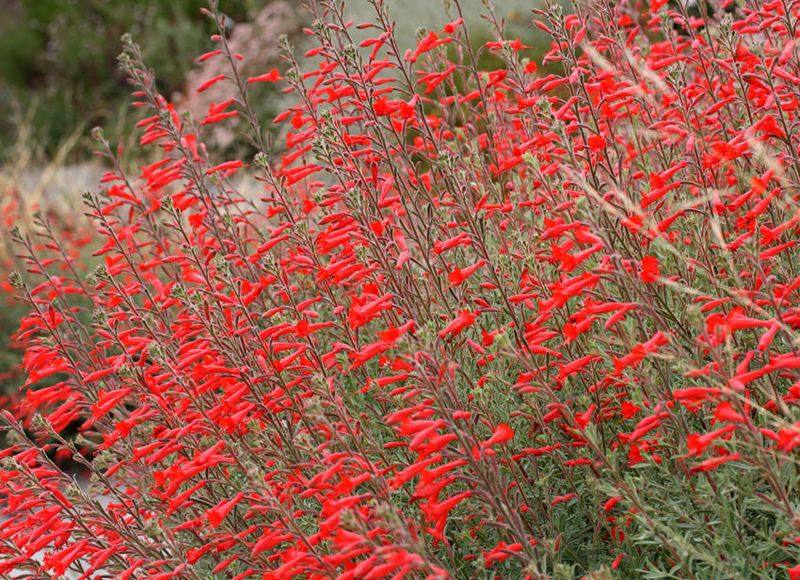
Hummingbirds go absolutely wild for this fiery beauty that blooms when most other plants have called it quits for the season.
California Fuchsia produces brilliant orange-red tubular flowers from late summer through fall, creating a spectacular show just when your garden needs it most.
The silvery-green foliage looks attractive year-round, even when blooms fade away.
This native plant handles heat and drought like a champion once established in your garden.
You can plant it in rock gardens, along slopes, or as a colorful groundcover that spreads naturally.
Butterflies also visit regularly, making your yard a haven for pollinators during crucial migration periods.
Garden centers stock several varieties now, from compact types perfect for containers to larger spreading forms for hillsides.
Water it occasionally during the first summer, then step back and watch it thrive on rainfall alone.
The plant tolerates poor soil and even grows in cracks between rocks where nothing else survives.
Trim it back in early spring to encourage fresh growth and more abundant flowering later in the year.
2. Desert Willow (Chilopsis linearis)
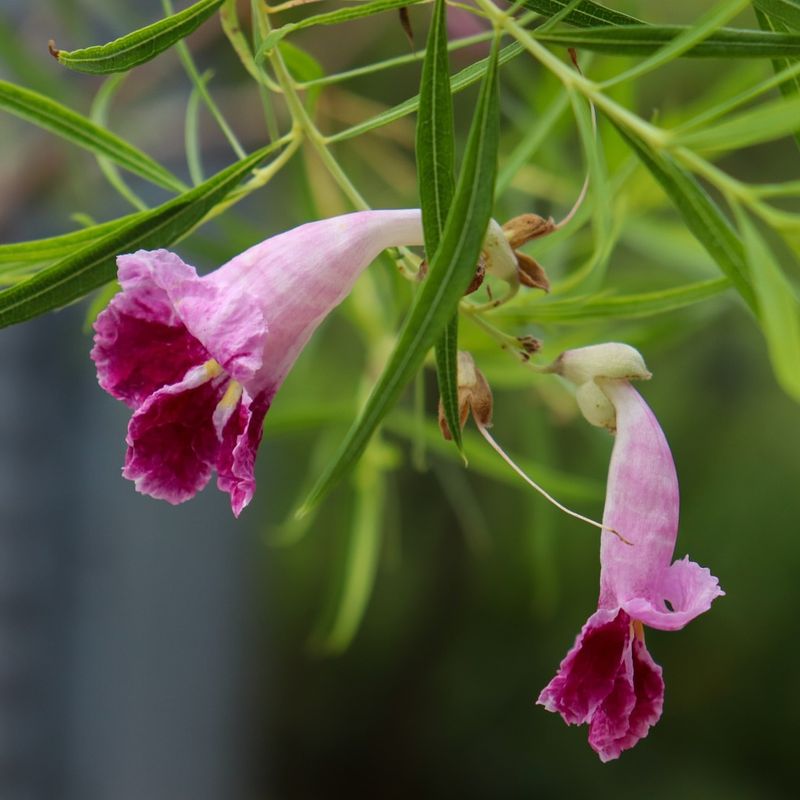
Imagine a small tree that produces orchid-like flowers in shades of pink, purple, and white all summer long without demanding constant watering.
Desert Willow brings elegance to California gardens with its graceful arching branches and narrow leaves that rustle softly in the breeze.
The trumpet-shaped blooms attract hummingbirds and bees from spring through fall, providing months of activity and color.
This tree grows quickly, reaching 15 to 25 feet tall, making it ideal for creating shade or privacy without a decade-long wait.
Nurseries now offer cultivars in various flower colors, so you can choose the perfect match for your garden palette.
Desert Willow drops its leaves in winter, but the interesting seedpods and sculptural branches remain attractive during dormancy.
Plant it in full sun and well-draining soil, then water deeply but infrequently once roots establish.
The tree tolerates alkaline soil and reflected heat from patios or walls that would stress other species.
Prune lightly to shape the tree or remove any crossing branches that might rub together.
Garden centers stock both single and multi-trunk specimens depending on the look you want to achieve.
3. Yarrow (Achillea millefolium – native varieties)
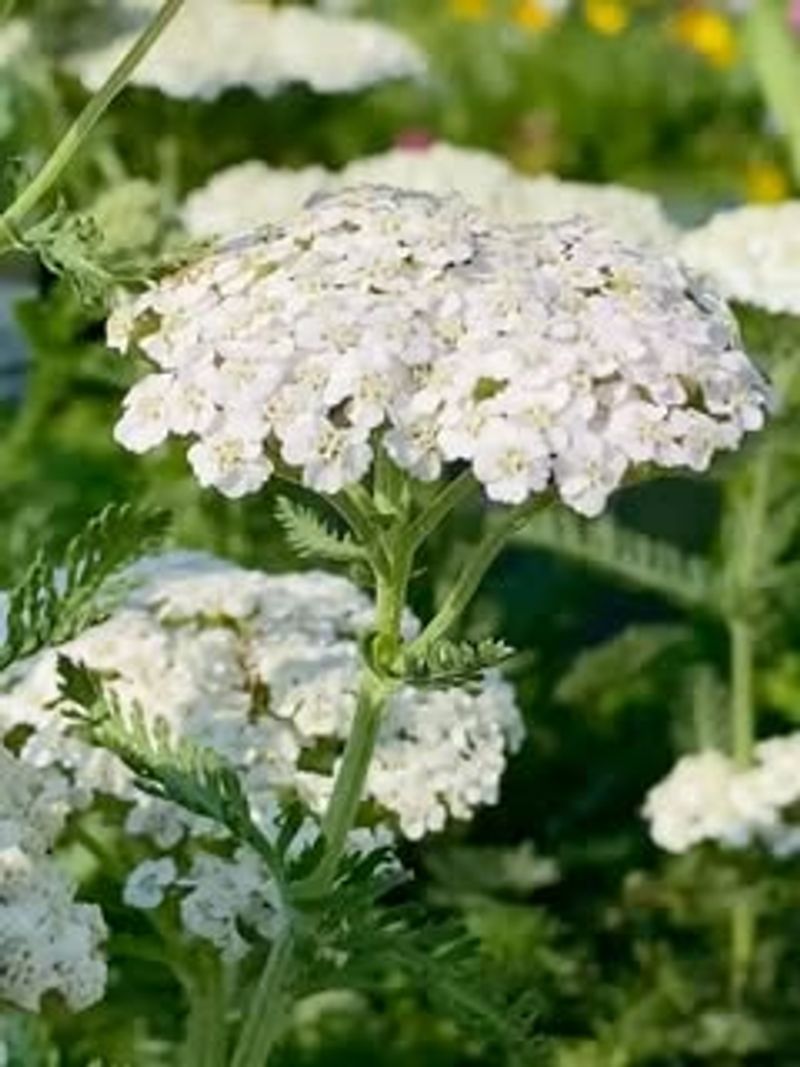
Feathery foliage and flat-topped flower clusters make native Yarrow a garden workhorse that performs beautifully without fuss or extra care.
White blooms appear from spring through summer, creating landing pads for beneficial insects that help control garden pests naturally.
The ferny leaves release a pleasant herbal scent when brushed, adding a sensory dimension to pathways and borders.
Native varieties adapt perfectly to California conditions, needing almost no supplemental water once established in the ground.
You can plant Yarrow in meadow-style gardens, perennial borders, or even between stepping stones where it tolerates light foot traffic.
Butterflies, ladybugs, and lacewings all visit regularly, making your garden a hub for creatures that maintain ecological balance.
The plant spreads slowly by rhizomes, filling in bare spots without becoming aggressive or invasive.
Cut back flower stalks after blooming to encourage a second flush of flowers later in the season.
Garden centers now carry native selections specifically chosen for California gardens rather than European cultivars that need more water.
Yarrow tolerates clay or sandy soil and grows well in both coastal and inland regions throughout the state.
4. Manzanita (compact and hybrid varieties)
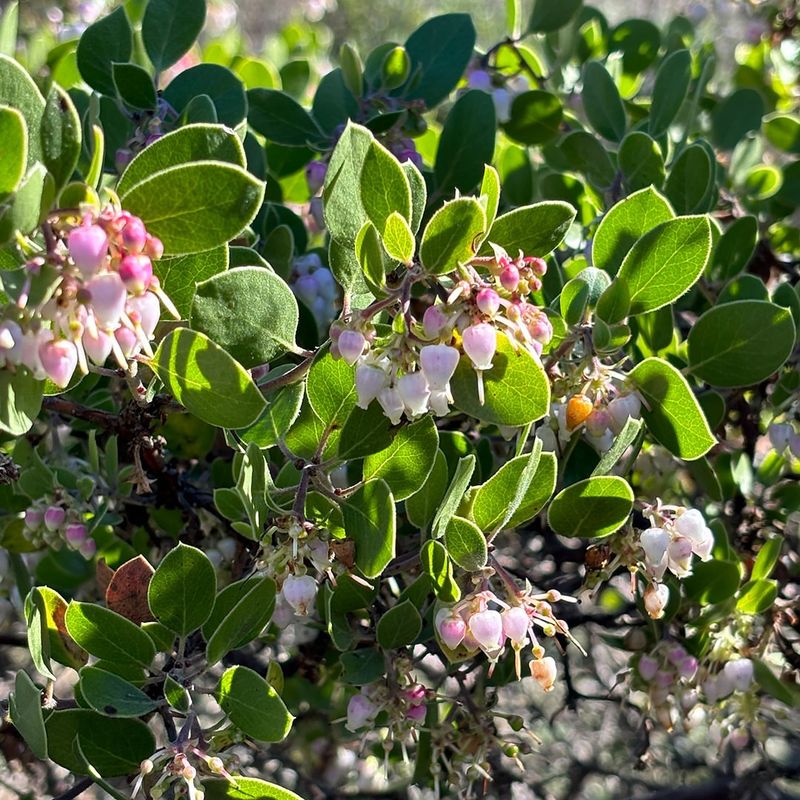
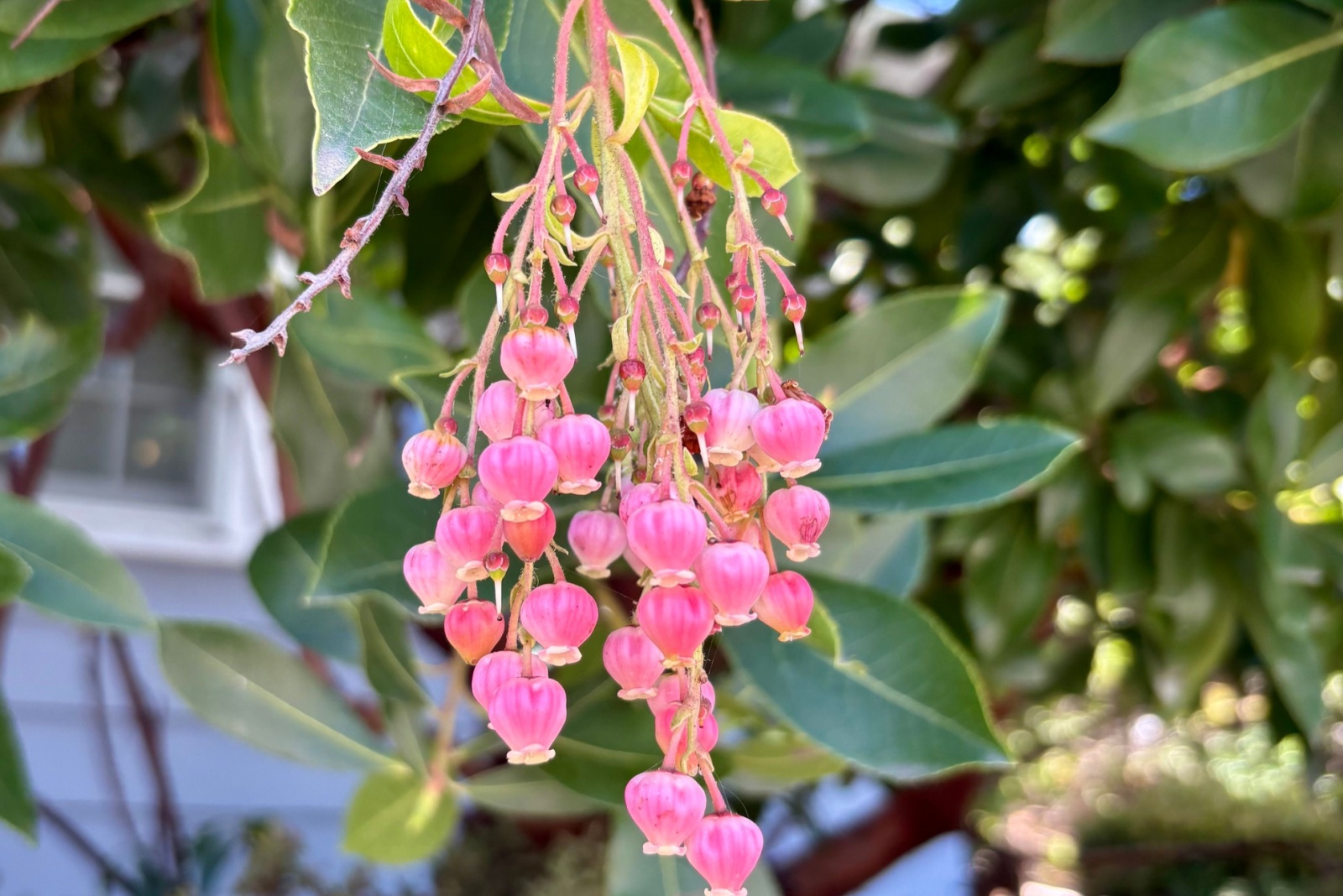
Sculptural red bark that glows in sunlight makes Manzanita one of the most striking shrubs you can add to a California garden.
New compact and hybrid varieties fit smaller yards perfectly, offering all the beauty of larger species in manageable sizes.
Clusters of pink or white bell-shaped flowers dangle from branches in winter and early spring, providing nectar when pollinators need it most.
The smooth mahogany-colored bark creates year-round visual interest that looks especially stunning against evergreen foliage.
Manzanita requires excellent drainage and absolutely thrives in poor, rocky soil where other plants struggle to survive.
Once established, these shrubs need zero summer water, making them perfect for water-wise landscapes and fire-resistant gardens.
Birds feast on the small berries that develop after flowers fade, bringing wildlife right to your window.
Garden centers now stock varieties bred for specific heights and growth habits, from low groundcovers to upright specimens.
Plant Manzanita in fall to give roots time to establish before summer heat arrives.
Avoid overhead watering and keep mulch away from the base to prevent root rot problems.
The plant needs no fertilizer and actually performs better in nutrient-poor conditions.
5. Toyon (Heteromeles arbutifolia)
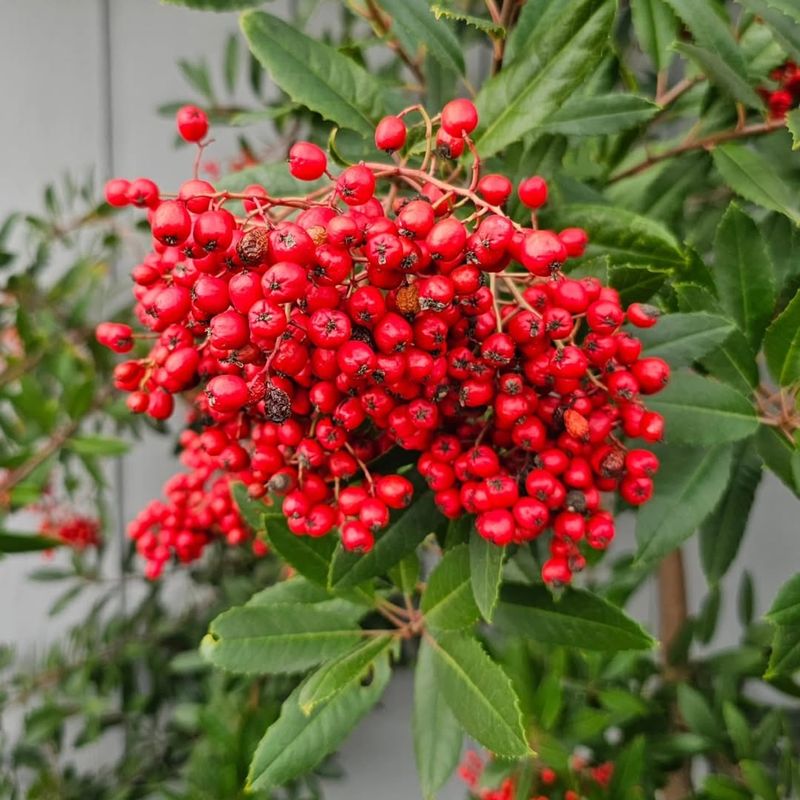
Bright red berries light up California gardens during winter holidays, earning Toyon its nickname as California Holly.
This evergreen shrub grows 6 to 15 feet tall and wide, creating a substantial presence in landscapes while supporting local wildlife.
White flower clusters bloom in summer, attracting bees and butterflies before transforming into those gorgeous red berries by December.
Birds absolutely love the berries, with cedar waxwings, robins, and mockingbirds visiting regularly throughout winter months.
Toyon tolerates various soil types, from clay to sandy, and grows well in sun or partial shade.
The dark green leathery leaves provide a handsome backdrop for other plants and remain attractive through all seasons.
Garden centers offer Toyon as both shrubs and small trees, depending on how you plan to use it in your landscape.
Water occasionally during the first year, then reduce to minimal irrigation once roots establish deeply.
The plant handles coastal conditions, inland heat, and even urban pollution without showing stress or decline.
Prune lightly to shape or control size, but avoid heavy cutting that removes next season’s berry-producing wood.
Toyon played an important role in native California culture and continues to support ecosystems today.
6. Salvia clevelandii (Cleveland Sage)
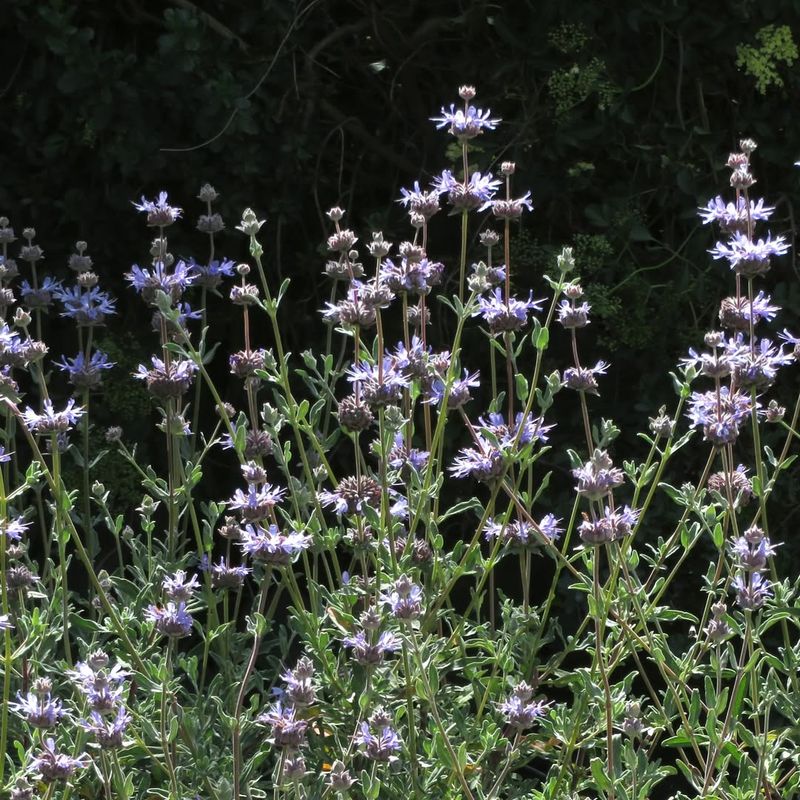
Crushing a leaf releases an intoxicating fragrance that combines mint, lavender, and something uniquely wild from California hillsides.
Cleveland Sage produces stunning purple-blue flower spikes that rise above gray-green foliage from late spring through summer.
Hummingbirds and bees visit constantly, making this plant essential for anyone wanting to support pollinators in their garden.
The aromatic foliage smells wonderful when you brush past it on pathways or near outdoor seating areas.
This sage grows into a rounded shrub about 3 to 5 feet tall and wide, perfect for borders or mass plantings.
Garden centers now stock several cultivars, including compact forms and varieties with especially intense flower colors.
Plant Cleveland Sage in full sun with excellent drainage, then water sparingly once it settles into your garden.
The plant actually suffers from too much kindness in the form of water and fertilizer, preferring lean conditions.
Cut back spent flower stalks after blooming to keep the plant tidy and encourage possible rebloom.
Prune lightly in early spring to remove any frost-damaged growth and maintain a compact shape.
Cleveland Sage combines beautifully with other natives and Mediterranean plants that share similar water needs.
7. Blue Grama Grass (Bouteloua gracilis)
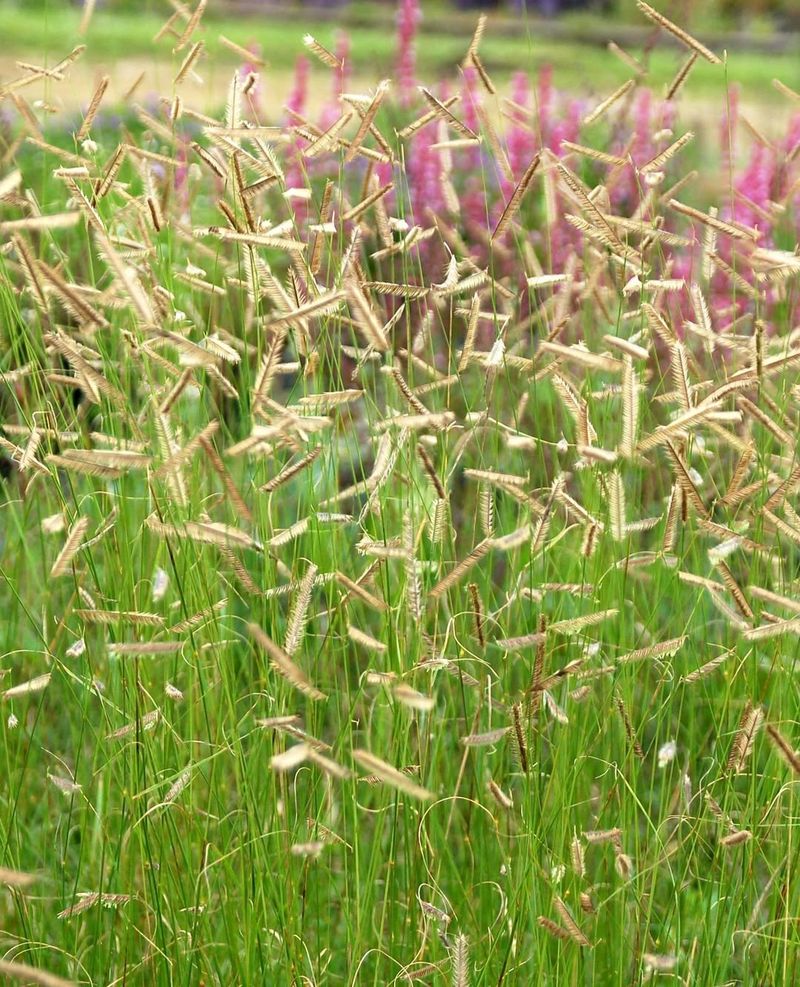
Quirky seed heads that look like tiny eyelashes waving in the breeze make Blue Grama Grass a conversation starter in any garden.
This native grass grows in fine-textured clumps about 12 to 18 inches tall, creating soft mounds that contrast beautifully with bold-leaved plants.
The blue-green foliage turns attractive golden tones in fall and winter, providing seasonal interest throughout the year.
Blue Grama tolerates extreme drought once established, surviving on rainfall alone in most California climates.
You can use it as a lawn alternative for areas that receive light foot traffic, or plant it in drifts for a meadow effect.
Garden centers promote this grass as a sustainable replacement for thirsty traditional lawns that waste precious water.
The grass stays low and rarely needs mowing, saving time and eliminating noise pollution from power equipment.
Birds appreciate the seeds, and the low growth provides shelter for beneficial ground beetles and other helpful insects.
Plant Blue Grama in full sun and well-draining soil, spacing plants close together if you want a lawn-like appearance.
Water occasionally during establishment, then gradually reduce irrigation to nothing at all.
The grass goes dormant during extreme heat or cold but greens up quickly when conditions improve.
8. Ceanothus (low-growing and groundcover types)
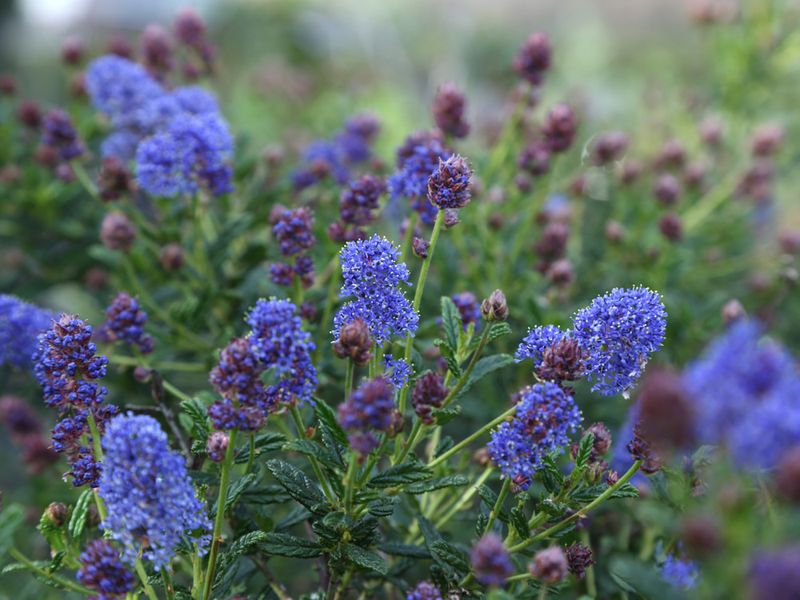
Clouds of blue flowers transform slopes and problem areas into breathtaking displays that rival any traditional garden favorite.
Low-growing Ceanothus varieties spread horizontally, covering ground quickly while preventing erosion on hillsides and banks.
The evergreen foliage looks neat year-round, with small glossy leaves that create a fine-textured carpet beneath the flowers.
Blooms appear in spring, ranging from powder blue to deep purple depending on the variety you choose.
Bees and butterflies flock to the fragrant flowers, creating a buzzing symphony that signals a healthy garden ecosystem.
Garden centers stock numerous groundcover selections now, bred specifically for low water use and easy maintenance.
These varieties typically grow 1 to 3 feet tall and spread 6 to 10 feet wide, covering large areas efficiently.
Plant Ceanothus in fall for best establishment, choosing a location with full sun and excellent drainage.
Water occasionally during the first year, then taper off completely as roots establish deeply into the soil.
Avoid fertilizing or overwatering, as Ceanothus performs best in lean conditions that mimic its native habitat.
Prune lightly after flowering if needed, but these groundcovers generally maintain their shape naturally without much intervention.