New Shrub Varieties Ohio Gardeners Are Falling In Love With In 2026
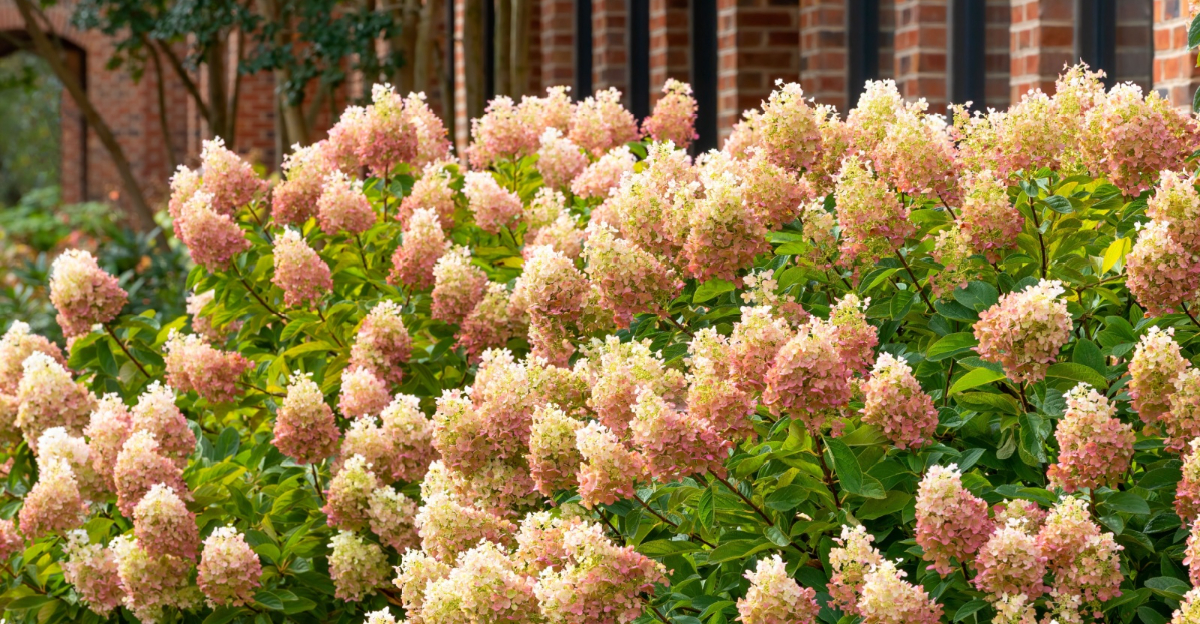
A quiet shift is happening in Ohio gardens, and many longtime favorites are starting to share the spotlight. Fresh shrub varieties are capturing attention with richer color, longer seasonal interest, and impressive resilience in Ohio’s unpredictable climate.
Gardeners who try one often return for more, drawn by performance that feels both reliable and exciting.
These newer selections bring something different to the landscape, subtle in some cases, striking in others, yet consistently impressive where it matters most.
Neighborhoods, garden centers, and local landscapes are beginning to reflect this growing enthusiasm. Some shrubs stand out for their beauty, others for their toughness, and a few for qualities gardeners did not realize they were missing.
As 2026 unfolds, a new wave of shrubs is winning hearts across Ohio, and the reasons behind their rising popularity may surprise you.
1. Limelight Prime® Brings Strong Stems And Early Blooms
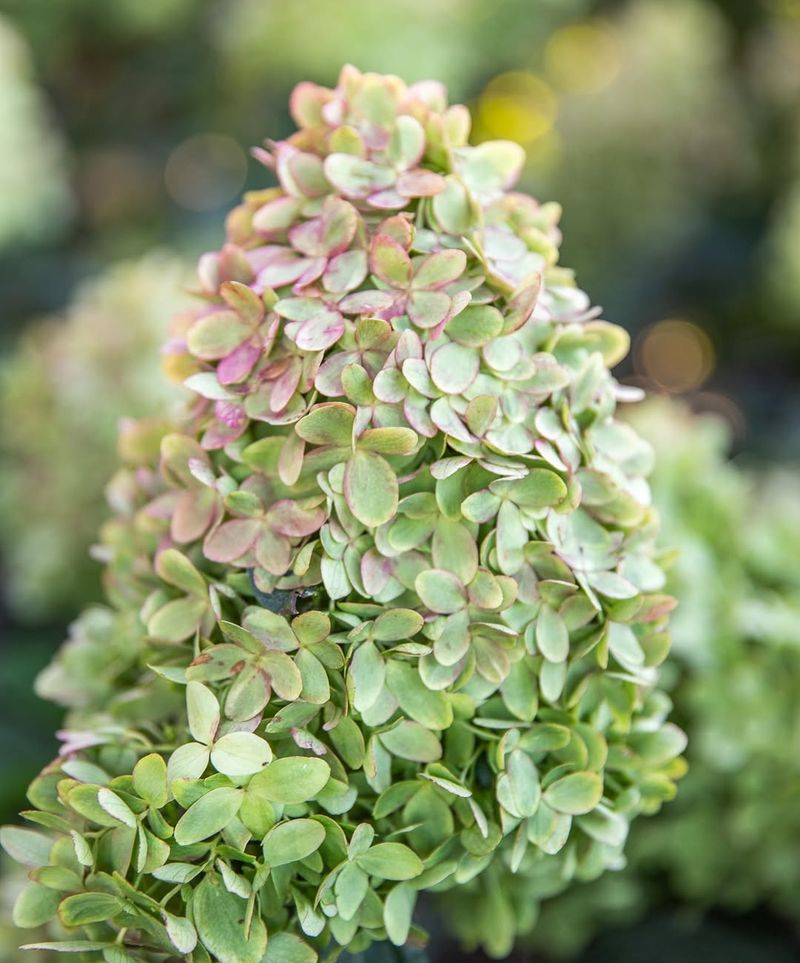
Gardeners who loved the original Limelight hydrangea will find even more to appreciate in this upgraded version. Limelight Prime® paniculata hydrangea was bred specifically to address the one complaint people had about the classic variety.
The older selection sometimes flopped over when its massive blooms got heavy with rain, but this improved form holds its flowers upright through summer storms.
The stems on Limelight Prime® are noticeably thicker and more rigid than the original. This means you can skip the staking and enjoy a naturally tidy shrub that looks great all season.
Blooms emerge about two weeks earlier than standard Limelight, giving you a longer display of those gorgeous creamy white flowers that age to soft pink and burgundy tones as fall approaches.
Ohio gardeners appreciate how reliably this hydrangea performs in our variable climate. It handles zone 4 cold without protection and tolerates our humid summers without mildew issues that plague some hydrangea types.
The shrub reaches about six to eight feet tall with similar width, making it substantial enough for foundation plantings or mixed borders. Plant it in full sun to light shade with consistent moisture during establishment, and it will reward you with months of color from midsummer through frost.
2. Invincibelle Wee White® Delivers Big Blooms In Small Spaces
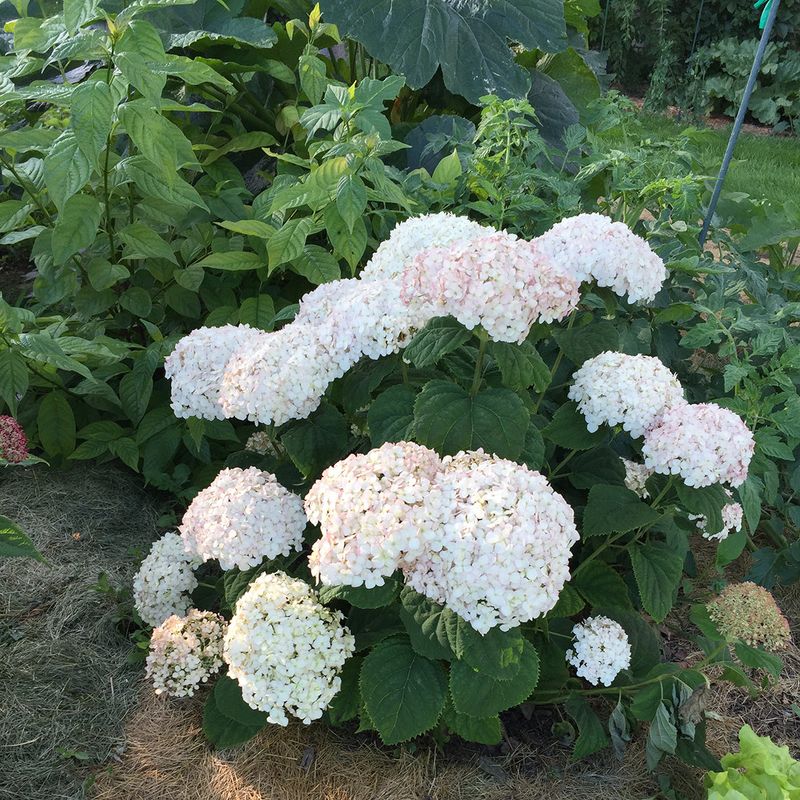
Not everyone has room for a six-foot hydrangea, which is exactly why this pint-sized powerhouse has become so popular. Invincibelle Wee White® smooth hydrangea stays under three feet tall and wide, making it perfect for smaller Ohio yards, container gardens, or front-of-border plantings where larger shrubs would overwhelm the space.
What makes this compact hydrangea truly special is that it produces full-sized blooms on its diminutive frame. The flower heads measure five to six inches across, creating a stunning display that seems almost too generous for such a small plant.
These pure white blooms appear from early summer and keep coming until frost, giving you months of continuous color without any deadheading required.
The stems are sturdy enough to support those big blooms without flopping, which is impressive for such a small plant. Unlike some dwarf selections that look stunted or weak, Invincibelle Wee White® has a naturally proportioned appearance that looks intentional rather than miniaturized.
It thrives in Ohio’s climate with good cold hardiness to zone 3 and performs best with morning sun and afternoon shade, though it tolerates full sun if given adequate moisture. The compact size also means less pruning work since you can simply cut it back to about 12 inches in late winter and let it regrow fresh each spring.
3. Tiny Wine® Ninebark Adds Bold Color And Tough Growth
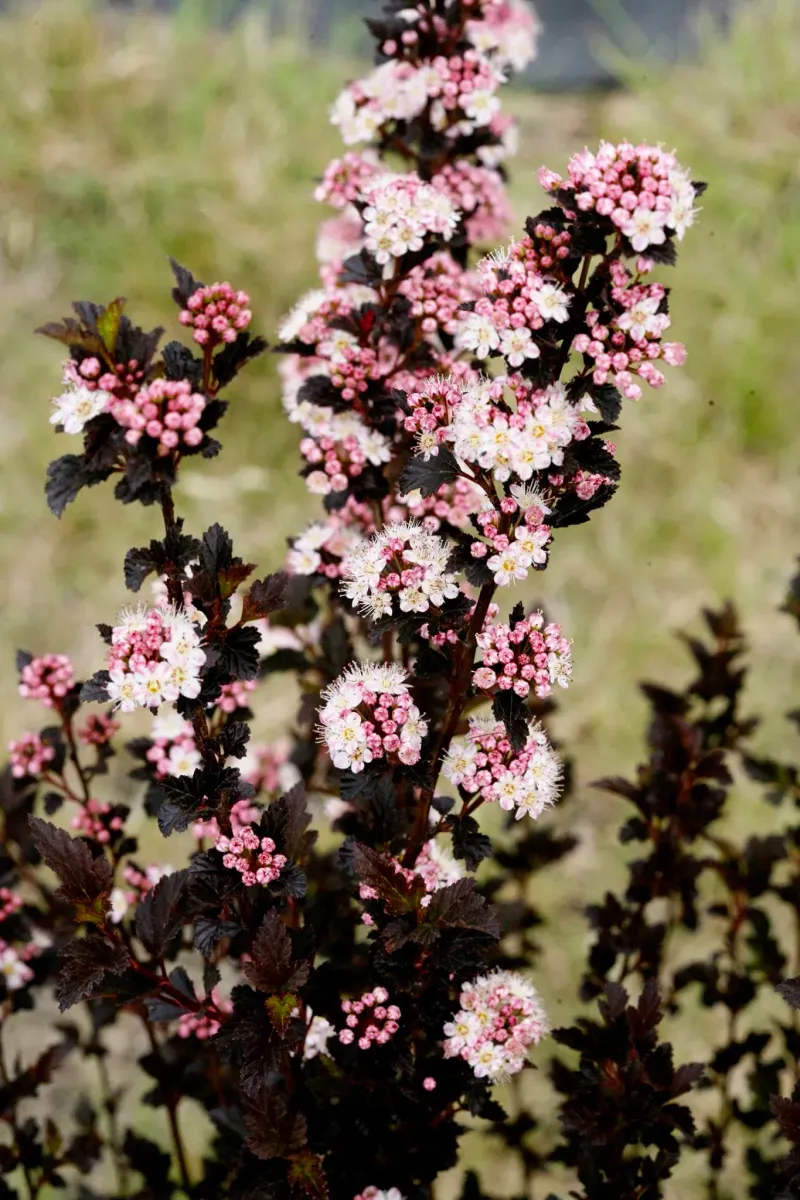
Native plants have gained serious momentum among Ohio gardeners, and Tiny Wine® ninebark shows exactly why. This compact selection of our native Physocarpus opulifolius brings all the toughness you expect from a Midwest native while staying small enough for modern landscapes where space is limited.
The foliage color is the main attraction here. Deep burgundy-wine leaves emerge in spring and hold their rich color through summer without fading to green like some purple-leaved shrubs do in our hot weather.
Small white flowers appear in late spring, creating a pretty contrast against the dark foliage, followed by reddish seed capsules that add winter interest after the leaves drop.
This ninebark maxes out around three to four feet tall and wide, making it manageable for foundation plantings, mixed borders, or mass plantings where you want bold color without overwhelming the space. The native roots mean it handles Ohio clay soil, temperature swings, and drought once established.
Deer generally leave ninebark alone, which is a huge bonus for gardeners dealing with browsing pressure. It grows equally well in full sun or partial shade, though the darkest foliage color develops with more sun exposure.
Maintenance is minimal since you can simply remove any wayward branches in early spring and let the plant do its thing the rest of the year.
4. Kodiak Orange® Diervilla Glows With Fiery Seasonal Color
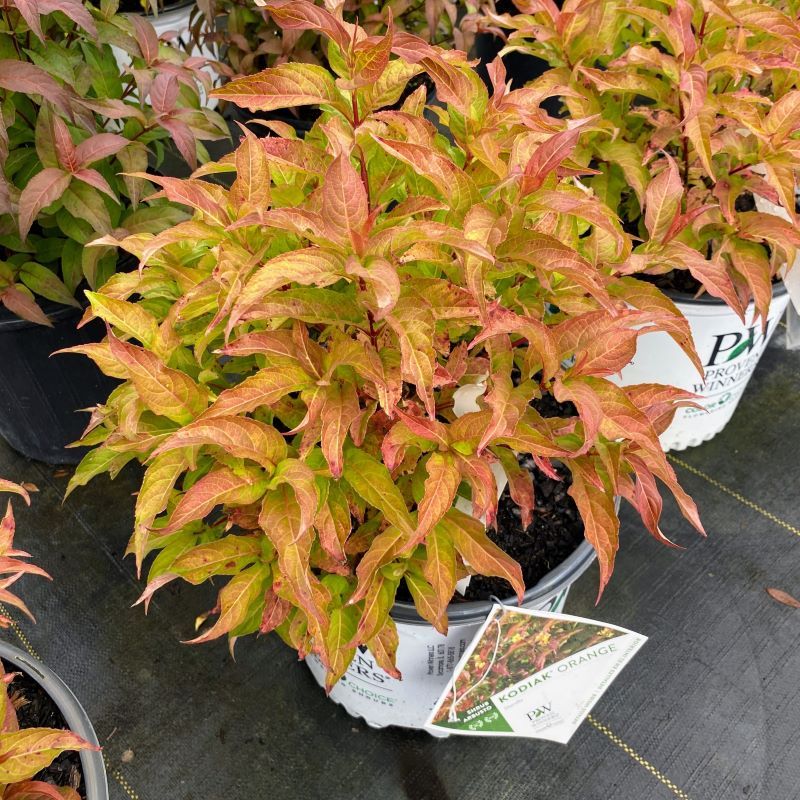
Another native winner that deserves more attention in Ohio gardens is Kodiak Orange® diervilla, also known as bush honeysuckle. This North American native brings serious seasonal color without any of the invasive tendencies associated with exotic honeysuckle species that have caused so many problems in our woodlands.
The magic happens in fall when the foliage transforms into brilliant shades of orange, red, and burgundy that rival any burning bush display. Before that autumn show, you get tidy green foliage all summer dotted with small yellow tubular flowers that hummingbirds and native bees appreciate.
The compact growth habit keeps it around three feet tall and wide, making it easy to fit into smaller landscapes or use as a low hedge.
Diervilla is incredibly tough once established. It handles full sun to part shade, tolerates dry conditions after the first season, and shrugs off our coldest winters without any dieback.
The root system spreads slowly to form a dense clump that helps prevent erosion on slopes while also outcompeting weeds. Unlike many flowering shrubs that need regular deadheading or pruning, Kodiak Orange® looks good with minimal intervention.
Just cut it back by about one-third in late winter if you want to control size or rejuvenate older plants. Ohio gardeners who want reliable fall color without high maintenance have found their match with this underused native.
5. Double Play Doozie® Spirea Blooms All Summer Long
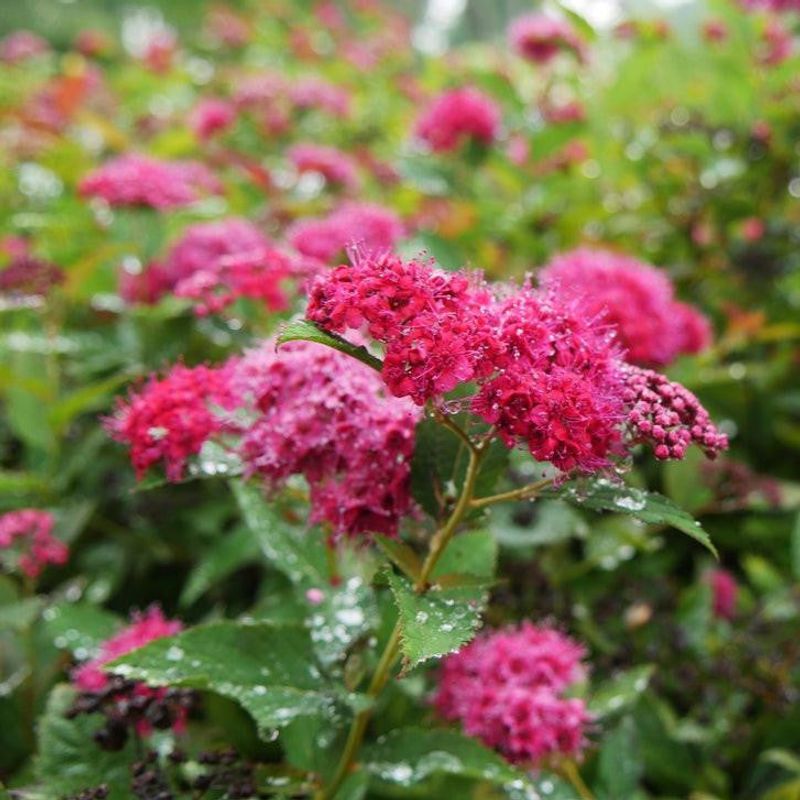
Spirea has been a landscape workhorse for decades, but older varieties bloom once and finish by early summer. Double Play Doozie® changes that equation by flowering continuously from late spring through fall frost, giving you months of color instead of a few weeks.
The flowers emerge in shades of deep pink to purple-red, creating dense clusters that cover the entire plant when it hits peak bloom. New flowers keep appearing on fresh growth all season, so you never see that tired, finished look that happens with spring-only bloomers.
The compact size stays around two to three feet tall and wide, making it perfect for front-of-border plantings, foundation beds, or even large containers on patios.
What Ohio gardeners really appreciate is how carefree this spirea performs. It handles our clay soils without complaint, tolerates summer heat and humidity, and survives winter cold to zone 3 without any protection.
Unlike some Asian spirea species that have become invasive problems, this hybrid is sterile and produces no viable seed, so it stays exactly where you plant it. Pruning is optional since the plant maintains a naturally rounded shape, but you can shear it lightly in early spring if you want to control size or encourage even more branching.
Plant it in full sun for best flowering and give it moderate water during establishment, then watch it perform year after year with almost no care required.
6. Spilled Wine® Weigela Spreads Low With Rich Foliage
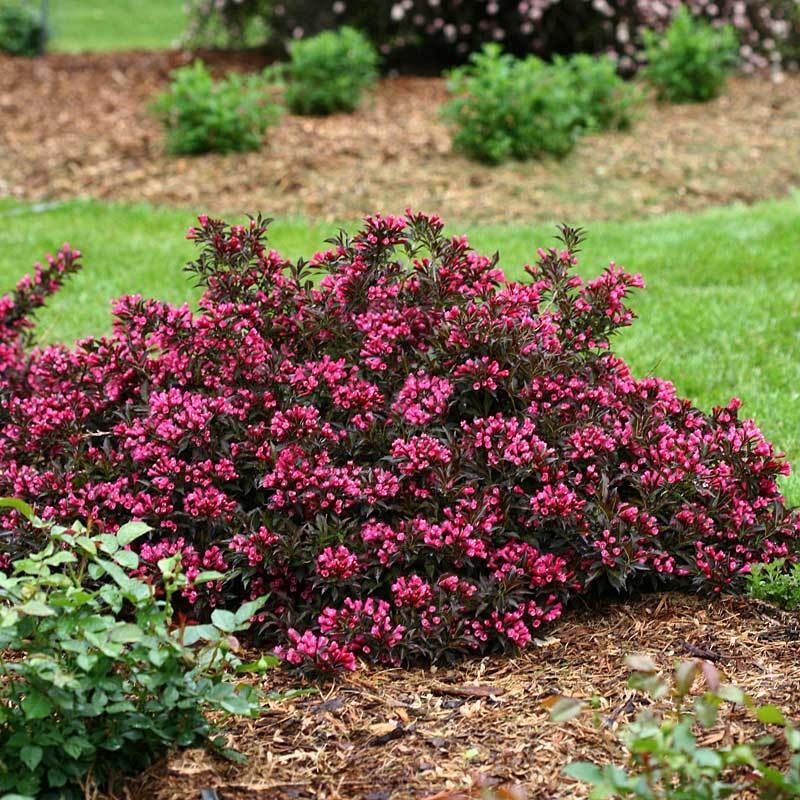
Most weigela varieties grow upright into rounded mounds, but Spilled Wine® takes a different approach with a low, spreading habit that makes it useful in ways traditional weigela cannot match. This groundcover-type form grows only 18 to 24 inches tall but spreads three to four feet wide, creating a dense mat of color that works beautifully on slopes, at the front of borders, or spilling over retaining walls.
The foliage is the star here with deep burgundy-purple leaves that emerge dark and hold their color through summer. In late spring, rosy-pink tubular flowers appear along the stems, creating a striking contrast against the dark foliage that hummingbirds find irresistible.
The flowers last several weeks before giving way to the foliage display that carries through until frost.
This spreading habit makes Spilled Wine® particularly valuable for erosion control on banks where you need something more interesting than typical groundcovers but do not want the maintenance of a traditional shrub. It handles Ohio’s climate with excellent cold hardiness and good heat tolerance once established.
Deer tend to avoid weigela, which is helpful for gardens with browsing pressure. Plant it in full sun to partial shade with average soil and moderate moisture.
The low, spreading form means you rarely need to prune unless you want to contain the spread, making this one of the easiest flowering shrubs you can grow.
7. North Pole® Arborvitae Builds Narrow Year Round Structure
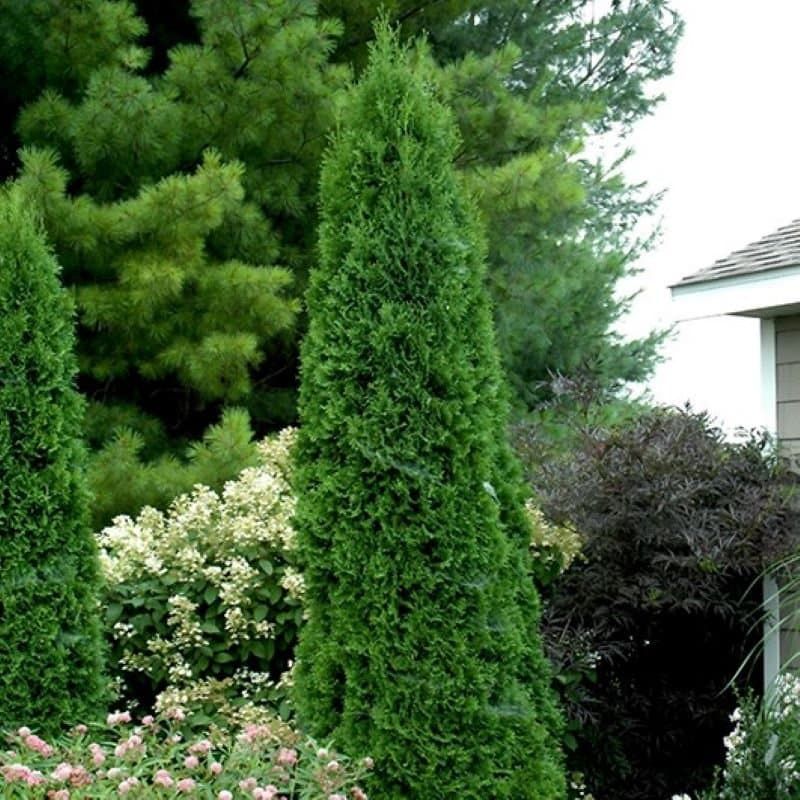
Sometimes you need vertical structure without taking up much horizontal space, and North Pole® arborvitae delivers exactly that. This narrow evergreen grows 10 to 15 feet tall but stays only three to five feet wide, creating a natural column that works perfectly for tight spaces, flanking entryways, or building privacy screens without eating up your entire yard.
The dense, dark green foliage holds its color through Ohio winters better than many arborvitae selections that turn bronze or yellowish in cold weather. The naturally columnar form develops without any shearing or staking, so you get that formal, architectural look with zero effort.
Unlike Leyland cypress or other fast-growing evergreens that become maintenance nightmares, North Pole® grows at a moderate pace that keeps it manageable long-term.
This arborvitae handles our climate beautifully with excellent winter hardiness and good tolerance for summer heat. It prefers full sun but adapts to light shade, though the form may become slightly more open with less light.
The root system is fairly compact, making it suitable for planting near foundations or in areas where you cannot have aggressive roots spreading everywhere. Deer can be an issue with arborvitae in some Ohio locations, so you may need repellents or fencing in high-pressure areas.
Maintenance involves little more than occasional watering during dry spells and perhaps removing any snow load that accumulates on branches during heavy storms.
8. Sugar Shack® Buttonbush Draws Pollinators With Unique Blooms
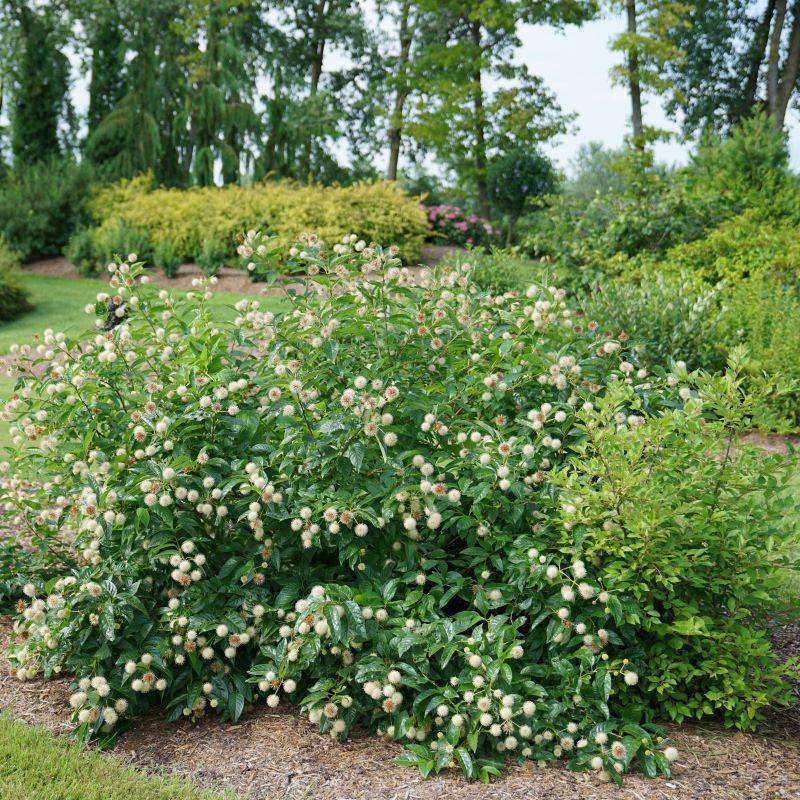
Native plants that support pollinators have become a priority for many Ohio gardeners, and Sugar Shack® buttonbush delivers serious wildlife value while looking great in the landscape. This compact selection of our native Cephalanthus occidentalis stays around three to four feet tall instead of the six to eight feet typical of wild forms, making it garden-friendly while keeping all the ecological benefits.
The flowers are absolutely unique with perfectly round, white spherical clusters that look like little pincushions covering the plant in midsummer. These blooms attract an incredible diversity of pollinators including native bees, butterflies, hummingbirds, and beneficial insects that help keep pest populations in check.
After flowering, the seed heads persist into winter and provide food for birds while adding architectural interest to the dormant landscape.
Buttonbush naturally grows in wetlands and along stream banks, which means it handles poorly drained spots where many other shrubs would struggle or decline. If you have a low area that stays damp or a rain garden that needs planting, Sugar Shack® is an excellent choice.
It also adapts to average garden soil with regular moisture, so you do not need a bog to grow it successfully. Plant it in full sun to light shade and enjoy the parade of wildlife it attracts.
Ohio gardeners looking to support native ecosystems while creating beautiful landscapes will find this compact buttonbush hits all the right notes.