New Shrub Varieties Oregon Gardens Are Falling In Love With In 2026
Garden trends come and go, but every so often a new wave of shrubs captures real attention.
Across Oregon, gardeners are getting excited about fresh varieties that bring better color, longer bloom seasons, and tougher performance in the local climate.
Some offer vibrant foliage that stays striking beyond summer, others deliver waves of flowers that pollinators cannot resist, and a few are winning hearts for their compact, easy care growth. These newer selections are not just pretty additions.
They are practical upgrades that fit modern gardens, smaller spaces, and changing weather patterns.
If your landscape feels ready for something new, these standout shrubs are quickly becoming the ones Oregon gardeners cannot stop planting, talking about, and showing off year after year.
1. Bellini® Cherry crape myrtle (Lagerstroemia indica)
When you think of crape myrtles, your mind probably wanders to Southern gardens with their long, hot summers. But Bellini® Cherry is changing that conversation here in Oregon.
This compact variety stays around four to five feet tall and wide, making it perfect for smaller yards or even containers on a sunny patio.
What sets this shrub apart is its cold hardiness, it can handle temperatures down to about 5°F, which means most Oregon gardeners can grow it successfully.
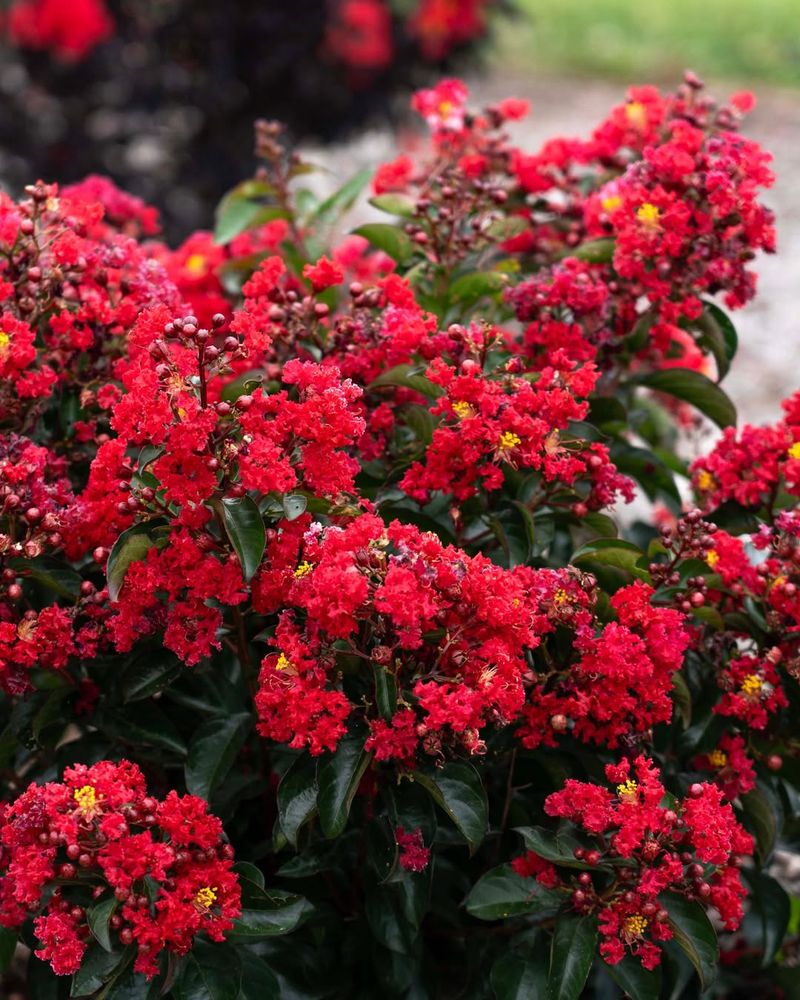
The deep cherry-red blooms arrive in summer and keep going strong through early fall, providing color when many other shrubs have finished their show.
The flowers emerge in dense, ruffled clusters that almost look too vibrant to be real.
Plant it where it gets at least six hours of direct sun daily. Morning sun with some afternoon protection works beautifully in hotter inland areas.
The soil should drain well; crape myrtles despise sitting in waterlogged ground, which can be a challenge in our wet climate.
One mistake gardeners make is planting too deep or mulching right up against the trunk. Keep the root flare visible and leave a small gap around the base.
Prune lightly in late winter to shape and remove any frost-damaged tips, but resist the urge to hack it back severely, that ruins its natural form and delays blooming.
This shrub thrives with minimal fuss once established. Water deeply but infrequently during dry spells, and you’ll be rewarded with months of eye-catching color that feels surprisingly at home in Pacific Northwest gardens.
2. Spring Sizzle® panicle hydrangea (Hydrangea paniculata)
If you’ve ever felt like your hydrangea blooms arrive too late in the season, Spring Sizzle® is about to become your new favorite. This panicle hydrangea starts flowering weeks earlier than most of its relatives, often showing color by late spring or early summer.
For Oregon gardeners eager to see blooms after our long, gray winters, that early show is pure gold.
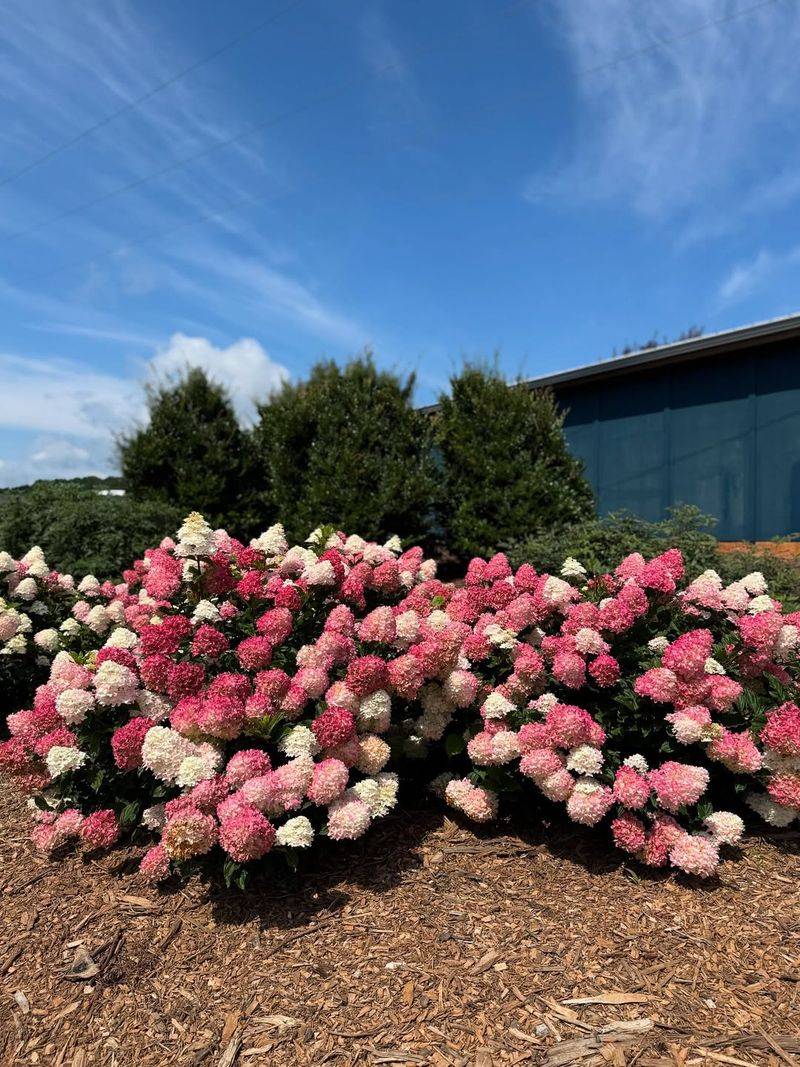
The flowers open creamy white and gradually shift to soft pink as they mature, creating a two-toned effect that lasts for months.
The shrub itself stays relatively compact at around four to five feet tall, with a neat, upright habit that doesn’t flop or sprawl like some larger panicle varieties.
Panicle hydrangeas are among the most forgiving shrubs for Oregon’s climate. They handle our wet springs without developing mildew issues, and they’re tough enough to tolerate both sun and partial shade.
Full sun brings the most abundant blooms, but if your yard only offers morning light or dappled afternoon shade, this hydrangea will still perform admirably.
Plant in soil that holds moisture but doesn’t stay soggy. Adding compost at planting time helps with both drainage and water retention, a balance that’s especially useful in our variable conditions.
Mulch around the base to keep roots cool and reduce water stress during summer dry spells.
Prune in late winter or early spring before new growth begins. Cut back stems by about a third to encourage fresh flowering wood.
Some gardeners worry about removing too much, but panicle hydrangeas bloom on new wood, so even aggressive pruning won’t cost you flowers, it just might delay them slightly.
3. Centennial Ruby™ bigleaf hydrangea (Hydrangea macrophylla)
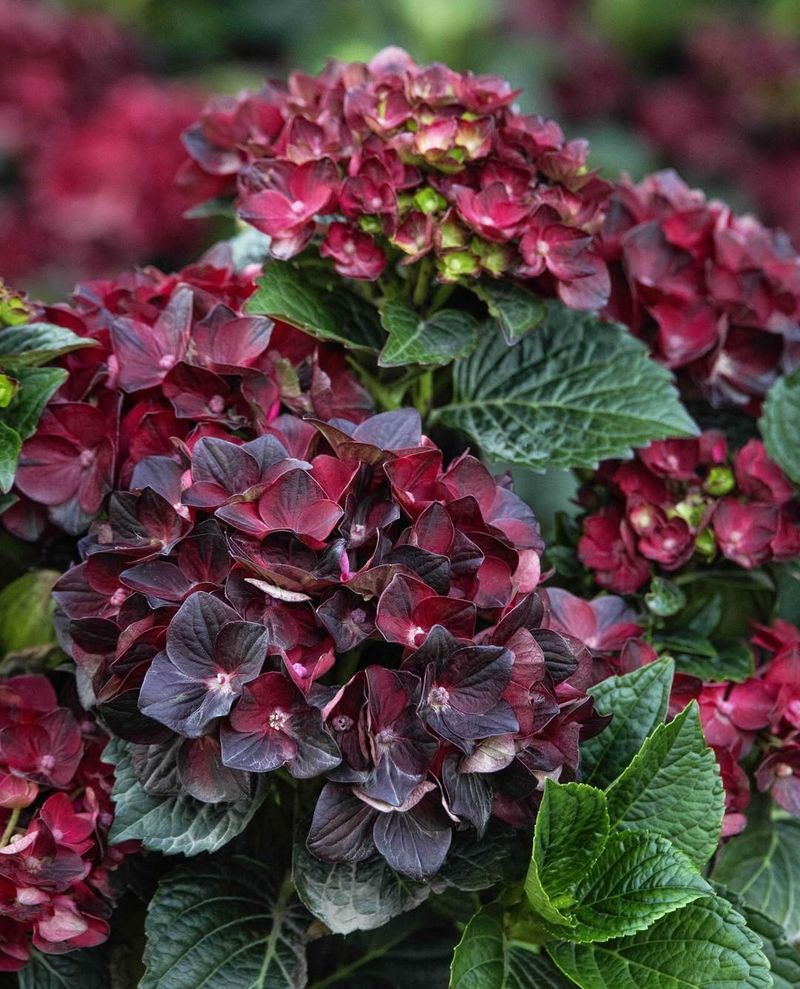
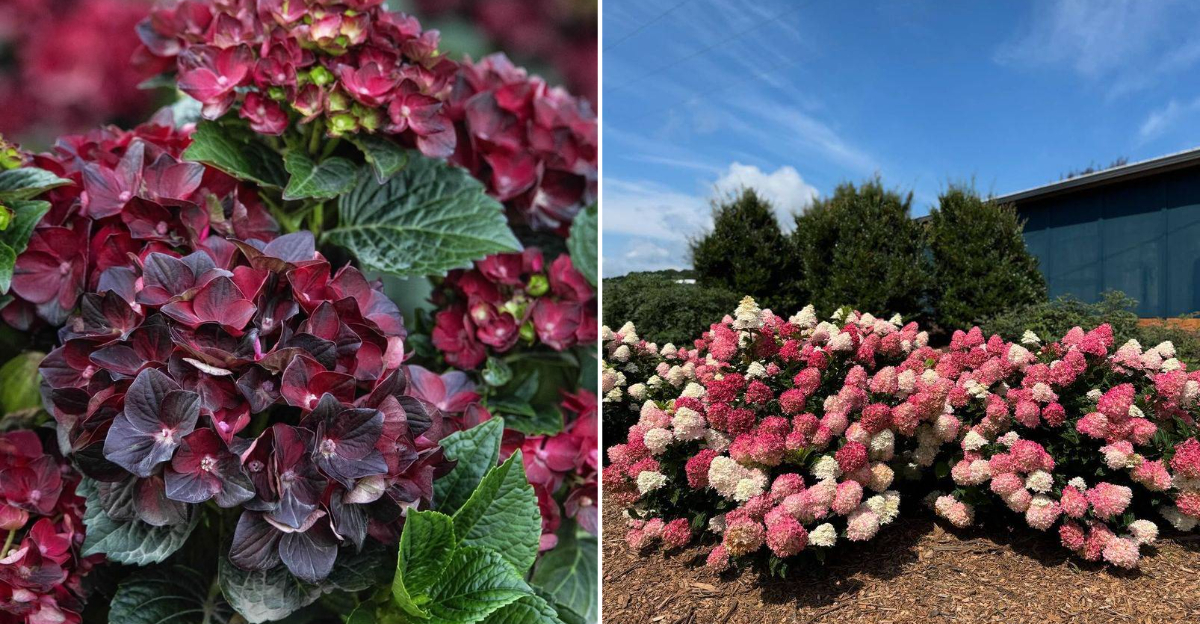
Deep ruby-red hydrangeas have always been tricky in Oregon. Our naturally acidic soil tends to push bigleaf hydrangeas toward blue or purple tones, making true reds frustratingly elusive.
Centennial Ruby™ breaks that pattern with blooms that hold their rich red color regardless of soil pH, a genuine breakthrough for gardeners who’ve been chasing that elusive crimson hue for years.
This variety stays compact, reaching about three feet tall and wide, which makes it ideal for foundation plantings, borders, or even large containers. The mophead flowers are substantial without being overwhelming, and they appear reliably even after cold winters.
That’s because Centennial Ruby™ blooms on both old and new wood, so even if late frosts nip back some stems, you’ll still get flowers from fresh growth.
Bigleaf hydrangeas need consistent moisture, and that’s something Oregon excels at providing, at least during the cooler months. The challenge comes in summer when rainfall drops off.
Mulch heavily around the root zone to conserve moisture and keep roots cool. If leaves start to wilt on hot afternoons, don’t panic; they’ll usually perk up overnight.
But if wilting persists into morning, it’s time to water deeply.
Partial shade works best, especially in inland areas where afternoon sun can be intense. Morning sun with afternoon protection gives you the best balance of light for blooming and shade for preventing leaf scorch.
Avoid planting in full shade; you’ll get lush foliage but few flowers.
Prune minimally and only after flowering. Remove spent blooms just above the first set of healthy buds, and cut out any dead or damaged stems in early spring.
Heavy pruning reduces blooms, so resist the temptation to cut back hard.
4. Spice Cowboy™ Koreanspice viburnum (Viburnum carlesii)
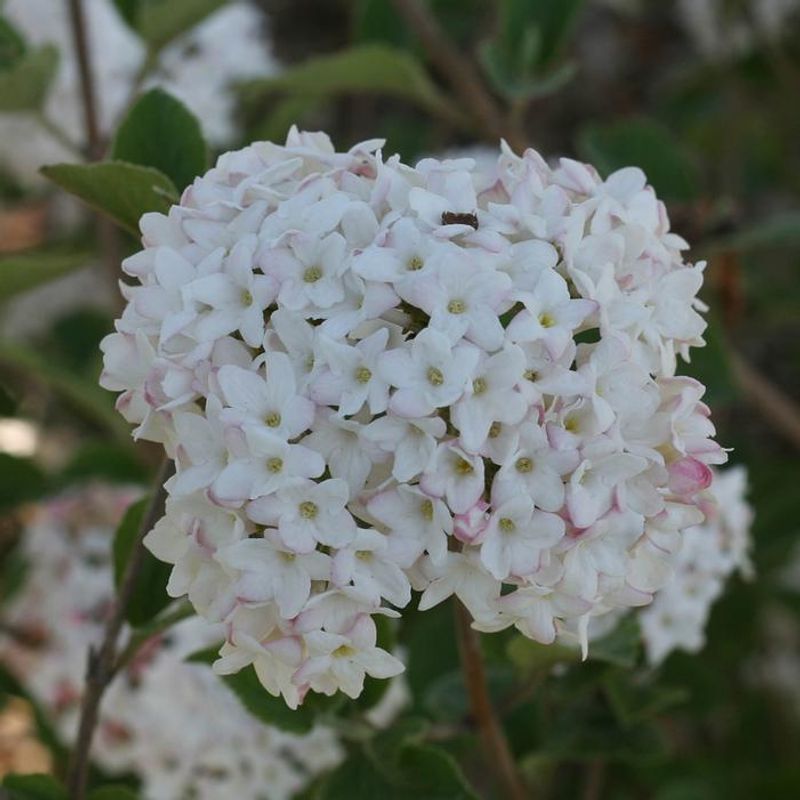
Walk past a blooming Koreanspice viburnum in April, and the fragrance stops you in your tracks. Spice Cowboy™ takes that legendary scent and packages it in a compact, manageable shrub that fits beautifully into modern Oregon gardens.
The flowers open from deep pink buds into white, star-shaped clusters that perfume the entire yard with a spicy-sweet aroma reminiscent of cloves and vanilla.
This variety grows slowly to about four feet tall and wide, developing a dense, rounded shape that needs little pruning to look tidy.
The foliage is a rich green through summer, then shifts to shades of orange and burgundy in fall, a bonus many gardeners don’t expect from viburnums.
Koreanspice viburnums appreciate well-drained soil, which can be a challenge in areas with heavy clay. If your soil holds water, consider planting on a slight mound or mixing in compost and coarse sand to improve drainage.
Once established, these shrubs tolerate dry spells reasonably well, though they’ll look their best with occasional deep watering during summer.
Plant in a spot with morning sun and some afternoon shade, especially in warmer inland valleys. Full sun is fine in cooler coastal areas, but too much heat and light can stress the plant and shorten the bloom period.
The fragrance carries best in calm, sheltered locations, so avoid planting in windy spots where the scent dissipates quickly.
Pruning is rarely necessary beyond removing the occasional wayward branch or shaping lightly after flowering. These shrubs bloom on old wood, so any heavy pruning should wait until right after the flowers fade.
Avoid fertilizing heavily; too much nitrogen encourages leafy growth at the expense of blooms and can make the plant more susceptible to aphids, which occasionally bother viburnums in spring.
5. Autumn Kiss® azalea (Rhododendron hybrid)
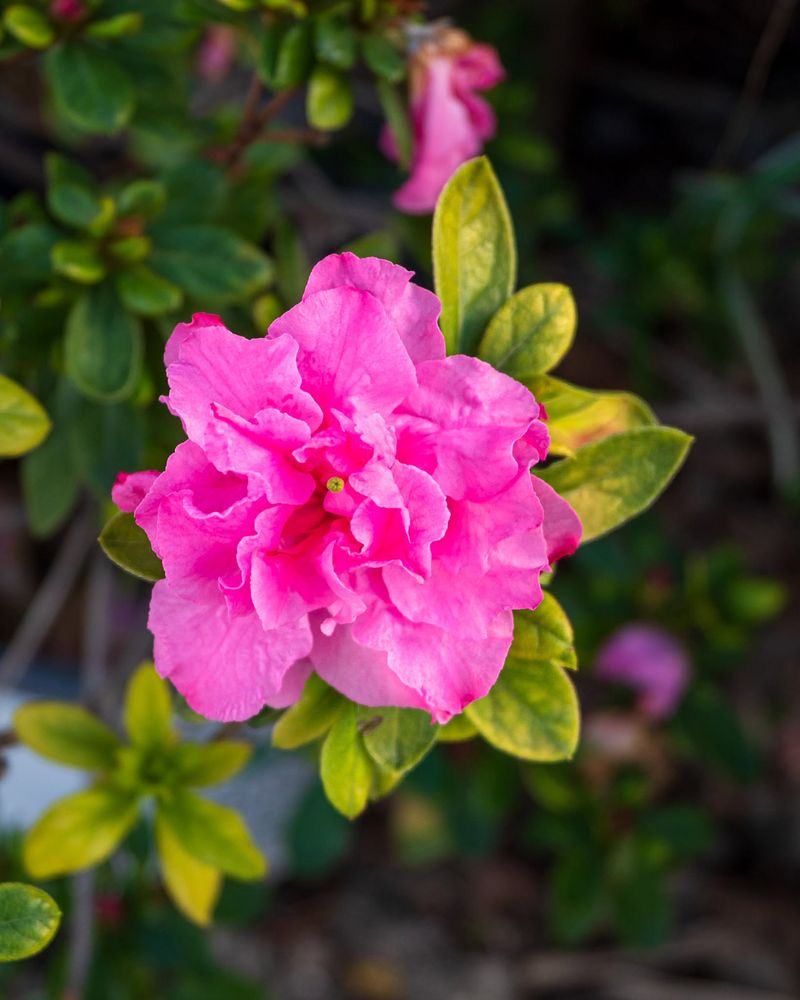
Azaleas that bloom in spring are common enough, but one that flowers reliably in fall? That’s something special.
Autumn Kiss® is a reblooming azalea that puts on its first show in spring with coral-pink flowers, then surprises you with a second flush of blooms in September and October.
For Oregon gardeners looking to extend color into the cooler months, this shrub delivers exactly that.
The plant stays compact and evergreen, reaching about three feet tall and wide. The glossy, dark green foliage looks good year-round, even when the shrub isn’t blooming.
The coral-pink flowers are vibrant without being overwhelming, and they pair beautifully with fall-blooming perennials and ornamental grasses.
Like most azaleas, Autumn Kiss® thrives in acidic soil with plenty of organic matter, conditions that naturally exist in much of Oregon. If your soil is more neutral or alkaline, work in sulfur and compost before planting.
Mulch with aged bark or compost to keep roots cool and maintain consistent moisture levels.
Partial shade is ideal, especially protection from hot afternoon sun. Too much shade reduces blooming, while too much sun can scorch leaves and stress the plant.
Dappled light under tall trees or morning sun with afternoon shade creates the perfect environment.
Water consistently during the growing season, especially in summer when rainfall is scarce. Azaleas have shallow root systems that dry out quickly, so don’t let the soil go completely dry.
At the same time, avoid waterlogged conditions that can lead to root rot.
Prune lightly after the spring bloom if needed, but avoid heavy pruning in late summer or fall, as that removes the buds for the autumn flowering. Deadheading spent spring blooms encourages the fall rebloom and keeps the plant looking tidy.
Feed with an acid-loving plant fertilizer in early spring, and you’ll enjoy months of color from this hardworking shrub.