New To Patio Gardening? Here’s How Oregon Gardeners Get Great Blooms
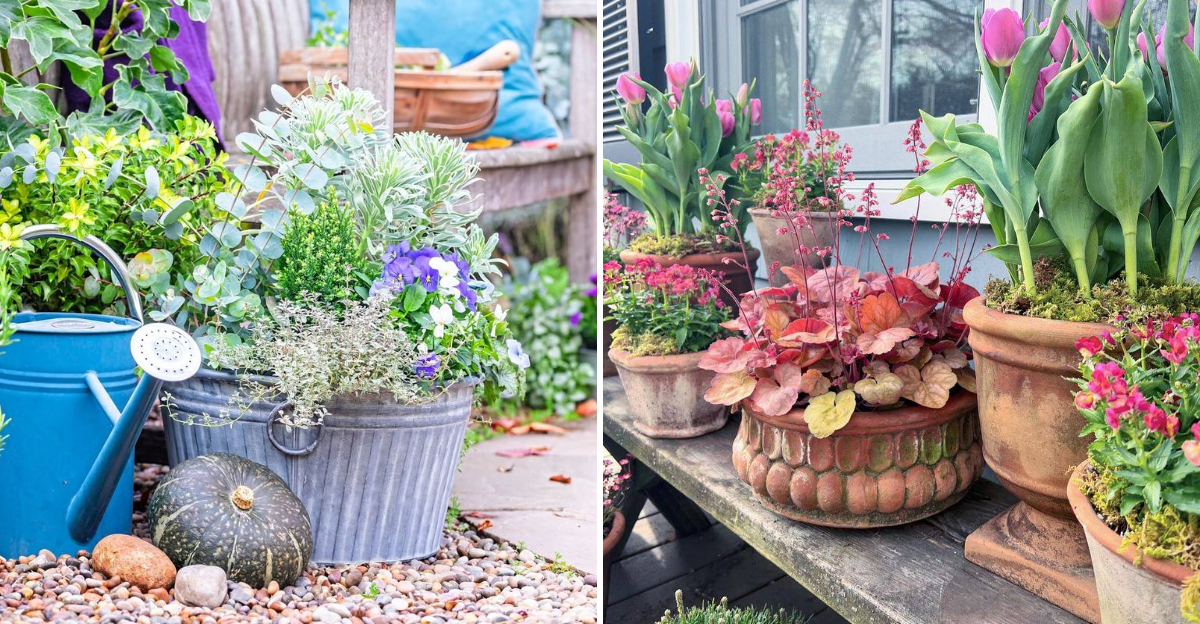
Patio gardening can feel a little intimidating at first, especially in Oregon where weather can be unpredictable. But small spaces don’t have to mean small results.
Even a modest balcony or courtyard can burst with color and life with the right approach.
The key is understanding what plants thrive in containers, how to position them for sun and shade, and how to water and feed them properly. With a few smart choices, patio gardens can produce flowers that are just as vibrant and full as those in larger garden beds.
It’s also a chance to get creative, mixing textures, colors, and heights to make a tiny space feel lush and inviting.
Whether it’s a sunny deck, a shady porch, or a small courtyard, patio gardening is about making the most of what’s available and learning a little along the way. Even beginners can enjoy seeing buds turn into blooms and watching pollinators visit their container flowers.
With these tips, Oregon gardeners can turn patios and small outdoor areas into flourishing floral displays that bring joy all season long.
1. Choosing The Right Flowering Plants For Oregon Patios
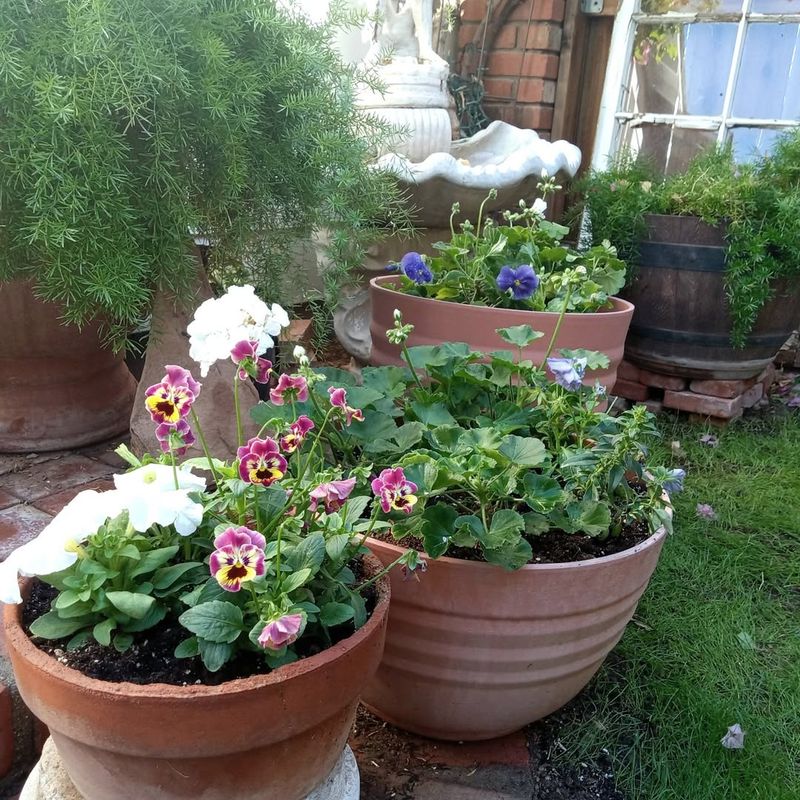
Walk into any Oregon nursery in spring and you’ll find rows of gorgeous blooming annuals that look perfect for your patio.
The trick is picking varieties that actually thrive in containers and handle Oregon’s cool mornings, warm afternoons, and unpredictable rain patterns without sulking or stopping their flower production halfway through summer.
Petunias, calibrachoa, and geraniums are popular for good reason—they bloom nonstop if you keep them fed and watered, and they bounce back quickly after those surprise June rainstorms that flatten everything.
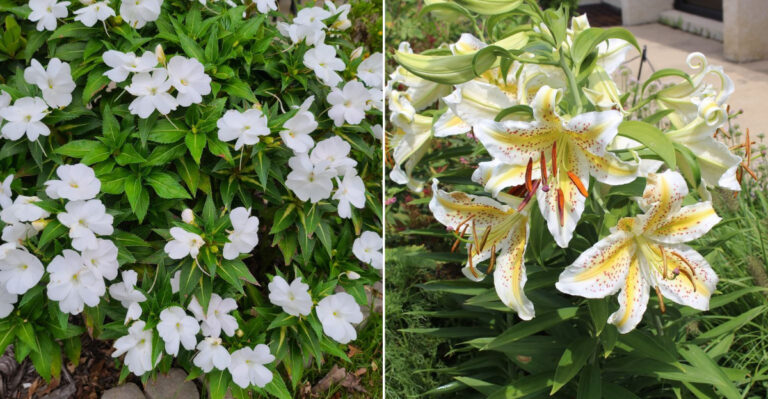
For shadier patios or north-facing balconies, begonias, impatiens, and fuchsias deliver reliable color without needing full sun, which is perfect if your outdoor space only gets morning light or dappled shade from nearby trees.
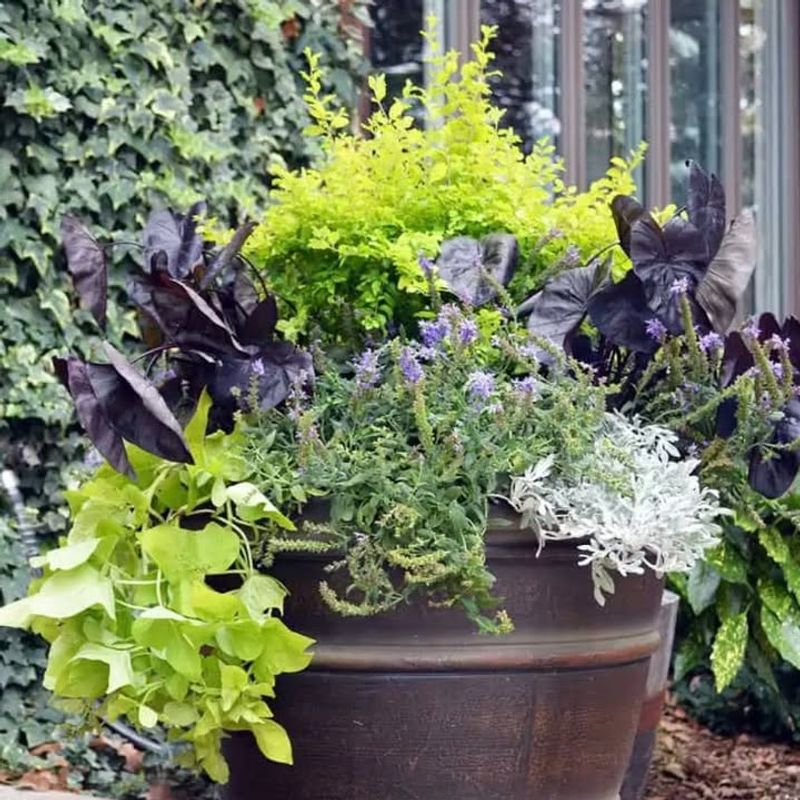
Oregon gardeners who get the best results often mix a thriller plant like a tall spike or ornamental grass with cascading fillers such as lobelia or sweet alyssum, then add a few upright bloomers in between.
This layered approach keeps your containers looking full and interesting from every angle, and it means you’re not relying on just one type of flower to carry the whole show.
Pay attention to bloom timing too—some annuals peak in early summer and then slow down, while others like marigolds and zinnias keep pushing out flowers until the first frost hits your neighborhood.
2. Picking Containers That Support Healthy Blooms
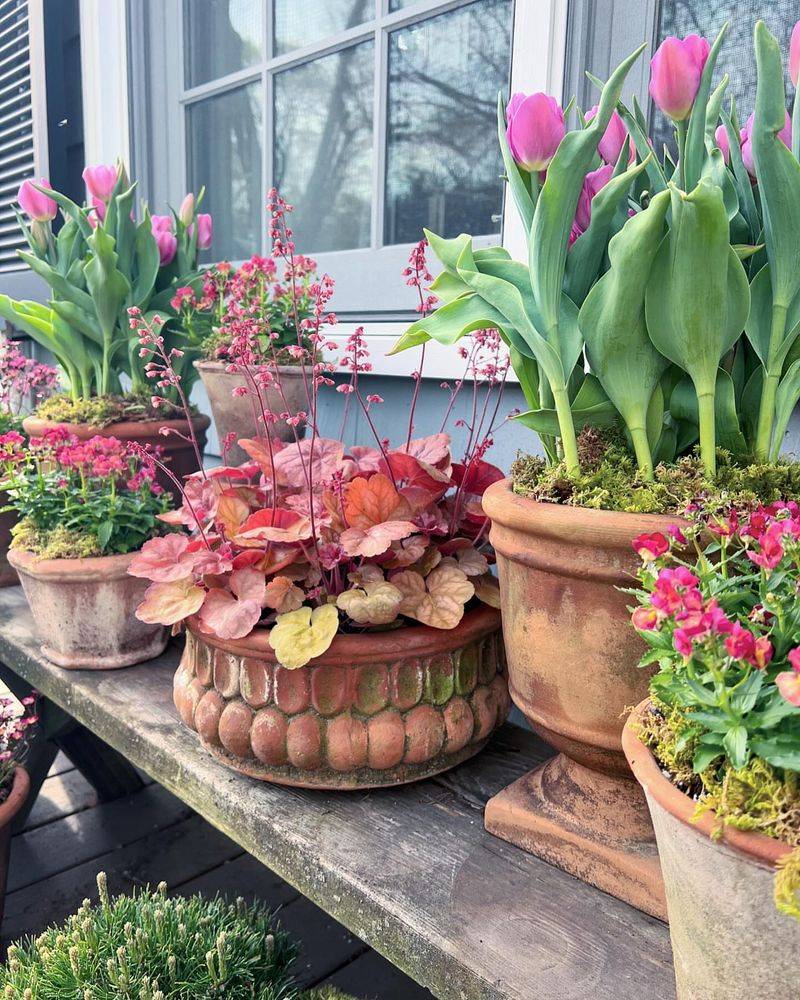
Your container choice matters more than you might think when it comes to keeping flowers happy and blooming.
Bigger pots hold more soil, which means they retain moisture longer and give roots plenty of room to spread out—both critical for plants that need to produce dozens of flowers over several months.
Aim for containers at least twelve to sixteen inches across for most annual combinations, and go even larger if you’re planting something like dahlias or hibiscus that develop substantial root systems.
Smaller pots dry out fast on hot Oregon afternoons, and once the soil shrinks away from the sides, water just runs straight through without soaking in properly.
Drainage holes are non-negotiable—without them, excess rainwater or accidental overwatering turns your potting mix into a soggy mess that suffocates roots and invites root rot.
If you fall in love with a decorative pot that doesn’t have drainage, either drill holes in the bottom or use it as a cachepot and set a plastic nursery container with drainage inside it.
Material matters too: terracotta breathes and dries out faster, which is great if you tend to overwater but annoying if you’re gone all day and your patio gets full afternoon sun.
Glazed ceramic, resin, and fiberglass pots hold moisture longer and weigh less, making them easier to move around when you’re chasing sunlight or rearranging your setup.
3. Soil Choices That Boost Flower Production
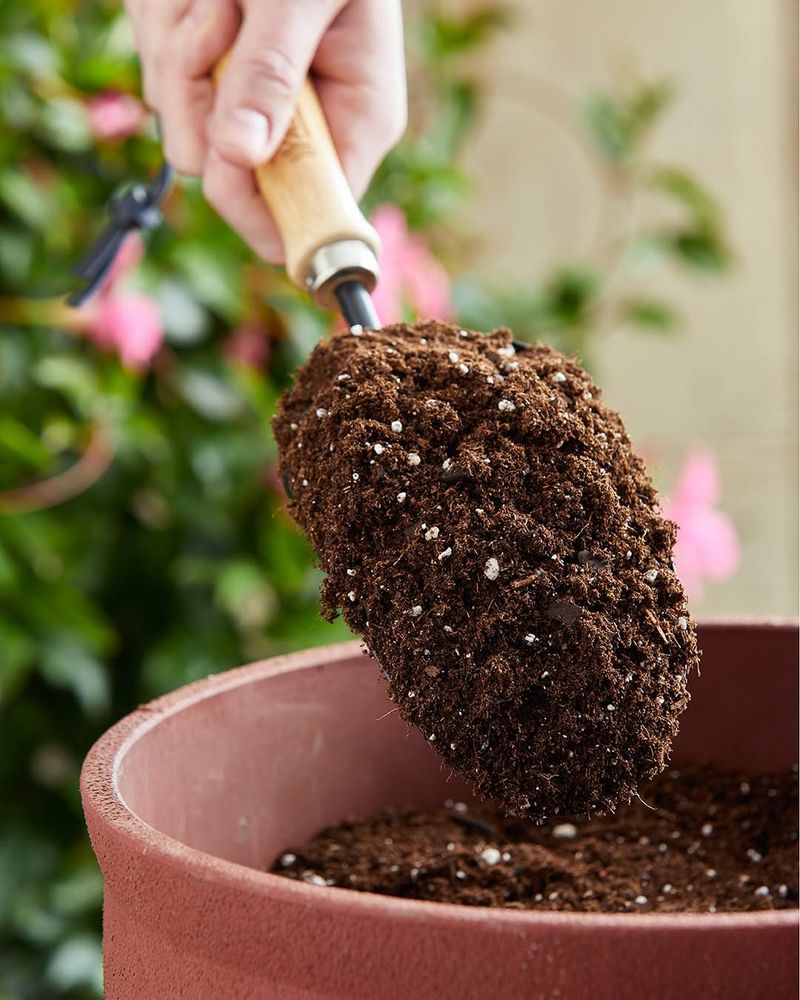
Garden soil from your yard might seem like a free option, but it compacts quickly in containers and doesn’t drain well enough for potted plants.
Quality potting mix designed specifically for containers makes a huge difference because it stays loose and fluffy, allowing roots to breathe and water to move through at the right pace.
Look for mixes that contain peat moss or coconut coir for moisture retention, along with perlite or vermiculite for drainage and aeration.
Some Oregon gardeners add a handful of compost to their potting mix at planting time, which introduces beneficial microbes and gives plants a gentle nutrient boost as they settle in.
Avoid heavy, dense mixes labeled for raised beds or in-ground gardens—they’ll suffocate container roots and create waterlogged conditions that lead to yellowing leaves and stunted blooms.
If your potting mix feels like it’s drying out too fast, you can blend in a moisture-retaining polymer or add extra coconut coir, but don’t go overboard or you’ll end up with soggy soil that never fully dries between waterings.
Refresh your potting mix every spring rather than reusing last year’s soil, which gets compacted and depleted of nutrients over time.
Dumping old mix into garden beds works great, and starting with fresh potting soil each season gives your new flowers the best possible foundation for producing loads of blooms throughout the growing season.
4. Sunlight Placement For Maximum Blooming
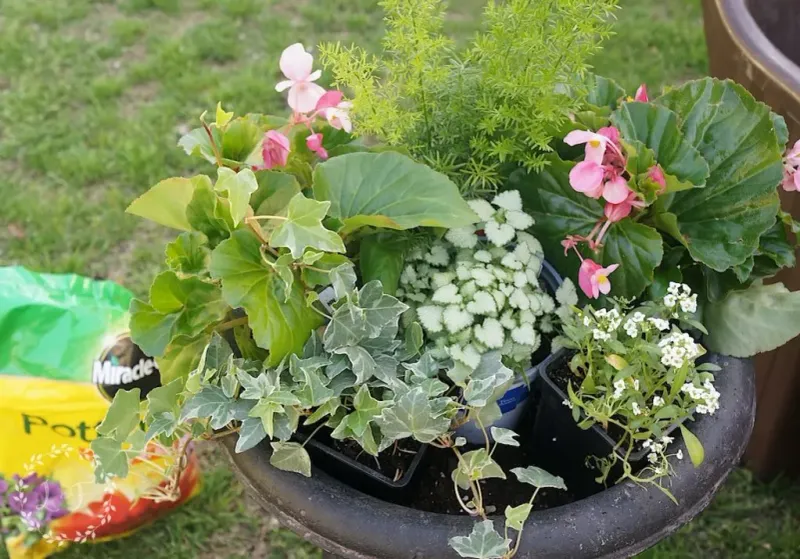
Most flowering annuals need at least six hours of direct sunlight daily to produce their best blooms, but figuring out where that sunlight actually lands on your patio takes a little observation.
Spend a day at home watching how light moves across your deck or balcony—you might discover that your supposedly sunny spot only gets morning sun, or that afternoon shade from a neighbor’s tree cuts your light short by mid-July.
Full-sun lovers like petunias, marigolds, and zinnias will stretch and produce fewer flowers if they don’t get enough bright light, while shade plants like begonias and impatiens will scorch and wilt if you stick them in blazing afternoon sun.
If your patio gets intense heat during summer afternoons, consider moving containers to a spot where they receive morning sun and afternoon shade, which protects blooms from fading and reduces water stress.
Oregon’s variable cloud cover means some days are brilliantly sunny while others stay overcast, so plants that tolerate partial sun—like calibrachoa, verbena, and salvia—tend to perform more consistently than varieties that demand constant full sun.
Keep lightweight containers on rolling plant caddies so you can shift them around as the season progresses and sunlight angles change.
Don’t forget that walls and fences reflect heat and light, which can create surprisingly warm microclimates even on north-facing patios, giving you more flexibility with plant placement than you might expect.
5. Watering Techniques For Patio Pots
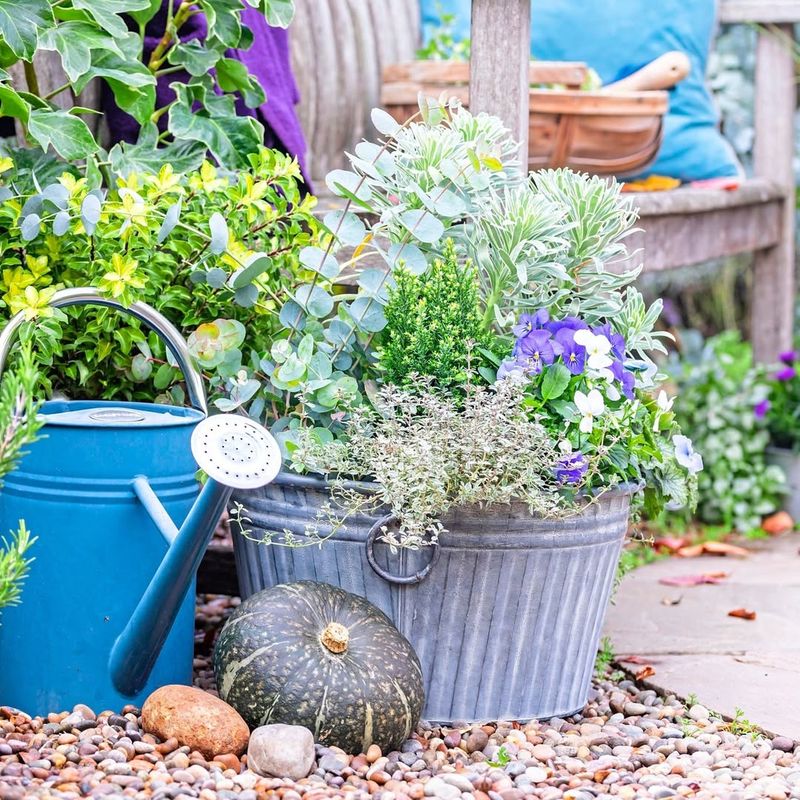
Container plants dry out much faster than anything growing in the ground, especially during Oregon’s warm, dry summers when rain disappears for weeks at a time.
Check your pots every morning by sticking your finger an inch or two into the soil—if it feels dry at that depth, it’s time to water thoroughly until you see water running out the drainage holes at the bottom.
Watering lightly every day might seem helpful, but it actually encourages shallow root growth and leaves plants vulnerable to stress when you miss a day or temperatures spike.
Deep, thorough watering less frequently trains roots to grow downward and makes your plants more resilient overall.
Early morning is the best time to water because it gives foliage time to dry before evening, reducing the risk of fungal diseases that thrive in Oregon’s humid conditions.
If you’re away during the day or have a large patio setup, consider installing a simple drip irrigation system with a timer—it takes the guesswork out of watering and ensures your plants get consistent moisture even when you’re busy.
On really hot days, you might need to water twice, especially for smaller pots or containers in full sun that dry out by mid-afternoon.
Pay attention to your plants—wilting leaves and drooping flowers are clear signs they need water right away, and catching them before they fully stress out helps them bounce back faster and keep blooming strong.
6. Fertilizing Without Overfeeding
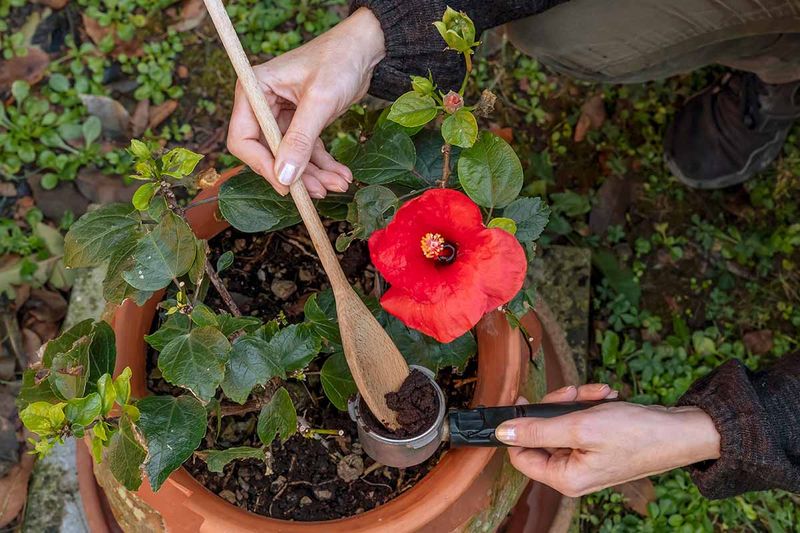
Potted plants burn through nutrients quickly because frequent watering flushes fertilizer out through drainage holes, leaving your flowers hungry and producing fewer blooms.
Regular feeding keeps them flowering strong, but overdoing it causes more harm than good—too much fertilizer leads to lush green foliage with hardly any flowers, plus it can burn roots and damage plants.
Start with a balanced, water-soluble fertilizer mixed at half the recommended strength, applied every two weeks once your plants are established and blooming. Slow-release granules mixed into the potting soil at planting time provide a steady nutrient supply for several months, which works great if you prefer a low-maintenance approach.
Bloom-boosting fertilizers with higher phosphorus content encourage more flower production, but don’t switch to them until your plants are actively blooming—young plants need balanced nutrition to build strong roots and foliage first.
Organic options like fish emulsion or compost tea work well for Oregon gardeners who prefer natural feeding methods, though they tend to smell a bit funky for a few hours after application.
Watch your plants for signs of nutrient deficiency, like yellowing leaves or weak stems, which indicate they need more frequent feeding.
On the flip side, if you notice dark green leaves and very few flowers, you’re probably overdoing the nitrogen—cut back on feeding frequency and let your plants focus their energy on blooms instead of leaf growth.
7. Managing Wind And Temperature Swings
Oregon weather can shift dramatically within hours—a warm, calm morning might turn into a breezy, cool afternoon, and those temperature swings stress container plants more than you’d expect.
Wind dries out soil faster, breaks stems on tall plants, and can shred delicate petals, especially on exposed balconies or rooftop patios where there’s no natural windbreak.
Position your containers near walls, railings, or furniture that provide some shelter from strong gusts, or group pots together so they protect each other.
Taller plants benefit from staking or support rings that keep stems upright when wind picks up, preventing that frustrating moment when you come home to find your beautiful flowers bent or snapped.
Temperature fluctuations affect bloom production too—plants that get too cold at night or too hot during the day conserve energy instead of making flowers.
On chilly spring evenings or during unexpected cold snaps, move tender plants closer to your house where radiant heat from walls keeps them a few degrees warmer, or toss a light sheet over them overnight.
During heat waves, provide temporary afternoon shade with a patio umbrella or shade cloth, and mist foliage in the early morning to help plants cool down through evaporation.
Oregon’s coastal areas stay cooler and windier, while inland valleys experience hotter, calmer conditions, so adjust your wind and temperature strategies based on your specific microclimate and what you observe happening on your own patio throughout the season.
8. Deadheading And Pruning For More Flowers
Once flowers fade and start forming seeds, plants shift their energy toward seed production instead of making new blooms.
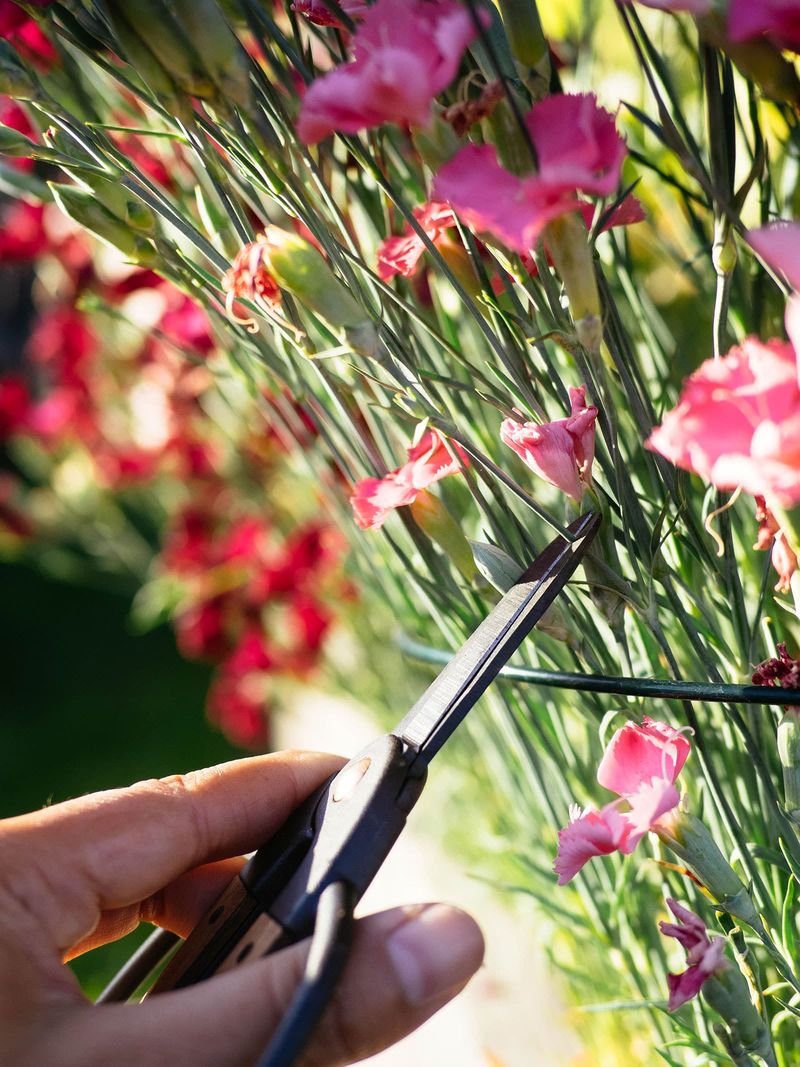
Deadheading, removing spent flowers before they go to seed—tricks plants into producing more buds and keeps your containers looking fresh and colorful all season long.
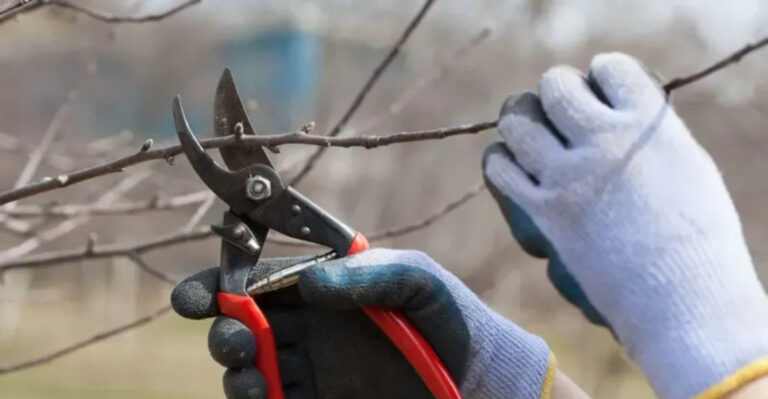
Grab a pair of clean pruning snips or just pinch off faded blooms with your fingers, cutting or snapping just below the flower head where it meets the stem.
Some plants like petunias and calibrachoa respond especially well to deadheading and will reward you with wave after wave of new flowers if you stay on top of it.
For plants that get leggy or sparse by midsummer, a light pruning helps rejuvenate growth and encourages bushier, fuller plants with more blooming points.
Cut back stems by about one-third, removing any yellowing or damaged foliage at the same time, then give your plants a good drink and a dose of fertilizer to support their comeback.
Not all flowers require deadheading—some newer varieties are self-cleaning and drop their spent blooms on their own, which saves you time and effort.
Check plant tags or ask at the nursery to find out which varieties need regular deadheading and which ones take care of themselves, so you can plan your patio setup based on how much maintenance you’re willing to do throughout the growing season.